The Season to do the Annapurna Circuit Trek from Pokhara
Spring and autumn are the main seasons for this itinerary. Read our best time for the Annapurna Circuit Trek guide to compare seasons and choose dates that suit your preferences.
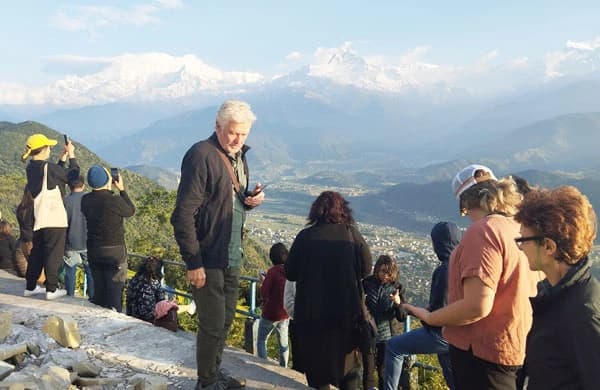
Spring: Spring is the season of flowers. Rhododendrons and many other wildflowers bloom all over the trail. The scenery is exceptional. You will be enchanted by the red and pink colors of rhododendrons covering hills. Mountain views are crystal clear, and the climate is mild.
Planning a spring departure? Explore our Annapurna Circuit guides for March, April, and May for month-specific weather, trail conditions, and preparation tips.
Autumn: Autumn, particularly late September through November, is a popular season for the Annapurna Circuit Trek from Pokhara. As monsoon rainfall eases, conditions generally become drier and mountain views clearer. Early September can still bring rain, while nights become colder as the season progresses, especially above Manang.
Nepal’s autumn festivals can add cultural interest to your visit, although their dates vary each year.
Compare our Annapurna Circuit guides for September, October, and November before choosing your autumn departure.
Summer/monsoon: The summer/monsoon period has a hot and humid climate. If rain is not falling, the temperature rises significantly. However, if rain falls, the trail gets muddy and slippery. The risk of landslides increases, and insects are more active on the trail during monsoon. The sky gets cloudy, obstructing the mountain views. On the good side, the vegetation and rivers/streams are thriving in this season.
Considering a monsoon departure? Read our Annapurna Circuit guides for June, July and August for seasonal challenges and planning considerations.
Winter: Winter is another off-season for trekking in the Himalayas because of snowfall and the freezing climate. However, if you love tranquil trails, winter landscapes, and snow, you will love the Annapurna Circuit trek in winter.
For winter planning, see our Annapurna Circuit guides for December, January, and February, then discuss your dates and current trail conditions with our team.
Weather and Temperature
Conditions vary considerably between the lower valleys, Manang, and Thorong La Pass. Read our Annapurna Circuit Trek weather and temperature guide for a detailed overview by altitude and season.
Annapurna Circuit Trek from Pokhara trekking permits
Our package includes the Annapurna Conservation Area Permit (ACAP) and TIMS card. Send our team the requested documents before departure so we can arrange them. Read our Annapurna Circuit Trek permit guide for requirements, fees, and application details.
Meals during the Annapurna Circuit trekking from Pokhara
A total of 31 meals (10 breakfast, 11 lunches and 10 dinners) are including in our 11-Day Annapurna Circuit Trek from Pokhara. You can choose the food you like from the menu, which is almost the same everywhere. Food like dal bhat, Thukpa, fried rice, curry, Tibetan bread, Thenduk, momo, Chowmein, pizza, pasta, pancakes, eggs, etc, are common.
For more information about teahouse menus, vegetarian options, drinks, and what to expect along the route, read our food and drinks on the Annapurna Circuit Trek guide.
Drinking water
During the trek, trekkers drink boiled drinking water provided by the tea houses at a low cost. Plastic water bottles are sold along the trail, but the cost is absurd and is not good for the environment. You carry a reusable water bottle and fill it with boiled water. It will cost you USD 1 or less to fill your bottle.
Drinking water from taps and streams is not recommended. Trekkers can use water purification tablets to double purify the water.
Accommodation on the Annapurna Circuit trek route from Pokhara
During the trek from Pokhara, simple tea houses will be your accommodation. The Annapurna Circuit trek route has mostly budget-friendly, basic tea houses. Some villages also offer premium lodges. The rooms in tea houses are small and simple. Trekkers get separate beds with pillows and blankets. Carry a sleeping bag. It will provide you with more comfort and warmth on chilly nights.
Likewise, washrooms are shared in most of the tea houses. On a good note, Western-style toilets are readily available along the trail. We recommend trekkers pack all toilet essentials like soap, wipes, and hand sanitizers. Services like charging, WiFi, and hot showers cost extra money, so trekkers are advised to carry adequate money for personal expenses.
Read our Annapurna Circuit Trek accommodation guide for more details about teahouse rooms, bathrooms, bedding, and facilities along the trail.
Travel insurance for the Annapurna Circuit trek
Travel insurance is important for joining the Pokhara - Annapurna Circuit trek with us. Foreigners must submit their travel insurance documents to our office before starting the trek. It must cover emergency helicopter evacuation and medical bills. Note that the Annapurna Circuit trek happens in the remote Himalayas. There are risks of injuries, accidents, natural disasters, and other unseen events beyond our control.
These things are rare, so you do not have to worry and it is better to be safe and prepared than sorry while trekking in the Himalayas. Therefore, travel insurance is required.
Annapurna Circuit trek from Pokhara difficulty
The Annapurna Circuit trekking from Pokhara is physically and mentally challenging but not technically difficult. If you are in good shape, you will have an incredible time hiking it. This trek is definitely not for first-time trekkers, but if you possess the physical and mental strength, you may consider joining it. The terrain is offbeat and includes many steep ascents and descents.
Likewise, you will cross landslide-prone areas and navigate narrow, rocky tracks. The journey demands patience and adjustment to limited services. Depending on your pace, you will walk 6 to 7 hours a day. Crossing the Thorong La Pass is the toughest part of this trek, requiring almost 9 hours of walking.
Before booking, read our Annapurna Circuit Trek difficulty guide to understand the demands of consecutive walking days, steep terrain, and the Thorong La crossing.
Altitude sickness during Annapurna Circuit Trek from Pokhara and tips to avoid it
Altitude illness can affect trekkers regardless of fitness. Our itinerary includes an acclimatization day in Manang, but this does not eliminate the risk. Tell your guide immediately if you develop symptoms, and do not continue ascending while unwell. Worsening symptoms or serious signs require descent and urgent medical assistance. Medication decisions should follow qualified medical advice.
Our local guide's advice: The most challenging part of the trek is not the Thorong La Pass itself, but managing energy and acclimatization during the days leading up to the pass, and our guides encourage trekkers to walk slowly, stay hydrated, and make active use of the acclimatization day in Manang rather than simply resting in the village.