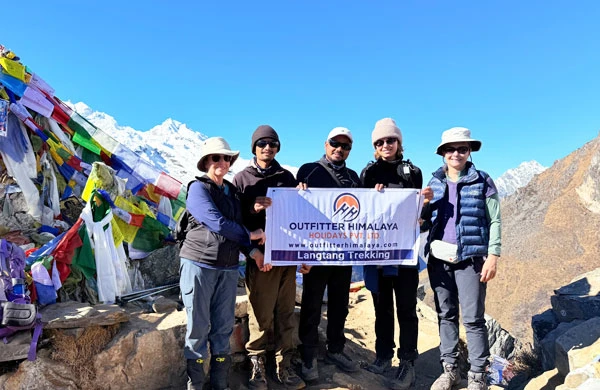
Are you dreaming of an escape to the Himalayas, where snow - capped peaks meet vibrant forests? If you are planning a trip to Nepal for May, the Langtang Valley Trek offers a perfect blend of thrill, tranquility, and natural beauty. Often overshadowed by the giants of Everest and Annapurna, the Langtang is Nepal's best-kept secret. In May, the "Valley of Glaciers" transforms into a lush paradise, offering you a unique window into the Himalayas just before the monsoon arrives.
Here is everything you need to know about trekking to Langtang in May.
Langtang Valley Trek in May - The “Valley of Glaciers” in Full Bloom
The Langtang Valley Trek in May is widely considered the “Golden Window” for high-altitude adventure in Nepal. Known as the “Valley of Glaciers,” the Langtang is the closest Himalayan trekking destination to Kathmandu, offering an incredible transition from subtropical forests to alpine meadows and towering ice-walls in just a few days.
The Langtang Valley Trek in May is one of the most rewarding spring trekking experiences in Nepal. The trek offers a perfect balance of mountain scenery, cultural immersion, traditional mountain villages, and seasonal beauty in May. The Langtang Valley lies within Langtang National Park, a region known for its rich biodiversity, dramatic landscapes, and strong Tibetan - influenced heritage.
Located just 19 miles north of Kathmandu, the Langtang Valley is the closest Himalayan region to the capital, yet it feels worlds apart. May marks the end of the spring season and the transition into pre-monsoon summer, which means the valley is at its greenest, the air is rich with oxygen, and the trails are alive with the sounds of nature.
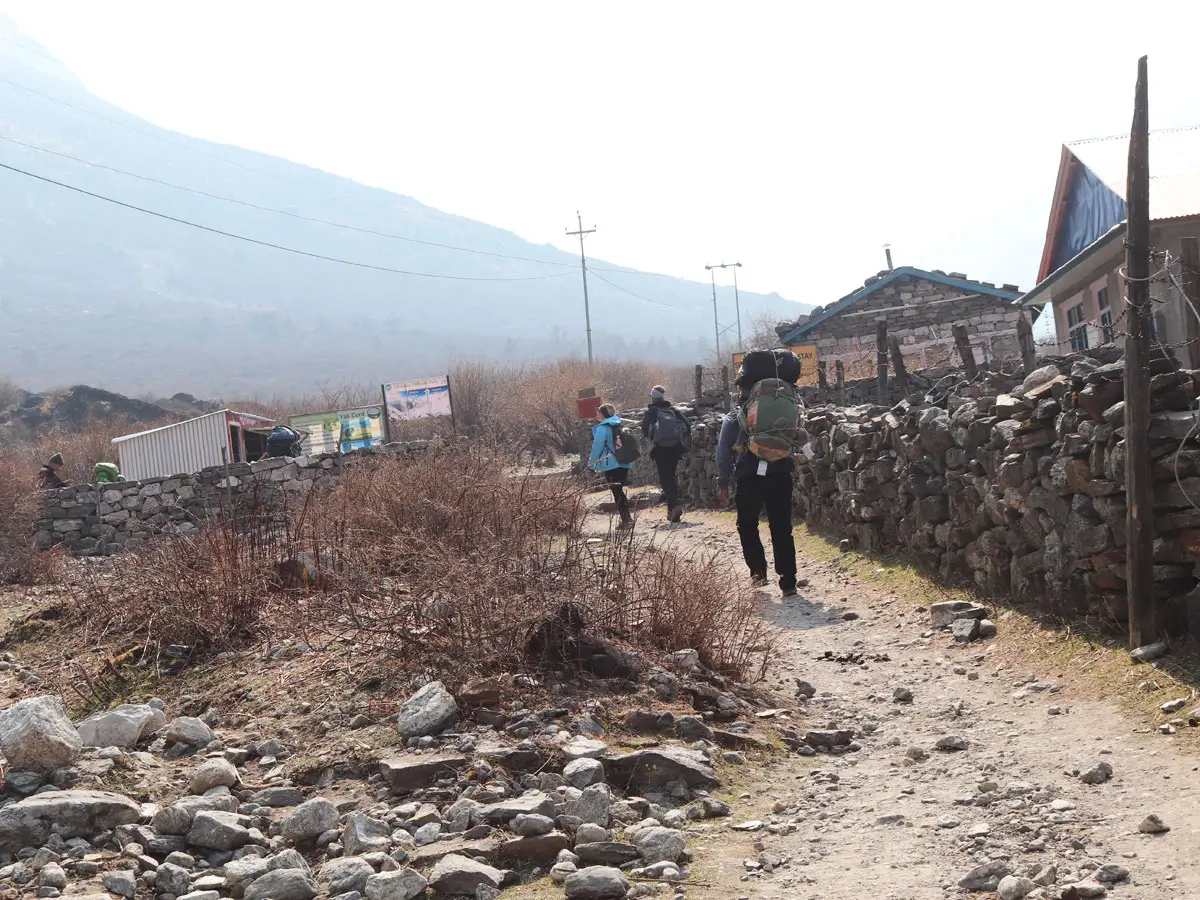
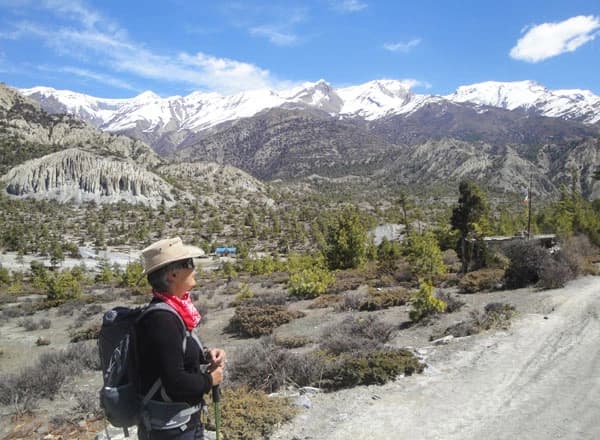
Langtang Valley Trail!
May brings a dynamic atmosphere, warm sunshine in the mornings and dramatic cloud formations in the afternoons. It is the month of life, where the flora is at its peak, and the fauna is most active. Forest trails are filled with colorful rhododendron blossoms, wildflowers, and fresh greenery, while highersections remain cool and refreshing.
By May, the Langtang region has shaken off its winter slumber. The harsh snow on the high passes has melted, reopening the legendary routes to Tserko Ri (5,033m). This is the peak of the pre-monsoon season, when the climate strikes a perfect balance: the lower valleys are warm and lush. At the same time, the high-altitude sanctuaries around Kyanjin Gompa offer crisp, clear mornings with breathtaking views of Langtang Lirung (7,227m).
Compared to busier trekking routes, Langtang feels more intimate and peaceful. The trails are lively but not overcrowded, teahouses are fully operational, and interactions with local Tamang communities feel genuine and unhurried.
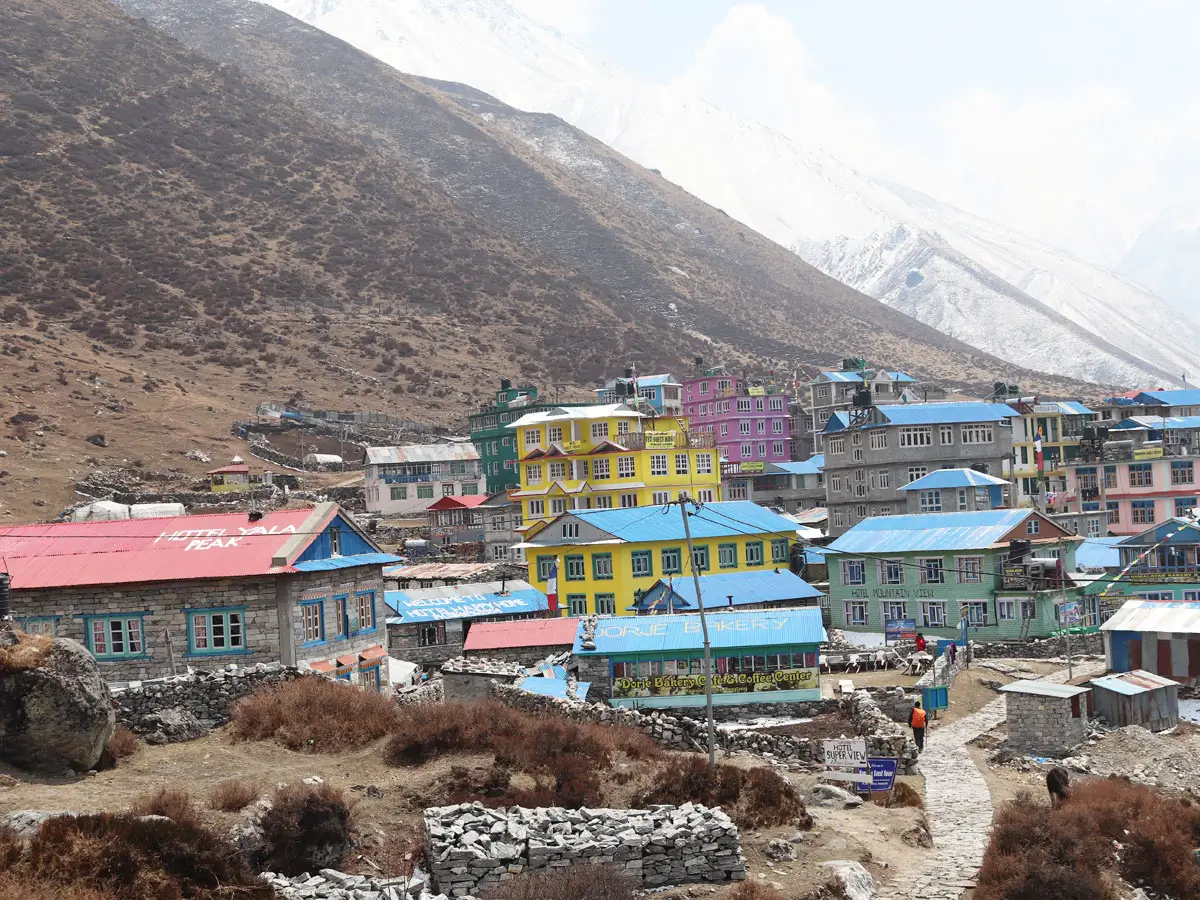
The Langtang Valley represents more than just a trek; it is a journey of resilience. As you walk through the reconstructed Langtang Village, you witness the strength of the Tamang people and their rich, Tibetan-influenced culture, all set against a backdrop of blooming rhododendron forests that reach this level of vibrancy only in late spring.
Trekking to Langtang Valley in May offers some of the most favorable trekking conditions of the year. The month of May falls in Nepal’s pre-monsoon spring season, offering warm temperatures, low rainfall, and generally clear skies.
For many trekkers, May represents the best balance between comfort and scenery in Nepal’s Himalayan regions.
Typical Daily Weather Pattern along the Langtang Trek in May
Most days in May follow a stable and predictable rhythm:
Early Morning: Clear, cool, best mountain views
Late Morning: Pleasant and ideal for trekking
Afternoon: Slight warmth, occasional clouds
Evening/Night: Cool and calm
Because clouds usually appear later in the day, morning walks offer the best visibility and photography opportunities.
Temperature along the Langtang Valley Trek in May (By Elevation)
Temperatures in May are comfortable for most trekkers and vary depending on altitude.
Lower Elevations (1,400 –2,000 m) – Syabrubesi to Lama Hotel
Day: 18°C – 25°C (64°F–77°F)
Night: 10°C – 15°C (50°F–59°F)
Warm and pleasant, especially during sunny afternoons.
Mid Elevations (2,500–3,500 m) – Langtang Village Area
Day: 12°C–20°C (54°F–68°F)
Night: 5°C–10°C (41°F–50°F)
Comfortable for walking, with cool evenings.
High Elevations (3,800–5,000 m) – Kyanjin Gompa and Tserko Ri
Day: 5°C–12°C (41°F–54°F)
Night: –2°C to 3°C (28°F–37°F)
Cold mornings and nights require proper layering.
Note: Weather in the Himalayas can change in minutes. Always be prepared for a sudden drop in temperature at higher altitudes.
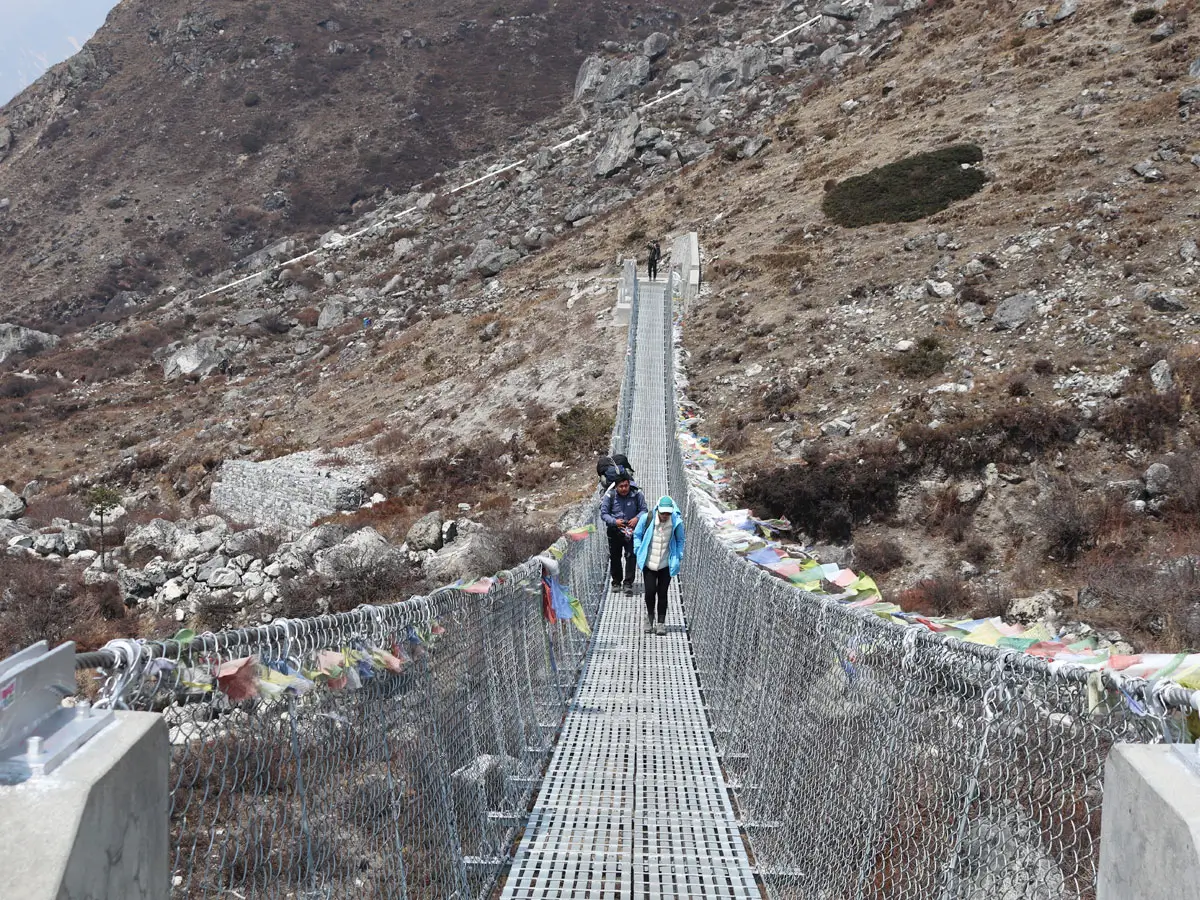
Bridge on Langtang Valley Trek!
Rainfall and Humidity along the Langtang Valley Trail in May
May is still part of the dry season, but light pre - monsoon moisture begins to appear toward the end of the month.
Typical conditions include:
Low rainfall in early May
Occasional light showers in late May
Moderate humidity
Mostly dry trails
Rain rarely disrupts trekking, especially in the first half of the month.
With proper planning and guidance from experienced operators like Outfitter Himalaya, trekking in May becomes both safe and highly enjoyable.
Highlights - Langtang Valley Trek in May
The Floral Explosion: May is the last month to witness the full bloom of the Rhododendron (Nepal’s national flower), along with wild primulas and orchids painting the hillsides.
360 - Degree Mountain Panoramas: Reach summits of Kyanjin Ri (4,773m) or Tserko Ri (5,033m) for unobstructed views of Langtang Lirung, Dorje Lakpa, and Yala Peak.
Spiritual Heart of Kyanjin: Explore the ancient Kyanjin Gompa (monastery) and the world-famous Yak cheese Factory.
Walk inside the protected landscapes of Langtang National Park.
Wildlife Encounters: As the weather warms, rare species such as the Red Panda, Himalayan Tahr, and the colorful Monal pheasant become more active in Langtang National Park.
Diverse Landscapes: Walk through subtropical forests, bamboo groves, and high alpine meadows in a single trip.
Cultural Immersion: Experience the legendary hospitality of the Tamang people, whose culture, traditions, prayer flags, and many walls reflect deep-rooted Tibetan Buddhist heritage.
Capture outstanding spring photography of forests, peaks, and villages.
Enjoy stable pre-monsoon weather with comfortable trekking temperatures.
Combine cultural discovery, natural beauty, and moderate adventure in one journey.
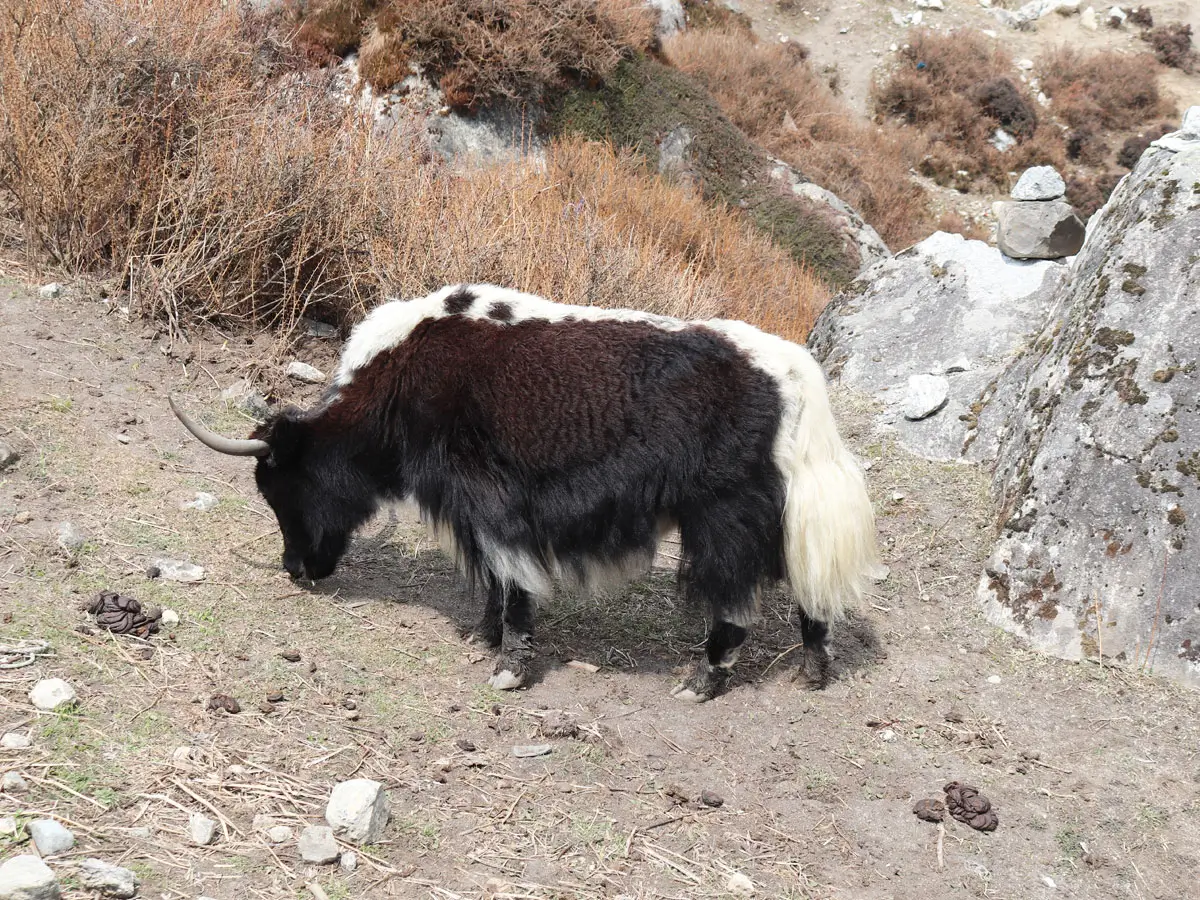
Yaks on Langtang Trail!
Best Langtang Trek Packages for May available in Outfitter Himalaya
Langtang Valley Trek - 12 Days: Suitable for beginner and experienced trekkers looking for a packaged trek with Kathmandu.
Langtang Circuit Trek- 16 Days: Suitable for those looking for a longer trek in the Langtang Region and want to cover all the destinations in Langtang.
Why Langtang Trek in May - Benefits of Langtang Trek in May
May is widely considered the "sweet spot" for the Langtang trek in Nepal. Here is why:
The Climate "Sweet Spot"
May is the bridge between the spring and the wet monsoon, and you get the warmth of summer without the heavy daily rains. It is the best month for those who dislike trekking in heavy down jackets all day.
The Last of the Blooms –Rhododendron and Spring Flower
May is one of the most beautiful months for rhododendron trekking in Nepal. While the lower altitude flowers may fade by late May, the higher elevations are still ablaze with color. You will feel like walking on a "floral carpet". The forest between Syabrubesi and Langtang village burst into shades of red, pink, and white, mixed with wildflowers and fresh greenery.
The majestic Rhododendron forests (Nepal's national flower) paint the hills in shades of pink, red, and white, creating a fairy-tale contrast against the white mountain peaks. This natural bloom transforms the trail into a colorful corridor, making every walking day visually rewarding and perfect for photography lovers.
Vibrant Cultural Festivals
Many Tamang and Tibetan-origin communities celebrate Buddha Jayanti in May. If your dates align, you may witness colorful processions, traditional dances, and butter-lamp ceremonies at the Kyanjin Monastery.
Lively Villages and Rich Tamang Culture
May is an active period in mountain communities, and villagers are busy with farming, livestock care, and season preparations, creating a vibrant atmosphere along the route.
Trekkers have a greater chance of experiencing Tamang culture, observing traditional lifestyles, and interacting naturally with local families in Langtang and Kyanjin.
May brings strong biological activity inside Langtang National Park. Forests are filled with birdsong, butterflies, and flowering plants, while small wildlife becomes more visible.
Nature lovers will find May especially rewarding for observing Himalayan ecosystems at their healthiest.
Warmer Temperatures and Stable Pre-Monsoon Weather with clear skies
If you dread the cold of high-altitude trekking, May is your best friend. The weather is significantly warmer than in March or April, making the days pleasant for walking in light layers. Even at Kyanjin Gompa, the nights are cool but rarely bone-chilling.
May falls within the pre-monsoon trekking season, meaning rainfall is still limited, and the weather remains mostly stable. Mornings are usually clear, offering excellent mountain visibility, while afternoons stay pleasantly warm.
This balance makes May one of the best times to trek Langtang in Nepal, especially for first-time Himalayan trekkers.
Outstanding Mountain and Glacier Views
During May, snow-capped peaks remain bright and clearly visible. Mountains such as Langtang Lirung, Dorje Lakpa, and the surrounding ranges dominate the skyline.
From Kyanjin Gompa and viewpoints like Tserko Ri, you will enjoy wide panoramic views of glaciers, ridges, and high Himalayan walls–often at their best in spring light.
Yaks on Langtang Trail!
Fewer Crowds
April is the peak trekking month in Nepal. By choosing May, you avoid the "traffic jams" on the trails. You will have more solitude to enjoy nature and a better chance of securing the best rooms in teahouses without fierce prior competition, and you enjoy:
Social trekking atmosphere
Easy accommodation
Peaceful walking hours
Relaxed viewpoints
Comfortable Trail Conditions
Unlike monsoon months, May trails are mostly dry, firm, and safe. The River crossings are manageable, and the forest paths are not slippery.
This makes walking easier, reduces injury risk, and allows trekkers to focus more on enjoying the journey rather than worrying about trail conditions.
Because May is the pre-monsoon season, the occasional showers wash the dust off the vegetation. The result? Crisp, vibrant green landscapes that look stunning in photographs.
Photography Gold
While the afternoons bring mist, the "Blue Hour" and sunrise in May are legendary. The moisture in the air creates spectacular, fiery sunsets over the white peaks that you simply don't get in the dry autumn months.
A Well-Rounded Spring Himalayan Experience
Langtang Trek in May combines colorful forests, clear mountain views, rich culture, and comfortable weather into one complete trekking package. It is ideal for travelers seeking a scenic, culturally rich, and moderately challenging Himalayan adventure without extreme conditions.
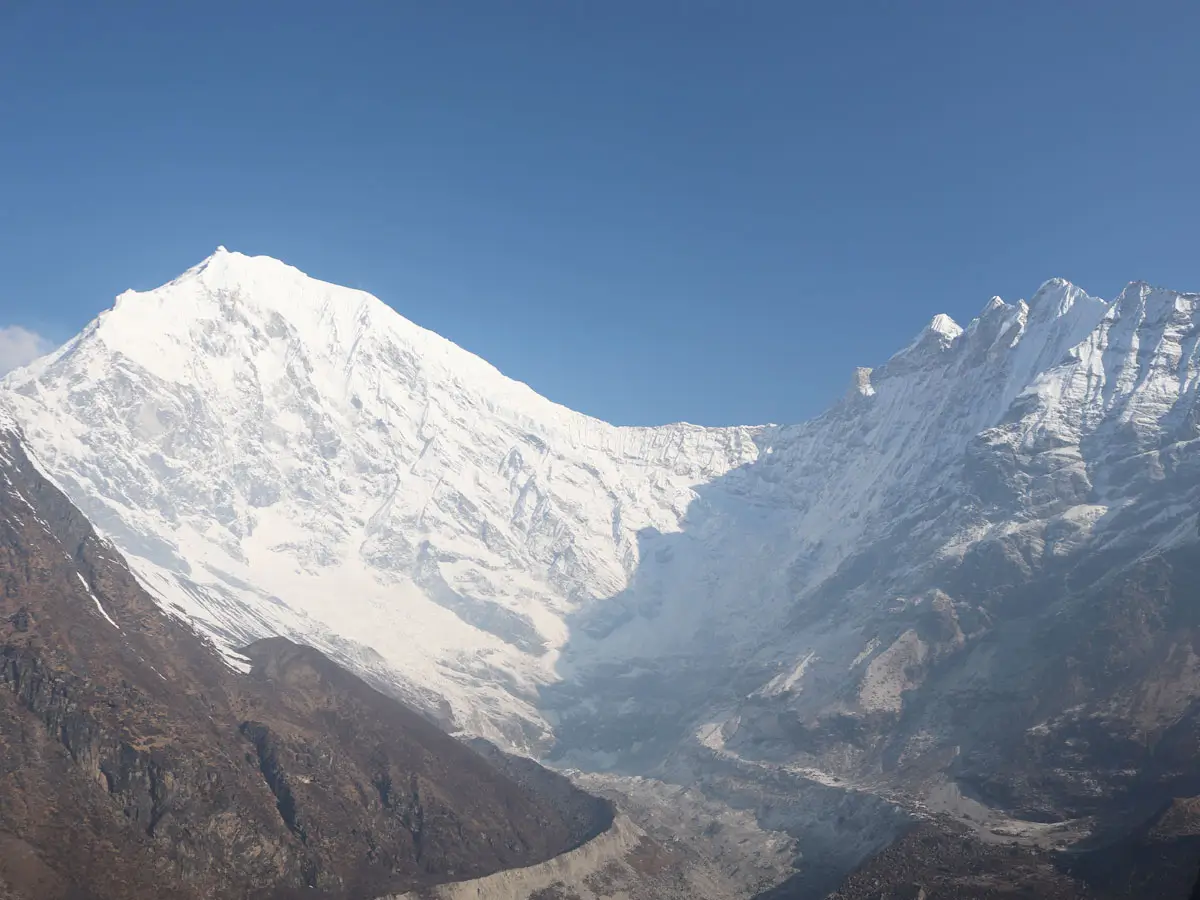
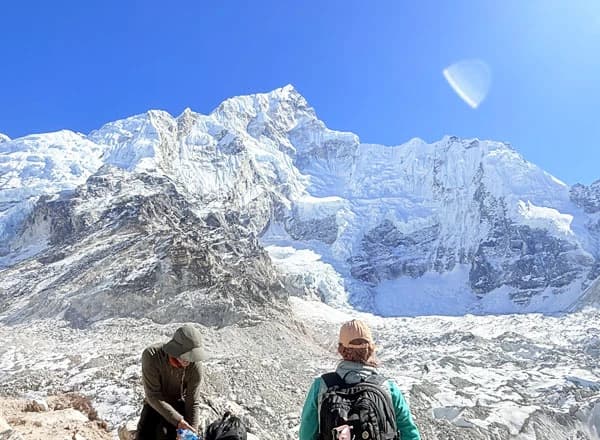
The Langtang Glacier!
The “Real Talk”: Cons of Langtang Valley Trek in May
May is one of the best months to explore Langtang, but it comes with some seasonal challenges that you should understand before planning your trek. Being aware of these limitations helps you prepare better and avoid unrealistic expectations. While May offers excellent trekking conditions, transparency is key to a successful trek. Here are some possible drawbacks to consider:
Afternoon clouds
During May, clear mornings are common, but as the monsoon may approach, you may experience afternoon cloud cover or brief pre-monsoon showers. This can partially block mountain views, especially from higher viewpoints like Kyanjin Ri and Tserko Ri.
Rising Humidity
The lower sections (near Syabrubesi and Bamboo) can feel quite warm and humid during the day in May. The hike from Syabrubesi can be quite sweaty, so you need moisture-wicking gear to stay comfortable.
Increasing Haze
Towards the end of May, the air can become slightly hazy compared to the crispness of March or October.
Occasional rain
Although May is mostly dry, short rain showers may occur in the afternoons or evenings. Proper rain gear is recommended to stay comfortable on the trail.
If there are early pre-monsoon showers, with increased moisture and warmer temperatures, the lower forested sections might see the emergence of leeches, though they disappear as you climb. (We recommend carrying a small amount of salt or a salt spray.
Occasional strong winds at Higher Altitudes
At higher elevations, especially around Kyanjin Gompa and ridge viewpoints, strong afternoon winds are possible. These winds can lower perceived temperatures and make resting less comfortable.
A Balanced View
These disadvantages are minor and manageable for most travelers, and with reasonable preparation, proper gear, and realistic expectations, they rarely affect the overall experience.
With guidance from professional teams like Outfitter Himalaya, most challenges can be handled smoothly.
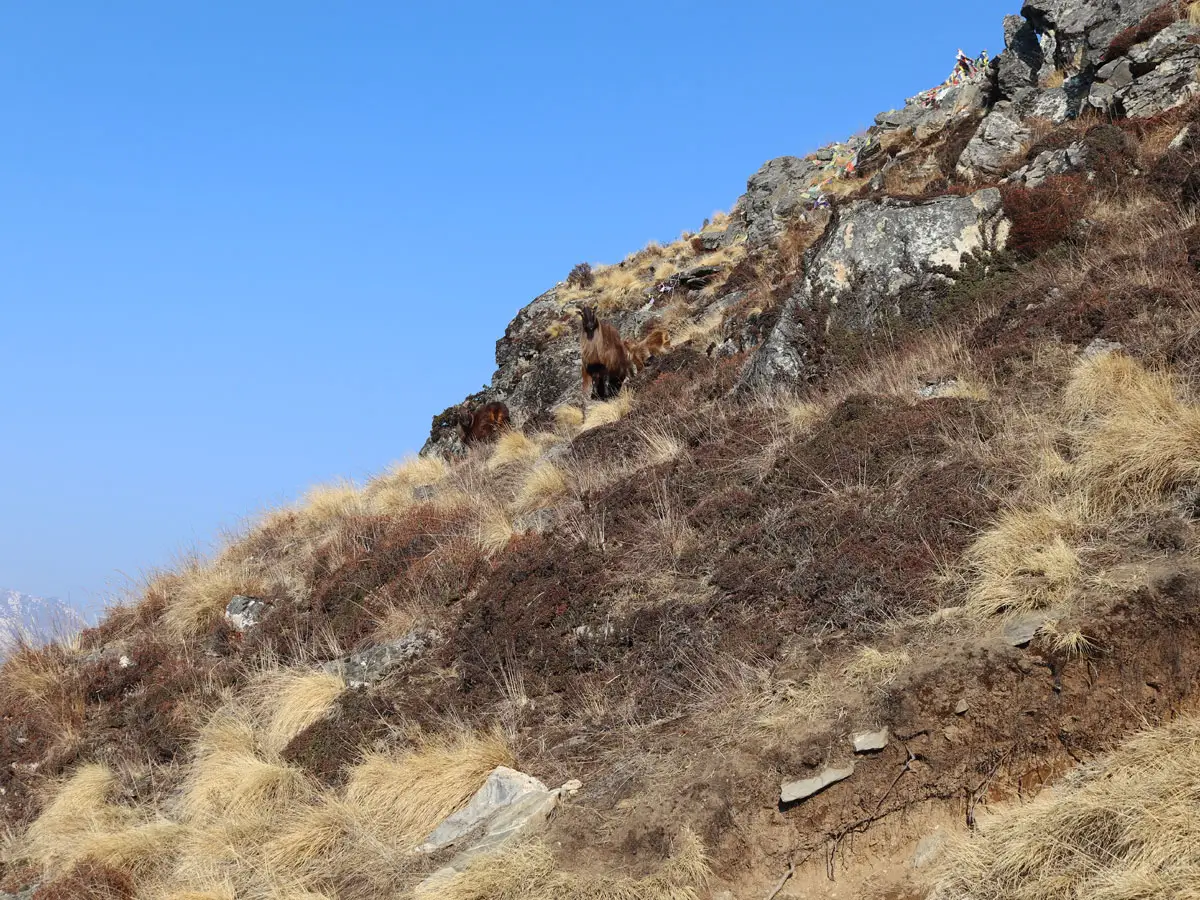
Blue Sheep in Langtang Region!
FAQs – Langtang Trek in May
Is May the best time to trek in Langtang Valley?
Yes, May is considered one of the best times to trek in Langtang due to stable weather, blooming rhododendrons, clear mountain views, and fully operational teahouses.
What is the temperature in Langtang Valley in May?
Daytime temperatures range from 12°C to 25°C depending on altitude. Nights near Kyanjin Gompa can drop close to freezing, so warm layers are recommended.
Is there still snow in Langtang in May?
Only on the highest peaks and the very top of Tserko Ri. The main trekking trails are usually snow-free.
Do I need permits for the Langtang Valley Trek in May?
Yes, you require:
Langtang National Park Entry Permit
TIMS Card
These permits are mandatory and can be arranged in Kathmandu.
Is the Langtang Valley Trek suitable for beginners in May?
Yes, the trek is well-maintained, and the weather is favorable. It is classified as a moderate trek, making it suitable for anyone with a basic level of fitness.
How difficult is the Langtang Valley Trek in May?
The Langtang Valley trek is considered moderately challenging. The main difficulty comes from altitude gain near Kyanjin Gompa and Tserko Ri, rather than technical terrain.
Can I see the Red Panda in May in the Langtang Region?
May is a great time for wildlife. Since the weather is warm, animals are more active. While sightings are rare and require patience, the Langtang forests are one of the best places in the world to spot them.
Are teahouses available in May along the Langtang trekking trail?
Yes, all major teahouses operate fully in May, offering clean rooms, hot meals, and basic facilities.
Can I hike to Tserko Ri in May?
Yes, May is an excellent time to hike to Tserko Ri, with clear mornings and stable trail conditions.
What should I pack for May?
Layers are key. Bring moisture-wicking t-shirts for the day, a fleece for evenings, and a lightweight down jacket for the cold nights at Kyanjin Gompa.
Do I need a sleeping bag for May?
Yes, while teahouses provide blankets, a -10℃ rated sleeping bag is recommended for hygiene and extra warmth at Kyanjin Gompa.
Is there a risk of altitude sickness in Langtang in May?
Mild altitude sickness is possible above 3,500 meters. Proper acclimatization, hydration, and slow ascent greatly reduce the risk.
What kind of food is available on the Langtang Trek in May?
Teahouses serve meals such as dal bhat, noodles, soups, eggs, porridge, momos, and Tibetan bread. Food is generally fresh and energy-rich.
Should I trek independently or with a guide?
As of April 1, 2023, the Nepal Tourism Board (NTB) has made it mandatory for international trekkers to hire a licensed guide for safety. Solo trekking without a guide is no longer permitted in National parks.
Are there flights to Langtang?
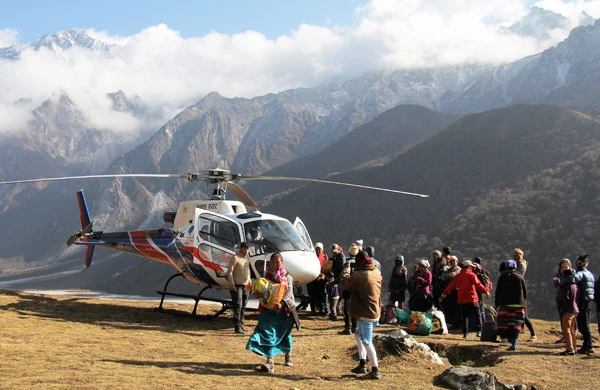
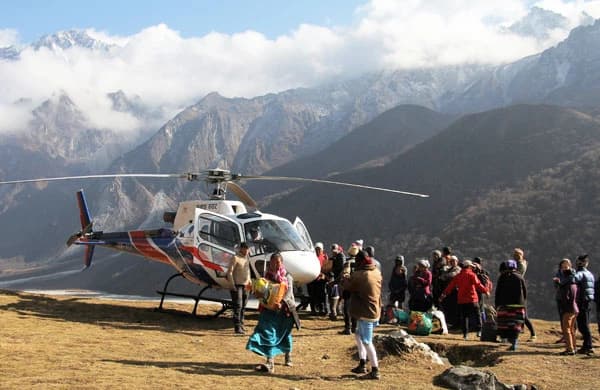
No, Langtang is accessed by a 6 - 8 hour scenic drive from Kathmandu to Syabrubesi. This makes it more affordable and less weather-dependent than Lukla/Everest, and there are options to return from Kyanjing by Helicopter.
Start Early- Beat the clouds: The weather pattern in Langtang in May is clockwise: clear blue skies in the morning, with clouds rolling in from 12:00 noon. The mountain views are strongest before clouds develop later in the day.
Start your trek by 7 am to reach your destination with dry clothes and great views. You’ll enjoy:
Better visibility
Cooler Temperatures
More comfortable climbs
Early starts are especially important for hikes to Tserko Ri.
Pack Smart: Pre-monsoon showers are short but wet. Bring a lightweight rain jacket or poncho. It serves as a windbreaker and keeps you dry during afternoon showers.
Leech Protection: Carry salt or anti-leech oil for the first and last days of the trek in the lower forests.
Hydration is key: The May sun can be intense. The warmer weather means you will sweat more. Drink at least 3-4 liters of water daily to help with acclimatization and prevent altitude sickness.
Acclimatize: Always include an extra “rest day” at Kyanjin Gompa. Use the day to hike to Kyanjin Ri to help your body adjust before attempting higher peaks.
UV Protection - Protect yourself from Strong Spring Sun: Spring sunlight at altitude is intense, even when temperatures feel mild. Sunburn and dehydration are common mistakes in May. Carry: Sunscreen (SPF 30+), sunglasses, a hat or cap, and lip balm, which help maintain energy and comfort.
Layering Strategy: You won’t need heavy down jackets while walking. Dress in breathable, moisture-wicking layers.
Respect Altitude, Even on a “Short” Trek: Although Langtang is shorter than many Himalayan routes, elevations above 3,800 meters near Kyanjin Gompa still require proper acclimatization. Walk slowly, drink plenty of fluids, and avoid skipping rest days.
Choose Proper Footwear for mixed Terrain: May trails are mostly dry, but sections may include rocks, snow patches, or uneven ground. So, use: well-broken-in trekking boots, moisture-wicking socks, and light trekking poles. Good footwear reduces fatigue and the risk of injury.
Plan Photography Around Light and Weather: May offers excellent natural light in Langtang. For the best photos:
Shoot during sunrise and early morning
Use viewpoints before clouds form
Carry lens protection from dust
Golden hour photography around Kyanjin is especially rewarding.
Engage Respectfully with Tamang Communities
Langtang is home to strong Tamang cultural traditions. Showing respect enhances your experience. Simple practices include:
Asking before taking photos
Greeting locals politely
Supporting local teahouses
These gestures build positive connections.
Permits: Ensure you have your Langtang National Park entry permit ready. Your trekking agency (like us!) can handle these for you.
Try the Cheese: Don’t miss the fresh yak cheese in Kyanjin Gompa, it’s a high-altitude delicacy you won’t find anywhere else.
Trek with Local Expertise when possible: While Langtang can be trekked independently, local support adds safety and insight. Professional teams like Outfitter Himalaya help manage logistics, weather planning, and cultural interpretation.
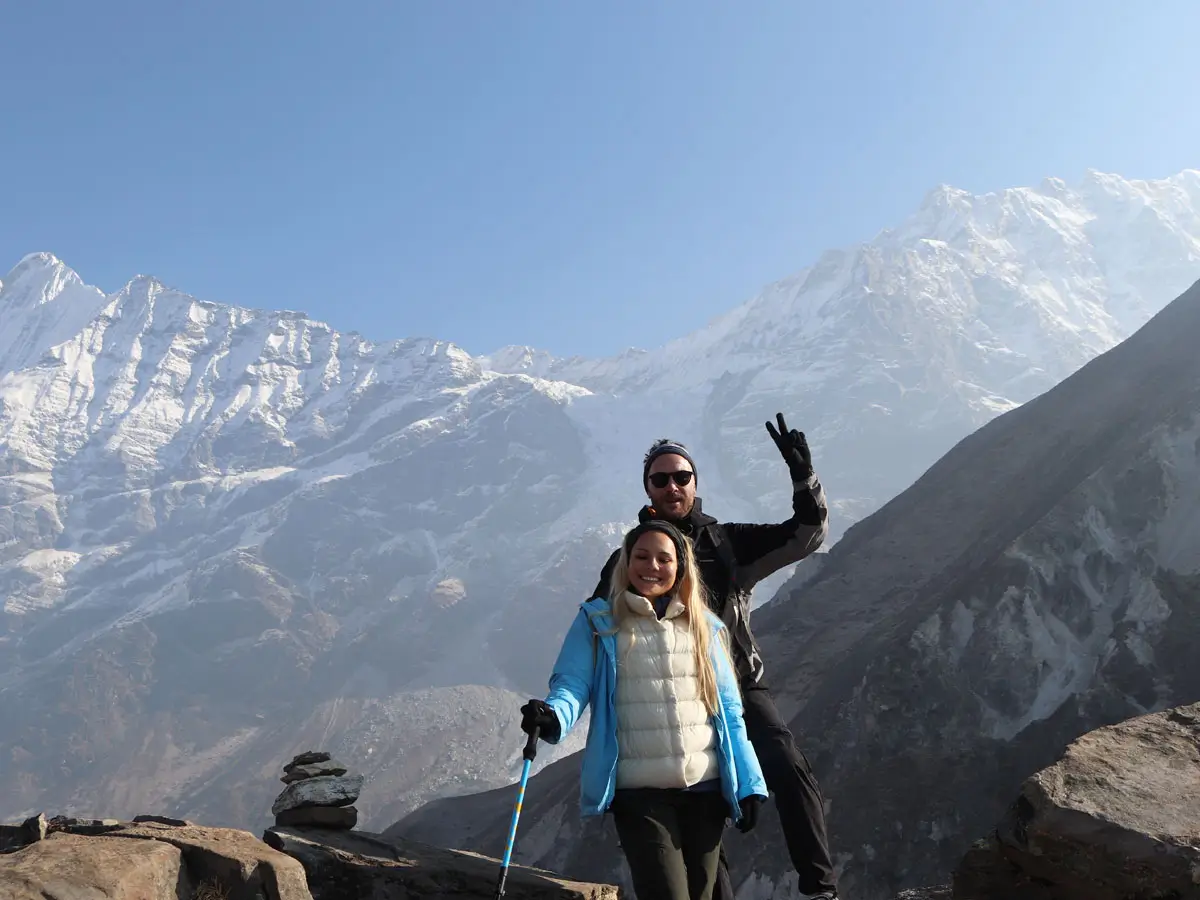
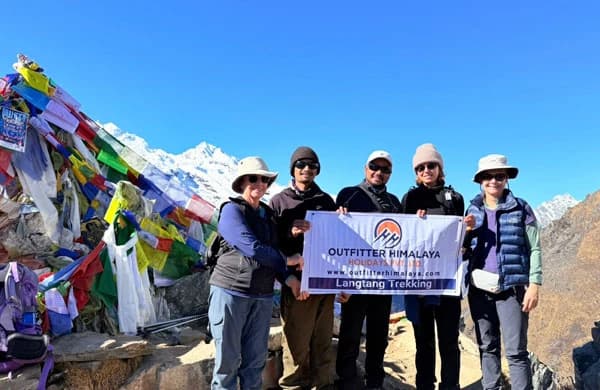
Reaching kyanjing Ri!
Final Expert Insight
The Langtang Valley Trek in May rewards travelers who combine good planning with curiosity and respect. With early starts, proper gear, and thoughtful pacing, spring trekking in Langtang becomes one of Nepal’s most enjoyable mountain experiences.
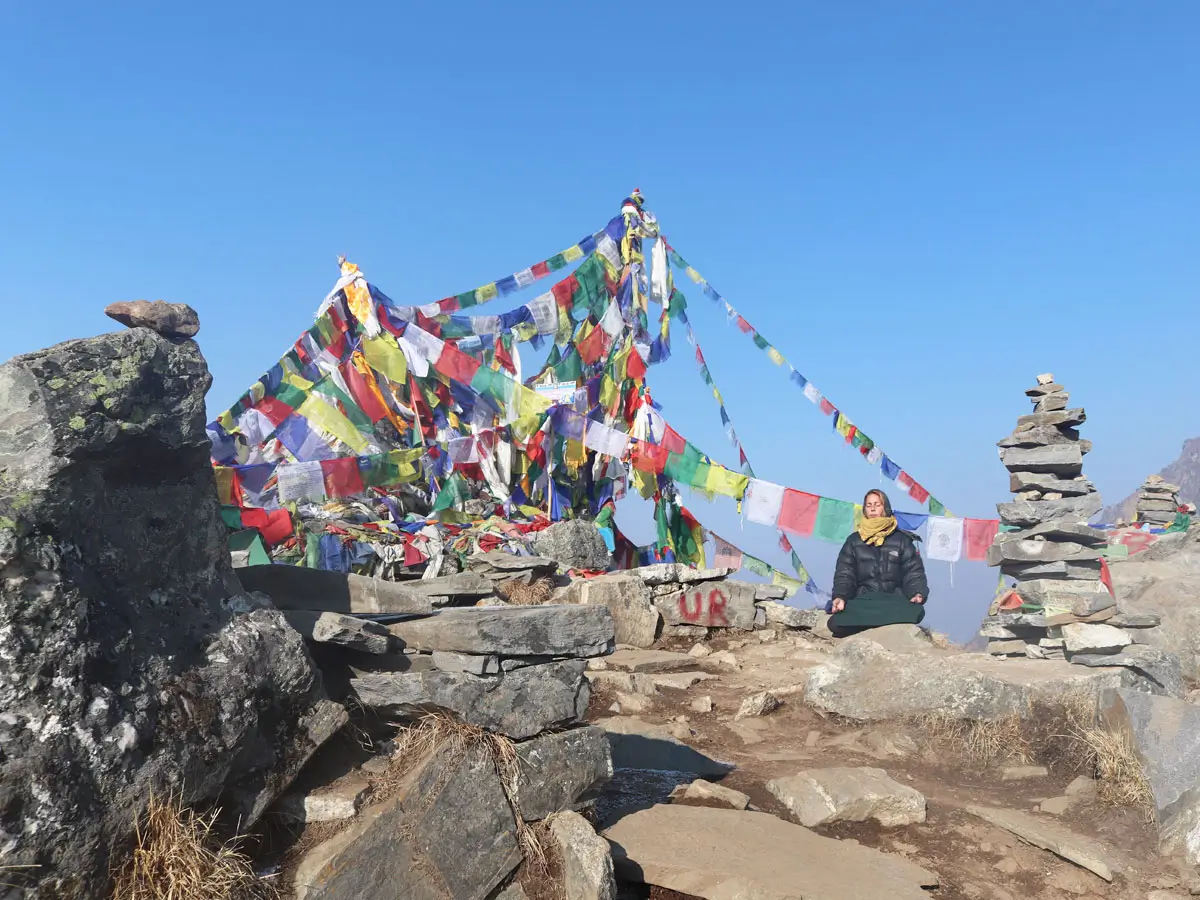
The Kyanjing Ri- View point
Final Thought: Is May the Best Time for the Langtang Valley Trek?
Trekking in Langtang in May is a sensory masterpiece. The Langtang Valley in May offers one of the finest trekking experiences in Nepal. The region reaches a perfect balance of natural beauty, cultural vibrancy, and trekking comfort during May.
The Rhododendron forests are in full bloom, mountain views are clear, ancient Tamang heritage is accessible, and villages feel lively with seasonal activity during May. The trails remain dry and stable, teahouses operate at full capacity, and weather conditions are supportive of smooth acclimatization.
From the spiritual atmosphere of Kyanjin Gompa to the panoramic summit of Tserko Ri, May offers you the chance to experience Langtang at its most colorful and accessible.
While occasional heat, mild crowds, and afternoon clouds may appear in May, these challenges are minor compared to the overall rewards. With good planning, proper pacing, and local expertise from teams like Outfitter Himalaya, May trekking in Langtang becomes safe, comfortable, and deeply fulfilling.
If you are seeking a short yet rich Himalayan adventure filled with culture, scenery, and seasonal charm, the Langtang Valley Trek in May remains an outstanding choice.
The Ghorepani Poon Hill Trek in March combines the beginning of rhododendron season with warming days and opportunities for clear Himalayan views. Sunrise at 3,210 meters remains cold, and higher paths can still have snow [...]
The Annapurna Circuit Trek covers approximately 102 kilometers of walking on Outfitter Himalaya’s classic 15-day itinerary, including the Manang acclimatization hike. The journey unfolds through riverside forests, mountain villages and open valleys before crossing Thorong La [...]
The Annapurna Circuit Trek costs about USD 650–1,900 per person with Outfitter Himalaya, depending on the itinerary, group size, and services included. Outfitter Himalaya’s 15-day Classic Annapurna Circuit Trek has published group-size prices of USD [...]