Annapurna Base Camp Trek via Poon Hill Difficulty
The Annapurna Base Camp Trek via Poon Hill is a moderate trekking adventure and is suitable for both experienced trekkers and physically fit beginners. The trek does not require technical climbing skills or mountaineering experience. However, it involves several consecutive days of walking through mountainous terrain, significant elevation gain, and high-altitude walking.
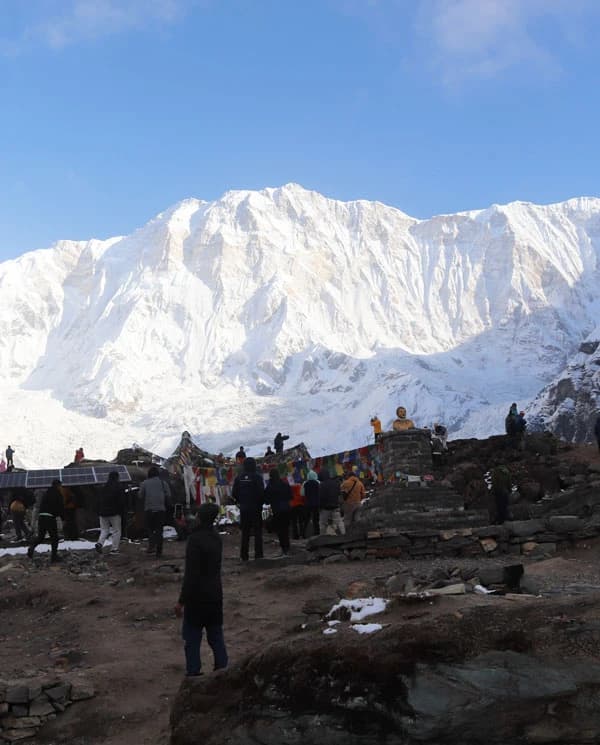
The highest point of the trek is Annapurna Base Camp at 4,130 meters (13,550 feet), and the thin air can make physical activity more demanding than at lower elevations. However, the route features a gradual ascent, allowing most trekkers to adjust naturally to the increasing altitude.
Is the Annapurna Base Camp Trek via Poon Hill Suitable for Beginners?
Yes, the Annapurna Base Camp Trek via Poon Hill is one of the best high-altitude treks in Nepal for beginners who have a reasonable level of fitness and a positive mindset, and you do not need:
- Previous trekking experience
- Technical climbing skills
- Mountaineering equipment
- Advanced outdoor training
However, you should be comfortable walking for several hours a day on uneven mountain trails.
What Makes the ABC With Poon Hill Trek Challenging?
The difficulty of the trek comes from a combination of factors rather than any single obstacle.
- Daily Walking Hours: Most trekking days involve approximately 5-7 hours of walking. Some days are shorter, while others require longer periods of continuous hiking through forests, villages, and mountain valleys.
- Numerous Stone Staircases: One of the most demanding aspects of trekking is the large number of stone steps, particularly around Ulleri, Ghorepani, and Chhomrong. These sections require steady effort and good stamina.
- High Altitude: When you approach Annapurna Base Camp, oxygen levels decrease significantly. Although the altitude is lower than at Everest Base Camp, you may still experience mild altitude-related symptoms, including fatigue, shortness of breath, or headaches.
- Continuous Ascents and Descents: The trail regularly ascends and descends through valleys and ridges. The route is well-established, and the constant elevation changes can be physically demanding for first-time trekkers.
How Fit Do you need to be to complete the ABC Via Ghorepani Trek?
You do not need to be an athlete to complete this trek. Most people with a good level of general fitness can complete the journey. Preparing with activities such as:
- Regular walking
- Hiking
- Stair climbing
- Cycling
- Light cardio training
For several weeks before the trek, you can significantly improve your comfort and enjoyment on the trail.
Altitude and Acclimatization
- Although the ABC sits above 4,000 meters, the route allows for a relatively gradual ascent, and proper hydration, a steady walking pace, and adequate rest play important roles in reducing the risk of altitude-related problems.
- Our experienced guides carefully monitor trekkers throughout the journey and provide support to ensure a safe and enjoyable trekking experience.
Difficulty Verdict
The Annapurna Base Camp Trek via Poon Hill is a moderately challenging trek that rewards trekkers with some of the most spectacular mountain scenery in Nepal. While the trail requires stamina, determination, and preparation, it remains achievable for most healthy, active travelers.
Altitude and Acclimatization on the Annapurna Base Camp Trek via Poon Hill
Altitude is one of the most important factors to consider when trekking in the Himalayas. While the Annapurna Base Camp Trek via Poon Hill does not reach the extreme elevations of some high-altitude expeditions, trekkers still ascend to Annapurna Base Camp at 4,130 meters (13,550 feet), where the thinner air can affect the body.
The Annapurna Base Camp Trek via the Poon Hill route follows a gradual ascent through the Annapurna region, allowing you to adapt naturally as you gain elevation.
Highest Altitude Reached During the Trek
The highest point of the journey is Annapurna Base Camp (4,130m / 13,550ft). Before reaching the base camp, trekkers gradually pass through several villages and overnight stops at increasing elevations, helping the body adjust to the altitude, and some key elevations along the route include:
- Ghorepani – 2,874m
- Poon Hill – 3,210m
- Chhomrong – 2,170m
- Himalaya – 2,920m
- Machhapuchhre Base Camp (MBC) – 3,700m
- Annapurna Base Camp (ABC) – 4,130m
This gradual increase in altitude is why the Trek is manageable for most trekkers.
Do we get altitude sickness on the Trek?
Yes, altitude sickness can affect anyone regardless of age, fitness level, or trekking experience, and some common symptoms include:
- Headache
- Dizziness
- Loss of appetite
- Nausea
- Fatigue
- Difficulty sleeping
However, serious altitude-related problems are relatively uncommon on the Annapurna Base Camp Trek when trekkers follow a sensible pace and listen to their bodies.
How We Help You Acclimatize Safely
The safety of the trekkers is the highest priority at Outfitter Himalaya, and our itinerary is designed to allow gradual altitude gain while maintaining a comfortable pace. Our experienced guides closely monitor each trekker throughout the journey and provide advice on hydration, rest, and altitude awareness, and we also encourage trekkers to:
- Walk slowly and steadily
- Stay well hydrated
- Eat regular meals
- Avoid excessive alcohol consumption
- Communicate any symptoms immediately
These simple practices play a major role in successful acclimatization.
Tips to Prevent Altitude Sickness
While there is no guaranteed way to prevent altitude sickness, the following measures can significantly reduce the risk:
- Maintain a slow and steady pace
- Drink plenty of water throughout the Trek and get adequate rest
- Avoid rushing on steep sections
- Follow your guide's instructions
- Listen to your body and report symptoms early
Slow walking actually improves both acclimatization and overall enjoyment of the journey.
Is Annapurna Base Camp Trek via Poon Hill Safe for High-Altitude Beginners?
Yes, The Trek serves as an excellent introduction to high-altitude trekking in Nepal. The combination of a gradual ascent, well-established trails, comfortable teahouse accommodation, and professional guide support makes it one of the most accessible Himalayan adventures for first-time trekkers.
With proper preparation and responsible trekking practices, most healthy travelers can safely enjoy the incredible experience of reaching Annapurna Base Camp.
Altitude and Acclimatization Verdict
Although Annapurna Base Camp sits above 4,000 meters, the route is designed to help trekkers adjust gradually to the altitude. By maintaining a comfortable pace, staying hydrated, and following the guidance of experienced trekking professionals, the vast majority of trekkers complete the journey successfully and safely.
The reward is an unforgettable experience in the heart of the Annapurna Sanctuary, surrounded by some of the most spectacular mountain scenery in the Himalayas.
Best Time to Trek Annapurna Base Camp via Poon Hill
The Annapurna Base Camp Trek via Poon Hill is available throughout most of the year, but the experience varies significantly by season. Weather conditions, mountain visibility, trail conditions, temperatures, and overall trekking comfort play an important role in determining the best time for your adventure.
In general, spring (March to May) and autumn (September to November) are the best seasons for the Annapurna Base Camp Trek via Poon Hill. You enjoy stable weather, excellent mountain views, comfortable temperatures, and ideal trekking conditions during these seasons.
Spring (March to May) – Rhododendrons, pleasant Weather, and Clear Mountain Views
Spring is one of the most popular seasons for trekking in the Annapurna region. As winter snow gradually melts, the hills and forests come alive with colorful rhododendron blooms, creating some of the most beautiful landscapes found anywhere in Nepal. The forests around Ghorepani and Tadapani become particularly spectacular during this period.
Why trek in spring?
- Blooming rhododendron forests
- Pleasant daytime temperatures
- Excellent mountain visibility
- Longer daylight hours
- Vibrant natural scenery
The spring season is ideal if you want a combination of comfortable weather, colorful landscapes, and outstanding Himalayan views.
Annapurna (September to November) – The Most Popular Trekking Season
Autumn is the best overall season for the Annapurna Base Camp Trek via Poon Hill. Following the monsoon rains, the atmosphere becomes exceptionally clear and provides breathtaking views of the Annapurna and Dhaulagiri mountain ranges. The trails are dry, temperatures are comfortable, and weather conditions are generally very stable.
Why trek in autumn?
- Crystal-clear mountain views
- Stable weather conditions
- Comfortable trekking temperatures
- Dry trails
- Spectacular sunrise views from Poon Hill
Autumn offers the perfect balance of scenery, weather, and trekking comfort.
Winter (December to February) – Peaceful Trails and Snow-Covered Landscapes
Winter brings a different kind of beauty to the Annapurna region. The higher sections of the trail may experience snowfall, transforming the landscape into a stunning winter wonderland, and the trails are quieter, with mountain views often exceptionally clear.
Why trek in Winter?
- Fewer trekkers on the trail
- Snow-covered Himalayan scenery
- Clear winter skies
- Peaceful teahouses and villages
- Unique winter trekking experience
Temperatures can drop very low at higher elevations, especially in the morning and at night, so proper winter gear is essential.
Monsoon (June to August) – Green Landscapes and Fewer Crowds
The monsoon season brings regular rainfall to the Annapurna region at lower elevations. While this period is less popular for trekking, it still offers certain advantages for travelers seeking a quieter experience. The hills become lush and vibrant, waterfalls flow at full strength, and the trails are considerably less crowded.
Why trek during monsoon?
- Lush green landscapes
- Fewer visitors
- Beautiful waterfalls and rivers
- Peaceful trekking environment
However, trekkers should be prepared for wet trails, occasional leeches, and reduced mountain visibility during periods of cloud cover.
Our Recommended Seasons
For the best overall trekking experience, Outfitter Himalaya recommends:
First Choice: Autumn (September – November) and best for:
- Mountain views
- Stable weather
- Comfortable trekking conditions
Second Choice: Spring (March – May) and best for:
- Rhododendron forests
- Pleasant temperatures
- Colorful landscapes
Best Time Verdict
While the Annapurna Base Camp Trek via Poon Hill can be enjoyed year-round, spring and autumn offer the most favorable trekking conditions. These seasons offer the ideal combination of clear Himalayan views, comfortable temperatures, stable weather, and unforgettable mountain scenery.
Whether you choose the colorful trails of spring, the crystal-clear skies of autumn, the snowy beauty of winter, or the peaceful greenery of monsoon, this remarkable trek rewards travelers with one of Nepal's most diverse and memorable Himalayan experiences.
Accommodation During the Annapurna Base Camp Trek via Poon Hill
Accommodation on the Annapurna Base Camp Trek via Poon Hill is available in traditional teahouses and mountain lodges, offering a comfortable and authentic Himalayan experience. One of the reasons the Annapurna Base Camp Trek is so popular among international travelers is the excellent network of teahouses along the route. These locally operated lodges not only provide a place to rest but also allow trekkers to experience the warm hospitality and unique culture of the communities.
You will stay in simple yet cozy teahouses located in villages such as Tikhedhunga, Ghorepani, Tadapani, Chhomrong, Himalaya, Dovan, and Annapurna Base Camp throughout this 9-day Annapurna Base Camp Trek. Most accommodations offer twin-sharing rooms with basic furniture, comfortable beds, pillows, mattresses, and warm blankets. While the facilities become more basic as the altitude increases, the spectacular surroundings and welcoming atmosphere make every overnight stay a memorable part of the journey.
The Accommodation offers more comfortable facilities in the lower sections of the trek, particularly around Tikhedhunga, Ghorepani, and Chhomrong, and some lodges have attached bathrooms, hot showers, and spacious dining areas. As the route climbs higher into the Annapurna Sanctuary, Accommodation becomes simpler and more traditional. There will be shared bathrooms, but the breathtaking mountain scenery outside your window more than compensates for the basic facilities.
One of the most enjoyable aspects of the Annapurna Base Camp-Poon Hill Trek is spending evenings in the communal dining halls. Traditional stoves heat the dining rooms during the colder months, and they become gathering places where trekkers from around the world share stories, exchange travel experiences, and enjoy the peaceful atmosphere of the Himalayas. Sitting around the warm dining room with a cup of tea, surrounded by snow-covered peaks, is often one of the most cherished memories of the trek.
Electricity, Wi-Fi, and hot showers are available in many teahouses along the route, although these services usually require an additional charge. Charging electronic devices and accessing the internet become more expensive at higher elevations because porters and mules transport supplies and resources. Despite these limitations, the overall facilities along the Annapurna Base Camp Trek with Poon Hill are among the best found on any trekking route in Nepal.
Cleanliness and hospitality are important aspects of the trekking experience. The local families who run these lodges take great pride in welcoming visitors and ensuring their comfort. Their friendliness and genuine hospitality add a special cultural dimension to the journey, making the trek much more than simply walking through the mountains.
Outfitter Himalaya carefully selects reliable, comfortable teahouses along the route to ensure guests enjoy a pleasant stay during their adventure. Whether you are a first-time trekker or an experienced Himalayan traveler, the Accommodation on the Annapurna Base Camp Trek via Poon Hill offers a wonderful combination of simplicity, comfort, and authentic mountain hospitality.
Accommodation Verdict
Accommodation during the Annapurna Base Camp Trek via Poon Hill is simple, comfortable, and full of local character. While luxury facilities are limited at higher elevations, the cozy teahouses, stunning mountain surroundings, and heartfelt hospitality of the local people create an experience that perfectly complements the beauty and adventure of the Himalayas.
Food and Drinks During the Annapurna Base Camp Trek via Poon Hill
There is a variety of food and drinks available throughout the Annapurna Base Camp Trek Via Poon Hill journey. Despite trekking deep into the Himalayas, you can enjoy freshly prepared meals at the teahouses and lodges along the route. The Annapurna region has one of the best-developed trekking infrastructures in Nepal, making it possible to enjoy nutritious meals while surrounded by spectacular mountain scenery.
During this Annapurna Base Camp and Poon Hill Trek, all meals are prepared by local teahouse owners using ingredients transported from lower villages and nearby farming communities. The food is simple, hearty, and designed to provide the energy needed for several hours of daily trekking.
What Food is Available on the Poon Hill-ABC Trek?
Most teahouses offer an extensive menu featuring both traditional Nepali dishes and international favorites. The menu options may vary slightly depending on altitude and season, but you can expect a good selection throughout the route.
Popular Breakfast Options
A healthy breakfast is essential before starting a day of trekking, and the common breakfast choices include:
- Tibetan bread with honey, jam, or peanut butter
- Toast, chapati, and pancakes
- Porridge and muesli
- Eggs prepared in various styles
- Hash browns and potatoes
- Oatmeal
- Tea, coffee, and hot chocolate
Lunch and Dinner Options
Lunch and dinner are typically served in the teahouse dining halls, where trekkers gather to relax and share stories from the trail, and the popular meal choices include:
- Dal Bhat (rice, lentil soup, vegetables, and pickles)
- Fried rice with vegetables, egg, or chicken
- Noodles and noodle soup
- Pasta and macaroni dishes
- Momos (Nepali dumplings)
- Pizza in selected villages
- Sherpa stew
- Vegetable curries
- Garlic soup
- Potato dishes
- Fried noodles and chow mein
Among all options, Dal Bhat remains the most popular meal for trekkers. Rich in carbohydrates, protein, and vegetables, it provides long-lasting energy and is often served with unlimited refills in many teahouses.
Drinks Available During the Trek
Staying hydrated is extremely important during the Annapurna Base Camp Trek in Nepal, especially as you gain altitude. Teahouses along the route offer a wide variety of hot and cold beverages, and the common drink options include:
- Black tea
- Milk tea
- Ginger tea
- Lemon tea
- Mint tea
- Green tea
- Hot lemon
- Hot chocolate
- Coffee
- Bottled water
- Soft drinks
- Packaged fruit juices
As you ascend to higher elevations, hot drinks become increasingly popular because they help keep the body warm and encourage hydration.
Why Garlic Soup is Popular Among Trekkers
You will notice that many trekkers order garlic soup as they approach higher elevations. It is not a medical treatment for altitude sickness, but garlic soup is traditionally believed to support circulation and help the body adjust to higher altitudes. It is also warm, comforting, and easy to digest after a long day on the trail.
Vegetarian, Vegan, and Dietary Requirements
The Annapurna Base Camp Trek Package is suitable for vegetarians, and most teahouses offer a variety of plant-based meal options. Vegetarian dishes are often recommended at higher elevations because meat products must be transported long distances and may not always be as fresh as food available in lower villages.
If you have specific dietary requirements, such as vegan, gluten-free, or food allergies, please inform your guide.
Drinking Water on the Trek
- Safe drinking water is available throughout the trek, and you can purchase boiled, filtered, or bottled water from teahouses along the route.
- To reduce plastic waste and support responsible tourism, we recommend bringing a reusable water bottle and using water purification tablets or boiled drinking water whenever possible.
Food and Drinks at Higher Altitudes
- As the trail enters the Annapurna Sanctuary and approaches Annapurna Base Camp, the food prices gradually increase. This is because porters or mules must transport all supplies into the higher mountain regions.
- Menu choices may become slightly more limited at places such as Himalaya, Machhapuchhre Base Camp, and Annapurna Base Camp.
However, trekkers can still enjoy warm, freshly prepared meals and hot drinks while surrounded by some of the most spectacular mountain scenery in Nepal.
Preparation for the Annapurna Base Camp Trek Via Poon Hill
Proper preparation is one of the keys to enjoying a safe, comfortable, and successful Annapurna Base Camp Trek via Poon Hill. The trek does not require technical climbing skills or prior mountaineering experience, but it involves several consecutive days of walking through mountainous terrain, significant elevation gain, and a final altitude of 4,310 meters at Annapurna Base Camp.
With the right preparation, the healthy and active travelers can comfortably complete the adventure.
Physical Fitness for the Trek
The Annapurna Base Camp Trek with Poon Hill is moderate, and trekkers should be prepared to walk 5-7 hours per day on mountain trails, including sections with steep ascents and descents, as well as stone staircases. You do not need to be an athlete, but a reasonable level of fitness will greatly improve your trekking experience. To prepare physically, we recommend:
- Regular walking or hiking
- Stair climbing exercise
- Cycling
- Jogging or light running
- Cardio workouts
- Leg-strengthening exercises
Starting a fitness routine at least 4 to 6 weeks before the trek significantly increases endurance and makes daily trekking more enjoyable.
Prepare for Altitude
One of the most important aspects of the Annapurna Base Camp Trek in Nepal is the opportunity to trek at higher elevations. Although the route follows a gradual ascent, the highest point of the journey is Annapurna Base Camp at 4,130 meters.
At higher altitudes, oxygen levels decrease, making physical activity more demanding, and one needs to prepare for altitude:
- Stay physically active before your trip
- Walk at a steady pace during the trek
- Drink plenty of water
- Avoid rushing uphill
- Get adequate rest each night
- Follow your guide's recommendations
Our experienced guides carefully monitor trekkers throughout the journey and provide support to ensure safe acclimatization.
Essential Trekking Gear
Having the right equipment plays an important role in your comfort and safety during the trek.
Clothing - We recommend bringing:
- Moisture-wicking trekking shirts
- Thermal base layers
- Fleece or insulated jacket
- Waterproof and windproof outer jacket
- Comfortable trekking pants
- Warm hat and gloves
- Sun hat or cap
- Several pairs of trekking socks
Layered clothing works best because temperatures can vary greatly between the lower villages and Annapurna Base Camp.
Footwear: A good pair of trekking boots is one of the most important items for the trek, and your boots should be:
- Comfortable and well broken-in
- Waterproof if possible
- Suitable for uneven mountain terrain
- Paired with quality trekking socks
Avoid bringing brand-new boots, as they may cause blisters during the trek.
Daypack Essentials: Your daypack should include:
- Water bottle or hydration system
- Sunscreen
- Sunglasses
- Personal medications
- Camera or smartphone
- Rain jacket
- Snacks and energy bars
- Hand sanitizer
- Power bank
Travel Insurance
We strongly recommend comprehensive travel insurance for all trekkers joining the Annapurna Base Camp Guided Trek, and your insurance policy should ideally cover:
- High-altitude trekking
- Emergency medical treatment
- Helicopter evacuation
- Trip interruption
- Lost or delayed baggage
Travel insurance provides peace of mind and additional security while trekking in remote mountain areas.
Mental Preparation
The Himalayas reward patience and a positive attitude, and some days may involve long climbs, changing weather conditions, or basic mountain facilities. Approaching the trek with realistic expectations and a flexible mindset helps make the experience more enjoyable.
Remember that trekking is not simply about reaching Annapurna Base Camp. The villages, forests, mountain views, local culture, and people you meet along the way are all part of the adventure.
Health and Safety Tips
Before starting your Annapurna Base Camp Trek Itinerary, consider the following:
- Consult your doctor if you have any pre-existing medical conditions
- Bring sufficient personal medication
- Stay hydrated throughout the trek
- Eat regular meals
- Avoid excessive alcohol consumption at higher elevations
- Inform your guide immediately if you feel unwell
Our guides are trained to prioritize safety and assist trekkers throughout the journey.
Packing List for the Annapurna Base Camp Trek via Poon Hill
Right packing is essential for a comfortable and enjoyable Annapurna Base Camp Trek via Poon Hill. The weather conditions can vary significantly throughout the journey, from warm temperatures in the lower villages to cold mornings and nights at Annapurna Base Camp. You need to pack appropriate clothing and equipment, and find a common list of items to pack.
Essential Clothing
- Moisture-wicking trekking shirts
- Comfortable trekking pants
- Thermal base layers
- Fleece or insulated jacket
- Waterproof and windproof jacket
- Warm hat and gloves
- Sun hat or cap
- Trekking socks
Footwear
- Comfortable trekking boots (well broken-in)
- Lightweight sandals or camp shoes
- Extra pairs of socks
Personal Items
- Daypack (20–35 liters)
- Reusable water bottle or hydration bladder
- Sunglasses with UV protection
- Sunscreen and lip balm
- Personal toiletries
- Quick-dry towel
- Personal medications
Electronics
- Mobile phone or camera
- Charging cables
- Power bank
- Universal travel adapter
Trekking Accessories
- Trekking poles (optional but recommended)
- Headlamp or flashlight
- Rain cover for backpack
- Water purification tablets or a filter bottle
- Snacks and energy bars
Seasonal Extras
- For spring, autumn, and winter departures, additional warm clothing such as a down jacket, thermal gloves, and extra layers are recommended.
Packing Tip from Outfitter Himalaya
- Pack light and bring only what you truly need. A lighter backpack makes trekking more comfortable and enjoyable, and our team will provide detailed packing recommendations before your Annapurna Base Camp and Poon Hill Trek.
Permits and Regulations
The Annapurna Base Camp Trek via Poon Hill takes place within the protected Annapurna Conservation Area, and all trekkers must obtain the required permits before starting the trek. Currently, the following permit is required:
- Annapurna Conservation Area Permit (ACAP): The ACAP permit is mandatory for all foreign trekkers entering the Annapurna Conservation Area. The permit fee contributes to trail maintenance, environmental conservation, and community development projects throughout the region.
Trekking Regulations
Nepal's trekking regulations may change from time to time. Depending on current government requirements, trekkers may need to trek with a licensed guide and carry valid identification documents during the journey, and trekkers should always:
- Carry their passport or a copy of their passport
- Keep permits accessible for checkpoint inspections
- Follow local conservation and environmental guidelines
- Respect local culture, traditions, and religious sites
- Avoid littering and help preserve the natural beauty of the Annapurna region.
- Permit Assistance from Outfitter Himalaya
When you book the Annapurna Base Camp and Poon Hill Trek with Outfitter Himalaya, we arrange all necessary trekking permits and handle the required paperwork on your behalf, allowing you to focus entirely on enjoying your Himalayan adventure.
Transportation for the Annapurna Base Camp Trek via Poon Hill
The Annapurna Base Camp Trek via Poon Hill begins and ends in Pokhara, a beautiful lakeside city and the gateway to the Annapurna region. Tranquil lakes and stunning mountain views surround Pokhara, making it the perfect starting point for this unforgettable Himalayan adventure.
The journey begins with a scenic drive from Pokhara to Nayapul, the gateway to the Annapurna region. The drive passes through charming villages, terraced farmland, rivers, and rolling hills, offering a wonderful introduction to rural Nepal and the landscapes that make the Annapurna region famous. After completing the trek, a short walk from JhinuDanda to Siwai is followed by a comfortable drive back to Pokhara.
Getting to Pokhara
Most travelers first travel from Kathmandu to Pokhara before starting the Annapurna Base Camp-Poon Hill Trek. There are two main transportation options:
- Tourist Bus: A comfortable and budget-friendly option with daily departures between Kathmandu and Pokhara. The journey takes approximately 6 to 8 hours and follows scenic highways alongside rivers, hills, and traditional Nepali settlements.
- Domestic Flight: A quick and convenient flight of approximately 25 minutes that offers spectacular aerial views of the Himalayas.
Transportation Included in the Trek
For this Annapurna Base Camp Trek Package, transportation generally includes:
- Drive from Pokhara to Nayapul (trek starting point)
- Drive from Siwai to Pokhara after completing the trek
Depending on group size and package arrangements, transportation may be provided by a private vehicle, a tourist vehicle, or a local jeep.
Annapurna Base Camp Trek Guide