How Difficult Is the Annapurna Circuit Trek?
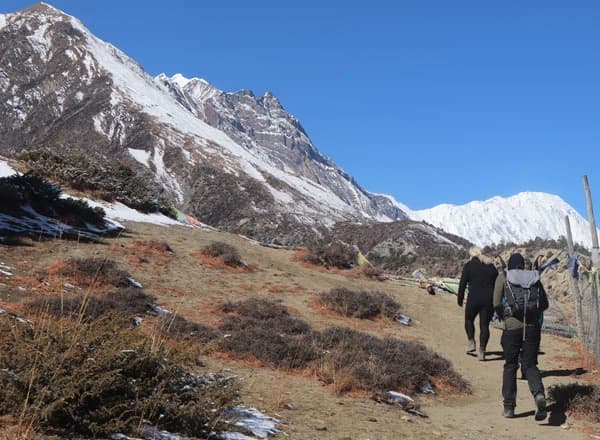
The Annapurna Circuit is a strenuous trek because it combines consecutive walking days with steep terrain and a crossing above 5,000 meters. Its difficulty changes along the route: a shorter uphill stage at altitude can feel more demanding than a longer walk through the lower valleys.
The following overview uses Outfitter Himalaya’s classic 15-day Annapurna Circuit Trek as its reference.
| Difficulty factor |
What to expect |
| Overall challenge |
Strenuous, requiring endurance and preparation |
| Most walking stages |
Approximately 5–7 hours |
| Another demanding day |
Tatopani to Ghorepani: approximately 7–8 hours |
| Hardest stage |
Thorong Phedi to Muktinath via Thorong La: approximately 9–10 hours |
| Highest point |
Thorong La Pass, 5,416 meters |
| Terrain |
Steep climbs, rocky paths, stone steps and long descents |
| Technical skills |
Technical climbing is generally unnecessary in normal trail conditions |
Note
- The walking times and distances depend on your pace, breaks, and trail conditions.
- The 15-day package does not mean 15 days of continuous trekking. Its published schedule includes eight main walking days and a separate acclimatization day in Manang, plus transport, sightseeing, and arrival or departure days. This distinction helps you judge the physical commitment more accurately than the package length alone.
Is the Annapurna Circuit Harder Than the Everest Base Camp Trek?
The Annapurna Circuit and Everest Base Camp treks are challenging in different ways. The Annapurna Circuit involves long walking days, significant elevation changes, and the crossing of Thorong La at 5,416 meters. Everest Base Camp involves sustained high-altitude trekking and several demanding uphill and downhill sections. The difficulty of either trek depends on the itinerary, acclimatization schedule, weather, fitness, and how you respond to altitude. Neither trek requires technical climbing skills on the standard routes.
What Makes the Annapurna Circuit Trek Challenging?
- Walking on Consecutive Days: The challenges build over several days. You need enough stamina to finish an afternoon’s walk, recover overnight, and start again the next morning. Several stages before Manang involve 5 to 7 hours on foot, making endurance more useful than walking quickly.
- Steep Climbs and Long Descents: Uphill sections test your breathing and leg strength, while long descents demand balance and controlled steps. The rocky paths and stone staircases require attention when you are tired. The descent towards Muktinath remains a substantial part of the hardest day, so reaching Thorong La does not mark the end of the effort.
- Physical Effort at High Altitude: As you climb, reduced oxygen availability makes exercise harder. A pace that feels comfortable lower down may become tiring above Manang. Good fitness does not prevent altitude sickness, so preparation must include a gradual ascent and time to acclimatize. We will cover symptoms and responses separately in the altitude and AMS guide.
- Weather and Trail Conditions: Cold, wind, rain, and snow can change how demanding a stage feels. Ice requires careful footing, while wet or muddy paths slow progress. Conditions near Thorong La can be challenging even when the lower valleys feel comfortable.
- Basic Accommodation and Daily Recovery: Simple teahouse rooms and shared facilities require some adjustment. Plan for cold evenings, eat regularly, and protect your rest time. Carrying unnecessary weight also adds to each day’s effort; porter support can help you keep your walking load manageable.
Which Sections of the Annapurna Circuit Are the Most Difficult?
Thorong Phedi to Muktinath via Thorong La
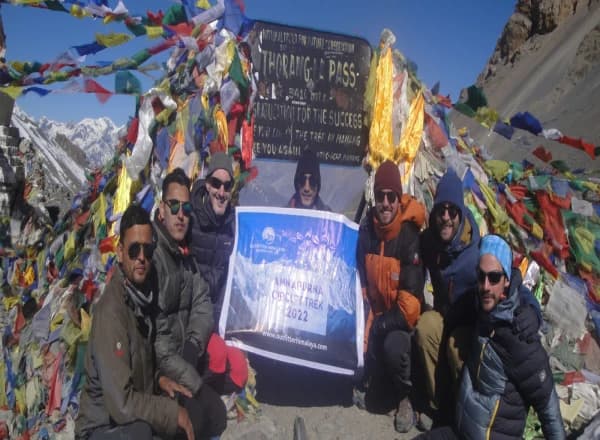
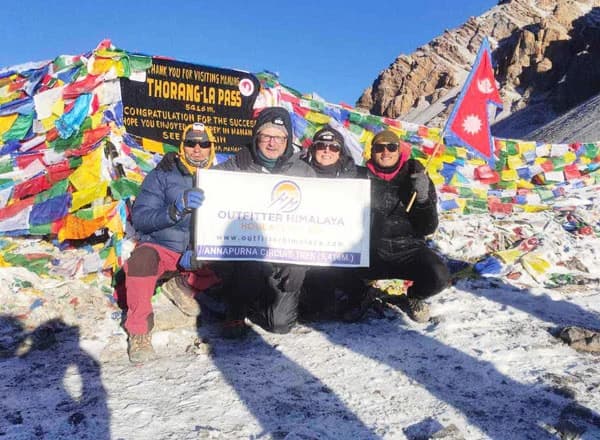
The Thorong La crossing is usually the hardest day of the Annapurna Circuit Trek. Outfitter Himalayas’ classic itinerary allows about nine to ten hours to travel from Thorong Phedi over the 5,416-meter pass to Muktinath.
The ascent from Thorong Phedi at 4,450 meters gains almost 1000 metres before reaching the pass. You then face a long descent with already tired legs. High altitude, an early start, and potentially cold or slippery conditions make this stage demanding in several ways.
Pisang to Manang
The classic itinerary schedules approximately six to seven hours for this stage. It is an important endurance test before the higher approach to Thorong La. So, we suggest keeping the pace comfortable and avoiding treating arrival in Manang as a deadline; the following acclimatization day forms an essential part of the planned ascent.
Tatopani to Ghorepani
This lower-altitude stage deserves attention too. The classic itinerary climbs from Tatopani (1,190 meters) to Ghorepani (2,860 meters), taking about seven to eight hours of walking. That is roughly 1,670 meters of net elevation gain, making it a substantial uphill day even after Thorong La is behind you.
Trekkers choosing the Annapurna Circuit with ABC continue beyond Ghorepani into the Annapurna Sanctuary. Those additional walking days make sustained endurance particularly important when choosing the combined itinerary.
Can Beginners Complete the Annapurna Circuit trek?
Yes, the Annapurna Circuit can suit well-prepared beginners with good walking fitness. Previous mountain experience is helpful, but technical climbing experience is generally not necessary in normal conditions. An experienced guide, a suitable itinerary, and preparation for consecutive walking days are particularly important for a first Himalayan trek.
What Fitness Level Should You Have?
Before departure, aim to feel comfortable:
- Walking for several hours on hilly ground, including sustained uphill sections.
- Descending uneven paths with control, even towards the end of a tiring day.
- Carrying your daypack, including water, layers, and daily essentials.
- Walking the following morning again, rather than needing several recovery days after every hike.
Use these as practical preparation goals. Try consecutive-day hikes to understand how your legs, feet, and energy levels respond before committing to the trek.
When Should You Allow More Preparation Time?
- If a short hill walk currently leaves you exhausted, build your endurance gradually before choosing the circuit. Your readiness also includes being comfortable with basic lodges, early starts, and schedule changes.
- Discuss your recent hiking experience honestly with Outfitter Himalaya. Choose an itinerary that fits your fitness and recovery needs, as well as the time you have for your holiday.
How Does Your Itinerary Change the Annapurna Circuit Trek Difficulty?
All five itineraries cross Thorong La at 5,416 meters, so each includes the same major altitude challenge. They differ in the walking stages, starting point, accommodation, and additional routes.
Note: Walking-day counts are calculated from the published schedules including Manang acclimatization day and the package durations also include the transport, drive days, and city days listed in each itinerary.
When Are Annapurna Circuit Trekking Conditions More Manageable?
Spring and autumn generally offer the most favorable conditions for the Annapurna Circuit. Your chosen season affects footing, walking comfort, and how likely weather is to disrupt the pass crossing.
- Spring – March to May: Milder daytime conditions make walking more comfortable. Snow can remain around Thorong La, particularly early in the season, so prepare for icy sections.
- Autumn –September to November: Generally clearer, drier conditions make this a popular trekking period. Temperatures fall as the season progresses, with increasingly cold mornings and nights higher up.
- Winter – December to February: Severe cold, snow, and ice add to the physical challenge. The pass may become unsafe or impassable, requiring itinerary changes.
- Monsoon – June to August: Rain can make lower trails muddy and slippery, while landslides may disrupt access roads. These conditions complicate both walking and transport.
For a first Himalayan trek, consider spring or autumn and discuss current conditions with your guide. Even in a favorable season, you still need flexibility: recent snowfall and local trail conditions determine whether a Thorong La Crossing can proceed; read our Best time to trek Annapurna Circuit to choose the right time for your Annapurna Circuit adventure.
How Should You Prepare for the Annapurna Circuit Trek?
Build your preparation around endurance, leg strength and time on uneven ground. Start several weeks before departure, allow more time if you are not already active, and increase the workload gradually.
- Develop steady endurance: Use brick walking, cycling or stair climbing regularly. Include sustained uphill efforts to practice a comfortable, consistent pace.
- Strengthen your legs and core: Squats, step-ups, lunges and calf raises can support climbing and controlled descents. Choose exercises appropriate to your current ability.
- Practice on real trails: Gradually extend your hill walks and include occasional consecutive hiking days. Carry the daypack you expect to use during the trek.
- Test your equipment: Break in your boots, check your socks for rubbing, and practice using trekking poles before departure. Confirm suitable warm clothing and sleeping equipment for your chosen season.
Our Tips
On the trek, settle into a sustainable pace, take regular breaks, and keep your walking load manageable. Protect the scheduled acclimatization time and tell your guide promptly if you feel unwell. Preparation should help you recognize your limits and make sensible decisions throughout the journey.
FAQS on Annapurna Circuit Trek Difficulty
Is the Annapurna Circuit Harder Than Annapurna Base Camp?
The Circuit presents a greater altitude challenge: Thorong La reaches 5,416 meters, compared with 4,130 meters at ABC. Its long pass-crossing day adds difficulty, although the overall physical effort depends on the itinerary you choose.
Do You Need Mountaineering Experience?
Generally, no. The standard route involves trekking rather than technical climbing. Snow or ice changes equipment requirements, so ask your guide about suitable traction equipment and how to use it before departure.
Is Running Enough Preparation for the Trek?
Running can build endurance, but include hill walks, long descents, and practice with your daypack. These activities better prepare you for uneven ground and repeated walking days.
Does the Comfort Trek Avoid the Hardest Section?
No. The comfort itinerary still crosses Thorong La on foot while upgraded accommodation and transport improve comfort elsewhere in the journey.
Is the Annapurna Circuit the Right Challenge for You?
The Annapurna Circuit rewards preparation, patience and a realistic understanding of your fitness. Choose an itinerary that suits your walking experience, allow time to acclimatize and prepare for both the climb to Thorong La and the descent beyond it.
Explore Outfitter Himalaya’s Annapurna Circuit Trek, then discuss your recent hiking experience and preferred level of support with our team to find a suitable option.