Annapurna Circuit Trek in September marks the beginning of Nepal’s famous autumn trekking season. As the monsoon rains gradually fade, the Himalayan landscape transforms into one of the year's most visually striking environments. The fivers run full, forests glow in deep shades of green, and mountain peaks slowly reappear through clearing skies.
September offers a unique blend of lush scenery and improving weather conditions, making it an attractive time for trekkers seeking both natural beauty and evolving mountain views. Unlike peak months such as October, September still carries the freshness of the monsoon season, creating dramatic landscapes filled with waterfalls, cloud movement, and vibrant vegetation.
One of the most exciting aspects of trekking the Annapurna Circuit in September is witnessing nature in transition. Trails become greener, valleys feel alive with seasonal activity, and agricultural villages remain busy with harvest preparations. The journey feels dynamic, with changing weather patterns that create unforgettable scenery.
Although early September may still experience occasional rainfall, conditions improve steadily as the month progresses. By mid to late September, skies become clearer, trails dry out, and mountain visibility improves significantly.
For trekkers who want a quieter start to the autumn trekking season while enjoying spectacular natural beauty, the Annapurna Circuit Trek in September offers an adventurous and rewarding Himalayan experience.
Annapurna Circuit Trek in September: Fresh Landscapes, Clear Skies, and the start of Autumn Adventure
Annapurna Circuit Trek in September represents a fascinating transition between Nepal’s monsoon season and the clear autumn months. This transitional period creates a trekking experience that feels fresh, vibrant, and constantly changing.
Early September often reflects lingering monsoon effects, including occasional rainfall and cloud movement. However, as the day passes, the weather stabilizes, the skies clear, and trekking conditions improve significantly.
One of the defining features of September trekking is the abundance of water across the landscape. Waterfalls cascade down cliffs, streams flow strongly, and alpine vegetation thrives after recent rainfall. This creates some of the year's most visually rich scenery.
Higher elevations such as Manang, Thorong Phedi, and Thorong La Pass (5,416 m) gradually become more stable as the month progresses. These sections benefit from improving weather patterns, making mid to late September an excellent time to cross high mountain passes.
September also brings fewer crowds compared to peak October weeks. This allows trekkers to experience the Annapurna Circuit in a more peaceful environment while still enjoying the benefits of improved autumn conditions.
For those who enjoy lush scenery, evolving skies, and fewer crowds, trekking the Annapurna Circuit in September provides a unique and memorable Himalayan adventure.
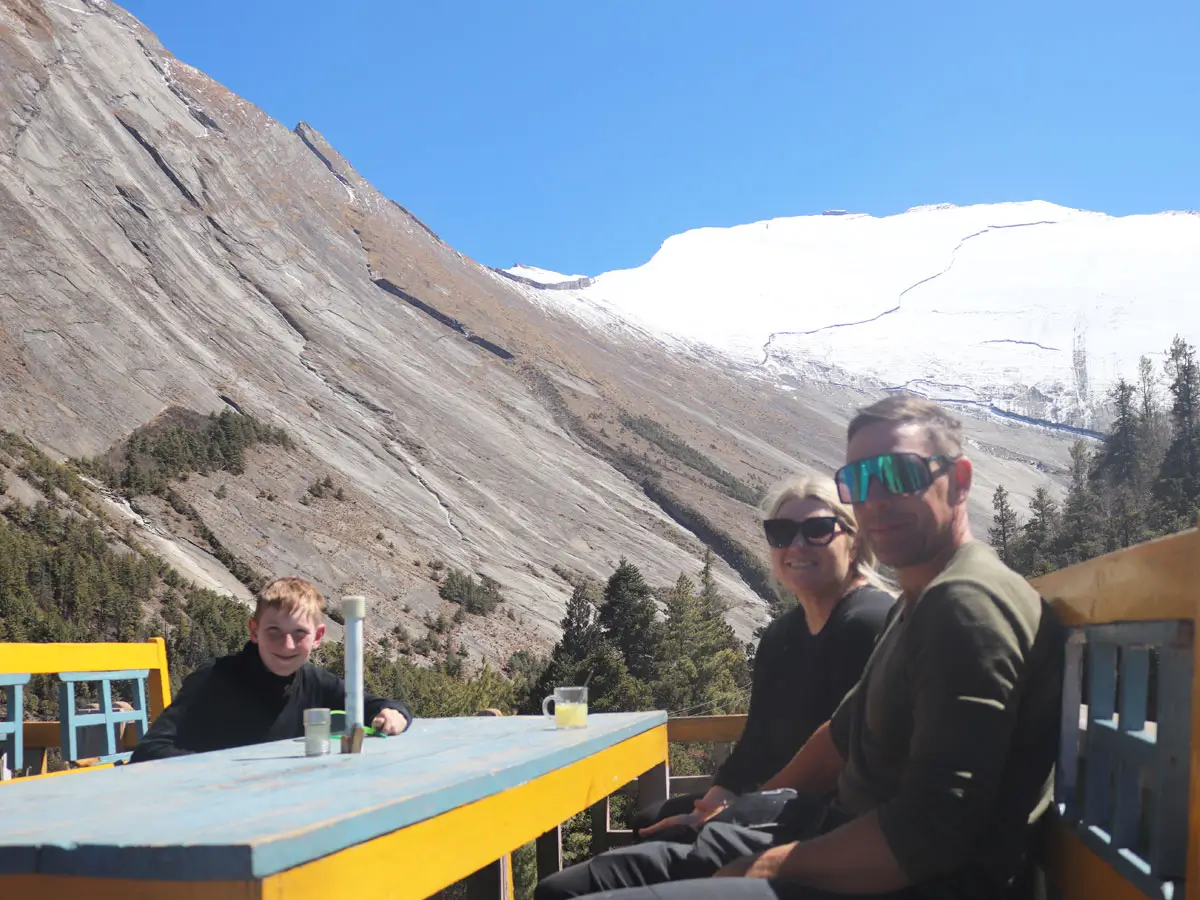
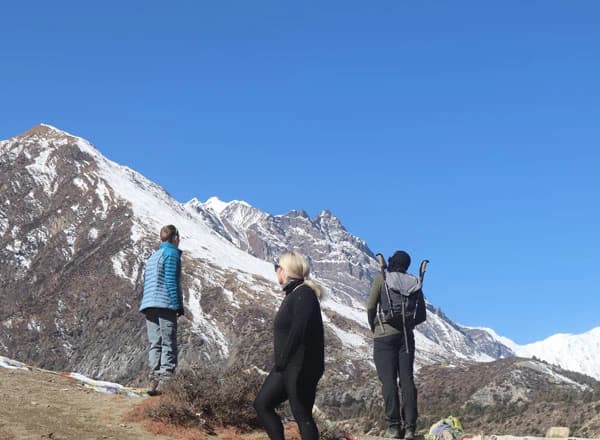
Tea Break on Annapurna Circuit Trek!
Annapurna Circuit Weather and Temperature in September
Post - Monsoon Freshness with Gradually Clearing Skies
The Annapurna Circuit Trek in September takes place during Nepal’s transition from the monsoon season into autumn. This makes September one of the most dynamic months for trekking, as weather conditions steadily improve throughout the month.
Early September may still experience occasional rainfall and cloud cover, especially in lower elevations. However, as days pass, rainfall decreases, skies begin clearing, and trekking conditions become more stable. By mid to late September, many days offer clear mountain views and comfortable trekking weather.
One of the most noticeable features of the September trek is the freshness in the air. The landscape feels newly washed after the monsoon, and rivers, streams, and waterfalls remain strong and active.
Weather conditions also vary significantly by altitude. Lower elevations may feel warm and humid, while higher regions such as Manang, Thorong Phedi, and Thorong La Pass (5,416m) remain cooler and more stable.
Morning Weather in September
Fresh, Cool Starts with Mist and Clearing Skies
Mornings during the Annapurna Circuit Trek in September are often calm and refreshing. In early September, mist may linger in valleys, especially after nighttime rainfall. However, as the sun rises, the mist gradually clears, revealing mountain ridges and forest landscapes. Morning conditions are ideal for:
steady trekking progress
enjoying cooler temperatures
Capturing Misty Valley Photography
observing fresh natural scenery
By mid to late September, mornings become clearer and more consistent.
Daytime Weather in September
Warm Trekking Conditions with Improving Visibility
Daytime trekking in September is generally warm, especially at lower elevations. Humidity may still be noticeable early in the month, but it reduces gradually as autumn approaches. Typical daytime conditions include:
warm temperatures in the lower valleys
comforting walking conditions at mid elevations
increasing sunshine toward late September
improving mountain visibility
Trekkers often experience a mix of sunlight and passing clouds, creating dramatic sky conditions throughout the day.
Cooler Evenings with Comfortable Sleeping Conditions
Nighttime temperatures in September begin cooling gradually compared to the warmer monsoon months. While lower elevations remain mild, higher regions experience noticeably cooler nights. Typical nighttime conditions include:
cool air at mid elevations
refreshing evening temperatures
colder nights above 3,000 meters
occasional dampness early in the month
Sleeping conditions remain comfortable, especially with proper warm layers.
Temperature Range by Elevation in September
Below are typical temperature ranges during the Annapurna Circuit Trek in September.
Lower Elevations (800 m – 2,000 m)
Locations: Besisahar, Jagat, Dharapani
Daytime: 18°C to 26°C
Nighttime: 12°C to 18°C
Warm and humid conditions are more noticeable here early in September.
Mid Elevations (2,000 m – 3,500 m)
Locations: Chame, Pisang, Manang
Daytime: 12°C to 20°C
Nighttime: 6°C to 10°C
Comfortable trekking temperatures dominate these areas.
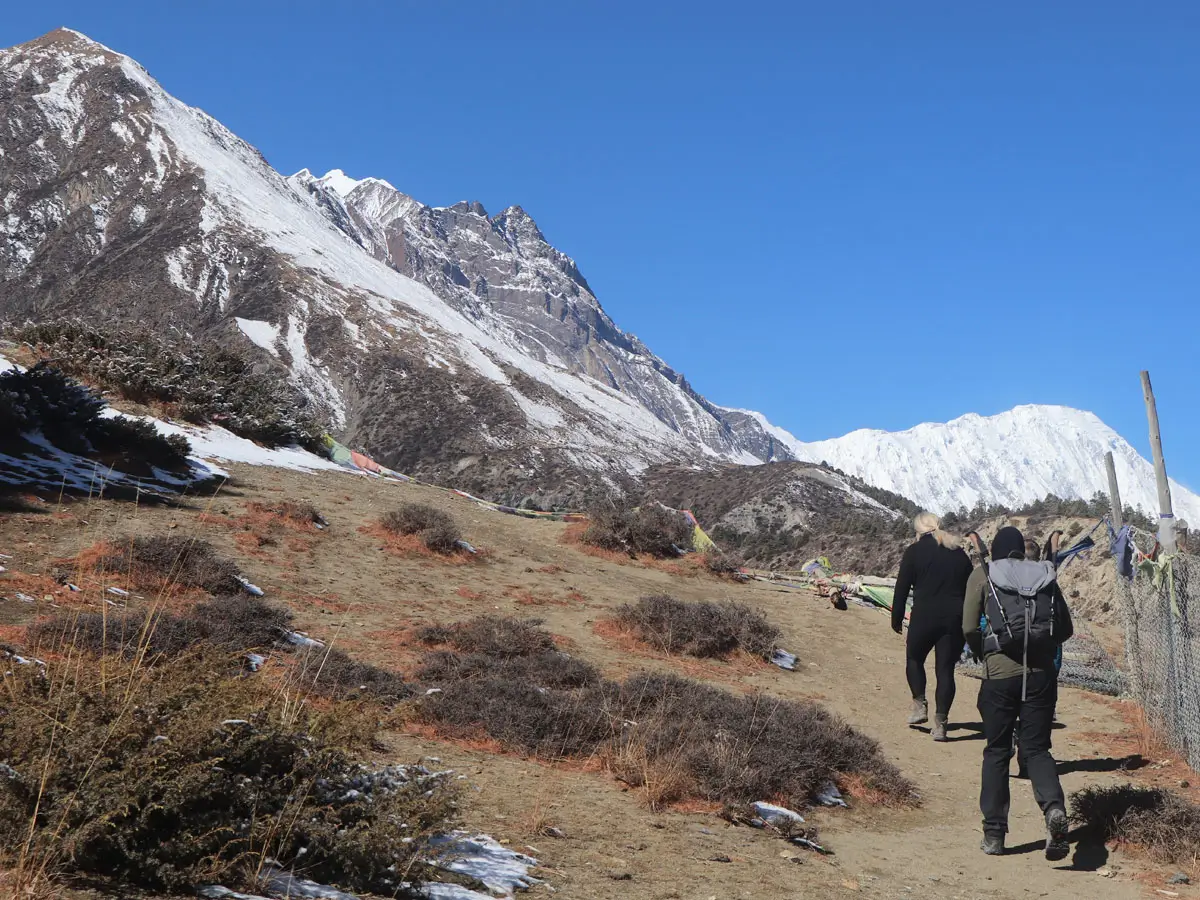
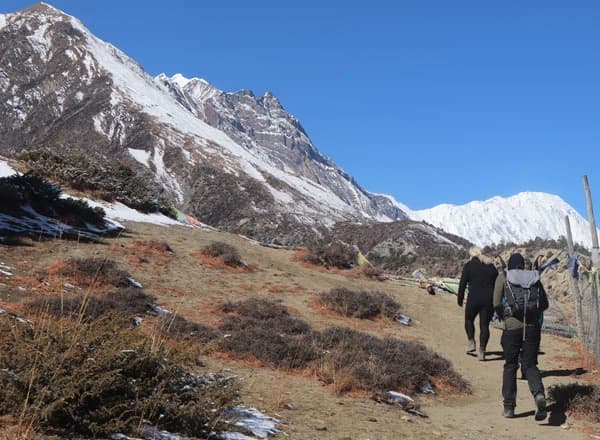
Walking towards Thorong La pass!
High Elevations (3,500 m – 5,416 m)
Locations: Yak Kharka, Thorong Phedi, Thorong La Pass
Daytime: 5°C to 12°C
Nighttime: 0°C to 5°C
Cold temperatures are noticeable at higher elevations, especially in early mornings.
Early vs Late September Weather Changes
Understanding the progression of September weather helps trekkers choose the best time within the month.
Early September
Higher chance of rainfall
Cloud cover is more frequent
Trails may remain wet
Landscapes extremely lush
Mid-September
Rainfall decreases
Visibility improves
Trails become more stable
Weather becomes more predictable
Late September
Clear skies are more common
Mountain views improve significantly
Trails dry fully
Autumn conditions begin dominating
Late September is often considered the most favorable period within the month.
Overall September Weather Summary
Thorong La Pass Trek in September offers a unique trekking environment, with improving weather and fresh post-monsoon landscapes. While early September may require extra preparation, mid to late September delivers stable trekking conditions and rewarding mountain views. September weather offers:
lush landscapes
improving mountain visibility
gradually stabilizing conditions
comfortable trekking temperatures
refreshing mountain air
These characteristics make September one of the most visually exciting months to trek the Annapurna Circuit.
Trek Through Fresh Post - Monsoon Landscapes:September transforms the Annapurna Circuit into a vibrant Himalayan corridor filled with lush forests, green terraces, and thriving vegetation. The entire trail feels alive after months of rainfall.
Witness Powerful Waterfalls and Flowing Rivers: One of the most striking features of the Annapurna Circuit Trek in September is the abundance of waterfalls and strong rivers. Water flows down cliffs and across valleys, creating dramatic scenery rarely seen in drier months.
Enjoy Gradually Improving Mountain Views: As the month progresses, skies begin clearing more consistently, revealing stunning views of peaks such as Annapurna II, Annapurna III, Gangapurna, and Tilicho Peak.
Crossing Thorong La Pass (5,416 m): The biggest highlight of the Annapurna Circuit trek in September is crossing Thorong La Pass, one of the highest trekking passes in the world. Reaching this point is both physically challenging and incredibly rewarding, offering panoramic views of the Himalayas.
Experience Quieter Trails Before Peak Season:September falls just before the busiest autumn trekking period, allowing trekkers to enjoy peaceful trails and less crowded teahouses than in October.
Rich Cultural Diversity Along the Trail: The trek passes through a variety of ethnic communities, including Gurung, Manangi, and Tibetan-influenced cultures. Each region offers unique traditions, architecture, and lifestyles, making the trek culturally enriching.
Feel the Transition Into Autumn Trekking Season:September offers the excitement of witnessing nature shift from monsoon freshness to stable autumn conditions.
Cross Diverse Landscapes From Subtropical Forests to High Himalayan Terrain: The Annapurna Circuit in September showcases remarkable environmental diversity, from green valleys to alpine landscapes near Thorong La Pass (5,416m).
Capture Dramatic Cloud and Mist Landscapes:September offers unique photography opportunities, including misty valleys, moving clouds, and evolving mountain scenery.
Observe Seasonal Farming Life in Mountain Villages: Villages across the Annapurna region remain active with agricultural work, offering authentic glimpses into local Himalayan lifestyles.
Adventure and Variety in One Trek: The Annapurna Circuit trek in September offers a complete Himalayan experience, challenging high passes, changing climates, cultural immersion, and diverse scenery, making it one of the most rewarding treks in Nepal.
Annapurna Circuit with Base Camp: Suitable for those travelers who have longer holidays and want to complete the Annapurna Circuit and Annapurna Base Camp in a single trip.
Comfort Annapurna Circuit Trek: Suitable for those travellers, who want to complete the Annapurna Circuit Trek in more comfortable way.
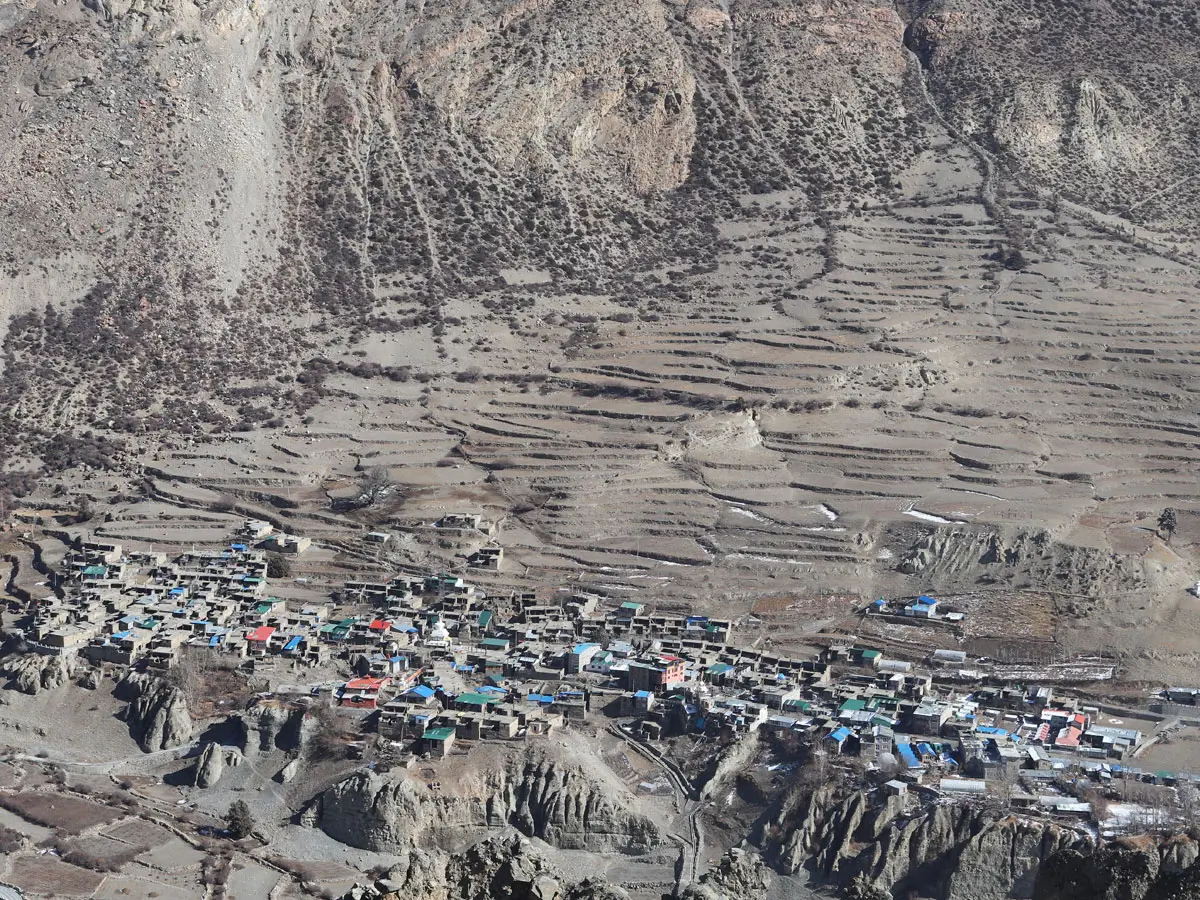
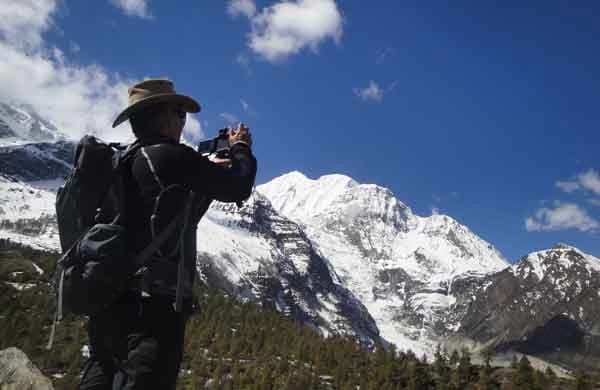
The Manang Village!
Why Trek the Annapurna Circuit in September- Benefits of the Annapurna Circuit Trek in September
The Annapurna thorong la Trek in September offers one of the most visually dynamic trekking experiences in Nepal. As the Monsoon season gradually retreats, the entire Annapurna region comes alive with fresh greenery, flowing rivers, and revitalized landscapes. The September offers a powerful combination of natural beauty, quieter trails, and steadily improving weather.
For trekkers who enjoy vibrant scenery and evolving mountain views, September offers a refreshing alternative to the peak-season months.
Lush Green Landscapes at Their Peak Beauty
One of the most remarkable advantages of trekking the Annapurna Circuit in September is the unmatched greenery across the lower and mid-elevation sections. The monsoon rains nourish forests, rice terraces, and alpine vegetation, turning the landscape into deep shades of green.
Trail sections between Besisahar, Jagat, Dharapani, and Chamefeel are particularly vibrant during this time. Hillside remains rich with plant life, and the valleys appear fuller and more energetic than during the dry seasons.
September offers some of the year's most visually refreshing scenery.
Spectacular Waterfalls and Glacier-Fed Rivers
September is one of the best months to witness powerful waterfalls across the Annapurna Circuit route. Fresh monsoon runoff feeds streams and rivers, creating dramatic cascades along cliff faces and deep valleys. Trekkers frequently encounter:
roaring waterfalls along forest trails
strong river currents
mist rising from mountain streams
dramatic soundscapes created by flowing water
These natural elements create a dynamic trekking environment rarely seen during dry months.
While early September may still experience occasional cloud cover, visibility improves significantly as the month progresses. By mid to late September, skies become clearer, allowing trekkers to enjoy stunning views of Himalayan peaks. Mountains such as:
Annapurna II
Annapurna III
Gangapurna
Tilicho Peak
Dhaulagiri Range (from certain viewpoints)
begin appearing more consistently, especially during early morning hours.
This gradual improvement adds excitement to the journey.
Fewer Crowds Compared to Peak Autumn Months
September offers a quieter trekking environment compared to October and November. Many trekkers wait until full autumn begins, leaving September trails relatively peaceful. Advantages include:
easier accommodation availability
relaxed dining environments
quieter viewpoints
more flexible trekking pace
For trekkers seeking a less crowded experience, September provides a welcome balance between solitude and accessibility.
Transition Into Stable Autumn Weather
September marks the shift from monsoon instability to autumn reliability. Although occasional rainfall may occur early in the month, conditions steadily stabilize as the month progresses. By mid to late September:
Rainfall decreases significantly
Skies remain clearer
Trails become drier
Mountain visibility improves
This transitional weather pattern makes September particularly rewarding for trekkers who enjoy witnessing nature in motion.
Active Flora and Wildlife After Monsoon
September is an excellent time to observe thriving ecosystems across the Annapurna region. Plants grow vigorously after monsoon rainfall, and wildlife becomes more active in forested areas. Trekkers may notice:
Blooming alpine flowers
Moss-covered forest trails
Active bird species
Insects and amphibians near water sources
The natural diversity of the Annapurna Conservation Area becomes especially noticeable during this period.
Authentic Cultural and Agricultural Activity
September is an active agricultural season in many mountain villages. Farmers prepare terraces, harvest crops, and manage livestock, creating lively village environments along the trail. This allows trekkers to observe:
Rice terraces in peak green condition
Farming work in progress
Seasonal community activities
Traditional rural lifestyles
These cultural interactions add depth to the trekking experience.
The Annapurna Circuit Trek in September offers a rare combination of vibrant landscapes, improving weather, and quieter trails. This balance makes the month particularly appealing to trekkers who value scenery as much as mountain views. September delivers:
fresh landscapes
evolving skies
fewer crowds
rich biodiversity
strong natural scenery
These factors make September one of the most visually rewarding months on the Annapurna Circuit.
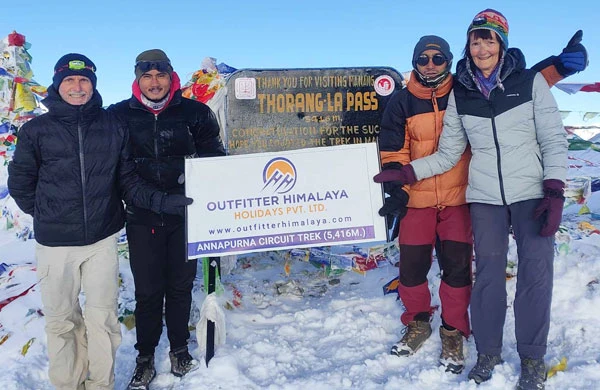
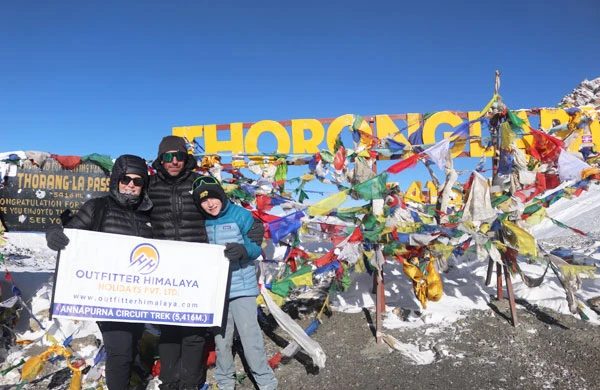
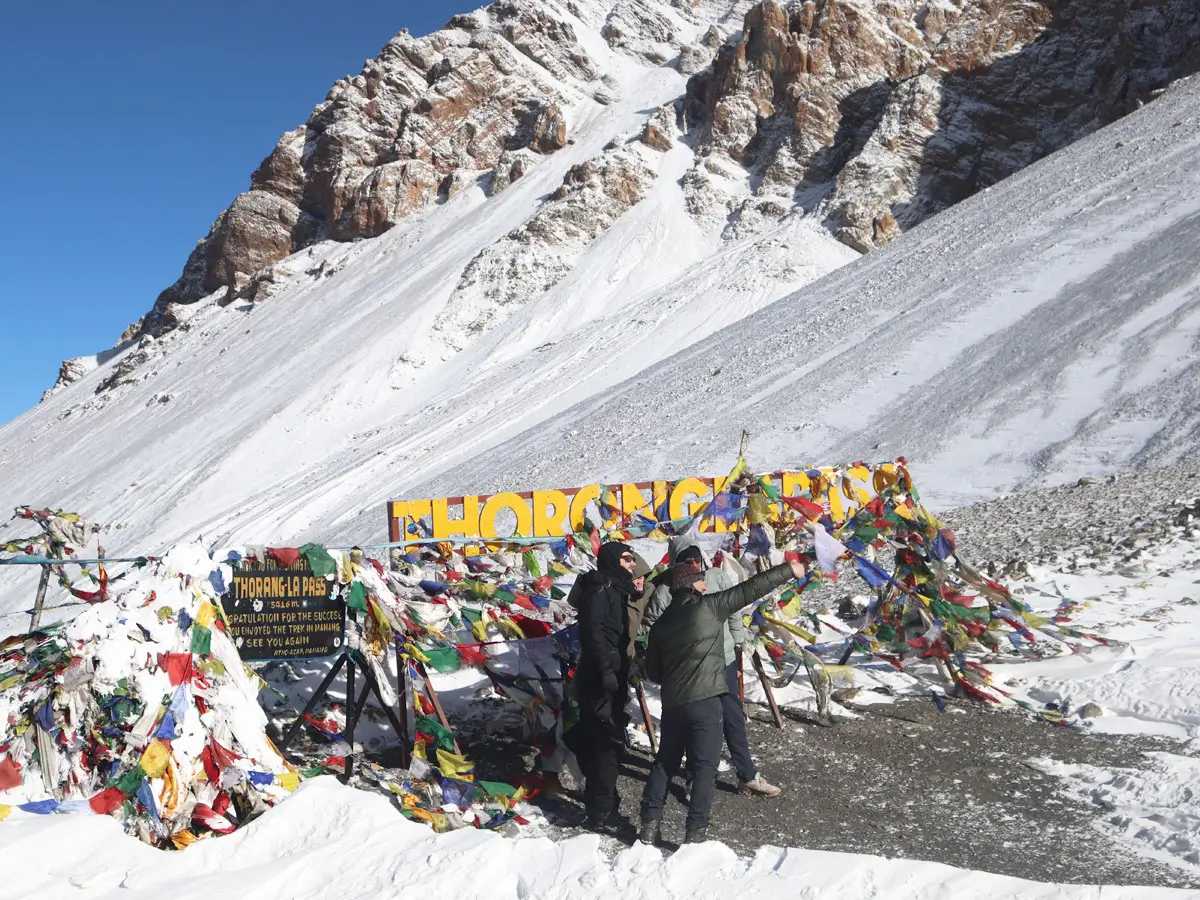
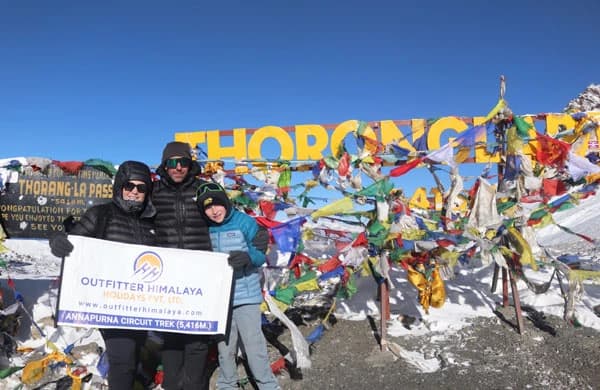
The Thorong La top!
Cons of Annapurna Circuit Trek in September – Disadvantages of Annapurna Circuit Trek in September
While the Annapurna Circuit Trek in September offers vibrant scenery and improving trekking conditions, it is still a transitional period following the monsoon season. Early September may present certain environmental challenges that trekkers should understand before planning their journey.
With proper preparation and flexibility, these seasonal limitations can be managed effectively.
Occasional Rainfall in Early September
One of the primary challenges of trekking the Annapurna Circuit in September is the possibility of lingering rainfall during the early part of the month. The monsoon season usually fades gradually rather than ending suddenly, meaning occasional afternoon or evening showers may still occur. Rainfall during September can:
Temporarily reduce visibility
Create wet trail sections
Increase cloud cover in mountain regions
However, these showers typically decrease significantly by mid to late September, making conditions more stable as the month progresses.
Muddy and Slippery Trail Sections
Due to recent monsoon rainfall, some trail sections–especially in lower forested areas–may remain muddy or slippery during early September. Trekkers may encounter:
Wet stone steps
Soft soil sections
Muddy forest paths
Slippery slopes in shaded areas
Using trekking poles and proper footwear greatly improves stability and reduces the risk of slipping.
Cloud Cover Affecting Mountain Visibility
Early September sometimes brings heavy cloud movement, which may temporarily hide mountain views. While landscapes remain beautiful, full panoramic views may not appear consistently during the first week or two.
Fortunately, cloud cover usually improves gradually as autumn conditions develop. By mid to late September:
Skies become clearer
Visibility improves
Mountain views become more frequent
Patience often rewards trekkers with dramatic moments of cloud-clearing on the mountains.
Leeches in Lower Forest Sections
Lower elevations along the Annapurna Circuit may still experience occasional leeches in early September, due to recent rainfall and moist forest conditions. Leeches are usually found in:
Dense forest areas
Wet trail sections
Shaded vegetation zones
Wearing long socks and using salt or anti-leech sprays helps manage this minor inconvenience.
September trekking at lower altitudes may feel more humid compared to October and November. Warm temperatures combined with recent rainfall create a moist trekking environment. Trekkers may experience:
Increased sweating
Warmer lower valleys
Slightly slower walking pace
However, humidity decreases significantly as trekkers gain elevation.
Occasional Trail Maintenance or Landslide Areas
In rare cases, sections of the Annapurna Circuit may require maintenance after monsoon activity. Minor landslides or trail repairs may occur in certain areas, particularly early in September.
Local guides and trekking teams usually monitor these sections carefully and adjust routes when necessary.
A Balanced September Perspective
Although early September presents a few transitional challenges, most of these conditions improve steadily throughout the month. Mid to late September offers significantly better weather stability, clearer skies, and more comfortable trekking conditions.
With proper gear and flexible planning, the Annapurna Circuit Trek in September remains a rewarding and manageable adventure.
Difficulty and Altitude of Annapurna Circuit Trek in September
Annapurna Circuit Trek in September is considered a moderate to challenging trek, mainly due to its long trekking duration, changing terrain, and the crossing of Thorong La Pass (5,416m) –the highest point of the journey.
Most trekking days involve 5 to 7 hours of walking, with some longer days near the pass crossing. The trail passes through diverse landscapes, including forested paths, rocky slopes, river valleys, and high alpine terrain.
In September, early-month trail conditions may still feel slightly wet or muddy in lower elevations due to recent monsoon rainfall. However, as the month progresses, trails become drier and easier to walk, especially in mid to late September.
With proper pacing and preparation, the trek is achievable for trekkers with moderate fitness and determination.
Altitude Challenges on the Annapurna Circuit in September
Altitude is the main physical challenge during the Annapurna Circuit Trek, especially as you approach higher elevations such as Manang, Yak Kharka, Thorong Phedi, and Thorong La Pass.
As trekkers gain altitude, oxygen levels decrease, which may lead to mild symptoms of altitude sickness if proper acclimatization is not followed.
September conditions can slightly increase fatigue in early weeks due to humidity at lower elevations, but cooler air at higher altitudes helps maintain comfort.
Most trekking itineraries include acclimatization days, especially in Manang, to help trekkers adjust safely before crossing the pass.
Simple Tips to Reduce Altitude Risk
Walk slowly and maintain a steady pace
Drink enough water throughout the day
Take acclimatization days seriously
Eat warm and energy-rich meals
Inform guides immediately if symptoms appear
These simple precautions significantly improve safety and comfort during the Annapurna Circuit Trek in September.
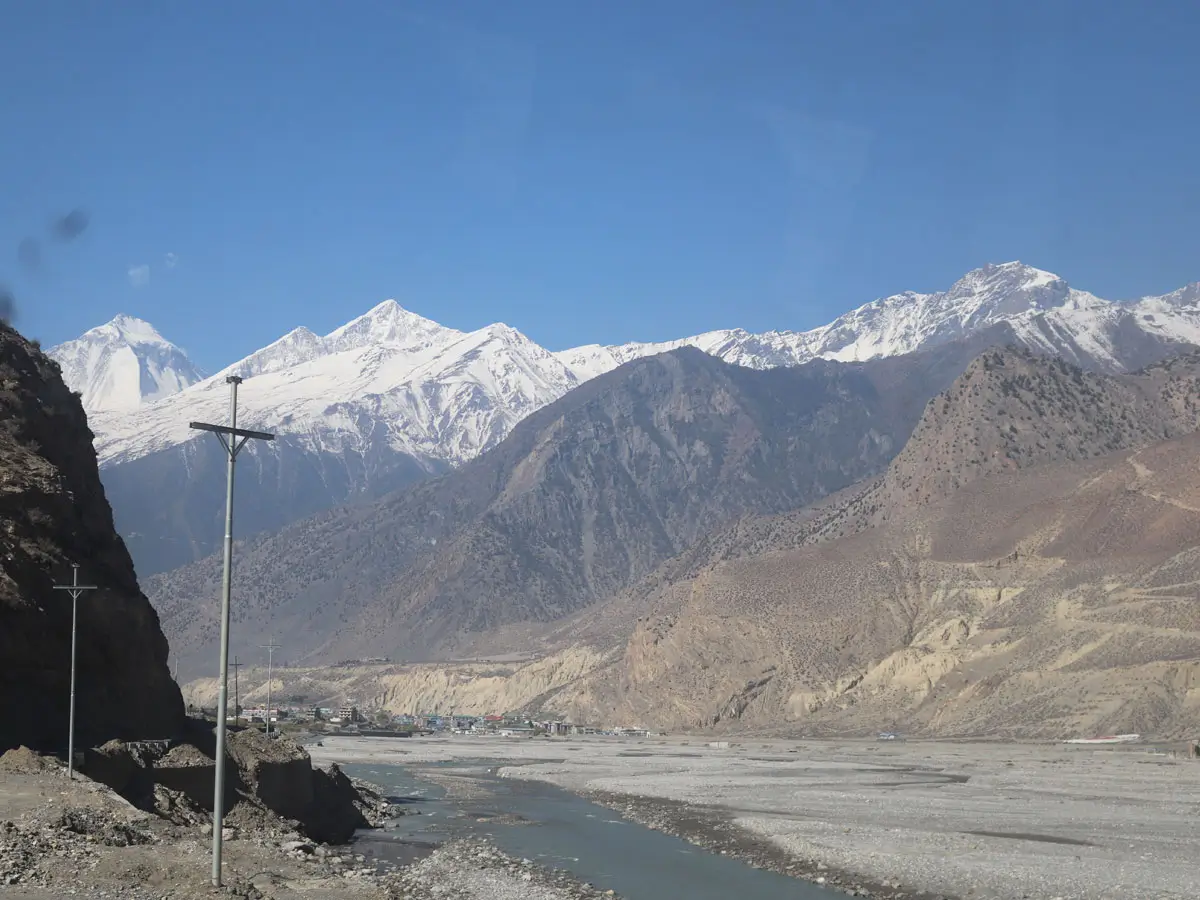
The Lower Mustang Valley!
Best Weeks to Trek Annapurna Circuit in September
Annapurna Circuit Trek in September offers improved trekking conditions throughout the month, but each phase offers a slightly different experience. Weather patterns shift from lingering monsoon conditions toward stable autumn weather, making timing an important factor.
Understanding the differences between early, mid, and late September helps trekkers choose the most suitable trekking period.
Early September (First Week) – Lush Landscapes with Monsoon freshness
Early September still reflects the final phase of Nepal’s monsoon season. The landscapes remain extremely green, waterfalls flow powerfully, and rivers carry strong glacier-fed currents. During this period:
Forests appear vibrant and freshly washed
Waterfalls are at peak flow
Cloud cover may still occur
Trails may remain wet or muddy
Leeches may appear in lower forests
Early September is suitable for trekkers who enjoy dramatic scenery and don’t mind occasional rain or wet trail conditions.
Mid -September (Second and Third Week) - Improving Weather and Balanced Conditions
Mid - September marks the gradual stabilization of weather patterns across the Annapurna region. Rainfall becomes less frequent, skies begin clearing more consistently, and trekking conditions improve significantly. During this period:
Rainfall decreases noticeably
Mountain views become more frequent
Trails begin drying
Humidity reduces gradually
Trekking comfort improves
Mid - September offers an excellent balance between lush scenery and improving weather stability.
Late September (Final Week) - Clear Skies and Start of Autumn Conditions
Late September is often considered one of the best periods within the month for trekking the Annapurna Circuit. By this time, monsoon conditions have mostly ended, and autumn weather begins dominating the region. During this period:
Skies become clearer
Mountain visibility improves significantly
Trails become fully dry
Temperatures feel comfortable
Trekking conditions become stable
Late September closely resembles early October conditions, but with slightly fewer crowds.
Overall Best Time within September
For most trekkers, mid to late September provides the best balance of scenery, comfort, and stable weather. However:
Early September - Best for lush scenery and waterfalls
Mid-September - Best for balanced conditions
Late September - Best for clear mountain views
Each phase offers its own unique experience, making September a rewarding month for trekking the Annapurna Circuit.
Is September a good time for the Annapurna Circuit Trek?
Yes, September is a good time for the Annapurna Circuit Trek, especially from mid to late September. Early September may still experience occasional rainfall, but weather conditions improve steadily, offering clear skies and comfortable trekking conditions later in the month.
How much rain occurs on the Annapurna Circuit in September?
Rainfall is more common during early September due to lingering monsoon effects. However, rainfall decreases significantly after mid-September. By late September, weather conditions often resemble early autumn, with clearer skies and improved visibility.
What is the temperature on the Annapurna Circuit in September?
Typical temperatures during the Annapurna Circuit Trek in September vary by elevation:
Lower elevations: 18°C to 26°C (day), 12°C to 18°C (night)
Mid elevations: 12°C to 20°C (day), 6°C to 10°C (night)
High elevations: 5°C to 12°C (day), 0°C to 5°C (night)
Temperatures become cooler as altitude increases.
Is Thorong La Pass safe to cross in September?
Yes, Thorong La Pass (5,416 m) is generally safe to cross during mid to late September when weather conditions stabilize. Proper acclimatization and early morning starts are important for safe crossing.
Are there leeches on the Annapurna Circuit in September?
Leeches may appear in lower forest areas during early September due to moisture from the monsoon season. Their presence becomes much less common after mid-September as trails dry.
How crowded is the Annapurna Circuit in September?
September is less crowded than October and November. Early September feels quieter, while late September gradually sees more trekkers as the autumn season begins.
What permits are required for the Annapurna Circuit Trek?
Trekkers need the following permits:
Annapurna Conservation Area Permit (ACAP)
TIMS Card (Trekkers’ Information Management System)
These permits are mandatory for trekking in the Annapurna region.
How difficult is the Annapurna Circuit Trek in September?
The Annapurna Circuit Trek in September is considered moderate to challenging due to its long duration and high-altitude crossing. Early September may add slight difficulty due to wet trails, but mid to late September conditions become easier and more stable.
What should I pack for the Annapurna Circuit Trek in September?
Important packing items include:
waterproof jacket and rain gear
trekking poles
warm layers
quick-dry clothing
waterproof backpack cover
strong trekking boots
Balanced packing helps manage changing September conditions.
Which is better — September or October for the Annapurna Circuit Trek?
Expert Tips for Annapurna Circuit Trek in September
Trekking the Annapurna Circuit in September can be extremely rewarding if planned carefully. Since this month marks the transition from monsoon to autumn, understanding seasonal conditions helps trekkers enjoy the journey safely and comfortably.
These expert tips are designed specifically for September trekking conditions.
Carry Reliable Rain Protection for Early September
Although rainfall decreases gradually, early September may still bring occasional showers, especially in lower elevations. Carrying proper rain protection ensures uninterrupted trekking even during unexpected rain. Recommended items include:
Lightweight rain jacket
Waterproof backpack cover
Quick-drying clothing
Waterproof boots
These simple preparations help maintain comfort during wet trail sections.
Start Trekking Early in the Day
Morning hours are usually the clearest and most stable during September. Starting early allows trekkers to enjoy better visibility and complete walking before afternoon clouds or rain develop. Early starts also help:
Avoid slippery conditions later in the day
Improve daily trekking pace
Capture better morning views
This is one of the most effective habits for success on the September trek.
Choose Mid to Late September for Best Conditions
If flexibility is possible, trekking in mid to late September offers significantly better weather stability than early September. During this period:
Rainfall decreases
Mountain visibility improves
Trails become drier
Trekking conditions feel more comfortable
Many experienced trekkers prefer late September for this reason.
Use Trekking Poles for Wet or Slippery Sections
Some lower trail sections may remain wet or muddy after monsoon rainfall. Trekking poles provide better balance and reduce pressure on knees, especially during downhill sections. They are particularly helpful on:
Stone staircases
forest trails
Steep descents
Using trekking poles improves safety and walking confidence.
Take Advantage of Post-Monsoon Photography Conditions
September offers unique photography opportunities due to dramatic clouds, misty valleys, and lush greenery. Morning light combined with clearing skies often creates striking Himalayan scenery. Trekkers can capture:
mist-filled valleys
powerful waterfalls
fresh green landscapes
evolving mountain views
This visual transformation is one of September’s strongest highlights.
Stay Hydrated Despite Humid Lower Elevations
The lower sections of the Annapurna Circuit may feel humid in early September. Drinking sufficient water helps maintain energy levels and prevents fatigue.
Warm drinks such as tea or soup also support hydration and recovery during trekking.
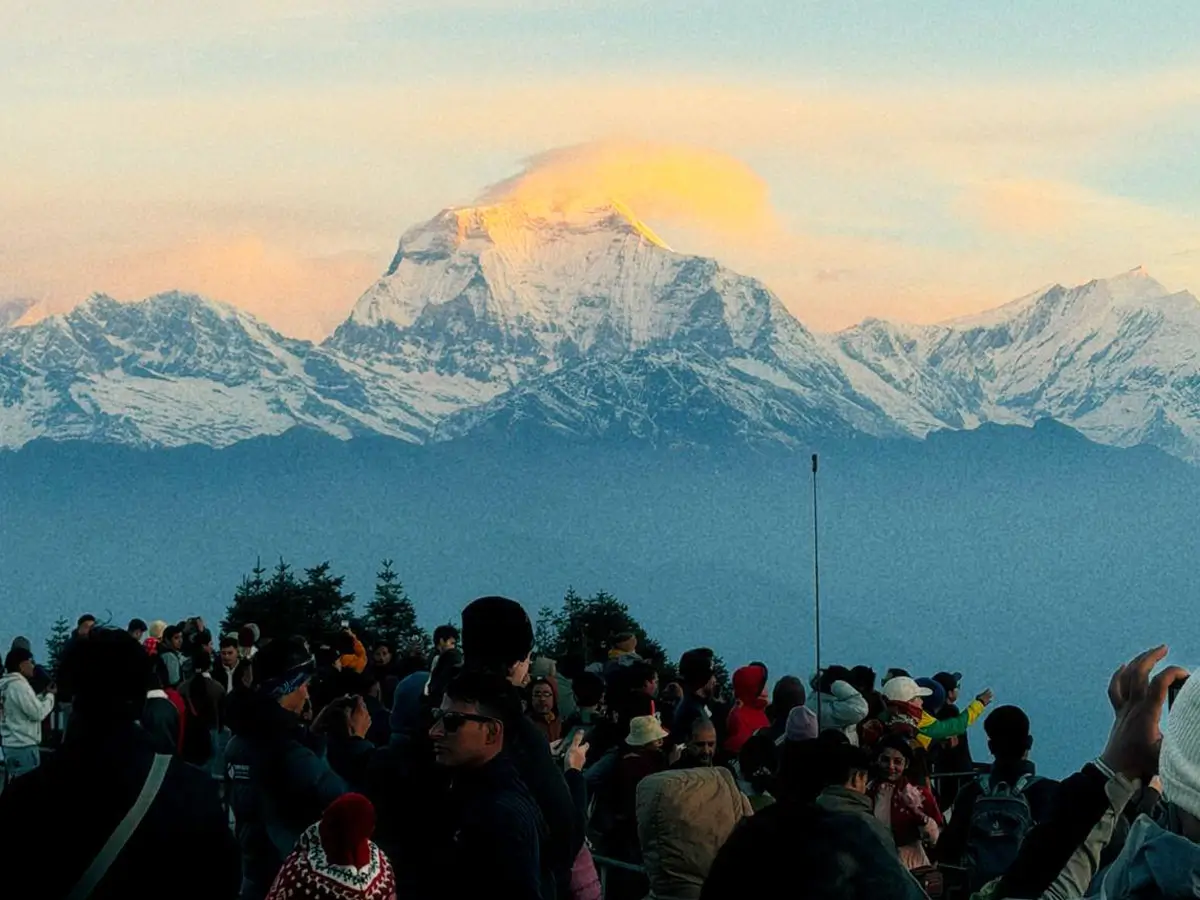
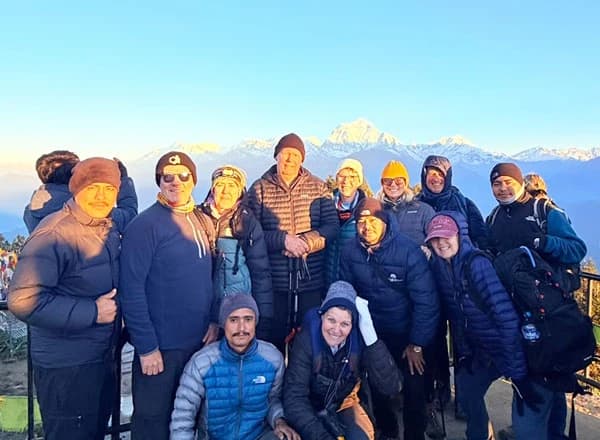
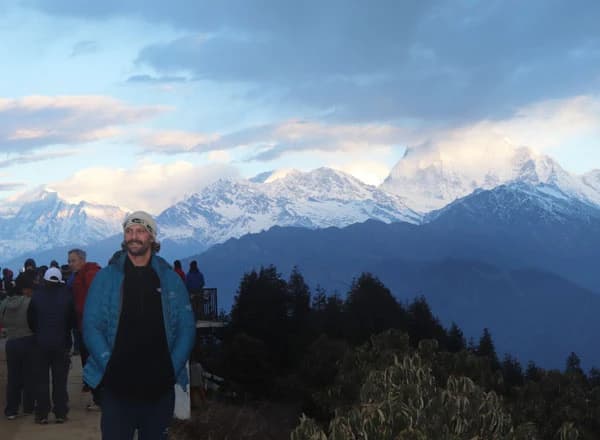
The Poon Hill View Point!
Packing Tips for Annapurna Circuit Trek in September
This is very useful because September requires mixed preparation, both rain and cold readiness.
Essential Packing Tips for September Trekking
Packing properly for the Annapurna Circuit Trek in September helps manage transitional weather conditions. Important items include:
waterproof jacket and rain gear
Warm layers for higher elevations
trekking poles
extra socks and quick-dry clothing
waterproof bag covers
sunglasses and sunscreen
Balanced packing ensures comfort across changing environments.
Conclusion: Is September the Right Time for the Annapurna Circuit Trek?
Annapurna Circuit Trek in September offers one of the most refreshing and visually dynamic trekking experiences in Nepal. As the monsoon season fades and autumn gradually emerges, the entire region transforms into a landscape filled with vibrant greenery, flowing rivers, and improving mountain views.
September stands out as a unique trekking month because it allows travelers to witness the Himalayas in transition. The trail feels alive with fresh vegetation, misty mornings, and powerful waterfalls, creating an atmosphere rarely seen during the drier months.
While early September may still carry occasional rainfall, conditions improve steadily throughout the month. By mid to late September, trekkers enjoy clearer skies, drier trails, and increasingly stable weather, creating ideal conditions for crossing high mountain passes such as Thorong La Pass (5,416 m).
For trekkers seeking fewer crowds, rich natural scenery, and evolving Himalayan landscapes, the Annapurna Circuit Trek in September offers a rewarding balance between adventure and comfort. With proper preparation and flexible planning, September becomes one of the most exciting months to experience the full diversity of the Annapurna Circuit.
April is one of the best months for the Ghorepani Poon Hill Trek, offering rhododendron flowers, warmer daytime walks, and Himalayan sunrise views from 3,210 meters. Expect busy teahouses, chilly mornings, and possible afternoon cloud [...]
The Ghorepani Poon Hill Trek in March combines the beginning of rhododendron season with warming days and opportunities for clear Himalayan views. Sunrise at 3,210 meters remains cold, and higher paths can still have snow [...]
The Annapurna Circuit Trek covers approximately 102 kilometers of walking on Outfitter Himalaya’s classic 15-day itinerary, including the Manang acclimatization hike. The journey unfolds through riverside forests, mountain villages and open valleys before crossing Thorong La [...]