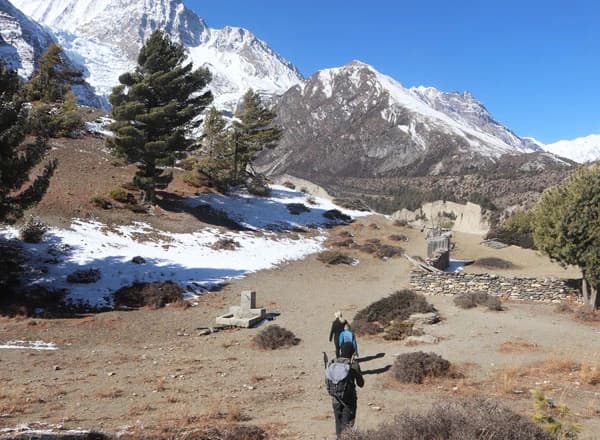
Annapurna Circuit Trek in November represents one of the most refined and rewarding trekking experiences in Nepal. As autumn reaches its final phase, November offers a rare balance of crystal-clear skies, dry trails, stable weather, and quieter trekking routes than October. Set in the stunning Annapurna Region, the trek circles the Annapurna massif and reaches its highest point at Thorong La Pass (5,416 meters), offering one of the most diverse and rewarding trekking experiences in Nepal.
Annapurna Circuit Trek in November - Clear Skies, Epic Mountain Views and the Ultimate Himalayan Adventure
Unlike early autumn months, November offers a calmer Himalayan environment. The monsoon has fully disappeared, leaving behind fresh landscapes, clean air, and unmatched visibility across the Annapurna range. Snow-capped peaks appear sharper, valleys glow with late-autumn hues, and the trekking atmosphere feels peaceful and immersive. This seasonal clarity allows trekkers to experience the Annapurna region at its most visually striking stage.
The trek typically begins from Besisahar and takes around 12-18 days, passing through an incredible variety of landscapes, from lush subtropical forests and terraced fields to alpine valleys and the arid, desert-like terrain of Mustang.
Another defining feature of the Annapurna Circuit Trek in November is the reliability of trail conditions. With minimal rainfall and firm terrain, trekking becomes more comfortable and safer, especially across exposed areas and high mountain paths. Dry trails significantly reduce the risk of slips and delays, allowing trekkers to maintain steady progress across long distances.
November also introduces a seasonal shift toward cooler temperatures. Days remain comfortable for trekking, while mornings and evenings become noticeably colder, particularly at higher elevations near Thorong La Pass. Despite the chill, the clear weather makes this month one of the most dependable times to complete the full circuit.
For trekkers seeking clear mountain views, fewer crowds than October, and stable Himalayan conditions, the Annapurna Circuit Trek in November stands as one of the finest late-autumn adventures in Nepal.
Experience the Annapurna Circuit during Nepal’s late-autumn season with clear skies and dry trails
Enjoy exceptionally sharp views of Annapurna, Dhaulagiri, Manaslu, and the surrounding Himalayan ranges
Walk across stable trekking paths with minimal rainfall and reduced trail hazards
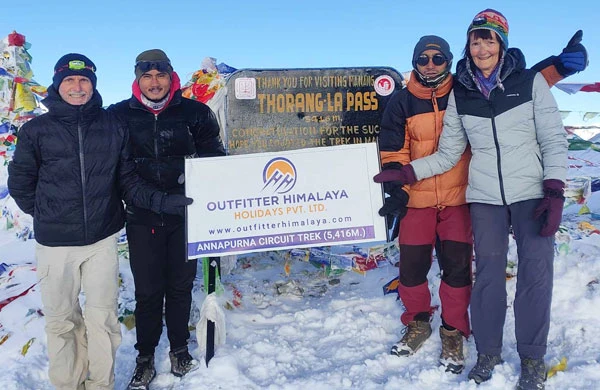
Cross Thorong La Pass (5,416m) under predictable weather conditions
Capture crystal –clear mountain photography in crisp post-monsoon air
Experience quieter villages and peaceful teahouses compared to the busy October
Witness golden autumn landscapes across alpine valleys and high-altitude deserts
Enjoy star-filled Himalayan nights with excellent nighttime visibility
Trek in cool, refreshing air with low humidity and comfortable daytime temperatures
Experience exceptionally clear night skies, ideal for stargazing, in high-altitude regions
Witness late-autumn colors and golden alpine landscapes across the Annapurna region.
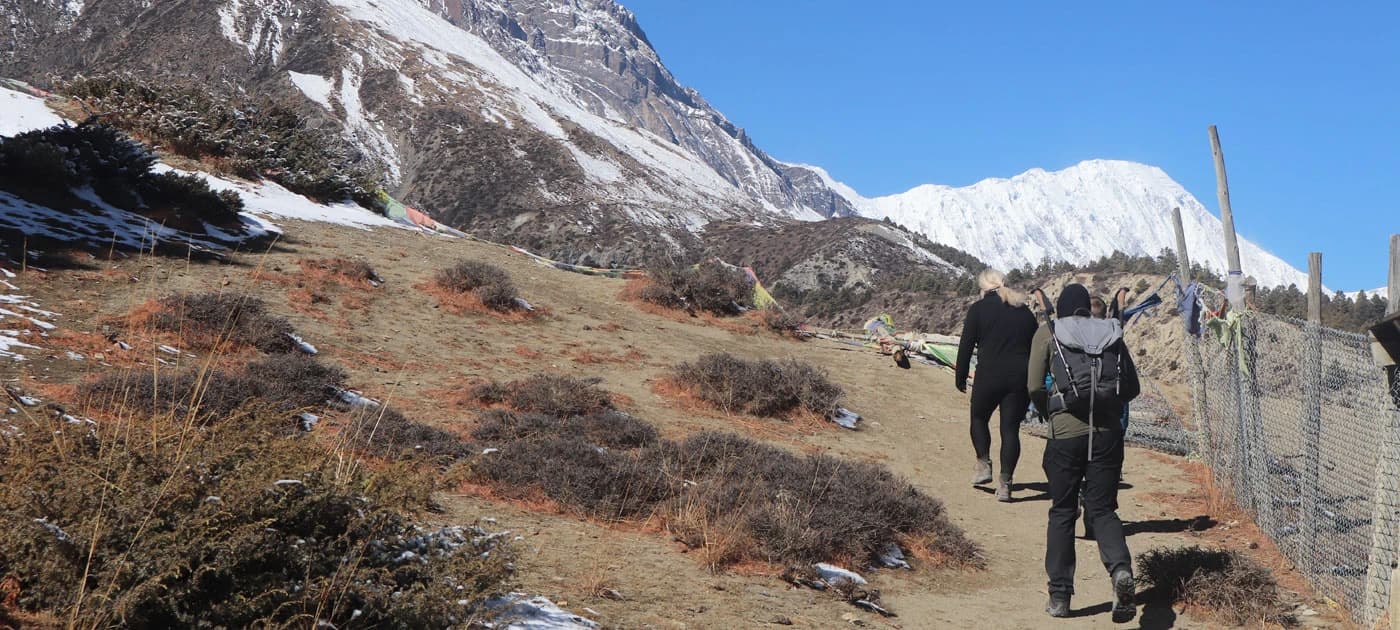
Annapurna Circuit Trail!
Annapurna Circuit Weather and Temperature in November
Late - Autumn Climate and Trekking Conditions
The Annapurna Circuit Trek in November takes place during Nepal’s late-autumn season, a period known for stable weather, dry trails, and excellent mountain visibility. By November, the monsoon has fully ended, leaving behind clear skies, fresh air, and firm trekking paths across the Annapurna region.
Unlike the earlier autumn months, November introduces cooler temperatures, particularly at higher elevations. However, daytime trekking conditions usually remain comfortable, making walking enjoyable across forested valleys, alpine terrain, and high mountain sections.
Weather patterns in November remain predictable, with minimal rainfall and very low humidity. Most mornings begin with clear skies, allowing trekkers to enjoy spectacular views of the surrounding Himalayan peaks. Afternoon cloud formation is possible but generally light and short-lived.
Overall, November provides one of the most reliable weather windows for completing the Annapurna Circuit Trek.
Morning Weather Conditions in November
Mornings during the Annapurna Circuit Trek in November are typically cool and calm, especially at mid- and high-elevations. Clear skies often appear early in the day, creating excellent visibility for photography and mountain viewing. Morning temperatures generally feel:
Lower elevations: cool and fresh
Mid elevations: noticeably chilly
High elevations: cold but manageable
Starting early each day helps trekkers enjoy stable conditions and make the most of daylight hours.
Daytime Weather Conditions in November
Daytime temperatures during November remain comfortable for trekking, especially when walking under clear skies. Sunlight provides natural warmth, making long trekking hours manageable across varied terrain. During the day, trekkers usually experience:
bright and clear skies
low humidity
comfortable walking temperatures
stable mountain visibility
Daytime trekking conditions remain among the most enjoyable aspects of the Annapurna Circuit Trek in November.
Nighttime Weather Conditions in November
Evenings and nights become significantly colder as November progresses, particularly at elevations above 3,500 meters. Higher villages such as Manang and Thorong Phedi experience noticeable drops in temperature after sunset. Typical nighttime conditions include:
cold temperatures
crisp mountain air
occasional frost in higher regions
clear night skies
Warm sleeping gear and insulated clothing are essential for comfortable rest during late-autumn trekking.
Temperatures vary significantly depending on altitude. The following ranges provide a realistic guide for trekking conditions during the Annapurna Circuit Trek in November.
Lower Elevations (800m–2,500m) - Villages such as Besisahar and Chame
Daytime: 14°C to 22°C
Nighttime: 6°C to 10°C
Weather remains comfortable with cool evenings and mild daytime warmth.
Mid Elevations (2,500m–4,000m)- Villages such as Manang and Yak Kharka
Daytime: 8°C to 15°C
Nighttime: 0°C to 5°C
Temperatures feel colder, especially during mornings and evenings.
High Elevations (4,000m–5,416m) - Areas near Thorong La Pass
Daytime: -2°C to 8°C
Nighttime: -6°C to -10°C
Cold conditions dominate at high altitude, especially before sunrise.
Why November Weather Is Still Excellent for Trekking
Despite cooler temperatures, November remains one of the best months for trekking due to its:
dry trails
clear skies
stable weather
low rainfall
excellent visibility
These conditions create one of the most reliable trekking environments on the Annapurna Circuit.
Annapurna Circuit with Base Camp: Suitable for those travelers who have longer holidays and want to complete the Annapurna Circuit and Annapurna Base Camp in a single trip.
Comfort Annapurna Circuit Trek: Suitable for those travellers, who want to complete the Annapurna Circuit Trek in more comfortable way.
Why trek Annapurna Circuit in November - Pros and Benefits of Late - Autumn Trekking
Annapurna Circuit Trek in November offers some of the most dependable trekking conditions of the entire year. As late autumn settles across the Himalayas, the environment becomes calm, stable, and visually striking. November is especially valued by trekkers who want clear views, safe trails, and a quieter trekking atmosphere than during October's peak crowds.
This month combines stable weather, exceptional mountain visibility, and peaceful trekking routes, making it one of the most rewarding times to complete the Annapurna Circuit.
Exceptionally Clear Mountain Views
November is widely known for producing some of the clearest mountain views of the entire year. After the monsoon season fully clears the atmosphere, dust and moisture levels drop significantly, allowing peaks to appear sharp and highly visible. Trekkers can enjoy uninterrupted views of:
Annapurna II, III, and IV
Dhaulagiri Range
Manaslu and Lamjung Himal
Gangapurna and Tilicho Peak
Morning visibility in November is particularly spectacular, often revealing expansive mountain panoramas that remain visible throughout the day.
For trekkers focused on scenery and photography, November offers one of the most visually rewarding trekking environments in Nepal.
Dry Trails and Comfortable Trekking Conditions
One of the strongest advantages of trekking the Annapurna Circuit in November is the presence of dry and stable trails. With the monsoon season over, the ground remains firm, reducing the risk of muddy or slippery paths. Dry trails improve:
Walking stability
Trekking efficiency
Overall safety
Daily walking comfort
Steep sections, stone staircases, and mountain paths become easier to navigate, especially for trekkers carrying backpacks or trekking at higher altitudes.
This reliability makes November one of the safest months for completing the full circuit successfully.
Although November remains a popular trekking month, it is noticeably quieter than October, which is considered peak trekking season. During November:
Trails feel less crowded
Teahouses become more relaxed
Trekking pace feels more natural
Scenic viewpoints feel less congested
This quieter atmosphere enhances the trekking experience, allowing trekkers to connect more deeply with the landscape and local communities.
For travelers seeking peaceful trekking conditions without sacrificing weather quality, November offers an ideal balance.
Ideal Conditions for Photography
November offers exceptional lighting and visibility, making it one of the best months for Himalayan photography. Trekkers can capture:
Sharp mountain silhouettes
Golden autumn landscapes
Dramatic sunrise and sunset views
Clear reflections across alpine valleys
Cool temperatures and low humidity also improve clarity in long-distance mountain photography, making November a favorite month for landscape photographers.
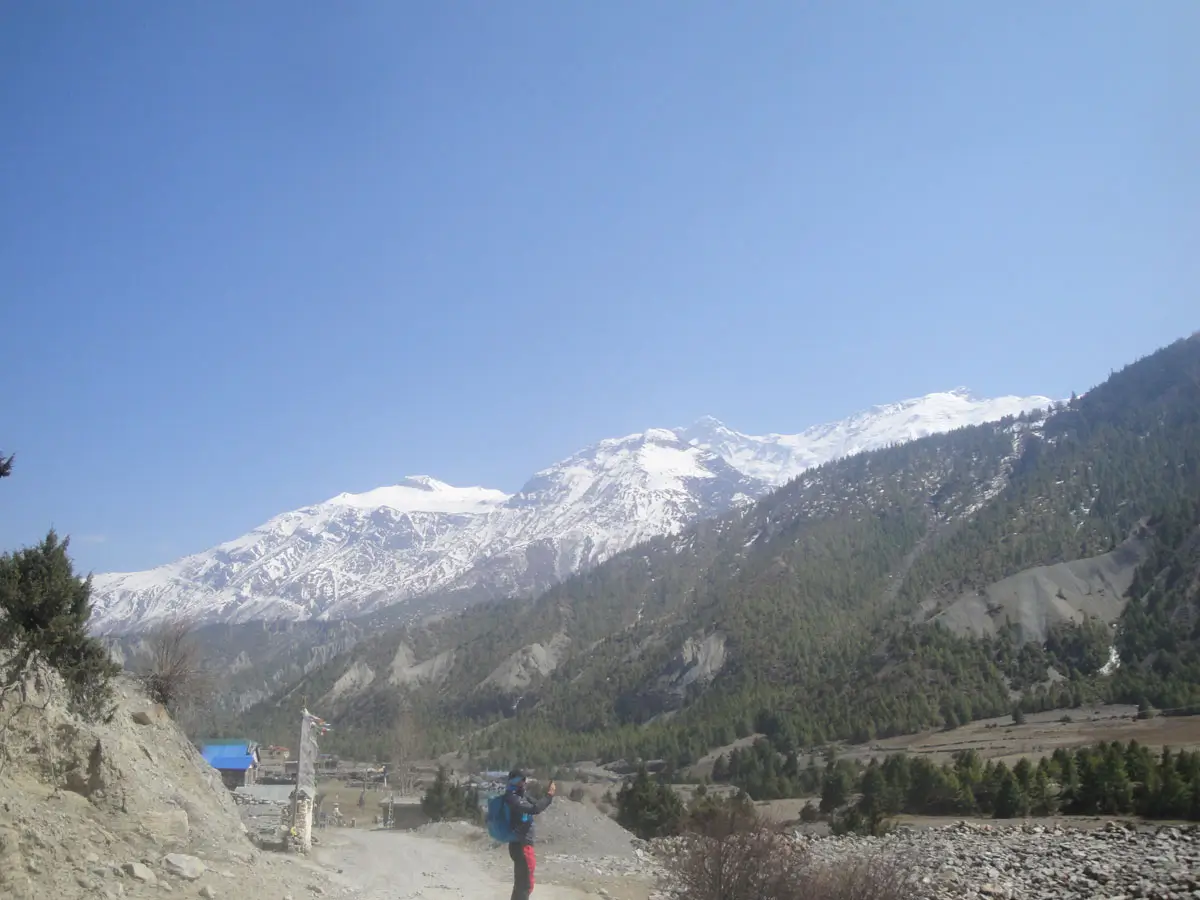
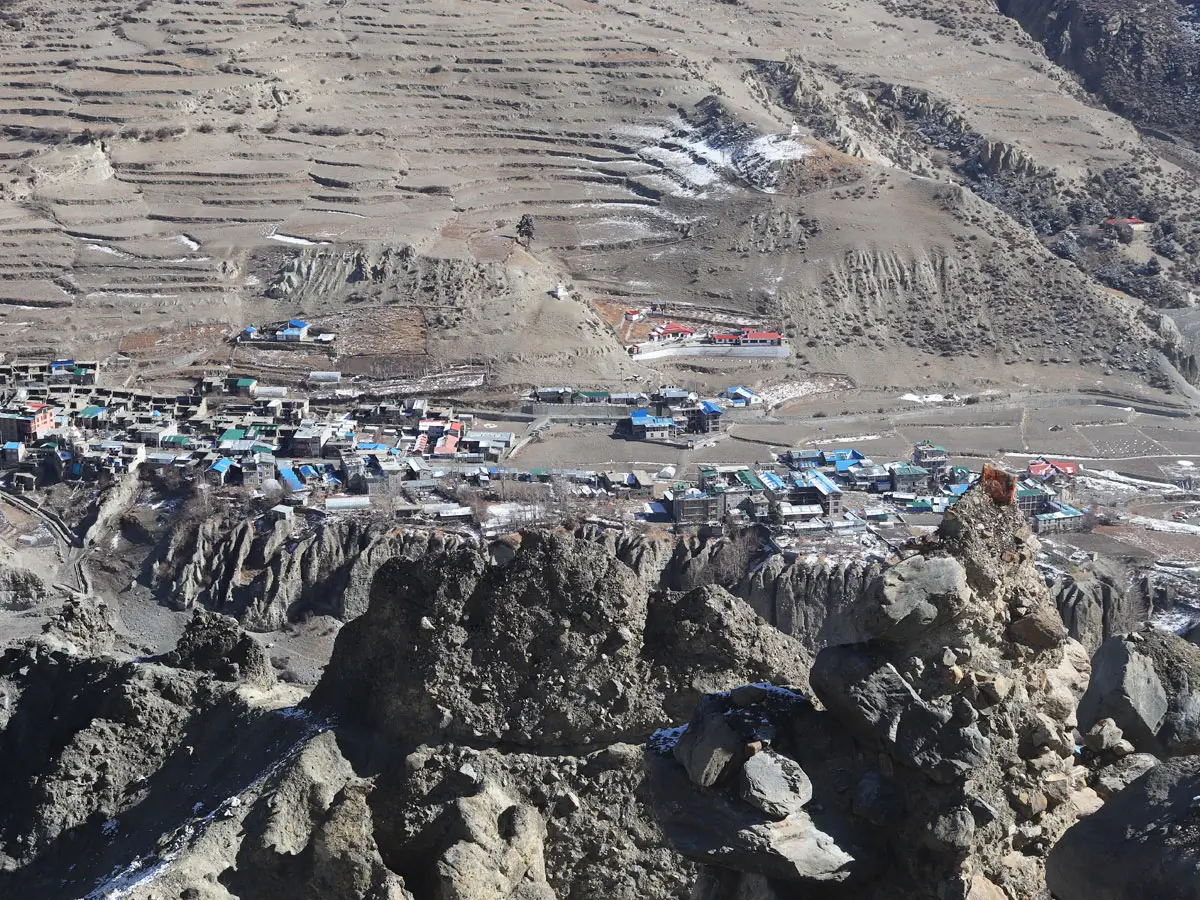
Manang Village!
Stable Weather for Crossing Thorong La Pass
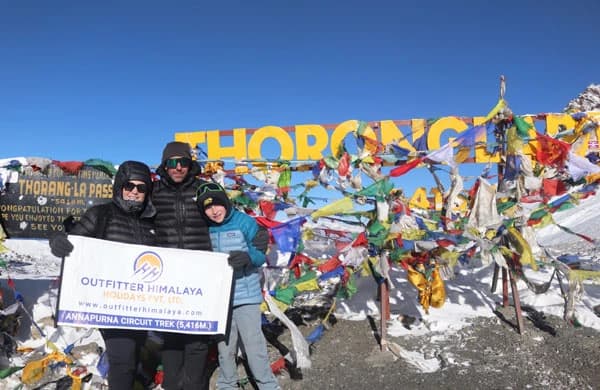
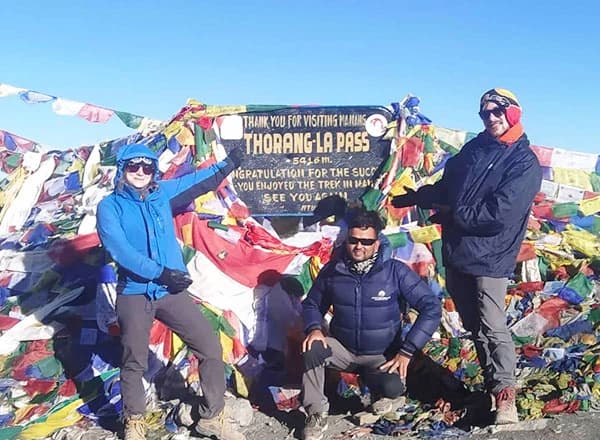
Crossing Thorong La Pass (5,416 m) is one of the most significant milestones of the Annapurna Circuit. In November, weather conditions typically remain stable, with minimal snowfall during early and mid-November. Stable conditions allow:
Safer high-altitude movement
Better visibility during ascent
Improved chances of successful crossing
Fewer unexpected weather delays
Trekkers who plan proper acclimatization schedules usually find November a reliable time to cross this challenging section.
Clear Night skies and stargazing Opportunities
November nights in the Annapurna region often reveal remarkably clear skies, especially in higher elevations where light pollution is minimal. Trekkers staying in villages such as Manag or Yak Kharkamay experience:
Star-filled Himalayan skies
Visible Milky Way formations
Peaceful nighttime environments
Crisp mountain air
This nighttime beauty adds a unique dimension to the trekking experience that many travelers remember long after returning home.
Beautiful Late - Autumn Landscapes
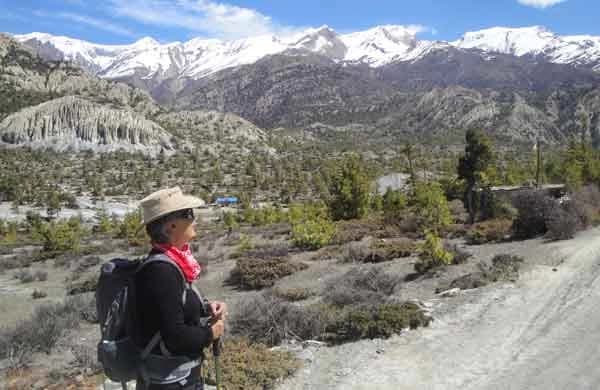
Late autumn transforms the Annapurna region into a mix of golden grasslands, dry alpine slopes, and colorful hillside vegetation. Forest sections display subtle seasonal color changes, adding warmth and contrast to the scenery. Trekkers walking through forested areas and valley sections will notice:
Golden vegetation tones
Dry and clean mountain trails
Open landscapes with wide visibility
Scenic contrast between forests and snow peaks
These seasonal colors create visually rich trekking environments across the entire circuit.
Best Weeks to Trek Annapurna Circuit in November - Choosing the Right Time Within Late Autumn
Annapurna Circuit Trek in November offers excellent trekking conditions throughout the month, but each phase offers slightly different experiences in terms of temperature, crowd levels, and overall trekking comfort.
Understanding the differences between early, mid, and late November helps trekkers select the time that best suits their preferences for weather, crowd levels, and cold tolerance.
Early November (First Week) — Best Balance of Weather and Comfort
Early November is widely considered the most comfortable time of the month. Weather conditions remain stable, temperatures are still moderate, and trekking conditions feel very similar to late October. During early November:
Mountain visibility remains excellent
Daytime temperatures feel comfortable
Night temperatures are cool but manageable
Most tea houses remain fully operational
Trails feel slightly quieter than in October
Early November is ideal for trekkers who want excellent visibility and moderate cold.
Mid-November (Second Week) — Clear Skies and Peaceful Trails
Mid-November brings cooler air, especially at mid- and high-elevations. However, weather stability remains strong, and skies often become even clearer as winter approaches. During mid-November:
Air becomes colder but remains dry
Mountain visibility improves further
Trails feel noticeably quieter
Lodges remain available at major stops
The trekking atmosphere feels calm and peaceful
Mid-November suits trekkers who enjoy cooler weather and less crowded trails while still maintaining reliable trekking conditions.
Late November (Third and Fourth Week) — Colder but Very Clear Conditions
Late November marks the transition toward early winter. Temperatures drop significantly, particularly at night and in the morning, at higher elevations. During late November:
Nights become much colder
Morning temperatures drop below freezing at higher altitudes
Light snowfall becomes possible near Thorong La
Fewer trekkers remain on the trail
Mountain views remain exceptionally clear
Late November is best suited for trekkers who are comfortable with colder conditions and prepared with proper cold-weather gear.
For most trekkers, early to mid-November offers the best combination of:
stable weather
clear mountain views
manageable cold conditions
peaceful trekking atmosphere
However:
Early November: Best comfort balance
Mid - November Best quiet trekking experience
Late November: Best for cold-season lovers
All weeks in November provide excellent trekking opportunities, but proper preparation becomes more important toward the end of the month.
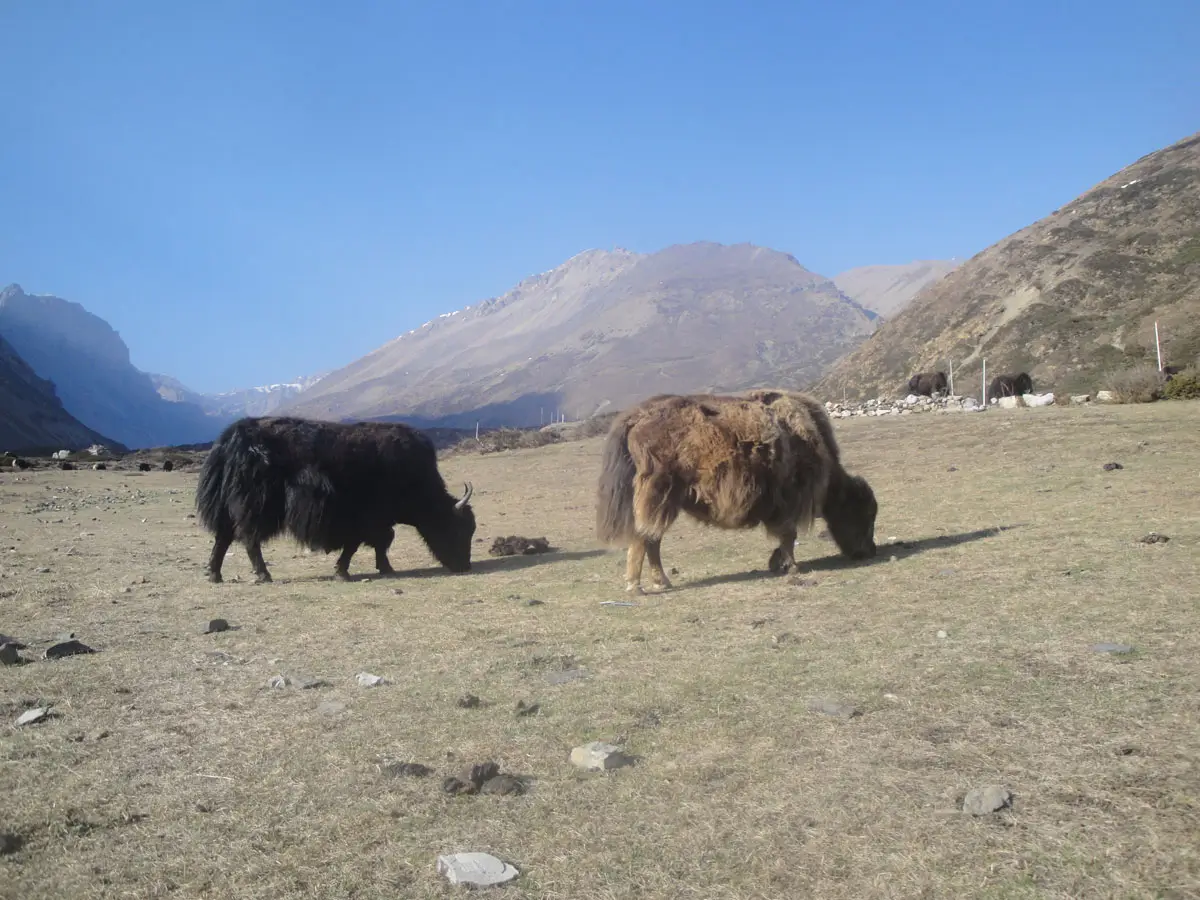
Yaks on Annapurna Region!
Cons of Annapurna Circuit Trek in November -Realistic Considerations for Late-Autumn Trekking
While the Annapurna Circuit Trek in November offers excellent weather and clear mountain views, late-autumn trekking does introduce a few manageable challenges. These conditions are generally minor and can be handled easily with proper preparation.
Understanding these minor limitations helps trekkers better prepare and enjoy a smoother experience across the Annapurna region.
Colder Nights at Higher Elevation
One of the most noticeable changes in November is the drop in nighttime temperatures, especially above 3,500 meters. Villages such as Manag, Yak Kharka, and Thorong Phedi can feel quite cold during early mornings and evenings and trekkers may experience:
Chilly mornings
Colder evenings
Occasional frost at higher elevations
However, daytime trekking temperatures usually remain comfortable, and proper layers of clothing easily handle these colder conditions.
Shorter Daylight Hours Compared to Early Autumn
As November progresses, daylight hours gradually shorten. This means trekking days may feel slightly shorter compared to October. Trekkers should:
Begin walking early each morning
Maintain steady pacing
Plan rest stops efficiently
With good time management, shorter daylight rarely causes difficulties.
Increasing Cold Toward Late November
During the final weeks of November, temperatures drop more noticeably, particularly near high-altitude areas such as Thorong La Pass (5,416 m). Trekkers traveling in late November may encounter:
Colder winds at higher elevations
Colder nights in mountain lodges
Light snowfall at very high points
These conditions are still manageable with proper warm clothing and good acclimatization planning.
Some High - Altitude Lodges May Begin Closing Late in the Month
Toward the end of November, certain tea houses in less busy villages may begin preparing for winter. While most major trekking stops remain open, choices may become slightly limited in remote areas.
This situation rarely causes problems when trekking with experienced guides or pre-arranged logistics.
Balanced November Reality
Although November introduces cooler temperatures and shorter daylight hours, these conditions are considered normal for late-autumn trekking and are generally easy to manage.
For many trekkers, the benefits of clear skies, dry trails, and peaceful trekking environments far outweigh these minor seasonal adjustments.
Difficulty and Altitude of the Annapurna Circuit Trek in November
Understanding the Physical Challenge in Late Autumn
The Annapurna Circuit Trek in November is considered a moderate to challenging trek, mainly due to its long trekking distance, changing terrain, and the crossing of Thorong La Pass (5,416 m) — the highest and most demanding point of the journey.
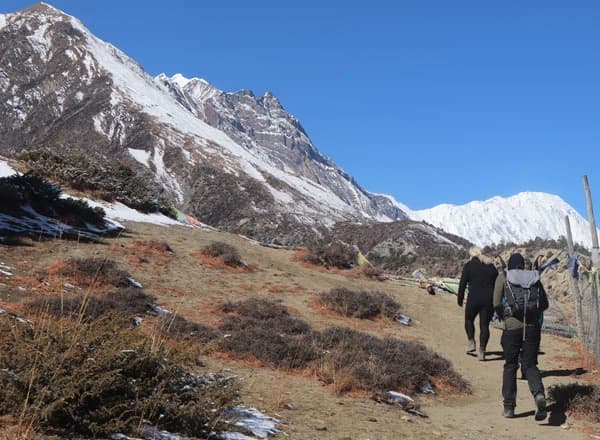
Most trekking days involve 5 to 7 hours of walking, passing through forests, rocky mountain paths, alpine valleys, and high-altitude landscapes. While the trail itself does not require technical climbing skills, it demands endurance, steady pacing, and good physical preparation.
November conditions actually make the trek slightly easier to manage compared to monsoon months. Trails remain dry and stable, reducing the risk of slipping and allowing trekkers to move confidently across uneven terrain.
With proper preparation and gradual pacing, the Annapurna Circuit Trek in November is achievable for trekkers with moderate fitness levels.
Altitude Challenges During the Annapurna Circuit Trek in November
Altitude remains the most significant physical challenge on the Annapurna Circuit Trek, particularly above 3,000 meters. As altitude increases, oxygen levels decrease, making breathing more difficult and increasing the risk of altitude sickness. Key high-altitude sections include:
Manang (3,540 m) — main acclimatization stop
Yak Kharka (4,050 m) — transition into higher terrain
Thorong Phedi (4,540 m) — final preparation point
Thorong La Pass (5,416 m) — the highest crossing point
November’s stable weather supports safer altitude management, as fewer storms and more predictable conditions reduce physical stress on the body.
Most standard itineraries include at least one acclimatization day in Manang, which is crucial for preparing the body for higher elevations.
Simple Tips to Reduce Altitude Risk (Short and Practical)
These simple precautions help minimize altitude-related problems during the Annapurna Circuit Trek in November:
Walk slowly and maintain a steady pace
Drink plenty of water throughout the day
Take acclimatization days seriously
Avoid sudden altitude gain
Inform guides immediately if symptoms appear
Following these basic habits significantly improves safety and comfort at higher elevations.
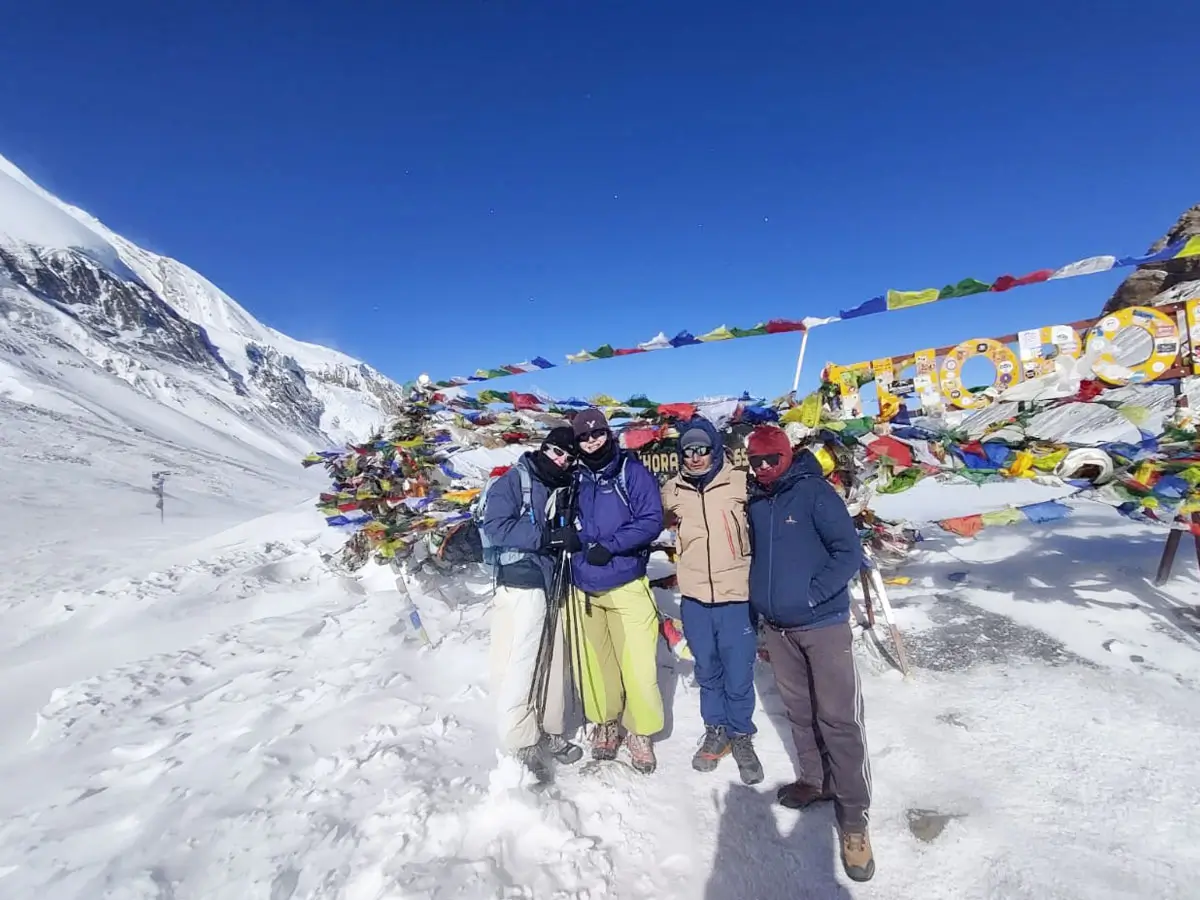
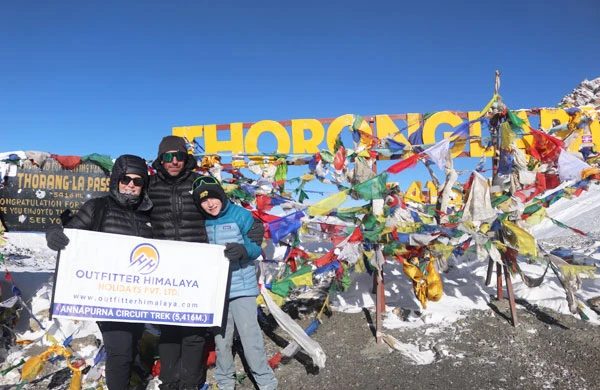
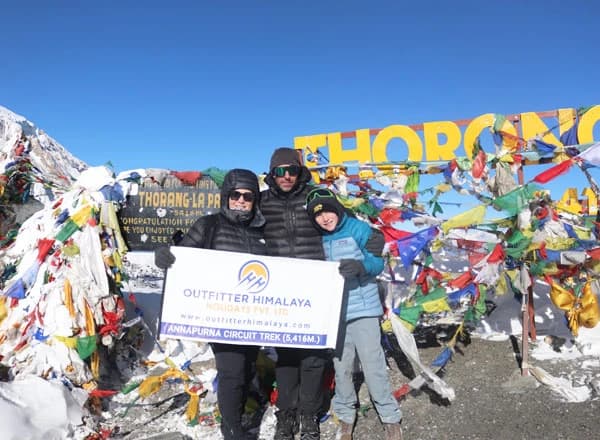
The Thorong La Pass!
Why November Is Good for Managing Difficulty
Late-autumn trekking conditions help reduce many common challenges found in other seasons. November improves trekking conditions because:
Dry and stable trails reduce slipping risks
Cooler temperatures prevent excessive fatigue
Predictable weather supports steady progress
Clear visibility improves navigation
These advantages make November one of the safest months to manage the physical demands of the Annapurna Circuit Trek.
Expert Tips for Annapurna Circuit Trek in November
Trekking the Annapurna Circuit in November requires slightly different preparation than in earlier autumn months. While the weather remains stable and trails stay dry, colder nights and shorter daylight hours demand better planning and efficient daily routines.
These expert-level tips help trekkers stay comfortable, safe, and fully prepared during November trekking conditions.
Start Walking Early to Use Daylight Efficiently
November days are shorter than in October, so daylight hours gradually decrease as winter approaches. Starting your trek early in the morning maximizes available daylight and lets you reach your destinations comfortably before temperatures drop in the evening. Early starts help:
avoid trekking in colder late-afternoon conditions
maintain steady pacing
reach lodges before evening chill begins
improve overall daily efficiency
This small habit significantly improves comfort during late-autumn trekking.
Carry Proper Cold-Weather Layers
Although November days remain pleasant for walking, mornings and nights become noticeably cold, especially at elevations above 3,500 meters. Important clothing items include:
thermal base layers
fleece or insulated jacket
down jacket for high-altitude areas
warm gloves and a wool hat
thick trekking socks
Layering clothing helps regulate body temperature as conditions change.
Stay Hydrated Even in Cold Weather
Cold weather often reduces the feeling of thirst, but dehydration can increase fatigue and worsen altitude symptoms. Drinking water regularly remains essential, even when temperatures feel cool. Helpful hydration practices include:
carrying insulated water bottles
drinking warm fluids when possible
maintaining steady hydration throughout the day
Hydration plays a critical role in altitude safety.
Pack a Reliable Sleeping Bag for High Elevations
Tea houses provide blankets, but nighttime temperatures in November can drop below freezing at higher elevations. Carrying a good sleeping bag improves comfort and sleep quality during cold nights.
Recommended sleeping bag rating:
-10°C to -15°C comfort level
Proper sleep improves energy recovery for daily trekking.
Prepare Mentally for Cold Morning Starts
Morning departures in high-altitude areas such as Yak Kharka or Thorong Phedi can feel cold, especially before sunrise. Wearing warm layers and allowing extra time to prepare helps make early departures more comfortable.
Cold mornings are normal in November, but manageable with proper preparation.
November conditions vary slightly depending on timing within the month.
Early November: Warmer temperatures and comfortable trekking
Mid-November: Stable weather with excellent visibility
Late November: Colder nights but clearer skies
Selecting the right period helps match trekking preferences and comfort levels.
Why These Tips Matter for November Trekking
November remains one of the best trekking months, but small preparation details make a noticeable difference. Following these expert tips helps:
improve comfort
manage cold temperatures
reduce fatigue
support safe altitude travel
Enhance the overall trekking experience
These practical strategies help trekkers fully enjoy the Annapurna Circuit Trek in November.
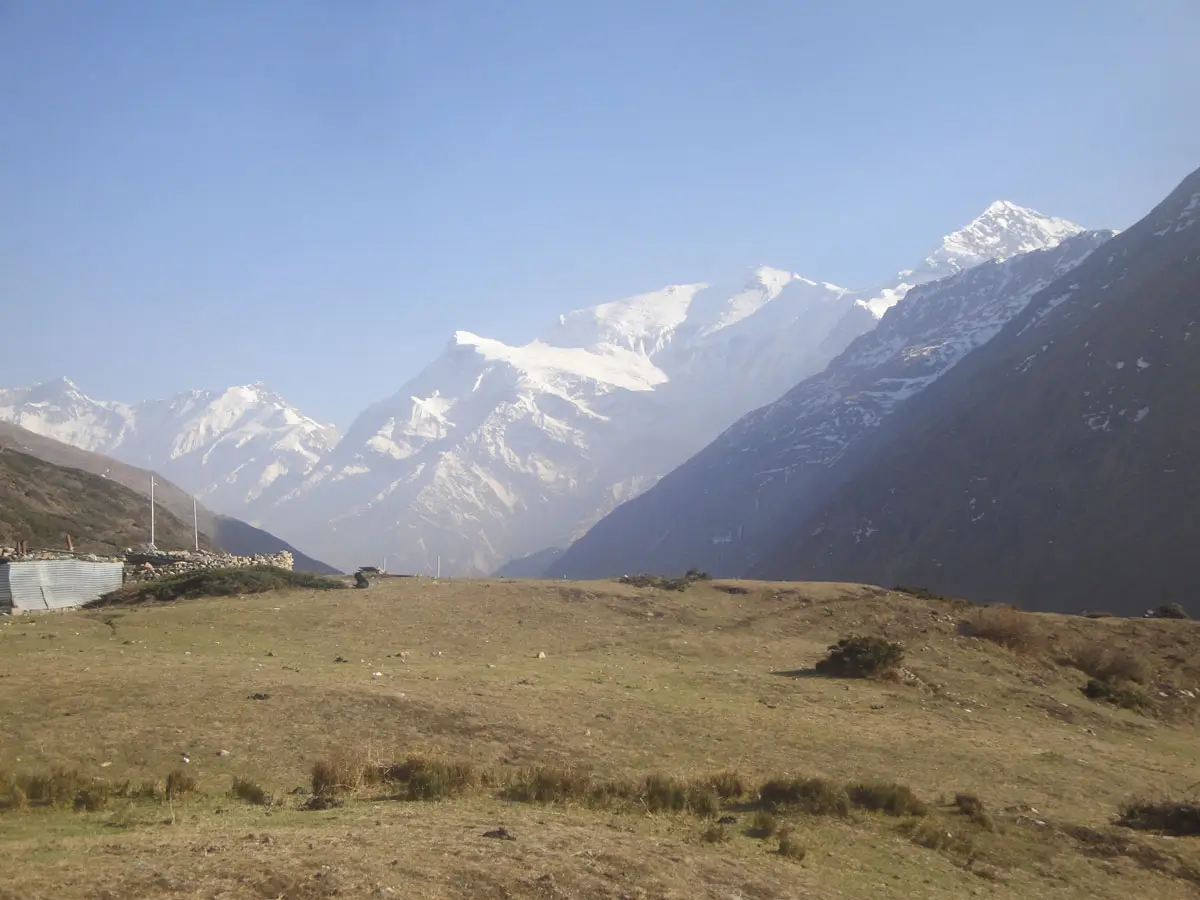
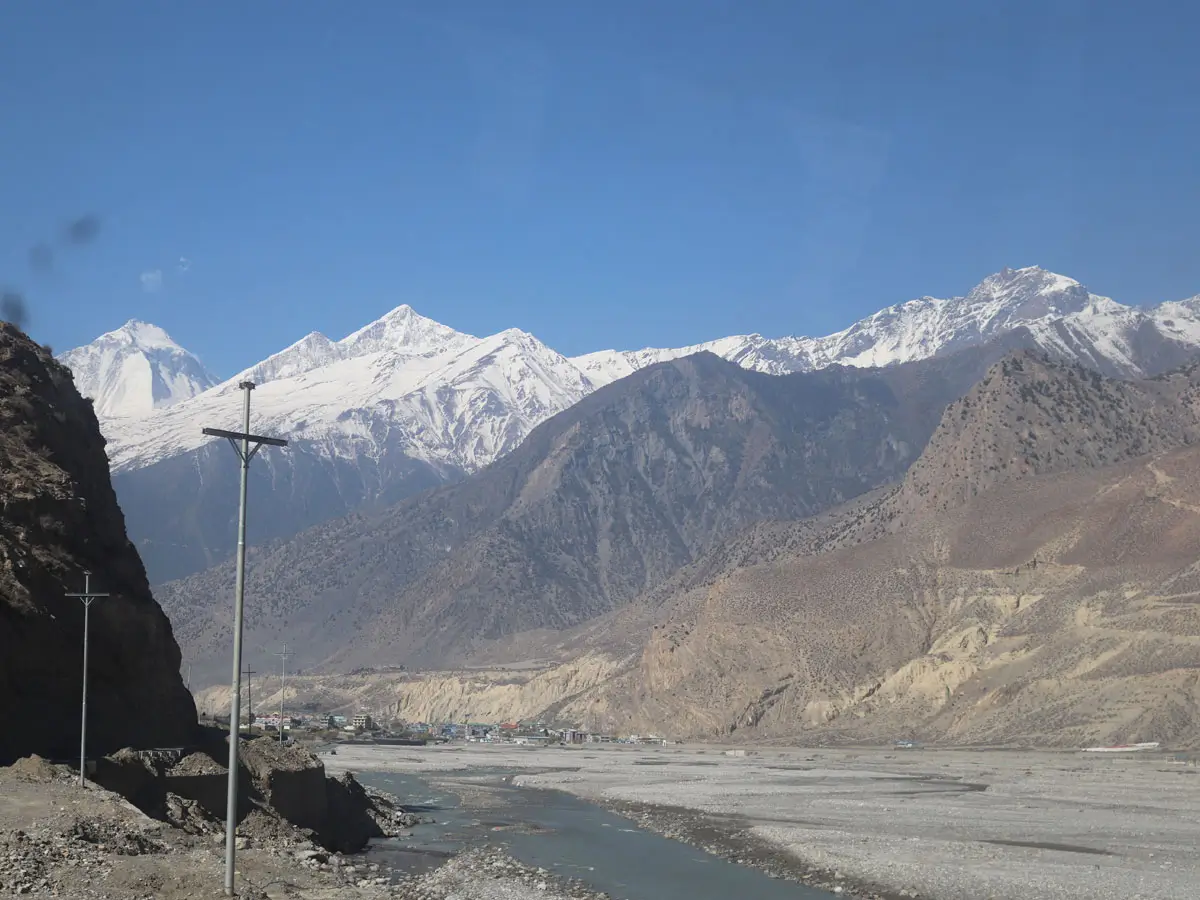
The Lower Mustang Valley!
Packing Tips for Annapurna Circuit Trek in November
Packing correctly for the Annapurna Circuit Trek in November is crucial for maintaining comfort amid changing elevations and temperatures. While November offers dry, stable weather, colder mornings and freezing nights at higher elevations require proper layering and warm gear.
Choosing the right gear helps trekkers stay comfortable during long walking days and cold Himalayan nights.
Essential Packing List for November Trekking
The following items are highly recommended for trekking the Annapurna Circuit in November:
Warm thermal base layers
Fleece jacket or insulated mid-layer
Down jacket for high elevations
Comfortable trekking pants and shirts
Waterproof outer shell (for wind protection)
Warm gloves and a wool hat
Trekking boots with a good grip
Thick wool socks
Sunglasses and sunscreen
Trekking poles for stability
Reusable water bottles
Sleeping bag rated -10°C to -15°C
These items help manage temperature changes across different elevations along the Annapurna Circuit.
Layering Is Key in November
Layering clothing allows trekkers to adjust easily to changing temperatures throughout the day. November mornings often feel cold, but walking generates body heat, making flexible clothing important. Typical layering approach:
Thermal base layer
Insulating fleece layer
Outer windproof or down jacket
This method ensures comfort during both cold mornings and warmer daytime trekking hours.
Why Proper Packing Matters in November
November conditions remain stable, but colder nights and high-altitude winds require thoughtful preparation. Carrying the right gear helps prevent discomfort and supports better rest after long trekking days. Proper packing helps:
maintain body warmth
improve sleep quality
reduce fatigue
Support altitude adaptation
With the right equipment, November becomes one of the most comfortable months to complete the Annapurna Circuit Trek.
FAQS – Annapurna Circuit Trek in November
Is November a good time for the Annapurna Circuit Trek?
Yes, November is one of the best months for the Annapurna Circuit Trek. The weather is stable, trails are dry, and mountain views remain exceptionally clear. Compared to October, November offers quieter trails and a more peaceful trekking environment while still maintaining excellent conditions.
How cold does it get during the Annapurna Circuit Trek in November?
Temperatures vary with altitude and throughout the month. Typical ranges include:
Lower elevations: 14°C to 22°C during the day
Mid elevations (Manang): 8°C to 15°C during the day
High elevations: -2°C to 8°C during the day
Nighttime (high elevations): -6°C to -10°C
Late November tends to be colder than early November, especially at higher elevations.
Is Thorong La Pass safe to cross in November?
Yes, Thorong La Pass (5,416 m) is generally safe to cross in November, thanks to stable weather and minimal snowfall during early and mid-November. However, late November may bring colder temperatures and occasional light snowfall.
Starting early in the morning is recommended for safe crossing.
Are tea houses open on the Annapurna Circuit in November?
Yes, most tea houses remain open throughout November, especially at major trekking stops such as Chame, Manang, Yak Kharka, and Thorong Phedi.
In late November, some smaller lodges in remote areas may begin closing for winter, but accommodation is usually available at major locations.
How crowded is the Annapurna Circuit in November?
November is less crowded than October but still popular. Trails feel quieter, and tea houses are less busy compared to peak October weeks.
This balance between good weather and reduced crowds makes November an attractive time for many trekkers.
Is November suitable for beginner trekkers?
Yes, November is suitable for beginners who are physically prepared and follow proper acclimatization schedules. Stable weather and dry trails help reduce trekking risks.
However, beginners should prepare for cold temperatures at higher elevations.
What permits are required for the Annapurna Circuit Trek in November?
Trekkers need the following permits:
Annapurna Conservation Area Permit (ACAP)
TIMS Card (Trekkers’ Information Management System)
These permits are mandatory throughout the Annapurna region.
Will there be snowfall during the Annapurna Circuit Trek in November?
Snowfall is uncommon in early November but becomes slightly more likely in late November, particularly near Thorong La Pass. Most snowfall during November is light and temporary.
Proper preparation and flexible planning help manage occasional snowfall conditions.
What is the biggest advantage of trekking the Annapurna Circuit in November?
The biggest advantage is the combination of clear skies, dry trails, fewer crowds, and stable weather. These conditions create one of the most balanced trekking experiences of the entire year.
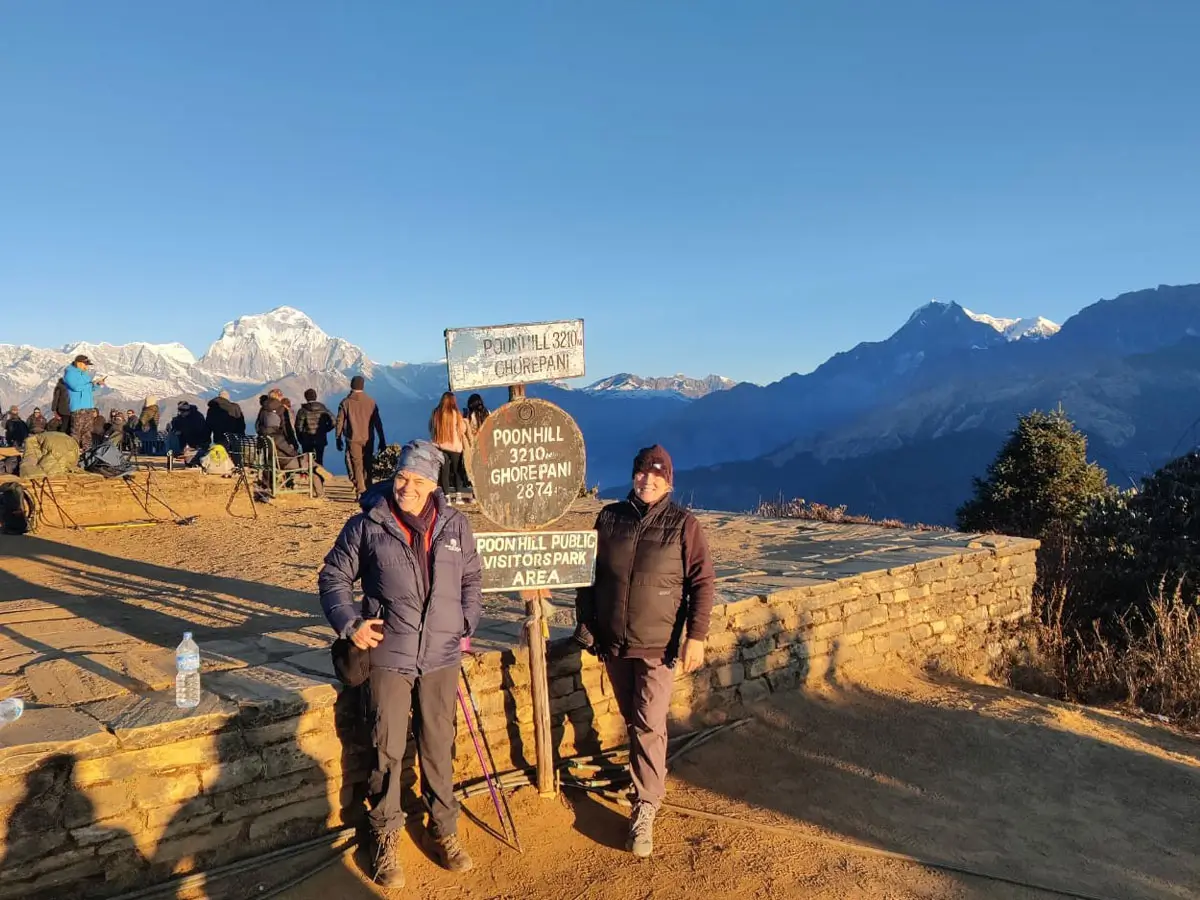
The Poon Hill View Point!
Conclusion: Why November Is One of the Best Months for Annapurna Circuit Trek
Annapurna Circuit Trek in November stands as one of the most balanced and rewarding trekking experiences in Nepal. As late autumn settles across the Himalayas, the region offers clear skies, stable weather, dry trails, and peaceful trekking environments that enhance every stage of the journey.
November provides a unique blend of reliability and tranquility. While October attracts large trekking crowds, November introduces a calmer atmosphere without sacrificing excellent mountain visibility. This quieter setting allows trekkers to enjoy the dramatic landscapes, mountain villages, and alpine environments at a more relaxed pace.
The crisp late-autumn air enhances long-distance visibility, revealing stunning views of Annapurna, Dhaulagiri, Manaslu, and the surrounding Himalayan ranges. Combined with dry trails and predictable weather, November is one of the safest and most dependable months for completing the Annapurna Circuit successfully.
Although temperatures become colder, especially at higher elevations, proper preparation makes these conditions manageable. With warm clothing, steady pacing, and thoughtful planning, trekkers can fully enjoy the beauty and tranquility that define November trekking in Nepal.
For travelers seeking clear mountain views, quieter trails, and stable Himalayan conditions, the Annapurna Circuit Trek in November remains one of the most rewarding late-autumn adventures available in Nepal.
The Annapurna Circuit Trek covers approximately 102 kilometers of walking on Outfitter Himalaya’s classic 15-day itinerary, including the Manang acclimatization hike. The journey unfolds through riverside forests, mountain villages and open valleys before crossing Thorong La [...]
The Annapurna Circuit Trek costs about USD 650–1,900 per person with Outfitter Himalaya, depending on the itinerary, group size, and services included. Outfitter Himalaya’s 15-day Classic Annapurna Circuit Trek has published group-size prices of USD [...]
Foreign trekkers need a trekking permit to trek the Annapurna Circuit, and we suggest settling it before you head out. Arranging the correct paperwork before departure helps avoid extra charges and interruptions once your journey [...]