Langtang Valley Trek in November offers one of the clearest and most peaceful trekking experiences in Nepal. It is one of the best times to experience a short yet spectacular Himalayan journey in the Langtang Region, close to Kathmandu. As late autumn settles across the Himalayas, November brings crisp mountain air, stable weather, dry trails, and outstanding visibility throughout the Langtang region.
November offers a calmer atmosphere while still maintaining excellent trekking conditions in Langtang National Park, and the snow-capped peaks appear sharper under deep blue skies. The cooler temperatures in November create refreshing walking conditions across forests, alpine valleys, and high mountain villages like Kyanjin Gompa.
If you are seeking clear scenery, comfortable trekking weather, and a quieter Himalayan experience, November remains one of the most rewarding months to explore the Langtang Valley.
Langtang Trek in November – Clear Skies and Peaceful Autumn Trails
The Langtang Trek in November represents the final stage of peak autumn trekking season. During this time, the weather becomes highly stable, humidity drops significantly, and the Himalayan landscapes appear exceptionally clear and well-defined.
Located within the beautiful Langtang National Park, the Langtang trek offers a perfect combination of clear mountain views, stable weather, and peaceful trails in the heart of the Himalayas. The journey usually begins from Syabrubesi and takes around 7-12 days, making it an ideal option for trekkers seeking a rewarding Himalayan experience without a long expedition. The trail passes through dense forests, traditional Tamang villages, and scenic river valleys, gradually leading up to Kyanjin Gompa at around 3,870 meters.
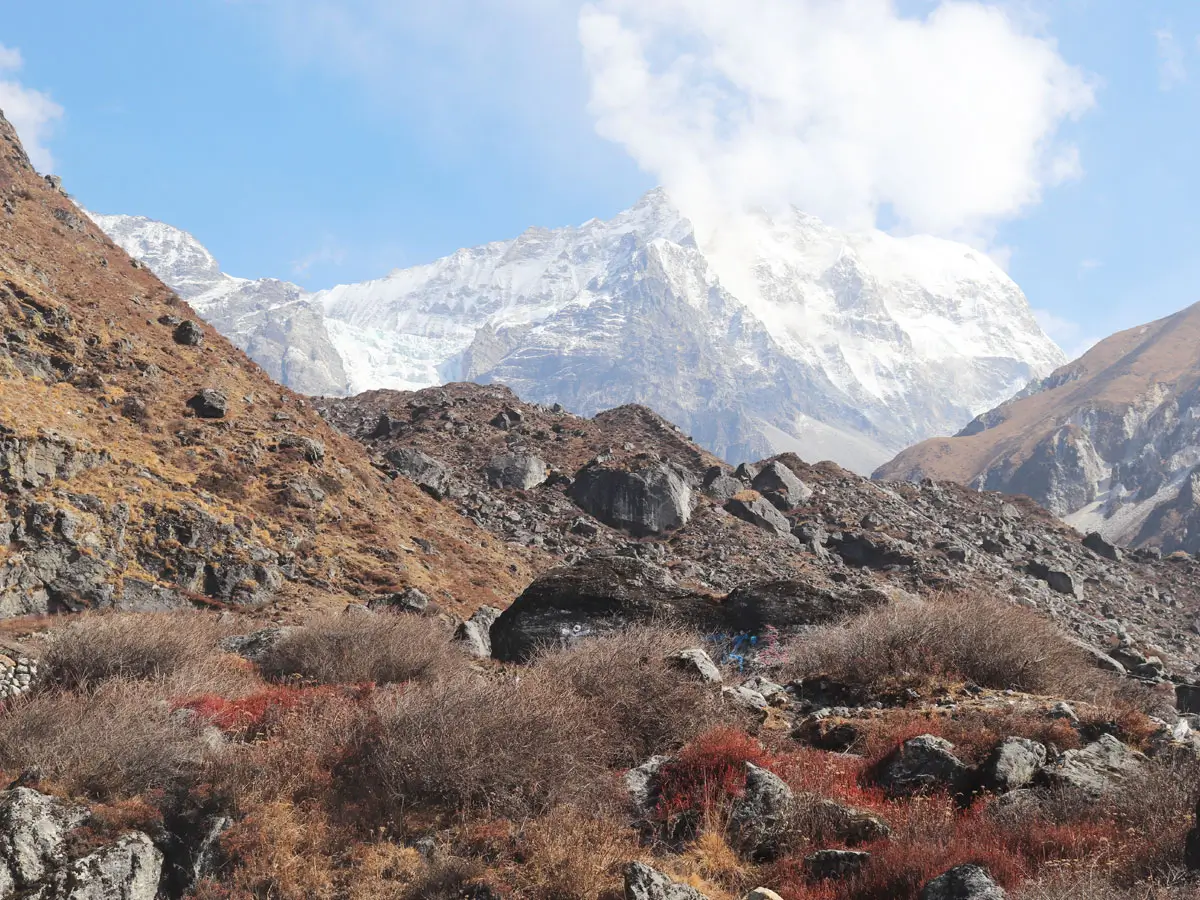
One of the biggest advantages of November trekking is visibility. Peaks such as Langtang Lirung (7,227m), Dorje Lakpa, and the surrounding snow-covered mountains often appear sharper than in October due to cleaner air and lower atmospheric moisture. Sunrise and sunset views become especially dramatic, with golden light reflecting across glaciers and high ridges.
November also creates a more peaceful trekking environment. As the heavy October rush gradually decreases, trails become quieter, and teahouses feel more relaxed. Trekkers can enjoy a stronger sense of solitude while still benefiting from full trekking infrastructure and active local hospitality.
Temperatures in November tend to be cooler, particularly in the mornings and at night. However, the daytime trekking conditions remain comfortable and suitable for long walking days. The cool, dry air also makes trekking physically easier for many hikers compared to warmer months.
The forests and landscapes of Langtang National Park retain traces of autumn color, while the skies remain deep blue for much of the month. This combination of peaceful trails, clear weather, and dramatic mountain scenery makes November one of the most visually rewarding times to complete the Langtang Valley Trek.
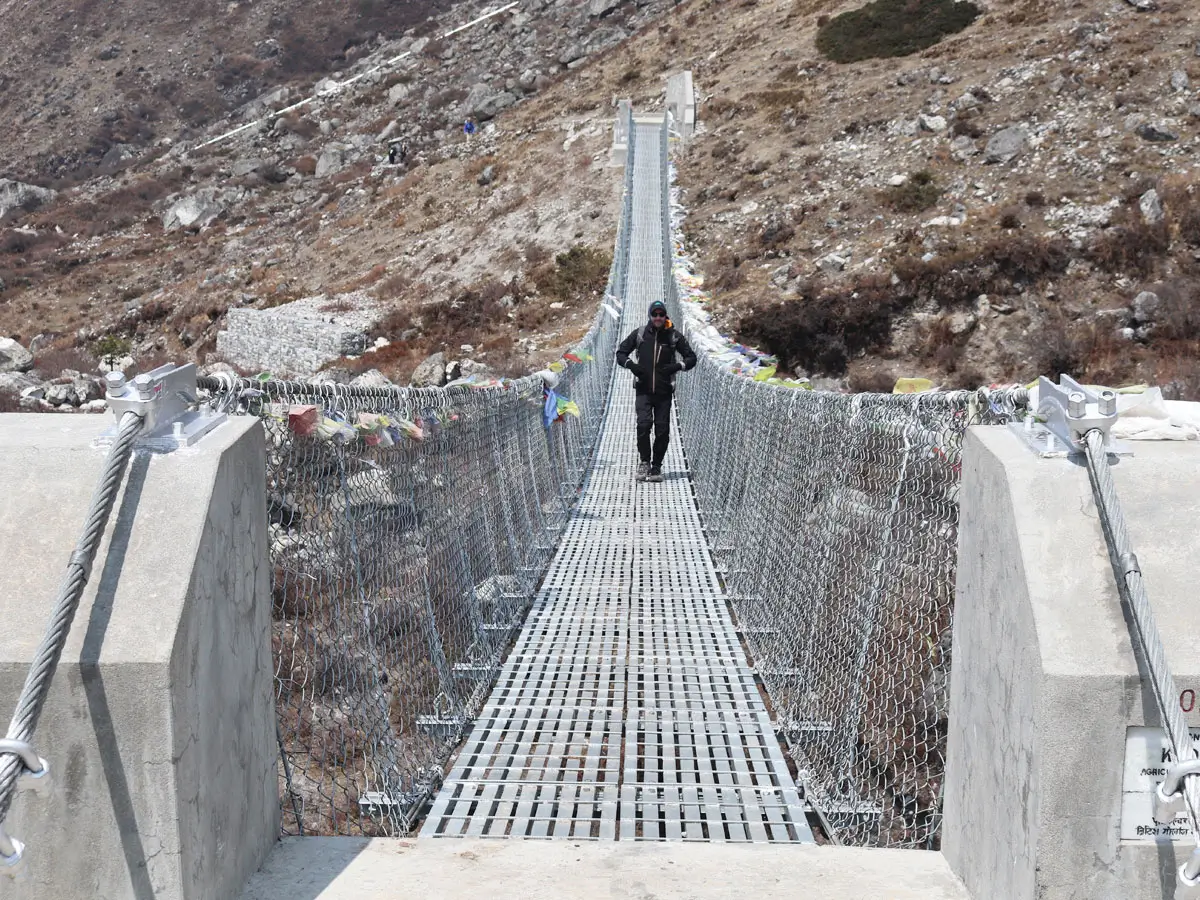
Bridge in Langtang!
Highlights of Langtang Trek in November
Witness Exceptionally Clear Views of Langtang Lirung and Surrounding Peaks: November’s dry air and low humidity create some of the sharpest mountain visibility of the entire year.
Trek Under Stable Weather and Deep Blue Autumn Skies: November brings highly reliable trekking conditions with minimal rainfall and excellent visibility.
Enjoy Peaceful Trails with Fewer Trekkers Than in October: As the busy peak season winds down, crowds begin to thin, creating a calmer, more immersive trekking experience.
Experience the Stunning Beauty of Kyanjin Gompa in Crisp Mountain Air: The high-altitude landscapes feel clearer, calmer, and more dramatic during November mornings.
Capture Outstanding Himalayan Photography in Crystal-Clear Conditions: Sharp mountain detail, golden sunlight, and clean skies create ideal conditions for photography.
Enjoy a Refreshing Late - Autumn Atmosphere Across Langtang National Park: Cool air, dry trails, and quiet forests create a peaceful Himalayan trekking environment.
Experience Brilliant Star-Filled Nights at Higher Elevations: Clear November skies reveal stunning nighttime views above the Himalayan valleys.
Explore Traditional Tamang Villages in a Relaxed Trekking Season: Villages feel quieter and more authentic after the busy October trekking rush.
Walk on Dry and Stable Trails throughout Most of the Trek: November conditions make trekking safer and more comfortable compared to wetter seasons.
Climb Scenic Viewpoints like Kyanjin Ri with Outstanding Visibility: Late-autumn clarity provides breathtaking panoramic views across glaciers and mountain ranges.
Best Langtang Trek Package For November
Langtang Valley Trek - 12 Days: Suitable for beginner and experienced trekkers looking for a packaged trek with Kathmandu.
Langtang Circuit Trek- 16 Days: Suitable for those looking for a longer trek in the Langtang Region and want to cover all the destinations in Langtang.
Langtang Valley Trek Weather and Temperature in November
The Langtang Trek in November offers some of the clearest and most stable weather conditions of the entire trekking season in Nepal. The late autumn settles across the Himalayas, and the atmosphere becomes dry, cool, and highly transparent, creating outstanding visibility throughout the Langtang region.
November weather is generally reliable, with minimal rainfall, dry trekking trails, and deep blue skies dominating most days. The post-monsoon humidity completely disappears by November, allowing mountain peaks and alpine landscapes to appear sharper and more detailed than in earlier months.
Compared to October, November brings cooler temperatures, especially in the mornings and at night at higher elevations. However, daytime trekking conditions remain comfortable and highly suitable for long walking days.
If you are seeking stable weather, peaceful trails, and crystal-clear Himalayan scenery, November is one of the strongest months for the Langtang Valley Trek.
Morning Weather Conditions
Mornings in November are usually cold, calm, and exceptionally clear, making them the best time of day for mountain views and photography and typical morning conditions include:
Crisp mountain air
Clear skies with minimal clouds
Cold temperatures at higher elevations
Excellent sunrise visibility
Morning conditions remain especially favorable for hikers to Kyanjin Ri and Tserko Ri, where panoramic mountain views are at their most dramatic during sunrise.
Daytime Weather Conditions
Daytime temperatures in November remain comfortable for trekking, especially when walking in direct sunlight, and the typical daytime conditions include:
Cool but pleasant temperatures
Dry trekking trails
Low humidity
Stable visibility across valleys and peaks
Trekkers usually remain comfortable while walking in layered clothing.
Nighttime Weather Conditions
Nighttime temperatures drop significantly at higher elevations during November, especially above 3,000 meters, and you may experience:
Freezing temperatures at Kyanjin Gompa
Cold winds during evenings
Frost forming on exposed surfaces
Clear star-filled skies at night
Warm sleeping gear and insulated clothing become important for overnight comfort.
Temperature Range by Elevation in November
Temperatures vary with altitude along the Langtang Valley route.
Lower Elevations (1,400m–2,500m)- Syabrubesi to Lama Hotel
Daytime: 12°C to 20°C
Night: 5°C to 10°C
These lower regions remain cool and comfortable during November.
Mid Elevations (2,500m–3,500m)- Langtang Village Region
Daytime: 8°C to 15°C
Night: 0°C to 5°C
Cooler temperatures become more noticeable at these elevations.
Higher Elevations (3,500m–4,000m)- Kyanjin Gompa
Daytime: 5°C to 12°C
Night: -5°C to 0°C
Cold mornings and evenings are common here.
High Viewpoints (Above 4,500m)- KyanjinRi / TserkoRi
Daytime: 0°C to 8°C
Early Morning: below freezing possible
Warm clothing becomes essential for viewpoint hikes.
Rainfall Pattern in November
Rainfall during November is extremely rare in the Langtang region, and the typical November conditions include:
Mostly dry weather
Minimal cloud buildup
Stable trekking days
Low chance of rain disruption
Compared to September and early October, November offers significantly more consistent weather.
One of the defining features of the November trek is the extraordinary clarity of the Himalayan landscape, and the reasons include:
Very low humidity
Dry mountain air
Minimal atmospheric haze
Stable autumn weather patterns
These conditions create some of the sharpest mountain views of the entire year. Peaks appear cleaner, brighter, and more detailed than in most other seasons.
November Weather Is Excellent for Langtang Trek
November combines:
Stable trekking conditions
Dry and safe trails
Cool comfortable temperatures
Exceptional mountain visibility
Peaceful late-autumn atmosphere
This makes November one of the most visually rewarding and reliable months for completing the Langtang Valley Trek.
Enjoying the Langtang Trek!
Culture and Local Life Langtang in November - Peaceful Himalayan Villages and Authentic Mountain Culture
The Langtang Valley Trek in November offers not only spectacular mountain scenery but also one of the most peaceful cultural experiences in the Himalayas. As the busy October trekking season slowly fades, villages across the Langtang region become quieter, calmer, and more relaxed.
This slower atmosphere allows trekkers to connect more deeply with the Local Tamang culture, Buddhist traditions, and everyday mountain life that define the Langtang Valley.
Experience Authentic Tamang Culture in a Peaceful Season
The Langtang region is home to the Tamang community, whose culture shares strong historical and spiritual connections with Tibetan Buddhism.
During November, trekkers walk through villages such as:
Syabrubesi
Langtang Village
Kyanjin Gompa
Can experience:
Traditional stone-built mountain homes
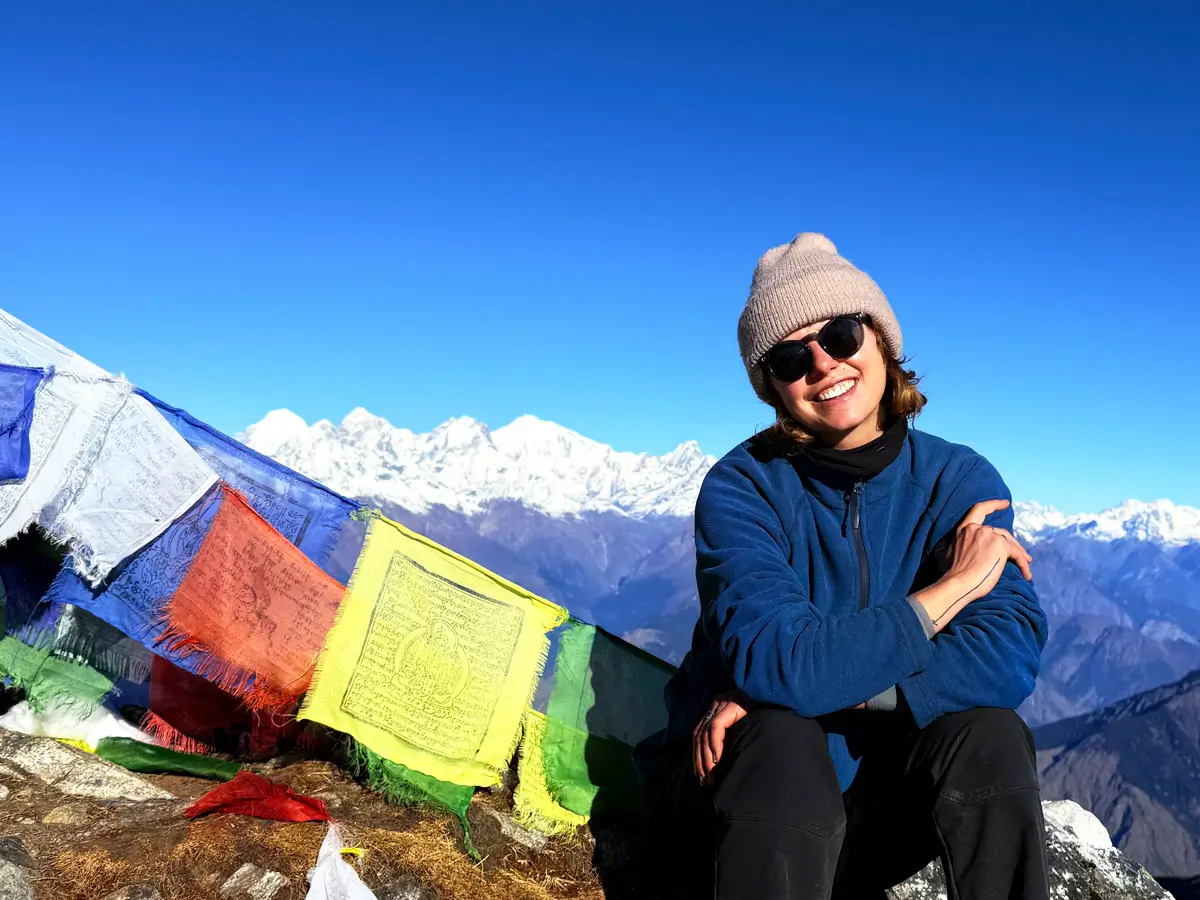
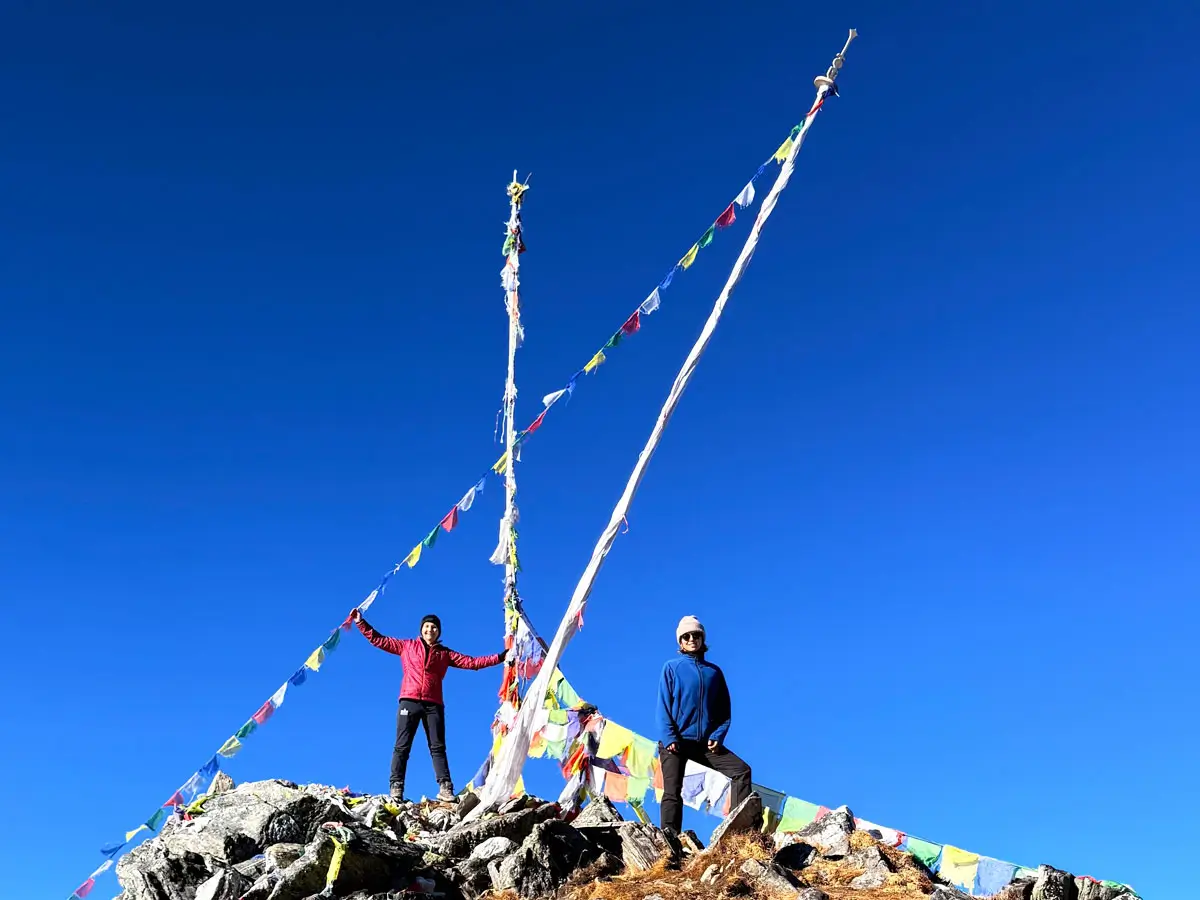
Colorful prayer flags across ridges and rooftops
Buddhist mani walls and stupas
Peaceful village lifestyles shaped by mountain traditions The quieter November atmosphere makes these cultural experiences feel more genuine and immersive.
Monasteries and Spiritual Atmosphere in Clear Autumn Weather
November’s stable weather and crystal-clear skies create ideal conditions for exploring monasteries and spiritual landmarks throughout the Langtang region, and one of the most important spiritual sites is:
Kyanjin Gompa Monastery
Trekkers often experience:
Peaceful prayer ceremonies
Monks performing daily rituals
Calm mountain silence around monasteries
Panoramic Himalayan surroundings during spiritual visits
The clean late-autumn environment adds a deeper sense of peace and reflection to these moments.
Late-Autumn Village Life in the Himalayas
By November, villagers begin preparing for the colder winter season ahead. Agricultural activity slows compared to September and October, creating a quieter rhythm of daily life, and trekkers may notice:
Drying crops near village homes
Livestock gathered near settlements
Villagers preparing supplies for winter
Smoke rising from the teahouse kitchens during cold evenings
These simple mountain scenes create a warm and authentic Himalayan atmosphere.
Because November sees fewer trekkers than October, local interactions often feel more relaxed and meaningful, and trekkers frequently experience:
Longer conversations with lodge owners
Warm hospitality in quieter teahouses
More peaceful evenings around dining fires
Genuine cultural exchange with local families
This quieter trekking season allows for a deeper human connection throughout the journey.
Peaceful Himalayan Nights in Mountain Villages
One of the most memorable cultural experiences in November is the calm nighttime atmosphere in high-altitude villages such as Kyanjin Gompa, and trekkers often enjoy:
Quiet evenings under star-filled skies
Warm tea in the dining halls
Peaceful mountain silence after sunset
Relaxed social atmosphere in teahouses
These calm Himalayan evenings become some of the most emotionally memorable moments of the trek.
Late-Autumn Atmosphere Adds Cultural Depth
November’s cold, crisp environment changes the emotional feeling of the trek compared to the busier festival atmosphere of October, and the region feels:
Quieter
Calmer
More reflective
More connected to nature and mountain life
For many trekkers, November provides a more intimate and authentic Himalayan experience.
Why Trek Langtang Valley in November – Benefits for trek in Langtang in November
November is considered the “Golden balance month” for Langtang trekking, offering one of the most visually refined and peaceful trekking experiences in Nepal. As autumn reaches its final stage, November brings crystal-clear skies, dry trekking trails, cool mountain air, and a quieter atmosphere across the Langtang region.
If you prefer calm surroundings, sharp mountain visibility, and stable trekking conditions, November is one of the most rewarding months to explore Langtang National Park. November feels more relaxed and immersive while still maintaining excellent weather reliability.
Crystal - Clear Mountain Visibility Throughout the Trek
One of the biggest reasons why you should choose the Langtang Valley Trek in November is the exceptional mountain clarity during late autumn, as the humidity levels drop significantly in November, which allows peaks such as:
Langtang Lirung (7,227 m)
Dorje Lakpa
Gangchempo
to appear sharper and more detailed against deep blue Himalayan skies.
This makes every viewpoint, valley, and sunrise feel visually dramatic and unforgettable.
Stable Weather and Reliable Trekking Conditions
November continues the strong weather stability of autumn, making trekking conditions highly predictable and comfortable, and you can benefit from:
Very low rainfall
Dry trekking trails
Stable daytime weather
Excellent visibility across most days
These reliable conditions improve both safety and trekking comfort.
Peaceful Trails Compared to Busy October
After the peak crowds of October begin to decrease, the Langtang Valley becomes quieter and more relaxed, and you can enjoy:
A more peaceful walking environment
Quieter viewpoints and villages
Easier accommodation availability
Calmer teahouse atmosphere
This quieter setting creates a deeper connection with the mountains and local culture.
November introduces cooler temperatures, especially in mornings and evenings, but daytime trekking conditions remain highly comfortable.
Benefits of November temperatures:
Refreshing walking conditions
Reduced heat and humidity
More comfortable long trekking days
Crisp and clean mountain air
One of the Best Months for Himalayan Photography
The combination of clean air, sharp visibility, and golden autumn light makes November ideal for photography, and trekkers can capture:
Detailed mountain panoramas
Dramatic sunrise and sunset colors
Glacier and alpine landscapes
Crystal-clear sky backgrounds
November photography conditions are often even sharper than October.
Beautiful Late-Autumn Landscapes in Langtang National Park
In November, Langtang transforms into a calm, visually balanced Himalayan environment, and trekkers experience:
Golden late-autumn vegetation
Dry forest trails
Snow-dusted high ridges
Peaceful alpine valleys
The landscape feels cleaner, calmer, and more open compared to greener monsoon months.
Relaxed Village Atmosphere and Genuine Local Interaction
Villages such as:
Langtang Village
Lama Hotel
KyanjinGompa
feel more peaceful after the busy October season, and you often experience:
More personal interaction with locals
Relaxed teahouse evenings
Quieter cultural environments
Authentic mountain hospitality
Dry and Stable Trails Across Most Elevations
November trails remain firm, dry, and easy to walk on throughout most of the route, and trekkers benefit from:
Reduced slipping risk
Cleaner walking conditions
Easier uphill and downhill sections
Stable footing on rocky trails
These conditions improve both comfort and trekking confidence.
Langtang Trekking Trail!
Best Weeks to Trek Langtang Valley in November - Choosing the Ideal Time During November
The Langtang Valley Trek in November remains highly rewarding throughout the month, but trekking conditions gradually change as autumn gives way to winter. Differences between early, mid, and late November mainly involve temperature, crowd levels, and overall trekking atmosphere.
Understanding these small seasonal changes helps trekkers choose the best timing based on their comfort level and trekking preferences.
Early November (1st Week) - Peak Conditions with Fewer Crowds
Early November continues many of October's excellent trekking conditions, though it becomes slightly quieter, and typical early November features:
Crystal-clear mountain visibility
Stable weather and dry trails
Comfortable daytime temperatures
Active but manageable trekking atmosphere
Easier teahouse availability than in October
Best for trekkers who want peak-season weather with a calmer environment.
Mid-November (2nd Week) - Best Balance of Clarity and Peacefulness
Mid-November is often considered one of the most balanced periods for the Langtang Valley Trek, and you can experience:
Exceptional Himalayan visibility
Cool but comfortable trekking weather
Peaceful trails and villages
Very stable weather conditions
Relaxing teahouse atmosphere
This period is ideal for trekkers seeking both scenery and tranquility.
Late November (3rd–4th Week) - Cold but Extremely Scenic
Late November marks the beginning of early winter influence at higher elevations and the typical late November features:
Freezing mornings at a higher altitude
Very sharp mountain views
Quiet trekking trails
Colder nighttime conditions
Occasional frost or light snow near viewpoints
Best for trekkers comfortable with colder temperatures and winter-like mornings.
Overall Best Time in November
The entire month of November offers excellent trekking conditions, but each period provides a slightly different experience. A quick Comparison:
Early November: Peak conditions + fewer crowds
Mid-November: Best balance of weather and peacefulness
Late November: Coldest but clearest scenery
Overall Recommendation:
Early to Mid-November is widely considered the best time for the Langtang Valley Trek, thanks to stable weather, exceptional visibility, and comfortable trekking conditions.
Why November is one of the Clearest Trekking Months in Nepal
November is widely recognized as one of the clearest trekking months in Nepal, thanks to its exceptionally stable late-autumn weather. By this time, the monsoon moisture has completely disappeared from the atmosphere, leaving behind dry air, deep blue skies, and outstanding mountain visibility across the Himalayas.
One of the biggest reasons trekkers choose Nepal in November is the scenery's sharpness. Snow-covered peaks, glacier valleys, alpine ridges, and distant mountain ranges appear far more detailed and visually dramatic compared to humid or cloudy seasons. In regions such as Langtang, this clarity transforms every viewpoint into a panoramic Himalayan experience.
The reduction in humidity also improves long-distance visibility. Trekkers can often see mountain layers extending far into the horizon, free of haze or atmospheric obstruction. Peaks such as Langtang Lirung, Dorje Lakpa, and surrounding Himalayan summits appear especially striking under the clean autumn sky.
Morning conditions in November are particularly spectacular. Cold overnight temperatures create crisp mountain air, while sunrise light reflects beautifully across glaciers, ridges, and snow-covered slopes. These calm, clear early hours offer some of the best photography opportunities of the entire trekking season.
Another major advantage of November's dry atmosphere is its consistent weather. Rainfall becomes extremely rare, cloud buildup remains limited, and trekking days feel more predictable and reliable. This stability allows trekkers to fully enjoy the natural beauty of the Himalayas without frequent weather interruptions.
For trekkers seeking the clearest scenery, a peaceful late-autumn atmosphere, and exceptional mountain visibility, November is one of the finest months to trek in Nepal, especially in regions like the Langtang Valley.
Cons of Langtang Valley Trek in November - Important Late-Autumn Considerations for Trekkers
Langtang Valley Trek in November offers excellent visibility and stable trekking conditions, but late autumn also introduces a few manageable challenges. These conditions are generally mild compared to winter trekking and can be easily handled with proper preparation. Understanding these small limitations helps you to prepare realistically and enjoy a smoother trekking experience.
Colder Nights at Higher Elevations
One of the biggest differences between October and November is the noticeable drop in nighttime temperatures at higher elevations:
Langtang Village
KyanjinGompa
KyanjinRi
It can become quite cold during mornings and evenings, and you may experience:
Freezing temperatures overnight
Cold in the halls of the teahouses
Chilly early-morning viewpoints hikes
Warm layers and a proper sleeping bag solve this comfortably.
Shorter Daylight Hours Compared to October
As November progresses toward winter, the daylight hours gradually become shorter, and trekkers should:
Start trekking early each morning
Maintain a steady walking pace
Avoid unnecessary long breaks
Timing helps avoid reaching destinations after sunset.
Cold Early-Morning Viewpoint Hikes
Popular hikes such as Kyanjin Ri and Tserko Ri begin before sunrise for the best mountain views, and during November, these hikes may involve:
Freezing wind conditions
Icy ground in shaded areas
Cold hands and feet without proper gear
However, the crystal-clear sunrise views make the effort highly rewarding.
Vegetation Becomes Less Green Than in September or Early October
By November, the vibrant monsoon greenery begins fading as late autumn settles into the region, and trekkers will notice:
Drier forests
More golden-brown vegetation
Less lush scenery compared to September
However, many trekkers prefer November’s cleaner and more open landscapes.
Slight Early - Winter Feeling in Late November
By the final weeks of November, higher elevations may begin to feel more like early winter conditions, and late November trekkers may encounter:
Frost during mornings
Colder winds near viewpoints
Occasional light snow at higher elevations
Early and mid-November generally provide the best balance of comfort and visibility.
Despite these small challenges, November remains one of the most reliable and visually rewarding months for the Langtang Valley Trek. For most trekkers, the advantages of:
Crystal-clear mountain views
Peaceful trails
Stable weather
Refreshing trekking temperatures
The Kyanjing Ri View Point!
Langtang Valley Trek Difficulty in November - Moderate Trekking Challenge with Colder Late - Autumn Conditions
The Langtang Valley Trek in November is considered a moderate Himalayan trek, suitable for trekkers with basic fitness and good preparation. November’s stable weather and dry trails make trekking conditions reliable and safe, but colder temperatures at higher elevations add a slightly greater physical challenge.
For most trekkers, the route remains highly achievable because the Langtang Valley Trek does not involve technical climbing or dangerous mountain passes. However, long walking days, altitude gain, and cold morning conditions still require endurance and steady pacing.
Overall Trek Difficulty – Moderate and Comfortable
Most trekking days involve:
4 to 6 hours of walking
Gradual uphill sections
Forest trails and stone staircases
Suspension bridges and rocky terrain
Compared to more demanding Himalayan treks such as:
The Langtang Valley Trek is physically easier and shorter. In simple terms, if you have average fitness and can walk consistently for several hours daily, the trek is manageable.
Why November Makes Trekking Stable and Predictable
One of November’s biggest advantages is weather reliability.
Dry and stable trails
Minimal rainfall
Clear visibility throughout the trek
Fewer weather-related delays
These conditions make walking safer and more comfortable than during the wet monsoon months.
How Cold Temperatures Affect Difficulty
Although daytime trekking remains comfortable, colder mornings and nights increase physical demand at higher elevations, and trekkers may experience:
Cold early starts
Freezing temperatures near Kyanjin Gompa
Chilly winds during viewpoint hikes
Slower movement in cold conditions
Proper layering and warm gear help manage these conditions easily.
Altitude remains a major challenge during the Langtang Valley Trek in November.
Important altitude points include:
Langtang Village - 3,430 m
Kyanjin Gompa - 3,870 m
Kyanjin Ri - 4,700 m
TserkoRi - 5,000 m
As trekkers ascend:
Oxygen levels decrease
Breathing becomes harder
Physical effort increases
However, the gradual ascent profile of Langtang makes altitude adaptation easier than many other Himalayan routes.
Altitude Sickness Risk – Manageable with Proper Pacing
Altitude sickness (AMS) is possible above 3,000 meters, especially during rapid ascent or strenuous viewpoint hikes, and the common symptoms include:
Headache
Dizziness
Unusual fatigue
Nausea
Most trekkers avoid serious altitude issues by:
Walking slowly
Staying hydrated
Resting properly
Following acclimatization-friendly itineraries
Kyanjin Ri and Tserko Ri – The Most Demanding Sections
The optional hikes to:
Kyanjin Ri
Tserko Ri
Are the hardest parts of the trek due to:
Steep climbing sections
High altitude
Freezing morning temperatures
Thinner oxygen levels
However, these hikes reward trekkers with extraordinary panoramic views of the Himalayas.
Many trekkers consider these viewpoint climbs the highlight of the entire journey.
Simple Tips to Reduce Trek Difficulty
Walk slowly and steadily
Dress in proper layers
Stay hydrated throughout the trek
Use trekking poles for balance
Rest well each evening
Avoid rushing high-altitude sections
These small habits greatly improve trekking comfort and safety.
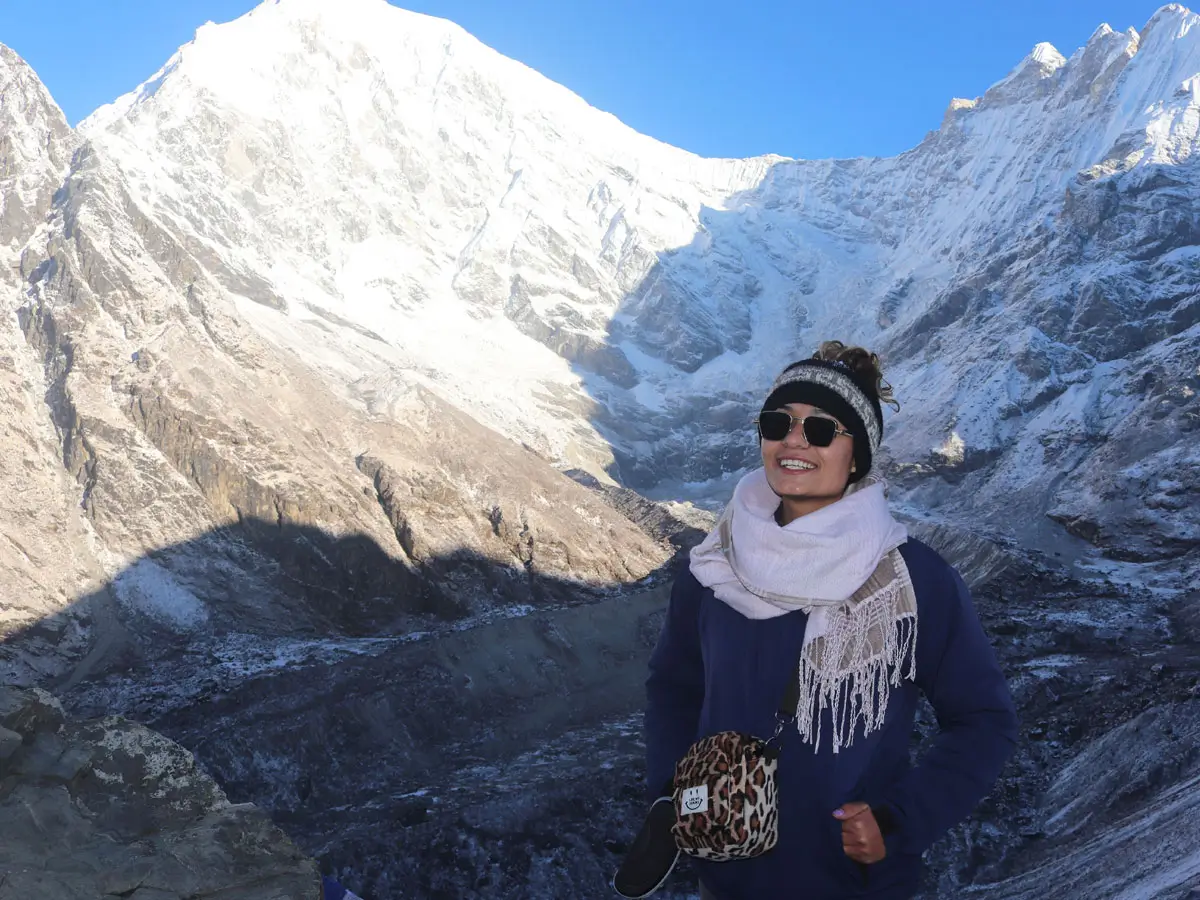
The Langtang Glacier!
Expert Tips for Langtang Valley Trek in November - Smart Late-Autumn Strategies for a Comfortable Himalayan Trek
The Langtang Valley Trek in November offers some of the clearest and most rewarding trekking conditions in Nepal, but late-autumn trekking also requires smart preparation. Cooler mornings, shorter daylight hours, and colder high-altitude conditions make small planning decisions more important during this season.
These practical November-specific tips help trekkers stay comfortable, maximize visibility, and enjoy a smoother trekking experience across the Langtang region.
Start Early for the Best Visibility and Weather Stability
November mornings are usually calm, cold, and exceptionally clear. Mountain visibility is often at its best during the first half of the day, and starting early helps trekkers:
Enjoy crystal-clear sunrise views
Avoid colder late-evening trekking
Maximize daylight hours
Reach the teahouses comfortably before sunset
Ideal trekking start time: around 6:30 – 7:00 AM
Early starts are especially important for hikes to Kyanjin Ri and Tserko Ri, where sunrise conditions create spectacular mountain panoramas.
Dress in Flexible Layers Instead of Heavy Clothing
One of the biggest mistakes trekkers make in November is wearing overly heavy clothing while walking, and the best strategy is:
Light breathable base layer
Fleece or insulated mid-layer
Warm outer jacket for mornings and evenings
During daytime trekking, the sun often feels comfortable despite cold air temperatures.
Layering allows trekkers to adapt easily as conditions change throughout the day.
Use November’s Crystal-Clear Air for Photography
The Langtang Valley Hike in November is one of the best photography experiences in Nepal due to exceptional visibility and low atmospheric haze, and the best photography opportunities include:
Sunrise over Langtang Lirung
Golden light on glaciers and ridges
Crystal-clear alpine panoramas
Star-filled Himalayan night skies
November often provides sharper mountain detail than October. Trekkers carrying cameras should keep batteries warm during cold mornings to prevent faster battery drain.
Cold temperatures reduce the sensation of thirst, but dehydration can still occur quickly during high-altitude trekking, and the helpful hydration habits:
Drink water regularly throughout the day
Carry insulated water bottles if possible
Drink warm tea during breaks
Avoid excessive alcohol at higher elevations
Proper hydration supports energy, recovery, and altitude adaptation.
Confirm Accommodation Plans During Peak Weeks
Although November is quieter than October, early November remains part of Nepal’s busy trekking season, and the helpful preparation steps:
Confirm overnight stops in advance
Start trekking early to secure rooms
Communicate plans clearly with guides or porters
Villages such as Kyanjin Gompa may still become busy during popular trekking weeks.
Prepare Properly for Cold Morning Temperatures
Morning temperatures above 3,500 meters can feel very cold during November, and the important cold-weather items include:
Warm gloves
Wool hat or buff
Thermal socks
Insulated jacket for early mornings
Proper preparation makes the November trekking significantly more comfortable.
Use Trekking Poles for Long Descents and Rocky Sections
Even though November trails are dry and stable, trekking poles remain highly useful throughout the Langtang route, and the benefits include:
Better balance on rocky terrain
Reduced knee strain during descents
Improved stability during viewpoint hikes
Trekking poles help conserve energy during long trekking days.
Don’t Miss the Night Sky at Higher Elevations
One underrated advantage of November trekking is the incredible night-sky visibility in places like Kyanjin Gompa, and trekkers often experience:
Brilliant star-filled skies
Minimal cloud cover
Clear Milky Way visibility on some nights
The cold, dry Himalayan air creates exceptional nighttime clarity.
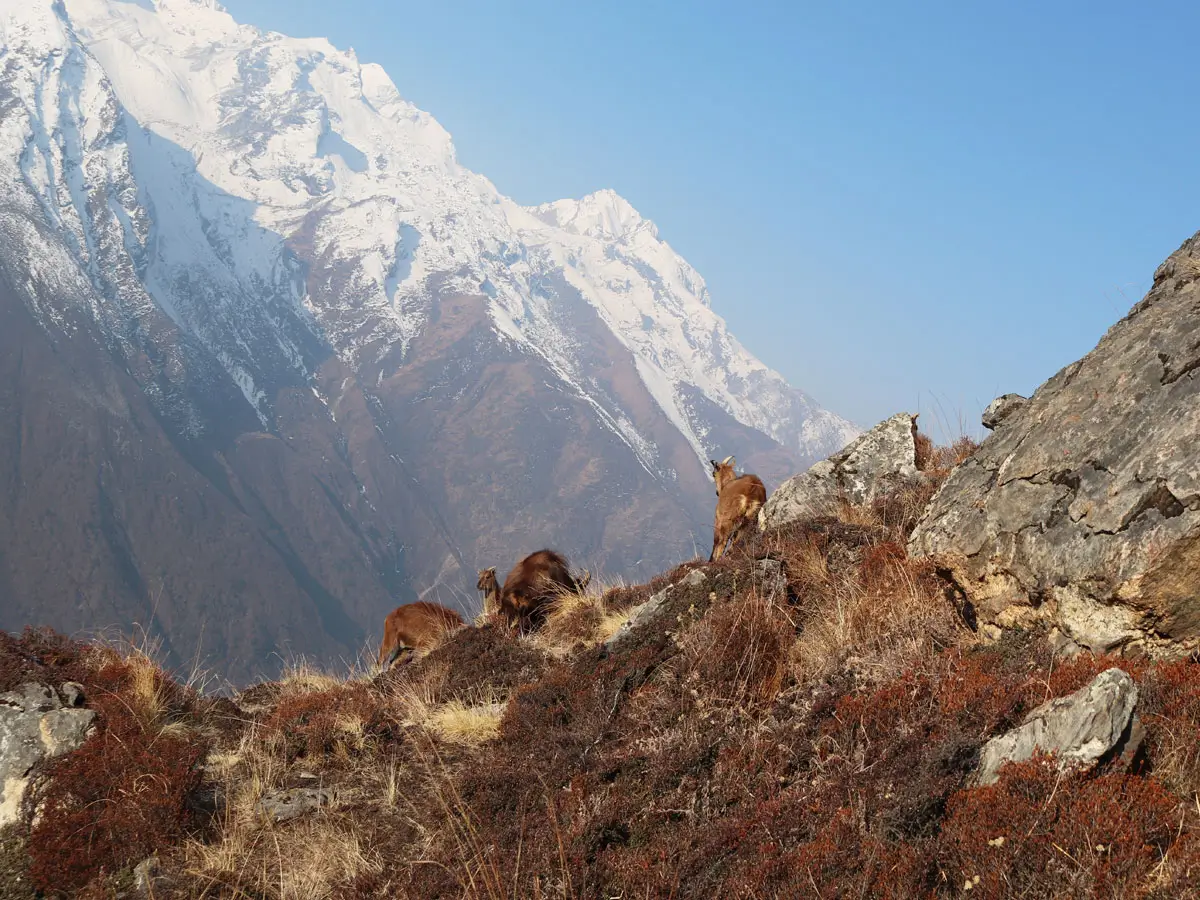
Wild Animals in Langtang!
Packing Tips for Langtang Valley Trek in November - Essential Cold-weather Gear for Late-Autumn Trekking
Packing correctly for the Langtang Valley Trek in November is extremely important because temperatures can drop significantly at higher elevations, especially in the mornings and at night. While daytime trekking remains comfortable under the sun, villages such as Kyanjin Gompa and viewpoint hikes like Kyanjin Ri can experience freezing conditions, and the ideal November packing strategy is:
Stay warm without carrying unnecessary weight: Trekkers should focus on smart layering, insulation, and practical cold-weather essentials.
Warm Layering System for November Conditions: Layering is the best way to manage temperature changes throughout the trek.
Recommended clothing includes:
Moisture-wicking base layers
Fleece or insulated mid-layer
Lightweight down jacket
Waterproof and windproof outer shell
Thermal innerwear for mornings and nights
Warm gloves and a wool hat
Insulated trekking socks
November weather changes quickly between sunny daytime trekking and freezing early mornings.
Essential Trekking Gear for Comfort and Safety
Reliable trekking equipment enhances safety and physical comfort on long trekking days, and important gear includes:
Sturdy trekking boots with a strong grip
Trekking poles for balance and descents
Comfortable backpack (30–40L)
Reusable water bottles or an insulated flask
Headlamp or flashlight
Sunglasses with UV protection
Dry November trails are easier to walk on, but rocky sections still require good footwear.
Sleeping Gear for Cold Himalayan Nights
Nighttime temperatures at higher elevations can fall below freezing during November, and the recommended sleeping items are:
Sleeping bag rated around -5°C to -10°C
Thermal sleepwear
Insulated socks for nighttime
Lightweight sleeping liner (optional)
Proper sleeping warmth improves recovery and trekking energy.
Sun and Skin Protection Still Matter in November
Even during cold weather, sunlight at high altitude remains strong under clear Himalayan skies, and some useful protection includes:
Sunscreen (SPF 30+)
Lip balm with SPF
Sunglasses
Cap or sun hat
November’s dry mountain air can also cause dry skin and cracked lips.
Photography and Electronics Tips for Cold Weather
November is one of the best months for photography, but cold conditions can affect electronic devices. Some helpful tips:
Carry extra camera or phone batteries
Keep electronics inside warm clothing layers
Use waterproof pouches for protection
Batteries drain faster in freezing temperatures at higher altitudes.
Smart Packing Strategy for November Trekking
The best approach is to:
Pack warm but lightweight items
Avoid carrying unnecessary heavy clothing
Prioritize layering flexibility
Keep important items easily accessible
Smart packing improves mobility and reduces fatigue during long trekking days.
Is November a good time for the Langtang Valley Trek?
Yes, November is one of the best months for the Langtang Valley Trek. The month offers stable weather, dry trails, crystal-clear mountain views, and a quieter trekking atmosphere compared to October.
Many trekkers prefer November because it offers excellent visibility, quieter trails, and more comfortable trekking conditions.
How cold is the Langtang Valley Trek in November?
Temperatures drop in November, especially at higher elevations such as Kyanjin Gompa and viewpoint hikes like Kyanjin Ri, and the typical temperature ranges:
Lower elevations: 12°C to 20°C during daytime
Kyanjin Gompa nights: around -5°C to 0°C
High viewpoints: below freezing during early mornings
Warm layered clothing and a good sleeping bag are essential for comfort.
Is November colder than October in Langtang?
Yes, November is noticeably colder than October, particularly in the mornings and at night at higher elevations.
However, daytime trekking conditions remain comfortable, and many trekkers enjoy the cooler, crisp mountain atmosphere of late autumn.
Can beginners do the Langtang Valley Trek in November?
Yes, beginners with basic fitness can complete the Langtang Valley Trek in November. The trek remains beginner-friendly because:
Trails are well-defined
The weather is stable
No technical climbing is required
The altitude gain is gradual
Proper pacing and warm clothing are important for a comfortable experience.
Will I get clear mountain views in November?
Yes, November is famous for exceptional mountain visibility, and you often experience:
Deep blue skies
Low humidity
Minimal haze
Sharp panoramic Himalayan views
Many trekkers consider November one of the clearest months of the year for photography.
Are tea houses open during November?
Yes, tea houses remain fully operational during November throughout the Langtang Valley route, and you can expect:
Accommodation availability
Hot meals and drinks
Active trekking services
Comfortable overnight stops
Early November may still feel relatively busy, but accommodation is generally easier to find than during peak October weeks.
Trekkers who prefer calm weather and clear mountain views often choose November.
What is the best part of the Langtang Trek in November?
For many trekkers, the highlights include:
Crystal-clear Himalayan views
Peaceful trails and villages
Sunrise from KyanjinRi
Calm late-autumn atmosphere
Comfortable daytime trekking weather
These elements combine to create one of Nepal’s most rewarding autumn trekking experiences.
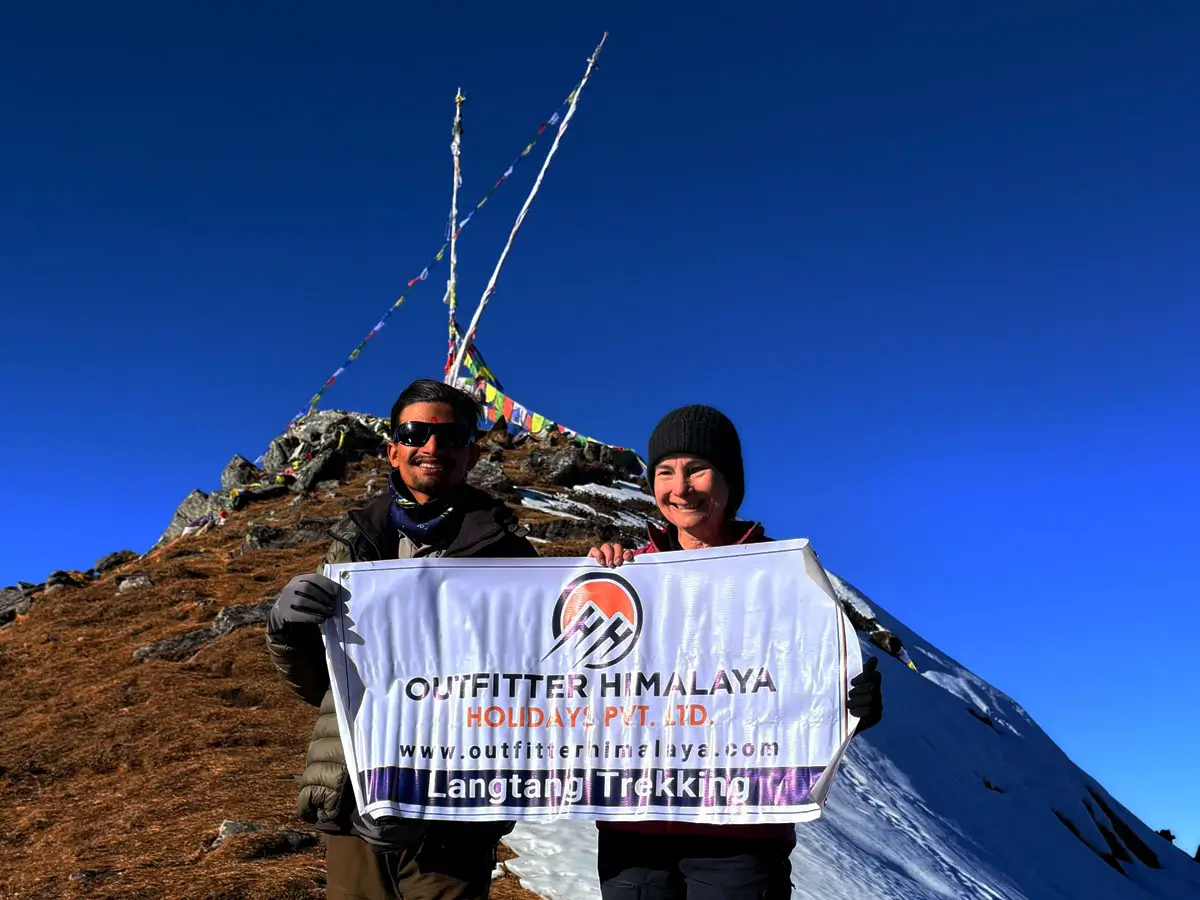
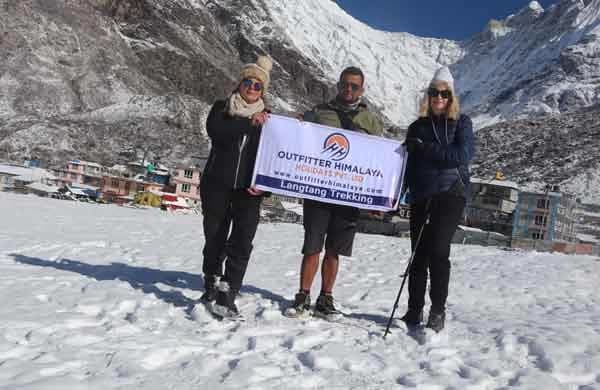
Langtang Trek with Outfitter Himalaya!
Conclusion – Is November the Right Time for Langtang Valley Trek?
If you are seeking a Himalayan journey filled with clear mountain views, peaceful trails, and crisp late-autumn atmosphere, the Langtang Valley Trek in November stands out as one of the most rewarding trekking experiences in Nepal.
November brings a unique balance that you consider ideal, and the busy energy of October begins to fade; the skies stay remarkably clear, trails remain dry and stable, and the mountains appear sharper and more dramatic under the cool autumn air.
One of the biggest strengths of November is the sense of calmness, and villages such as Langtang and Kyanjin Gompa feel quieter and more relaxed, allowing you to experience the Himalayan environment in a deeper, more personal way. From peaceful monastery visits to cold evenings under star-filled skies, the trek becomes more than just a physical journey – it becomes an immersive mountain experience.
The cooler temperatures of November also create highly comfortable daytime trekking conditions. Walking through forests, alpine valleys, and glacier landscapes feels refreshing rather than exhausting, while sunrise hikers to viewpoints like Kyanjin Ri reward trekkers with some of the clearest panoramas of the entire trekking season.
Although mornings and nights can be cold at higher elevations, these conditions are manageable with proper clothing and preparation. For most trekkers, the incredible visibility, stable weather, and peaceful atmosphere far outweigh the colder late-autumn temperatures. In Simple terms:
If you want festival energy and warmer conditions = October
If you want peaceful trails and the clearest mountain views = November
If you value tranquility, scenery, and an authentic Himalayan atmosphere, the Langtang trek remains one of the finest late-autumn trekking experiences in Nepal.
April is one of the best months for the Ghorepani Poon Hill Trek, offering rhododendron flowers, warmer daytime walks, and Himalayan sunrise views from 3,210 meters. Expect busy teahouses, chilly mornings, and possible afternoon cloud [...]
The Ghorepani Poon Hill Trek in March combines the beginning of rhododendron season with warming days and opportunities for clear Himalayan views. Sunrise at 3,210 meters remains cold, and higher paths can still have snow [...]
The Annapurna Circuit Trek covers approximately 102 kilometers of walking on Outfitter Himalaya’s classic 15-day itinerary, including the Manang acclimatization hike. The journey unfolds through riverside forests, mountain villages and open valleys before crossing Thorong La [...]