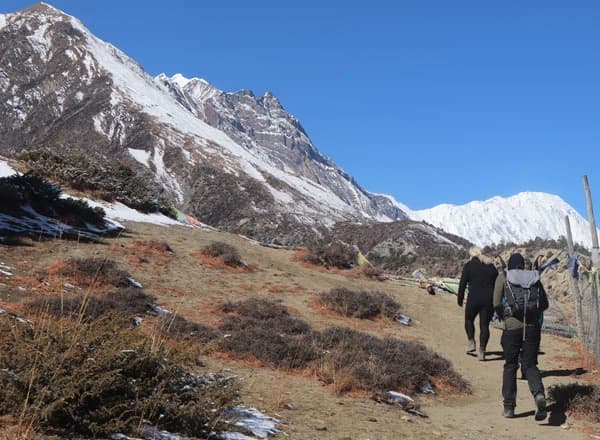
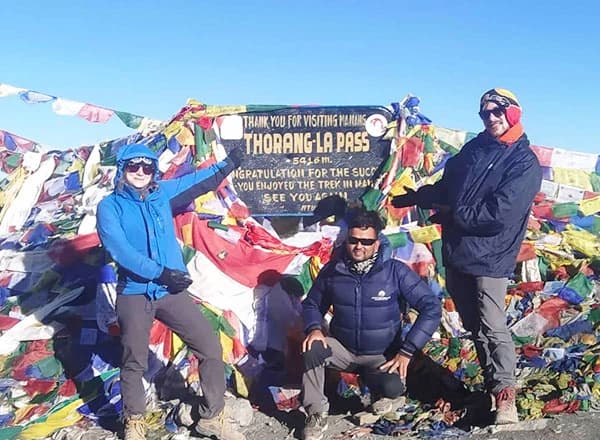
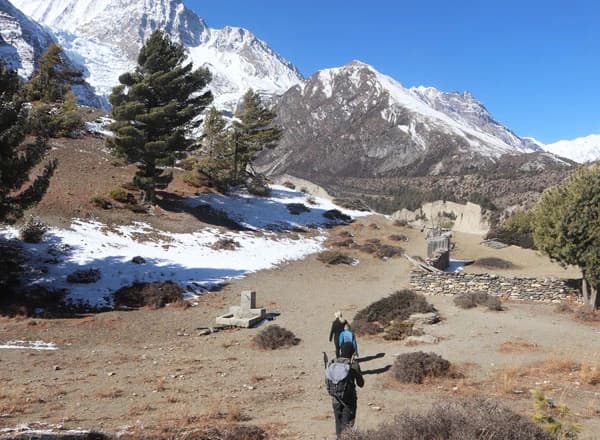
Langtang Valley Trek in September offers a refreshing transition into Nepal’s autumn trekking season, as the monsoon gradually withdraws, the Langtang region becomes lush, vibrant, and visually dramatic, with flowing waterfalls, green forests, and improving mountain views throughout the month.
September trekking in Langtang combines fresh post-monsoon landscapes with stabilizing weather, making it one of the most rewarding times to explore the scenic valleys of Langtang National Park. If you are seeking peaceful trails, rich natural beauty, and authentic Himalayan culture, September provides an exciting and memorable trekking experience.
Langtang Trek in September - Hidden Himalayan Escape with Lush Landscapes and Fewer Crowds
The Langtang Valley Trek in September marks the beginning of Nepal's autumn trekking season and offers a unique opportunity to experience the Himalayas at their most refreshing and vibrant. After monsoon months bring heavy rainfall to the region, September reveals landscapes that feel alive – forests glow with deep greenery, rivers flow strongly, and waterfalls cascade along steep mountain slopes.
Langtang Trek in September is one of the best ways to experience a rewarding Himalayan adventure close to Kathmandu. Especially in the beautiful Langtang National Park, the trek offers a perfect mix of natural beauty, cultural richness, and accessibility.
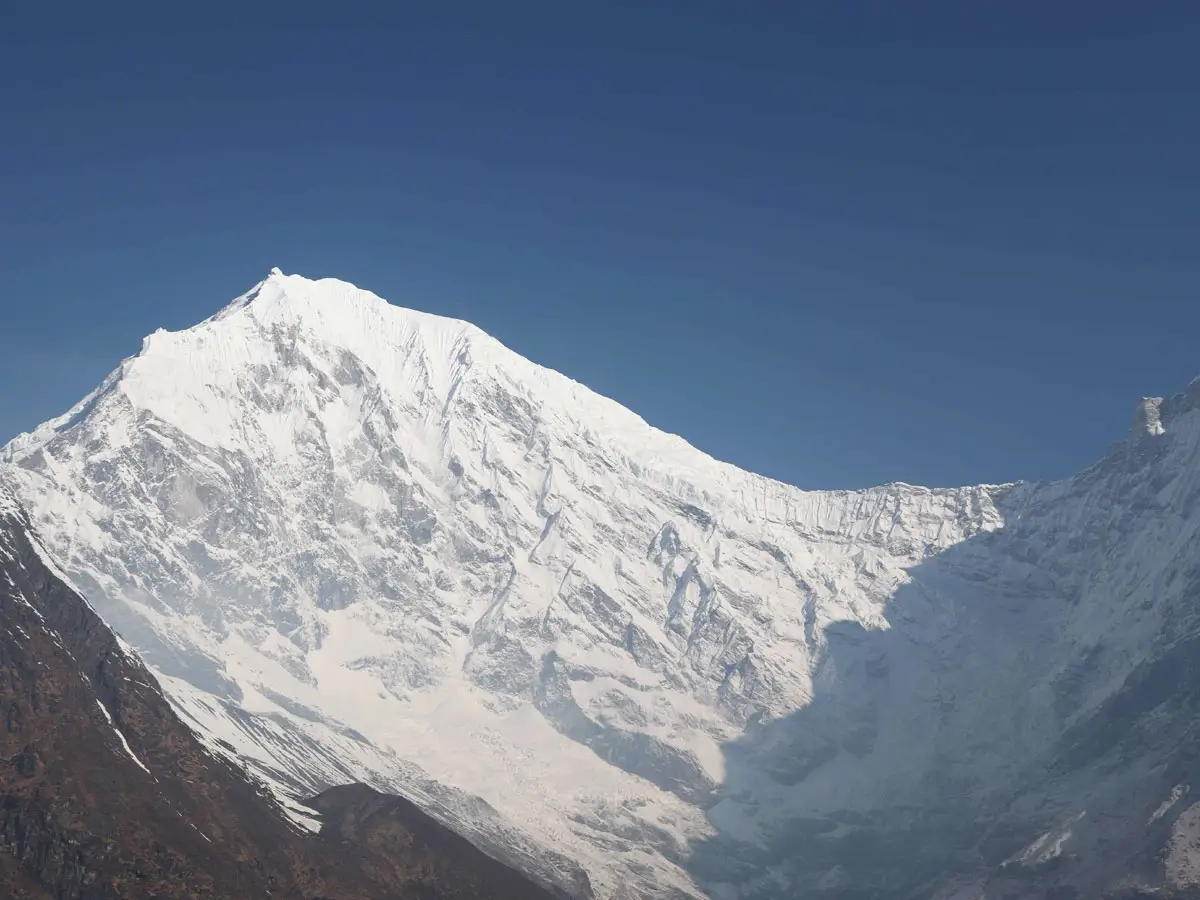
One of the most striking features of trekking in the Langtang in September is the dramatic transformation of the environment. The Langtang valley becomes rich in vegetation, creating a refreshing contrast against snow-covered Himalayan peaks such as Langtang Lirung (7,227 m). Misty mornings, flowing rivers, and shifting cloud patterns create dynamic scenery that feels constantly changing.
Early September may still carry traces of monsoon influence in lower forested sections. However, as the month progresses, rainfall gradually decreases, and skies become clearer. By mid to late September, you enjoy increasingly stable weather and clearer mountain views across the valley.
The Langtang journey typically begins from Syabrubesi and takes around 7-10 days, making it ideal for trekkers with limited time. The Langtang trail passes through dense forests, waterfalls, terraced fields, and traditional Tamang villages, gradually leading to Kyanjin Gompa at an elevation of about meters.
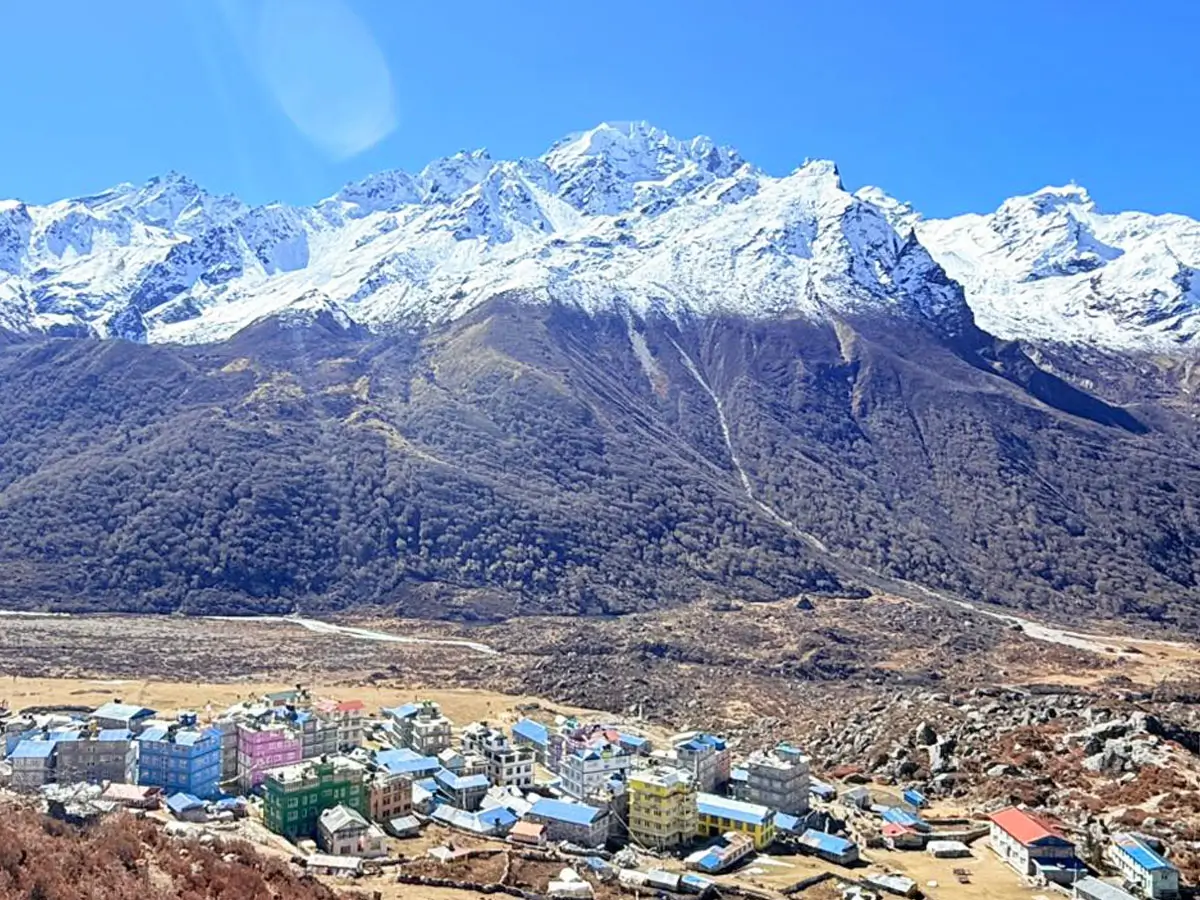
September is a transitional month, when the landscape remains lush and vibrant from the monsoon, trekking conditions begin to improve, and it offers excellent opportunities to experience the cultural heritage of the Langtang region. Traditional Tamang villages such as Lama Hotel, Langtang Village, and Kyanjin Gompa remain active during this season, offering trekkers a glimpse into daily life in the mountains.
Fields remain productive, and villagers prepare crops for the upcoming harvest season.
Another major advantage of Langtang trekking in September is the peaceful atmosphere along the trail. Since many trekkers wait until October, the Langtang Valley remains relatively quiet, offering uninterrupted views, relaxed lodge stays, and meaningful interactions with local communities.
You will enjoy views of peaks like Langtang Lirung, especially in the mornings when the skies are clearer. With fewer crowds, the Langtang Valley trek in September offers a peaceful, authentic Himalayan experience.
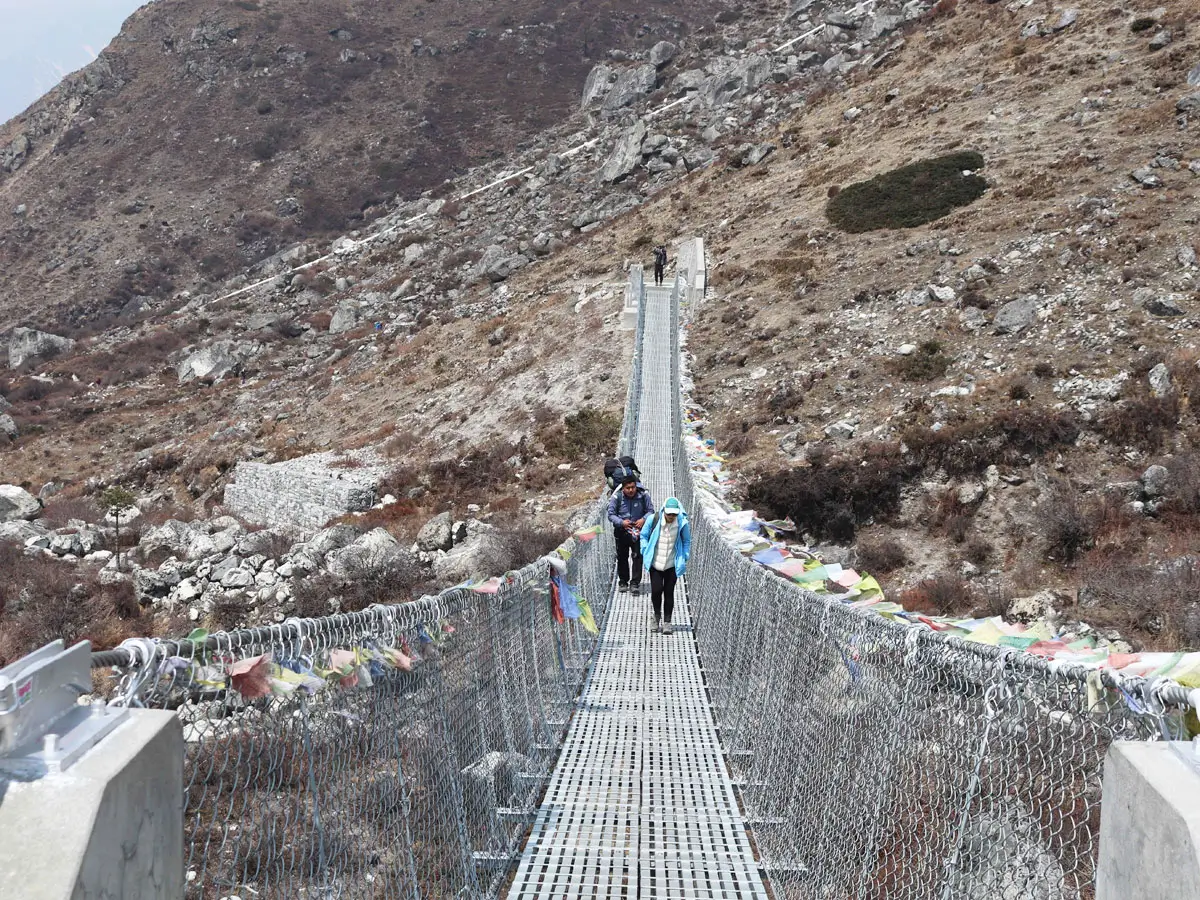
Bridge in Langtang Region!
Highlights of the Langtang Valley in September
Experience the Valleys at Their Finest After Monsoon: September reveals Langtang at its most vibrant, with deep-green forests, lively rivers, and refreshed mountain landscapes.
Witness Powerful waterfalls and Flowing Rivers Along the Trail: Monsoon-fed streams create spectacular waterfalls cascading down cliffs and valleys throughout the route.
Enjoy Gradually Improving Views of Langtang Lirung (7,227 m): As September progresses, the clouds begin to clear, revealing stunning views of snow-covered Himalayan peaks.
Capture Dramatic Photography of Misty Valleys and Shifting Clouds: Morning mist and changing light create unique photographic opportunities rarely seen during the dry season.
Explore Traditional Tamang Villages Rich in Culture and Heritage: Langtang and Kyanjin Gompa offer authentic cultural encounters and traditional mountain lifestyles.
Reach KyanjinGompa — The Cultural and Scenic Heart of Langtang: This high-altitude settlement offers breathtaking mountain views, monasteries, and alpine landscapes.
Observe Rich Flora and Blooming Vegetation Across Langtang National Park: September supports dense vegetation, moss-covered forests, and seasonal flowers along forest trails.
Enjoy Peaceful Trails with Fewer Trekkers Compared to Peak October: September. Quieter trekking routes allow for a more personal connection with nature.
Experience Active Wildlife and Birdlife in Forested Areas: Bird activity increases in September, and trekkers may notice Himalayan wildlife along forested sections.
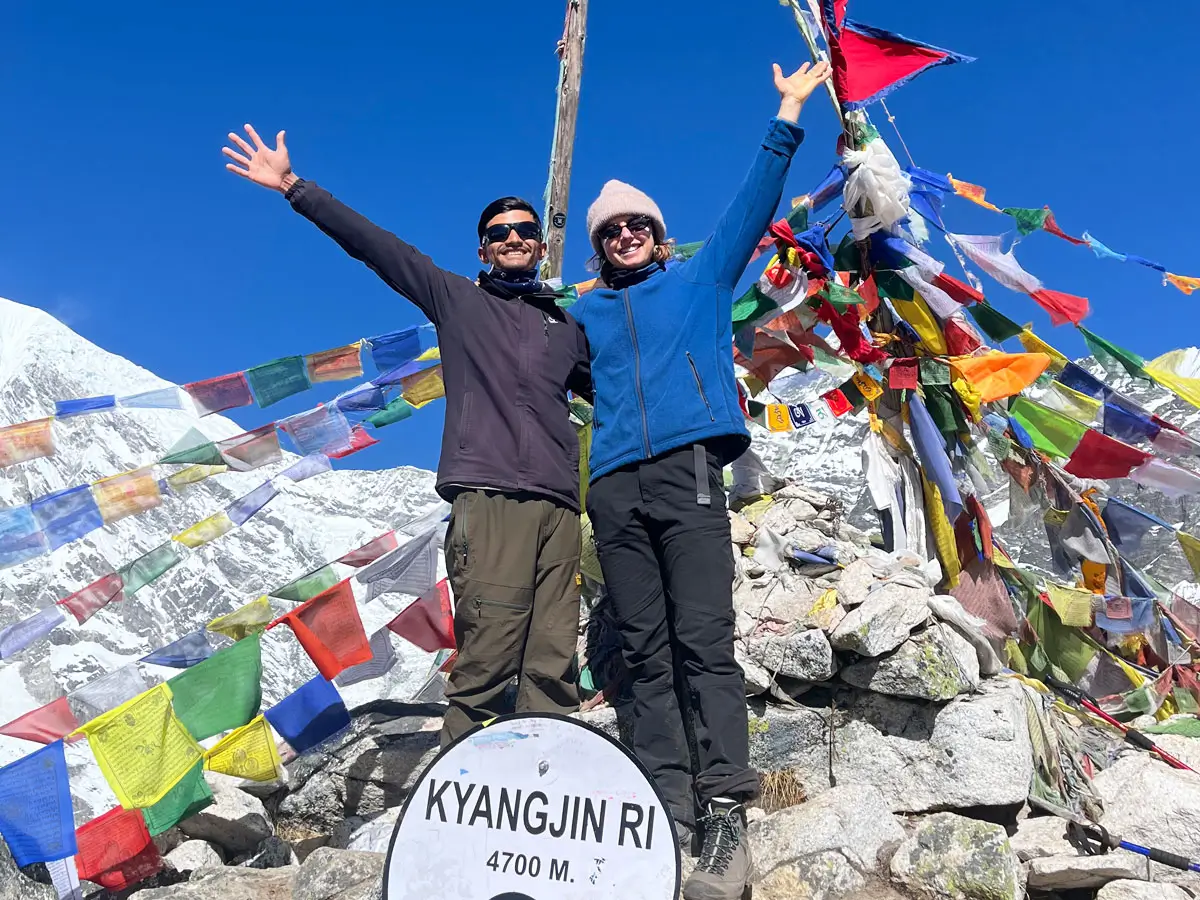
Climb Scenic Viewpoints Like Kyanjin Ri or Tserko Ri: These viewpoints provide unforgettable panoramic views of glaciers, peaks, and wide Himalayan valleys.
Best Langtang Trek For September
Langtang Valley Trek - 12 Days: Suitable for beginner and experienced trekkers looking for a packaged trek with Kathmandu.
Langtang Circuit Trek- 16 Days: Suitable for those looking for a longer trek in the Langtang Region and want to cover all the destinations in Langtang.
Langtang Valley Trek Weather and Temperature in September - Monsoon Transition with Fresh Landscapes and Improving Skies
The Langtang Valley Trek in September marks the transition from monsoon to autumn, offering a mix of lush landscapes, occasional early rain, and gradually improving weather. While early September marks the transition from monsoon influence, the weather stabilizes significantly by mid to late September.
Overall, September offers pleasant trekking temperatures, vibrant greenery, and increasing visibility, making it a rewarding time to explore the Langtang region.
Daytime temperatures are generally comfortable, while nights become cooler at higher elevations. Rainfall becomes less frequent compared to July and August, especially after the first half of the month.
Morning Weather Conditions
Mornings in September are often fresh, slightly misty, and cool, especially in forested areas. Early in the month, light fog or clouds may cover valleys, creating a dramatic atmosphere. Typical morning conditions:
cool and slightly humid air
mist rising from forests and rivers
partial cloud cover in early September
improving clarity toward mid-late September
Morning trekking is still the best time for stable conditions and better visibility.
Daytime Weather Conditions
Daytime temperatures remain comfortable and suitable for trekking, especially in mid and higher elevations. Sunshine becomes more consistent as the month progresses. Typical daytime conditions:
Temperatures range from 10℃ to 20℃ in most trekking zones
Warm but not overly hot in the lower valleys
High humidity in early September, decreasing later
Mix of sunshine and clouds
In lower elevations like Syabrubesi, temperatures may reach 15℃ to 25℃ early in the month.
Nighttime Weather Conditions
Nighttime temperatures drop significantly with increasing altitude. Higher areas, such as Kyanjin Gompa (3,870 m), can become cold, especially after mid-September. Typical nighttime conditions:
temperatures around 0°C to 5°C at higher elevations
cold evenings and early mornings
damp air early in the month
clearer and cooler nights later in September
Warm clothing is necessary, especially in higher villages.
Temperature Range by Elevation in September
Temperatures vary significantly depending on altitude along the Langtang Valley route.
Lower Elevations (1,400m–2,500m) - Syabrubesi to Lama Hotel
Daytime: 15°C to 25°C
Night: 10°C to 18°C
Warm and slightly humid conditions, especially early September.
Mid Elevations (2,500m –3,500m)- Langtang Village region
Daytime: 10°C to 20°C
Night: 5°C to 10°C
Comfortable trekking temperatures with cooling evenings.
Higher Elevations (3,500m–4,000m)- KyanjinGompa
Daytime: 8°C to 18°C
Night: 0°C to 5°C
Cooler conditions with cold mornings and nights.
High Viewpoints (Above 4,500m)- KyanjinRi / TserkoRi
Daytime: 5°C to 10°C
Morning: near freezing or below
Cold but manageable for short hikes with proper gear.
Rainfall in September is not constant; it varies depending on the timing within the month. Typical pattern:
Early September: occasional rain and humid conditions
Mid-September: decreasing rainfall
Late September: mostly dry and stable weather
Rain usually occurs in:
afternoon or evening
short, light showers
By mid to late September, trekking conditions improve significantly with clearer skies and dry trails.
Why September Weather Is Still Good for Trekking
Despite being a transition month, September offers several advantages that make trekking highly rewarding. Key weather advantages:
comfortable daytime temperatures
lush and refreshed landscapes
gradually improving mountain visibility
decreasing rainfall as the month progresses
dynamic scenery with clouds and sunlight
For trekkers who don’t mind slight variability, September offers a unique, visually rich trekking experience compared to fully dry autumn months.
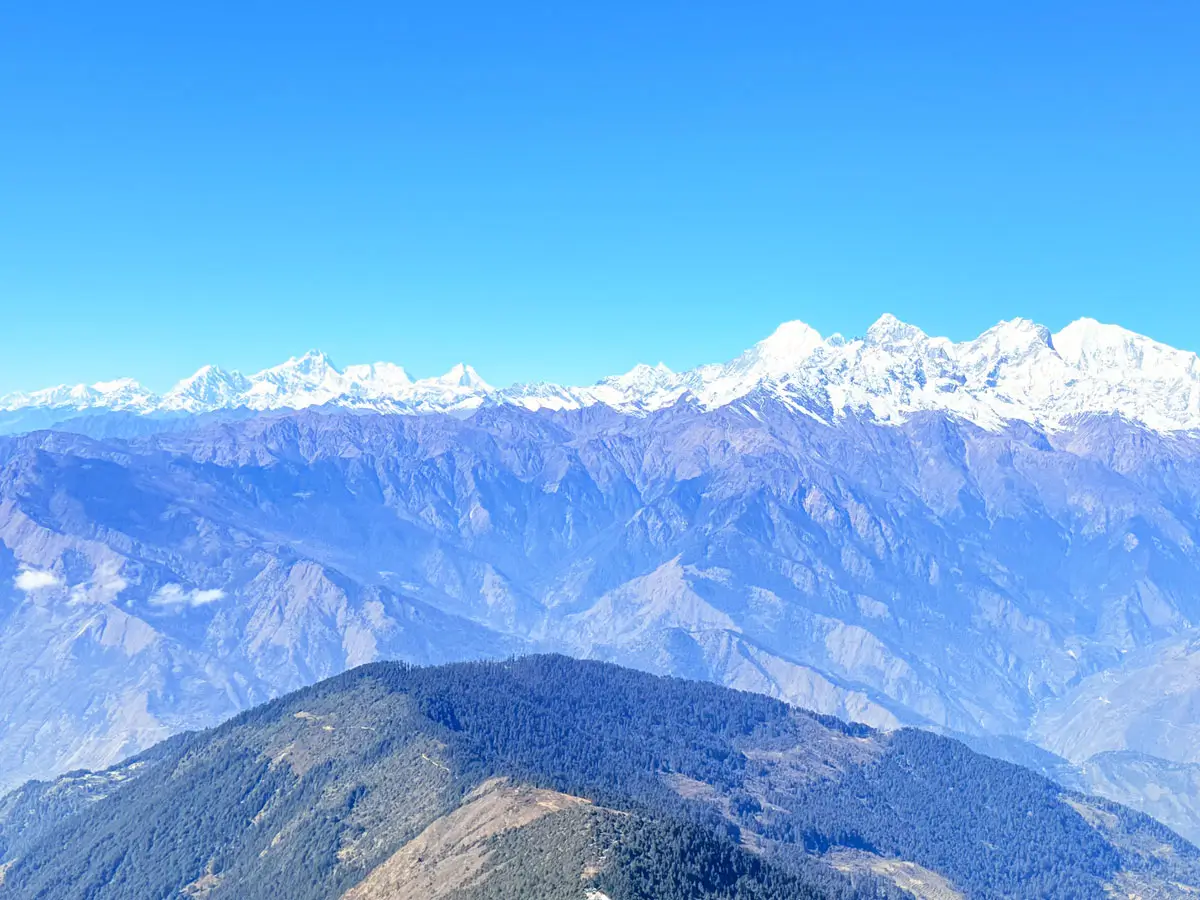
Himalaya view in Langtang Trek!
Culture and Local Life During the Langtang Valley Trek In September
Langtang Valley Trek in September is not only about landscapes – it is also a deeply cultural journey through one of Nepal’s most traditional Himalayan regions. September is a time when village life is active, fields are alive with crops, and local communities are fully engaged in their daily routines.
As trekkers walk through villages such as Syabrubesi, Lama Hotel, Langtang Village, and Kyanjin Gompa, they have a rare opportunity to witness authentic mountain life that has remained largely unchanged for generations.
Tamang Culture and Traditional Lifestyle
The Langtang region is home to the Tamang community, whose culture is strongly influenced by Tibetan Buddhism. During September, trekkers may observe:
traditional stone houses with wooden roofs
prayer wheels spinning along village paths
colorful prayer flags across ridges and rooftops
locals wearing traditional clothing
The culture here feels raw, real, and untouched by commercialization.
Farming Season and Village Activity
September is one of the most active agricultural periods in Langtang. After the monsoon, villagers work in fields and prepare crops for harvest. Trekkers will notice:
terraced fields filled with green crops
farmers working with traditional tools
livestock grazing in open pastures
daily routines centered around farming life
This makes the villages feel alive and energetic, unlike the quieter winter months.
Monasteries and Spiritual Experience
Langtang is deeply spiritual, and September is a peaceful time to visit monasteries and sacred sites. Important places include:
KyanjinGompa Monastery
Small village monasteries along the trail
Mani walls and prayer stones
Trekkers often experience:
Monks performing prayers
Peaceful silence in mountain temples
Spiritual calmness in high-altitude villages
These moments add a calm and meaningful layer to the trek.
Because September is less crowded than peak October, interactions with locals feel more personal and relaxed. Trekkers may experience:
friendly conversations with lodge owners
sharing tea in teahouses
learning about local traditions
simple but warm hospitality
This is where Langtang becomes more than just a trek, it becomes a human experience.
Local Festivals and Community Life
While major festivals like Dashain may fall in late September or October (depending on the year), early preparations and cultural activities often begin then. Trekkers may see:
homes being cleaned and prepared
early festive decorations
community gatherings in villages
spiritual rituals in monasteries
This adds a subtle festive atmosphere to the trek.
Best Weeks to Trek Langtang Valley in September - Choosing the Right Time Within the Month
The Langtang Valley Trek in September changes noticeably from early to late in the month. Since September marks the transition from monsoon to autumn, timing your trek correctly can greatly enhance your overall experience.
Each phase of September offers something different – from lush greenery to clear mountain views.
Early September (first week) – Lush but Slightly Unstable
Early September still carries some monsoon influence, especially in lower forest areas. What to expect:
Very green and vibrant landscapes
Strong waterfalls and flowing rivers
Occasional rain (mostly afternoon)
Humid conditions in the lower valleys
Fewer trekkers
Best for: Trekkers who love nature, waterfalls, and dramatic scenery, and don’t mind some rain.
Mid-September (second week) – Balanced and Improving
Mid-September is when conditions begin to stabilize and improve quickly. What to expect:
Reduced rainfall
Improving mountain visibility
More comfortable trekking weather
Less humidity
Still lush and fresh scenery
Best for: Trekkers who want a balance of greenery and improving weather
Late September (3rd–4th Week) — Near-Autumn Conditions
Late September feels closer to peak trekking season (like October), but still retains fresh landscapes. What to expect:
mostly dry trails
clearer mountain views
cooler and more comfortable temperatures
stable trekking conditions
moderate number of trekkers
Best for: Trekkers who want clear views + stable weather + fewer crowds than October
Best overall period: Mid to Late September (after 10th–15th) - Why?
less rain
clearer skies
comfortable temperatures
still green and fresh
Quick Decision Guide:
Early September: Best for greenery and waterfalls
Mid-September: Best balance
Late September: Best weather and Visibility
The Kyanjing Village!
Why Trek Langtang Valley in September – Benefits of Langtang Trek in September
Langtang Trek in September offers one of the most visually rewarding trekking experiences in Nepal. As the monsoon gradually withdraws, the Langtang region transforms into a vibrant Himalayan landscape filled with lush forests, flowing rivers, and increasingly clear mountain views.
September is a time when the valley feels alive with movement, freshness, and natural energy. The trails reveal new scenery each day, making the trek both exciting and visually captivating.
Lush Green Landscapes at Their Absolute Peak
September brings Langtang to life with deep green forests, moss-covered rocks, and vibrant hillside vegetation. The heavy monsoon rainfall nourishes forests and farmland, creating scenery that feels rich and refreshing, and you will notice:
dense rhododendron and bamboo forests
terraced fields glowing with seasonal crops
green valleys surrounded by towering mountain ridges
fresh vegetation covering trails and hillsides
This rich greenery creates a peaceful, visually immersive trekking experience rarely matched in the dry season.
Spectacular Waterfalls and Energized River Valleys
One of the most impressive advantages of trekking the Langtang Valley in September is the abundance of waterfalls and flowing rivers. Monsoon - fed water sources remain strong during September and create dramatic scenery across the trail. Waterfalls cascade down cliffs, and rivers such as the Langtang Khola flow powerfully through the valley, and you can enjoy:
thunderous waterfalls along forest trails
mist rising from powerful streams
scenic suspension bridges crossing rushing rivers
refreshing sounds of flowing water throughout the trek
These water features create a dynamic environment that makes every section of the trail visually exciting.
Gradually Improving Mountain Visibility Throughout the Month
September offers a unique advantage - mountain views improve steadily as the month progresses. Early in the month, you may see shifting clouds and mist, creating dramatic Himalayan scenery. By mid to late September, skies begin clearing more consistently, revealing impressive views of peaks such as:
Langtang Lirung (7,227 m)
Gangchempo (6,387 m)
DorjeLakpa (6,966 m)
This gradual transition from misty landscapes to clear mountain panoramas creates a visually rewarding trekking experience.
Unique Photography Opportunities with Changing Light and Atmosphere
September is one of the best months for capturing dynamic Himalayan photography. September offers dramatic cloud formations, misty valleys, and shifting sunlight, and you can capture:
Morning fog rising from forest valleys
golden light breaking through mountain clouds
dramatic reflections on wet stone trails
vibrant green landscapes against snow-covered peaks
These visual elements create a rich and memorable photography experience.
Authentic Cultural Encounters in Active Mountain Villages
September is an active period for local communities in the Langtang region as the farmers prepare fields, manage livestock, and maintain daily routines shaped by seasonal changes. As trekkers pass through villages such as:
Langtang Village
Lama Hotel
KyanjinGompa
They may observe:
agricultural activities in terraced fields
preparation of seasonal crops
traditional stone houses and prayer wheels
local families carrying out daily routines
This cultural activity adds depth and meaning to the trekking journey.
Rich Flora and Active Wildlife Throughout Langtang National Park
September supports one of the most active natural ecosystems in the Langtang region as the vegetation thrives, and wildlife becomes more visible in forested areas, and you may notice:
colorful wildflowers along trails
moss-covered rocks and tree trunks
Himalayan birds are active in forest zones
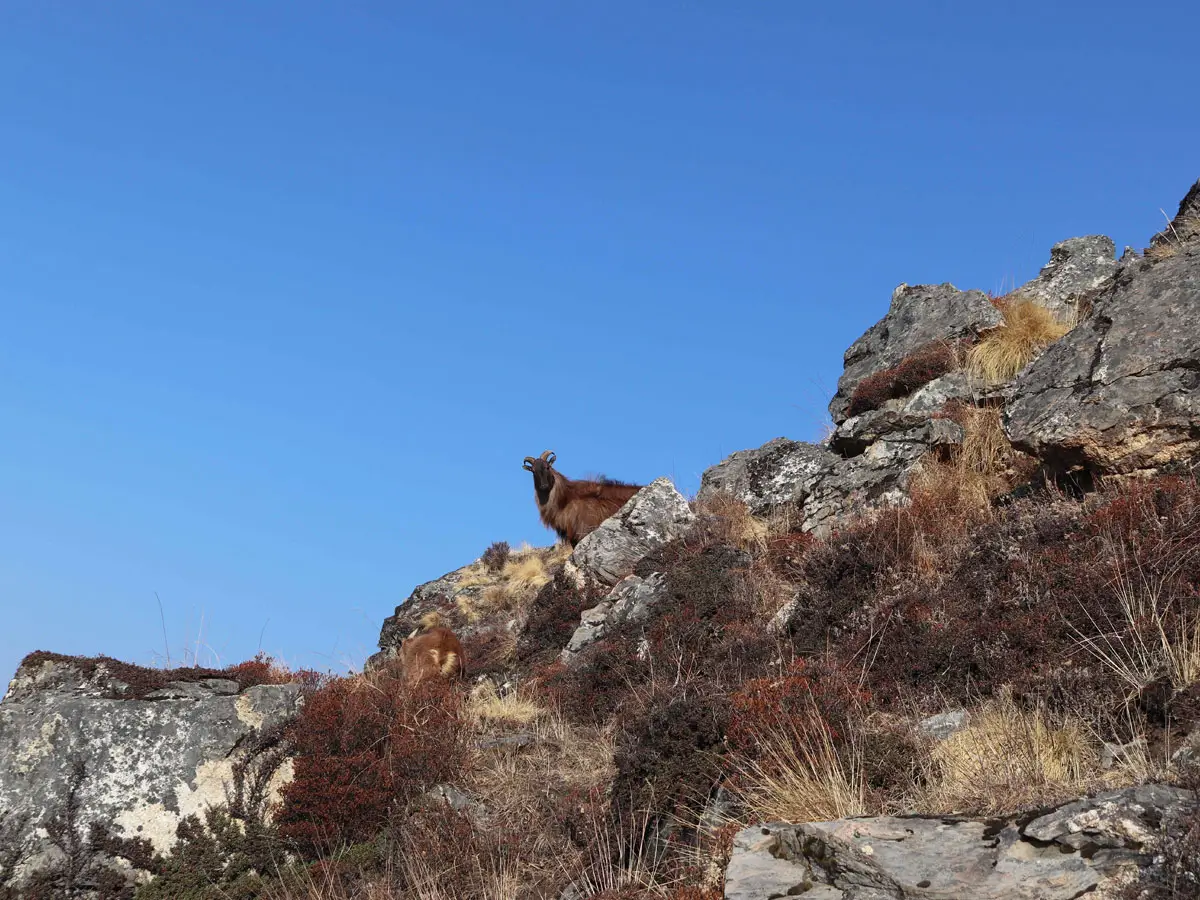
occasional sightings of wildlife such as langurs or mountain goats
This living environment makes the September trek feel vibrant and energetic.
Peaceful Trails Before Peak October Crowds
September offers a quieter trekking experience than October, when visitor numbers increase significantly, and you will benefit from:
fewer people on the trail
peaceful walking atmosphere
easier lodge availability
uninterrupted scenic moments
This quieter environment enhances the sense of adventure and immersion.
Refreshing Post - Monsoon Atmosphere
One of the most underrated advantages of September trekking is the refreshing atmosphere created after the monsoon rains, and you will notice:
cleaner mountain air
Reduced dust on trails
fresh-smelling forests
cool and energized surroundings
This fresh environment improves comfort and enhances overall trekking enjoyment.
The Langtang Glacier!
Cons of Lantang Trek in September – Realistic Considerations during the Post-Monsoon Transition
While the Langtang Trek in September offers vibrant scenery and improving weather, early autumn still carries some lingering effects of the monsoon season, and these conditions are generally manageable and often improve significantly as the month progresses.
Understanding these minor challenges helps you better prepare and enjoy a smoother trekking experience in Langtang National Park.
Occasional Rainfall in Early September
Early September may still receive light rainfall, particularly in lower forested sections of the Langtang Valley. These showers are usually brief and occur in the afternoon or evening, and you may notice:
Occasional short rain showers
Damp trail sections in shaded forests
Temporary could build up in valleys
However, rainfall decreases steadily in the month, and mid to late September typically offers clearer trekking conditions.
Muddy or slippery Trails in Forest Areas
September follows the monsoon season, and some forested sections may remain wet, especially near river crossings and shaded slopes, and you may encounter:
Muddy patches in lower elevations
Slippery stone steps in forests
Slower walking pace in damp areas
Good trekking boots and trekking poles help manage these trail conditions effectively.
Partial Mountain Visibility in Early Days
Unlike the peak autumn months, early September may still bring clouds that occasionally block mountain views, especially in the afternoons. Trekkers may experience:
Misty mornings in the lower valleys
Shifting cloud cover around peaks
changing visibility conditions
However, visibility improves significantly as the month progresses.
Leeches in Lower Forest Sections (Rare but Possible)
In humid forest areas, especially after rainfall, leeches may occasionally appear along the trail. This is usually limited to:
Lower elevations
Damp- forest zones
Early September weeks
Wearing proper clothing and using basic preventive measures helps avoid discomfort.
Slight Humidity in Lower Valleys
Early September feels slightly humid in lower elevations due to moisture left from monsoon rains. Trekkers may notice:
Warm and humid conditions in forested areas
increased sweating during steep climbs
mild discomfort during early trekking days
Humidity decreases significantly as altitude increases.
Balanced September Reality
Despite these minor considerations, most September trekking conditions improve rapidly throughout the month. By mid to late September, the Langtang Valley becomes increasingly stable and comfortable for trekking.
For many trekkers, the benefits of fresh landscapes, powerful waterfalls, and peaceful trails far outweigh these manageable limitations.
Langtang Valley Trek Difficulty in September
The Langtang Valley Trek in September is considered a moderate-level trek, suitable for beginners with basic fitness as well as experienced trekkers. The route does not involve technical climbing, but it includes steady ascents, long walking days, and some exposure to altitude.
September slightly increases the difficulty in early weeks due to wet trails, but overall, the trek remains manageable and becomes easier as the month progresses.
Overall Trek Difficulty – Moderate but achievable
Most trekking days involve:
4 to 6 hours of walking
gradual uphill climbs
forest trails and stone steps
occasional steep sections
There are no technical or dangerous paths, making Langtang easier than high-pass treks like Manaslu or the Everest Three Passes.
In simple terms:
If you can walk 5–6 hours daily with breaks, you can complete this trek.
How September Conditions Affect Difficulty
September is a transitional month, so difficulty depends on timing:
Early September
slightly muddy trails
some slippery forest sections
higher humidity
Mid to Late September
trails become drier
The weather becomes more stable
Walking becomes easier and more comfortable
So overall, difficulty decreases as the month progresses.
Trail Conditions in September
Most of the Langtang trail passes through forests and river valleys, especially in the lower sections. Trekkers may experience:
damp forest trails
stone steps that may be slippery
narrow paths near rivers
occasional mud in shaded areas
With Good trekking shoes and Poles, the difficulty problem is solved.
In higher elevations (Langtang Village, Kyanjin Gompa), trails are usually dry and more stable.
But compared to Manaslu or Everest, the Langtang altitude risk is lower because:
Gradual ascent
Shorter trekking duration
Proper acclimatization time
Altitude Sickness Risk
Altitude sickness (AMS) can happen if you go up too fast. Common symptoms:
headache
dizziness
nausea
tiredness
Important: Most trekkers do NOT face serious issues if they walk slowly.
Simple Tips to Reduce Difficulty
walk slowly — don’t rush
Drink plenty of water
Take breaks regularly
Use trekking poles for balance
follow the proper itinerary
Listen to your body
These small steps make the trek much easier and safer.
Overall Difficulty Summary
The Langtang Valley Trek in September is:
moderate in difficulty
beginner-friendly with preparation
slightly harder in early September
easier and more comfortable mid–late September
For most trekkers, this trek is challenging but very achievable, especially with proper pacing and basic fitness.
Wildlife in Langtang!
Expert Tips for Langtang Trek in September
Langtang Valley Trek in September is highly rewarding, but since it’s a transition month, smart preparation can make a huge difference in comfort and experience. These tips are based on real trekking conditions, not theory.
Start Early to Avoid Afternoon Weather Changes
In September, mornings are usually clearer and more stable, while clouds or light rain may appear later in the day. Best strategy:
Start trekking between 6:30 and 8:00 AM
Finish walking by early afternoon
This helps you:
Avoid rain
Enjoy better mountain views
Walk in cooler conditions
Always carry light Rain Protection
Even if the sky looks clear, September weather can change quickly, especially in the early weeks. Must-have items:
Lightweight rain jacket
Backpack rain cover
Quick-dry clothes
You may not use it every day, but when needed, it’s essential.
Use Trekking Poles for Wet or Slippery Trails
Forest sections between Syabrubesi and Lama Hotel can be damp and uneven. Trekking poles help:
Maintain balance
Reduce slipping risk
Reduce knee pressure during descent
This is one of the most useful tools in September trekking.
Choose Mid to Late September for Best Conditions
Timing matters a lot in September.
Early September: more rain + Humidity
Mid-September: balanced conditions
Late September: almost autumn-like weather
Best recommendation: Go after the 10 th-15th September.
Stay Hydrated (Even when you don’t feel Thirsty)
Humidity +Walking – hidden dehydration.
Drink water regularly
Carry at least 1-2 liters
Drink warm tea in teahouses
Hydration = more energy + better altitude adaptation
September is NOT just about clear views – it’s about dramatic views.
Best shots:
Misty forests in the morning
Clouds wrapping mountains
Waterfalls in full flow
Sunlight breaking through clouds
Pack Smart Layers (Not Heavy, Not Light)
September weather changes quickly.
Best system:
light base layer
fleece or mid-layer
light waterproof outer layer
You should be able to add/remove layers easily.
Be Prepared for Leeches
Mostly in early September, in lower forest areas.
Simple solution:
wear long socks
Avoid sitting on wet grass
carry salt or spray (optional)
Not a big problem - just awareness needed.
Kyanjing Ri- View point in Langtang!
Packing Tips for Langtang Valley Trek in September
Packing for the Langtang Valley Trek in September requires a balance between rain protection, quick-dry comfort, and light insulation. Since September is a transition month, trekkers may experience occasional rain in lower areas and cooler temperatures at higher elevations, such as Kyanjin Gompa (3,870 m).
The goal is simple:
Stay dry, stay light, and stay adaptable.
Essential Clothing for September Trekking
Layering is the key to handling changing weather conditions. Recommended clothing:
moisture-wicking t-shirts
quick-dry trekking pants
light fleece jacket
lightweight down jacket (for higher altitude)
waterproof jacket (must-have)
thermal inner (optional but useful)
extra socks (very important in wet conditions)
Avoid cotton, it stays wet and feels uncomfortable.
Rain Protection (Very Important)
Even short rain can make trekking uncomfortable without proper gear. Must-carry items:
waterproof rain jacket
backpack rain cover
small waterproof pouch (for phone, money)
Light rain gear is enough, no need for heavy equipment.
Trekking Gear Essentials
These items improve safety and comfort on the trail:
Good trekking shoes with grip
trekking poles (highly recommended)
comfortable backpack (30–40L)
reusable water bottles
headlamp or torch
sunglasses
Good shoes = the biggest difference in the September trekking
Layering Strategy (Simple System)
Use this 3-layer system:
base layer (breathable)
mid layer (warm fleece)
outer layer (rain/wind protection)
This helps you adjust quickly when the weather changes.
Sleeping and Comfort Items
Nights can be slightly cold at higher altitudes. Useful items:
light sleeping bag (around 0°C to -5°C)
thermal wear for night
personal towel (quick-dry)
Most teahouses provide blankets, but extra warmth is helpful.
September trekking conditions are mixed, so packing smart makes a big difference. Good packing helps you:
Stay dry during the rain
avoid discomfort from wet clothes
Stay warm at a higher altitude
reduce unnecessary weight
move freely and comfortably
FAQS – Langtang Trek in September
Is September a good time for the Langtang Valley Trek?
Yes, September is a good and rewarding time for the Langtang Valley Trek, especially from mid to late September. The landscapes are at their greenest after the monsoon, waterfalls are active, and weather conditions improve steadily throughout the month.
Trekkers who enjoy fresh scenery and fewer crowds often find September highly satisfying.
Does it rain a lot in Langtang during September?
Rainfall in September is not constant, but it depends on timing:
Early September: occasional rain showers
Mid-September: rainfall decreases
Late September: mostly dry conditions
Rain usually occurs in the afternoon and does not affect the entire day.
Will I be able to see the mountains clearly in September?
Mountain visibility in September improves gradually.
Early September → partial views due to clouds
Mid-September → improving visibility
Late September → clear and stable mountain views
By late September, peaks like Langtang Lirung are often clearly visible.
Is the Langtang Valley Trek difficult in September?
The Langtang Valley Trek is considered moderate in difficulty. In September, it may feel slightly harder in the early weeks due to wet trails, but overall, it remains manageable.
With basic fitness and proper pacing, most trekkers can complete it comfortably.
October: clearer skies, stable weather, more trekkers
If you prefer nature and quiet: September
If you prefer perfect weather: October
What should I pack for the Langtang Trek in September?
Key items include: rain jacket and backpack cover, quick-dry clothes, trekking shoes with good grip, light warm layers, and extra socks.
Packing smart is important because the weather can change quickly.
Is Langtang safe to trek in September?
Yes, the Langtang Valley Trek in September is generally safe. Trails are well-established, and teahouses remain open. Trekkers should:
Check weather updates
Follow the proper itinerary
Trek with awareness
With basic precautions, the trek is safe and enjoyable.
What is the best week to trek in Langtang in September?
Best time: Mid to Late September (after 10th–15th) - This period offers:
less rain
better visibility
more stable weather
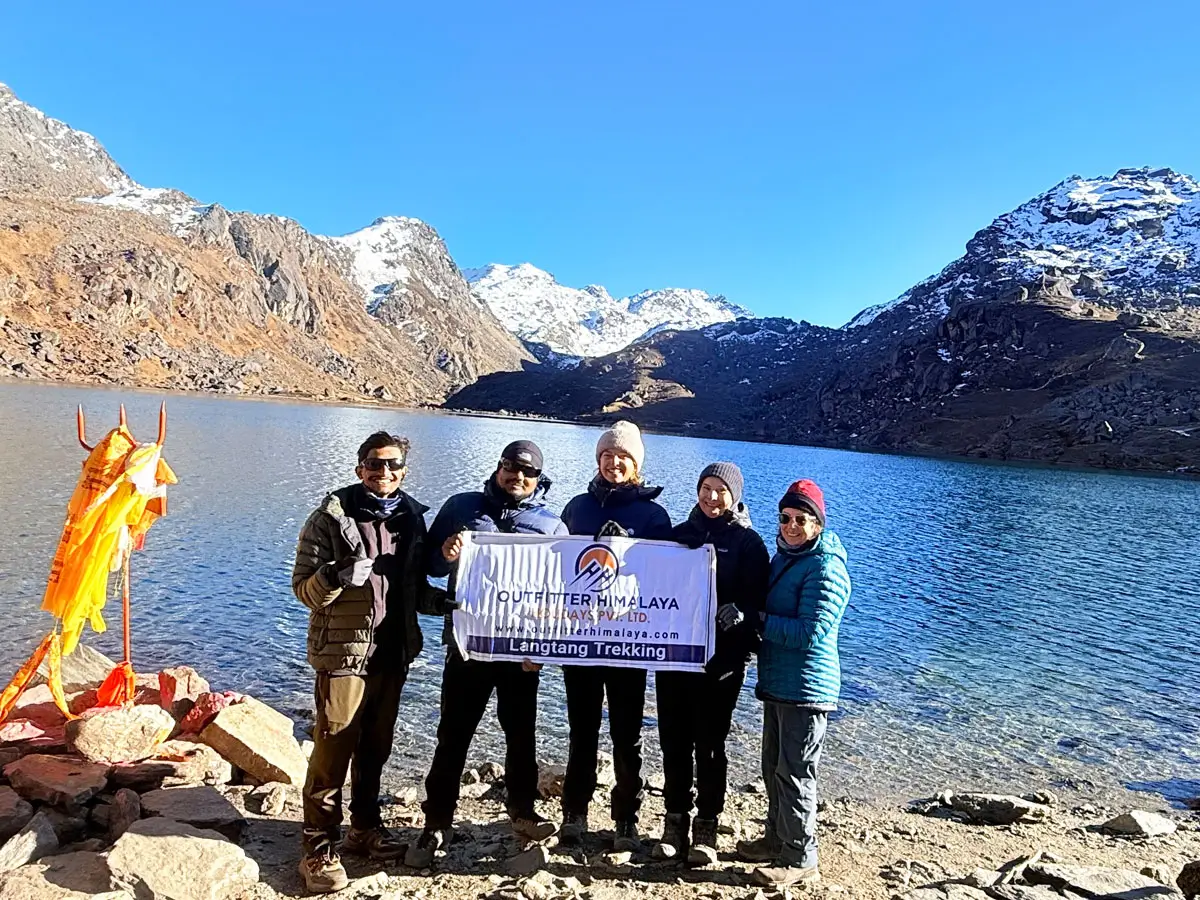
the Gosaikunda Lake!
Conclusion – Is September the Right Time for Langtang Valley Trek?
If you’re looking for a trekking experience that feels alive, fresh, and visually rich, the Langtang Trek in September is an excellent choice. September is the time when the valley comes out of the monsoon at its most vibrant – forests are deep green, rivers are full, and waterfalls are at their most powerful.
September may not offer clear skies every day, but it offers a dynamic and evolving Himalayan experience. From misty mornings in forest trails to gradually opening mountain views near Kyanjin Gompa, every day feels unique and engaging.
As the month progresses, trekking conditions improve significantly, and by mid- to late September, the weather becomes more stable, visibility increases, and the trails begin to dry, offering a balanced mix of lush scenery and comfortable trekking conditions.
Another major advantage is the peaceful atmosphere; the Langatng Valley feels more personal and immersive. You get more time to connect – not just with nature, but also with the local Tamang culture and mountain lifestyle.
Of course, early September may still bring some rain and damp trails, but these are small and manageable with proper preparation. For many trekkers, the rewards – fresh landscapes, dramatic scenery, and quieter trails – far outweigh these minor challenges.
For those who appreciate nature at its most energetic and authentic, the Langtang Valley Trek in September offers a trekking experience that is both refreshing and unforgettable.
The Annapurna Circuit Trek covers approximately 102 kilometers of walking on Outfitter Himalaya’s classic 15-day itinerary, including the Manang acclimatization hike. The journey unfolds through riverside forests, mountain villages and open valleys before crossing Thorong La [...]
The Annapurna Circuit Trek costs about USD 650–1,900 per person with Outfitter Himalaya, depending on the itinerary, group size, and services included. Outfitter Himalaya’s 15-day Classic Annapurna Circuit Trek has published group-size prices of USD [...]
Foreign trekkers need a trekking permit to trek the Annapurna Circuit, and we suggest settling it before you head out. Arranging the correct paperwork before departure helps avoid extra charges and interruptions once your journey [...]