Annapurna Base Camp Trek In January 2027

Arjun Rijal
Updated on June 09, 2026

Walking into the Heart of the Himalayas during Nepal’s Deep Winter Season: Annapurna Base Camp Trek in January is a journey through the Himalayas at their quietest, coldest, and perhaps most beautiful. The busy trails of autumn have long disappeared, leaving behind snow-covered landscapes, frozen waterfalls, and a deep sense of solitude that feels increasingly rare in today’s trekking world. The fresh snow settles across high ridges and icy winds sweep through the Annapurna Sanctuary, the mountains seem larger, wilder, and more dramatic than ever.

The ABC trek begins in the lower foothills of the Annapurna, where traditional villages and terraced farmlands continue their daily rhythm during the winter season. The mountain scenery begins to change when the trail gradually climbs through dense rhododendron and bamboo forests, and frost appears on the ground in the mornings, mountain streams run cold and clear, and distant snow-covered peaks emerge above the valley. The feeling of entering a true Himalayan winter wilderness becomes stronger with every step toward Annapurna Base Camp.

One of the most remarkable aspects of ABC trekking in January is the silence. The trail feels more personal and immersive without the large crowds. The sound of boots crunching across frozen paths, prayer flags fluttering in the cold mountain breeze, and the occasional call of Himalayan birds replace the constant movement often found during peak trekking seasons. The peaceful atmosphere becomes one of the most memorable parts of the entire journey.

The winter air is exceptionally dry and clear, creating some of the sharpest mountain views of the year, so January remains surprisingly rewarding for those who are well prepared. Peaks such as Annapurna I (8,091m), Annapurna South, Machhapuchhre (Fishtail), Hiunchuli, and Gangapurna rise above the landscape in stunning clarity, their snow-covered faces glowing beneath deep blue Himalayan skies.

If you are looking for more than just a trekking destination, the Annapurna Base Camp Trek in January offers something truly special, as it is not simply a trek to a famous base camp, but an opportunity to experience the Annapurna Sanctuary in its most peaceful and untouched form, where winter reveals a side of the Himalayas that few travelers are fortunate enough to witness.

Annapurna Base Camp Trek in January – Experience Nepal’s Ultimate Winter Trekking Adventure

Annapurna Base Camp Trek in January is one of the unique winter trekking experiences in Nepal. While many travelers assume that the Himalayan winter is too harsh for trekking, January often rewards well-prepared adventurers with extraordinary scenery, exceptional mountain visibility, and a level of tranquility rarely found during the busier trekking seasons.

January brings a dramatic transformation to the landscape along the ABC Trail and is the coldest month of the year. Snow frequently blankets the higher elevations around Deurali, Machhapuchhre Base Camp, and Annapurna Base Camp, creating breathtaking alpine scenery throughout the Annapurna Sanctuary. The frozen streams, snow-covered forests, and sparkling mountain ridges combine to create an environment that feels entirely different from the greener landscapes of spring or autumn.

One of the greatest rewards of trekking in January is reaching Annapurna Base Camp at 4,130 meters, which is surrounded by a natural amphitheater of Himalayan giants. You will be treated to panoramic views of:

  • Annapurna I (8,091 m)
  • Annapurna South
  • Machhapuchhre (Fishtail)
  • Hiunchuli
  • Gangapurna
  • Annapurna III
  • Tent Peak

During clear winter mornings, the first rays of sunlight gradually illuminate the snow-covered peaks, creating one of the most spectacular mountain panoramas in the Himalayas.

January is an ideal time to trek to ABC if you are seeking a quieter and more authentic trekking experience in Nepal. The teahouses remain open, and the number of trekkers drops significantly, creating a more peaceful atmosphere and allowing you to interact with local communities.

The winter conditions demand proper preparation, warm clothing, and a flexible mindset. If you embrace cold mornings, snowy trails, and the challenges of high-altitude winter trekking, the Annapurna Base Camp Trek in January offers an unforgettable adventure filled with solitude, beauty, and some of the most dramatic Himalayan scenery in Nepal.

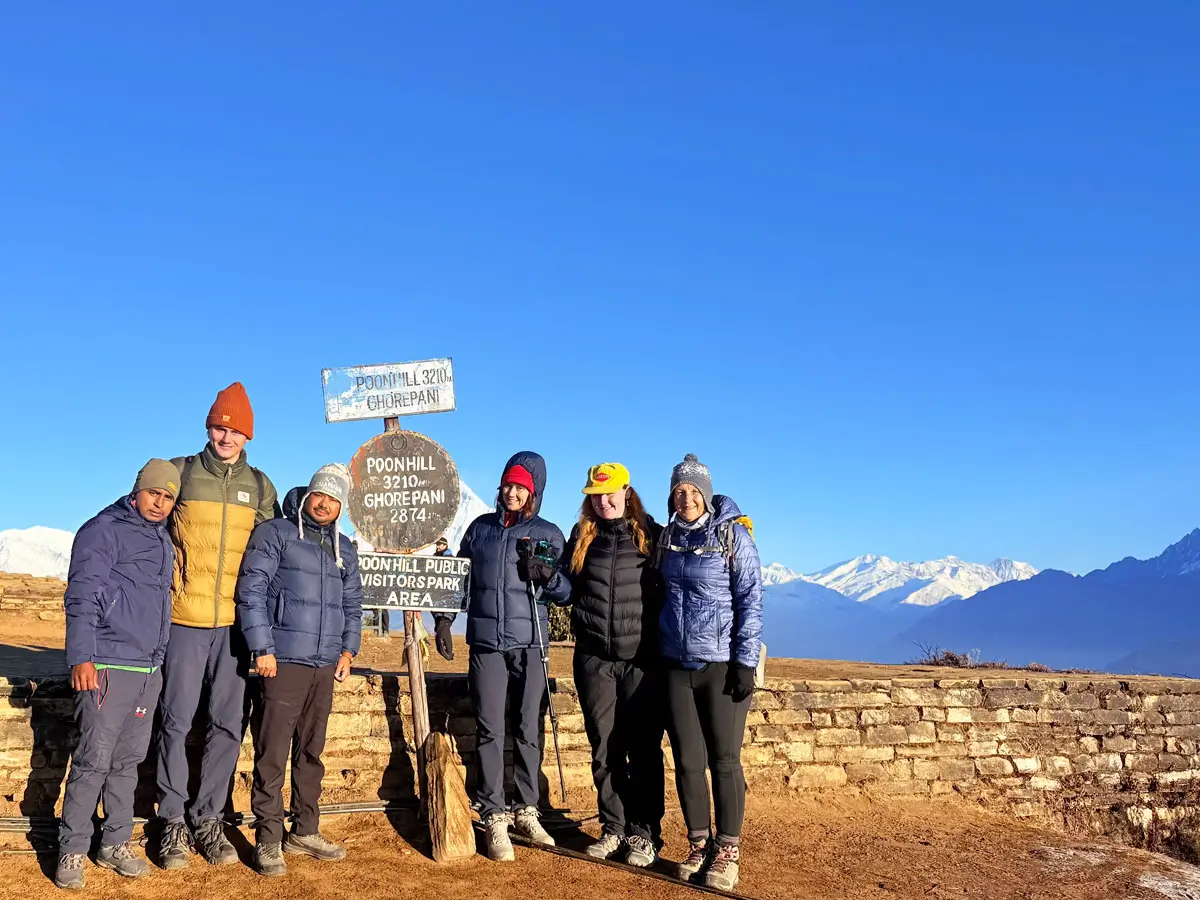
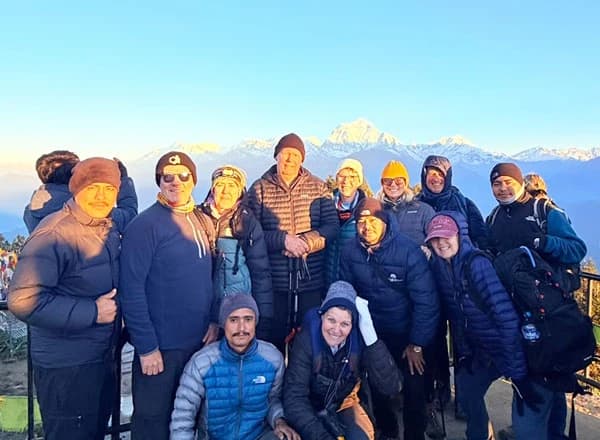
Poon hill view point
Poon hill view point!

Highlights of Annapurna Base Camp Trek in January

Why January offers one of the Most Unique Himalayan Experiences in Nepal

  • Experience the Annapurna Sanctuary during the heart of Nepal's winter season.
  • Witness breathtaking views of Annapurna I (8,091m), Machhapuchhre (6,993m), Annapurna South, Hiunchuli, and Gangapurna beneath crystal-clear winter skies.
  • Trek through snow-covered landscapes, frozen waterfalls, and pristine alpine valleys.
  • Enjoy peaceful trails with far fewer trekkers than in the busy autumn months.
  • Reach Annapurna Base Camp (4,130m) surrounded by a magnificent amphitheater of snow-capped Himalayan peaks.
  • Capture stunning winter photography featuring fresh snowfall, dramatic mountain panoramas, and golden Himalayan sunrises.
  • Walk through traditional Gurung villages and experience authentic mountain culture during the quieter winter season.
  • Enjoy cozy evenings in Himalayan teahouses with warm meals and welcoming local hospitality.
  • Experience some of the clearest mountain visibility of the year thanks to January's cold and dry weather conditions.
  • Witness magical sunrise and sunset views as snow-covered peaks glow in shades of gold, orange, and pink.
  • Challenge yourself with a rewarding winter trekking adventure without requiring technical mountaineering skills.
  • Discover a quieter, more intimate side of one of Nepal's most iconic trekking routes.
26 reviews
14 Days
Price from
US$850
Most Popular

Best Annapurna Base Camp Trek Itineraries for January

Annapurna Base Camp Trek Weather and Temperature in January

Deep Winter Conditions, Crystal-Clear Skies, and Some of the Best Mountain Views of the Year: January is the coldest month of the year in the Annapurna, as January brings true winter conditions to the Annapurna Base Camp Trek. The snow-covered trails, frosty mornings, frozen waterfalls, and crisp mountain air become defining features of the journey. Despite the cold, January remains one of the most rewarding months for trekkers seeking dramatic winter landscapes and exceptional mountain visibility.

Annapurna Sanctuary often feels quieter, whiter, and more remote, with snow settling across higher elevations and temperatures continuing to drop in January. The Proper preparation is essential; the reward is a trekking experience filled with pristine scenery, peaceful trails, and some of the clearest Himalayan panoramas of the entire year.

One of the biggest surprises for many trekkers is that the weather in January is often more stable than expected. Rain is extremely rare, and many days are blessed with bright sunshine and clear blue skies. The challenge is not moisture; it is the cold.

What Does January Weather Feel Like on the Trail?

January trekking is defined by contrast, and the mornings often begin in freezing conditions with frost covering rooftops, prayer flags fluttering in icy winds, and the surrounding mountains glowing under the first light of dawn. As the sun climbs higher, temperatures become much more comfortable, especially in the lower and mid-elevation sections of the route.

By afternoon, many trekkers find themselves walking beneath clear skies with surprisingly pleasant trekking conditions. Then, as evening arrives, temperatures drop quickly once again, and winter returns to the valley.

This daily cycle continues throughout much of the trek.

Morning Weather Conditions

Mornings are usually the coldest part of the day, and trekkers often wake up to:

  • Frost-covered trails
  • Frozen water bottles
  • Icy lodge surroundings
  • Crystal-clear mountain views

The air feels exceptionally clean and sharp at higher elevations. Temperatures before sunrise often remain below freezing, and the cold can feel particularly intense before the sun reaches the valley floor above Deurali. However, these early hours also offer some of the best conditions for photography and mountain viewing throughout the entire trek.

Daytime Weather Conditions

Once the sun rises, trekking conditions become much more comfortable, and most January afternoons bring:

  • Sunny skies
  • Low humidity
  • Excellent visibility
  • Stable weather
  • Comfortable walking conditions

Even though temperatures remain cold, the direct sunlight often makes trekking pleasant during the day, and many trekkers are surprised by how enjoyable daytime hiking can feel despite winter conditions.

Nighttime Weather Conditions

As the sun disappears behind the mountains, temperatures drop rapidly. At higher elevations, evenings become significantly colder than during autumn and trekkers staying at:

  • Deurali
  • Machhapuchhre Base Camp
  • Annapurna Base Camp
  • should expect freezing nighttime conditions throughout January.

Warm sleeping bags and proper layering become particularly important during this part of the trek.

14 reviews
5 Days
Price from
US$390
Short ABC

Temperature Range by Elevation in January

Temperatures vary considerably depending on altitude.

Lower Elevations (800m–2,000m)- JhinuDanda, Chhomrong, Sinuwa

  • Daytime: 10°C to 18°C
  • Night: 2°C to 8°C

These lower villages remain relatively comfortable throughout January and rarely experience severe winter conditions.

Mid Elevations (2,000m–3,000m)- Bamboo, Dovan, Himalaya

  • Daytime: 5°C to 12°C
  • Night: -2°C to 4°C

Winter conditions are much more noticeable in these sections, especially in the mornings and evenings.

Higher Elevations (3,000m–4,130m)- Deurali, Machhapuchhre Base Camp, Annapurna Base Camp

  • Daytime: 0°C to 8°C
  • Night: -10°C to -5°C

This is where trekkers experience true Himalayan winter conditions.

Snowfall, frost, and freezing temperatures are common throughout January.

Snowfall Conditions in January

January is one of the snowiest months on the Annapurna Base Camp route. Snowfall is most common above:

  • Deurali
  • Machhapuchhre Base Camp
  • Annapurna Base Camp

Depending on weather patterns, you may encounter:

  • Fresh snowfall
  • Snow-covered trails
  • Frozen streams
  • Icy sections of the route

Why Mountain Visibility Is So Exceptional in January

Although January is cold, it provides one major advantage that many trekkers consider worth the extra layers, and the dry winter atmosphere removes:

  • Haze
  • Humidity
  • Dust particles
  • Monsoon moisture

allowing mountains to appear incredibly sharp and vivid, and trekkers frequently enjoy breathtaking views of:

  • Annapurna I (8,091m)
  • Machhapuchhre (Fishtail)
  • Annapurna South
  • Hiunchuli
  • Gangapurna
  • Annapurna III

The contrast between white snow-covered peaks and deep blue skies creates some of the most spectacular scenery found anywhere in Nepal.

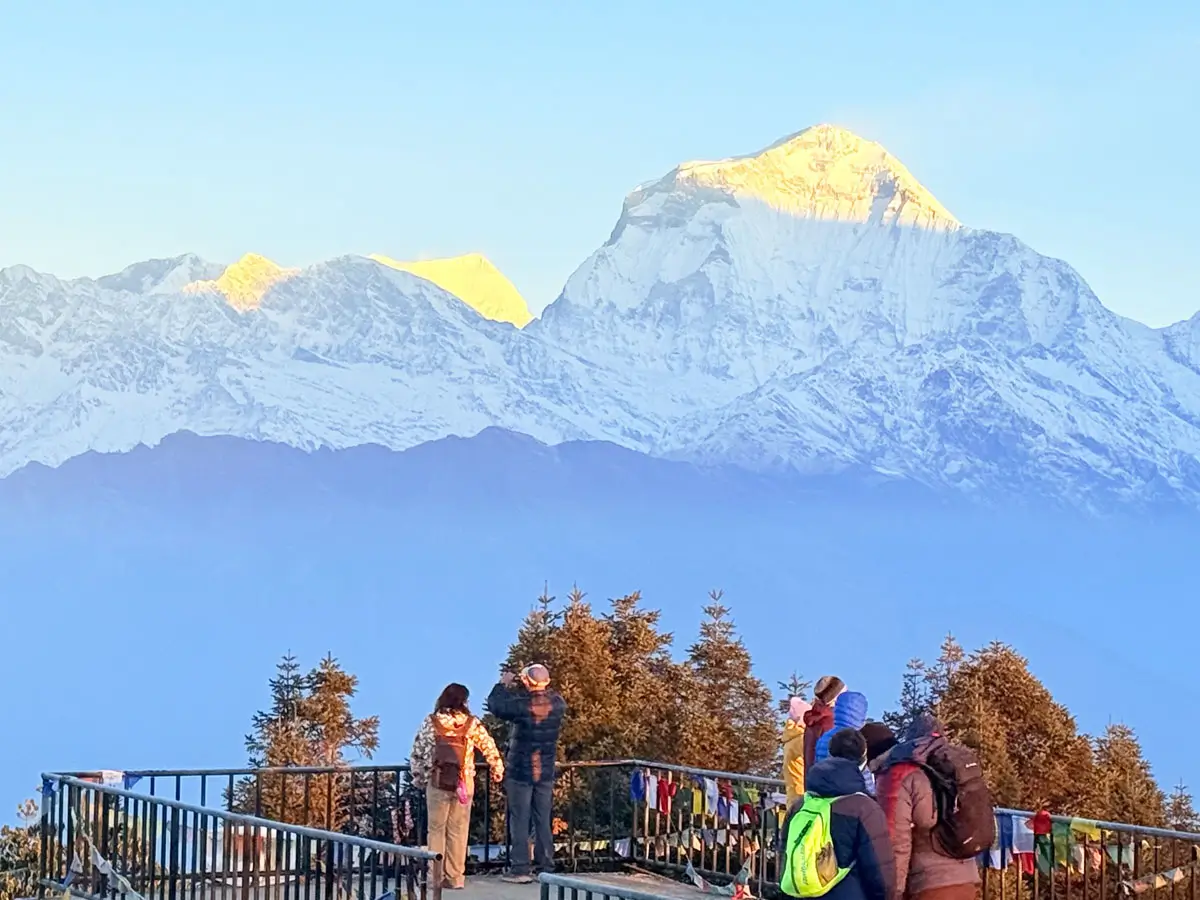
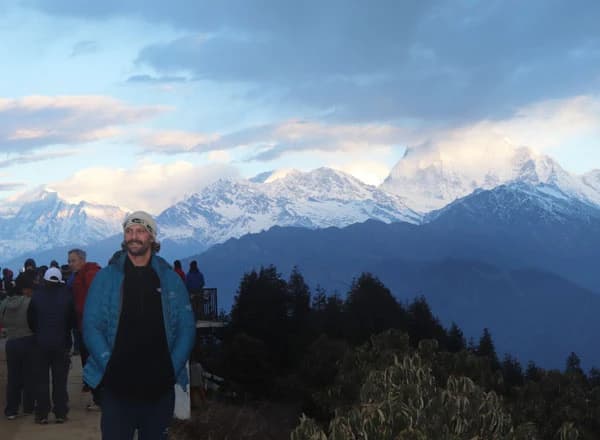
Himalaya view from Poon Hill
Himalaya view from Poon Hill!

Culture and Village Life During the Annapurna Base Camp Trek in January

Discover the Warm Heart of the Himalayas During Nepal's Coldest Season: While the snow-covered peaks along the Annapurna Sanctuary region often steal the spotlight, the cultural experiences along the Annapurna Base Camp Trek are equally rewarding.  In January, when the trails become quieter and winter settles across the mountains, village life reveals a more authentic and intimate side of the Himalayas.

January offers unique opportunities to experience local culture without the crowds, from the stone-paved streets of Gurung villages to the warm dining halls of remote teahouses. The ABC Journey is a walk through spectacular landscapes and traditional mountain communities. The communities have preserved their customs, hospitality, and way of life for generations.

Experience Traditional Gurung Mountain Villages

Many settlements along the Annapurna Base Camp route are home to the Gurung community, and Gurung is one of Nepal's most respected mountain ethnic groups. As you pass through villages such as:

  • Ghandruk
  • Chhomrong
  • Sinuwa

You'll trek through traditional stone houses, terraced farmlands, prayer flags fluttering in the mountain breeze, and communities that have adapted to life in the Himalayas for centuries.

Even in the middle of winter, daily life continues much as it always has. Farmers tend livestock, families gather around warm kitchens, and residents go about their routines against a backdrop of towering snow-capped peaks.

A Different Atmosphere During the Winter Season

January brings a noticeably different atmosphere to the Annapurna region. During autumn, villages often buzz with trekkers arriving from around the world. The pace slows and becomes more peaceful, and the quieter trails create:

  • More meaningful conversations
  • Less crowded teahouses
  • Stronger cultural connections
  • A more authentic village experience

Without the constant flow of visitors, many trekkers find it easier to appreciate the rhythms of mountain life and observe the local communities in January.

The Warmth of Himalayan Hospitality

One of the most memorable aspects of the Annapurna Base Camp Trek is the hospitality of the people who live along the route. January's cold temperatures make this hospitality feel even more special.  After a long day of trekking through snowy landscapes, few experiences are more comforting than stepping inside a warm teahouse where:

  • Hot tea is waiting
  • Hearty meals are served
  • Conversations flow around the dining room stove
  • Local host welcomes guests with genuine kindness

The contrast between the freezing temperatures outside and the warmth inside creates a memorable part of the trekking experience.

Cozy Evenings in Traditional Teahouses

Winter evenings often become some of the most enjoyable moments of the entire trek. As darkness falls early across the mountains, trekkers gather in dining halls illuminated by warm lights and heated by central stoves, and these evenings often include:

  • Sharing trekking stories
  • Enjoying traditional Nepali meals
  • Planning the next day's journey
  • Learning about local life from lodge owners

The atmosphere feels relaxed and personal in January, when the number of trekkers is lower than in peak season. For many travelers, these simple moments become just as memorable as reaching Annapurna Base Camp itself.

Traditional Food Along the Trail

Food plays an important role in the trekking experience, especially during winter, and the popular meals include:

  • Dal Bhat (Nepal's traditional meal)
  • Noodle soups
  • Fried rice
  • Tibetan bread
  • Momos
  • Hot porridge

During cold January evenings, a warm meal after a day on the trail feels particularly satisfying. Dal Bhat remains the favorite choice for many trekkers because it provides the energy needed for long days in the mountains.

Spiritual Elements Along the Route

The Annapurna region also reflects a rich spiritual heritage, and you'll encounter the following throughout the trek:

  • Prayer flags
  • Mani walls
  • Small shrines
  • Buddhist symbols

These spiritual elements add depth to the journey and reflect the strong connection between local communities and the surrounding mountains.

A More Personal Connection to the Annapurna Region

Perhaps the greatest cultural advantage of trekking in January is the sense of connection it creates. The quieter season encourages travelers to slow down, spend more time in villages, and engage more deeply with the people who call these mountains home.

Instead of simply passing through the Annapurna region, you become part of its daily rhythm, sharing meals, stories, and experiences with local communities. In a season defined by snow, silence, and solitude, it is often these human connections that leave the strongest and lasting impression.

Why January Enhances the Cultural Experience

  • January allows you to experience:
  • Quieter mountain villages
  • More authentic local interactions
  • Peaceful teahouse environments
  • Traditional Gurung culture
  • Warm Himalayan hospitality
  • Cozy winter evenings
  • A deeper connection to local life
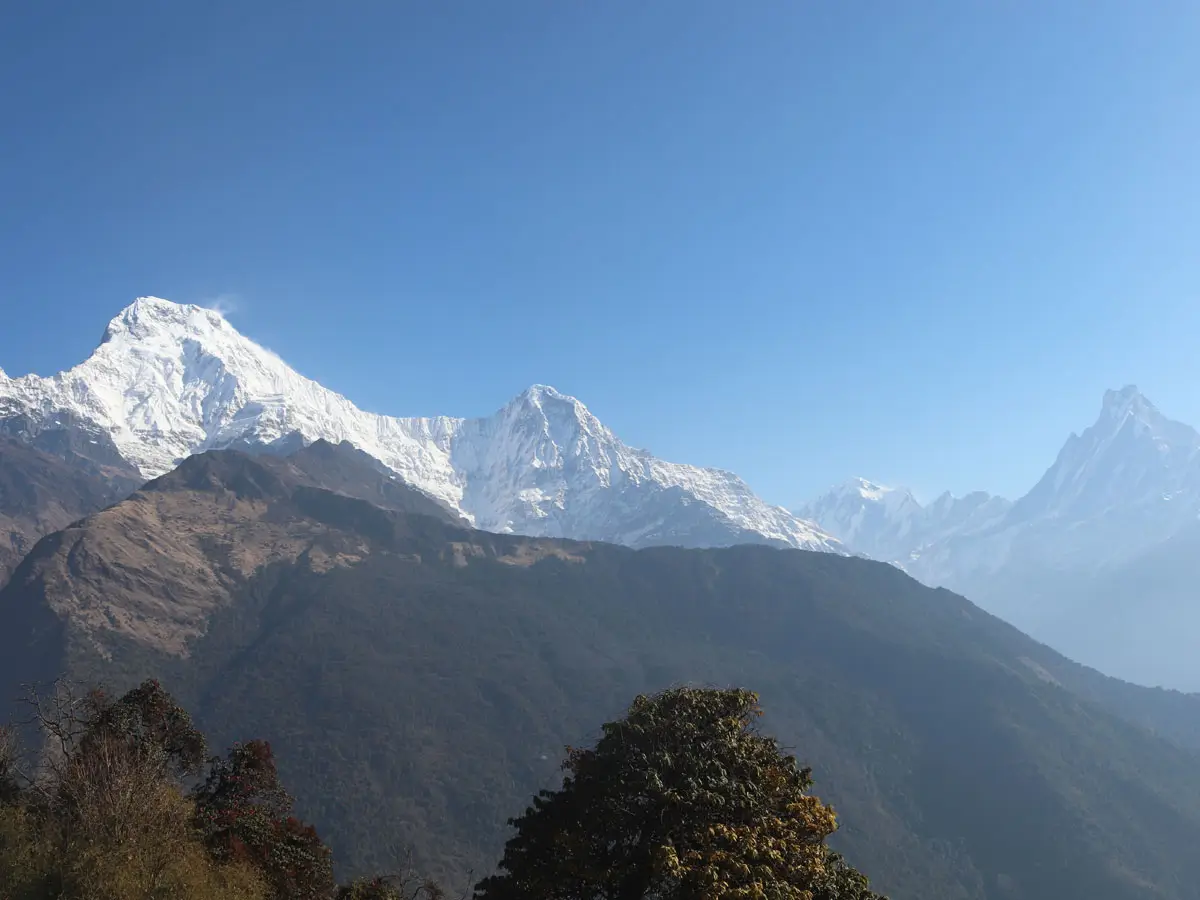
Himalaya view from Tadapani
Himalaya view from Tadapani!

Best Weeks to Trek Annapurna Base Camp in January

Early, Mid, or Late January: Which Period Offers the Best Experience?

Although January is considered the peak of winter in the Annapurna region, trekking conditions can still vary slightly throughout the month. Differences in snowfall, temperatures, trail conditions, and overall conditions may influence which period best suits your preferences.

Fortunately, there is no “bad” time to trek to Annapurna Base Camp in January. The entire month offers exceptional mountain scenery, peaceful trails, and a unique winter experience. The choice ultimately depends on whether you prioritize slightly milder conditions, fresh snowfall, or maximum solitude.

Early January (1st -10th January): Best for Balanced Winter Conditions

Early January often feels like a continuation of late December, and trekkers can typically expect:

  • Stable weather patterns
  • Clear mountain views
  • Cold but manageable temperatures
  • Moderate snow coverage at higher elevations

Many sections of the trail remain relatively easy to navigate, while the upper sanctuary still showcases beautiful winter scenery. For travelers trekking in winter for the first time, early January can offer an excellent balance between adventure and comfort, and is ideal for:

  • First-time winter trekkers
  • Photographers
  • Travelers seeking stable weather
  • Trekkers looking for moderate winter conditions

Mid-January (11th–20th January) - The Heart of the Himalayan Winter Season

Mid-January often delivers the classic winter experience that many trekkers hope to find, and this period typically features:

  • Colder temperatures
  • Increased snow coverage
  • Dramatic winter landscapes
  • Exceptionally clear mountain views

The Annapurna Sanctuary often appears at its most spectacular during this time, with snow decorating the surrounding peaks and alpine terrain.

For photographers and winter enthusiasts, mid-January can be one of the most rewarding periods of the entire trekking year and ideal for:

  • Snow lovers
  • Winter landscape photographers
  • Experienced trekkers
  • Travelers seeking a true winter adventure

Late January (21st–31st January) - Maximum Solitude Before Spring Approaches

Late January remains firmly within the winter season, but subtle changes sometimes begin to appear as February approaches, and trekkers may experience:

  • Continued snow conditions
  • Very quiet trails
  • Peaceful teahouses
  • Beautiful winter scenery

The major advantage of late January is often the sense of solitude. By this stage, visitor numbers remain low, allowing trekkers to enjoy a more personal connection with the mountains and local communities. The atmosphere can feel remarkably peaceful throughout the route and is ideal for:

  • Trekkers seeking solitude
  • Repeat visitors to the Annapurna region
  • Travelers who enjoy quieter trails
  • Winter adventure enthusiasts

Which Part of January is Best?

The Mid - January offers the most complete winter experience, and it combines:

  • Spectacular snow-covered scenery
  • Exceptional mountain visibility
  • Authentic winter atmosphere
  • Unforgettable Himalayan landscapes

There are no dramatic differences to trek ABC between early, mid, and late January; the entire month is an excellent choice for travelers seeking a quieter, snowier, and more adventurous version of the Annapurna Base Camp Trek.

Trail Conditions and Snow Coverage During the Annapurna Base Camp Trek in January

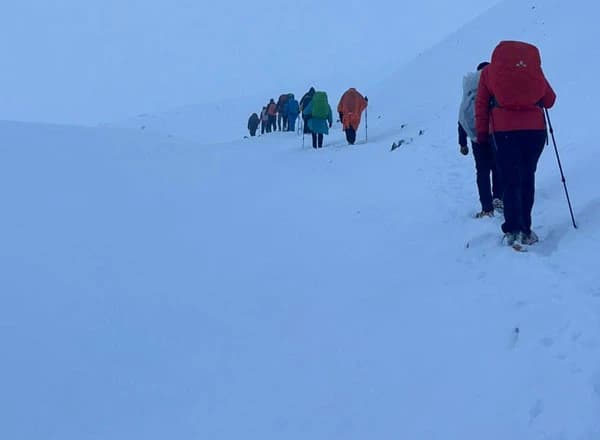
January brings the highest probability of snow along the Annapurna Base Camp route, particularly above Deurali. While the lower sections of the trek usually remain dry and easy to navigate, the higher elevations often experience snow-covered trails, frozen streams, and occasional icy patches.

  • Lower Elevations (JhinuDanda – Chhomrong): Most of the lower sections remain largely snow-free throughout January, and you can generally expect stable trails and comfortable walking conditions.
  • Mid Elevations (Sinuwa – Himalaya): As the trail climbs deeper into the valley, frost and icy patches become more common, especially in the early morning when temperatures remain below freezing.
  • Higher Elevations (Deurali – MBC – ABC): The upper part of the trek experiences the most significant winter conditions, and depending on recent weather patterns, you may encounter fresh snowfall, snow-covered trails, and frozen sections.

Is the Trail Safe in January?

  • Yes, the Annapurna Base Camp Trek remains achievable in January; however, it is recommended to have proper winter footwear, trekking poles, and awareness of changing weather conditions.

Overall Trail Conditions Verdict

  • January offers some of the most beautiful trail conditions of the year for winter trekking enthusiasts, and the snow and ice add a moderate level of difficulty, transforming the Annapurna Sanctuary into a spectacular winter landscape.
1 Hours
Price from
US$700
ABC Heli Tour

Why Trek Annapurna Base Camp in January- Benefits of ABC Trek in January

  • Experience the Annapurna Sanctuary at its Wildest, Quietest, and Most Beautiful.
  • While many trekkers dream of reaching Annapurna Base Camp during the popular spring and autumn seasons, January reveals an entirely different side of the Annapurna Sanctuary.

There is something special about the Himalayas in January, and the famous trekking trails that bustle with activity in spring and autumn fall silent. The fresh snow settles across high ridges, frozen streams weave through alpine valleys, and the towering peaks of the Annapurna range rise above the landscape in breathtaking clarity. January is not simply another month to visit Annapurna Base Camp – but an opportunity to experience the mountains in their purest form.

The rewards of trekking to Annapurna Base Camp in January are extraordinary, offering a trekking experience that feels both adventurous and deeply personal, from peaceful trails and snow-covered scenery to crystal-clear mountain views and authentic cultural encounters.

Experience the Annapurna Sanctuary at the Peak of Winter Beauty: Himalayan Wonderland

January is the heart of winter in the Annapurna region, transforming the entire sanctuary into a spectacular mountain wilderness. One of the biggest attractions of the January trek is the opportunity to experience the Annapurna Sanctuary draped in winter snow.

As you climb higher into the valley, the scenery gradually changes, the forests become frosted with ice, waterfalls freeze along rocky cliffs, and fresh snow blankets the upper reaches of the trail. The famous Annapurna Sanctuary feels more dramatic, more remote, and more majestic than during any other season.

  • Unlike autumn, when the landscape is mostly dry and brown, January introduces a completely different visual experience, one shaped by snow, ice, and the raw beauty of winter.
  • If you are seeking unforgettable Himalayan scenery, a few months can match the atmosphere of January.

Reach Annapurna Base Camp (4,130 m) in Peak Winter

Standing at Annapurna Base Camp during the heart of winter feels remarkably different from standing there in other seasons. Surrounded by snow-covered peaks and winter silence, trekkers gain a deeper appreciation of the Annapurna Sanctuary's scale and beauty. The sense of accomplishment is often even greater because of the winter conditions.

Enjoy Some of the Clearest Mountain Views of the Entire Year

One of January's greatest advantages is visibility. January's cold, dry atmosphere creates some of the clearest mountain visibility of the entire year. The cold winter air contains very little moisture, dust, or haze, which allows mountains to appear incredibly sharp and well-defined. The views seem almost unreal as the peaks rise against deep blue skies with extraordinary clarity on a clear morning.

On clear days, trekkers can enjoy breathtaking views of:

  • Annapurna I (8,091 m)
  • Machhapuchhre (Fishtail)
  • Annapurna South
  • Hiunchuli
  • Gangapurna
  • Annapurna III
  • Tent Peak

The mountains often appear exceptionally sharp against deep blue winter skies, creating incredible photography opportunities throughout the trek. For photographers and mountain enthusiasts, January often provides some of the best panoramic conditions of the entire year.

17 Days
Price from
US$850
Three Destinations

Experience the Annapurna Sanctuary at its quietest: without the crowd of Peak Season

One of the biggest differences between January and the popular autumn months is the number of people on the trail. During October and November, popular sections of the Annapurna Base Camp route can feel busy with trekkers from around the world. In January, the atmosphere changes completely.

You may spend long stretches of the day walking through forests and valleys without encountering large groups. Viewpoints feel more peaceful, villages are quieter, and the journey becomes far more immersive, and many trekkers spend hours walking through:

  • Silent forests
  • Empty mountain trails
  • Quiet villages
  • Uncrowded viewpoints

without encountering large trekking groups. This solitude allows trekkers to connect more deeply with both the mountains and the experience itself.

Experience a True Himalayan Winter Adventure

January offers something that many trekkers actively seek: a genuine winter trekking experience. Rather than simply visiting the Himalayas, you become part of the winter landscape itself and expect:

  • Snow-covered trails
  • Frosty mornings
  • Frozen waterfalls
  • Icy mountain streams
  • Crisp alpine air

Every day feels like an adventure as the winter environment constantly reminds you that you are trekking through one of the world's greatest mountain ranges.

Discover a More Peaceful and Authentic Side of the Annapurna Region

The quieter winter season creates opportunities for more meaningful cultural experiences. Without the rush of peak trekking traffic, villages often feel more relaxed and personal. Conversations with teahouse owners last longer, local hospitality feels more genuine, and trekkers gain a deeper appreciation for life in the mountains during winter.

The journey becomes less about simply reaching a destination and more about experiencing the rhythm of Himalayan life.

Witness Magical Winter Sunrises illuminating Snow-Covered Himalayan Giants

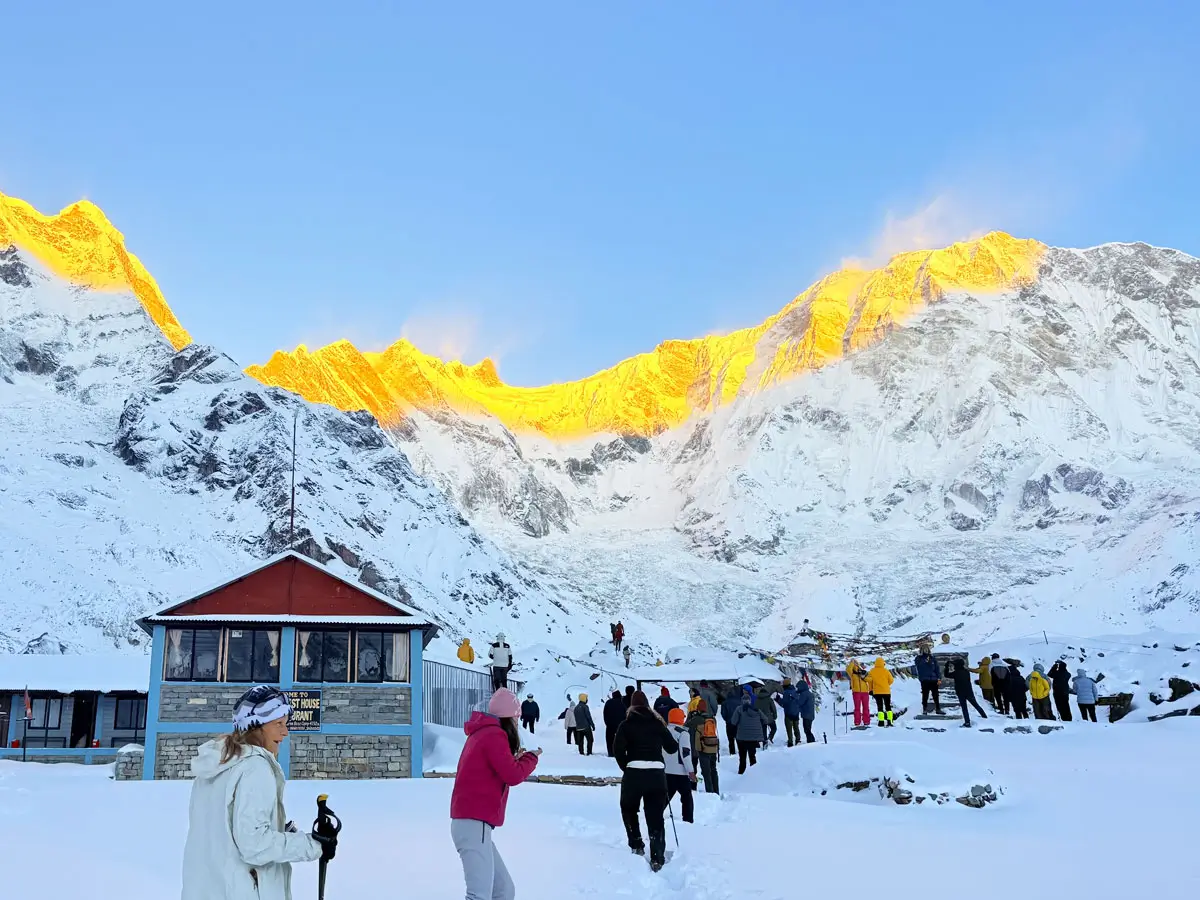
A few moments compared to watching the first sunlight touch the snow-covered peaks surrounding Annapurna Base Camp. Before dawn, the landscape remains frozen and silent beneath the shadow of towering peaks. Gradually, the first rays of sunlight reach the highest summits, turning snow-covered mountains shades of gold, orange, and pink.

As dawn breaks across the sanctuary:

  • Annapurna I glows golden
  • Machhapuchhre catches the first light
  • Shadows slowly retreat across the valley floor
  • The entire mountain amphitheater comes to life

For many trekkers, this becomes the most memorable moment of the entire journey.

Capture Extraordinary Winter Photography

January creates photography conditions that are difficult to find during other seasons, and the combination of:

  • Fresh snow
  • Deep blue skies
  • Dramatic mountain contrasts
  • Frozen landscapes
  • Clear winter light

offers endless opportunities for incredible images. Whether capturing sunrise over Annapurna I, frozen waterfalls near Deurali, or snow-covered forests along the trail, every day provides new photographic inspiration.

Enjoy Cozy Teahouses Experiences After Cold Trekking Days

Winter trekking makes simple comforts feel even more rewarding. After spending hours on snowy trails, trekkers can relax inside warm teahouses where:

  • Hot meals are served
  • Tea and coffee provide warmth
  • Dining halls become social gathering spaces
  • local hospitality shines through

The contrast between the cold mountain environment outside and the warmth of a Himalayan lodge creates some of the most memorable moments of the journey.

Challenge Yourself Beyond the Ordinary Trekking Season

January is not the easiest time to trek to Annapurna Base Camp, and that is precisely why many adventurers love it. Winter conditions add:

  • Excitement
  • Unpredictability
  • A sense of achievement
  • A greater connection with the mountains

Completing the trek during Nepal's coldest month often feels more rewarding because the experience requires determination, preparation, and resilience.

Experience Annapurna Base Camp at Its Most Serene and Unforgettable

Perhaps the greatest reason to trek to Annapurna Base Camp in January is the atmosphere itself.

  • The silence of snow-covered valleys, the sharp winter air, the empty trails, and the immense presence of the surrounding mountains create an experience that feels profoundly different from any other season.
  • January strips away distractions and reveals the Annapurna Sanctuary in its purest form.

For trekkers seeking solitude, adventure, breathtaking scenery, and a genuine Himalayan winter experience, there may be no better time to visit Annapurna Base Camp than January.

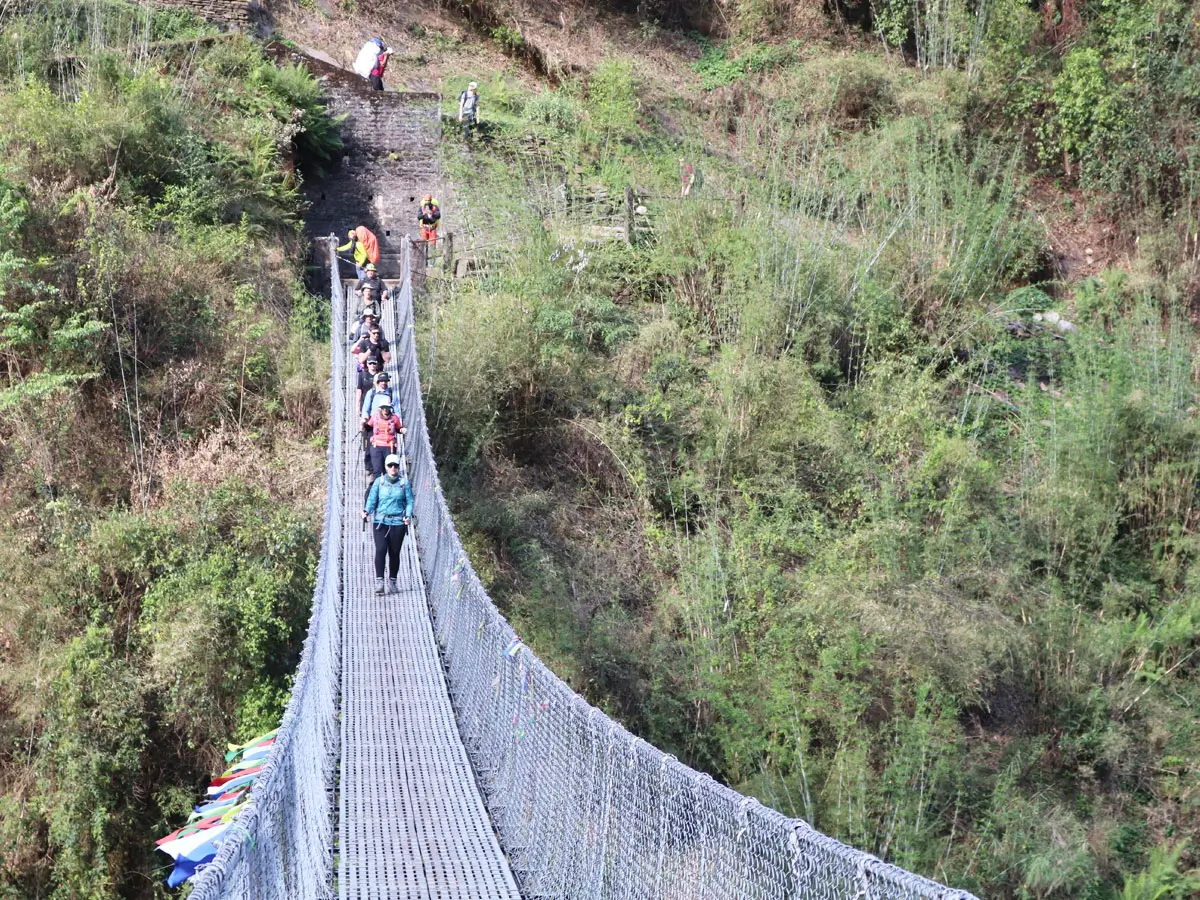
Bridge on ABC Trail
Bridge on ABC Trail!

Cons of Annapurna Base Camp Trek in January - Important Challenges on ABC Trek in January

January offers some of the most spectacular winter scenery in the Annapurna region, but it is also the coldest month of the year. Snow-covered trails, freezing temperatures, and shorter daylight hours add an extra layer of challenge that trekkers should understand before planning their journey.

  • The challenges are not disadvantages, and for many adventurers, they are part of what makes trekking to Annapurna Base Camp in January a unique and rewarding experience.
  • The key is to prepare properly, understand the conditions, and approach the trek with realistic expectations.

January Is the Coldest Month on the Trail

The most obvious challenge of trekking in January is the cold. As trekkers move higher into the Annapurna Sanctuary, temperatures start to drop significantly, especially in the mornings and at night. At Annapurna Base Camp (4,130m), temperatures often fall below freezing and may occasionally reach:

  • -10°C or lower during cold nights
  • Sub-zero temperatures before sunrise
  • Freezing conditions around lodges and campsites

While daytime trekking can still feel comfortable under sunshine, the cold becomes much more noticeable after sunset.

Increased Snowfall Can Affect Trail Conditions

December marks the beginning of winter, and January usually experiences more snow accumulation at higher elevations, and you may encounter:

  • Snow-covered trails above Deurali
  • Icy sections near Machhapuchhre Base Camp
  • Fresh snowfall around Annapurna Base Camp
  • Slower walking conditions in snowy terrain

The ABC trek route normally remains accessible, but snowfall can occasionally alter trail conditions and the pace of trekking. This is one reason why flexibility is important when trekking in January.

Frozen Mornings Can Be Uncomfortable

One of the least discussed realities of winter trekking is the challenge of cold mornings. Before sunrise, trekkers often wake up to:

  • Frozen water bottles
  • Frost-covered windows
  • Icy pathways outside lodges
  • Extremely cold room temperatures

Getting out of a warm sleeping bag on a freezing Himalayan morning can sometimes be harder than the actual trekking itself. Fortunately, conditions usually improve once sunlight reaches the valley.

Shorter Daylight Hours Require Better Planning

January has the shortest trekking days of the year, and this means:

  • Earlier sunrises become important
  • Daily trekking schedules require better management
  • Delays become more significant
  • Less margin for slow trekking days

Trekkers should aim to reach their destination villages well before sunset whenever possible. Good time management becomes more important during winter.

Snow and Ice Can Increase Physical Difficulty

January trekking is more demanding than in autumn, even on familiar sections of the trail, snow and ice may lead to:

  • Slower walking speeds
  • Increased fatigue
  • Reduced traction
  • Greater reliance on trekking poles

Particularly above Deurali, winter conditions can make certain sections more physically challenging. Good trekking boots become especially important during this period.

Weather Conditions Can Change Quickly

January often delivers clear skies, mountain weather remains unpredictable, and occasionally, you will experience:

  • Sudden snowfall
  • Strong winds
  • Temporary cloud cover
  • Short weather-related delays

The Himalayas always require respect regardless of season, so a flexible itinerary and realistic expectations help to avoid unnecessary stress.

Winter Trekking Requires Better Preparation

January is not a month when trekkers can arrive with minimal planning, and the proper preparation includes:

  • Winter clothing
  • Warm sleeping gear
  • Suitable trekking boots
  • Trekking poles
  • Understanding altitude awareness

Compared to spring or autumn, January demands more attention to equipment and comfort, and the better prepared you are, the more enjoyable the trek becomes.

The Reality of Trekking to Annapurna Base Camp in January

The challenges of January are real, but they are also what make the experience so memorable.

  • Yes, the mornings are colder.
  • Yes, the trails may be covered in snow.
  • Yes, winter conditions require more preparation.

But in return, trekkers gain access to:

  • Extraordinary mountain scenery
  • Peaceful trails
  • Deep winter solitude
  • Pristine snow-covered landscapes
  • One of Nepal's most unique trekking experiences

For many adventurers, these rewards far outweigh the challenges, making January one of the most unforgettable times to trek to Annapurna Base Camp.

3 reviews
12 Days
Price from
US$1700
With Heli Rides!

Annapurna Base Camp Trek Difficulty in January - How Challenging is the ABC Trek January?

Reaching the Annapurna Base Camp is never simply a walk through the mountains. It involves multiple days of hiking, significant altitude gain, steep ascents and descents, and continuous movement through diverse terrain. The winter conditions add another layer of difficulty, making the journey more demanding in January.

The real question is not whether the trek is possible in January, but whether it is absolutely possible. The question is how prepared you are for the combination of altitude, cold weather, snow, and consecutive days of trekking.

Overall Difficulty Level

The Annapurna Base Camp Trek in January is Moderate to Moderately Challenging, and the route does not require:

  • Technical climbing skills
  • Mountaineering experience
  • Ropes or specialized alpine equipment

However, you should be prepared for:

  • 5–7 hours of walking per day
  • Long ascents and descents
  • High-altitude trekking
  • Winter weather conditions
  • Snow-covered sections of trail

If you are an active traveler with reasonable preparation, the trek remains highly achievable.

What Makes January More Difficult Than Other Months?

The trail itself does not change dramatically during winter, and the conditions surrounding it, and what January introduces:

  • Colder temperatures
  • Snow-covered paths
  • Icy sections
  • Freezing mornings
  • Additional clothing and gear requirements

Altitude Remains the Biggest Challenge

Many people focus on snow and cold; however, altitude remains the most important factor affecting the difficulty of the trek. The highest point of the trek is 4,130m, and at this elevation, the oxygen levels are significantly lower, and you may notice:

  • Heavier breathing during climbs
  • Reduced stamina
  • Slower recovery
  • Increased fatigue

Even fit trekkers often find themselves walking more slowly as they approach Annapurna Base Camp, and this is normal.

Can beginners trek to Annapurna Base Camp in January?

Yes, A healthy beginner with good preparation can complete the trek.

However, beginners should understand that winter conditions make the experience more demanding, and they should ideally:

  • Prepare with regular walking or hiking
  • Improve cardiovascular fitness
  • Understand altitude awareness
  • Invest in proper winter gear

The trek is challenging, but it is not reserved for expert hikers, as many first-time trekkers visit Annapurna Base Camp every winter.

How Snow Affects Trek Difficulty

Snow is one of the biggest differences between January and other seasons, and depending on recent weather, trekkers may encounter:

  • Snow-covered trails
  • Icy stone steps
  • Frozen sections of the path
  • Reduced traction

These conditions do not usually make the trek dangerous, but they can slow progress and make it more demanding, and trekking poles and quality boots are valuable.

Physical Fitness Requirements

You do not need to be an athlete to complete the Annapurna Base Camp Trek. However, reasonable fitness makes the experience significantly more enjoyable, and good preparation includes:

  • Regular walking
  • Stair climbing
  • Hiking practice
  • Light endurance training
  • Cardiovascular exercise

Trekkers who arrive with basic fitness typically find the journey much more comfortable.

Mental Preparation Is Equally Important

One aspect that is rarely discussed is the mental side of winter trekking, and January requires:

  • Early starts
  • Cold mornings
  • Patience during snowfall
  • Flexibility with conditions
  • Some days may feel more challenging simply because of the weather.

Trekkers who embrace winter rather than fight it usually have the most enjoyable experience. A positive mindset often matters as much as physical fitness.

Is the Annapurna Base Camp Trek Harder Than the Poon Hill Trek?

Absolutely, and compared to the Ghorepani Poon Hill Trek, Annapurna Base Camp involves:

  • Higher altitude
  • Longer trekking days
  • Greater elevation gain
  • More demanding terrain
  • Increased winter exposure

The Poon Hill Trek is often considered beginner-friendly, and Annapurna Base Camp requires greater endurance and commitment; however, the reward is greater.

Tips to Make the Trek Easier

Find a few simple habits that can dramatically improve your experience:

  • Walk slowly and consistently
  • Stay hydrated
  • Eat regularly
  • Use trekking poles
  • Dress in layers
  • Get adequate rest
  • Avoid rushing at higher elevations

The goal is not speed but steady progress, and most trekkers reach Annapurna Base Camp by maintaining a comfortable pace rather than pushing themselves too hard.

Difficulty Verdict

The Annapurna Base Camp Trek in January is undoubtedly more challenging, but it remains achievable with proper preparation, and the difficulty comes primarily from:

  • Altitude
  • Winter temperatures
  • Snow conditions
  • Consecutive trekking days

For those willing to prepare properly, the challenge is balanced by extraordinary rewards: snow-covered landscapes, peaceful trails, and the unforgettable experience of standing at Annapurna Base Camp during the heart of the Himalayan winter.

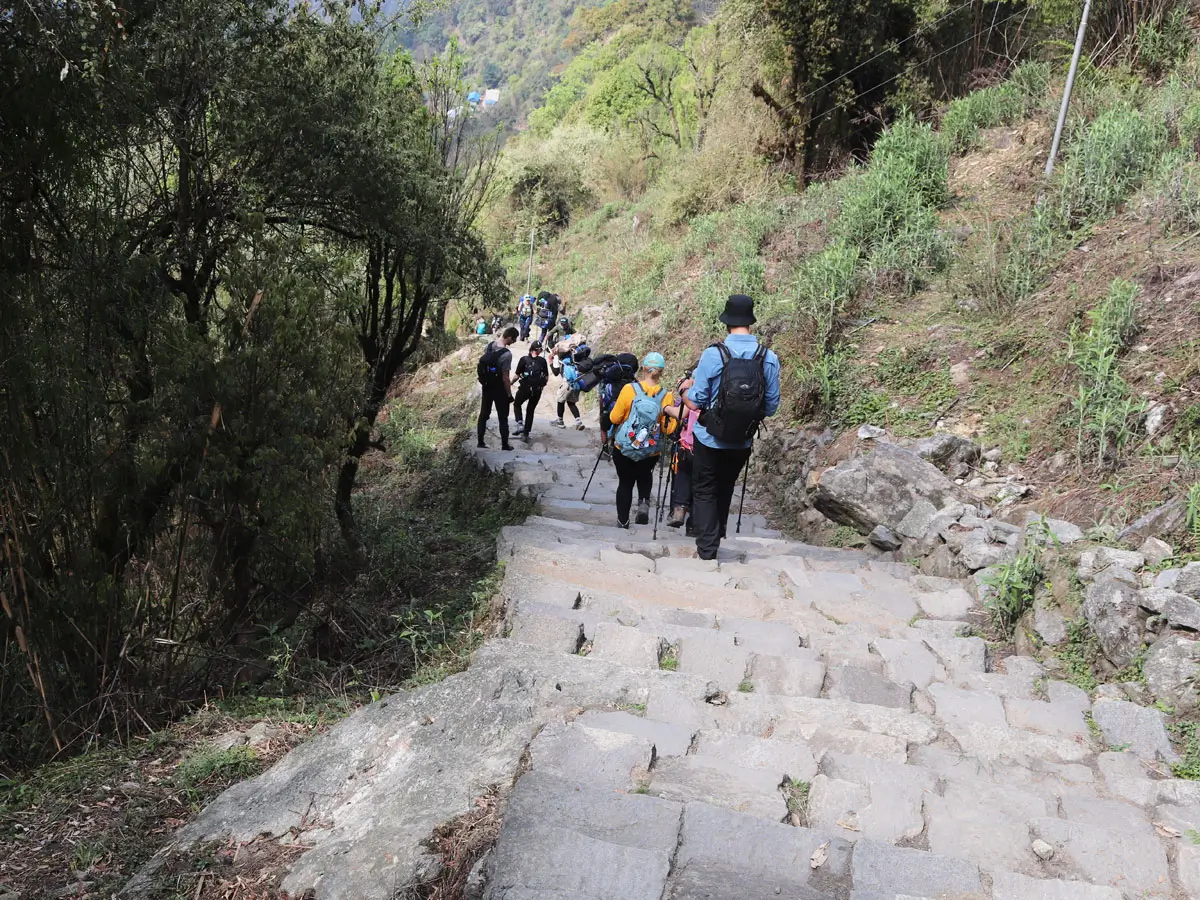
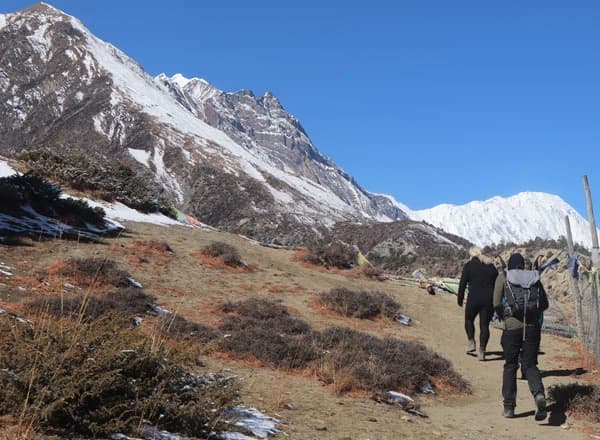
Walking towards Annapurna Base Camp
Walking towards Annapurna Base Camp!

Expert Tips for Annapurna Base Camp Trek in January

Practical Advice for a Safe, Comfortable, and Rewarding Winter Trek: Trekking to Annapurna Base Camp in January can be an incredible experience. However, you require a slightly different approach than trekking during spring or autumn. The combination of cold temperatures, snow-covered trails, and high altitude makes preparation especially important.

These expert tips will help you stay comfortable and safe so you can fully enjoy one of Nepal’s most spectacular winter adventures.

Start Your Trekking Day Early

January has shorter daylight hours, making early starts particularly important. Leaving your teahouse shortly after breakfast allows you to:

  • Maximize daylight hours
  • Enjoy clearer morning weather
  • Avoid walking after sunset
  • Reach your destination comfortably

Early mornings may be cold, but they often provide the best mountain views of the entire day.

Dress in Layers Rather Than Heavy Clothing

One of the most effective ways to stay comfortable during winter trekking is by using a proper layering system. Conditions can vary dramatically between:

  • Freezing mornings
  • Sunny afternoons
  • Cold evenings

A layering clothing system allows you to adjust easily throughout the day.

A typical winter trekking setup includes:

  • Moisture-wicking base layer
  • Fleece or insulated mid-layer
  • Down jacket
  • Waterproof outer shell

This combination provides warmth without causing overheating while walking.

Walk Slowly and Respect the Altitude

Many trekkers focus heavily on winter weather but underestimate the effects of altitude. As you gain elevation toward Annapurna Base Camp, oxygen levels decrease and physical effort increases. Please maintain a steady pace and remember:

  • Slow trekking is efficient trekking
  • Rushing increases fatigue
  • Altitude affects everyone differently

The mountains reward patience.

Stay Hydrated Despite the Cold

Cold weather reduces the feeling of thirst, but dehydration remains a common issue during winter trekking, and regular hydration helps:

  • Improve energy levels
  • Support acclimatization
  • Reduce fatigue
  • Maintain overall health

Warm drinks such as ginger tea, lemon tea, and soup can also help maintain hydration throughout the trek.

Carry Trekking Poles for Snow and Ice

January brings snowy and icy sections, particularly above Deurali, and trekking poles provide:

  • Better balance
  • Additional stability
  • Reduced pressure on knees
  • improved confidence on slippery terrain

They are one of the most useful pieces of equipment for winter trekking in the Annapurna region.

Protect Yourself from Winter Sun Exposure

Many trekkers focus on cold temperatures and forget that the Himalayan sun remains surprisingly strong. At higher elevations, the sunlight reflected from snow can increase UV exposure, and please carry:

  • Quality sunglasses
  • Sunscreen
  • Lip balm
  • Sun hat

Proper protection helps prevent sunburn and discomfort during long trekking days.

Keep Electronics Warm

Cold weather drains batteries much faster than normal. To preserve battery life:

  • Store devices inside your jacket
  • Keep power banks insulated
  • Place electronics inside your sleeping bag overnight

This simple habit can make a significant difference, especially for photographers.

Remain Flexible With Weather Conditions

Although January often provides stable weather, the Himalayas can always be unpredictable, and a flexible mindset helps if you encounter:

  • Fresh snowfall
  • Temporary delays
  • Changing trail conditions

The most enjoyable treks are often those where travelers adapt to the mountains rather than trying to control every detail.

Embrace the Winter Experience

  • The most important advice is to appreciate January for what it is, as the winter trekking is different from autumn trekking. The mornings are colder, the trails are quieter, and the landscapes are wilder. The experience feels more remote and adventurous.
  • Rather than comparing January to other seasons, embrace the unique atmosphere that winter brings to the Annapurna Sanctuary.

Final Expert Advice

The Annapurna Base Camp Trek in January rewards preparation, patience, and a sense of adventure. With proper gear, realistic expectations, and a positive mindset, you are often rewarded with:

  • Exceptional mountain views
  • Peaceful trails
  • Unforgettable winter scenery
  • Authentic Himalayan experiences

For many travelers, the challenges of winter become the very reason the journey feels so memorable.

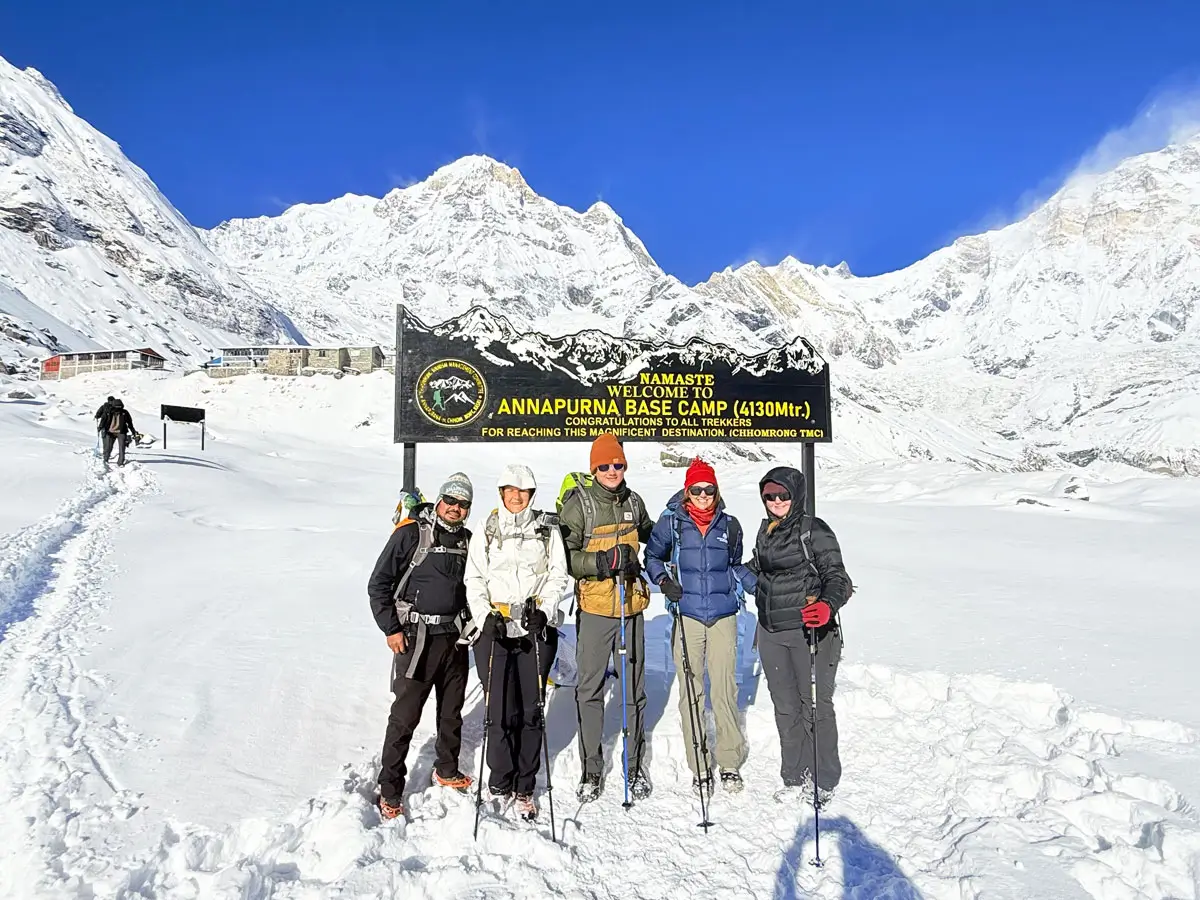
Reaching ABC
Reaching ABC!

Packing Tips for Annapurna Base Camp Trek in January

What to Pack for a Safe and Comfortable Winter Trek in the Annapurna Region: Packing properly for the Annapurna Base Camp Trek in January can significantly improve your trekking experience. As the coldest month of the year in the Annapurna region, January brings freezing mornings, snowy conditions at higher elevations, and temperatures that can drop well below zero at Annapurna Base Camp.

The goal is not to carry more gear, it is to carry the right gear. A smart packing strategy allows trekkers to stay warm, comfortable, and prepared without carrying unnecessary weight throughout the journey.

Focus on Layering Rather Than Heavy Clothing

One of the biggest mistakes first-time winter trekkers make is packing bulky clothing instead of building a proper layering system. The weather changes considerably throughout the day, and you may experience:

  • Freezing temperatures before sunrise
  • Comfortable conditions during sunny afternoons
  • Cold evenings after sunset

A layering system allows you to adapt easily to these changes.

Recommended Clothing Layers

Base Layer

  • Thermal top
  • Thermal leggings
  • Moisture-wicking innerwear

Mid Layer

  • Fleece jacket
  • Insulated pullover
  • Lightweight warm layer

Outer Layer

  • Down jacket
  • Waterproof jacket
  • Windproof shell

The above combination provides warmth, flexibility, and comfort during trekking.

Pack Warm Clothing for High Elevations

Above Deurali, winter conditions become significantly colder, and the winter clothing:

  • Insulated down jacket
  • Warm trekking pants
  • Thermal underwear
  • Wool or fleece hat
  • Neck gaiter or buff
  • Insulated gloves
  • Multiple pairs of warm socks

Temperatures at Annapurna Base Camp often fall below freezing during January nights, making proper insulation extremely important.

Invest in Good Trekking Boots

Your boots are one of the most important pieces of equipment for winter trekking. Please choose boots that are:

  • Waterproof
  • Comfortable
  • Well broken-in
  • Suitable for mountain terrain

January often brings snow and icy sections, particularly above Deurali, so reliable footwear helps improve both comfort and safety. Please avoid using brand-new boots on the trek.

Bring a Warm Sleeping Bag

Although teahouses provide blankets, temperatures can be extremely cold at higher elevations in January.

A quality sleeping bag rated for winter conditions is highly recommended, and a sleeping bag liner can provide additional warmth while improving comfort and hygiene. Many trekkers consider a good sleeping bag one of the most valuable items they carry during January.

Don't Forget Trekking Poles

Trekking poles become especially useful during winter, and they help with:

  • Balance on snowy trails
  • Stability on icy sections
  • Reducing strain on knees
  • Maintaining confidence on steep descents

For January trekking, poles are highly recommended rather than optional.

Essential Electronics and Accessories

Cold temperatures affect battery performance, and useful items include:

  • Power bank
  • Charging cables
  • Camera batteries
  • Headlamp
  • Universal adapter
  • Personal Health and Hygiene Items

A small personal kit can be extremely useful during the trek, and recommended items include:

  • Personal medication
  • Blister treatment
  • Hand sanitizer
  • Tissues
  • Wet wipes
  • Basic first-aid supplies

These lightweight essentials can make a significant difference during a multi-day trek.

Avoid Overpacking

One of the most common mistakes among trekkers is carrying too much gear, and remember:

  • Accommodation is available throughout the route
  • Meals are served in teahouses
  • Excessive weight increases fatigue

Focus on essential winter equipment and leave unnecessary items behind. A lighter backpack often results in a more enjoyable trekking experience.

Essential Packing Checklist for January

Clothing

  • Thermal base layers
  • Fleece jacket
  • Down jacket
  • Waterproof shell
  • Trekking pants
  • Warm gloves
  • Wool hat
  • Warm socks

Footwear

  • Waterproof trekking boots
  • Camp sandals or lightweight shoes

Trekking Gear

  • Trekking poles
  • Headlamp
  • Reusable water bottles
  • Sunglasses

Personal Essentials

  • Sunscreen
  • Lip balm
  • Medication
  • Power bank
  • Camera

Sleeping Gear

  • Winter sleeping bag
  • Sleeping bag liner

Final Packing Advice

The ABC Trek in January is not about carrying the most equipment; it's about carrying the right equipment. If you prioritize:

  • Warmth
  • Layering
  • Waterproof gear
  • Comfortable footwear
Annapurna Base camp and Glacier
Annapurna Base camp and Glacier!

FAQS- Annapurna Base Camp Trek in January

Is January a Good Time for the Annapurna Base Camp Trek?

  • Yes, January is an excellent time for trekkers seeking a quieter and more adventurous Himalayan experience. The month offers snow-covered landscapes, crystal-clear mountain views, fewer crowds, and a peaceful atmosphere that is difficult to find during the busy spring and autumn seasons. While temperatures are colder, the stunning winter scenery often makes the extra preparation worthwhile.

Can You Trek to Annapurna Base Camp in January?

  • Absolutely, the Annapurna Base Camp Trek remains accessible throughout January. Proper winter clothing, suitable trekking gear, and a flexible itinerary are essential for handling cold temperatures and occasional snowfall.

How Cold Is Annapurna Base Camp in January?

January is the coldest month of the year in the Annapurna Base Camp region, and at Annapurna Base Camp (4,130m), temperatures typically range between:

  • Daytime: 0°C to 8°C
  • Nighttime: -10°C to -5°C

Temperatures are warmer at lower elevations, such as Chhomrong and Jhinu Danda.

Does It Snow at Annapurna Base Camp in January?

Yes, January has one of the highest chances of snowfall on the Annapurna Base Camp route, and snow is most common around:

  • Deurali
  • Machhapuchhre Base Camp
  • Annapurna Base Camp

The amount of snowfall varies from year to year, but trekkers should be prepared for winter conditions at higher elevations.

Is the Annapurna Base Camp Trek Safe in January?

Yes, the trek is generally safe for well-prepared trekkers and the safety depends on:

  • Proper winter gear
  • Awareness of weather conditions
  • Gradual acclimatization
  • Suitable trekking pace

Hiring an experienced guide can provide additional support, especially after fresh snowfall.

Can Beginners Do the Annapurna Base Camp Trek in January?

Yes, beginners can complete the trek if they are reasonably fit and properly prepared. January conditions are more demanding than autumn because of:

  • Cold temperatures
  • Snow-covered sections
  • Winter weather

However, the trek does not require technical climbing skills or mountaineering experience.

Are Teahouses Open During January?

Yes, most teahouses along the Annapurna Base Camp route remain open throughout January, and trekkers can generally expect:

  • Accommodation
  • Hot meals
  • Warm drinks
  • Basic facilities

The quieter season often creates a more relaxed and personal teahouse experience.

What Should I Pack for the Annapurna Base Camp Trek in January?

Essential winter items include:

  • Thermal layers
  • Down jacket
  • Waterproof shell
  • Warm gloves
  • Wool hat
  • Trekking poles
  • Waterproof trekking boots
  • Winter sleeping bag
  • Sunglasses
  • Sunscreen

A proper layering system is the key to staying comfortable throughout the trek.

Is Altitude Sickness a concern in January?

Yes, altitude sickness can occur at any time of year because it is related to elevation rather than temperature, and the common symptoms may include:

  • Headache
  • Dizziness
  • Fatigue
  • Loss of appetite

Ascending gradually, staying hydrated, and maintaining a slow pace help reduce the risk.

Which Is Better: Annapurna Base Camp Trek in December or January?

Both months offer excellent winter trekking experiences, but they have slightly different characteristics.

December

  • Slightly warmer temperatures
  • Beginning of winter
  • Less snowfall
  • Stable weather

January

  • Colder conditions
  • Greater chance of snow
  • Stronger winter atmosphere
  • Quieter trails

How Crowded Is Annapurna Base Camp in January?

January is one of the quietest months on the Annapurna Base Camp route. Compared to October and November, trekkers can enjoy:

  • Fewer people on the trail
  • Quieter villages
  • Less crowded teahouses
  • More peaceful viewpoints

This solitude is one of the biggest reasons many travelers choose January.

What Mountains Can Be Seen During the Annapurna Base Camp Trek in January?

January's clear winter skies often provide exceptional visibility, and the Trekkers can enjoy spectacular views of:

  • Annapurna I (8,091m)
  • Machhapuchhre (Fishtail)
  • Annapurna South
  • Hiunchuli
  • Gangapurna
  • Annapurna III
  • Tent Peak

The combination of snow-covered peaks and deep blue skies creates some of the most impressive mountain scenery of the year.

3 reviews
21 Days
Price from
US$1000
An Adventure Trek

Conclusion – Is January a Good Time for the Annapurna Base Camp Trek?

The Annapurna Base Camp Trek in January is special. While many trekkers choose the comfort and popularity of spring or autumn, January offers something far rarer: the chance to experience the Annapurna Sanctuary in its most peaceful, dramatic, and untouched form. The crowds disappear, the mountains wear their winter coats of snow, and the famous trail transforms into a journey through one of the Himalayas’ most serene landscapes.

From the moment you leave the lower villages and begin to climb toward the heart of the sanctuary, winter becomes part of the experience with the frost-covered forests, frozen streams, snow-covered ridges, and crisp mountain air. The challenges are real – cold mornings, icy trails, and freezing nights, but they are also what make the adventure so rewarding.

You will stand at Annapurna Base Camp on a clear January morning, which will be surrounded by the towering walls of Annapurna I, Machhapuchhre, Annapurna South, Hiunchuli, and Gangapurna, and witness a landscape shaped by snow, silence, and immense natural beauty.

January reveals a more intimate side of the Annapurna region as the quieter trails encourage reflection, traditional villages feel more authentic, and evenings are spent beside a warm teahouse. In a season defined by solitude and simplicity, even the smallest moments seem more meaningful.

If you are seeking warm temperatures and busy trails, January may not be the ideal choice, but if you dream of snow-covered landscapes, crystal-clear mountain views, peaceful trekking routes, and a genuine Himalayan winter adventure, January can rival the experience.

  • The Annapurna Base Camp Trek in January is an opportunity to see the Himalayas at their wildest and most beautiful, to embrace the stillness of winter, and to experience one of the most iconic trekking routes in a way that relatively few travelers ever do.
  • If you’re prepared for the cold and willing to step beyond the traditional trekking season, January rewards you with something truly extraordinary.

Need Help? Call Us+977 9851137380orChat with us on WhatsApp
Offer Packages
Annapurna Base Camp Trek
Price from
US$850
Most Popular
Annapurna Base Camp Helicopter Tour
Price from
US$700
ABC Heli Tour
Short Annapurna Base Camp Trek from Pokhara
Price from
US$390
Short ABC