For the vast majority of travelers, the heavy rains of July and August are a signal to stay away from the Himalayas. But for a select group of resilient adventurers, the peak monsoon season is a closely guarded secret.
The Manaslu Circuit Trek in July and August trades the crowded, dusty trails of autumn for a raw, vibrant, and deeply atmospheric wilderness. It is a time when the mountains are washed clean, the forests explode with life, and the trail belongs entirely to you. If you are willing to swap guaranteed sunshine for profound solitude and emerald landscapes, this is the ultimate summer adventure in Nepal.
Here is everything you need to know about trekking the Manaslu Circuit during the peak of the monsoon.
Trekking the Manaslu Circuit during Peak Monsoon
The Manaslu Circuit Trek in Monsoon represents the heart of Nepal’s monsoon season. Rainfall becomes more consistent, particularly in the lower valleys, and cloud cover often shifts throughout the day. Yet this period also brings dramatic transformation to the Himalayan landscape.
The journey begins in the lower, sub-tropical valleys of the historic Gorkha district, where the Monsoon breathes intense life into the terraced farms and dense jungles. From here, the trail winds continuously northward toward the Tibetan border, following the deep Budhi Gandaki River gorge.
Lower sections of the Manaslu trek, especially the Budhi Gandaki valley, experience regular rainfall and higher humidity during the Monsoon, when the forest trails become lush and vibrant, and agricultural life in mountain villages reaches its busiest period.
Interestingly, higher elevations near Larkya La Pass (5,106 m) receive significantly less rainfall compared to lower valleys. As you gain altitude beyond Samagaun and Samdo, conditions often become cooler, clearer, and less humid, and the landscape shifts dramatically, offering fleeting but breathtaking glimpses of Mount Manaslu (8,163m) piercing through the heavy monsoon clouds.
While July and August do not offer the uninterrupted blue skies of autumn, they provide something equally compelling: misty ridgelines, roaring rivers, and emerald mountain scenery rarely seen during the drier seasons.
For adaptable trekkers who enjoy atmospheric landscapes and quieter trails, the Manaslu Circuit Trek in the Summer can be an unforgettable Himalayan adventure.
Highlights – Manaslu Trek in summer (July and August)
Lush Himalayan Landscape at Peak Greenery: During July and August, the Manaslu region transforms into a vibrant green paradise as monsoon rains rejuvenate forests, terraced fields, and alpine meadows throughout the Manaslu Conservation Area.
The Valley of Waterfalls: Witness hundreds of temporary, roaring waterfalls cascading down the steep valley walls, a phenomenon only visible during these two months, adding dramatic natural energy to the trek.
Unmatched Solitude: Hike for days without seeing another large commercial trekking group.
High-Altitude Adventure across Larkya La Pass (5,106 m): Despite monsoon conditions in lower valleys, the high alpine sections of the Manaslu Circuit, including the crossing of Larkya La Pass, often remain accessible and rewarding for well-prepared trekkers.
Vibrant Flora and Fauna: The rain rejuvenates the forests, making it an excellent time to spot Himalayan wildlife, lush ferns, and blooming alpine wildflowers.
Authentic Cultural Exchanges: With empty teahouses, you will share unhurried, genuine moments with the local Gurung and Tibetan- Buddhist communities in villages like Lho and SamaGaun.
Discounted Permits: Enjoy significantly cheaper Restricted Area Permits (RAP) compared to the peak autumn season.
Himalaya View on Manaslu Trek!
Weather and Temperature on the Manaslu Circuit in July and August
The Manaslu Circuit Trek in July and August takes place during Nepal’s monsoon season, when weather patterns become more dynamic, with frequent cloud cover, higher humidity, and regular rainfall in the lower valleys.
The rainfall is usually heavier in the Budhi Gandaki valley, especially between Soti Khola and Deng. However, as trekkers gain elevation toward Samagaun and Samdo, precipitation gradually decreases and temperatures cool. Early mornings often provide the clearest conditions before clouds and rain showers develop later in the day.
Despite monsoon conditions, trekking remains possible with proper preparation and flexible planning.
Daytime Temperature in July and August
Daytime temperatures vary significantly depending on altitude.
Lower elevations (700m–2,000m): 22°C to 30°C
Mid elevations (2,500m–3,500m): 16°C to 22°C
High elevations (above 4,000m): 8°C to 15°C
The lower sections of the trek can feel warm and humid, particularly when the sun appears between rain showers.
Morning Temperature in July and August
Mornings are usually cooler and more comfortable for trekking.
Lower valleys: 18°C to 22°C
Mid elevations: 10°C to 14°C
High elevations: 4°C to 8°C
Many trekkers begin walking early in the morning to avoid afternoon rainfall and enjoy clearer mountain views.
Nighttime Temperature in July and August
Nights remain cool at higher elevations, although temperatures are generally milder than in winter.
Lower valleys: 18°C to 22°C
Mid elevations: 8°C to 12°C
High elevations (near Larkya La region): 0°C to 5°C
A warm sleeping bag rated around -5°C is usually sufficient for this season.
Temperature by Elevation
Below 2,000m:
Warm and humid conditions with frequent rainfall.
2,500m – 3,500m:
Moderate temperatures with cooler evenings and occasional mist.
Above 4,000m:
Cool alpine climate, with rainfall decreasing and temperatures dropping significantly.
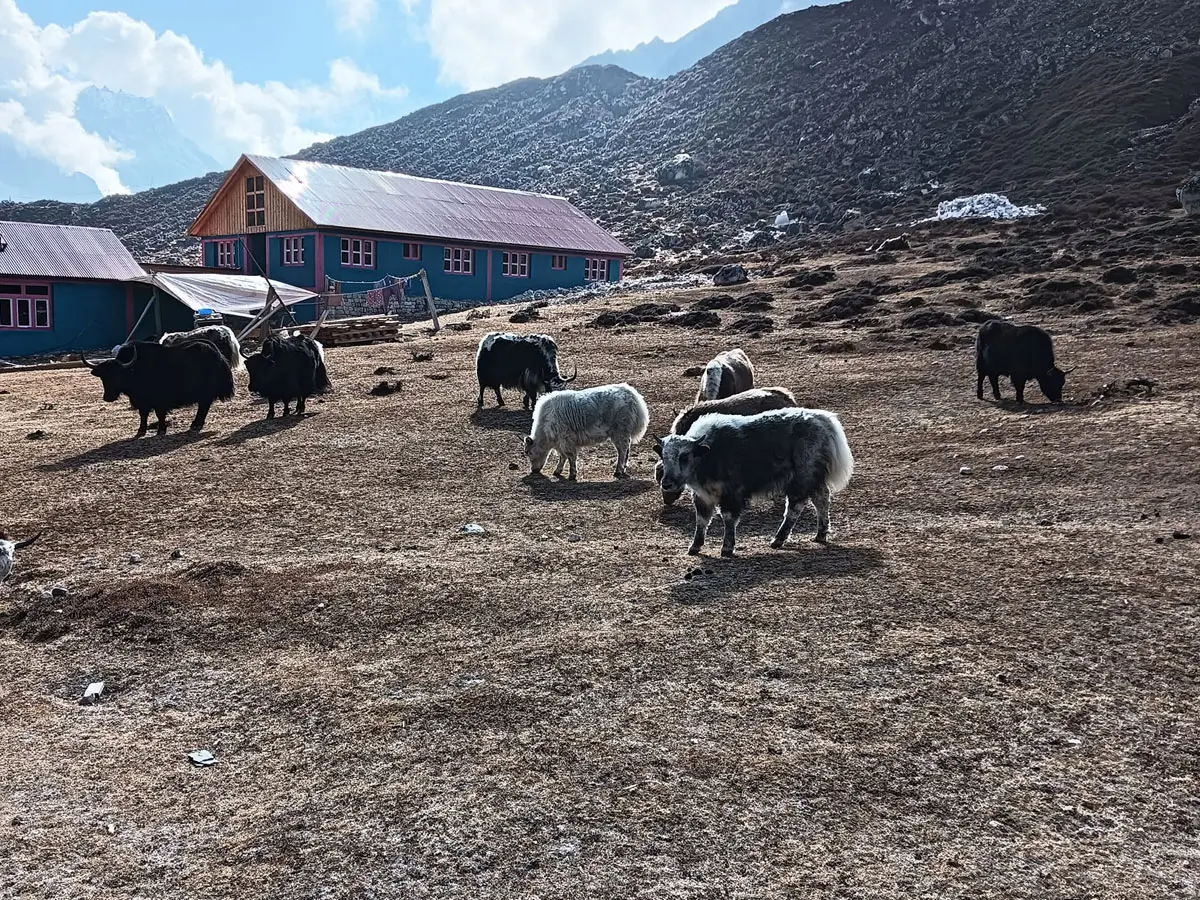
Yaks in Manaslu Trail!
Weather Characteristics in July and August
Typical weather conditions include:
Frequent afternoon or evening rain showers
Cloud cover builds during the day
Clearer mornings in higher elevations
Strong river flow due to glacier melt and rainfall
High humidity in the lower valleys
While mountain visibility can be inconsistent, the constantly shifting clouds and mist create a dramatic and atmospheric trekking environment.
Difficulty and Altitude on the Manaslu Circuit in July and August
The Manaslu Circuit Trek in July and August is generally considered a moderate-to-challenging high-altitude trek. The overall difficulty of the route does not change dramatically with the season, but monsoon conditions can add additional physical and environmental challenges.
The trek circles Mount Manaslu (8,163m) and reaches its highest point at Larkya La Pass (5,106m), making altitude the most significant factor throughout the journey.
As trekkers gain elevation along the Manaslu Circuit, oxygen levels gradually decrease. This becomes noticeable above 3,500 meters, where the risk of Acute Mountain Sickness (AMS) increases.
Key altitude points on the trek include:
Samagaun: 3,530 m
Samdo: 3,875 m
Dharamsala (Larkya Phedi): 4,460 m
Larkya La Pass: 5,106 m
Even during monsoon months, altitude affects trekkers the same way as in any other season. Proper acclimatization and gradual ascent remain essential for safety.
How Monsoon Conditions Affect Trek Difficulty
During July and August, the primary difficulty comes from weather conditions rather than altitude alone and trekkers may encounter:
Wet and muddy trails in forest sections
Slippery stone steps after rain
Reduced visibility due to clouds
Occasional trail repairs after minor landslides
While these conditions require extra caution, they do not make the trek impossible. Many experienced trekkers complete the Manaslu Circuit during the monsoon with proper preparation.
Physical Demands of the Manaslu Trek
The Manaslu Circuit is a long-distance trek that typically requires:
5–7 hours of walking per day
Steep ascents and descents
Long stone stair sections
Multi-day trekking above 3,000 meters
Monsoon humidity in lower valleys can also increase fatigue compared to cooler spring or autumn conditions.
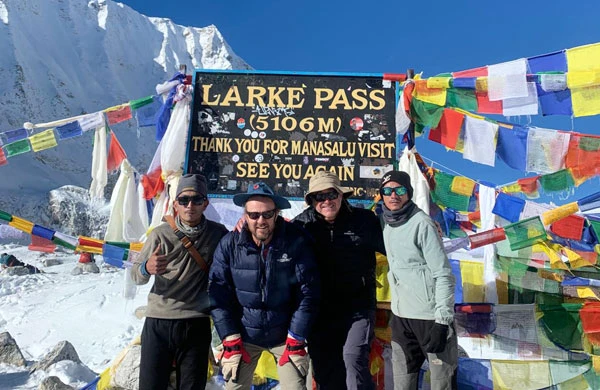
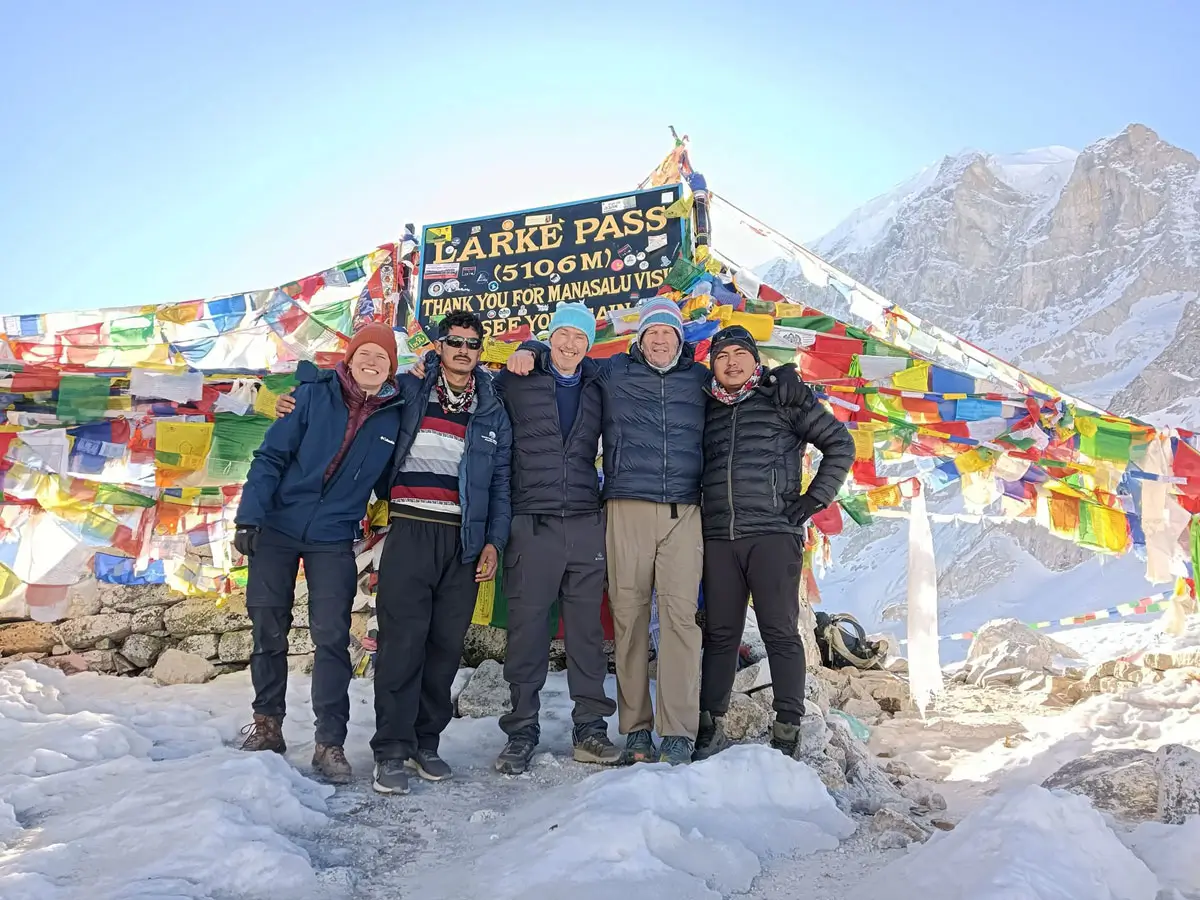
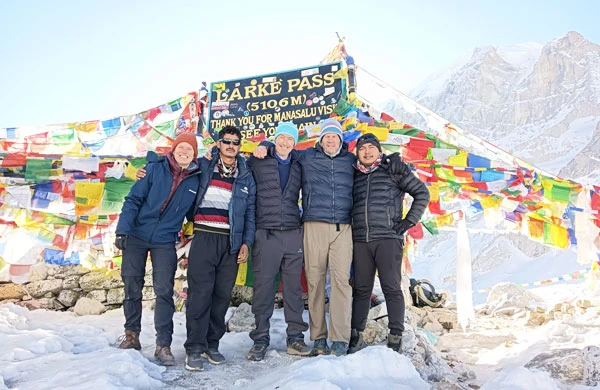
The Larke Pass!
Crossing Larkya La Pass in Monsoon
The crossing of Larkya La Pass (5,106m) remains the most challenging day of the trek.
Even during July and August:
Snow accumulation is usually lower than in winter
Weather conditions can change rapidly
Early morning departures are essential
Trekkers normally begin the pass crossing before sunrise to avoid afternoon weather changes.
Best Manaslu Trek Packages for Monsoon Season ( July and August)
There are many trekking itineraries for the Manaslu trek in July and August, and we have compiled some of the most popular Manaslu Packages for Summer below. Let us know if these programs are not suitable for you, and we will look for a customized Manaslu Trek.
Manaslu Circuit Trek – 14 Days: This 14-day trek is suitable for those seeking an all-inclusive package with a Kathmandu tour and hotel arrangements from arrival to departure.
Short Manaslu Trek – 11 Days: The Short Manaslu Trek is suitable for those already in Kathmandu or who want to make their own arrangements in Kathmandu and book the trekking part.
Tsum Valley Trek – 18 Days: The Tsum Valley Trek is another popular trek in the Manaslu Region and is suitable for those looking to explore Nepal's cultural trail.
Tsum Valley - Manaslu Trek - 22 Days: This is a long, combined trek that covers the Tsum Valley and Manaslu-Larke La Pass and is suitable for those looking to spend many days in the Himalayas.
Manaslu Trek starts from Pokhara: Pokhara – Manaslu Trek is suitable for those already in Pokhara or who want to start and end the Manaslu Trek there.
Comfort Manaslu Trek – 17 Days: The Comfort Manaslu Trek is suitable for those seeking a more luxurious experience of the Manaslu Circuit, with stays at the best available lodges along the trail and a 4-star hotel in Kathmandu. The Comfort Manaslu Trek is an all-inclusive package with private Jeep transport, 4-star hotels, a guide, a porter, and the best available accommodation along the trail.
Why Trek the Manaslu Circuit Trek in July and August - Benefits of Manaslu Trek in Summer
The Manaslu Circuit Trek in July and August offers a completely different Himalayan experience compared to the classic spring and autumn seasons. While these months fall within Nepal’s monsoon period, they also reveal some unique advantages that adventurous trekkers often overlook.
For travelers willing to embrace changing weather and dramatic landscapes, monsoon trekking around Manaslu can be deeply rewarding.
The Emerald Landscapes
There is no greener time to be in the Himalayas. The rain washes away the dust of the dry season, leaving the pine and bamboo forests looking like scenes from a fantasy novel. For photographers who appreciate moody, highly contrasted landscapes over standard blue-sky shots, the monsoon provides an incredible canvas.
Dramatic Monsoon Atmosphere
The Himalayas during the monsoon have a unique mood. Rolling clouds move across ridgelines, mist drifts through forests, and mountain peaks occasionally appear through openings in the clouds.
This constantly shifting scenery creates an atmospheric trekking environment rarely encountered during the clearer, but more predictable, autumn season.
Powerful Rivers and Waterfalls
Glacier melt combined with monsoon rainfall strengthens the Budhi Gandaki River, revealing many temporary waterfalls along the trail.
These powerful water features add dynamic movement and sound to the landscape.
Reduced Permit Costs
Because Manaslu is a restricted trekking region, the permit costs can be steep. However, trekking in the off-season (December to August) saves you money. The Restricted Area Permit drops from $100 per week to just $75 for the first seven days, making this an attractive option for budget-conscious adventurers.
Significantly Fewer Trekkers on the Trail
July and August are considered the off-season for many trekkers. As a result, the Manaslu Circuit becomes noticeably quieter, and this means:
peaceful trekking days
easier accommodation availability
more authentic interaction with locals
For those who prefer solitude, the experience feels far more personal.
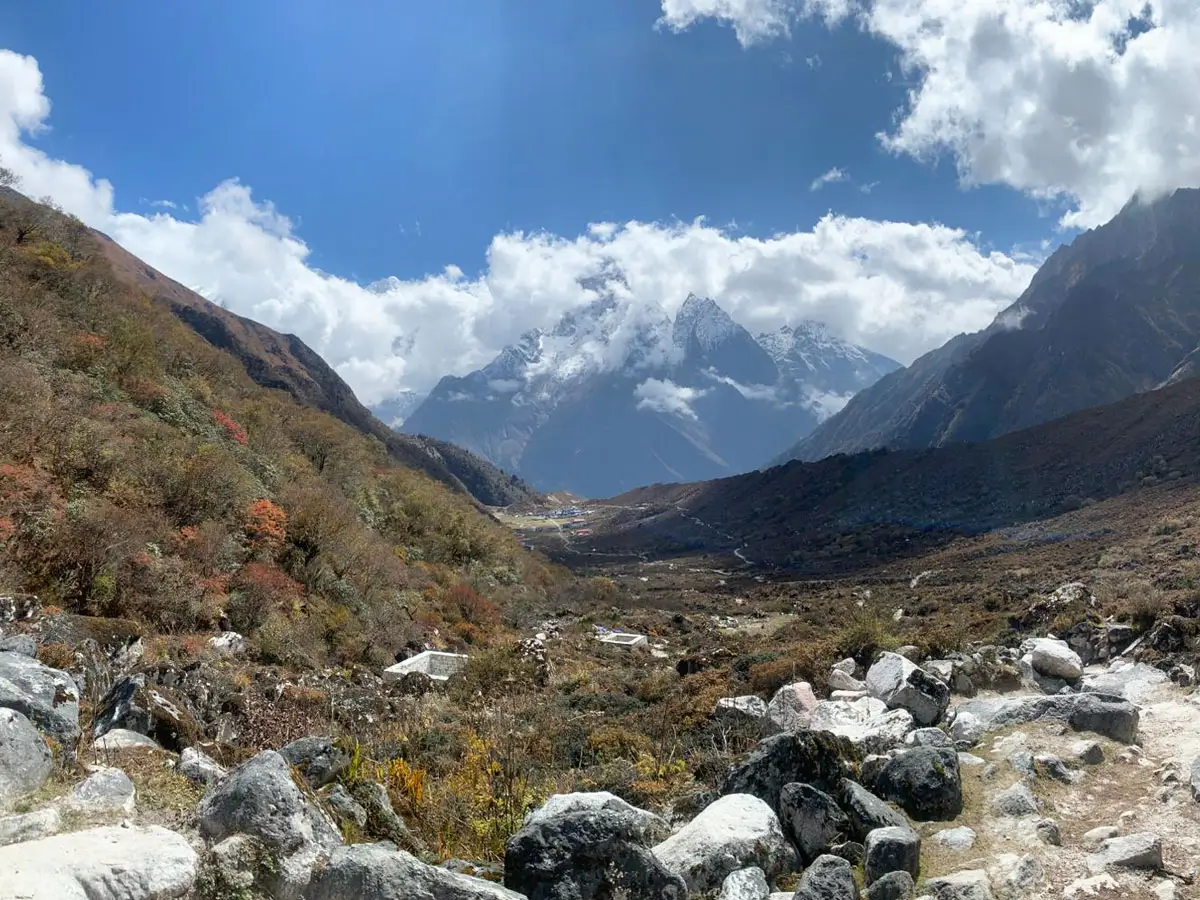
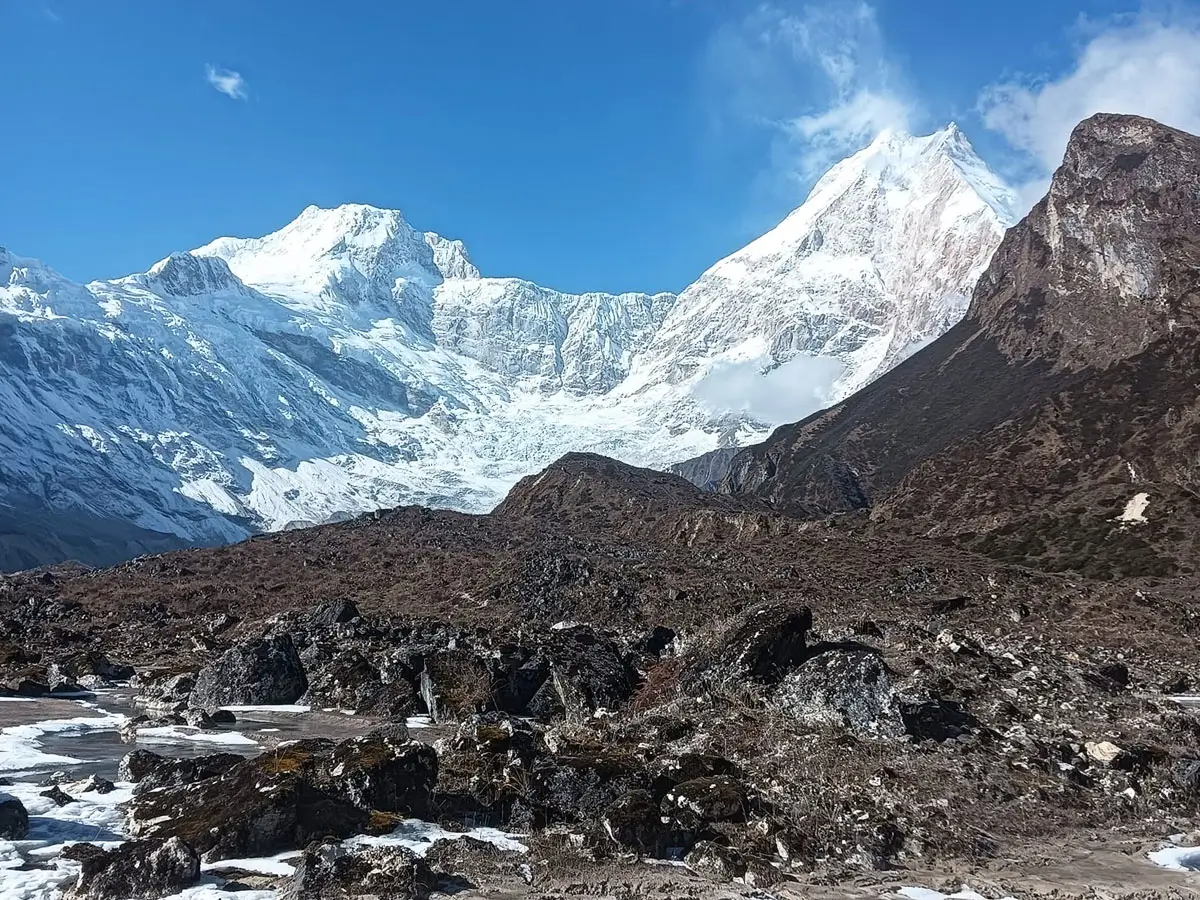
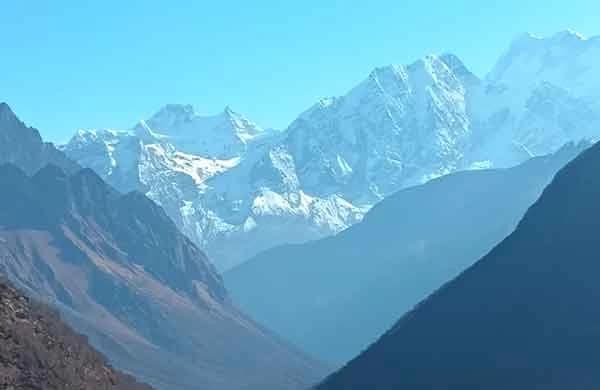
The Manaslu Himalaya!
A Warmer High - Altitude Experience
While the rain brings moisture, it also brings the warmest temperatures of the year. The freezing, sub-zero nights that plague the circuit in November or March are replaced by much milder conditions, meaning you will sleep much more comfortably at high camps like Dharamsala.
Active Village Life
The monsoon months are an important agricultural period for Himalayan communities. Farmers work in terraced fields, livestock move through mountain pastures, and village life becomes more active.
This allows trekkers to observe daily life in places like Samagaun and Samdo more closely.
The Unique Appeal of Monsoon Trekking
While the monsoon months are not the most predictable time to trek in Nepal, they provide a different perspective on the Himalayas, one defined by movement, color, and atmosphere.
For adaptable trekkers who appreciate solitude and evolving landscapes, the Manaslu Circuit Trek in July and August can become one of the most unique adventures in Nepal.
Navigating Monsoon Terrain: Rivers and Waterfalls
The defining feature of a July and August trek is water. The Budhi Gandaki River, a quiet stream in the winter, transforms into a raging, thundering torrent.
Suspension Bridges: You will cross numerous long suspension bridges swaying over the swollen river. The sheer power of the water below is an adrenaline-pumping sight.
Trail Washouts: Heavy rains can occasionally cause minor trail washouts or localized landslides, requiring trekkers to take slight detours or navigate carefully with their guide. Flexibility in your itinerary is crucial.
The Reality Check: Cons and Challenges of the Manaslu Circuit Trek in Monsoon
Although the Manaslu Circuit Trek in July and August offers lush scenery and peaceful trails, it also falls during Nepal’s peak monsoon season, so you should understand the seasonal challenges before planning your journey.
Frequent Rainfall in Lower Valleys
July and August receive the highest rainfall of the year in Nepal. The lower sections of the Manaslu Circuit, especially along the Budhi Gandaki valley, often experience regular rain showers.
Rain rarely lasts all day, but afternoon and evening showers are common and can affect trekking schedules.
Mud and Slippery Trails
With frequent rain, forest paths and stone steps can become slippery. The ascents and descents in the lower sections (especially between MachhaKhola and Deng) can be slick with mud.
Limited Mountain Visibility
The high peaks often play hide-and-seek behind the clouds, requiring you to be awake at dawn to catch the clear views. Unlike autumn’s clear skies, monsoon clouds often cover mountain peaks for large parts of the day.
Trekkers may still see stunning views in the early morning, but full panoramic mountain visibility is less predictable.
Leech Territory
The warm, humid forests below 2,500 meters are thriving habitats for leeches. Leeches are generally harmless but can be uncomfortable for trekkers unfamiliar with monsoon trekking.
Wearing long socks and using insect repellent helps reduce this issue.
Weather Uncertainty at Higher Altitudes
Even though rainfall decreases with increasing elevation, weather conditions around Larkya La Pass (5,106 m) can change quickly.
Clouds, wind, and occasional light snowfall are possible, requiring flexible planning.
A Realistic Perspective on Monsoon Trekking
These challenges are part of trekking during the Himalayan monsoon. However, with proper preparation, good equipment, and flexible planning, many trekkers complete the Manaslu Circuit Trek in July and August every year.
For those who value solitude, lush landscapes, and raw mountain atmosphere, the rewards can outweigh the seasonal difficulties.
Expert Tips for the Manaslu Circuit Trek in July and August
Trekking the Manaslu Circuit in July and August requires a flexible mindset and proper preparation. Since these months fall during Nepal’s monsoon season, adapting your trekking strategy can greatly improve your experience.
Adopt the “Monsoon Schedule”: Start walking at 6:00 AM sharp. The mornings are generally the driest and clearest part of the day. The goal is to finish your daily hiking before the heavy afternoon downpours begin around 2:00 PM.
Waterproof Everything You Own: Good rain gear is essential during monsoon trekking. A standard rain jacket is not enough. You need Gore-Tex (or similar) breathable rain gear, a heavy-duty pack cover, and, most importantly, dry bags inside your backpack to keep your sleeping bag and spare clothes dry.
Footwear is Your Lifeline: Invest in premium, high-ankle waterproof boots with deep treads for mud traction. Wet stone steps and muddy trails are common during July and August. Trekking poles are absolutely mandatory for maintaining balance on slick descents and reducing strain on the knees.
Stay Hydrated in Humid Conditions: Humidity in the lower Budhi Gandaki valley can increase fatigue. Drink plenty of water and consider electrolyte supplements to maintain energy levels.
Follow Proper Acclimatization: Even though temperatures feel warmer during the monsoon, altitude sickness remains a risk above 3,500 meters. Always follow recommended acclimatization stops in places like Samagaun and Samdo.
Cross Larkya La Pass early: Weather conditions around Larkya La Pass (5,106m) can change quickly. Most trekkers start the crossing before sunrise to ensure safer and more stable conditions.
The Salt Trick: Carry a small pouch of table salt. If a leech attaches to your boot or leg in the lower jungles, sprinkling salt on it makes it release instantly and harmlessly.
Keep a Flexible Itinerary: Weather delays can occasionally occur during July and August. Including an extra buffer day in your schedule allows for safer and more relaxed trekking.
The Right Mindset for Monsoon Trekking
The Manaslu Circuit Trek in July and August is not about chasing perfect weather. It’s about embracing the dramatic beauty of the Himalayas during their most vibrant and powerful season.
With preparation and flexibility, monsoon trekking can become a unique and memorable adventure.
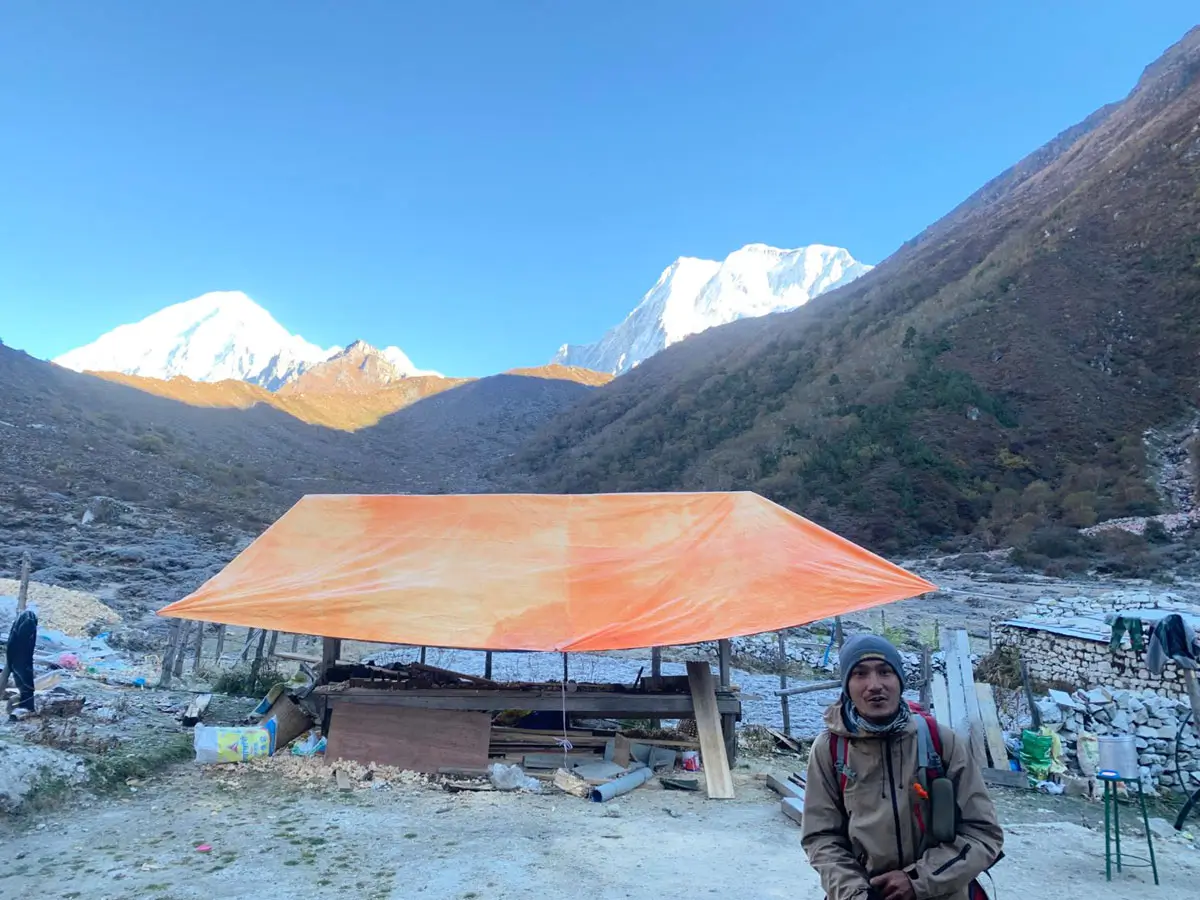
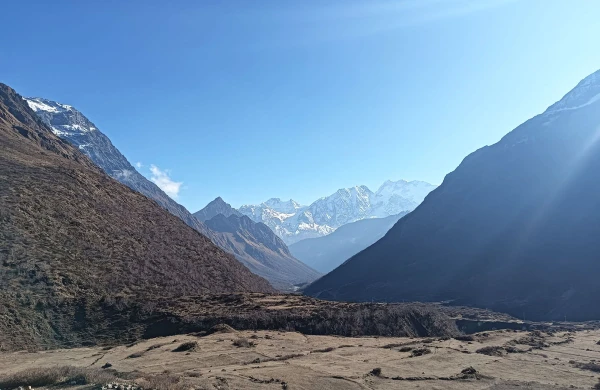
The Manaslu Trekking Trail!
Essential Packing Tips for Monsoon Trekking (July and August): Gear Up for the Rain
Trekking the Manaslu Circuit in July and August requires a very different packing strategy than the dry autumn season, to handle rain, humidity, and slippery trails. Staying dry and managing humidity are your top priorities. Packing the right equipment can make monsoon trekking far more comfortable.
Here is what you must include in your backpack:
High-Quality Rain Gear: A breathable, heavy-duty Gore-Tex (or similar) rain jacket and waterproof trekking pants are non-negotiable. Many locals and guides also swear by a large, reusable trekking poncho that covers both you and your backpack.
Waterproof Backpack Covers and Dry Bags: A backpack cover alone won’t survive a heavy downpour. You must pack your sleeping bag, electronics, and spare clothes inside waterproof dry bags or heavy-duty trash bags inside your backpack.
Waterproof Trekking Boots and Gaiters: Bring well-broken-in, high-ankle boots with deep lugs for gripping mud. Waterproof gaiters are highly recommended to stop rain and mud from sliding down your legs into your boots.
Quick-Dry Clothing: Leave the cotton at home. Pack synthetic, moisture-wicking t-shirts and trekking pants that will dry quickly overnight.
Leech Protection: Bring a small pouch of table salt and anti-leech oil (like eucalyptus or tea tree oil), and consider investing in a pair of tightly woven “leech socks” for lower elevations.
Trekking Poles: Essential for testing the depth of mud and maintaining your balance on slick, slippery descents.
FAQS- Manaslu Trek in Monsoon Season
Can we trek the Manaslu Circuit during the monsoon?
Yes, although July and August fall within Nepal’s monsoon season, the Manaslu Circuit can still be trekked with proper preparation and flexibility.
How much rain does the Manaslu region receive in July and August?
Rainfall is frequent in lower valleys such as the Budhi Gandaki region. However, higher elevations typically receive less rainfall than lower forest areas.
Is Larkya La Pass dangerous during the monsoon?
The pass is physically demanding but arguably less dangerous than in winter or early spring because the deep snow and ice have largely melted. The primary challenge in July and August is navigating the rocky, wet terrain and dealing with potential fog at the summit.
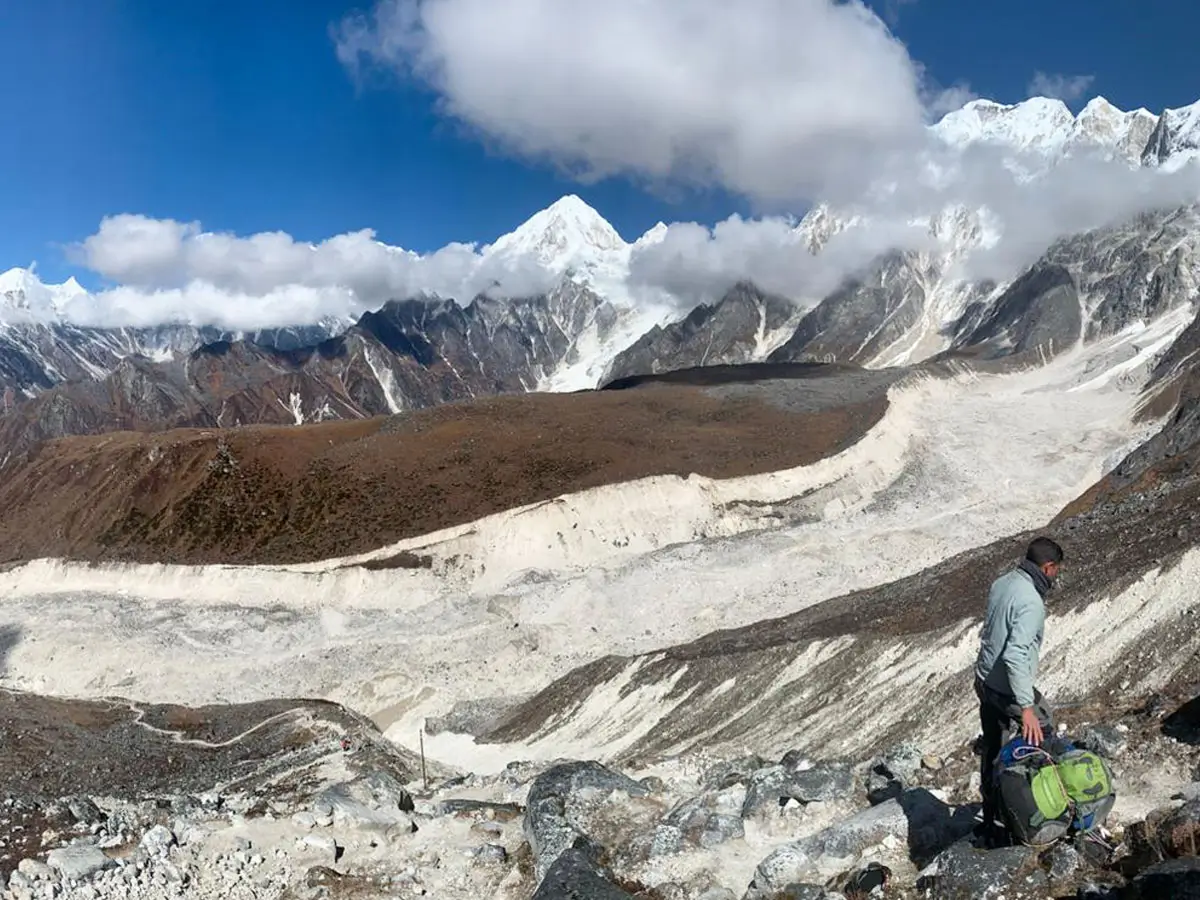
Landscape on Manaslu Region!
Will I see mountain views during monsoon trekking?
Mountain visibility can be inconsistent during July and August due to cloud cover. However, clear views are still possible in the early morning hours.
Are teahouses open on the Manaslu Circuit during the monsoon?
Yes, most teahouses remain open throughout the summer months, although the number of trekkers is significantly lower than in peak seasons.
Are leeches common on the Manaslu Circuit during the monsoon?
Leeches may appear in lower forest sections due to wet conditions. Wearing long socks and using insect repellent can help prevent discomfort.
Is July or August better for trekking the Manaslu Circuit?
Both months fall within the monsoon season. Early July may offer slightly more stable conditions, while August typically brings heavier rainfall but also greener landscapes.
Is it safe to trek the Manaslu Circuit during the monsoon?
Yes, provided you trek with an experienced, licensed local guide. Our guides are trained to read the terrain, avoid active landslide zones, and navigate slippery trails safely.
Do I still need permits during the monsoon season?
Yes, provided you trek with an experienced, licensed local guide. Our guides are trained to read the terrain, avoid active landslide zones, and navigate slippery trails safely.
Can I trek without a guide?
No, the Manaslu region is a restricted area. The Government of Nepal mandates that all foreigners must trek with a licensed guide and be part of a group of at least two trekkers.
Conclusion: Is the Manaslu Circuit Trek Worth Doing in July and August?
The Manaslu Circuit in July and August is not a casual holiday; it is a challenging mountain-adventure holiday. It challenges you with mud and rain, but it rewards you with an impossibly lush, deeply peaceful, and culturally rich Himalayan experience that the peak-season crowds will never know. If you are ready to embrace the elements, the “Valley of Glaciers” is waiting to show you its wild side.
For adaptable travelers who appreciate evolving landscapes and the raw beauty of the monsoon Himalayas, trekking the Manaslu Circuit in July and August can become one of the most memorable adventures in Nepal.
Ready to step off the beaten path this summer? Contact our expert team today to safely plan your monsoon adventure with our experienced local guides.
The Ghorepani Poon Hill Trek in March combines the beginning of rhododendron season with warming days and opportunities for clear Himalayan views. Sunrise at 3,210 meters remains cold, and higher paths can still have snow [...]
The Annapurna Circuit Trek covers approximately 102 kilometers of walking on Outfitter Himalaya’s classic 15-day itinerary, including the Manang acclimatization hike. The journey unfolds through riverside forests, mountain villages and open valleys before crossing Thorong La [...]
The Annapurna Circuit Trek costs about USD 650–1,900 per person with Outfitter Himalaya, depending on the itinerary, group size, and services included. Outfitter Himalaya’s 15-day Classic Annapurna Circuit Trek has published group-size prices of USD [...]