Annapurna Circuit Trek in July and August (Summer) offers one of the most underrated long-distance trekking experiences in Nepal’s Himalayan region. Taking place during the early and the peak monsoon season, these Monsoon months combine lush green landscapes, quieter trails, dramatic cloud formations, and a more personal trekking atmosphere.
The Annapurna circuit in the monsoon feels calmer and less commercialized. The valleys turn intensely green, rivers surge with glacier melt, seasonal waterfalls appear along cliff faces, and farming villages come to life with summer agricultural work.
Although rainfall increases at lower elevations, higher regions such as Manang and Mustang lie in a natural rain shadow. As a result, upper sections of the route remain relatively dry and stable. With proper acclimatization, early starts, and flexible planning, you can safely cross Thorong La Pass even during the monsoon period.
Trekking the Annapurna Circuit in Monsoon (July and August) is not about chasing perfect blue skies. It is about experiencing the Himalayas in motion–clouds drifting across peaks, mist rising from valleys, and landscapes constantly changing with light and weather.
For the adaptable travelers who value solitude, cultural authenticity, and nature at its most dynamic, monsoon trekking on the Annapurna Circuit can be rewarding. With the right preparation and guidance, it offers a deeply immersive alternative to crowded peak-season trekking.
Annapurna Circuit Weather and Temperature condition in July and August (Monsoon)
Annapurna Circuit in July and August takes place during Nepal’s peak monsoon and summer seasons. These months are characterized by warm temperatures, high humidity at lower elevations, frequent cloud movement, and regular rainfall in valleys and forested areas.
However, due to the region’s unique geography, the weather conditions vary significantly along the route. While lower regions receive more rainfall, the upper regions near Manang and Mustang often remain drier due to the rain shadow effect. Understanding this variation is essential for planning a successful Annapurna Circuit Trek in the summer.
Typical Daily Weather Pattern in Monsoon
Most trekking days in July and August follow a predictable rhythm:
Early morning: Mostly clear, cool, best visibility
Late Morning: Mild and suitable for walking
Afternoon: Cloud build-up, possible rain
Evening/Night: Cooler, misty, calm
Because rainfall usually occurs later in the day, early starts are especially important during the monsoon season.
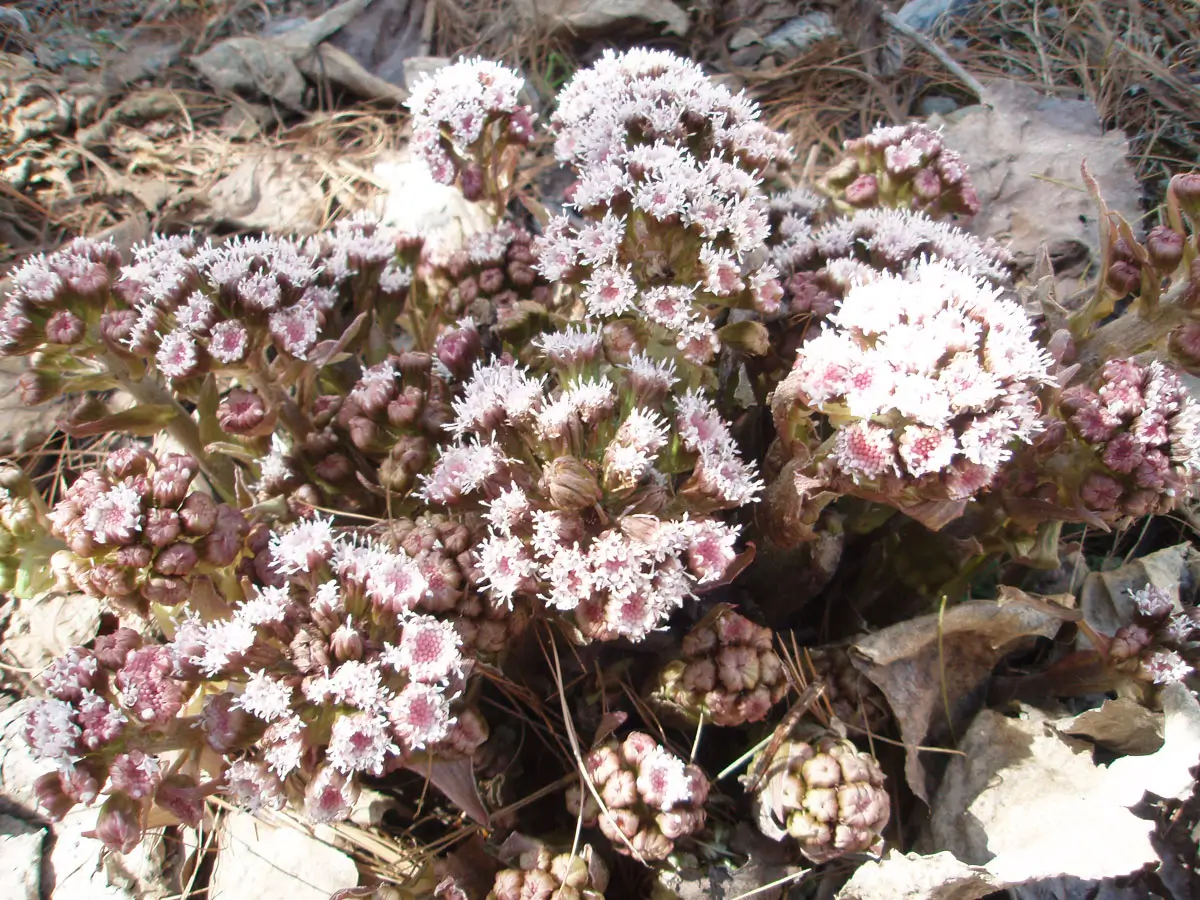
Vegetation on Annapurna Circuit Trail!
Temperature in July and August (By Elevation)
The temperature remains comfortable for trekking but varies with altitude.
Lower Elevation (800-1800m) – Besisahar to Chame
Day: 22℃–30℃
Night: 15℃–20℃
Humid and warm, and walking feels easier in the early morning and late afternoon.
Mid Elevations (2,000-3,000m) – Pisang to Manang
Day: 15℃–23℃
Night: 8℃–12℃
Pleasant during the day and cool at night–ideal for acclimatization.
High Elevations (3,500-5,416m)
Day: 6℃–14℃
Night: -2℃ to -6℃
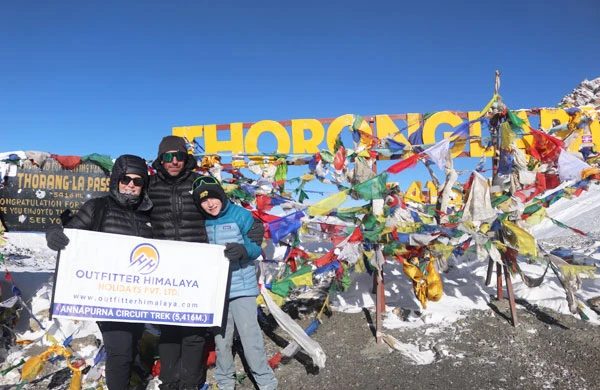
Cold mornings and nights near Thorong La Pass require proper insulation and wind protection. It is generally accessible with early crossings.
Annapurna Circuit with Base Camp: Suitable for those travelers who have longer holidays and want to complete the Annapurna Circuit and Annapurna Base Camp in a single trip.
Comfort Annapurna Circuit Trek: Suitable for those travellers, who want to complete the Annapurna Circuit Trek in more comfortable way.
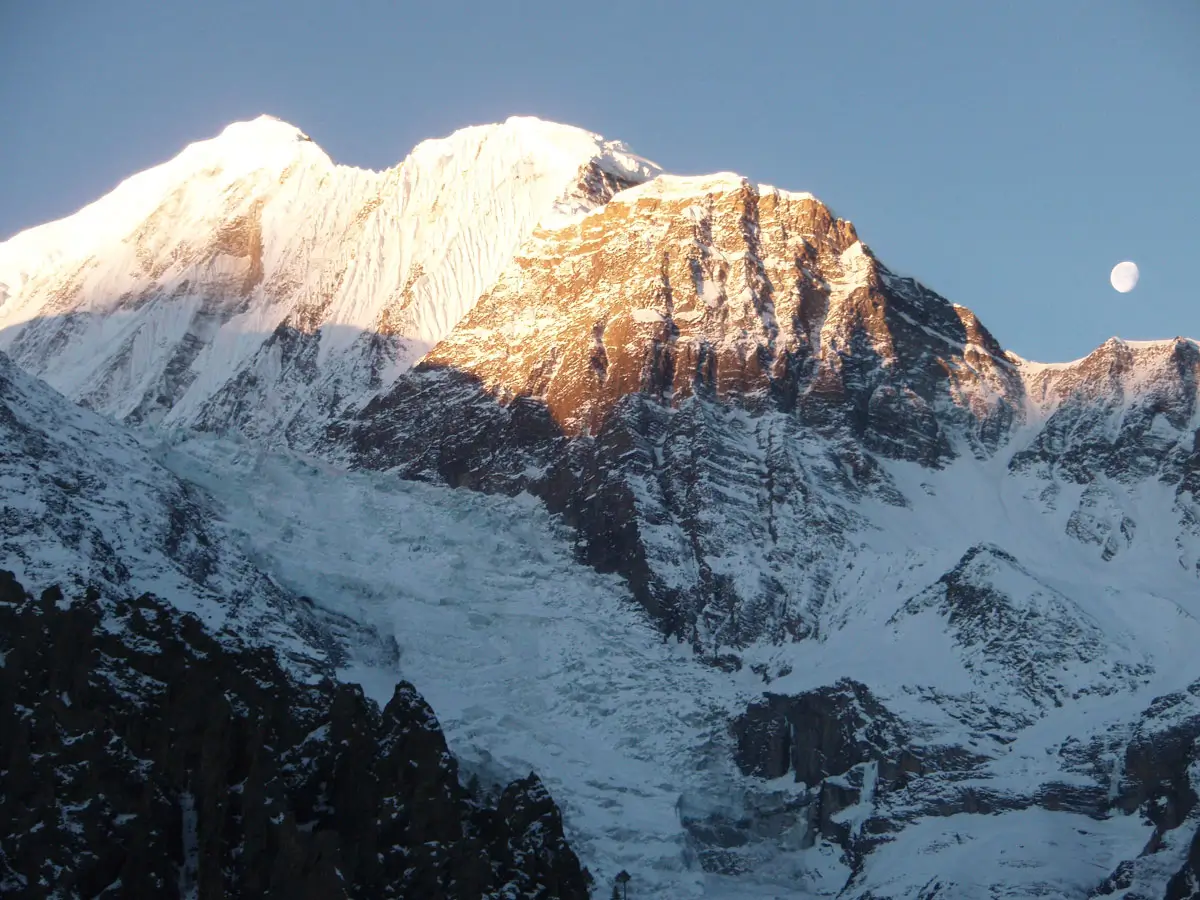
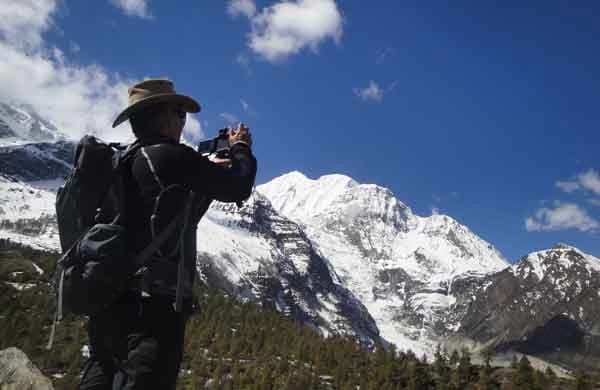
The Gangapurna Glacier!
Why Annapurna Circuit Trek in July and August- Benefits of Annapurna Circuit trek in Monsoon
Lush Landscapes at Their Most Vibrant
During Monsoon (July and August), monsoon rainfall transforms the lower and mid sections of the trail into rich, living landscapes. The forests become dense and fresh, rice terraces glow bright green, and river valleys feel full of life.
Compared to the dry conditions of spring and autumn, the scenery in the summer season feels more natural and refreshing. If you enjoy greenery, flowing water, and fertile mountain environments, the summer season offers unmatched visual richness.
Peak Wildflowers, Birds, and Seasonal Wildlife Activity
July and August are among the most active months for plant and animal life along the Annapurna Circuit Trail, as monsoon moisture supports the growth of wildflowers, alpine grasses, mosses, and medicinal plants, especially in forested and mid-altitude sections.
During monsoon season, you may notice increased wildlife activity on the trail. Forest areas often echo with the sounds of frogs and insects after rainfall, while resident Himalayan birds remain highly visible throughout the route. In some sections, migratory bird species also pass through, adding to the region’s biodiversity.
Butterflies, small mammals, and mountain birds become more active during warm and humid conditions, creating a lively natural environment. Although large wildlife sightings are rare, the constant presence of life makes the trek feel dynamic and immersive.
For nature lovers, photographers, and eco-conscious travelers, this seasonal biodiversity is one of the hidden highlights of trekking the Annapurna Circuit in monsoon months.
Rain-Shadow Advantage in Manang and Mustang
One of the biggest advantages of trekking in the Annapurna Circuit trail in July and August is the rain–shadow effect in the upper regions of the circuit. Areas beyond Manang and toward Mustang receive significantly less rainfall than the lower valleys.
As a result, many high-altitude sections remain dry and stable during monsoon months, and this natural protection makes the upper trail more reliable than most trekkers expect.
Trek in Peace Trails
July and August fall outside Nepal’s main trekking seasons, which means fewer visitors on the Annapurna Circuit Trail. The teahouses are less crowded, popular viewpoints are quieter, and walking days feel more relaxed.
If you prefer solitude, slower travel, and personal space, this calm atmosphere is one of the strongest reasons to choose the monsoon season to complete the Annapurna Circuit Trek.
Monsoon season brings constant movement to the Himalayan landscape, and clouds drift through valleys, Mist wraps around ridges, and sunlight breaks through gaps in the sky.
Instead of static, blue-sky views, you will experience a dynamic, emotional environment. This changing scenery creates a deeper sense of immersion and makes every day different.
Deeper Cultural Connections in Mountain Villages
With fewer tourists on the trail, local families have more time to interact with visitors, and you may observe farming work, livestock care, monastery routines, and daily household activities more closely.
These genuine encounters offer valuable insight into Himalayan life and make the journey more meaningful than during busy peak seasons.
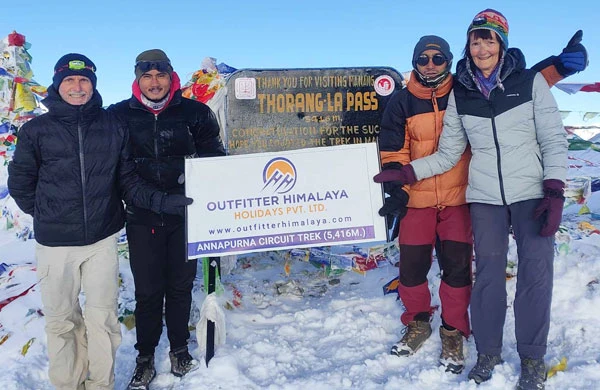
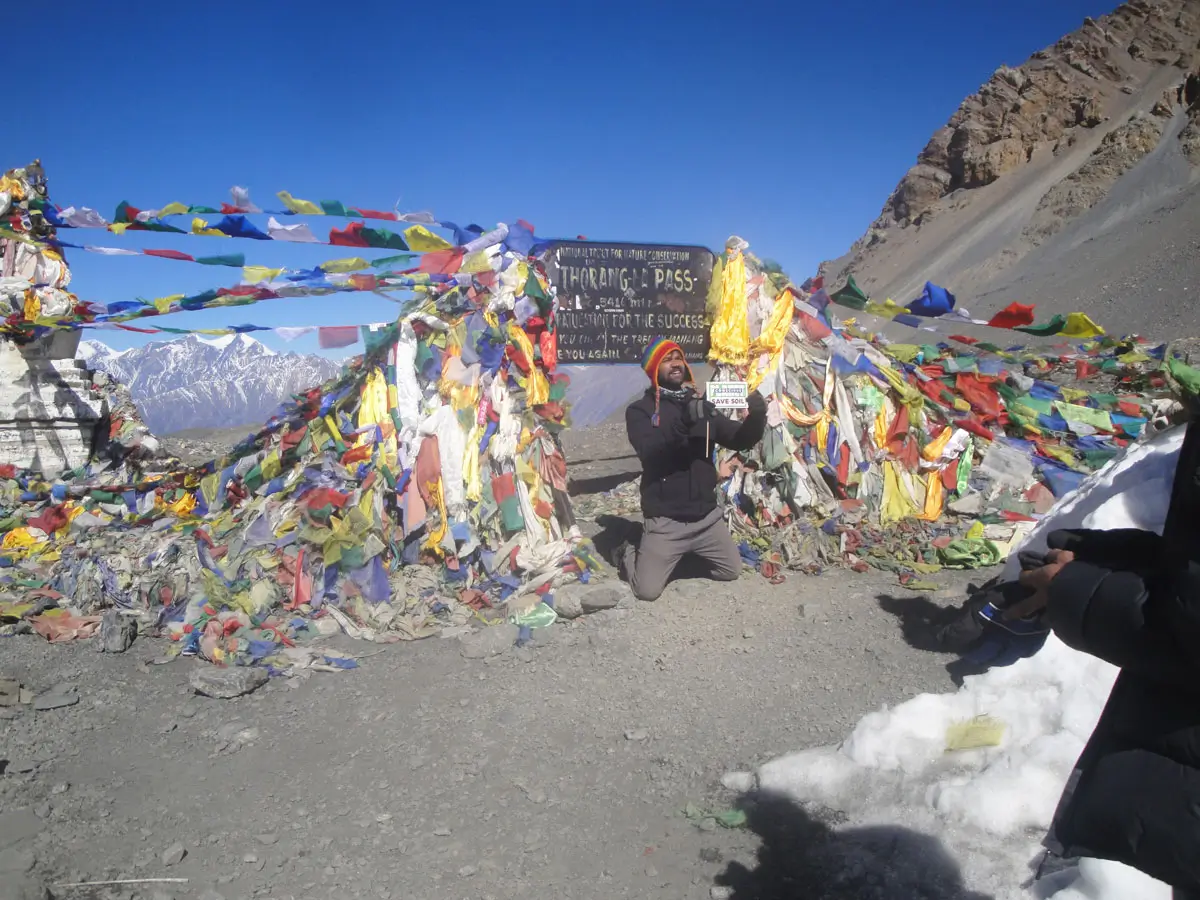
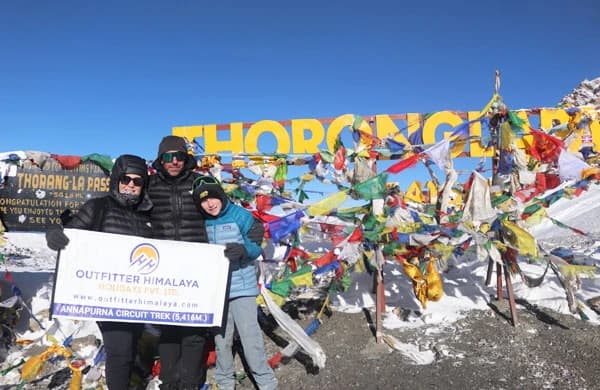
The Thorong La pass!
Disadvantages of Annapurna Circuit Trek in Monsoon (July and August)
Although trekking the Annapurna Circuit during monsoon months offers many rewards, July and August also come with seasonal limitations, and understanding these challenges helps you prepare properly and avoid disappointment.
Frequent Rainfall at Lower Elevations
During July and August, rain showers are common, particularly in the Marshyangdi Valley. Showers usually occur in the afternoon or evening but can sometimes last longer.
Wet trails and humidity can affect comfort, especially for trekkers without proper rain gear. Managing the moisture becomes an important part of daily trekking.
Slippery and Muddy Trail Sections
Stone steps and forest paths may become slippery after rainfall, and some sections may become muddy, particularly in shaded areas where sunlight does not reach easily.
This requires slower walking and careful footing. Trekking poles and good shoes are strongly recommended.
Limited Mountain Visibility
Unlike spring or autumn, mountain views in the monsoon season are not consistent throughout the day. Clouds often build up after late morning, blocking panoramic scenery for several hours.
If you expect clear views at all times, you may feel disappointed, especially in the afternoons.
Higher Risk of Leeches in Forest Zones
Humid conditions in lower elevations encourage leeches and insects. Leeches are harmless but can be uncomfortable if trekkers are unprepared.
Simple precautions such as leech socks and salt usually solve this issue.
Weather Sensitivity at High Altitude
Although upper regions receive less rain, the weather near Thorong La Pass can change quickly. Strong winds, cloud cover, or light snowfall may occasionally occur.
Requires Flexible Scheduling
Monsoon trekking does not suit rigid travel plans. The weather conditions may require minor schedule adjustments, such as starting earlier, extending rest time, or adjusting the walking pace.
Travelers who prefer fixed routines may find this challenging.
A Practical Perspective
These disadvantages are manageable rather than dangerous for well-prepared trekkers. Most issues can be handled with proper gear, realistic expectations, and experienced guidance.
With local expertise from teams like Outfitter Himalaya, trekkers can adapt to monsoon conditions safely and enjoyably.
For travelers who value atmosphere and solitude over perfect weather, these challenges are often outweighed by the rewards.
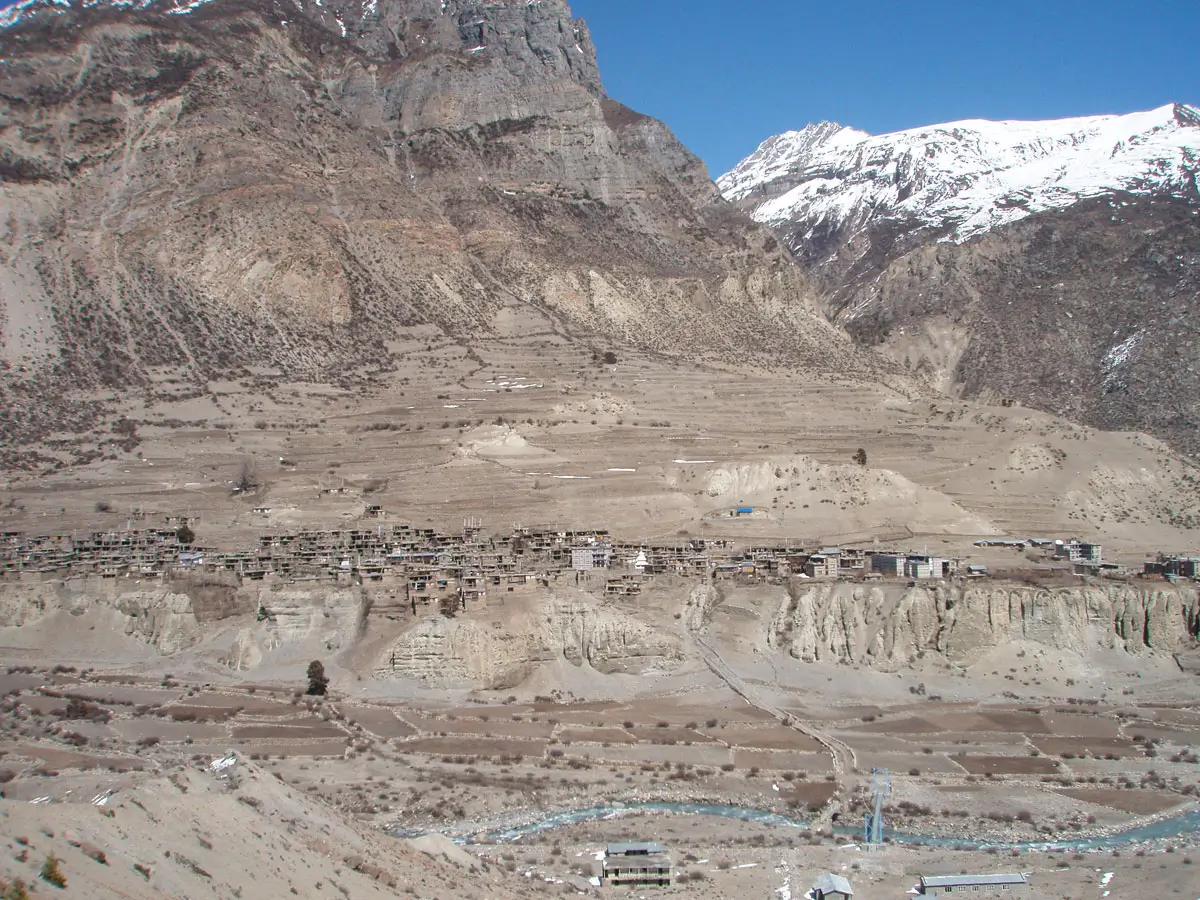
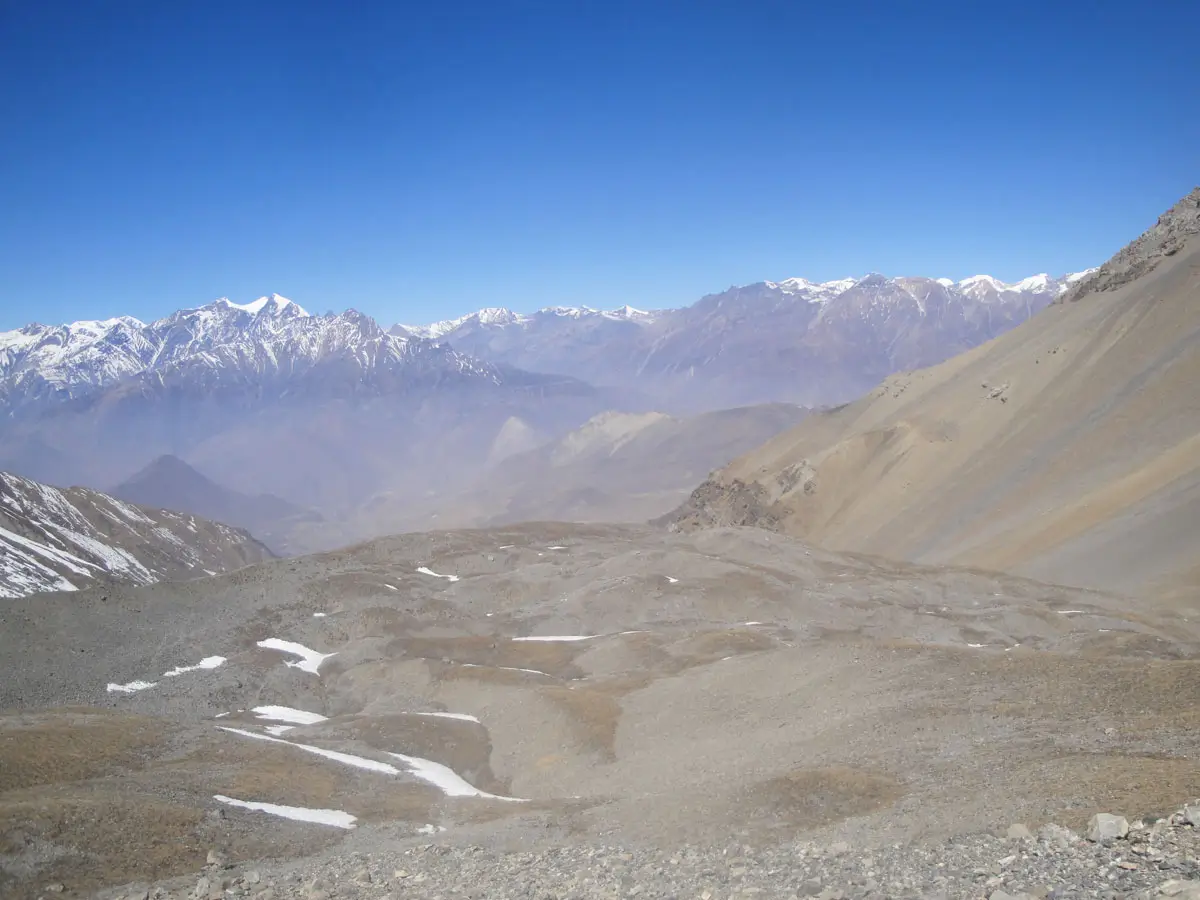
The lower Mustang Landscape View!
FAQ – Annapurna Circuit Trek in July and August (Summer Season)
Do I get proper accommodation during the off-season in the Annapurna Circuit route?
Yes, most teahouses along the Annapurna Circuit remain open even during July and August, however:
Some smaller lodges at very high elevations may operate with reduced staff
Advance communication is helpful
Options may be fewer in remote sections
The advantage?
Rooms are usually easier to secure compared to peak months.
Traveling with experienced local teams like Outfitter Himalaya ensures smoother accommodation arrangements.
Is there any difference in permits during the monsoon?
No, permit requirements remain the same year-round. For the Annapurna Circuit Trek in July and August, you need:
Annapurna Conservation Area Permit (ACAP)
TIMS card
Permit costs do not change during the monsoon season.
Is the Annapurna Circuit safe in July and August?
Yes, it is generally safe with proper preparation. Early starts, rain protection, acclimatization, and flexible planning are essential. Upper sections near Manang and Mustang remain relatively stable due to the rain-shadow effect.
Does it rain every day during the monsoon on the Annapurna Circuit?
Rain is frequent but rarely continuous all day. Showers often occur in the afternoon and evening, while mornings are typically clearer and better for trekking.
Can I cross Thorong La Pass in July or August?
Thorong La Pass is usually accessible during the monsoon months, provided proper acclimatization and early-morning crossings. The weather should always be checked locally before ascent.
Is monsoon trekking suitable for beginners?
It can be suitable for fit beginners who trek with a guide, follow acclimatization schedules, and remain flexible. Prior trekking experience is helpful but not mandatory.
What are the main disadvantages of trekking in July and August?
Increased rainfall at lower elevations
Slippery and muddy trail sections
Inconsistent mountain visibility
Higher humidity
Need for flexible scheduling
What are the biggest advantages of the Summer Annapurna Circuit Trek?
Lush green landscapes
Fewer trekkers
Rain-shadow advantage in upper regions
Dramatic cloud scenery
More personal cultural interaction
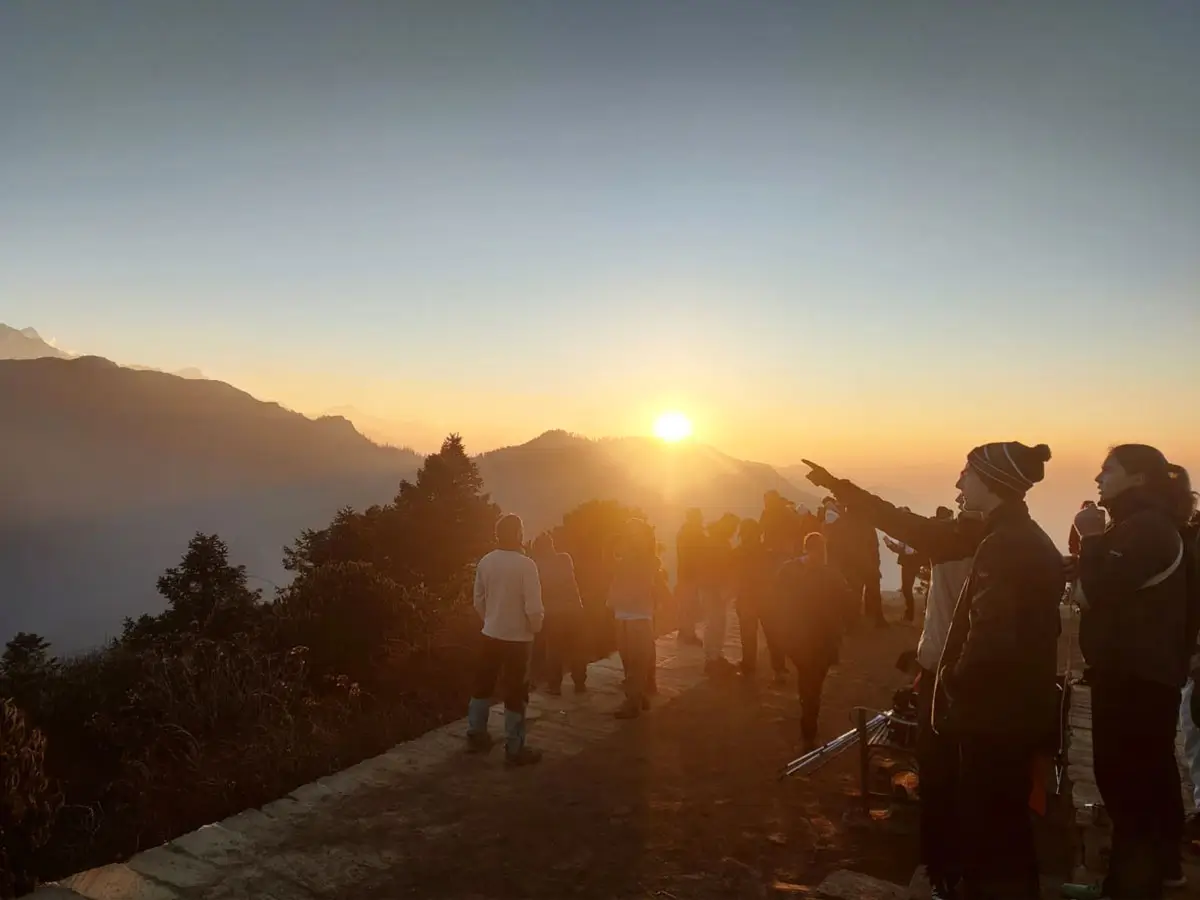
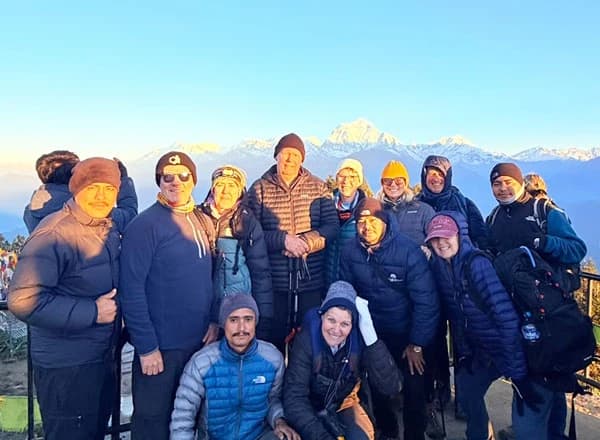
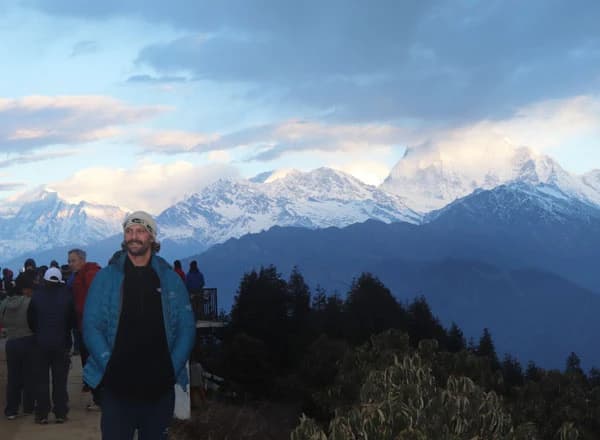
Sunrise view from Poon Hill!
Expert Tips for the Annapurna Circuit in July and August
Annapurna Circuit Trek during peak monsoon months requires a different mindset and approach. The July and August rewards go to trekkers who are patient, organized, and responsive to changing conditions.
Find the tips that are helpful toto to complete the Annapurna Circuit journey safely and enjoyably during the monsoon.
Design Your Day Around Weather Windows
The timing matters more than distance in the Monsoon season, and the clearest and most stable weather occurs in the early morning. Plan your routine like this:
Start walking by 6:00 AM
Reach the destination before 2:00 PM
Rest during afternoon cloud or rain periods
This habit minimizes weather-related discomfort and improves safety.
The Annapurna Circuit Trek in summer is best for travelers who embrace adaptability, patience, and awareness. The monsoon trekking becomes a deeply immersive Himalayan journey rather than a difficult season when you plan with smart timing, proper gear, and local expertise.
Final Thoughts: Is July and August a Good Time for the Annapurna Circuit Trek?
The Annapurna Circuit in July and August is not the conventional choice, and that is exactly why it appeals to a certain kind of traveler. These monsoon months transform the trail into a landscape of deep greens, flowing rivers, drifting clouds, and quaint villages. While rainfall increases at lower elevations, the rain-shadow areas of Manang and Mustang remain comparatively drier, allowing you to continue toward Thorong La Pass with careful planning.
The monsoon season is less about uninterrupted blue skies and more about atmosphere. The mornings often reward trekkers with views, while afternoons bring mist, movement, and shifting light that create a powerful Himalayan mood. With fewer trekkers on the Annapurna Circuit Trekking route, the interactions feel more authentic, the accommodations are less pressured, and the experience becomes more personal.
Of course, July and August require flexibility. The wet trails, occasional cloud cover, and humid conditions demand preparation and patience. But for adaptable travelers who value solitude, living landscapes, and cultural immersion, the Annapurna Circuit Trek in the monsoon can be surprisingly fulfilling.
With experienced local guidance from teams like Outfitter Himalaya, proper acclimatization, and smart scheduling, trekking in July and August remains safe and manageable.
If you are open to a different kind of Himalayan experience, one defined by movement, color, and calm –this season may be more special than you expect. We have a list of the Nepal trekking for the summer season.
April is one of the best months for the Ghorepani Poon Hill Trek, offering rhododendron flowers, warmer daytime walks, and Himalayan sunrise views from 3,210 meters. Expect busy teahouses, chilly mornings, and possible afternoon cloud [...]
The Ghorepani Poon Hill Trek in March combines the beginning of rhododendron season with warming days and opportunities for clear Himalayan views. Sunrise at 3,210 meters remains cold, and higher paths can still have snow [...]
The Annapurna Circuit Trek covers approximately 102 kilometers of walking on Outfitter Himalaya’s classic 15-day itinerary, including the Manang acclimatization hike. The journey unfolds through riverside forests, mountain villages and open valleys before crossing Thorong La [...]