Poon Hill Trek in February is a beautiful late-winter trek in Nepal and the trek offers clear Himalayan views, peaceful trails, crisp mornings, and a calm sunrise experience from Poon Hill. February is still cold, especially around Ghorepani and Poon Hill, but the weather often feels slightly more comfortable than in January. The skies are usually clear, rainfall is low, teahouses on the main route remain open, and the trek is suitable for beginners with proper warm clothing. By late February, the lower forests may also begin to show the first gentle signs of spring, making the journey both peaceful and refreshing.
Ghorepani Poon Hill Trek in February - Late Winter Calm, Clear Himalayan Views, and the First Hint of Spring
The Ghorepani Poon Hill Trek in February is one of the best short late -winter treks in Nepal for travelers who want clear mountain views, quiet trails, and a peaceful Himalayan experience before the busy spring season begins. It is a month that sits beautifully between deep winter and early spring. The mornings are still cold, and the nights can be freezing in higher villages, but the days often feel brighter, calmer, and slightly more comfortable than in January.
February gives the Poon Hill route a special mood. The forests are quiet, the villages feel relaxed, and the mountains often appear sharp against the clean winter sky. As you walk through stone staircases, rhododendron forests, and traditional Gurung and Magar villages, you may feel both the stillness of winter and the first soft signs of the coming spring.
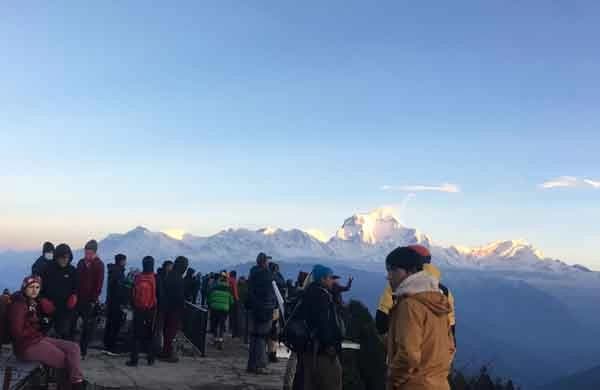
The Poon Hill trek begins in Pokhara and follows the classic route through villages such as Ulleri, Ghorepani, Tadapani, and Ghandruk. The highlight is the hike to Poon Hill at 3,210 meters, where trekkers watch the sunrise over Annapurna South, Machhapuchhre, Hiunchuli, Nilgiri, and Dhaulagiri. The sunrise is beautiful because the air is often clear in February, the peaks may still carry winter snow, and the viewpoint is usually less crowded than in peak trekking months.
The Ghorepani Poon Hill Trek in February is beginner-friendly with proper preparation and does not involve technical climbing or high altitudes, but you should still be ready for uphill stone steps, cold mornings, and possible frost or light snow in higher sections. Warm layers, good trekking shoes, gloves, a hat, and a headlamp are important for comfort and safety.
For beginners, couples, families, photographers, and short-holiday travelers, February offers a wonderful balance. It has winter clarity, peaceful trails, open teahouses, strong mountain views, and a slight promise of spring in the lower hills. It is a perfect month for those who want a quiet Himalayan trek that feels fresh, scenic, and deeply rewarding.
Highlights of Ghorepani Poon Hill Trek in February
The Ghorepani Poon Hill Trek in February offers a peaceful late-winter trekking experience with clear mountain views, quiet trails, and the first gentle signs of spring in the lower hills.
Clear sunrise views from Poon Hill
Peaceful trails before the spring trekking season
Crisp views of Annapurna, Dhaulagiri, Machhapuchhre, and Hiunchuli
Slightly warmer daytime conditions than January
Cold but beautiful winter mornings
Possible frost or light snow around Ghorepani and Poon Hill
Early signs of spring in the lower forest sections
Beginner-friendly short trek with proper preparation
Cozy teahouse evenings with fewer crowds
Great photography conditions in clear late-winter light
Traditional Gurung and Magar villages along the route
Easy access from Pokhara
Good choice for short-holiday travelers
Calm transition between winter and spring
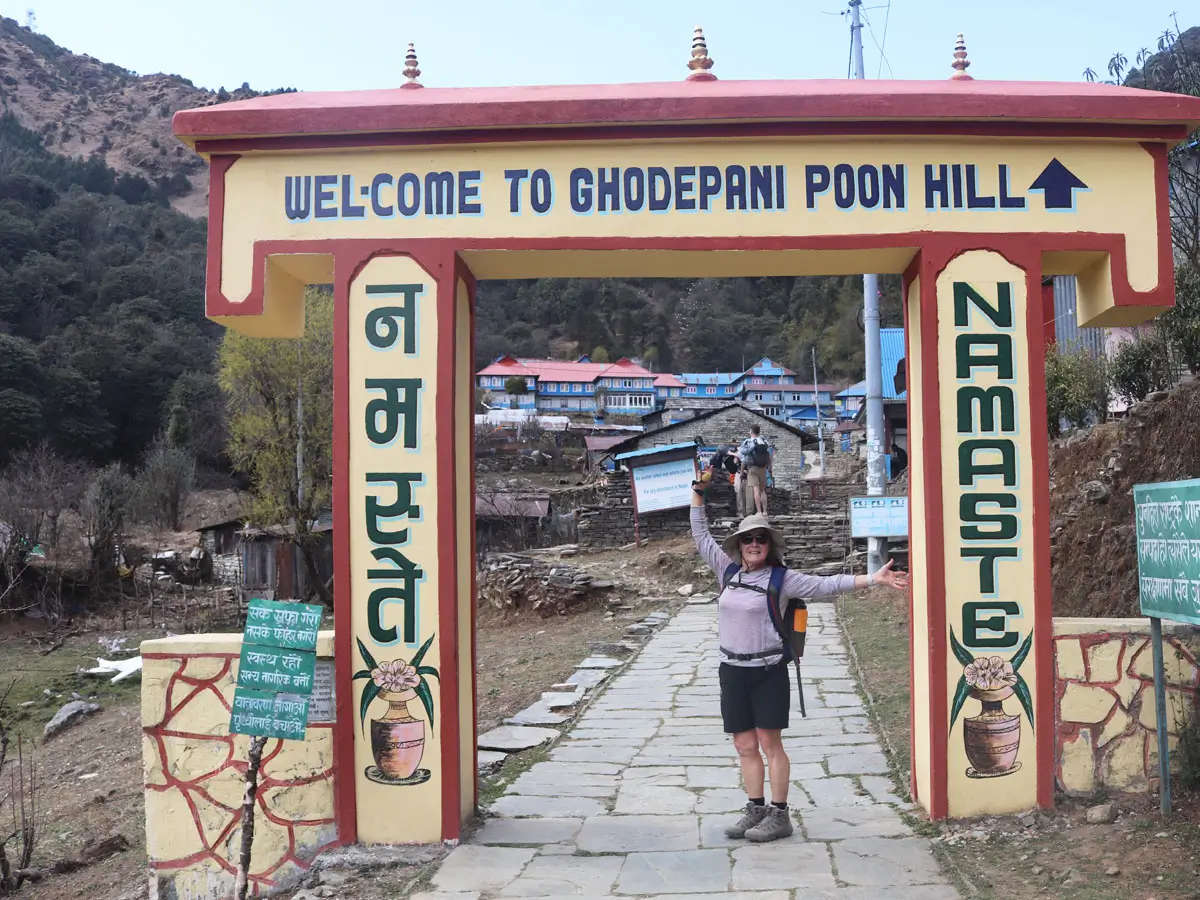
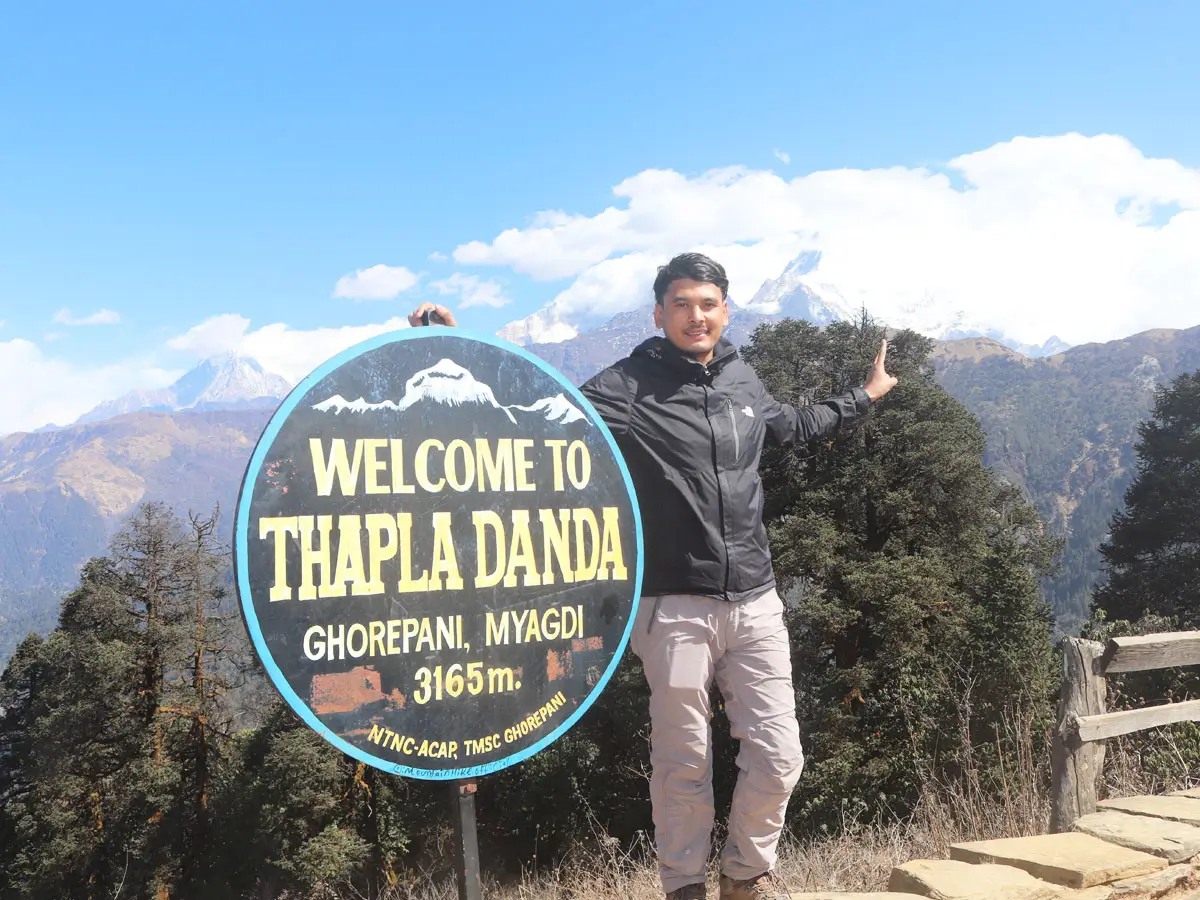
Welcome to Ghorepani!
Best Ghorepani - Poon Hill Treks for February
We have many trekking Itineraries that include a visit to Poon Hill View Point, and some of the most popular Ghorepani - Poon Hill Trek itineraries for October are:
Poon Hill Trek – 3 Days: Poon Hill Trek is a short 3-day trek that starts and ends in Pokhara and is suitable for those who want a short trek in the Annapurna region and are already in Pokhara, or who want to start and end the Trek in Pokhara.
Ghorepani-Ghandruk Trek - 4 Days: This is a 4-day Ghorepani – Poon Hill Trek that starts and ends in Pokhara, includes treks to Tadapani and Ghandruk, and is suitable for those already in Pokhara looking for a private or small-group trek.
Ghorepani Poon Hill Trek - 10 Days: The 10-day Ghorepani Poon Hill Trek starts and ends in Kathmandu and includes a tour of Kathmandu, a tour of Pokhara, and 4 days of trekking to Poon Hill, suitable for those looking for a packaged tour from arrival to departure.
Annapurna Panorama Trek- 5 Days: The 5-day Annapurna Panorama Trek starts and ends in Pokhara, and this itinerary includes a trek to Poon Hill and also Jhinu Hot Spring.
Khopra Ridge with Poon Hill- 8 Days: The 8-day Khopra Trek with Poon Hill starts and ends in Pokhara and includes a trek to Khopra Ridge (Khayer Lake) and Poon Hill.
Poon Hill – ABC and Mardi Himal – 17 Days: This 17-Day Poon Hill, ABC, and Mardi Himal Trek is suitable for trekkers who want to spend many days in the Himalaya and is for older trekkers, as it is a lower-altitude trek.
ABC Via Poon Hill Trek- 14 Days: The 14-Day itinerary starts and ends in Kathmandu and also includes your arrival and departure days to and from Nepal, plus a day tour in Kathmandu. This Trek is suitable for those looking for a small-group packaged trek.
Why Choose Ghorepani Poon Hill Trek in February?
Ghorepani Poon Hill Trek in February means choosing a peaceful time between winter and spring. The deep cold of January is slowly softening, and the busy spring trekking season has not fully started yet. This makes February a beautiful month for travelers who want clear mountain views, quiet trails, and a calm Himalayan atmosphere.
The trek feels fresh in February, and the mornings are still cold; the forest paths are quiet, and the villages wake slowly under the soft winter sun. As you walk through stone steps, rhododendron forests, and traditional mountain settlements, you can feel the season beginning to change. Winter is still there, but spring is quietly waiting nearby.
A Peaceful Trek Before the Spring Crowds
February is a great month to enjoy the Poon Hill route before the main spring season begins. The trails are usually quieter than March and April, and the sunrise viewpoint is often less crowded.
The peaceful atmosphere gives the trek a more personal feeling, and you can walk slowly, listen to the forest, enjoy village life, and take in the mountain views without the rush of peak season.
Clear Views with Late-Winter Freshness and Spring Haze
One of the best reasons to choose February is the mountain visibility, which is often excellent, especially in the morning. The air is still cool and clean after winter, so the Annapurna and Dhaulagiri ranges can look sharp and bright when the weather is clear.
The sunrise feels especially beautiful, and the peaks slowly turn golden; the valleys remain quiet below, and the cold morning air makes the whole moment feel fresh and powerful.
The First Hint of Spring
February is not the full rhododendron season yet, but the lower hills may begin to feel brighter and more alive, especially toward late February. The forest air feels fresher, the village surroundings grow softer, and the landscape slowly begins to move toward spring.
This gentle transition gives February its own charm. It is not only a winter trek, nor is it yet a spring trek. It is a quiet bridge between both seasons.
A Short Trek with a Big Himalayan Reward
The Ghorepani Poon Hill Trek is perfect for travelers who want a short trek with strong mountain rewards, and in just a few days, you can enjoy forests, villages, teahouses, sunrise views, and wide Himalayan panoramas.
February makes the short journey even more special, offering calm trails, clear views, and a refreshing late-winter mood near Pokhara.
A Good Choice for Beginners
For beginners, February is a practical month to experience trekking in Nepal. The route is well-established, the altitude is moderate, and the trek does not require technical climbing.
With warm layers, good trekking shoes, and steady pacing, beginners can enjoy a safe and rewarding Himalayan trek. It is a good option for those who want beauty, comfort, and adventure in a short itinerary.
A Beautiful Month for Quiet Travelers
February is best for travelers who do not want noise, rush, or heavy crowds. It is for people who enjoy calm mornings, warm tea in teahouses, clear mountains, and slow walking through peaceful villages. If you want the Poon Hill Trek to feel quiet, scenic, and slightly different from the usual busy-season experience, February is a wonderful month to choose.
A Calm Transition Between Winter and Spring
February has a unique seasonal feeling. It is not as cold and silent as January, but it is not yet as busy and colorful as spring. This makes the trek feel balanced, peaceful, and fresh.
For travelers who enjoy quiet trails, clear views, and a gentle hint of seasonal change, February is a beautiful time for the Ghorepani Poon Hill Trek.
Pros of Ghorepani Poon Hill Trek in February - Benefits of Poon Hill Trek in February
The Ghorepani Poon Hill Trek in February offers many advantages for travelers seeking a peaceful, scenic trekking experience before the spring crowds arrive. It still carries the beauty of winter, but the days often begin to feel slightly softer and more comfortable.
Clear Mountain Views: February often offers excellent Himalayan visibility. The air is still fresh after winter, and the views of Annapurna South, Machhapuchhre, Hiunchuli, Nilgiri, and Dhaulagiri can be sharp and beautiful from Poon Hill.
Quieter Trails Before Spring: February is less crowded than March and April. This gives trekkers a peaceful walking experience, easier photo stops, and a calmer sunrise viewpoint.
Better Daytime Comfort Than January: Although mornings and nights are cold, February days can feel more comfortable when the sun is out. This makes walking more pleasant compared to the deeper winter conditions of January.
Beautiful Late-Winter Sunrise: Although mornings and nights are cold, February days can feel more comfortable when the sun is out. This makes walking more pleasant compared to the deeper winter conditions of January.
Early Signs of Spring: By late February, some lower sections of the trail may begin to feel fresher and more colorful. The forest slowly begins to change, giving the trek a gentle spring feel while still keeping its winter charm.
Good Trek for Beginners: The trek is short, well-established, and does not reach extreme altitude. With proper warm clothing and steady pacing, February is a good month for beginners to experience trekking in Nepal.
Easier Accommodation Availability: The teahouses are usually less crowded in February, and trekkers often find rooms more easily in places like Ghorepani, Tadapani, and Ghandruk.
Lower Chance of Rain: February is generally a dry month, so the risk of heavy rain disrupting the trek is lower. Dry trails and clear mornings make the journey more enjoyable.
Great for Photography: February offers ideal conditions for photography: clear mountains, soft winter light, quiet villages, and peaceful forest trails. The sunrise from Poon Hill is especially photogenic.
Perfect Short Trek Near Pokhara: The Ghorepani Poon Hill Trek can be completed in 3 to 5 days, making it ideal for travelers with limited time. It offers a big Himalayan experience without requiring a long trek.
Balanced winter Experience: February is not as harsh as January and not as busy as spring. This balance makes it one of the most attractive months for trekkers seeking beauty, peace, and comfort in one.
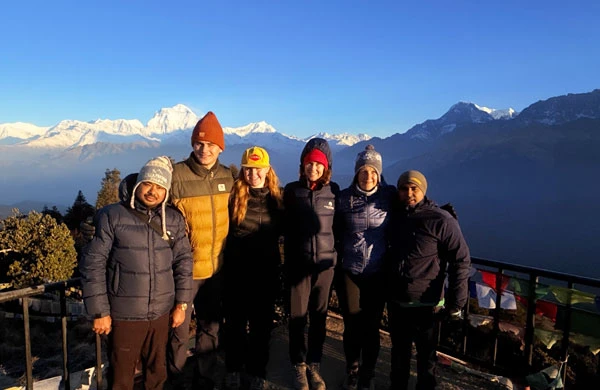
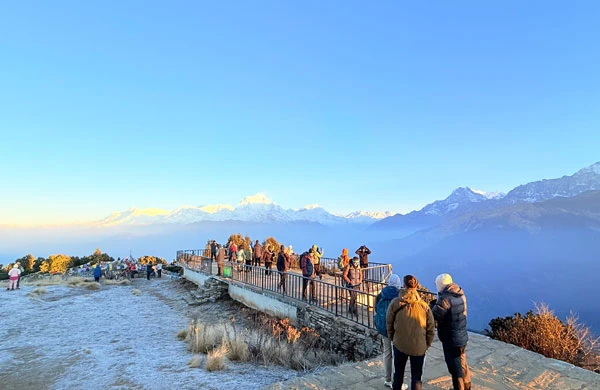
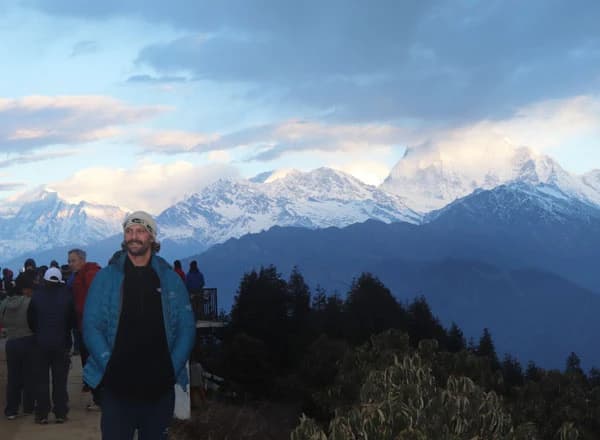
Himalaya view from Poon Hill!
Culture and Village Life During Ghorepani Poon Hill Trek in February
The Ghorepani Poon Hill Trek in February is not only about sunrise and mountain views. It is also a chance to experience the quiet village life of the Annapurna foothills before the busy spring season begins.
The route passes through traditional Gurung and Magar villages such as Ulleri, Ghorepani, Tadapani, and Ghandruk. In February, these villages feel calm and relaxed. The mornings are cold, smoke rises from kitchen chimneys, and teahouses slowly come alive with the smell of tea, soup, and warm meals.
Ghandruk is one of the cultural highlights of the trek and its stone houses, narrow lanes, mountain views, and Gurung heritage make it a beautiful place to slow down and enjoy local life. The village feels peaceful, with fewer trekkers and more space to appreciate its traditional charm in February.
The evernings in teahouse also feel special, after a cold walking day, sitting inside with Dal Bhat, ginger tea, or hot soup feels comforting. Because the trail is quieter, local hosts often have more time to talk and share simple stories about mountain life.
Weather and Temperature During Ghorepani Poon Hill Trek in February
February is the late-winter month on the Ghorepani Poon Hill Trek, and the weather is still cold, especially in the morning and at night, but it usually starts to feel slightly more comfortable than January. The skies are often clear, rainfall is generally low, and the mountain views can be excellent when the weather is stable.
During the day, trekking can feel pleasant in the sun, especially in Lower villages and open trail sections. However, higher places such as Ghorepani, Tadapani, and Poon Hill remain cold. The sunrise hike to Poon Hill is usually the coldest part of the trek, so warm clothing is still very important.
Morning Weather
February mornings are cold and crisp, and around Ghorepani and Poon Hill, frost may appear on rooftops, forest paths, and stone steps, especially in early February.
The good side is that mornings often bring the clearest mountain views. If the sky is open, the Annapurna and Dhaulagiri ranges can look sharp, bright, and beautiful in the clean late-winter air.
Daytime Weather
Daytime walking in February is more comfortable than in January, and when the sun is out, trekkers may feel warm while climbing uphill, especially in the lower sections like Ulleri and Ghandruk.
Still, the air remains cool at higher elevations. A layered clothing system is best because you can remove layers while walking and add them again during rest stops.
Evening and Night Weather
Evenings and nights are cold in February. Teahouse dining rooms may feel warm and cozy, but bedrooms are usually not heated. Ghorepani and Tadapani can still feel freezing at night, especially in early February.
Warm sleepwear, thermal layers, or a sleeping bag can improve comfort.
Average Temperature on Ghorepani Poon Hill Trek in February
Temperatures can vary with altitude, sunlight, wind, and weather conditions. The table below gives a general idea of what trekkers can expect in February.
Place
Elevation
Daytime Temperature
Night / Early Morning Temperature
Pokhara
820m
18°C to 24°C
7°C to 12°C
Nayapul/Hile
1000 m – 1500 m
14°C to 22°C
5°C to 10°C
Ulleri
2050 m
10°C to 18°C
2°C to 7°C
Ghorepani
2860 m
6°C to 14°C
-4°C to 2°C
Poon Hill
3210m
5°C to 12°C
-6°C to 0°C during sunrise
Tadapani
2630 m
7°C to 15°C
-3°C to 3°C
Ghandruk
1940 m
10°C to 18°C
3°C to 8°C
Rainfall in February
February is generally a dry month in the Annapurna Foothills, and heavy rainfall is uncommon, which makes the trail easier to walk. Dry weather also improves the chance of clear sunrise views from Poon Hill.
However, the mountain weather can change, so you should still carry a light waterproof or windproof jacket.
Snow and Frost Possibility
Snow is possible in February, especially around Ghorepani, Tadapani, and Poon Hill. Early February may feel more winter-like, with frost or icy patches on shaded sections. Late February usually begins to feel slightly milder, but cold conditions can remain at higher points.
Light snow can make the scenery more beautiful, but it can also make stone steps slippery. Trekking shoes with good grip and trekking poles are helpful.
Mountain Visibility in February
Mountain visibility is one of the biggest advantages of trekking in February. The air is often still clear from winter, and the skies can be bright before the busier spring season begins.
From Poon Hill, trekkers can enjoy views of Annapurna South, Machhapuchhre, Hiunchuli, Nilgiri, and Dhaulagiri. Sunrise views are often excellent when the weather is stable.
Overall February Weather Experience
The weather in February is cold but rewarding. It offers a good balance between winter clarity and slightly improving comfort. Trekkers should prepare for cold mornings, freezing sunrise conditions, and possible frost, but they can also enjoy dry trails, clear skies, and peaceful late-winter mountain views.
For travelers who want a quiet Poon Hill Trek before spring crowds arrive, February can be one of the most attractive months.
Does It Snow on Poon Hill in February?
Yes, snow is possible on Poon Hill in February, especially in early February or after a fresh winter weather system. Many February treks experience dry trails, clear skies, and only frost or light icy patches around higher areas. Snow or frost is more likely around Ghorepani, Tadapani, Poon Hill, and shaded forest sections; lower areas such as Pokhara, Nayapul, Hile, and Ghandruk are usually milder and less likely to have heavy snow.
Light snow can make the trek more beautiful, and forest trails, rooftops, and mountain viewpoints may look fresh and peaceful beneath a thin white layer. However, it can also make stone steps slippery in the morning. Trekkers should wear trekking shoes with good grip and use trekking poles for extra balance. A guide is also helpful for checking trail conditions and choosing the safest time to walk.
In most cases, snow in February is manageable with proper preparation. It can even add extra beauty to the Ghorepani Poon Hill Trek, especially when the mountains are clear after snowfall.
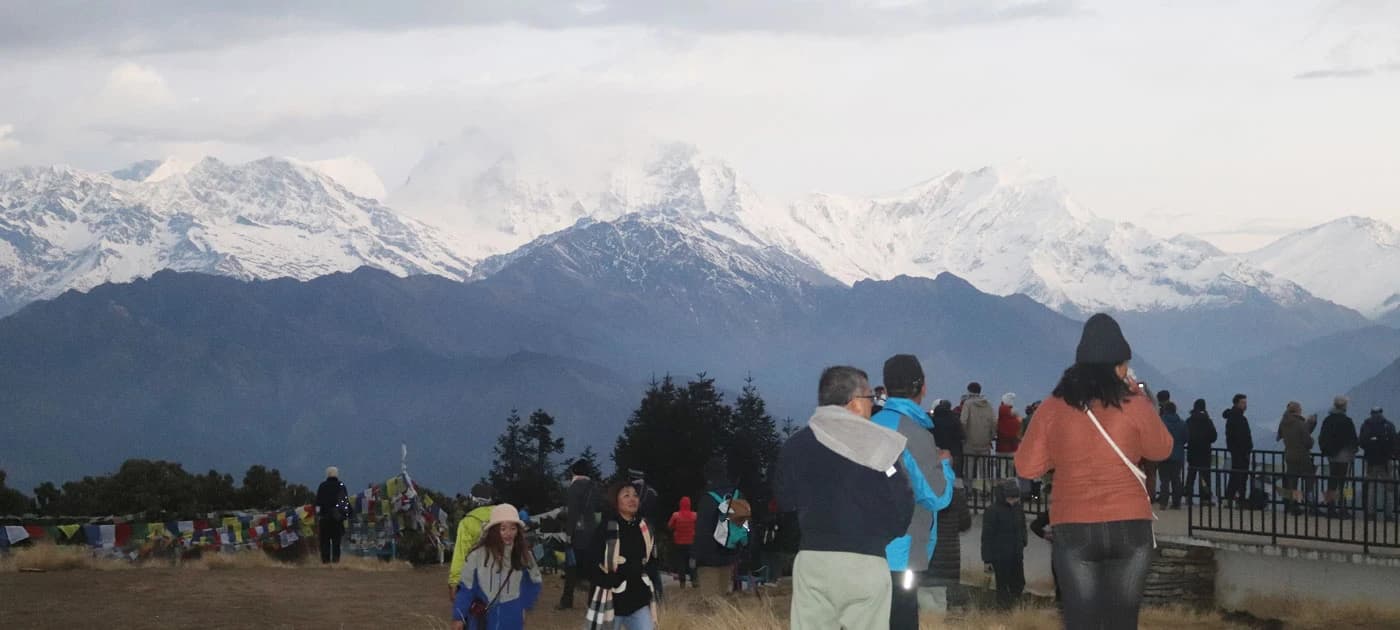
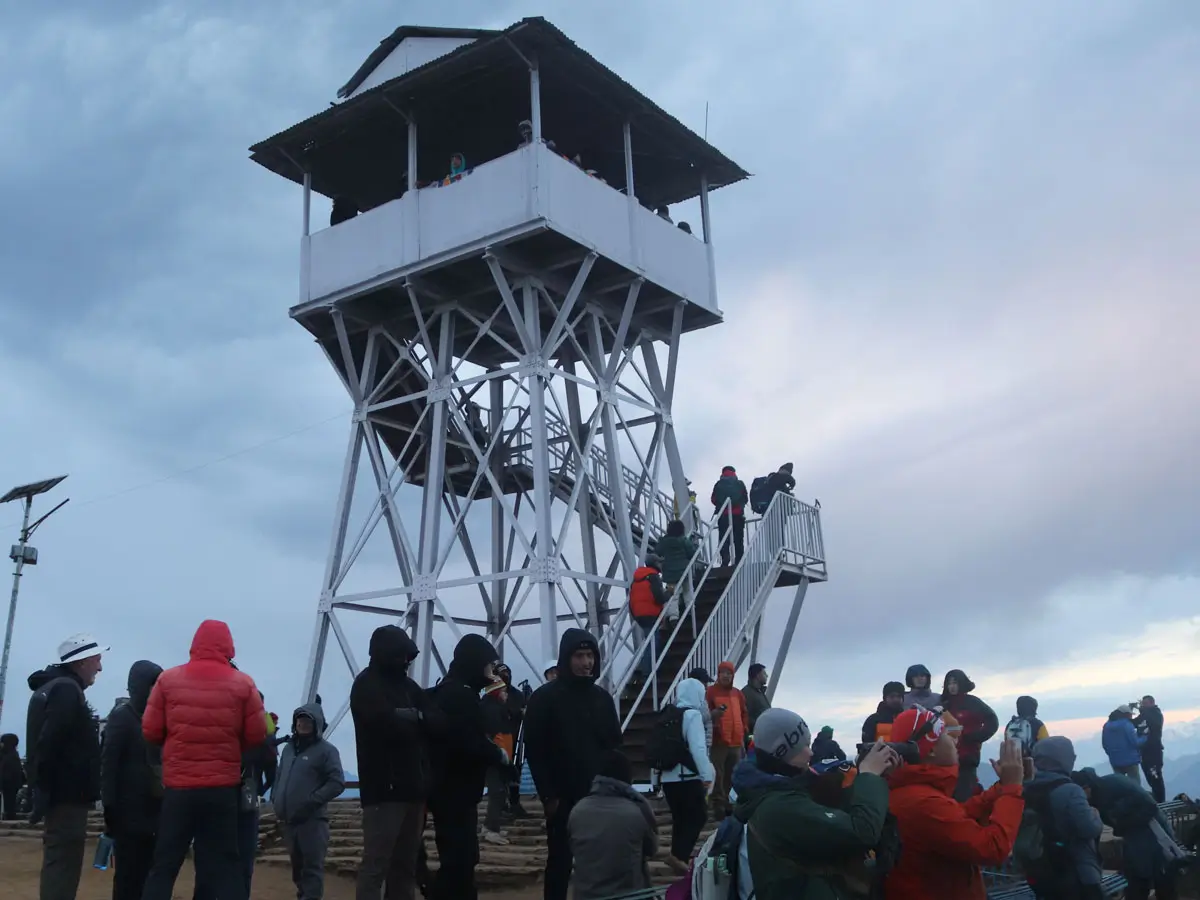
The Poon Hill View Point!
Cons of Ghorepani Poon Hill Trek in February – Disadvantages of Poon Hill Trek in February
The Ghorepani Poon Hill Trek in February is beautiful and manageable, but trekkers should still prepare for late-winter conditions. The challenges are not extreme, but knowing them helps make the trek safer and more comfortable.
Cold Mornings and Nights: February is warmer than January, but mornings and nights can still be very cold around Ghorepani, Tadapani, and Poon Hill. Carry warm layers, a down jacket, gloves, a hat, and warm sleepwear.
Freezing Sunrise Hike: The early morning hike to Poon Hill can feel freezing before sunrise. Trekkers usually start in the dark, so the cold feels stronger at that time. Wear proper winter layers and carry a headlamp for safety.
Possible Frost or Light Snow: Frost, icy paths, or light snow may appear on shaded trails and stone steps, especially in early February. Good trekking shoes and trekking poles help reduce the risk of slipping.
Limited Services in Some Places: Most teahouses along the main route remain open, but some small shops or side-route services may be limited, as February is still a quieter trekking month. Staying on the main route and trekking with local support makes the journey easier.
Weather Can Still Change: February is generally dry and clear, but mountain weather can never be fully guaranteed. Clouds, wind, or occasional snow may affect the view or trail conditions. Check the weather locally and keep one flexible plan if possible.
Which Part of February Is Best for Ghorepani Poon Hill Trek?
February is a transition month on the Ghorepani Poon Hill Trek. Early February can still feel like winter, while late February slowly begins to feel closer to spring. The whole month can be good for trekking, but the experience changes slightly depending on when you go.
Early February: Best for Clear Winter Views
Early February still carries a strong sense of winter, and mornings and nights are cold; frost or light snow is possible around Ghorepani, Tadapani, and Poon Hill. Early February is ideal for trekkers seeking peaceful trails, crisp air, and clear mountain views, and it may feel colder than late February, but the winter scenery can be beautiful.
Best for: photographers, winter lovers, peaceful trekkers, and travelers who want clear mountain views.
Mid February: Best Overall Balance
Mid February often offers a nice balance between winter clarity and slightly improved comfort. The trails are still quieter than in spring, but daytime walking may feel more pleasant when the sun is out. This is a good time for most trekkers because it offers peaceful trails, good visibility, and manageable late-winter conditions.
Best for: beginners, couples, families, photographers, and short-holiday trekkers.
Late February: Best for Softer Weather and Early Spring Feeling
Late February can feel more comfortable than early February. The lower forest sections may begin to feel fresher, and the trail slowly starts moving toward the spring season. It is still not the full rhododendron season, but the atmosphere becomes softer and brighter. This is a great time for trekkers who want clear views with a gentle hint of spring.
Best for: beginners, families, relaxed trekkers, and travelers who prefer slightly warmer conditions.
For most travelers, mid to late February is the best time for the Ghorepani Poon Hill Trek. Mid February gives the best balance of clear views and peaceful trails, while late February offers slightly better daytime comfort and a gentle feeling of spring.
If you want the quietest winter mood, choose early February. If you want a more comfortable late-winter trek, choose late February.
Difficulty of Ghorepani Poon Hill Trek in February
The Ghorepani Poon Hill Trek in February is an easy-to-moderate trek suitable for beginners, families, couples, and travelers seeking a short Himalayan trekking experience without extreme altitude or technical climbing.
The highest point of the Trek is Poon Hill at 3,210 meters, which is moderate compared to many longer treks in Nepal. The risk of altitude sickness is lower than on high-altitude routes, but you should still walk slowly, stay hydrated, and follow a comfortable pace.
Main Physical Challenge
The main challenge is the uphill and downhill walking, the long stone staircases around Ulleri, and the climb toward Ghorepani. These sections can feel tiring, but they are manageable with steady pacing and short breaks, and trekkers should expect:
4 to 6 hours of walking on most trekking days
Uphill stone steps
Downhill sections that may affect the knees
Forest trails and village paths
Cold morning starts
Early sunrise hike to Poon Hill
You do not need advanced trekking experience, but basic fitness and a comfortable ability to walk are helpful.
How February Affects the Difficulty
February is slightly easier than January for daytime comfort, and the mornings and nights can be cold, especially around Ghorepani, Tadapani, and Poon Hill.
Early February may have frost or light snow on shaded trails, while late February can feel more comfortable during the day. The sunrise hike to Poon Hill can still feel freezing, so warm layers, gloves, a hat, and a headlamp are important.
Is the Trek suitable for Beginners in February?
Yes, the Ghorepani Poon Hill Trek is suitable for beginners in February with proper preparation. The route is well-established, teahouses are available on the main trail, and the Trek can be completed in a few days.
Beginners should choose a comfortable itinerary, avoid rushing, wear proper trekking shoes, and prepare for cold mornings. Trekking with a guide can also make the journey smoother and safer.
Overall Difficulty Rating
Factor
Difficulty Level
Physical Effort
Easy to Moderate
Altitude Challenge
Low to Moderate
Technical Difficulty
Low
Winter Cold
Moderate
Trail Condition
Generally Stable, Frost Possible
Beginner Suitability
Good with Preparation
Overall, the Ghorepani Poon Hill Trek in February is not difficult, but it still requires winter awareness. With warm clothing, good footwear, steady walking, and simple preparation, most trekkers can complete it comfortably and enjoyably.
Are Teahouses Open on the Ghorepani Poon Hill Trek in February?
Yes, most teahouses on the Ghorepani Poon Hill Trek remain open throughout February, especially along the main route through Ulleri, Ghorepani, Tadapani, and Ghandruk. Since February is still a quieter trekking month, finding accommodation is usually easier than during the busy spring and autumn seasons.
Comfortable Teahouse Stay
The teahouses provide simple but comfortable rooms with beds, blankets, and basic facilities. Bedrooms are generally not heated, so it's recommended to bring a warm sleeping bag or wear thermal sleepwear for cold February nights.
Food and Drinks
Most teahouses continue serving a variety of trekking meals, including:
Dal Bhat
Fried rice
Noodles
Pasta
Soup
Tibetan bread
Pancakes
Eggs and porridge
Hot drinks such as ginger tea, lemon honey tea, milk tea, coffee, and hot chocolate are popular choices during the cold mornings and evenings.
Hot Showers, Charging, and Wi-Fi
The teahouses offer hot showers, mobile charging, and Wi-Fi, although these services usually come with an additional fee. The availability and internet speed can vary depending on the village and weather conditions.
Peaceful Winter Atmosphere
One of the biggest advantages of staying in teahouses during February is the peaceful atmosphere, with the fewer trekkers on the route, the dining halls are quieter, rooms are easier to find, and you often have more opportunities to chat with local hosts and enjoy authentic mountain hospitality.
Our Recommendation
Book your trek with with a trusted local trekking company, if you are trekking in February. They can confirm teahouse availability, monitor trail conditions, and make your winter trek smoother and more enjoyable.
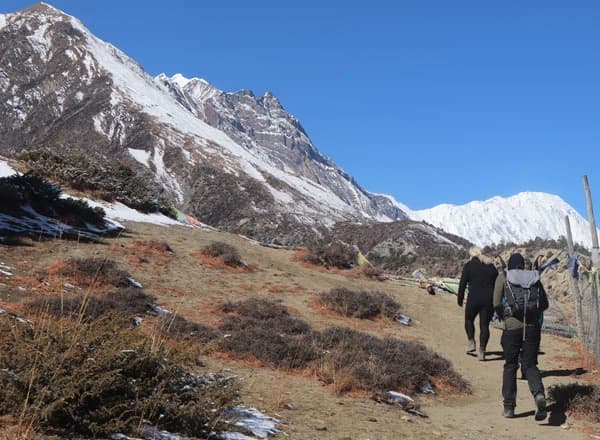
The Poon hill Trail!
What to Pack for Ghorepani Poon Hill Trek in February
Packing properly is important for the Ghorepani Poon Hill Trek in February because the month still has winter conditions, especially in the mornings, at night, and in higher areas around Ghorepani and Poon Hill. The days may feel more comfortable than January, but warm layers are still necessary.
Warm Layered Clothing: Layering is the best way to stay comfortable in February. Pack thermal base layers, a fleece or warm mid-layer, and a windproof or waterproof outer jacket and helps you adjust easily between cold mornings and warmer daytime walking.
Down Jacket or Insulated Jacket: A warm jacket is important for evenings, cold teahouse rooms, and the early morning hike to Poon Hill. Even in February, the sunrise viewpoint can feel freezing before the sun comes up.
Gloves, Hat, and Neck Warmer: Carry warm gloves, a wool hat or beanie, and a neck warmer. These are small items, but they make a big difference during the sunrise hike and cold evening hours.
Trekking Shoes with Good Grip: Good trekking shoes are important for stone steps, forest trails, and possible frosty sections. Choose comfortable shoes with strong grip and ankle support.
Headlamp: A headlamp is essential for the Poon Hill sunrise hike because you start walking before dawn. It helps you walk safely on dark and uneven trails.
Trekking Poles: Trekking poles are useful on uphill and downhill stone steps. They also help with balance in frost, light snow, or on slippery sections.
Sleeping Bag or Warm Sleepwear: Teahouse rooms are usually not heated. A sleeping bag, thermal sleepwear, or extra warm clothing will help you stay comfortable at night, especially in Ghorepani and Tadapani.
Sun Protection: The mountain sun can be strong, So, carry sunglasses, sunscreen, and SPF-rated lip balm to protect your skin and lips for the february trek.
Power Bank and Personal Essentials: Cold weather can drain phone and camera batteries faster. Bring a power bank and keep electronics warm when not in use. Also pack personal medicine, basic toiletries, hand sanitizer, snacks, and a reusable water bottle.
Pack Light but Prepare for Cold: Poon hill trek is short, so avoid overpacking and focus on warm layers, comfortable footwear, useful winter accessories, and simple safety items. With the right packing, the Ghorepani Poon Hill Trek in February becomes more comfortable, safe, and enjoyable.
Expert Tips for Ghorepani Poon Hill Trek in February
The Ghorepani Poon Hill Trek in February is beautiful and manageable, but late-winter conditions still require smart preparation. These simple expert tips can help make the trek safer, warmer, and more enjoyable.
Start Early for Clear Views: The morning offers the best mountain visibility in February and start your trekking days early so you can enjoy clearer skies, walk at a relaxed pace, and reach your teahouse before evening cold settles in.
Dress in Layers: February weather changes during the day. Mornings and evenings are cold, while daytime walking can feel warmer in the sun. Wear layers so you can adjust easily without feeling too hot or too cold.
Prepare for a cold sunrise Hike: The hike from Ghorepani to Poon Hill starts before dawn, and it can feel freezing at the viewpoint. Wear a down jacket, gloves, a hat, and a neck warmer, and carry a headlamp.
Use Trekking Poles: Trekking poles are very helpful on stone steps, downhill sections, and possible frosty trails. They reduce knee pressure and improve balance.
Keep Batteries Warm: Cold weather can drain phone and camera batteries quickly. Keep your phone, camera batteries, and power bank inside your jacket or sleeping bag when not in use.
Drink Enough Water: Trekkers often drink less water in cold weather, but hydration is still important. Drink regularly and enjoy warm drinks like ginger tea, lemon tea, or soup in the evening.
Check Local Weather: February is usually clear and dry, but mountain weather can change. Ask your guide or teahouse owner about trail and sunrise conditions before hiking to Poon Hill.
Stay on the Main Route: In February, it is best to follow the main Ghorepani Poon Hill route through popular villages such as Ulleri, Ghorepani, Tadapani, and Ghandruk. Services are more reliable on the main trail.
Trek with Local Support: A local guide can help with teahouse arrangements, trail updates, cultural information, and winter safety; this is especially helpful if there is frost, snow, or changing weather.
Outfitter Himalaya’s Quick Trek Planner: Ghorepani Poon Hill Trek in February
If you are planning the Ghorepani Poon Hill Trek in February, this quick planner gives you a clear idea of what to expect before booking or finalizing your itinerary.
Planning Factor
February Trekking Details
Best For
Beginners, couples, families, photographers, short-holiday travelers, and trekkers seeking quiet trails before spring
Trek Difficulty
Easy to moderate
Maximum Elevation
Poon Hill, 3,210 m
Typical Duration
3 to 5 days, depending on route and pace
Weather
Cold mornings and nights, clearer skies, and slightly warmer daytime conditions than January
Temperature
Comfortable during sunny daytime walking, cold to freezing around Ghorepani and Poon Hill
Mountain Views
Excellent, especially during sunrise from Poon Hill
Snow Chance
Possible in early February, especially around Ghorepani, Tadapani, and Poon Hill
Trail Condition
Usually stable, with possible frost or light icy patches in shaded areas
Crowd Level
Low to moderate; quieter than spring and autumn peak seasons
Teahouses
Most teahouses remain open on the main route
Main Challenge
Cold sunrise hike, frosty sections, and changing late-winter weather
Recommended Gear
Warm layers, down jacket, gloves, hat, headlamp, trekking shoes, and trekking poles
Best Part of February
Mid to late February for better comfort and early spring feeling
Guide Recommendation
Recommended for winter safety, teahouse arrangements, and local trail updates
The Ghorepani Poon Hill Trek in February is ideal for travelers who are seeking clear Himalayan views, peaceful trails, and a softer winter trekking experience before the spring crowds arrive. It is suitable for those who want a short trek near Pokhara with excellent sunrise views and manageable conditions.
If you want a calm trail, crisp mountain scenery, and a gentle transition from winter toward spring, February can be one of the most rewarding months for the Poon Hill Trek.
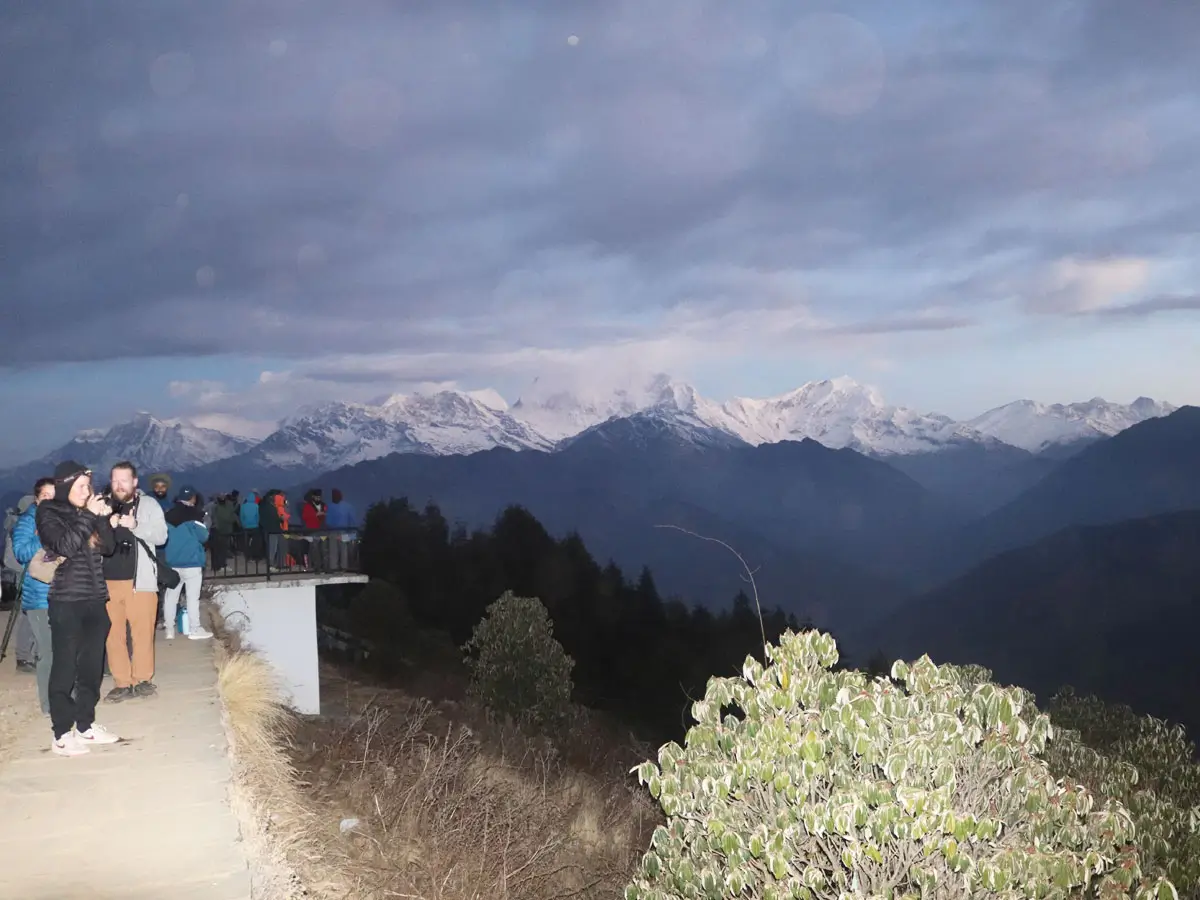
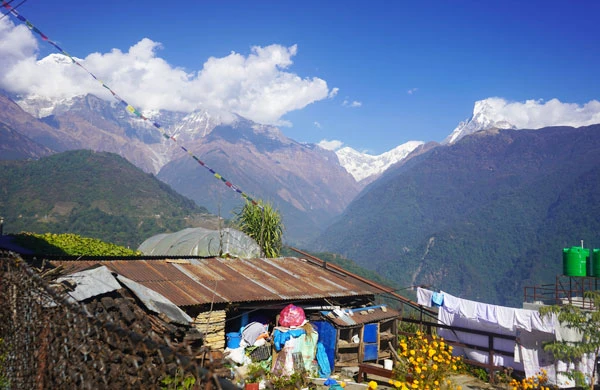
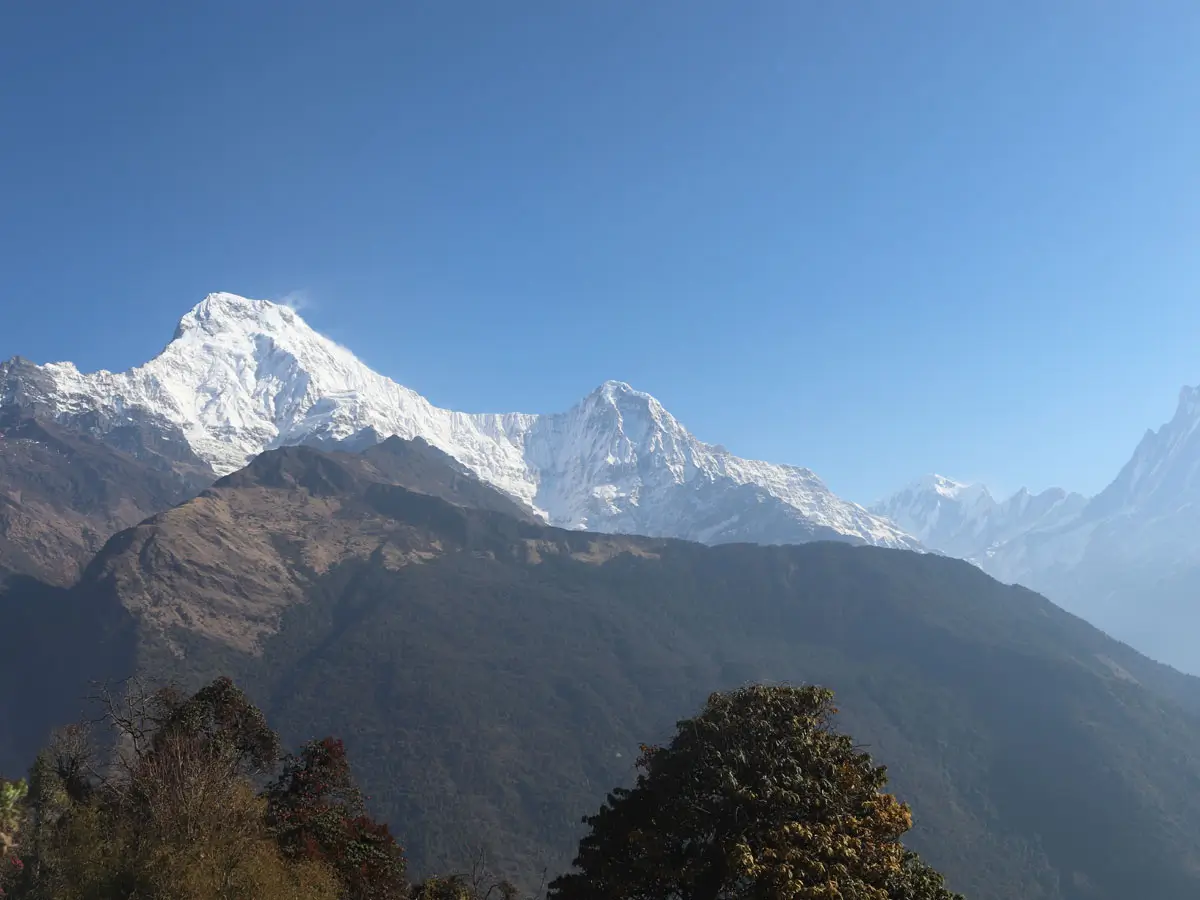
Himalaya view from Tadapani!
FAQ- Ghorepani Trek in February
Is Ghorepani Poon Hill Trek possible in February?
Yes, the Ghorepani Poon Hill Trek is possible in February. The main route usually remains open, teahouses continue operating, and the trek is manageable with proper warm clothing. Trekkers should be prepared for cold mornings, cold nights, and possible frost around higher sections.
Is February a good time for Poon Hill Trek?
Yes, February is a good time for the Poon Hill Trek if you want peaceful trails, clear mountain views, and a late-winter trekking experience before the busy spring season begins. It is colder than March and April, but usually less crowded and very scenic.
How cold is Poon Hill in February?
Poon Hill is cold in February, especially before sunrise. Early morning temperatures near the viewpoint may drop below freezing, while daytime temperatures can feel more comfortable when the sun is out.
Does it snow on Poon Hill in February?
Snow is possible on Poon Hill in early February, or after winter weather. However, heavy snow is not guaranteed. Many trekkers experience dry trails with frost or light icy patches around Ghorepani, Tadapani, and Poon Hill.
Are teahouses open on the Ghorepani Poon Hill Trek in February?
Yes, most teahouses on the main Ghorepani Poon Hill Trek route remain open in February. Villages such as Ulleri, Ghorepani, Tadapani, and Ghandruk usually provide accommodation and food for trekkers.
Is Poon Hill Trek suitable for beginners in February?
Yes, Poon Hill Trek is suitable for beginners in February. With proper preparation, the trek is short and well-established, and it does not reach extreme altitudes. Beginners should prepare for uphill stone steps, cold weather, and an early-morning hike to Poon Hill.
What should I pack for Poon Hill Trek in February?
For February, pack warm layers, a down jacket, gloves, a hat, neck warmer, trekking shoes with good grip, a headlamp, trekking poles, sunglasses, sunscreen, personal medicine, and a power bank. A sleeping bag or warm sleepwear is also useful for cold nights at teahouses.
Is the sunrise from Poon Hill clear in February?
February often offers excellent sunrise views from Poon Hill when the weather is stable. The air is usually clear after winter, and trekkers can enjoy beautiful views of Annapurna South, Machhapuchhre, Hiunchuli, Nilgiri, and Dhaulagiri.
Is Ghorepani Poon Hill Trek crowded in February?
February is usually less crowded than March, April, October, and November. The trail may become slightly busier toward late February, but overall it remains much quieter than the main trekking seasons.
How difficult is Ghorepani Poon Hill Trek in February?
The Ghorepani Poon Hill Trek in February is easy to moderate, and the main challenges are uphill stone staircases, cold mornings, possible frost, and the pre-dawn hike to Poon Hill. With proper gear and steady pacing, most prepared trekkers can complete it comfortably.
How many days are needed for Ghorepani Poon Hill Trek in February?
Most trekkers complete the Ghorepani Poon Hill Trek in 3 to 5 days, depending on the starting point, route, and walking pace. A 4-day itinerary is common and allows enough time to enjoy Ghorepani, Poon Hill sunrise, Tadapani, and Ghandruk.
Do I need a guide for Poon Hill Trek in February?
A guide is recommended in February for winter safety and smoother logistics. A local guide can help check trail conditions, confirm which teahouses are open, manage timing, and explain the culture and villages along the route.
Is February better than January for Poon Hill Trek?
February is slightly more comfortable than January during daytime walking and offers late-winter clarity with a gentle movement toward spring.
Is February better than March for Poon Hill Trek?
February is quieter and peaceful, while March is warmer and closer to rhododendron blooming season. If you want fewer crowds and clear late-winter views, February is a good choice. If you prefer warmer weather and more spring color, March may be better.
Can families do Ghorepani Poon Hill Trek in February?
Yes, families can do the Ghorepani Poon Hill Trek in February if they are prepared for cold mornings and choose a comfortable itinerary. Since the trek is short and does not reach extreme altitude, it is one of the better winter trekking options for families in Nepal.
Conclusion
The Ghorepani Poon Hill Trek in February is a wonderful choice for travelers, who want a short Himalayan trek with clear views, peaceful trails, and a gentle late-winter atmosphere. The February is still cold in the mornings and at night, but the days feel more comfortable.
February gives the Poon Hill route a special balance. The trail is quieter than the busy spring months, the mountain views can be beautifully clear, and the lower hills slowly begin to feel fresher as the season moves toward spring. It is a month where winter has not fully left, but the first soft signs of seasonal change begin to appear.
For beginners, families, couples, photographers, and short-holiday travelers, February is a practical and beautiful time to do the Ghorepani Poon Hill Trek. The route is not technically difficult, teahouses remain open on the main trail, and the trek can be completed in just a few days with proper preparation.
At Outfitter Himalaya, our local team can help you plan the right itinerary, arrange experienced guides, organize permits, and prepare for late-winter trekking conditions. Whether you want a private trek, a family-friendly trip, or a short scenic journey near Pokhara, we can help make your Poon Hill Trek safe, smooth, and memorable.
In February, Poon Hill feels like a quiet meeting point between winter and spring, where clear mountains, peaceful trails, and soft morning light come together beautifully.
The Ghorepani Poon Hill Trek in March combines the beginning of rhododendron season with warming days and opportunities for clear Himalayan views. Sunrise at 3,210 meters remains cold, and higher paths can still have snow [...]
The Annapurna Circuit Trek covers approximately 102 kilometers of walking on Outfitter Himalaya’s classic 15-day itinerary, including the Manang acclimatization hike. The journey unfolds through riverside forests, mountain villages and open valleys before crossing Thorong La [...]
The Annapurna Circuit Trek costs about USD 650–1,900 per person with Outfitter Himalaya, depending on the itinerary, group size, and services included. Outfitter Himalaya’s 15-day Classic Annapurna Circuit Trek has published group-size prices of USD [...]