Ghorepani Poon Hill Trek in January is one of the best short winter treks in Nepal for travelers who want crystal-clear Himalayan views, quiet trails, and a peaceful sunrise over the Annapurna and Dhaulagiri ranges. January is one of the coldest months on the Poon Hill route, but the skies are often very clear, rainfall is rare, and the trail is still accessible with proper warm clothing. Most teahouses on the main route stay open, and the trek is suitable for beginners who are prepared for cold mornings, frosty paths, and winter trekking conditions.
Poon Hill Trek in January - Deep winter silence, Crystal-clear Mountains, and a peaceful Himalayan Sunrise
The Poon Hill Trek in January offers a quiet, deeply peaceful winter trekking experience in Nepal. It is cold, crisp, and calm, but also incredibly rewarding for travelers who want clear mountain views without the crowds of the main trekking seasons.
January is the heart of winter in Nepal, and the mornings are cold; the nights are freezing, and frost may appear on stone steps and forest trails. However, the winter atmosphere also brings some of the clearest skies of the year, and when the weather is stable, the views of Annapurna South, Machhapuchhre, Hiunchuli, Nilgiri, and Dhaulagiri from Poon Hill can be sharp, bright, and unforgettable.
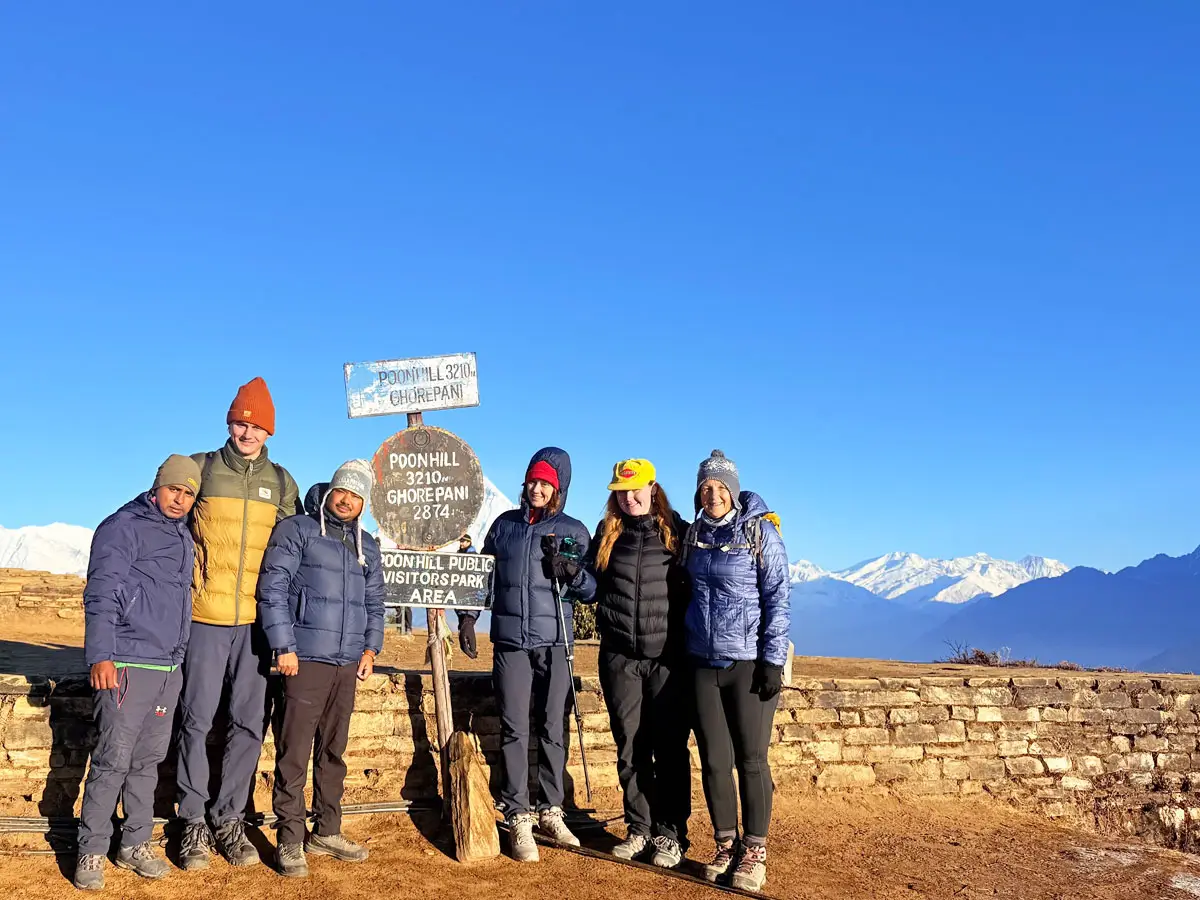
The trek usually starts from the Pokhara area and passes through beautiful villages, stone staircases, rhododendron forests, and traditional settlements such as Ulleri, Ghorepani, Tadapani, and Ghandruk. The main highlight is the early morning hike to Poon Hill at 3,210 meters, where trekkers watch the first golden light touch the snow-covered Himalayan peaks.
January is much quieter compared to October and November, and the trail feels more open; the teahouses are less crowded, and the villages move at a slower winter rhythm. You may hear birds in the forest, see smoke rising from teahouse chimneys, and walk through peaceful paths where the only sounds are footsteps, wind, and distant village life.
The Ghorepani Ghandruk trek in January is not technically difficult, but it does require preparation for cold weather. With the right preparation and winter equipment, January becomes a beautiful month for trekkers seeking a short Himalayan journey with a true winter feel.
For beginners, families, couples, photographers, and travelers with limited time in Nepal, this trek offers a wonderful balance. It is a short, scenic, culturally rich trek at a lower altitude than many major Himalayan treks, and it also offers one of the most famous sunrise viewpoints in Nepal.
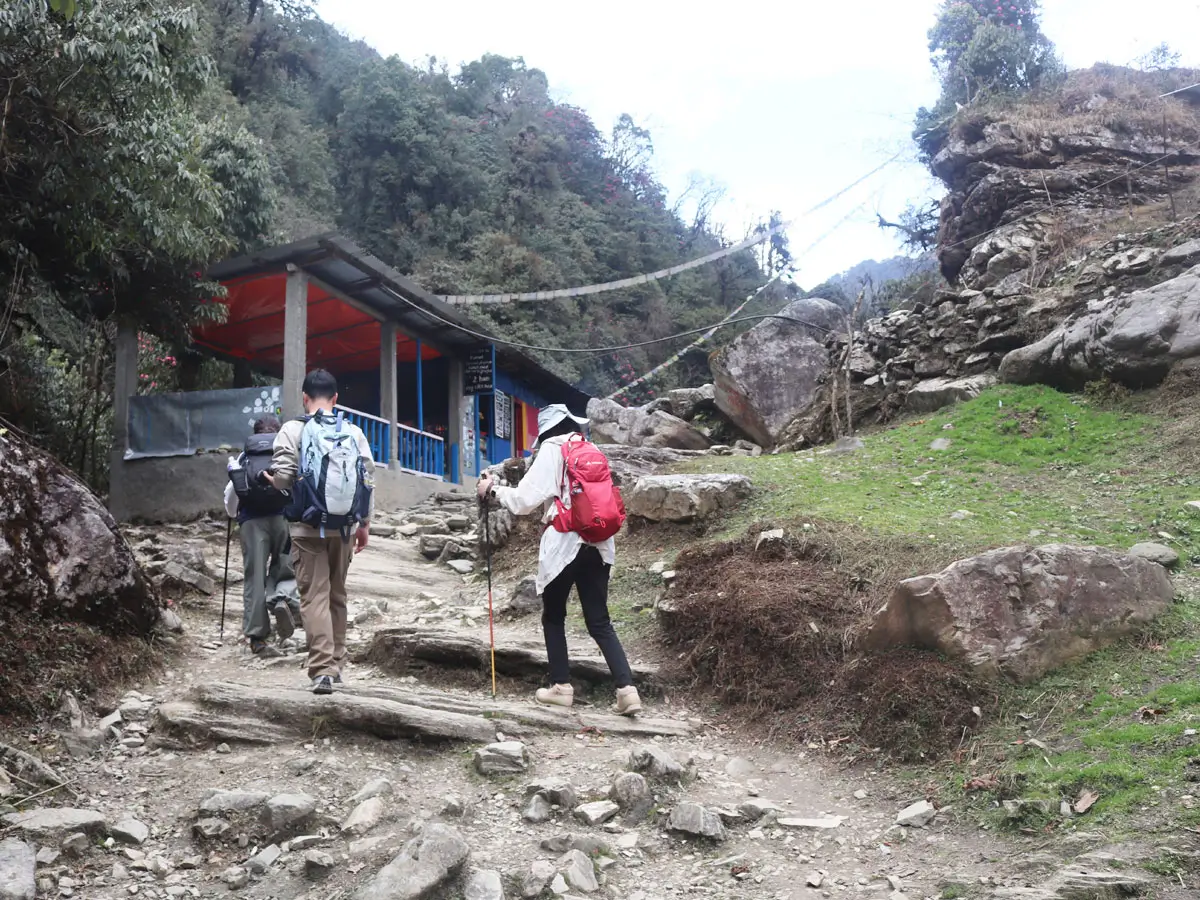
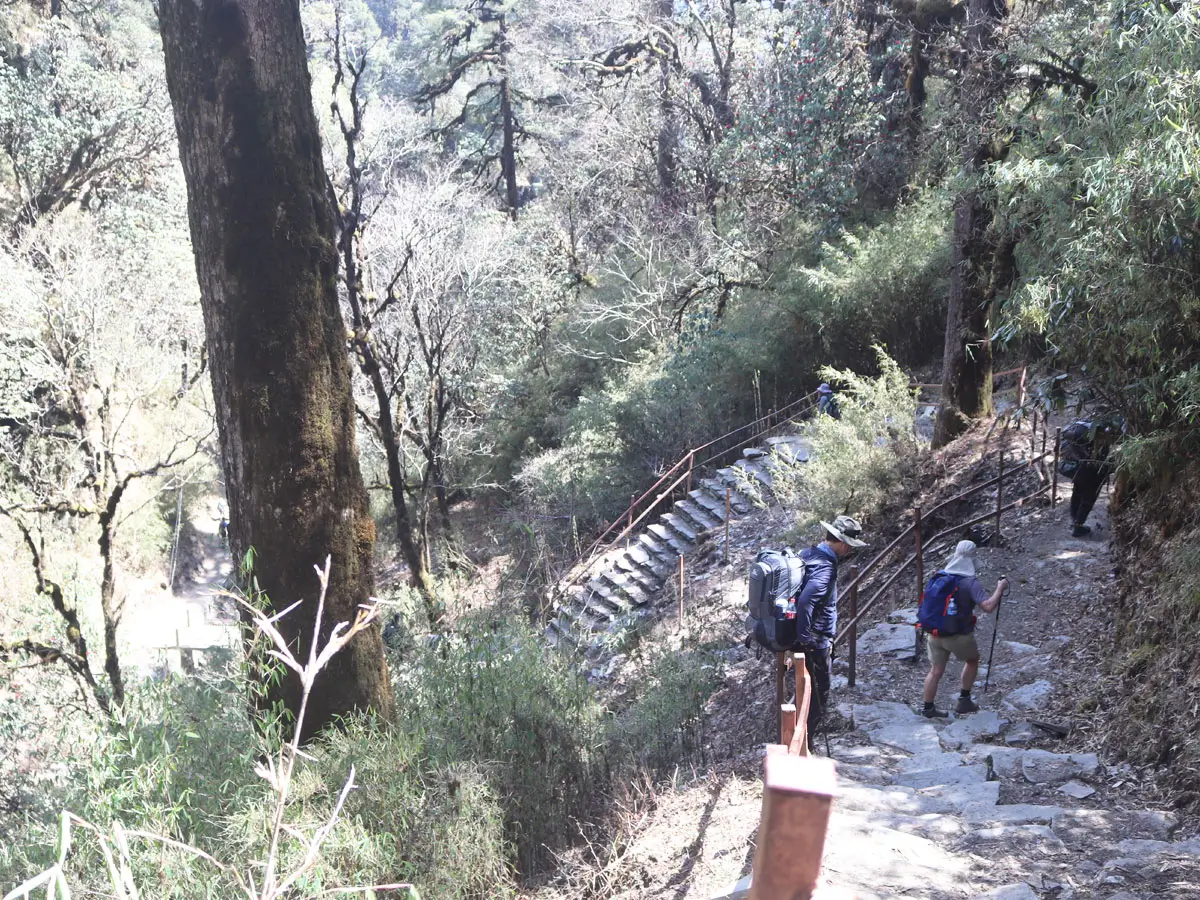
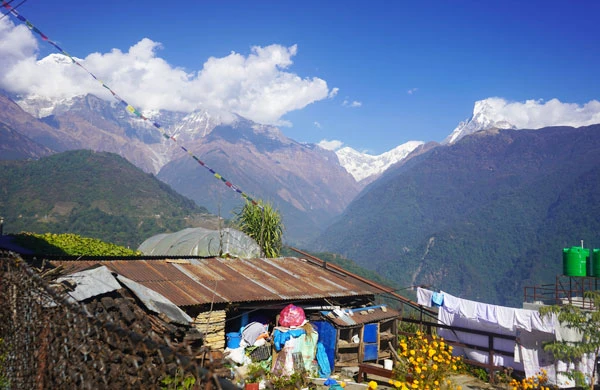
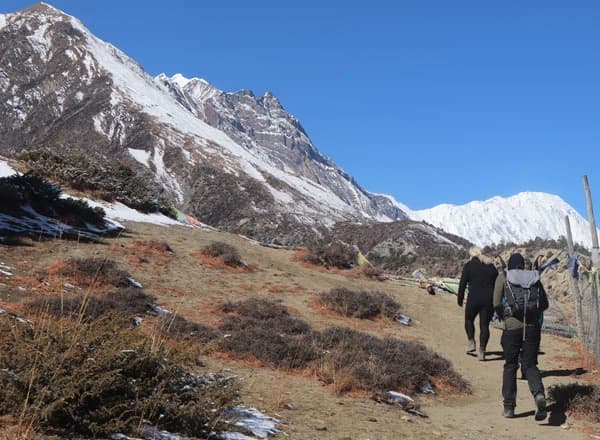
Walking towards Ghorepani!
Highlights of Ghorepani Poon Hill Trek in January
Crystal-Clear Himalayan Views: January often brings clear mountain visibility, and you can enjoy wide views of Annapurna South, Machhapuchhre, Hiunchuli, Nilgiri, and Dhaulagiri from Poon Hill.
Peaceful Winter Trails: The Poon Hill trail is quieter in January than in the main autumn months, making the trek ideal for travelers who prefer calm walking days, less crowded teahouses, and a more personal connection with nature and local villages.
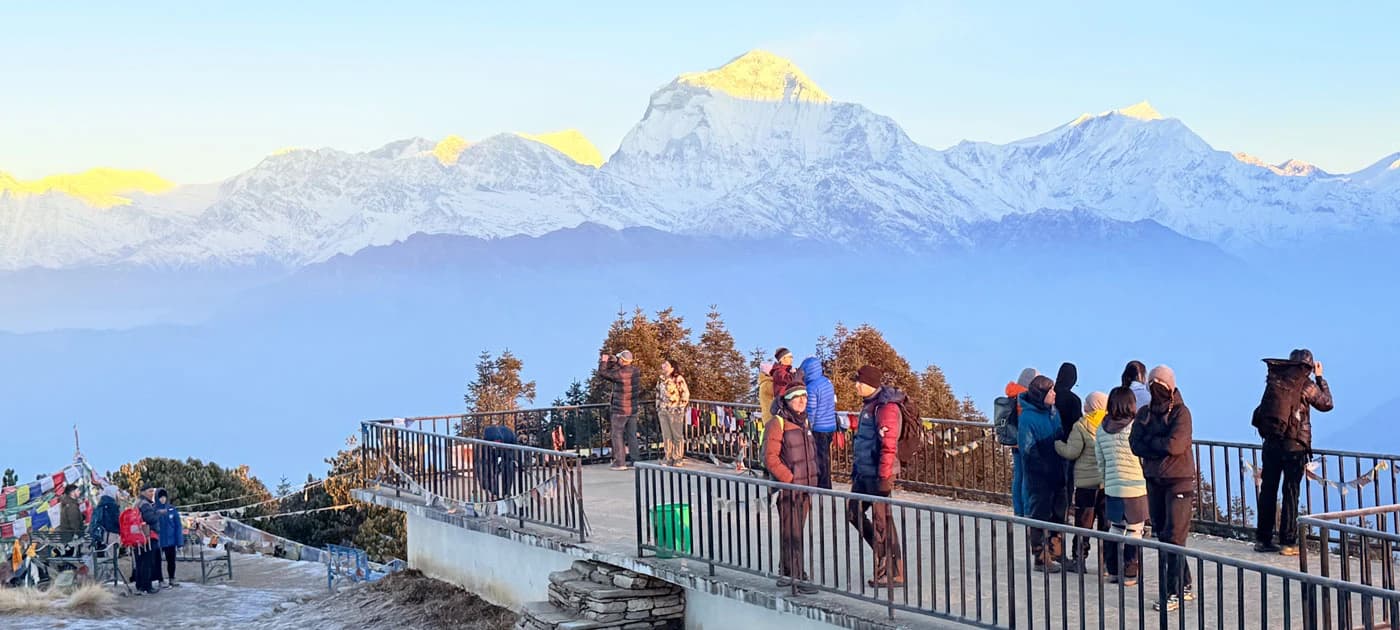
Beautiful Sunrise from Poon Hill: The sunrise view from Poon Hill is the trek's main highlight. In January, the early morning hike is cold, but the reward can be unforgettable. As the sun rises, the snow-covered peaks slowly change from grey to gold, creating one of the most beautiful Himalayan sunrise views in Nepal.
True Winter Trekking Experience: January gives the Poon Hill Trek a real winter atmosphere. Frost may appear on stone steps, rooftops, forest leaves, and shaded trails. The cold mornings, silent forests, and warm teahouse evenings make the trek feel peaceful and memorable.
Beginner-Friendly Winter Trek: The Ghorepani Poon Hill Trek is one of the best beginner-friendly winter treks in Nepal. It does not reach extreme altitudes, does not require technical climbing, and can be completed in a few days with proper preparation.
Cozy Teahouse Evenings: After walking in the cold mountain air, the evenings feel comforting in January. Warm meals, hot tea, simple rooms, and quiet dining halls create a cozy winter trekking atmosphere.
Dry Weather and Low Rainfall: January is usually a dry month in the Annapurna foothills. Rainfall is generally low, which means fewer chances of trail disruption. The weather can still change in the mountains, but stable winter days often offer excellent trekking conditions.
Possible Frost or Light Snow: You may see frost or light snow around Ghorepani, Tadapani, and Poon Hill, especially after colder nights, which adds a beautiful winter touch to the landscape.
Excellent Photography Conditions: January is a great month for photography. Clear skies, snowy peaks, soft winter light, quiet trails, and peaceful villages create beautiful photo opportunities throughout the trek.
Authentic Village Atmosphere: Villages such as Ulleri, Ghorepani, Tadapani, and Ghandruk feel calmer in January with fewer trekkers; local life becomes more noticeable, and the journey feels more connected to the culture and rhythm of the Annapurna foothills.
Short Trek with Big Himalayan Rewards: The Ghorepani Poon Hill Trek gives big mountain rewards in a short time. Even in January, trekkers can enjoy forests, villages, sunrise views, and Himalayan panoramas without committing to a long high-altitude trek.
Great Choice for Winter Holiday Travelers: January is a good option for travelers visiting Nepal during the winter holiday or after New Year. It is short, accessible from Pokhara, and offers a peaceful Himalayan experience within a limited travel schedule.
We have many trekking Itineraries that include a visit to Poon Hill View Point, and some of the most popular Ghorepani - Poon Hill Trek itineraries for October are:
Poon Hill Trek – 3 Days: Poon Hill Trek is a short 3-day trek that starts and ends in Pokhara and is suitable for those who want a short trek in the Annapurna region and are already in Pokhara, or who want to start and end the Trek in Pokhara.
Ghorepani-Ghandruk Trek - 4 Days: This is a 4-day Ghorepani – Poon Hill Trek that starts and ends in Pokhara, includes treks to Tadapani and Ghandruk, and is suitable for those already in Pokhara looking for a private or small-group trek.
Ghorepani Poon Hill Trek - 10 Days: The 10-day Ghorepani Poon Hill Trek starts and ends in Kathmandu and includes a tour of Kathmandu, a tour of Pokhara, and 4 days of trekking to Poon Hill, suitable for those looking for a packaged tour from arrival to departure.
Annapurna Panorama Trek- 5 Days: The 5-day Annapurna Panorama Trek starts and ends in Pokhara, and this itinerary includes a trek to Poon Hill and also Jhinu Hot Spring.
Khopra Ridge with Poon Hill- 8 Days: The 8-day Khopra Trek with Poon Hill starts and ends in Pokhara and includes a trek to Khopra Ridge (Khayer Lake) and Poon Hill.
Poon Hill – ABC and Mardi Himal – 17 Days: This 17-Day Poon Hill, ABC, and Mardi Himal Trek is suitable for trekkers who want to spend many days in the Himalaya and is for older trekkers, as it is a lower-altitude trek.
ABC Via Poon Hill Trek- 14 Days: The 14-Day itinerary starts and ends in Kathmandu and also includes your arrival and departure days to and from Nepal, plus a day tour in Kathmandu. This Trek is suitable for those looking for a small-group packaged trek.
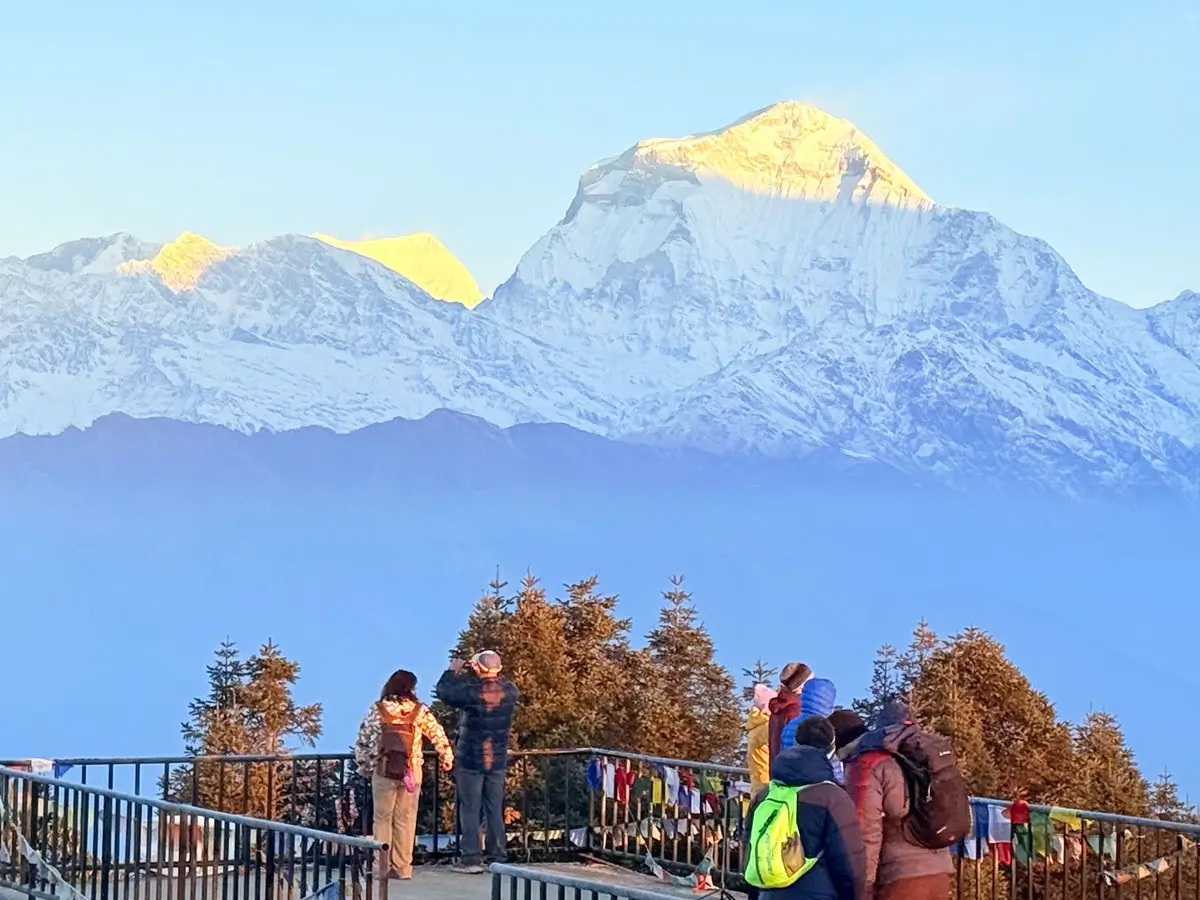
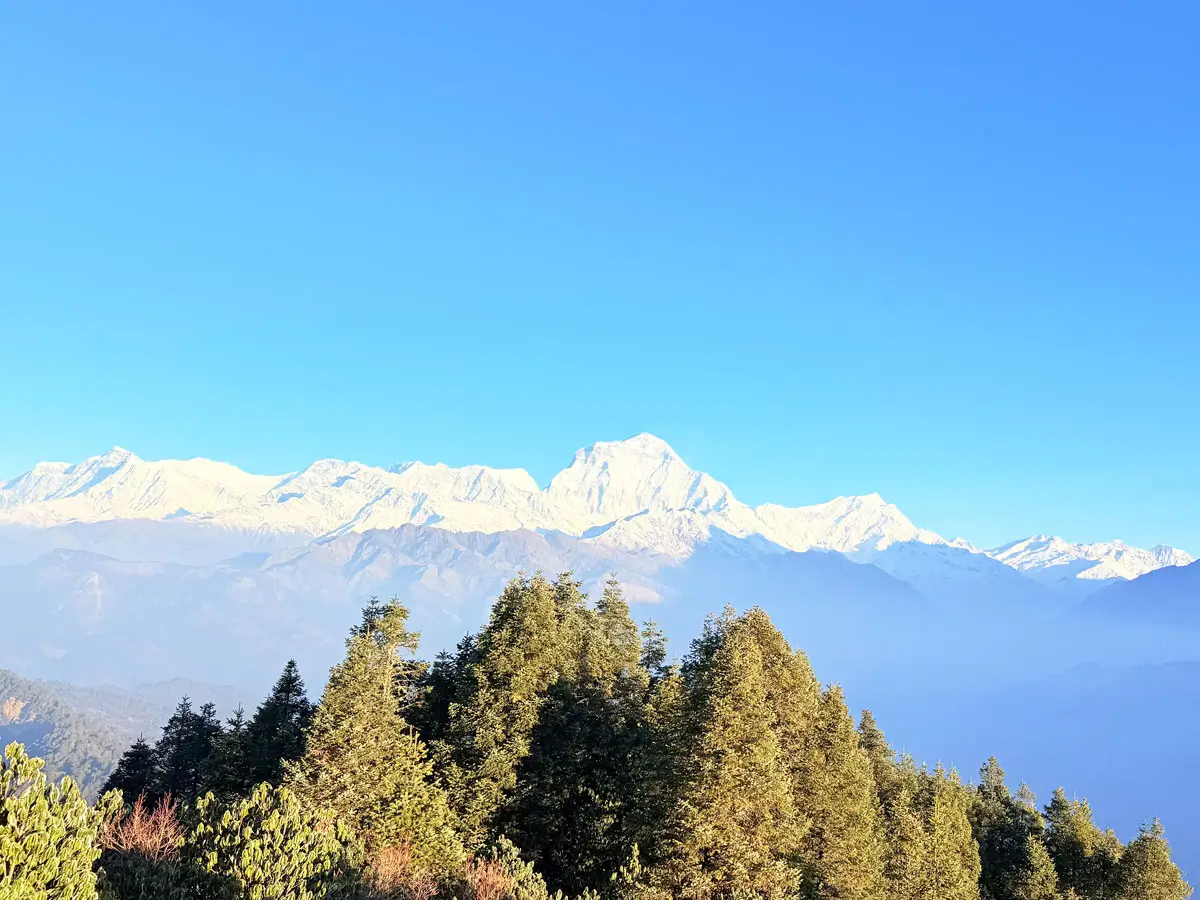
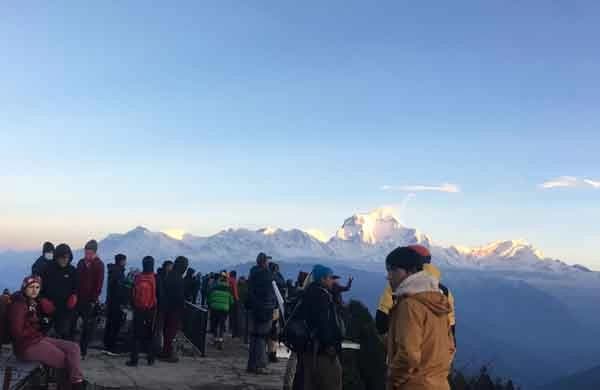
Dhaulagiri View from Poon Hill!
Why Choose Ghorepani Poon Hill Trek in January?
Choosing the Ghorepani Poon Hill Trek in January means experiencing a quieter, deeper winter side of the Annapurna region. It is not the warmest month, nor the busiest, and that is exactly what makes it special for the right traveler.
January is for trekkers who enjoy silence, clear skies, crisp air, and peaceful mountain trails. The forests feel calm, the villages move slowly, and the mountains often stand sharply against a deep blue winter sky. If you prepare well for the cold, January can offer one of the most peaceful Poon Hill trekking experiences of the year.
A peaceful Escape from Crowded Trails
During the busy season, the Poon Hill route can feel lively and crowded, and in January, the same trail becomes much quieter. You can walk through stone villages, forest paths, and mountain viewpoints without the rush of large trekking groups.
The peaceful atmosphere of January gives the journey a more personal feeling. You have more space to enjoy the sound of your footsteps, the wind through the trees, birds calling from the forest, and the quiet rhythm of village life. For travelers who want to experience the Himalayas slowly and calmly, January is a beautiful time to trek.
Clear Winter Mountain Views
One of the biggest reasons to choose January is the mountain visibility; the winter air is often dry and clear, and when the weather is stable, the Himalayan views can be outstanding.
The Annapurna and Dhaulagiri ranges often appear sharp and bright in the morning sunlight from Poonhill View point, and the snow-covered peaks look powerful against the clear sky; the sunrise can feel even more dramatic because of the cold, clean winter air.
A true Winter Sunrise Experience
The sunrise hike to Poon Hill in January is cold but unforgettable as you leave Ghorepani before dawn and walk slowly under a dark winter sky. The trail is quiet, your breath feels cold, and the village lights slowly disappear behind you. Then, from the viewpoint, the mountains begin to change color, first grey, then silver, and gold. Annapurna South, Machhapuchhre, Hiunchuli, and Dhaulagiri slowly wake under the morning sun.
This is the kind of moment that makes the cold feel worthwhile.
A Short Trek with a Big Himalayan Feeling
The Ghorepani Poon Hill Trek is perfect for those who want a short route but still want a real Himalayan experience. You can walk through traditional villages, climb stone staircases, explore winter forests, stay in teahouses, and watch sunrise from one of Nepal’s most famous viewpoints in just a few days.
January makes this short trek feel more special because the quiet winter mood adds depth to the experience.
A Good Winter Trek for Beginners
Many beginner trekkers worry about trekking in Nepal during winter. While high-altitude routes can be more demanding in January, the Ghorepani Poon Hill Trek remains one of the more accessible treks.
The trek does not reach extreme altitude, and the route is well-established. Beginners can also enjoy a safe and rewarding winter trekking experience with warm clothing, good shoes, and a sensible itinerary. It is a great choice for travelers who want to try winter trekking in Nepal without committing to a difficult expedition.
Cozy Teahouse Moments
January evenings along the Ghorepani Poon Hill Route are cold, but that cold makes teahouse life feel warmer and more meaningful; after a day of walking, a cup of hot ginger tea, a warm meal, and a quiet dining room can feel incredibly comforting.
A Different Side of Poon Hill
There may be frost on the roofs, thin ice on shaded paths, smoke rising from village kitchens, and snow shining on the distant peaks. The landscape feels simple and honest, with fewer distractions.
For trekkers who want more than just a famous viewpoint, January offers a deeper and more peaceful way to experience the Ghorepani Poon Hill Trek.
Pros of Ghorepani Poon Hill Trek in January – Benefits of Poon Hill Trek in January
The Ghorepani Poon Hill Trek in January offers several strong advantages for travelers prepared for winter conditions. While the month is cold, it offers benefits that many trekkers do not experience during the busier seasons. The clear skies, peaceful trails, beautiful mountain visibility, and a quieter trekking atmosphere make January a special time for the right kind of travelers.
Outstanding Mountain Visibility
The advantages of trekking to Poon Hill in January are the clarity of the mountains. The winter air is usually dry and clean, which can create excellent visibility across the Annapurna and Dhaulagiri ranges.
From Poon Hill, you will enjoy sharp views of Annapurna South, Machhapuchhre, Hiunchuli, Nilgiri, Tukuche Peak, and Dhaulagiri. The mountains often look crisp in the morning light, and the snow-covered peaks stand beautifully against the deep blue winter sky.
For many travelers, this clear visibility is one of the main reasons January feels so rewarding.
Quieter Trails and Less Crowded Viewpoints
January is much less crowded than the peak trekking months of October, November, March, and April. This means trekkers can enjoy more space on the trail, quieter teahouses, and a calmer sunrise experience at Poon Hill.
A less crowded trail also makes the journey feel more personal, and you can walk at your own pace, stop for photos without rushing, and enjoy the peaceful forest and village sections without too much movement around you.
For travelers who dislike crowded trekking routes, January is a major advantage.
Better Room Availability in Teahouses
During peak season, popular overnight stops like Ghorepani and Tadapani can become busy. In January, accommodation is usually easier to find along the main route. This gives trekkers more flexibility and less pressure when choosing rooms. Teahouses are quieter, dining spaces are calmer, and the overall stay often feels more relaxed.
Although rooms are simple and unheated, the lower crowd level makes the teahouse experience more peaceful and comfortable.
Dry Trails and Low Rainfall
January is usually one of the drier months in the Annapurna foothills, with generally low rainfall, so trekkers often experience dry walking conditions during the day. Dry weather helps reduce the chance of muddy trails, rain delays, and wet clothing. This is especially helpful for a short trek like Poon Hill, where clear weather can make a big difference to the overall experience.
There may still be frost or occasional snow in colder areas, but rain is usually not a major problem in January.
Beautiful Winter Sunrise Photography
Poon Hill is famous for sunrise, and January can be one of the most beautiful months for photography. The combination of snow-covered peaks, clear skies, cold morning light, and fewer people at the viewpoint creates excellent photo opportunities.
The sunrise colors often look stronger against the clean winter sky. Trekkers can capture wide Himalayan panoramas, golden peaks, quiet village scenes, frosty trails, and peaceful forest landscapes. For photographers, January offers a more open and less rushed sunrise experience.
For travelers who want winter mountain views without high-altitude pressure, this is a big advantage.
Short Duration with Big Rewards
The Poon Hill Trek can be completed in a few days, but it still offers you a rich Himalayan experience. In January, this becomes even more valuable because travelers can enjoy winter mountain scenery without spending many days in harsh cold conditions.
You get forest trails, traditional villages, teahouse stays, sunrise views, and panoramic Himalayan scenery in a short itinerary. This makes the trek ideal for travelers with limited time in Nepal. It is one of the best short winter treks near Pokhara for those who want maximum reward in minimum time.
January gives the lower Annapurna trails a quiet beauty, and the forests feel still, the villages are calm, and the trail atmosphere is slower than in peak season. The peaceful environment makes the trek enjoyable for those seeking more than just mountain views. The journey feels restful, simple, and connected to nature.
Even ordinary moments, such as walking through a quiet forest or drinking tea in a village teahouse, feel special in the winter setting.
Good Option for Winter Holidays
January is a practical month for travelers visiting Nepal during the New Year or winter holidays. The Ghorepani Poon Hill Trek fits well with short travel plans because it is close to Pokhara and does not require a long expedition.
Travelers can combine the trek with sightseeing in Pokhara, Kathmandu, Chitwan, or other parts of Nepal. This makes it a flexible choice for families, couples, solo travelers, and small groups.
Strong Value for Beginner Trekkers
For beginners, January offers a rare chance to experience winter trekking in Nepal on a manageable route. The trek is challenging enough to feel like an adventure, but not so difficult that it becomes overwhelming.
With proper clothing, a good guide, and steady pacing, beginners can enjoy a real Himalayan winter experience while staying on a well-known and accessible trail. This balance makes the Ghorepani Poon Hill Trek in January one of the most rewarding short winter treks for first-time trekkers in Nepal.
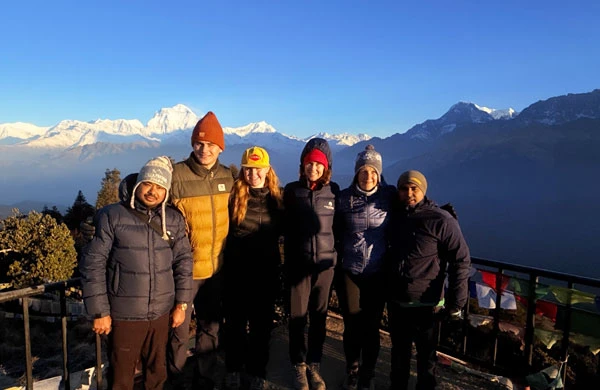
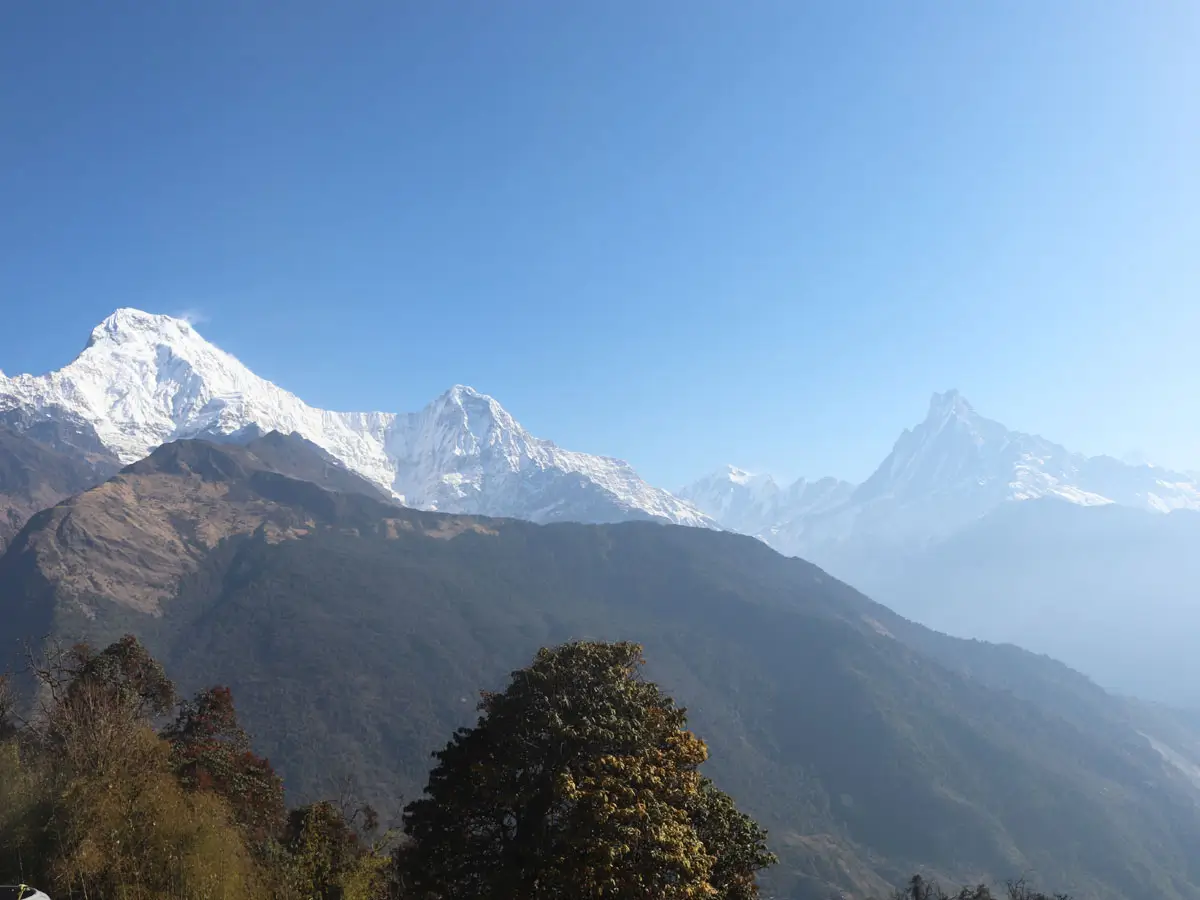
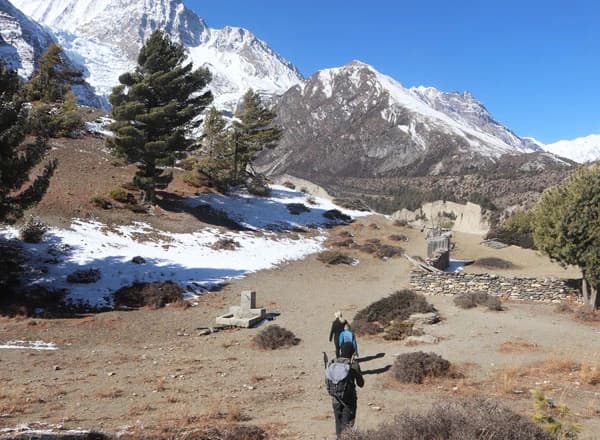
Himalaya view on Ghorepani Trek!
Cons of Ghorepani Poon Hill Trek in January – Disadvantages of Poon Hill Trek in January
The Poon Hill Trek in January is possible and rewarding, but trekkers should be aware of a few winter challenges before starting, and these are manageable with proper planning, warm clothing, and a sensible itinerary.
Cold Mornings and Nights: January is one of the coldest months on the Poon Hill route, and villages like Ghorepani and Tadapani can feel freezing at night and early in the morning. The solution is simple: carry warm layers, gloves, a hat, a down jacket, and warm sleepwear.
Freezing Sunrise Hike to Poon Hill: The early morning hike to Poon Hill can be very cold because trekkers start before sunrise. Waiting at the viewpoint may feel uncomfortable without proper clothing. A warm jacket, headlamp, gloves, and neck warmer are important for this part of the trek.
Frost or Ice on the Trail: Some shaded sections, stone steps, and forest trails may have frost or light ice in January, making walking slightly slippery in the morning. Good trekking shoes with strong grip and trekking poles help improve balance and safety.
Shorter Daylight Hours: January days are shorter, so starting late can make the walking day feel rushed. It is better to begin early and reach the next village before dark. A well-planned itinerary makes the trek more comfortable and safe.
These challenges do not stop travelers from doing the trek, and January requires better winter preparation than warmer months. With warm clothing, steady pacing, good footwear, and local support, the Ghorepani Poon Hill Trek in January remains a beautiful and manageable winter adventure.
Weather and Temperature During Ghorepani Poon Hill Trek in January
January is one of the coldest months for the Ghorepani Poon Hill Trek, but it can also be one of the best months for the Himalayan view. The weather is usually dry, the skies are bright, and rainfall is low in January. However, trekkers must be ready for freezing mornings, cold nights, and possible frost around Ghorepani, Tadapani, and Poon Hill.
During the day, trekking can feel comfortable when the sun is out, but temperatures drop quickly, especially in higher villages. The early morning hike to Poon Hill is usually the coldest part of the trek.
Morning Weather
January mornings are cold and crisp, and in higher places like Ghorepani and Poon Hill, frost may appear on rooftops, stone steps, and shaded trails. The air can feel freezing before sunrise, especially during the hike to Poon Hill.
However, mornings often bring the best mountain views, if the sky is clear, the Annapurna and Dhaulagiri ranges can look sharp and bright in the clean winter air.
Daytime Weather
Daytime weather is usually better for walking. When the sun is out, the trail can feel pleasant, especially in lower villages and open sections. Trekkers may feel warm while climbing uphill, even though the air temperature remains cool.
A layered clothing system is important because you may need to remove layers while walking and add them again during rest stops.
Evening and Night Weather
Evenings and nights are very cold in January. Teahouse dining rooms may feel warm while people are gathered inside, but bedrooms are usually not heated. Higher villages such as Ghorepani and Tadapani can feel freezing at night.
Warm sleepwear, thermal layers, a sleeping bag, or extra blankets are strongly recommended for comfort.
Average Temperature on Ghorepani Poon Hill Trek in January
Temperatures can vary depending on weather, altitude, sunlight, and wind. The table below gives a general idea of what trekkers can expect in January.
Place
Elevation
Daytime Temperature
Night / Early Morning Temperature
Pokhara
820m
16°C to 22°C
6°C to 10°C
Nayapul/Hile
1000 m – 1500 m
12°C to 20°C
3°C to 8°C
Ulleri
2050 m
8°C to 16°C
0°C to 5°C
Ghorepani
2860 m
4°C to 12°C
-6°C to 0°C
Poon Hill
3210m
3°C to 10°C
-8°C to -2°C during sunrise
Tadapani
2630 m
5°C to 13°C
-5°C to 1°C
Ghandruk
1940 m
8°C to 16°C
0°C to 6°C
Rainfall in January
Rainfall is usually low in January, which is one of the advantages of trekking. Dry weather means fewer muddy trails, clearer skies, and better mountain visibility.
However, mountain weather can change, so trekkers should still carry a light waterproof or windproof outer layer.
Snow and Frost Possibility
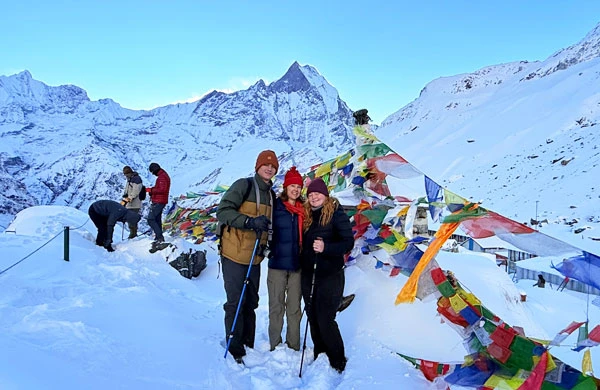
Snow is possible in January around Ghorepani, Tadapani, and Poon Hill, though heavy snow is uncommon; frost, icy patches, or light snow can appear after cold nights.
These conditions usually do not stop the trek, and they can make some sections slippery in the morning. Good trekking shoes and trekking poles are helpful.
Mountain Visibility in January
Mountain visibility is excellent in January, and the winter air is often dry and clear, offering excellent views of Annapurna South, Machhapuchhre, Hiunchuli, Nilgiri, and Dhaulagiri.
The sunrise from Poon Hill is beautiful in January because the peaks often look bright, snowy, and sharp under the morning light.
Overall January Weather Experience
The weather in Poon Hill in January is cold but beautiful, and you should expect freezing mornings and nights, comfortable daytime walking, dry trails, and clear mountain views.
For travelers prepared with warm clothing and proper gear, January can be a peaceful and visually rewarding time for the Ghorepani Poon Hill Trek.
Does It Snow on Poon Hill in January?
Yes, snow is possible on Poon Hill in January, but heavy snowfall is not guaranteed every day or every week. January is one of the coldest months in the Annapurna foothills so that trekkers may encounter frost, icy patches, or light snow around Ghorepani, Tadapani, and Poon Hill.
Does Snow Make the Trek Difficult?
Light snow usually does not make the Ghorepani Poon Hill Trek too difficult, as the route is well-established and does not involve technical climbing or high mountain passes.
However, snow or frost can make some sections slippery early in the morning, so wear trekking shoes with good grip and use trekking poles for better balance.
Can the Poon Hill Sunrise Hike Be Done in Snow?
Yes, the Poon Hill sunrise hike can usually be done even with light snow or frost. The climb from Ghorepani to Poon Hill is short but cold, so warm clothing, gloves, a hat, and a headlamp are important.
If the weather is bad or the trail is icy, it is better to follow the advice of your guide or local teahouse owner.
Is January Snow a Problem or a Bonus?
January snow is more of a bonus than a problem for most prepared travelers. A little snow can make the scenery magical, especially around the forests and mountain viewpoints.
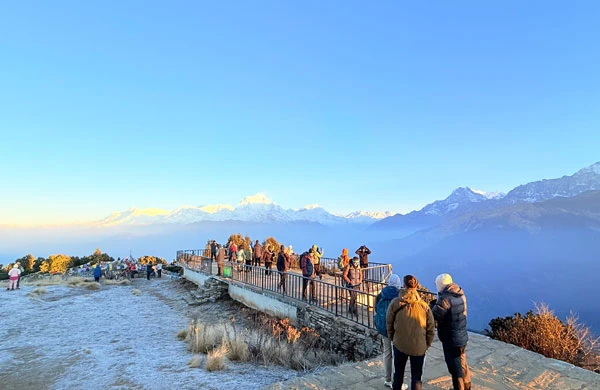
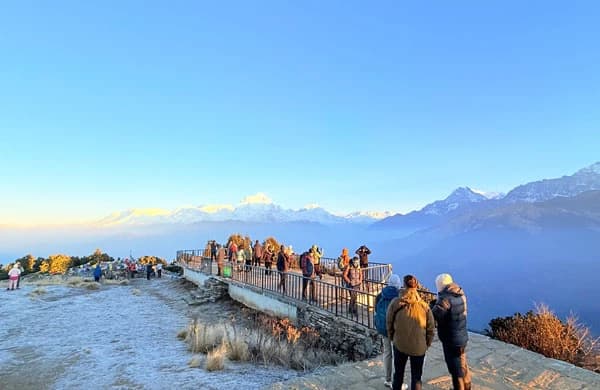
The Poon Hill View Point!
Culture and Village Life During Ghorepani Poon Hill Trek in January
The Ghorepani Poon Hill Trek in January offers more than mountain views. It also gives trekkers a quiet look into the winter lifestyle of the Annapurna foothills. With fewer people on the trail, villages feel calmer, teahouses feel more personal, and local life becomes easier to notice.
The Poon Hill route passes through traditional Gurung and Magar villages, including Ulleri, Ghorepani, Tadapani, and Ghandruk, and the villages have a peaceful winter rhythm in January. You may see smoke rising from kitchen chimneys, locals preparing warm tea, children walking through village paths, and farmers continuing daily work under the cold morning sun.
Ghandruk is one of the cultural highlights of the trek due to its traditional stone houses, narrow village lanes, and views of Annapurna South and Machhapuchhre make it a beautiful place to experience Gurung culture. In January, the village feels quieter and more relaxed and give travelers more time to enjoy its charm.
Teahouse life in Poon hill trekking is also special in winter. After a cold day of walking, sitting inside a dining room with Dal Bhat, soup, or ginger tea feels warm and comforting. Because there are fewer trekkers, local hosts often have more time for conversation, making the experience feel more personal.
Which Part of January Is Best for Ghorepani Poon Hill Trek?
January is a deep winter month on the Ghorepani Poon Hill Trek, but the experience can feel slightly different depending on whether it's early, mid, or late January. The whole month is usually cold, quiet, and dry, but temperatures, chances of snow, and trail conditions may vary.
Early January: Best for New Year and Winter Holiday Trekkers
Early January is a good time for travelers who are already visiting Nepal during the New Year holiday period. The trails are quieter than autumn, but there may still be some holiday trekkers around the main route.
The weather is cold, especially in the morning and evening, but the mountain views can be excellent when the sky is clear. This part of January is ideal for travelers who want to combine the trek with Pokhara, Kathmandu, or other Nepal travel plans.
Best for: New Year travelers, short-holiday visitors, couples, families, and photographers.
Mid January: Best for Peaceful Trails and Deep Winter Atmosphere
Mid January is usually one of the quietest times on the Ghorepani Poon Hill route. The trail feels calm, villages are peaceful, and teahouses are less crowded.
This period gives the strongest sense of deep winter. Trekkers may experience frosty mornings, cold nights, and very clear mountain views. It is a great choice for travelers who want silence, space, and a more personal trekking experience.
Best for: Peace seekers, photographers, experienced travelers, and trekkers who enjoy quiet winter landscapes.
Late January: Best for Slightly Better Winter Comfort
Late January can still be cold, but the days may start to feel slightly more comfortable compared to the middle of the month. The route remains peaceful, and the mountain visibility can still be very good.
This is a good option for trekkers who want the beauty of winter but prefer to travel closer to the transition toward February. It can be a nice balance between cold winter scenery and slightly improving daytime comfort.
Best for: Beginners with good preparation, winter trekkers, photographers, and travelers planning Nepal trips before February.
Quick Comparison of January Trekking Periods
Part of January
Main Advantage
Best For
Things to Consider
Early January
New Year travel atmosphere and clear views
Holiday travelers, families, couples
Cold mornings and possible holiday movement
Mid January
Quietest trails and deepest winter feeling
Peace seekers, photographers
Very cold nights and frosty mornings
Late January
Winter beauty with slightly improving comfort
Beginners, short-holiday trekkers
Still cold at Ghorepani and Poon Hill
Recommendation
For most trekkers, late January is often the most comfortable choice because it still offers peaceful winter views while conditions are slowly moving toward slightly milder ones and the mid-January is the best choice for travelers who want the quietest trail and a stronger winter atmosphere.
If your main goal is photography, clear views, and peaceful trekking, any part of January can be rewarding with proper preparation.
The Ghorepani Poon Hill Trek in January is an easy-to-moderate trek suitable for beginners, families, couples, and travelers seeking a short winter Himalayan trek. The route does not require technical climbing, high-altitude expedition experience, or crossing difficult mountain passes.
The highest point of the trek is Poon Hill at 3,210 meters, which is moderate compared to many other treks in Nepal. The risk of serious altitude sickness is lower than other high-altitude treks such as Everest Base Camp, Annapurna Circuit, or Manaslu Circuit.
Main Difficulty on the Trek
The main physical challenge is the uphill walking, especially the stone staircases around Ulleri and the climb toward Ghorepani. These sections can feel tiring but are manageable with slow pacing and regular breaks. Trekkers should expect:
Several hours of walking each day
Uphill and downhill trails
Long stone staircases
Forest paths
Cold morning starts
Early sunrise hike to Poon Hill
You do not need to be very athletic, but basic fitness and a comfortable walking habit are helpful.
How January Makes the Trek More Challenging
January makes the trek slightly more challenging due to the cold weather, as the mornings and nights can be freezing, especially in Ghorepani, Tadapan, and Poon Hill.
The sunrise hike to Poon Hill is usually the coldest part of the trek. Trekkers start before dawn, so warm clothing, gloves, a hat, and a headlamp are very important.
Is the Trek Suitable for Beginners in January?
Yes, the Ghorepani Poon Hill Trek is suitable for beginners in January if they prepare properly. It is one of the best short winter treks in Nepal because it gives a real Himalayan experience without extreme altitude or technical difficulty.
Beginners should walk slowly, wear proper trekking shoes, carry warm layers, and follow a sensible itinerary. Trekking with a guide can also make the journey safer and easier, especially in winter.
Overall Difficulty Rating
Factor
Difficulty Level
Physical Effort
Easy to Moderate
Altitude Challenge
Low to Moderate
Technical Difficulty
Low
Winter Cold
Moderate to High
Trail Condition
Usually Stable but Possible
Beginner Suitability
Good with Preparation
Overall, the Ghorepani Poon Hill Trek in January is not a difficult trek, but it is a cold winter trek. With warm clothing, Good Footwear, steady pacing, and proper planning, most prepared trekkers can complete it comfortably.
The Poon Hill View Point!
Are Teahouses Open on the Ghorepani Poon Hill Trek in January?
Yes, the teahouses on the main Ghorepani Poon Hill Trek route remain open in January. Villages such as Ulleri, Ghorepani, Tadapani, and Ghandruk usually continue to provide accommodation and meals for winter trekkers.
January is not as busy as peak season, so the trail feels quieter and teahouses are less crowded, making the trekking experience more peaceful and personal.
What to Expect from Teahouse Rooms
Teahouse rooms are simple and basic, and most rooms have twin beds, mattresses, pillows, and blankets. However, bedrooms are usually not heated so that nights can feel very cold, especially in Ghorepani and Tadapani.
Food Availability in January
Food is available along the main route, as most teahouses serve common trekking meals such as Dal Bhat, noodles, fried rice, soup, pasta, pancakes, eggs, porridge, and Tibetan bread.
Warm drinks like ginger tea, lemon tea, milk tea, coffee, and hot chocolate are very useful in January because they help keep the body warm during cold mornings and evenings.
Heating, Charging, Wi-Fi, and Hot Showers
The dining hall is usually the warmest part of the teahouse, and you often gather there in the evening for food, tea, and warmth.
Charging, Wi-Fi, and hot showers may be available in some places, but they usually cost extra and may not always be reliable in winter. Hot showers may be limited due to cold weather, and batteries may drain faster at low temperatures.
Why a Guide Helps in January
A guide can be helpful in January, as services may be more limited than during peak season. A local guide can help confirm which teahouses are open, arrange rooms, check trail conditions, and suggest the safest walking route.
Expert Tips for Ghorepani Poon Hill Trek in January
The Ghorepani Poon Hill Trek in January is beautiful, but winter conditions require smart planning and these expert tips will help you enjoy the trek safely and comfortably.
Start Early, But Not Too Late in the Day: January days are shorter, so begin trekking early enough to reach your teahouse before dark. Morning views are usually clearer, and early starts give you more time to walk slowly, rest, and enjoy the trail.
Wear Layers, Not One Heavy Jacket: The temperature changes throughout the day. Mornings and evenings are very cold, but uphill walking can feel warmer. Wear layers so you can adjust easily while walking.
Prepare Well for the Poon Hill Sunrise Hike: It's the coldest part of the trek. Wear a down jacket, gloves, warm hat, neck warmer, and carry a headlamp. The view is beautiful, but waiting at the top can feel freezing in January.
Use Trekking Poles: Trekking poles are very useful on stone steps and downhill sections. They also help with balance if there is frost or light ice on the trail.
Keep Batteries Warm: Cold weather drains phone and camera batteries quickly. Keep your phone, camera batteries, and power bank inside your jacket or sleeping bag when not in use.
Drink Enough Water: Trekkers often drink less water in winter, but the body still needs hydration. Drink regularly during the day, and enjoy warm drinks like ginger tea, lemon tea, or soup in the evening.
Check Weather Before Hiking to Poon Hill: January weather is often clear, but mountain conditions can change. Ask your guide or teahouse owner about the morning weather before starting the sunrise hike.
Choose the Main Route: In January, it is better to stay on the main Ghorepani Poon Hill route because teahouses and trail conditions are more reliable. Main villages like Ulleri, Ghorepani, Tadapani, and Ghandruk are better options in winter.
Trek with a Local Guide: A local guide is helpful in January for checking which teahouses are open, understanding trail conditions, managing timing, and making the trek safer and smoother.
Respect the Cold: January is manageable, but it should not be taken lightly. Warm clothing, good shoes, early planning, and steady walking will make the trek much more enjoyable.
Is the Ghorepani Poon Hill Trek possible in January?
Yes, the Ghorepani Poon Hill Trek is possible in January. The main route usually remains open, and most teahouses in villages such as Ulleri, Ghorepani, Tadapani, and Ghandruk continue to operate.
Is January a good time for Poon Hill Trek?
Yes, January is a good time for the Poon Hill Trek if you want quiet trails, clear mountain views, and a peaceful winter trekking experience.
How cold is Poon Hill in January?
Poon Hill can be very cold in January before sunrise, and early-morning temperatures near the viewpoint may drop below freezing. Daytime walking can feel more comfortable when the sun is out, but warm layers are essential.
Does it snow on Poon Hill in January?
Snow is possible on Poon Hill in January, but heavy snowfall is not guaranteed. Trekkers may experience frost, light snow, or icy patches around Ghorepani, Tadapani, and Poon Hill.
Himalaya View from Tadapani!
Are teahouses open on the Ghorepani Poon Hill Trek in January?
Yes, most teahouses on the Ghorepani Poon Hill Trek route remain open in January. However, some smaller lodges or side-route services may be limited because January is a low-season winter month.
Is Poon Hill Trek suitable for beginners in January?
Yes, Poon Hill Trek is suitable for beginners in January with proper preparation. The trek is not technically difficult and does not reach extreme altitude. Beginners should prepare for cold weather, uphill stone steps, and an early-morning sunrise hike.
What should I pack for Poon Hill Trek in January?
You should pack warm layers, a down jacket, gloves, a hat, neck warmer, trekking shoes with good grip, headlamp, trekking poles, sunglasses, sunscreen, and personal essentials. A sleeping bag or warm sleepwear is also useful because teahouse rooms are usually not heated.
Is the sunrise from Poon Hill clear in January?
January often offers excellent sunrise views from Poon Hill because the winter air is usually dry and clear. If the weather is stable, trekkers can enjoy sharp views of Annapurna South, Machhapuchhre, Hiunchuli, Nilgiri, and Dhaulagiri.
Is the Poon Hill Trek crowded in January?
No, January is one of the quieter months on the Poon Hill route. There are far fewer trekkers compared to October, November, March, and April. This makes the trail peaceful and the teahouse experience more relaxed.
How difficult is Ghorepani Poon Hill Trek in January?
The Ghorepani Poon Hill Trek in January is easy to moderate. The main challenges are cold weather, stone staircases, uphill walking, and possible frost on the trail. With warm clothing, good shoes, and steady pacing, the trek is manageable for most prepared trekkers.
How many days are needed for Ghorepani Poon Hill Trek in January?
Most trekkers complete the Ghorepani Poon Hill Trek in 3 to 5 days. A 4-day itinerary is common and allows enough time to enjoy Ghorepani, Poon Hill sunrise, Tadapani, and Ghandruk without rushing.
Do I need a guide for Poon Hill Trek in January?
A guide is recommended in January. Although the route is well-known, a local guide can help check trail conditions, confirm which teahouses are open, manage timing, and make the winter trekking experience safer and smoother.
Is January better than December for Poon Hill Trek?
January is usually colder and quieter than December. December may feel slightly more comfortable, while January offers a deeper winter atmosphere and very peaceful trails. If you want milder winter conditions, December may be better. If you want true winter silence and fewer crowds, January is a great choice.
Are trails slippery in January?
Some trail sections may be slippery in January because of frost, ice, or light snow, especially in shaded areas and early morning hours. Trekking shoes with good grip and trekking poles are helpful for safety.
Can families do Ghorepani Poon Hill Trek in January?
Yes, families can do the Ghorepani Poon Hill Trek in January if they are prepared for cold weather and choose a comfortable itinerary. The trek is short and at a lower altitude than many other Himalayan routes, making it one of the better winter trekking options for families.
The Ghorepani Poon Hill Trek in January is a beautiful choice for travelers who want a short winter trek with peaceful trails, clear mountain views, and a quiet Himalayan atmosphere. January is cold, especially in the mornings and nights, but it also offers some of the clearest skies and sharpest mountain views of the year.
At Outfitter Himalaya, our local team can help you plan the right winter itinerary, arrange experienced guides, organize permits, and prepare properly for January trekking conditions. Whether you are a beginner, a photographer, a couple, a family, or a short-holiday traveler, we can help make your Poon Hill journey safe, smooth, and memorable.
In January, Poon Hill feels quiet, cold, and beautifully alive – the kind of place where the mountains speak clearly in the silence of winter.
The Annapurna Circuit Trek covers approximately 102 kilometers of walking on Outfitter Himalaya’s classic 15-day itinerary, including the Manang acclimatization hike. The journey unfolds through riverside forests, mountain villages and open valleys before crossing Thorong La [...]
The Annapurna Circuit Trek costs about USD 650–1,900 per person with Outfitter Himalaya, depending on the itinerary, group size, and services included. Outfitter Himalaya’s 15-day Classic Annapurna Circuit Trek has published group-size prices of USD [...]
Foreign trekkers need a trekking permit to trek the Annapurna Circuit, and we suggest settling it before you head out. Arranging the correct paperwork before departure helps avoid extra charges and interruptions once your journey [...]