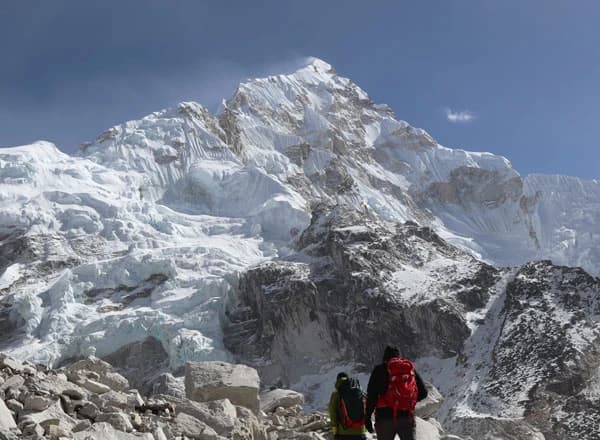
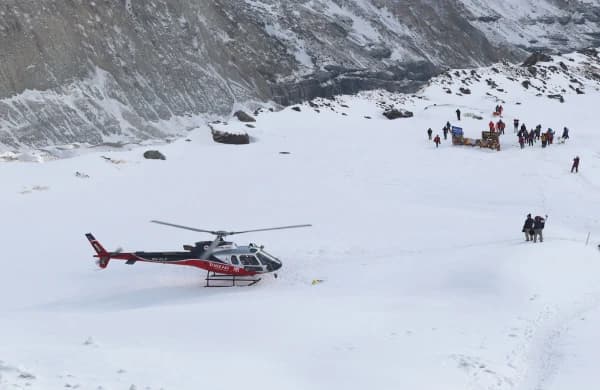
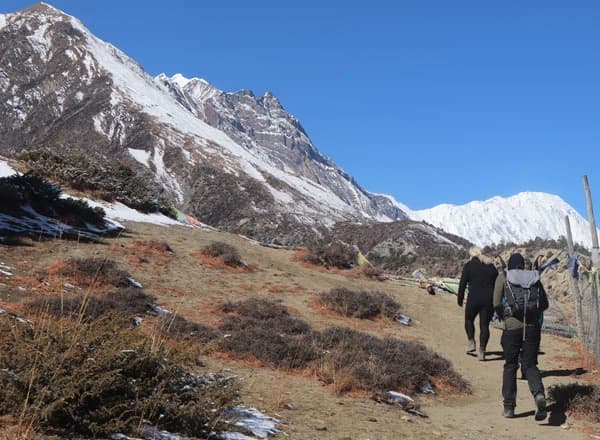
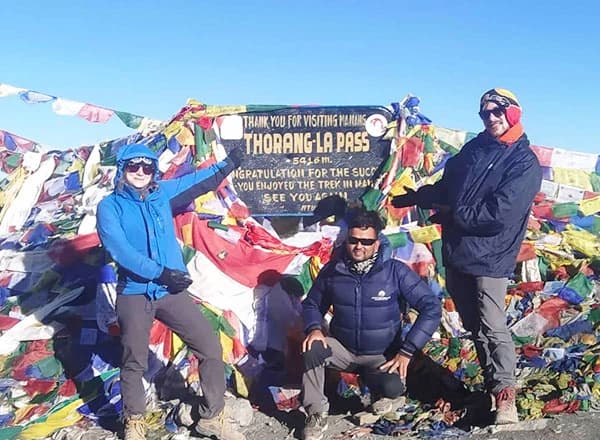
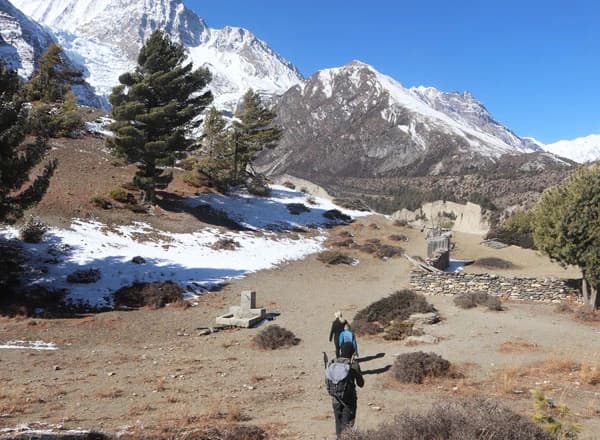
You can trek to Annapurna Base Camp in July and August. However, these months fall within Nepal's summer monsoon, so the experience differs greatly from trekking in the popular spring and autumn seasons.
Expect frequent rain, wet and slippery trails, leeches at lower elevations, cloud cover, and unpredictable mountain visibility. At the same time, the Annapurna region is exceptionally green, waterfalls are flowing strongly, the trails are much quieter, and the landscape has a completely different character.
Can You Trek to Annapurna Base Camp in July and August?
Yes, you can trek to Annapurna Base Camp in July and August. The route reaches Annapurna Base Camp at 4,130 meters (13,550 feet) and passes through forests, villages, stone steps, and the high-altitude Annapurna Sanctuary.
The main difference during July and August is the weather. The monsoon affects the lower and middle sections of the route most noticeably. Rain can make trails muddy or slippery, increase stream and waterfall flow, and reduce visibility. Clouds can also hide the mountains for much of the day.
For this reason, July and August are not the best months if your main objective is reliable clear Himalayan views. They can, however, be rewarding if you value:
Lush green landscapes
Powerful waterfalls
Quiet trails
Fewer trekkers
Village and farming life
Dramatic cloud and mist
A less crowded trekking experience
Outfitter Himalaya identifies March–May and September–November as the best seasons for the Annapurna region.
Annapurna Base Camp Trek in July & August at a Glance
Season
Monsoon
Rain
High
Mountain visibility
Unpredictable
Trail Condition
Wet and slippery
Leeches
Common at lower elevations
Crowds
Very low
Greenery
Excellent
Waterfalls
At their strongest
Temperature
Warm lower down, cold at ABC
Difficulty
Moderate–challenging due to conditions
Best for
Flexible, well-prepared trekkers
Not ideal for
Travelers seeking guaranteed clear views
July vs August: Which Month Is Better for Annapurna Base Camp?
Both July and August are monsoon months, and neither month guarantees consistently dry or clear conditions.
Annapurna Base Camp Trek in July
July is firmly within the monsoon season. You should be prepared for:
Frequent rainfall
Humid lower elevations
Wet and slippery trails
Cloudy mountain views
Leeches in wet forest areas
Strong-flowing streams and waterfalls
Very green landscapes
Fewer trekkers
If you are comfortable trekking in rain and have flexibility in your schedule, July can still be a rewarding time to visit.
Annapurna Base Camp Trek in August
August is also a monsoon month and should not be treated as a dry season and conditions can still include:
Heavy or persistent rain
Cloud and mist
Muddy trails
Slippery stone steps
Leeches
Reduced mountain visibility
Late August can feel like a transition toward the post-monsoon season, but weather varies year to year. Do not book an August trek expecting autumn-like conditions.
So, Is July or August Better?
There is no reliable winner. If your dates are flexible within the monsoon, late August may appeal to travelers hoping for improving conditions, but the weather cannot be guaranteed.
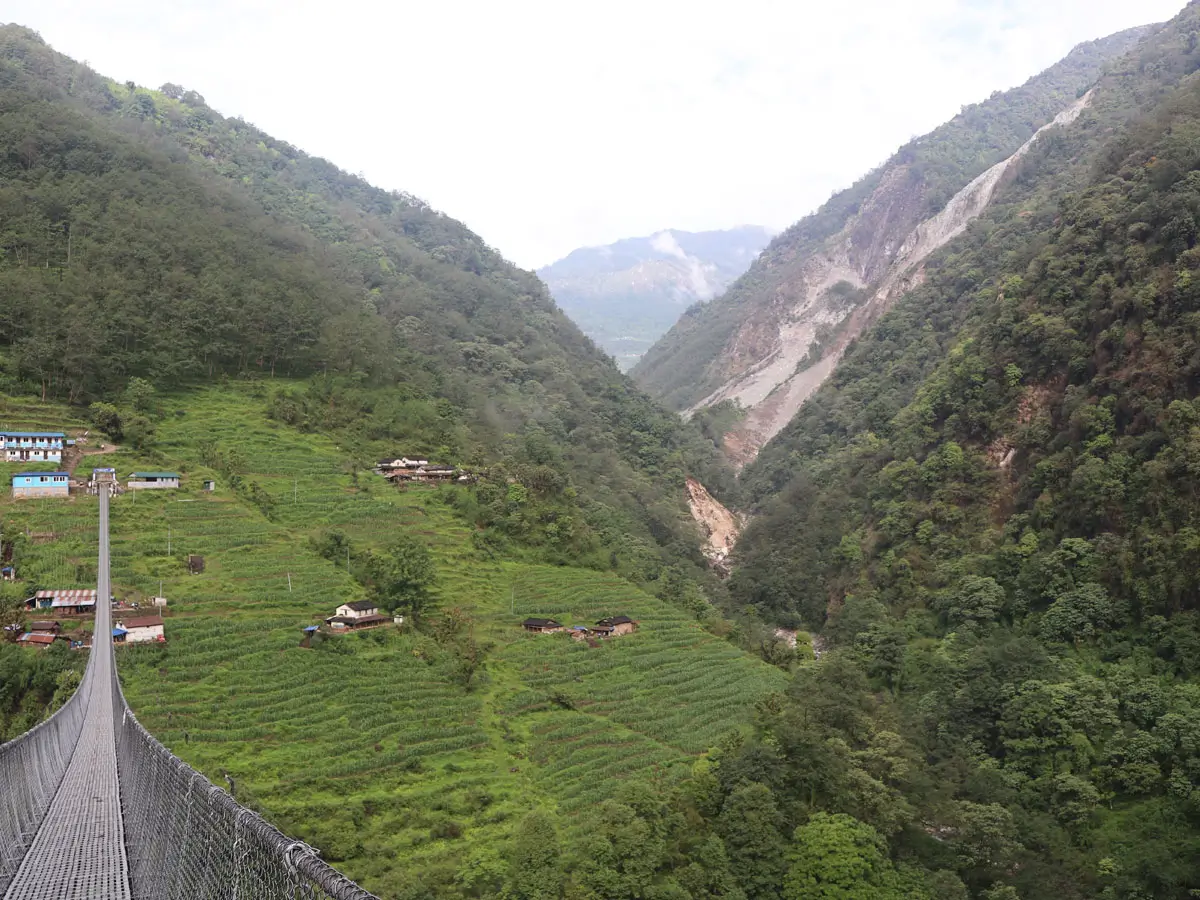
Landscape in ABC Trek in July and Aggust!
Annapurna Base Camp Weather in July and August
July and August bring the year's heaviest rainfall to many parts of Nepal, and the Annapurna Base Camp route is affected by the monsoon. The important point is that weather varies significantly by elevation and location. Lower elevations can be warm, humid, and wet, while the upper Sanctuary is much cooler.
Rather than assuming continuous rain throughout the trek, expect changing conditions. Some days may have manageable showers, while periods of heavier or more persistent rain can occur. Your trekking schedule should therefore remain flexible.
What Is the Typical Weather Pattern?
A common pattern during the monsoon can include:
Early morning: Cooler conditions and potentially better visibility.
Late morning: Warmer conditions as you gain or lose elevation.
Afternoon: Cloud development and an increased chance of rainfall.
Evening and night: Rain or cloud may continue, although conditions vary from day to day.
This is a general pattern, not a guarantee. Monsoon weather can change quickly.
Temperature on the Annapurna Base Camp Trek in July and August
Temperature depends strongly on elevation. Treat the following ranges as approximate planning guidance, not a forecast.
Area / elevation
Typical conditions to plan for
Area / elevation Typical conditions to plan for
Pokhara and lower hills
Warm, humid and often wet
Around 2,000–3,000 m
Mild to cool during the day; cooler at night
Around 3,000–3,700 m
Cool during the day and cold at night
Machhapuchhre Base Camp
Cold, particularly at night
Annapurna Base Camp, 4,130 m
Cold; nights can approach or fall below freezing
Does It Rain Every Day on the ABC Trek in July and August?
No one can guarantee a specific daily weather pattern during Nepal's monsoon. Some days may have short periods of rain, while others can experience longer or heavier rainfall. The intensity and timing can vary considerably.
Our tips for weather condition
Start early when practical
Check local weather and trail conditions.
Carry rain protection every day.
Keep important electronics protected.
Allow flexibility for delays.
Follow your guide's advice when conditions deteriorate.
Can You See the Annapurna Mountains in July and August?
Yes, but clear views are not guaranteed. Clouds and mist can obscure Annapurna I, Machhapuchhre, Hiunchuli, and surrounding peaks during the monsoon.
You may still experience short periods when the mountains appear between clouds, particularly when the weather clears.
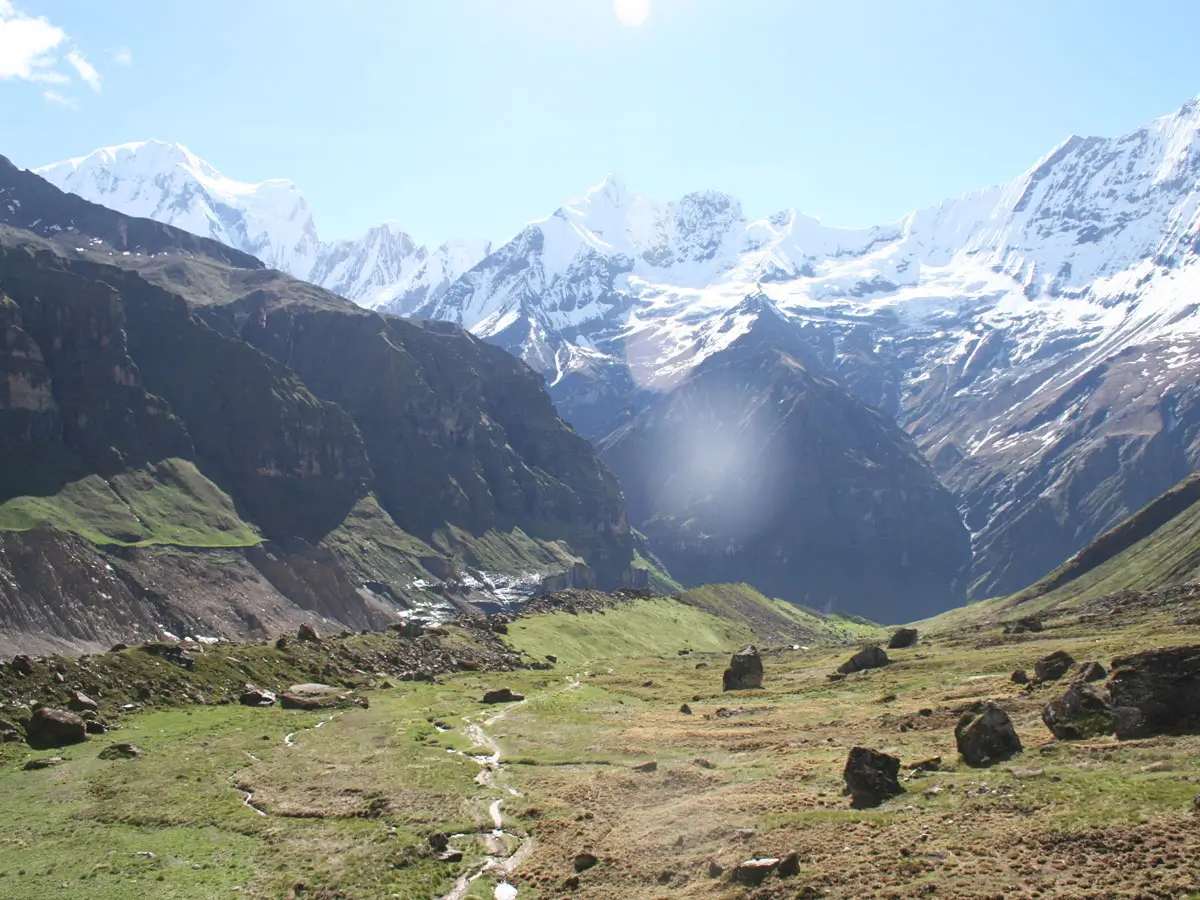
Annapurna Sanctuary in Summer!
Annapurna Base Camp Trail Conditions in July and August
Trail conditions differ greatly between monsoon and peak-season trekking.
Muddy
Slippery
Wet
More difficult to descend
More uncomfortable for hikers without proper footwear
Stone steps can become particularly slippery after rainfall, and the forest sections may hold water and mud, while streams and waterfalls can be stronger than during dry periods.
What About Landslides?
Heavy rainfall can increase the risk of landslides and localized trail disruption in mountain areas.
This does not mean that the ABC route is closed throughout July and August.
Conditions are assessed locally, and the exact situation can change after significant rainfall.
This is one reason an experienced local guide is particularly useful during monsoon.
If a guide or local authority advises changing the route or delaying a section, follow that advice rather than trying to maintain a rigid itinerary.
Are There Leeches on the Annapurna Base Camp Trek?
Yes, you can encounter leeches during the monsoon, particularly in humid, forested, lower-elevation sections. They are unpleasant but generally not dangerous.
Leech activity can increase after rain and in wet vegetation.
How to Protect Yourself from Leeches
Useful measures include:
Long trekking trousers
Trekking socks
Leech socks or gaiters
Keeping trousers tucked in where practical
Avoiding unnecessary contact with wet vegetation
Carrying salt or another suitable leech-removal aid
Checking footwear and lower legs during breaks
You do not need to cancel an ABC trek because of leeches. They are simply one of the seasonal inconveniences to prepare for.
Is Annapurna Base Camp Safe in July and August?
The trek is possible during July and August, but monsoon conditions add additional hazards compared with the drier trekking seasons, and the main concerns are:
Heavy rainfall
Slippery trails
Localized landslides
Strong stream crossings
Poor visibility
Wet clothing
Road delays
Changing weather
The highest point of the trek is 4,130 meters, so altitude remains another important consideration regardless of season, and the safest approach is to combine:
A sensible itinerary
A qualified local guide
Weather awareness
Good footwear
Proper rain protection
A flexible schedule
Appropriate acclimatization
Travel insurance that covers trekking and altitude-related emergencies
Do not interpret "safe" as meaning "risk-free." Mountain weather can change quickly.
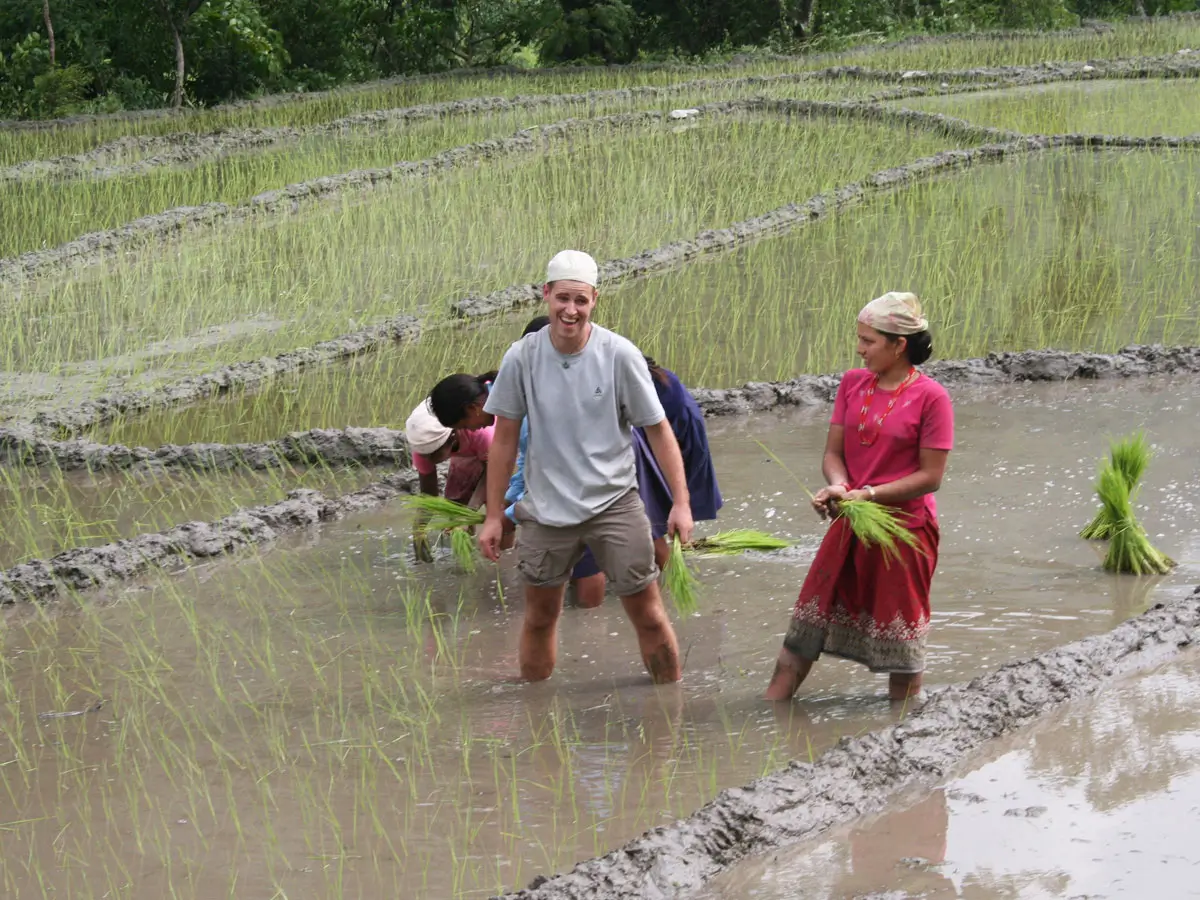
Rice planting in Summer in Nepal!
Why Trek Annapurna Base Camp in July and August?
The strongest reasons are not perfect weather, and they are:
Greenery: The landscape is at its lushest during the rainy season.
Waterfalls: Seasonal rainfall creates impressive waterfalls and strong streams.
Quiet Trails: The route is much less crowded than during peak trekking months.
Atmosphere: Clouds and mist create a completely different visual experience.
Village Life: You can experience the Annapurna villages during the active agricultural season.
Flexibility: Travelers who can adapt their plans can take advantage of temporary good-weather windows.
Who Should Trek to ABC in July and August?
July and August can be a good choice for travelers who:
Have time only in these months
Don't mind trekking in the rain
Enjoy lush landscapes
Prefer quieter trails
Are comfortable with changing plans
Want to see waterfalls and rivers at their strongest
Prefer a less crowded experience
Are prepared to carry proper monsoon gear
Who Should Choose Another Month?
Consider another season if you:
Want the highest chance of clear mountain views
Dislike rain and muddy trails
Want predictable trekking conditions
Are uncomfortable with possible weather-related delays
Are primarily visiting Nepal for photography of clear Himalayan panoramas
For generally more stable conditions, the main trekking seasons are spring and autumn. Outfitter Himalaya lists March–May and September–November among the best periods for trekking in the Annapurna region. Read our comprehensive blog about the best time to trek Annapurna Base Camp to compare the seasons and choose the right time for your ABC Trek.
Advantages of ABC Trek in July and August
Lush Green Landscapes: The monsoon brings abundant moisture to the lower and middle sections of the Annapurna region. Forests, terraces, and vegetation become intensely green, creating a landscape that looks very different from the drier months.
Powerful Waterfalls: Rain and seasonal water flow make waterfalls and streams particularly impressive. You may see water cascading down hillsides and hear streams flowing strongly beside sections of the trail.
Fewer Trekkers: July and August are outside the main spring and autumn trekking seasons. The route can therefore feel considerably quieter than during peak periods.
More Flexible Accommodation: With fewer trekkers, accommodation can be less competitive than during peak periods. However, "off-season" does not mean every lodge is guaranteed to operate normally. Confirm your accommodation plan with your trekking agency, particularly when traveling during periods of heavy rain.
Disadvantages of ABC Trek in July and August
Frequent Rain: Rain is the defining seasonal challenge. You need to be comfortable getting wet and managing wet clothing and gear.
Slippery Trails: Stone steps, muddy paths, and wet rocks require more careful footing.
Limited Mountain Views: Cloud and mist can hide the mountains.
Leeches: Wet forest sections may have leeches during the monsoon.
Weather-Related Delays: Roads and mountain trails can be affected by heavy rainfall. For this reason, avoid planning a tight connection immediately after the trek if possible.
Humidity at Lower Elevations: Lower parts of the trek can feel warm and humid, especially while climbing.
What to Pack for Annapurna Base Camp in July and August
Monsoon trekking requires a few items that matter most in July and August.
Essential Rain Gear
Waterproof trekking jacket
Waterproof backpack cover
Dry bags or waterproof packing bags
Waterproof phone/electronics pouch
Rain pants if preferred
Clothing
Moisture-wicking T-shirts
Quick-dry trekking trousers
Fleece layer
Lightweight insulated/down jacket
Warm base layer
Spare underwear
Several pairs of trekking socks
Warm hat
Gloves
Footwear
Use trekking footwear with:
Good grip
Comfortable fit
Adequate support
Some degree of water resistance
If your boots are not waterproof, a reliable waterproofing system and spare socks become even more important.
Accommodation on the ABC Trek During July and August
Teahouses and lodges operate on the Annapurna Base Camp trekking route in July and August. However, monsoon travel can be different from peak season. With fewer trekkers, you may find it easier to book rooms, but individual lodges may have seasonal operating arrangements. So, we at Outfitter Himalaya confirm the accommodation plan before departure; learn more about the accommodation in our detailed blog.
Food and Water During the Monsoon
Teahouses along the ABC route serve familiar trekking meals such as:
Dal bhat
Noodles
Rice
Pasta
Soups
Eggs
Potatoes
Tibetan-style breads and other local dishes
During wet weather, warm meals and drinks can be especially welcome, and you should stay hydrated even when temperatures feel comfortable. Trekking at altitude increases your fluid requirements, and warm or humid conditions at lower elevations can increase sweating.
How Much Does the Annapurna Base Camp Trek Cost in July and August?
The cost doesn't necessarily drop dramatically just because July and August are monsoon months. Your total cost depends on:
Recommended Annapurna Base Camp Itinerary for July and August
For a monsoon trek, the itinerary should allow enough time to respond to weather and trail conditions. A classic ABC itinerary can include:
Kathmandu arrival
Kathmandu to Pokhara
Pokhara to the trailhead and trek
Trek through the lower Annapurna villages
Continue toward Chhomrong
Trek through Bamboo/Dovan area
Continue toward Deurali
Machhapuchhre Base Camp
Annapurna Base Camp
Descend through the Sanctuary
Continue toward Jhinu Danda
Return to Pokhara
Travel to Kathmandu
Departure
The exact route and number of trekking days vary by itinerary. For travelers with limited time, a shorter itinerary is possible, but a faster itinerary means longer or more demanding walking days and gives you less flexibility if weather causes delays. For the standard Outfitter Himalaya itinerary, the 14-day ABC trek reaches 4,130 meters and typically involves approximately 5–7 hours of trekking on walking days.
Frequently Asked Questions About Annapurna Base Camp Trek in July and August
Is Annapurna Base Camp Trek possible in July?
Yes, July falls within Nepal's monsoon season, but you can still trek the ABC route. Expect rain, wet trails, cloud cover, and possible leeches, so keep your itinerary flexible.
Is Annapurna Base Camp Trek possible in August?
Yes, August is also a monsoon month, and conditions remain wet and unpredictable, although the landscape is exceptionally green and the trail is generally quieter than in peak trekking seasons.
Can I see Annapurna in July?
Yes, but mountain visibility is unpredictable. Clouds and mist can obscure the peaks, while short clearing periods can provide excellent views.
Can I see Machhapuchhre in August?
Yes, but clear views are not guaranteed. Early or temporary weather windows may reveal Machhapuchhre, while clouds can cover the mountain later.
Is Annapurna Base Camp safe during the monsoon?
The trek is possible, but monsoon conditions increase risks, including slippery trails, heavy rainfall, localized landslides, and poor visibility. Follow local advice and allow flexibility.
Are there leeches on the ABC Trek?
Leeches can occur in wet forest sections, particularly at lower elevations. Leech socks, long trousers, and simple removal methods can help.
Is ABC harder in July and August?
The physical route is still a moderate trek, but rain, mud, slippery steps, humidity, and reduced visibility can make it more challenging than in the dry season.
Is ABC suitable for beginners in July and August?
A reasonably fit beginner can complete the trek, but monsoon conditions require more preparation and flexibility. First-time trekkers may benefit particularly from traveling with an experienced guide.
Accommodation is available along the ABC route, but individual lodge operations can vary during the monsoon. We confirm the accommodation plan before departure.
Do I need a guide for ABC in July and August?
Guide requirements depend on current route regulations, and Nepal Tourism Board guidance lists relevant Annapurna routes under mandatory guide/TIMS provisions. Independently of the rules, a local guide is particularly useful during monsoon conditions.
What permits do I need for Annapurna Base Camp?
The trek requires entry into the Annapurna Conservation Area, and current regulations also require TIMS for relevant trekking routes.
What is the temperature at Annapurna Base Camp in July and August?
Temperatures at 4,130 meters can be cold, particularly at night, and may approach or fall below freezing. Pack warm layers even though lower elevations are warm during the monsoon.
Should I choose September instead of July or August?
If you have flexible dates and prefer improving weather and visibility, September can be worth considering. However, early September can still have monsoon conditions.
Plan Your Annapurna Base Camp Trek with Outfitter Himalaya
If July or August is the only period available for your Nepal trip, our team can help you plan around monsoon conditions rather than simply following a fixed itinerary. We can help with:
If July or August is the only time you can visit Nepal, don't automatically rule out the Annapurna Base Camp Trek. Prepare specifically for monsoon conditions, keep your itinerary flexible, and trek with experienced local support. If your dates are flexible and clear mountain views are your highest priority, choose a more stable trekking season instead.
The Annapurna Circuit Trek covers approximately 102 kilometers of walking on Outfitter Himalaya’s classic 15-day itinerary, including the Manang acclimatization hike. The journey unfolds through riverside forests, mountain villages and open valleys before crossing Thorong La [...]
The Annapurna Circuit Trek costs about USD 650–1,900 per person with Outfitter Himalaya, depending on the itinerary, group size, and services included. Outfitter Himalaya’s 15-day Classic Annapurna Circuit Trek has published group-size prices of USD [...]
Foreign trekkers need a trekking permit to trek the Annapurna Circuit, and we suggest settling it before you head out. Arranging the correct paperwork before departure helps avoid extra charges and interruptions once your journey [...]