Annapurna Base Camp Trek in June offers a different Himalayan experience with lush greenery, dramatic skies, less trekkers, and a strong sense of seasonal transition. As early monsoon patterns begin to influence the region, the landscape transforms rapidly, revealing a softer, more atmospheric side of the Annapurna Sanctuary that many travelers never see.
June marks the beginning of the monsoon in Nepal, but it is not the month of constant rain or washed-out trekking. Instead, June brings short rain showers, warm temperatures, and vibrant natural growth in the trail. Forests along the Annapurna base camp trail become dense and alive, waterfalls grow stronger, and terraced hillsides glow in deep shades of green. For trekkers who appreciate nature at its most dynamic, June delivers an immersive environment.
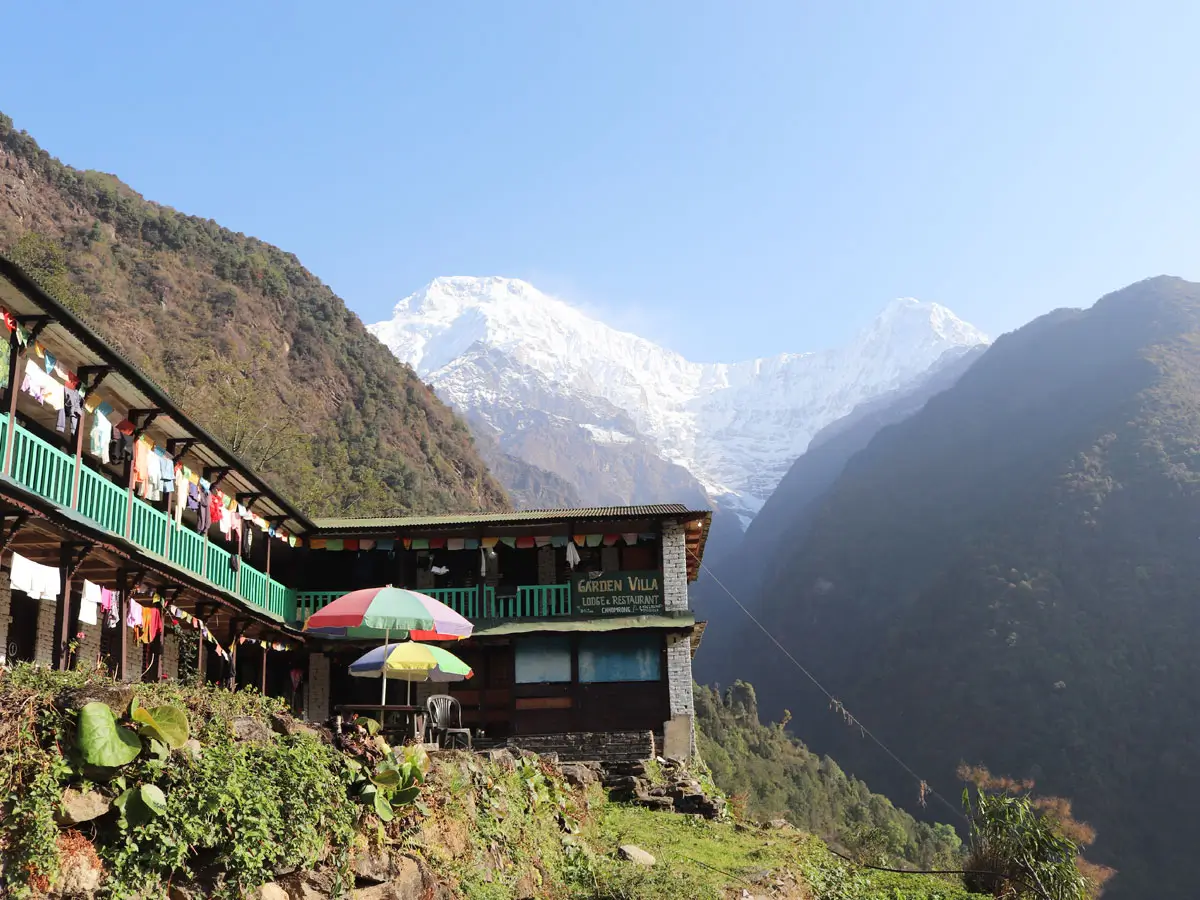
The trail to Annapurna Base Camp winds through traditional villages, subtropical forests, and alpine landscapes that feel fresh and renewed by rainfall. The cultural life along the route continues uninterrupted, and locals tend fields, manage livestock, and welcome trekkers into teahouses with the same warmth and often with more personal interaction due to reduced crowd levels.
Mountain views in the ABC Trek in June follow a distinct rhythm. The early mornings are often clear and offer rewarding glimpses of the Annapurna massif. As the day progresses, clouds may rise from the valleys and create a dramatic scenery where peaks appear and disappear through the mist. Rather than diminishing the experience, this shifting weather adds depth and photographic character to the trek.
For travelers who value quiet trails, rich vegetation, cultural authenticity, and a slower pace, the Annapurna Base Camp Trek in June can be surprisingly rewarding. With informed planning, early starts, flexible expectations, and weather awareness, June reveals the Annapurna region in a way that feels intimate, raw, and deeply connected to the land.
Seasonal expertise matters most in early monsoon months. Local operators like Outfitter Himalaya plan June treks based on weather patterns and trail conditions, and help travelers experience the best of the season.
Highlights of the Annapurna Base Camp Trek in June
Lush monsoon landscapes at their greenest: June transforms the Annapurna region into a deep green Himalayan paradise. Early monsoon rains refresh forests, hillsides, and terraced farmland and create a rich landscape that feels alive and ever-changing as you move along the trail.
Dramatic cloud play and atmospheric mountain views: ABC Trekking in June offers a unique visual experience, with the peaks of the Annapurna massif appearing and disappearing through mist and clouds. Early mornings often reward trekkers with clear views, while afternoons bring dramatic skies and shifting light – perfect for photographers seeking mood and contrast.
Powerful waterfalls and flowing rivers: Snowmelt combined with early monsoon rain creates countless waterfalls and streams along the route. Trails are less crowded, and interactions with locals often feel more genuine and unhurried.
Quiet trails and a more personal trekking experience: June sees fewer trekkers compared to the peak spring and autumn seasons. Teahouses are calmer, trails are less crowded, and interactions with locals often feel more genuine and unhurried.
Warm trekking temperatures: June offers comfortable daytime temperature, especially at lower and mid-altitudes, reducing cold exposure and making easier for international travelers accustomed to warmer climates.
Authentic village life during planting season: Villages along the route are active with seasonal agricultural work. Watching locals prepare fields, tend livestock, and go about daily life provides a deeper cultural connection to the Annapurna region.
A fresh, living Annapurna Sanctuary: Inside the sanctuary, greenery contrasts beautifully with glaciers and snowfields near Annapurna Base Camp, offering a rare mix of alpine grandeur and monsoon vitality.
Annapurna Base Camp Weather and Temperature in June
The Annapurna Base Camp Trek in June falls at the start of the monsoon in Nepal, and the weather is best described as warm, humid, and dynamic, with clear mornings, increasing cloud cover later in the day, and short rain showers that refresh the landscape rather than dominate it.
The weather in is less about extremes and more about timing and adaptability.
Typical Daily Weather Pattern in June
June follows a fairly consistent rhythm along the ABC route:
Early mornings: Often clear or lightly clouded - best time for mountain views
Late morning to midday: Warm and comfortable to walk
Afternoons: Cloud build and occasional rain showers
Evenings and nights: Cooler, calm, and misty
Inside the Annapurna Sanctuary, clouds can move quickly and create dramatic scenes where peaks appear and vanish through mist, an atmospheric hallmark of June trekking to ABC.
Temperature in ABC Trail in June (By Elevation)
While conditions vary by altitude, these ranges reflect what trekkers typically feel in June:
Lower elevations (800–1,800 m):
Day: 20°C–28°C (68°F–82°F)
Night: 12°C–18°C (54°F–64°F)
Mid elevations (2,000–3,000 m):
Day: 15°C–22°C (59°F–72°F)
Night: 8°C–12°C (46°F–54°F)
Higher elevations (3,500–4,130 m):
Day: 8°C–14°C (46°F–57°F)
Night: 0°C to –3°C (32°F to 27°F)
At Annapurna Base Camp, the days are generally cool but walkable, while nights remain cold, though less severe than in winter or early spring.
Humidity rises in ABC Trek as the month progresses, which explains the region’s lush greenery and powerful waterfalls. A light rain jacket and a backpack cover are compulsory.
Best Time for Clear Mountain Views on ABC Trek in June
The clearest views of Annapurna I, Machhapuchre, and the surrounding peaks are usually between sunrise and late morning, and those who start early are consistently rewarded with better visibility and cooler walking conditions.
How June Weather Affects Trekking Comfort
June’s warmth reduces cold-related fatigue, but it introduces:
Mild humidity
Occasional wet trails
Stronger sun when clouds break
With breathable clothing, proper footwear, and rain protection, you can find June comfortable rather than challenging.
Why June Weather Works for the Right Trekkers
June is ideal for travelers who:
Prefer warm trekking conditions
Enjoy green landscapes and waterfalls
Are flexible with weather expectations
Value atmosphere and solitude over perfect skies
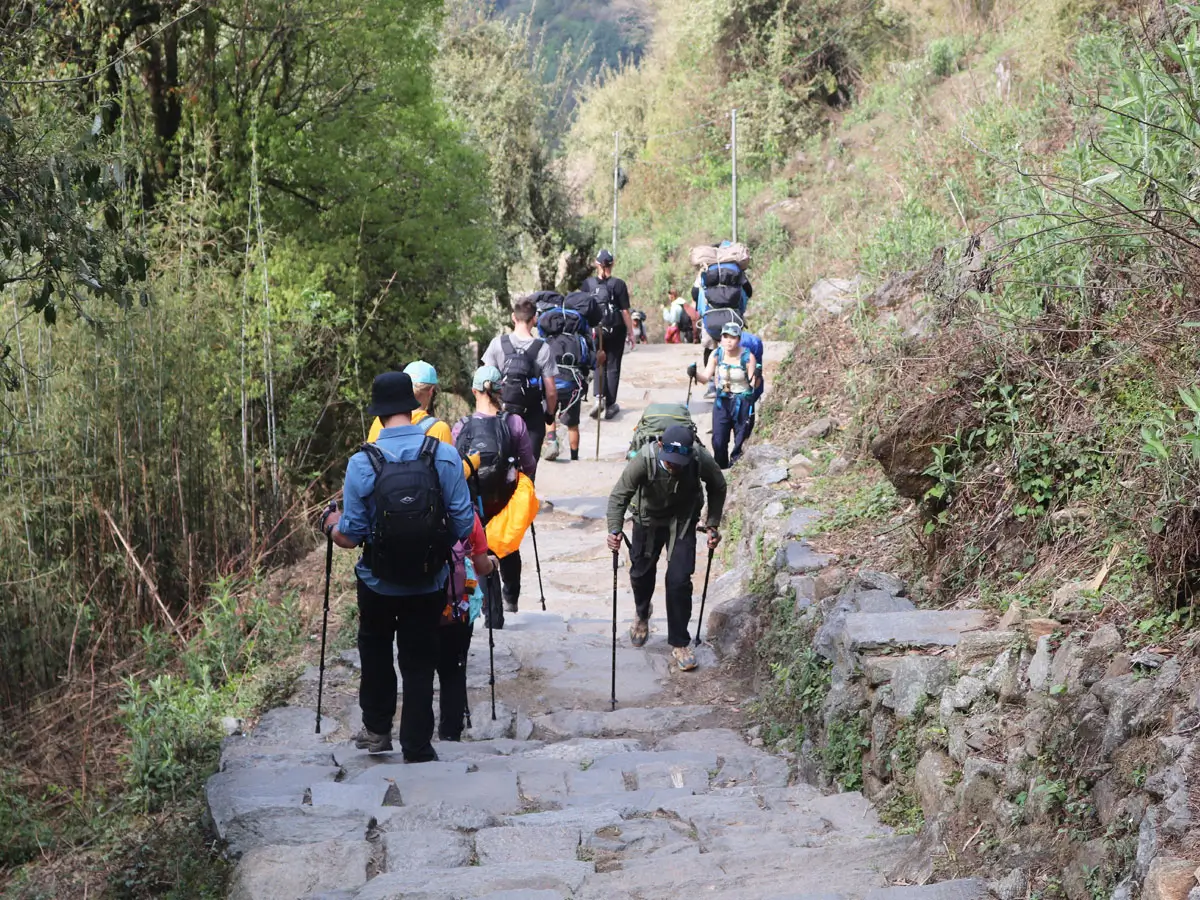
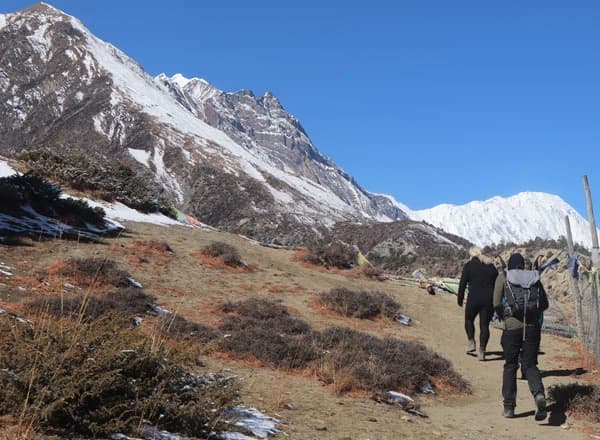
Walking towards Annapurna Base Camp
Why Trek to Annapurna Base Camp in June- Benefits of ABC Trek in June
There are many attractions or Benefits of Annapurna Base Camp Trek in June, find some of them below:
The Greenest Annapurna You’ll Ever See
The month of June marks the moment when the Annapurna region turns green and early monsoon rains breathe life into forests, hillsides, and terraced fields along the hiking ABC trail, creating a landscape that feels freshly washed and intense. The trail in June winds through dense vegetation, moss-covered stones, and newly grown leaves that soften the terrain and add texture to every step.
If you value the living landscapes over dry, dusty trails, June is an exceptional time to trek to ABC. The waterfalls appear where there were none weeks earlier, forests feel cooler and more fragrant, and the entire journey toward Annapurna Base Camp carries a sense of renewal.
Powerful Waterfalls, Rivers, and Living Landscapes – Nature in Full Motion
One of the strongest advantages of ABC trekking in June is the Dramatic increase in water flow. June brings the Annapurna region into motion as early monsoon rains combine with snowmelt from the high Himalayas, waterfalls surge down cliff faces, streams swell, and rivers run fast and full. Some sections of the ABC trail echo with the sound of flowing water, creating a refreshing atmosphere that contrasts beautifully with the surrounding greenery.
The waterfalls along the ABC trek in June are strong, dramatic, and ever-present, especially in forested sections and narrow valleys. The moss-covered rocks, mist rising from cascades, and rain-fed vegetation give a sense of vitality and renewal. If you enjoy nature at its most dynamic, June adds depth and character to the journey to Annapurna Base Camp.
Authentic Village Life
June offers a rare window into real Himalayan village life, shaped by the rhythms of the farming season. As trekking crowds thin out in the Annapurna base camp route, villages feel quieter and more personal. The locals are busy planting rice, tending fields, and managing livestock, daily activities that continue regardless of weather or tourism.
For travelers, June offers more genuine cultural interaction, as the Teahouse hosts often have more time to talk, share stories, and explain their way of life. You may see farmers working in terraced fields, children returning from school through light rain, and elders resting beneath sheltering rooftops as clouds drift through the valley.
These moments reveal that the Annapurna region is not just a trekking destination, but a living cultural landscape, where traditions, resilience, and seasonal change are part of everyday life.
Warm, Comfortable Temperatures for Trekking
June offers warm daytime temperatures, especially at lower and mid altitudes, making walking easier for you, the muscles stay warm, breaks are comfortable, and evenings feel mild rather than harsh.
While higher elevations of the ABC trail remain cool, the overall temperature balance in June reduces cold-related fatigue. With the proper layering and rain protection, you often find June conditions less physically draining than colder months, particularly on long ascent and descent days.
As the monsoon approaches, many trekkers avoid June and leave the trail noticeably less crowded. This creates a calmer and more intimate trekking experience. The teahouses are less crowded, the viewpoints are quieter, and interactions with locals feel less rushed.
For travelers seeking solitude, reflection, and deeper connection, June offers something rare on a classic trek like the Annapurna Base Camp route. The mountains feel closer, the villages more open, and the journey more personal.
Cultural Authenticity
June coincides with the agricultural season in the Annapurna region, and villagers are actively planting rice, tending fields, and preparing land for the monsoon months. Trekking to Annapurna Base Camp during June offers insight into how mountain communities truly live, beyond the tourism cycle.
You’ll see daily life unfolding naturally, farmers working in terraces, families gathered indoors during light rain, and teahouse hosts sharing stories with more time and attention. This cultural depth adds meaning to the trek and reminds you that the Annapurna region is a working homeland, not just a scenic destination.
Dramatic Atmosphere and Unique Photography
June’s weather brings atmosphere rather than monotony. The mornings can be clear and bright, while later hours introduce mist, clouds, and shifting light. Peaks of the Annapurna massif may appear suddenly through the clouds, creating dramatic and cinematic scenes.
For photographers and creative travelers, this ever-changing environment offers depth, contrast, and mood rarely found in seasons that are clear.
Ideal for Thoughtful, Well-planned Trek
June is not about rushing; it rewards smart planning and flexibility. Early starts, weather awareness, and adaptive pacing turn potential challenges into advantages. The experienced local teams like Outfitter Himalaya designed June itineraries to work with the season, not against it, maximizing clear windows and minimizing disruption.
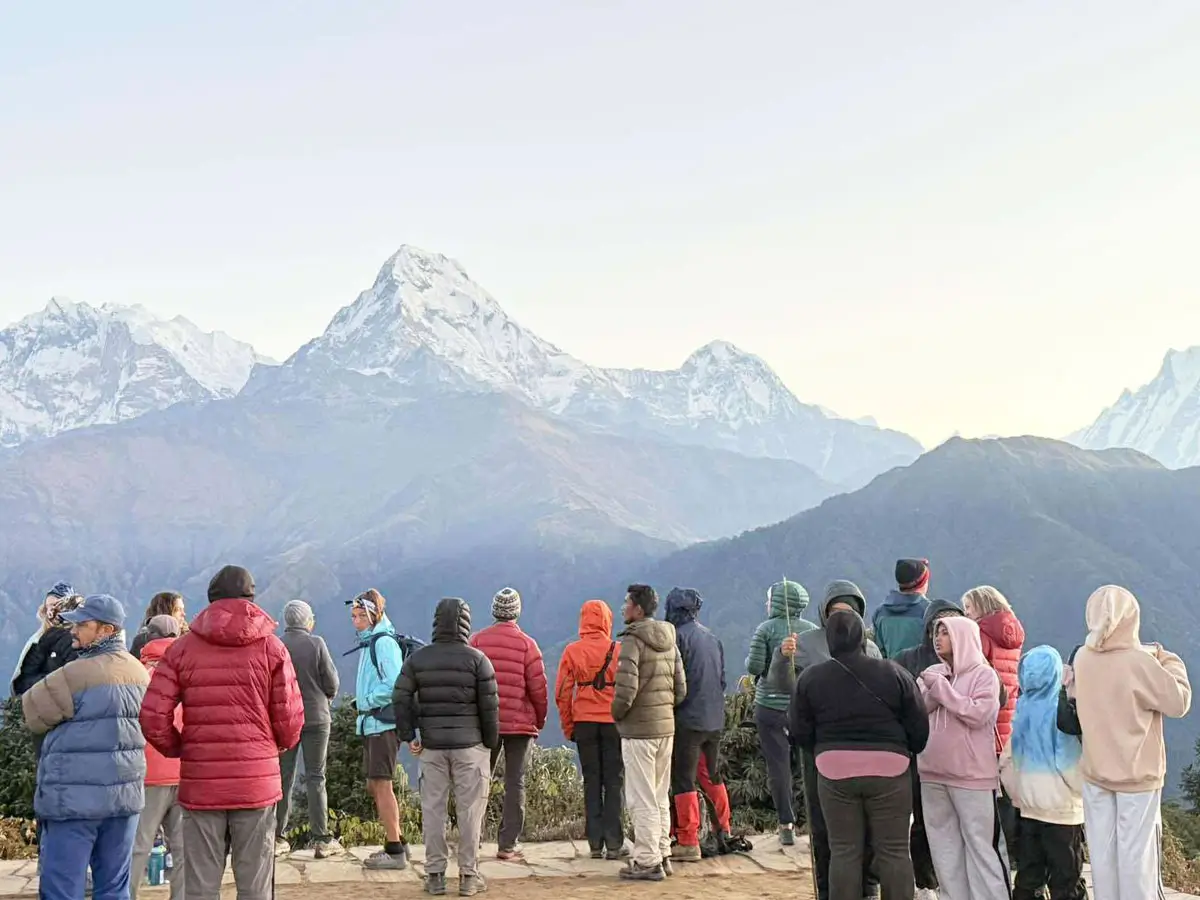
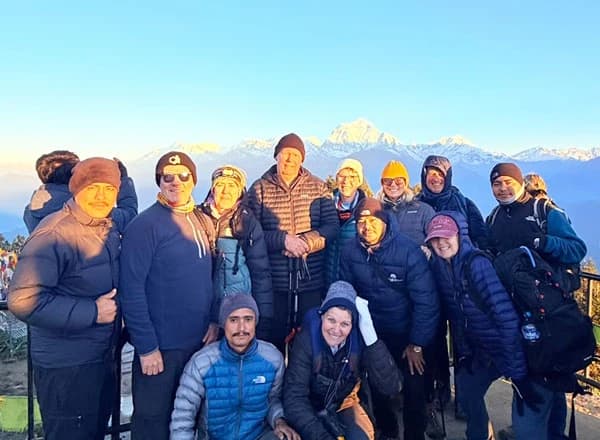
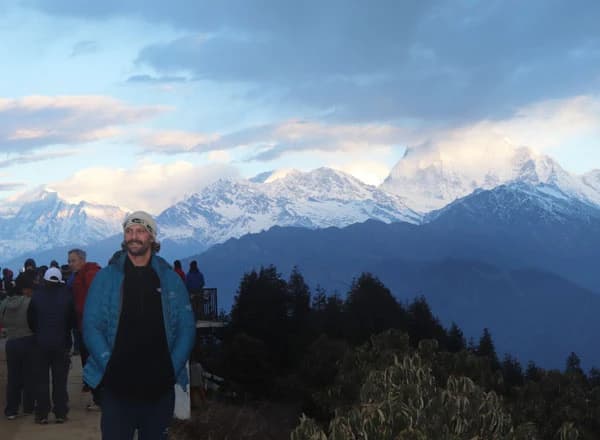
Himalayan View from Poon Hill
Cons of the Annapurna Base Camp Trek in June
Trekking to Annapurna Base Camp in June is rewarding. Still, it comes with season-specific challenges, and understanding these realities helps you to plan smarter and enjoy the trek with the right expectations.
Increased Chance of Rain
June marks the start of the monsoon in Nepal, so rain is more likely than in spring or autumn, and showers are usually short and localized, often in the afternoon or evening, but they can still affect daily plans.
The rain enhances greenery and waterfalls, yet it can make some trail sections damp or slippery. So, you need to have proper rain gear and sturdy footwear.
Cloud Cover Can Reduce All-Day Mountain Views
While early mornings are often clear, clouds tend to build as the day warms, which means mountain views can be intermittent rather than constant.
For trekkers who expect uninterrupted blue-sky panoramas all day, June may feel unpredictable, and for others, the mist, cloud movement, and sudden peak reveals add atmosphere and drama.
Leeches in Lower Forested Sections
With increased moisture, leeches can appear in lower, forested parts of the ABC trail in June, especially after rain. They are harmless but can be unforgettable if you’re unprepared.
Simple precautions, such as leech socks, salt, or repellent, are usually enough to prevent issues, and leeches are not present at higher elevations.
Muddy or Slippery Trail Conditions
Rain can soften the trail, particularly on stone steps and forest paths, which requires more careful footing and slower walking in some areas.
Good trekking shoes with grip and trekking poles reduce the impact of these conditions and increase overall safety.
June is not a “set-and-forget” trekking month. It rewards flexibility with early starts, adjusted walking hours, and weather-aware decisions.
Trekkers who approach June with rigid expectations may feel frustrated, while those who embrace adaptability often find the experience rich, peaceful, and deeply immersive. Trekking with experienced local planners, such as Outfitter Himalaya, helps navigate these variables effectively.
Balanced Perspective
None of these cons are deal-breakers and are manageable trade-offs for greener landscapes, quieter trails, and a more authentic cultural experience on the ABC Trek in June. With the proper preparation and realistic expectations, June can be one of the most memorable and intimate times to trek to Annapurna Base Camp.
FAQs – Annapurna Base Camp Trek in June
Is June a good time to trek to Annapurna Base Camp?
Yes, June is a good time for trekkers who prefer lush landscapes, fewer crowds, and warmer temperatures. It is best suited for flexible travelers comfortable with occasional rain.
Does it rain every day on the ABC trek in June?
Rain in June is usually intermittent, often occurs in the afternoon or evening, and mornings are frequently clear, especially in early June.
Are mountain views possible in June?
Yes, early mornings often offer clear views of Annapurna I, Machapuchhre, and the surrounding peaks, and clouds typically build later in the day.
What is the temperature at Annapurna Base Camp in June?
At Annapurna Base Camp, daytime temperatures range from 8°C to 14°C (46°F–57°F), and nighttime temperatures can drop to around 0°C to –3°C (32°F–27°F).
Are leeches a serious problem in June on ABC Trek?
Leeches can appear in lower forested sections after rain, but are harmless and easily managed with leech socks or salt. They are not present at higher elevations.
Is June suitable for first-time trekkers?
Yes, for fit beginners who are well-prepared and guided. June requires adaptability, not technical skill.
What makes June different from May or October?
June offers greener landscapes, stronger waterfalls, fewer trekkers, and more cultural authenticity, while May and October focus more on dry trails and consistent mountain views.
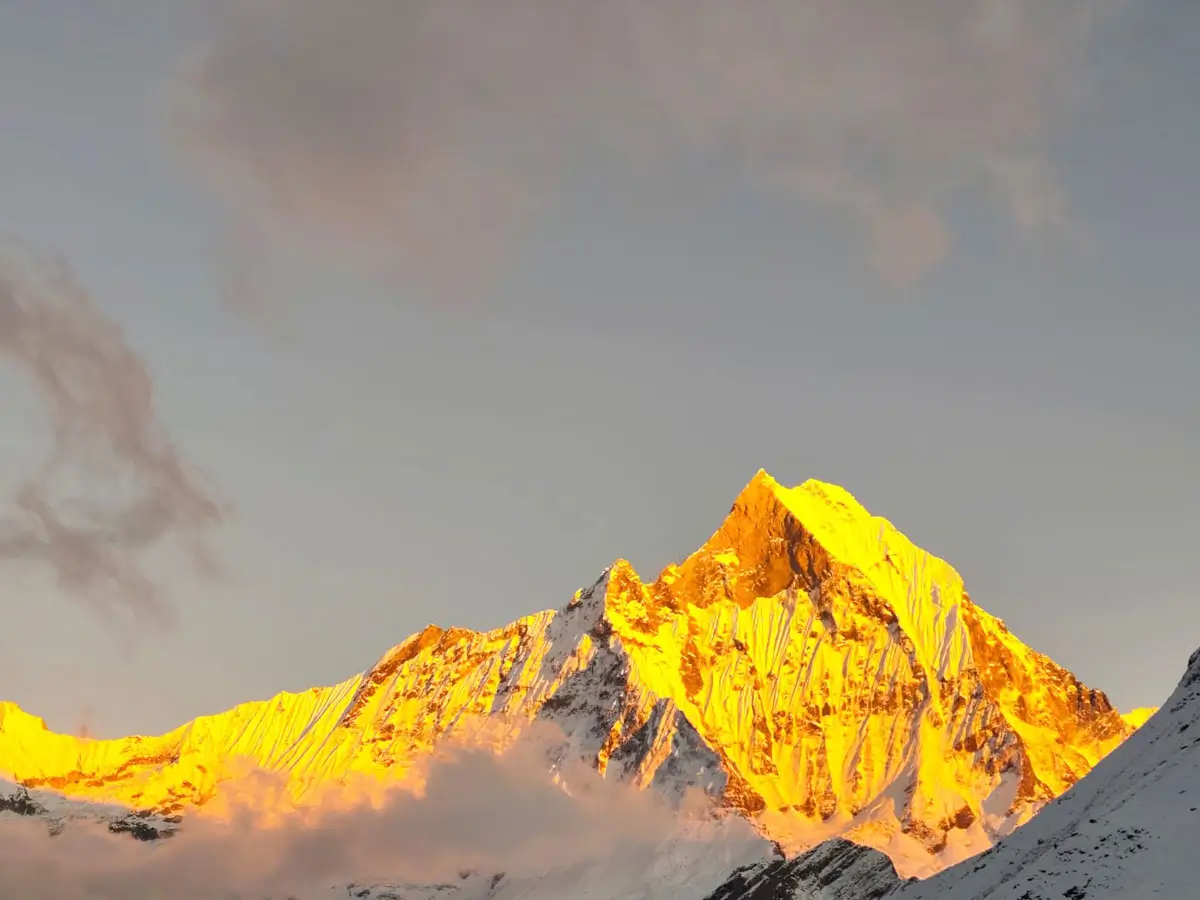
The Fishtail View on ABC Trek
Expert Tips for Annapurna Base Camp Trek in June
Trekking to Annapurna Base Camp in June is rewarding when it is approached with proper preparation and the right mindset. Early monsoon conditions require smart planning with extra strength. Below are expert-backed tips to help you trek safely and comfortably during June.
Start Early Every Day
June mornings are your most significant advantage, as clear skies and stable weather are most common at sunrise, while clouds and rain tend to develop later. So, begin trekking early to enjoy mountain views, avoid afternoon showers, and walk in cooler temperatures.
Pack for Rain, Not for Cold
June is warm, but moisture is the main factor to manage, so focus on:
Lightweight, waterproof rain jacket
Quick-dry trekking clothes
Waterproof backpack cover
Moisture-resistant footwear
Heavy winter gear is unnecessary, but staying dry is essential for comfort.
Use trekking Poles on Wet trails
Rain can make stone steps and forest paths slippery, so trekking poles provide extra balance and reduce strain on knees, especially during descents. They are particularly useful after rainfall in lower forested sections.
Be Prepared for Leeches at Lower Elevations
Leeches may appear in damp forest areas after rain, and they are harmless but inconvenient.
Simple solutions include:
Leech socks
Salt or mild repellent
Checking clothing after wet sections
Leeches are not an issue at higher altitudes.
Hydration and Nutrition Matter More in Warm Weather
June’s warmth and humidity increase fluid loss, so drink water regularly and choose warm, energy-rich meals such as soups, dal bhat, and noodles. Proper hydration helps maintain energy and supports altitude adaptation.
Breathable fabrics help regulate body temperature and reduce discomfort. So, avoid cotton; opt for synthetic or merino layers that dry quickly and feel lighter during humid conditions.
Keep a Flexible Itinerary Mindset
June trekking rewards flexibility as short weather changes may require minor schedule adjustments, so you enjoy the trek far more than those expecting fixed conditions.
Listen to Your Body at Altitude
Despite warmer temperatures, altitude still demands respect. If you experience headaches, dizziness, or fatigue:
Slow down
Hydrate
Inform your guide
June’s warmth can mask early signs of altitude stress, so awareness is important.
Travel with Experienced Local Support
Early monsoon months require a local knowledge guide, when to walk, where to stop, and how to adjust on the trail. So, experienced operators like Outfitter Himalaya plan June treks with weather-aware pacing, lodge coordination, and safety in mind.
Final Expert Insight
June is not about chasing perfect skies; it's about experiencing Annapurna in its most natural, peaceful, and vibrant form. If you prepare correctly, you often find June more immersive and rewarding than peak seasons.
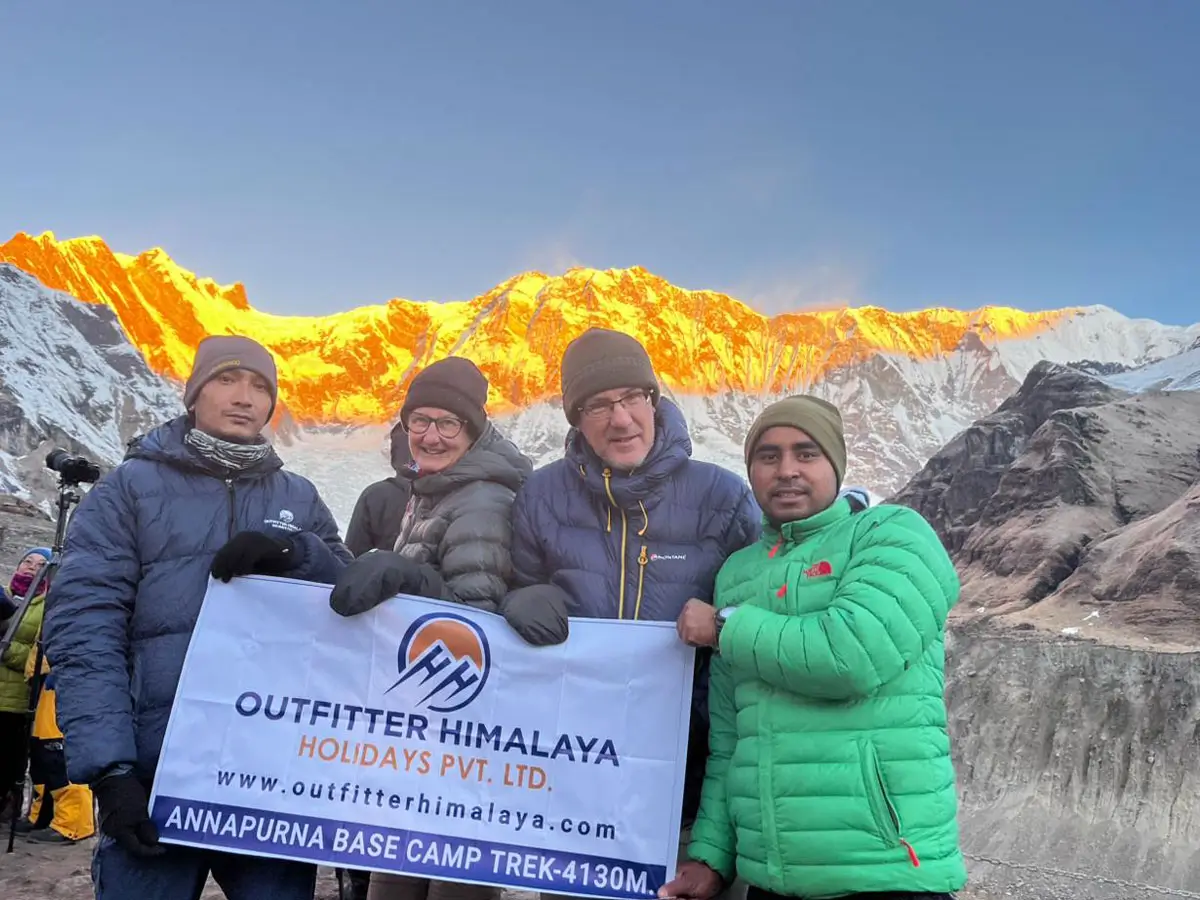
Congrationtions! Reached Annapurna Base Camp!
Final Thoughts: Is June a Good Time for the Annapurna Base Camp Trek?
The Annapurna Base Camp Trek in June is ideal for travelers who want to experience the Himalayas in a quieter, greener, and more authentic way.
June introduces early monsoon conditions and also reveals a side of Annapurna that peak seasons often hide: the lush forests, powerful waterfalls, misty mountain drama, and genuine village life unfolding without crowds.
June is not about postcard-perfect blue skies all day; instead, it offers atmosphere, depth, and intimacy. The early mornings reward you with clear mountain views, while afternoons bring clouds that add mood and scale to the landscape. The warm temperatures, fewer trekkers, and active rural life make the ABC journey in June feel grounded and immersive rather than rushed or commercial.
For travelers who value nature at its most alive, cultural authenticity, and a slower, more mindful trekking experience, June can be a deeply satisfying time to trek ABC. With the realistic expectations, proper preparation, and guidance from Outfitter Himalaya, trekking to Annapurna Base Camp in June becomes less about avoiding the monsoon and more about embracing the Himalayas in their most natural rhythm.
The Annapurna Base Camp Trek in May is one of the most rewarding ways to experience the Annapurna Himalayas at their seasonal best. Annapurna Base Camp trek takes you deep into the Annapurna Sanctuary, [...]
It is undoubtedly possible to trek in Nepal during the winter season, which lasts from December to February. December starts the winter season, and February ends it. So, trekking in Nepal in December and February [...]
March is among the best times to do the Everest Base Camp Trek. The start of the spring season in Nepal marks a peak trekking season in the Himalayas. Start the trek in early [...]