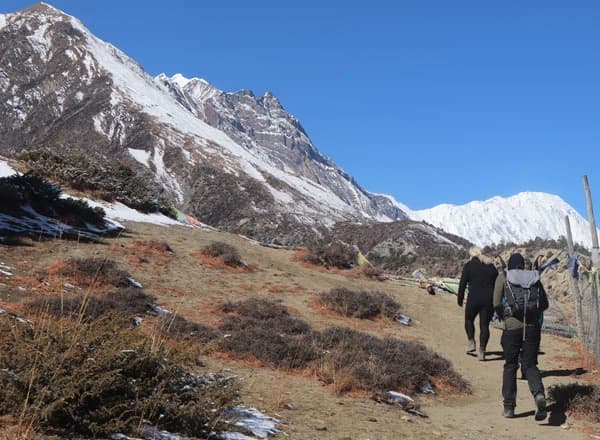
Annapurna Base Camp Trek in May is a good choice for trekkers who want warmer spring temperatures, blooming rhododendrons, lush landscapes, and generally clear mornings before the monsoon arrives. May is the final month of spring in Nepal, so afternoon clouds and occasional rain become more likely as the month progresses. Starting early is the best way to enjoy clear Himalayan views.
Annapurna Base Camp sits at 4,130 meters inside the Annapurna Sanctuary, and the lower trail is green and colorful. At the same time, the higher sections remain cool, especially at night in May. This guide explains May weather, temperature, rainfall, mountain visibility, crowds, packing, trekking conditions, and practical tips for planning the ABC Trek in May.
Is May a good time for the Annapurna Base Camp Trek?
Yes, May is generally a good month for the Annapurna Base Camp Trek. It is the end of spring, with warmer daytime temperatures, blooming rhododendrons, lush green landscapes, and good mountain visibility, particularly in the morning. However, pre-monsoon moisture increases during May, so afternoon clouds and occasional rain are possible, especially toward the end of the month.
Annapurna Base Camp Trek in May - Quick Facts
Factor
ABC in May
Season
Late spring
Altitude at ABC
4,130 m
Weather
Warm at lower elevations; cool at ABC
Mountain views
Usually best in the morning
Rain
Occasional, increasing toward late May
Rhododendrons
Blooming
Crowds
Moderate to busy
Trail
Generally good, but can be slippery after rain
Best strategy
Early starts
Essential rain gear
Essential rain gear
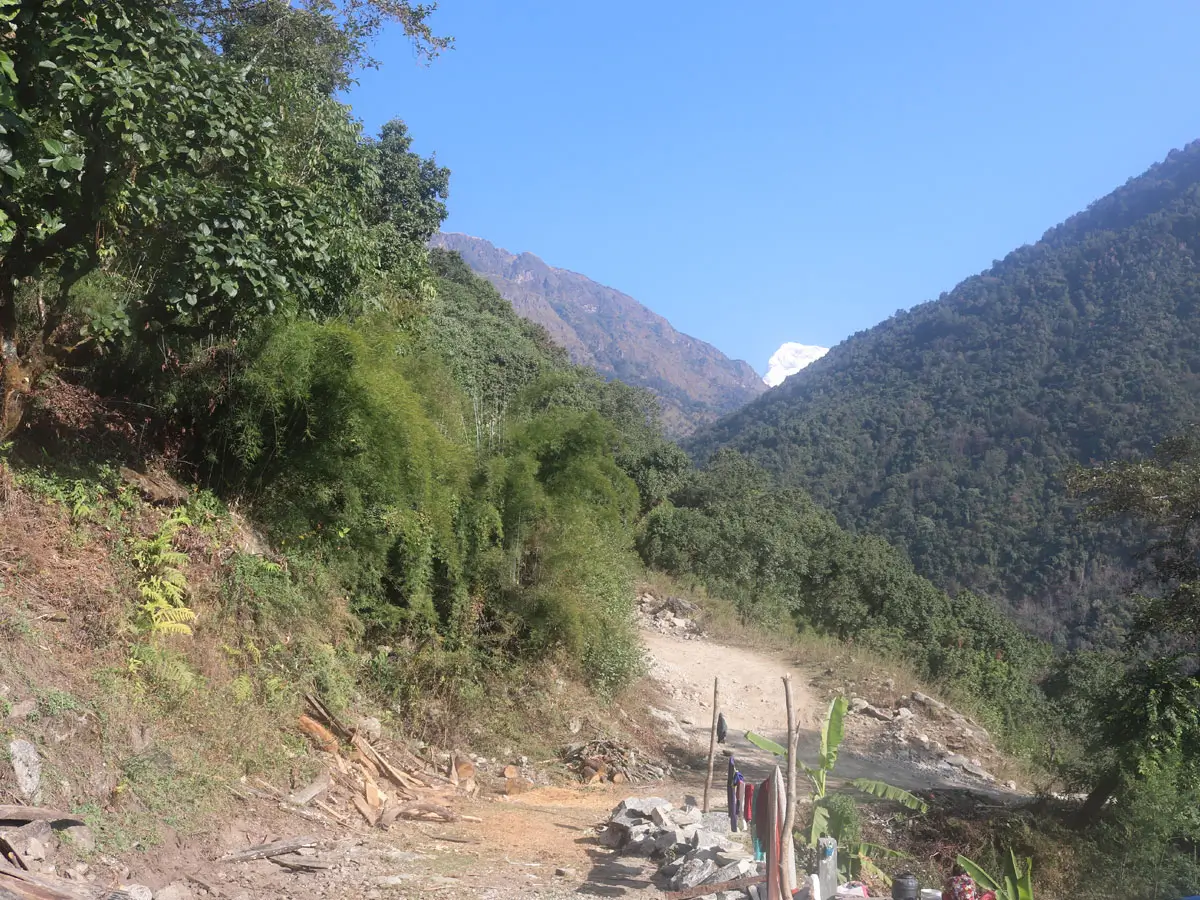
Annapurna Base Camp Trail in May
Why Trek Annapurna Base Camp in May?
May is the final month of spring in Nepal and a good time to trek to Annapurna Base Camp. The trails are lush and colorful, rhododendrons are still blooming, and temperatures are generally warmer than earlier in spring. Here are some of the main reasons to consider an Annapurna Base Camp Trek in May:
Warm and Comfortable Trekking Conditions: May offers warmer daytime temperatures, making the lower and middle sections of the trail comfortable for walking, and the higher elevations remain cool, especially in the morning and at night.
Beautiful Rhododendron Blooms: The Annapurna region is especially colorful in spring. In May, trekkers can still see rhododendrons and other wildflowers along sections of the trail, surrounded by lush green forests and mountain scenery.
Good Mountain Views in the Morning: Mornings in May often offer the best chance for clear views of the Annapurna range, Machhapuchhre (Fishtail), Hiunchuli, and other Himalayan peaks. Starting your trek early can help you enjoy better visibility before afternoon clouds develop.
Lush Landscapes and Waterfalls: As spring moves toward the monsoon season, the hills become increasingly green. Streams and waterfalls along the trail are also more active, adding to the scenery and making the journey through the Annapurna Sanctuary especially attractive.
Longer Days for Walking: May provides plenty of daylight for trekking. This lets you start early, take breaks along the trail, and reach your destination without rushing, while still leaving flexibility for changing weather.
A Good Balance Before the Monsoon: May balances spring's pleasant trekking conditions with the greener landscapes that develop before the monsoon. However, rainfall becomes more likely toward the end of the month, so bring a lightweight rain jacket and backpack cover.
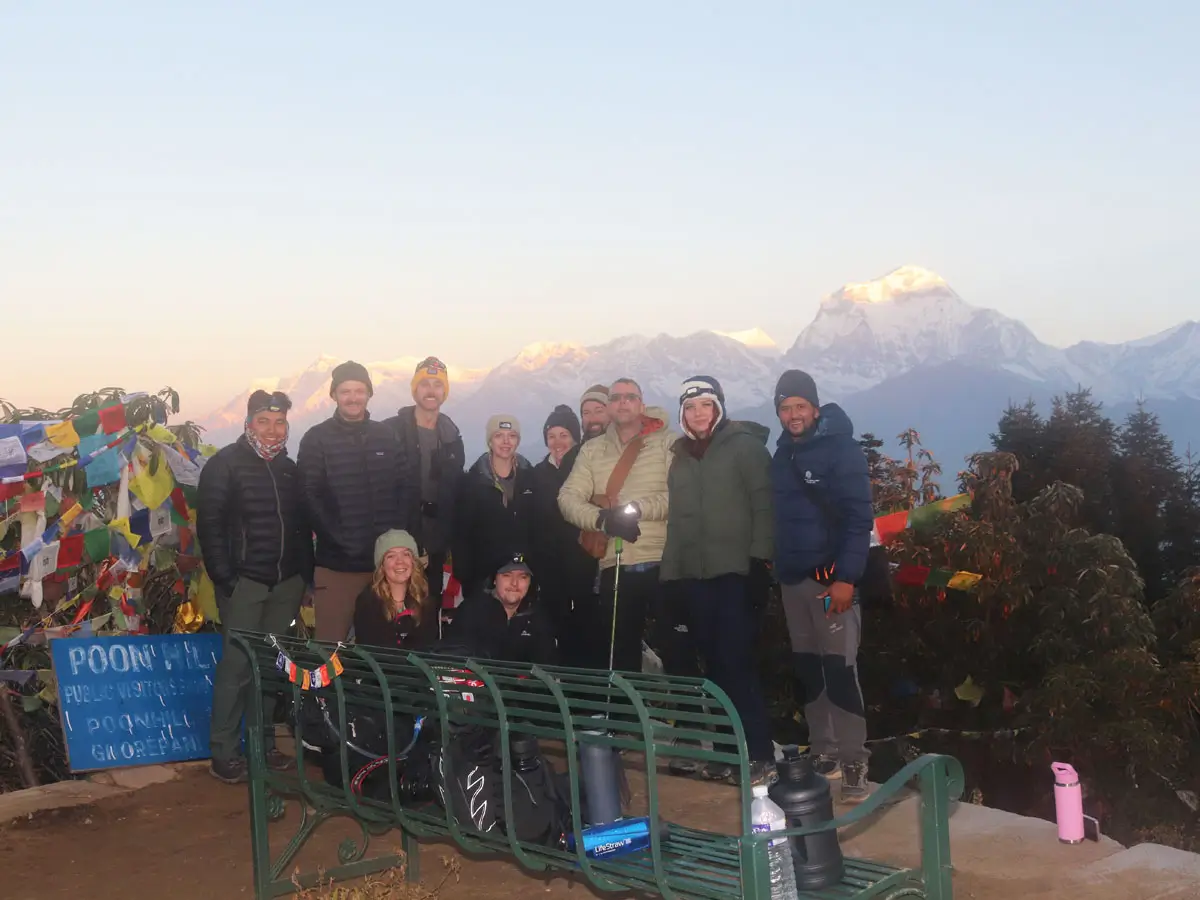
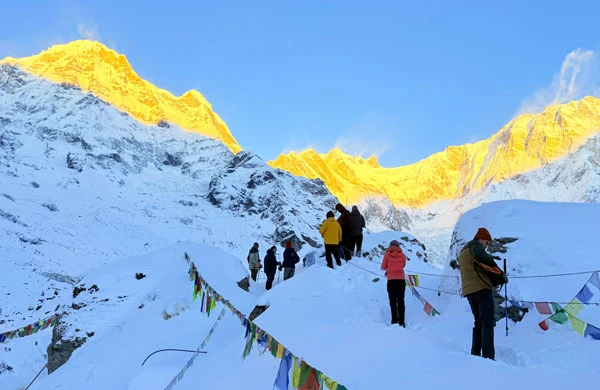
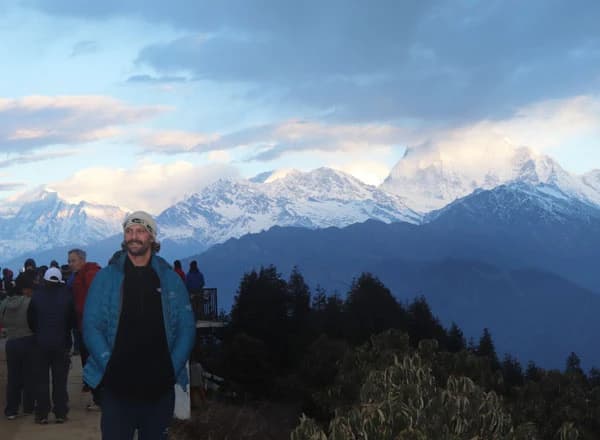
Himalayan view from Poon Hill in May
Annapurna Base Camp Weather and Temperature in May
May is generally warm and pleasant for trekking to Annapurna Base Camp. However, the weather becomes more variable as the month progresses. The lower elevations are warmer and greener, while higher elevations stay cool. Mornings often offer the clearest conditions, and clouds and occasional rain can develop later in the day.
Weather Conditions
May marks the end of spring in the Annapurna region. The lower valleys are warm and green, while the higher sections remain cool and comfortable for trekking. The weather is usually suitable for walking, but conditions can change quickly at higher elevations.
Temperature by Altitude
Temperatures vary significantly with elevation. Lower sections of the trail are generally warm during the day, while nights become colder as you gain altitude.
Elevation
Daytime
Nighttime
800–1,800 m
18–25°C
10–15°C
2,000–3,000 m
12–20°C
5–10°C
3,500–4,130 m
8–15°C
0 to -5°C
These are typical ranges, and actual temperatures can vary depending on weather and altitude.
Rainfall and Humidity
Rainfall becomes more likely toward the end of May as the monsoon approaches. Showers are often short-lived but can make the trails wet and slippery. Humidity is generally higher at lower elevations, so bring a lightweight rain jacket and backpack cover.
Morning vs Afternoon Weather
Mornings in May are usually the best time for trekking, with cooler temperatures and better visibility. Clouds can build during the afternoon, sometimes bringing rain or reduced mountain views. Starting your daily trek early helps you make the most of the clearer morning conditions.
Mountain Visibility
Mountain views are often best in the early morning before clouds develop. On clear days, you can enjoy impressive views of Annapurna I, Annapurna South, Hiunchuli, and Machhapuchhre (Fishtail). Toward late May, cloud cover and occasional rain may become more frequent, so early starts are especially useful.
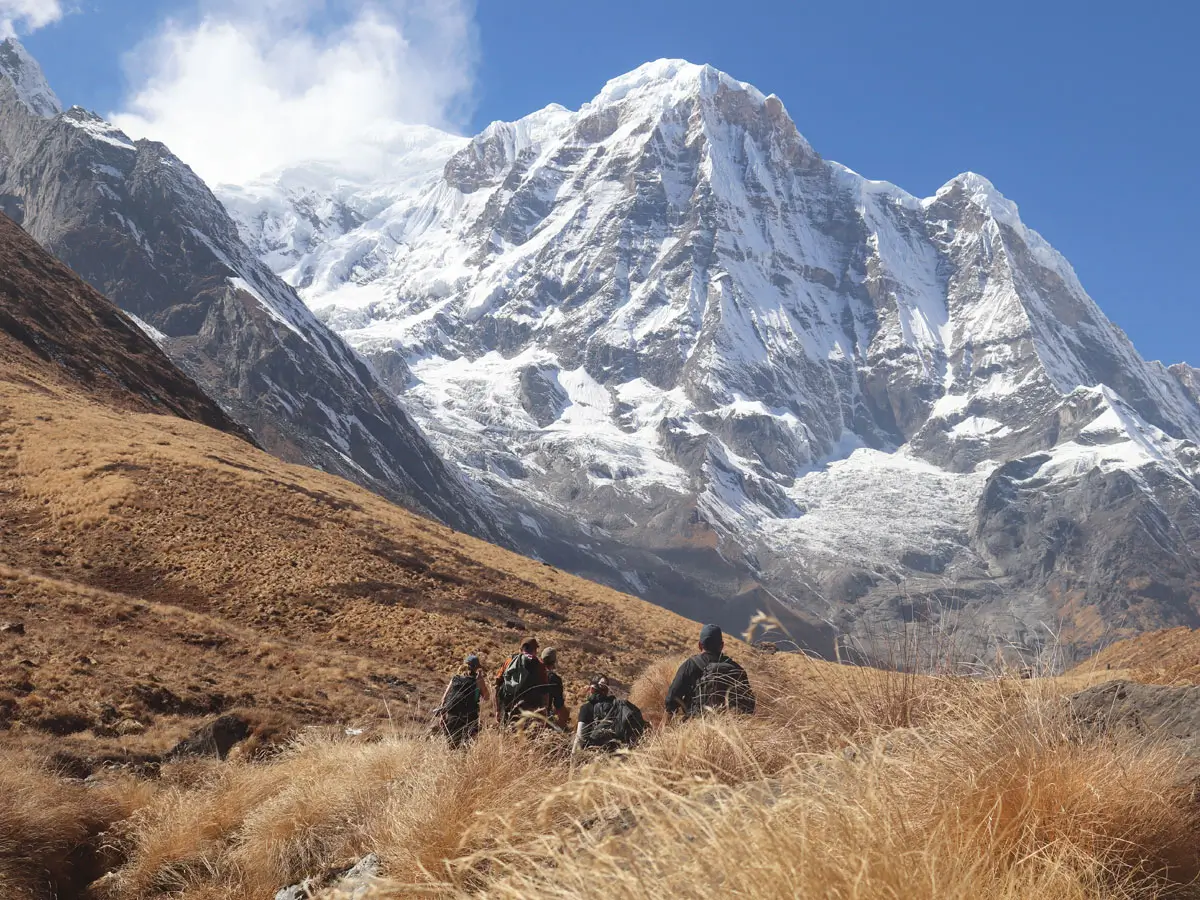
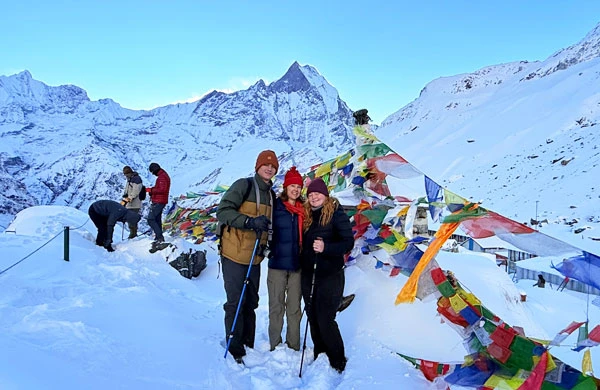
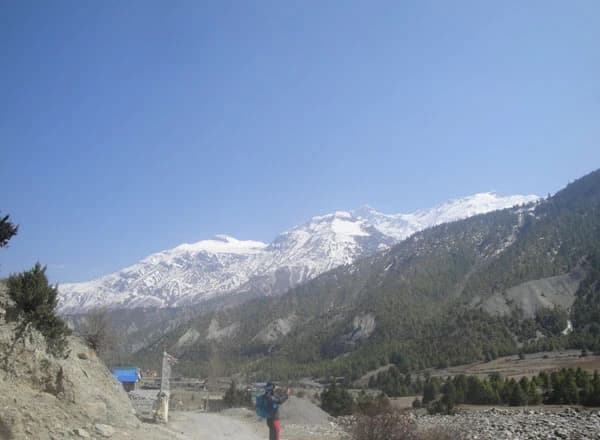
Walking towards to ABC!
Annapurna Base Camp Trek Packing List for May
For an Annapurna Base Camp Trek in May, pack lightweight trekking clothes, warm layers, and basic rain protection. The weather can change quickly, especially at higher elevations.
Frequently Asked Questions About Annapurna Base Camp Trek in May
Is Annapurna Base Camp open in May?
Yes, the Annapurna Base Camp is normally accessible in May, and trekking routes, teahouses, and local services generally operate during this period.
How many days do I need for the Annapurna Base Camp Trek?
A typical Annapurna Base Camp Trek takes around 5–14 days, depending on the starting point, itinerary, and pace.
Do I need a guide for the Annapurna Base Camp Trek in May?
A guide is recommended for safety, navigation, local knowledge, and assistance with accommodation and changing trail conditions. A guide can also make the trek easier to manage if weather conditions change.
Where do I stay during the Annapurna Base Camp Trek?
Accommodation is available in local teahouses and lodges along the route. Rooms are generally simple and comfortable, with shared facilities in many locations.
Is Wi-Fi and mobile network available on the ABC Trek?
Wi-Fi and mobile connectivity are available at some villages and teahouses. Still, the connection can be unreliable or unavailable in higher sections. It is best to prepare for limited connectivity during the trek.
Annapurna Base Camp Trek Options in May
Whether you have two weeks or only a few days, Outfitter Himalaya offers several ways to experience Annapurna Base Camp in May.
Most Popular — 14-Day Annapurna Base Camp Trek: The classic ABC itinerary is ideal for trekkers who want to experience the complete journey through the Annapurna region at a comfortable pace.
Short Option — 5-Day Short ABC Trek: Perfect for travelers with limited time, this shorter itinerary focuses on the highlights of the Annapurna Base Camp experience.
May is one option for trekking to Annapurna Base Camp. Still, each season offers a different experience in terms of weather, views, trail conditions, and scenery. If you are still deciding when to visit, read our Best Time to Trek Annapurna Base Camp guide to compare the different trekking seasons and choose the right time for your journey.
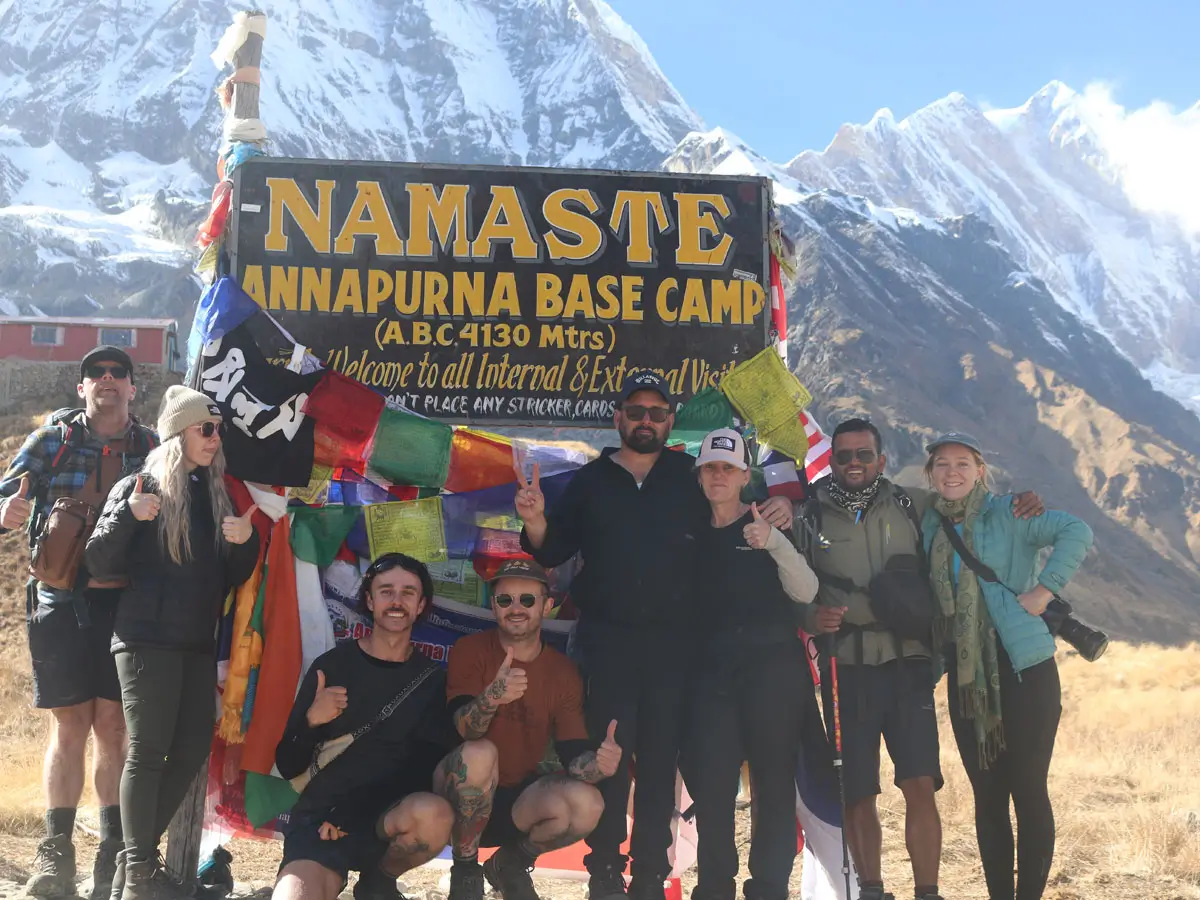
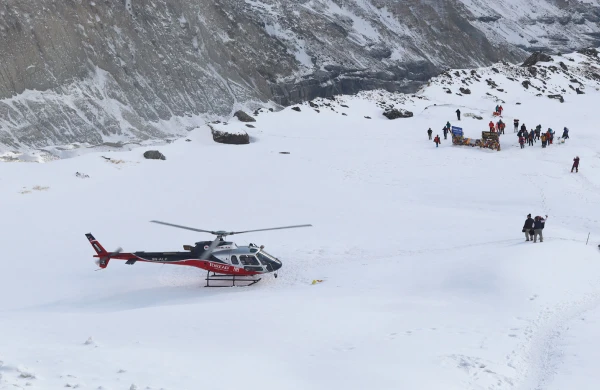
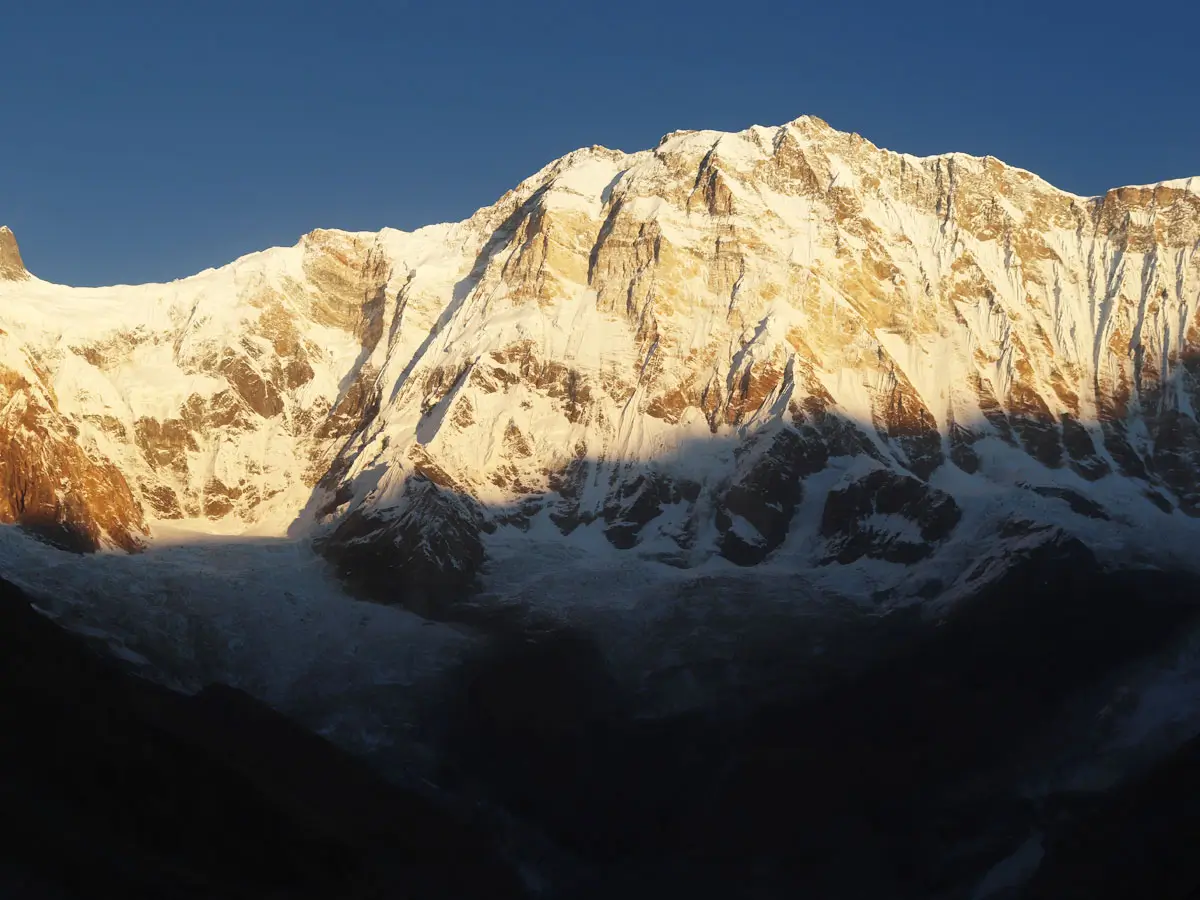
Annapurna Base Camp and Glacier!
Expert Tips from Outfitter Himalaya
With experience organizing treks in the Annapurna region, Outfitter Himalaya recommends starting daily walks early in May to take advantage of clearer morning conditions. Pack lightweight rain protection, layered clothing, and good-grip trekking shoes, as weather and trail conditions can change during the day.
Stay hydrated, walk at a steady pace, and allow enough time for acclimatization as you gain altitude. Keeping some flexibility in your itinerary is also helpful, especially toward the end of May when rainfall becomes more likely.
Our advice: Prepare for both warm lower elevations and cold conditions at higher altitudes, and start early for the best trekking experience and mountain views.
Is May the Right Month for Your ABC Trek?
May is a strong choice for the Annapurna Base Camp Trek if you want warmer spring temperatures, blooming rhododendrons, lush landscapes, and good morning mountain views. The main trade-off is that afternoon clouds and occasional rain become more likely as the month progresses.
If your priority is flowers, greenery and warmer conditions, May is an excellent option. If you want the clearest, most consistently stable mountain weather, October and November may be better.
Whichever month you choose, an early start, appropriate layers and rain protection will make the ABC Trek more comfortable.
The Ghorepani Poon Hill Trek in March combines the beginning of rhododendron season with warming days and opportunities for clear Himalayan views. Sunrise at 3,210 meters remains cold, and higher paths can still have snow [...]
The Annapurna Circuit Trek covers approximately 102 kilometers of walking on Outfitter Himalaya’s classic 15-day itinerary, including the Manang acclimatization hike. The journey unfolds through riverside forests, mountain villages and open valleys before crossing Thorong La [...]
The Annapurna Circuit Trek costs about USD 650–1,900 per person with Outfitter Himalaya, depending on the itinerary, group size, and services included. Outfitter Himalaya’s 15-day Classic Annapurna Circuit Trek has published group-size prices of USD [...]