When planning a trek to Nepal, most travelers immediately write off July and August due to the word “monsoon.” But for a certain kind of adventurer, one who seeks absolute solitude, vibrant jungle landscapes, and the raw, moody power of the mountains, the Langtang Valley Trek in July and August (monsoon) is an absolute hidden gem.
While the classic Everest Base Camp and Annapurna Base Camp struggle with cancelled domestic flights and crowded, muddy trails, Langtang offers a highly accessible, flight-free alternative. During the peak of summer, the “Valley of Glaciers” transforms into an emerald paradise bursting with life.
Here is everything you need to know about experiencing the Langtang valley during the peak monsoon season.
Langtang Valley Trek in summer (July and August): The Peak Monsoon Experience
The Langtang Valley Trek in Monsoon (July and August) offers a deeply immersive Himalayan experience during Nepal’s peak monsoon and summer season. While many trekkers avoid these months due to rainfall, Langtang reveals a different kind of beauty lush forests, flowing waterfalls, dramatic clouds, and peaceful trails far from crowds.
Located just north of Kathmandu, Langtang National Park catches the summer monsoon rains sweeping up from the Bay of Bengal. Langtang Valley is known for its alpine scenery, rich biodiversity, and strong Tibetan-influenced traditions. In July and August, the trails are washed clean, the dust is gone, and the landscape is saturated in intense shades of green. Monsoon moisture transforms the landscape into a vibrant green paradise filled with life and movement.
The typical weather pattern is clockwise: clear, misty mornings followed by cloud buildup and rain in the afternoon or evening. You won’t get the uninterrupted blue skies of October, but you will get dramatic, cinematic views of clouds weaving through the towering peaks, roaring rivers, and a valley that feels entirely your own.
Unlike many trekking regions in Nepal, Langtang benefits from partial rain-shadow effects in higher sections. While lower forests receive more rain, areas around Kyanjin Gompa often experience lighter precipitation and clearer mornings. With proper planning, you can enjoy mountain views and safe trail conditions.
The Monsoon also coincides with peak farming and livestock activity in mountain villages. Trekkers witness authentic rural life as locals cultivate fields, manage yaks, and prepare seasonal food. This makes the trek especially rewarding for travelers interested in Tamang culture and traditional Himalayan lifestyles.
The weather in Langtang in July and August is generally warm at lower elevations and cool at higher altitudes. Although afternoon clouds and rain showers are common, mornings remain ideal for walking and photography. With early starts, waterproof gear, and flexible schedules, trekking remains comfortable.
Compared to peak seasons, the Langtang Valley Trek in the Monsoon feels calmer and more personal. Teahouses are less crowded, trails are quieter, and interactions with local communities feel more genuine.
For travelers who value greenery, solitude, and cultural depth over perfect blue skies, the Langtang Valley Trek in July and August is a rewarding and underrated choice. With professional guidance from teams like Outfitter Himalaya, Monsoon trekking in Langtang becomes safe, smooth, and memorable.
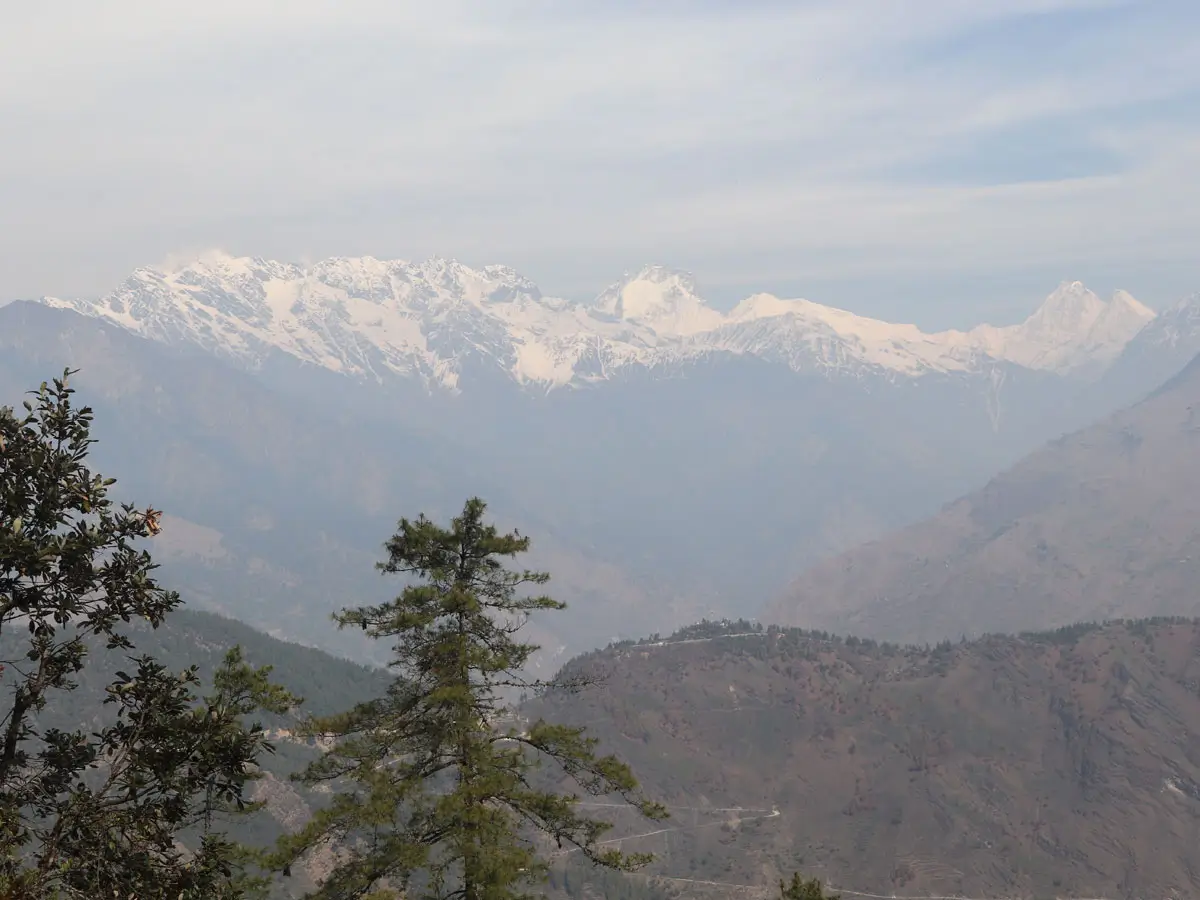
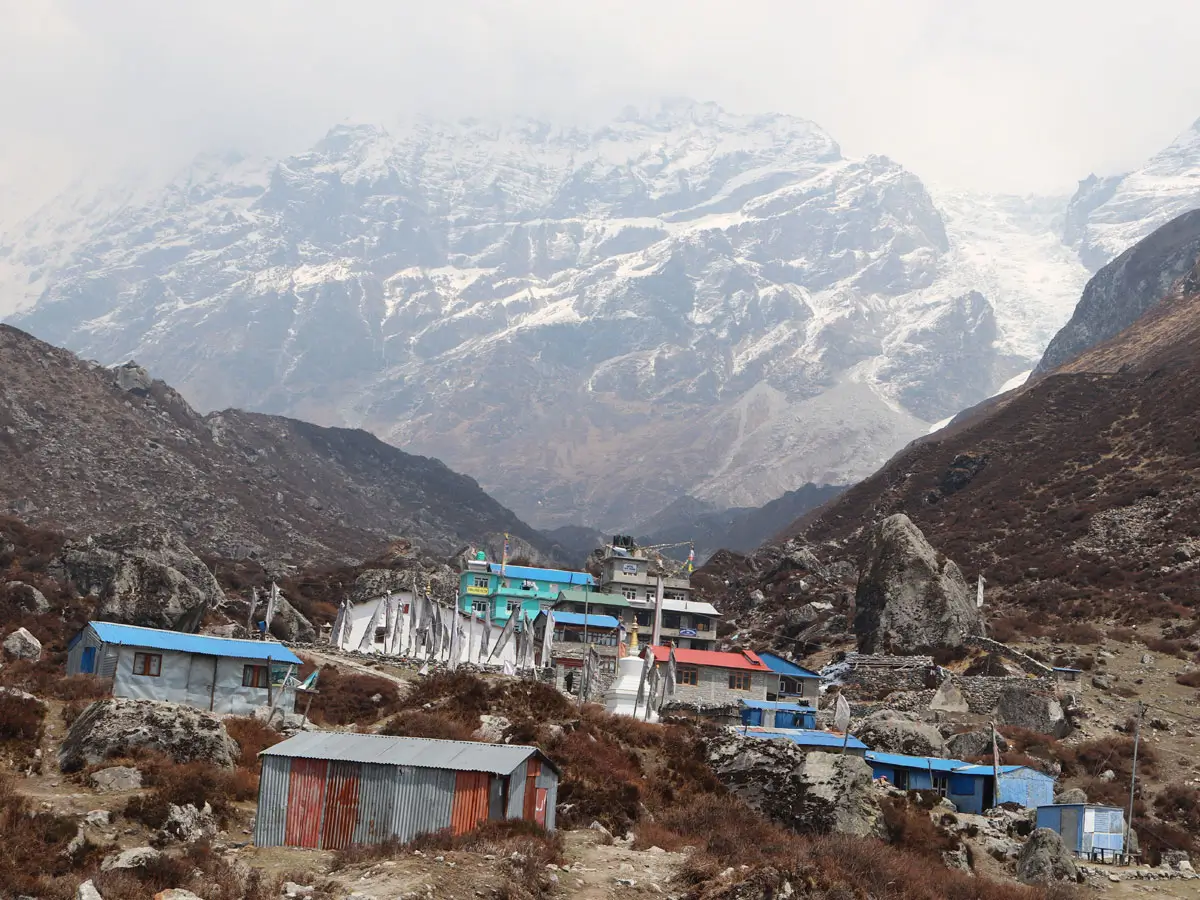
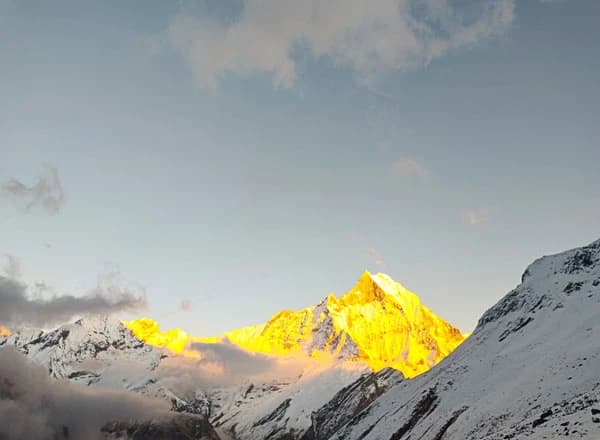
Himalaya View in Langtang!
Langtang Valley Weather and Temperature in July and August (Monsoon)
The Langtang Valley Trek in July and August (Monsoon) unfolds under the influence of Nepal's peak monsoon and summer weather patterns. During Monsoon months, the entire valley is touched by periodic rainfall that nurtures lush forests, energizes waterfalls, and sustains the vibrant seasonal ecology. While rain showers are more frequent than in spring, they generally occur in the afternoon and evening hours, leaving mornings mostly calm, cooler, and ideal for trekking and photography.
This monsoon rhythm creates a distinct daily pattern: walkers often enjoy clear or lightly clouded skies in the early hours–perfect for capturing views of mountain ridges and forested contours–before occasional showers begin later. In higher altitudes around Kynajin Gompa and viewpoints such as Tserko Ri, monsoon moisture is lighter thanks to partial rain-shadow effects. Hence, mountain visibility remains strong during crisp early mornings.
Humidity increases as you descend toward lower forested stretches near Syabrubesi and Lama Hotel. Trails can feel warmer and more humid in these zones, but temperatures rarely become extreme. Evening and night bring cooler air, especially at higher elevations, helping balance daytime warmth and allowing for comfortable rest and recovery.
Rainfall in July and August typically doesn't disrupt trekking plans if you're prepared with quality rain gear and flexible scheduling. The frequent interplay of sun, clouds, mist, and rain actually enhances the sensory experience of the Langtang landscapes–turning forests into emerald corridors and mountain slopes into flowing waterfalls, sounds, and motion after each shower.
Mid Elevations (2,500–3,500 m) – Langtang Village Area
Day: 14°C–22°C (57°F–72°F)
Night: 7°C–12°C (45°F–54°F)
Pleasant walking conditions with cool evenings, ideal for a consistent trekking pace.
High Elevations (3,800–5,000 m) – Kyanjin Gompa and Tserko Ri
Day: 6°C–13°C (43°F–55°F)
Night: –1°C to 4°C (30°F–39°F)
Cool-to-cold mornings and evenings make warm layers essential, especially above 3,800 m.
Key Monsoon Weather Tips
Morning conditions are key–plan your walking hours early to enjoy the best visibility.
Afternoon and evening showers are normal–embrace them with good rain protection.
Rainfall enhances waterfalls, rivers, and forest ecosystems, adding to the trek's scenic appeal.
Higher camps and ridgelines can be cooler and breezy–be prepared for moisture plus wind chill.
Why June - August Weather Still Works for Langtang Trekking
Although July and August lie within Nepal's monsoon window, the Langtang Valley's geography creates a unique climate profile that many trekkers find appealing:
Warm days and cool nights
Strong morning views before clouds build
Lush landscapes and active waterfalls
Quieter trails with fewer trekking crowds
Comfortable temperatures for longer walks
With local expertise from experienced agencies like Outfitter Himalaya, you can adapt your schedule, choose optimal walking hours, and make the most of monsoon scenery while staying safe and comfortable.
The Monsoon Mindset: Is This Trek For You?
Trekking in July and August requires a specific mindset. This trek is NOT for you if your primary goal is to take panoramic, blue-sky photos of the mountains every single day, or if you hate getting wet.
This trek is for you if you are a nature lover, a photographer looking for moody/atmospheric landscapes, a botanist, or an adventurer who values solitude and the physical rhythm of hiking over checking off a list of perfect viewpoints. If you embrace the rain as part of the adventure, the monsoon will reward you with an unforgettable experience.
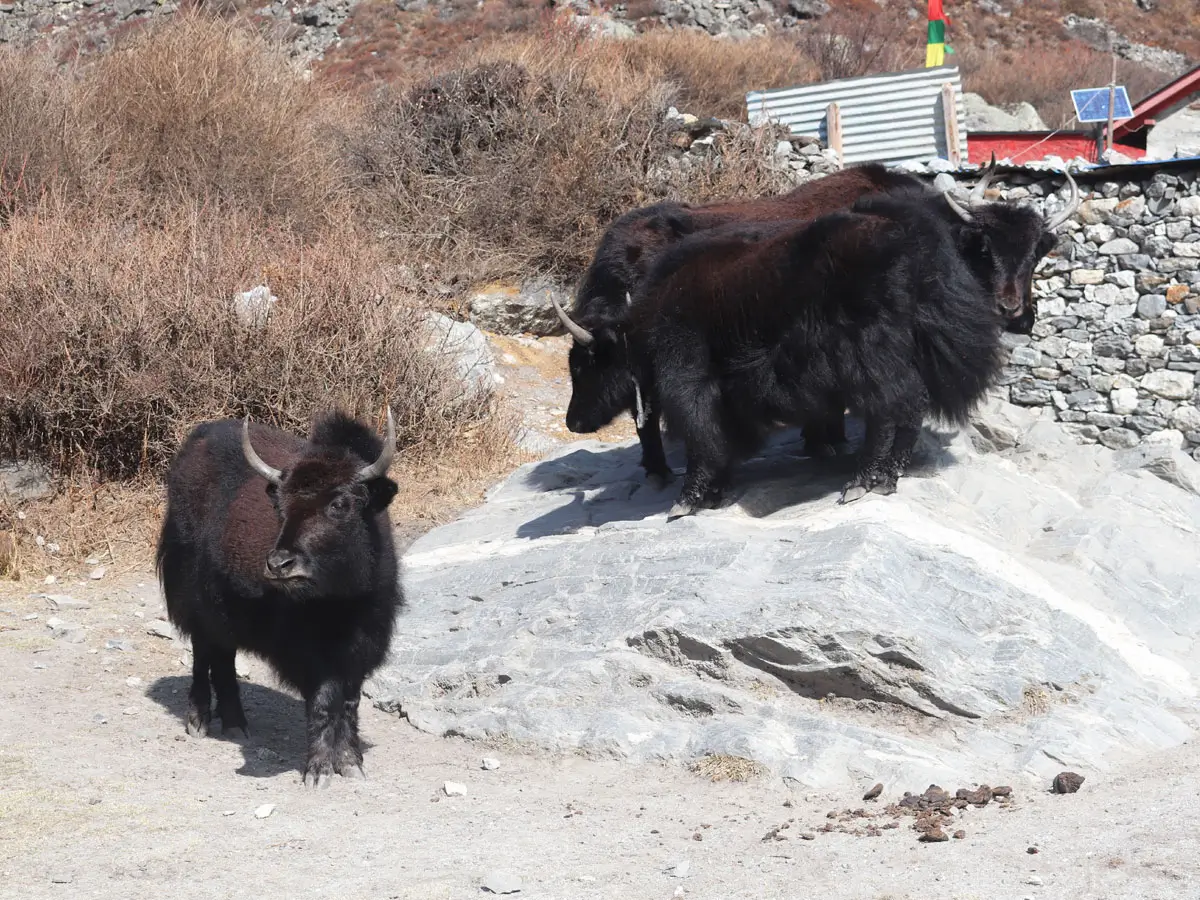
Yaks in Langtang Trail!
Highlights – Langtang Trek in July and August
Trek through intensely green forests and revived alpine landscapes during the peak monsoon
Witness thunderous waterfalls and powerful glacier-fed rivers in full force
Experience dramatic cloud formations drifting across the Himalayan peaks
Enjoy quieter trails and peaceful teahouses compared to peak seasons
Explore the spiritual settlement of Kyanjin Gompa in a calm monsoon atmosphere
Hike to Tserko Ri for sunrise views above shifting cloud layers
Observe active farming, yak grazing, and authentic Tamang village life
Walk inside the thriving biodiversity zone of Langtang National Park
Experience rich birdlife, butterflies, and seasonal wildlife activity
Capture misty, cinematic Himalayan photography unique to the monsoon season
Enjoy warm trekking temperatures at lower elevations
Experience a more personal and less commercial trekking environment
Langtang Circuit Trek- 16 Days: Suitable for those looking for a longer trek in the Langtang Region and want to cover all the destinations in Langtang.
Trek the Langtang Valley in July and August - Pros and Benefits
Nature at Its Most Powerful and Alive
July and August mark the peak of natural revival in Langtang, and monsoon rains feed forests, meadows, and river systems, transforming the valley into a living green sanctuary.
Trees grow denser, moss and wild plants cover rocks, and alpine grasslands become fresh and fertile. Compared to dry seasons, the landscapes feel richer, healthier, and more dynamic, ideal for trekkers who love vibrant environments.
Majestic Waterfalls and Flowing Mountain Rivers
One of the greatest rewards of Monsoon trekking in Langtang is the water in motion. The seasonal waterfalls appear along cliffs and forest slopes, while existing streams become louder and more powerful. The Monsoon feeds countless streams, creating massive, spectacular waterfalls that plunge down the steep valley walls.
The natural features add sound, energy, and drama to the Langtang journey, making every walking day more engaging. Many sections near rivers and gorges feel especially impressive during this season.
Dramatic Himalayan Atmosphere and Cloud Play
Unlike the static blue skies of peak seasons, July and August bring moving clouds, drifting mist, and shifting light.
Mountains emerge from the fog, valleys fill with a soft haze, and sunlight breaks through the clouds unexpectedly. This creates a cinematic, emotionally immersive trekking experience.
Areas around Kyanjin Gompa and viewpoints like Tserko Ri are especially magical during these moments.
Peak Wildlife, Birdlife, Vibrant Flora, and Forest Activity
The Monsoon moisture increases biological activity inside Langtang National Park. With the trails virtually empty of humans, wildlife reclaims the area. It is a fantastic time for birdwatching and spotting Himalayan Tahr, Langur monkeys, and, occasionally, the elusive Red Panda.
The forest of oak, maple, and rhododendron is dense and thriving, with alpine wildflowers blooming in the high pastures around Kynajin Gompa.
You may notice active residents and migratory birds, frogs and insects near streams, butterflies along forest trails, and rich plant diversity. For nature lovers, July and August are among the most interesting months.
Peaceful Trails and Complete Freedom of Space
Monsoon season brings far fewer trekkers to Langtang. You will often hike for hours without seeing another tourist group. Trails become quieter, viewpoints are less crowded, and teahouses feel relaxed, which allows you to:
Walk at your own pace
Enjoy the silence of the mountains and nature
Listen to the sound of rain and rivers with the chirping of birds
July and August offer warm daytime temperatures at lower altitudes and mild conditions higher up. Extreme cold is rare, and heavy winter gear is unnecessary.
This helps trekkers maintain steady energy and reduces fatigue during long ascents and descents.
Deep Cultural Connection During Farming Season
The months of July and August coincide with peak agricultural activity in mountain villages. Locals prepare fields, manage livestock, and preserve seasonal food.
With fewer tourists, the Tamang teahouse owners have more time to sit, share stories, and offer incredibly warm, personalized hospitality. Interactions feel genuine and unhurried; trekkers gain closer insight into Tamang traditions, family life, and rural Himalayan culture.
Warmer High Altitudes
Summer brings the warmest temperatures of the year. While winter and spring nights at Kyanjin Gompa (3,870m) can drop well below freezing, July and August nights rarely dip below 5℃. You won’t need to carry heavy, extreme-cold-weather gear.
Easy Access to Accommodation and Personalized Service
With fewer visitors, the teahouses on the Langtang trekking trail have better room availability and offer more personalized hospitality.
The meals are freshly prepared, rooms are easier to secure, and lodge owners have more time for guests, adding warmth to the experience.
Ideal Season for Thoughtful and Adaptive Trekkers
The Monsoon trekking in Langtang rewards patience, awareness, and flexibility. Trekkers who adjust daily plans, start early, and move mindfully often enjoy smoother journeys.
With support from experienced teams like Outfitter Himalaya, adapting to changing weather becomes simple and stress-free.
A Deeply Immersive Monsoon Experience
The Langtang Valley Trek in July and August is not about chasing perfect weather. It is about connecting with nature at its most expressive through rain, clouds, rivers, and living forests.
For travelers who appreciate atmosphere, solitude, and authenticity, Monsoon trekking in Langtang can be more meaningful than any peak-season journey.
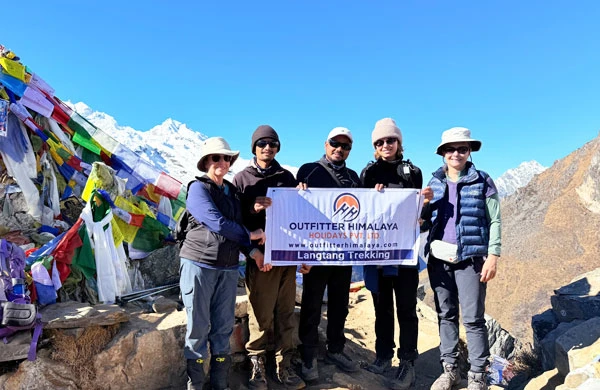
Langtang Trek - Outfitter Himalaya!
The Reality Check: Cons and Challenges of the Langtang Valley Trek in July and August
Although monsoon trekking in Langtang offers rich greenery and peaceful trails, July and August also bring seasonal challenges, and understanding these drawbacks helps you prepare better and avoid unrealistic expectations.
Regular Rainfall in Lower and Forested Areas
July and August are the peak monsoon months in Nepal, and rainfall becomes more frequent, especially in the forest sections between Syabrubesi and Lama Hotel.
While rain usually falls in short periods, it can affect comfort and walking rhythm if trekkers are not well prepared.
Slippery and Muddy Trail Conditions
The wet weather makes stone steps, roots, and narrow paths slippery, requiring careful footing, especially on descents. Some sections may also become muddy after prolonged rain.
Extra care is needed during downhill walks, and trekking poles are highly recommended.
Inconsistent Mountain Visibility
During the monsoon season, clouds often build up after late morning. You will not get panoramic, all-day mountain views. This can limit views of surrounding peaks and glaciers, especially in the afternoons. The peaks are often wrapped in heavy clouds, making the grand reveals fleeting but incredibly rewarding when the skies part.
Trekkers who expect constant, clear skies may feel disappointed on some days.
In lower, humid forests (between Syabrubesi and Lama Hotel), leeches and insects are highly active. They are harmless but can be a nuisance.
Using leech socks, salt, or repellent usually solves this issue.
Sudden weather changes at higher elevations
Near Kyanjin Gompa and on hikes to Tserko Ri, the weather can change quickly. The clouds, wind, and rain may appear unexpectedly, affecting visibility and comfort.
Greater Need for Flexible Planning
Monsoon trekking in Langtang does not suit rigid itineraries, and some days may require:
Earlier starts
Shorter walking hours
Adjusted hiking plans
Limited Drying Facilities in Teahouses
Due to Humidity and frequent rain, clothes may take longer to dry, and managing wet clothing becomes part of daily trekking life.
A Balanced View
These disadvantages are manageable rather than dangerous for prepared trekkers. With proper rain gear, good footwear, and realistic expectations, most challenges can be handled easily.
With support from experienced teams like Outfitter Himalaya, monsoon trekking in Langtang remains safe, organized, and enjoyable.
For travelers who value greenery and solitude, these minor difficulties are often outweighed by the rewards.
Packing List for Langtang Valley Trek in July and August (Monsoon Season)
Trekking in Langtang during July and August requires special attention to rain protection, moisture control, and comfort. Packing the right gear will help you stay dry, warm, and energetic throughout the journey.
Below is a simple and effective packing guide for monsoon conditions.
Essential Clothing
Waterproof rain jacket (high-quality, breathable)
Lightweight down or insulated jacket (for evenings)
Sunscreen (SPF 30+) and Sunglasses (UV protection)
Basic first-aid kit
Personal medications
Hand sanitizer and wet wipes
Insect repellent
Electronics and Documents
Camera/smartphone
Power bank (electricity can be limited)
Headlamp or flashlight
Copies of the passport and permits
Waterproof document holder
Pro Packing Tip for Monsoon Trekking
Always keep one complete set of clothes dry in a sealed dry bag. Use this only for evenings and sleeping. This simple habit greatly improves comfort during rainy seasons.
Also, avoid heavy cotton clothing, it tends to stay wet and uncomfortable in humid weather.
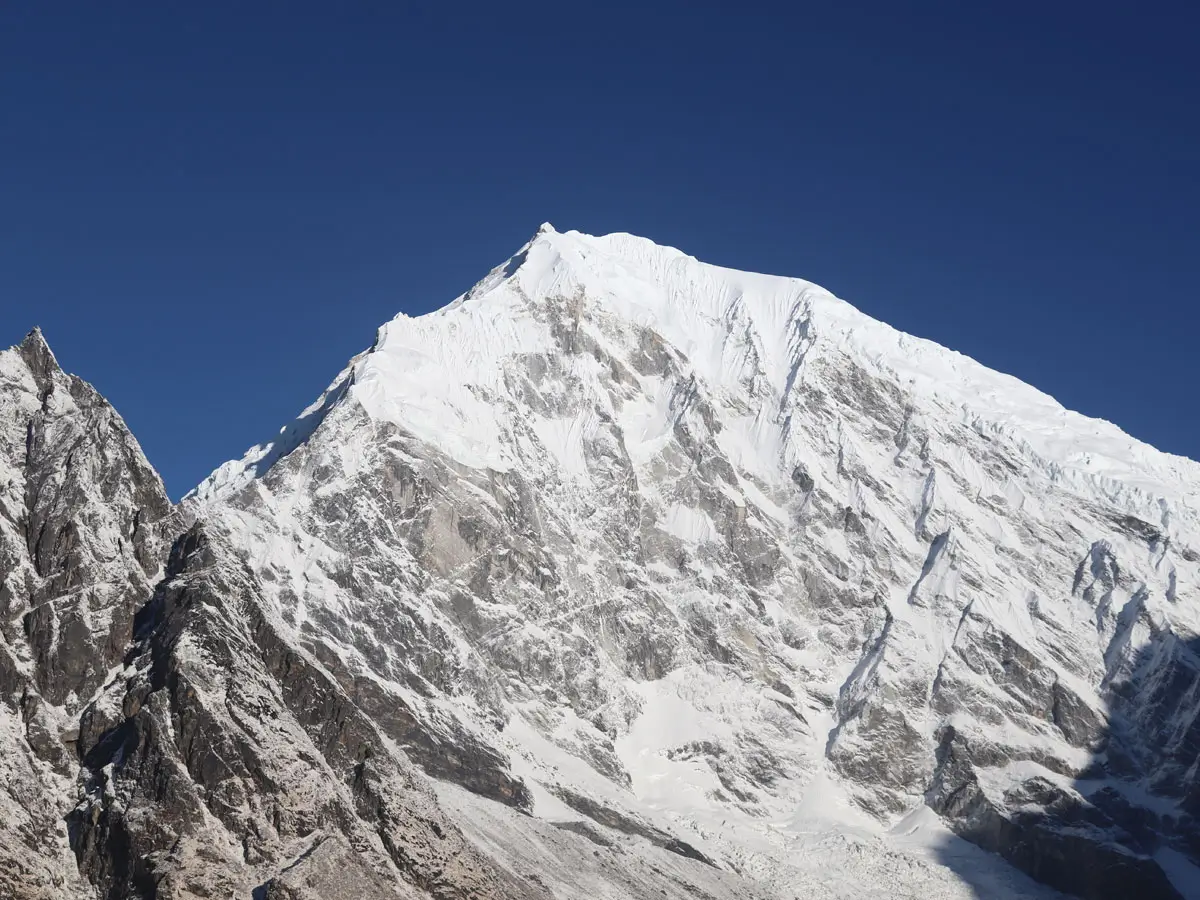
Langtang Himalaya and Glacier!
Langtang Trek in Monsoon Season - Some FAQs
Is July and August a good time to trek in Langtang Valley?
Yes, these months are suitable for trekkers who prefer green scenery, fewer crowds, and a peaceful environment. With proper rain gear and early starts, trekking remains comfortable.
Is it safe to trek in Langtang during the monsoon?
Yes, it is safe as long as you trek with an experienced, licensed local guide who knows the trail conditions, is aware of any landslide-prone areas, and will navigate river crossings safely.
Can I hike to Tserko Ri during the monsoon?
Yes, Tserko Ri is accessible in July and August, especially early in the morning when weather conditions are more stable.
Are the teahouses open in July and August on the Langtang Trail?
Yes! While a few owners may head to Kathmandu for the off-season, there are more than enough teahouses open to provide comfortable beds, warm blankets, and hot meals.
Will I actually see any mountains in the Langtang Trek in the monsoon?
Yes, but you have to be an early riser. The clouds often part in the early morning or immediately after a heavy rain shower, offering stunning, dramatic glimpses of peaks like Langtang Lirung and Dorje Lakpa.
Do I need a sleeping bag in the summer?
While the nights are warmer, we still recommend bringing a lightweight sleeping bag (comfort-rated to around 0°C to 5°C), as the damp air can make the nights feel a bit chillier than the thermometer suggests.
How much does it rain in Langtang during the monsoon?
Rainfall is frequent, especially in lower forested areas, but usually occurs in the afternoon or evening. Mornings are often dry and clear.
What is the temperature in Langtang in July and August?
Daytime temperatures range from 14°C to 27°C depending on altitude. Nights near Kyanjin Gompa can drop close to freezing, so warm layers are recommended.
The “Beat the Rain” Schedule: Wake up at 5:30 AM and start trekking by 6:30 AM. Mornings are usually the clearest and driest part of the day. If you reach your next teahouse by 1:00 PM, you can watch the afternoon downpour from the comfort of a dry dining hall with a hot tea in hand.
Waterproof Everything: A high-quality rain jacket and rain pants are mandatory. Use a waterproof pack cover and line the inside of your backpack with a heavy-duty trash bag or waterproof dry bags to keep your sleeping clothes completely dry.
Footwear Matters: Wear well-worn, broken-in, waterproof boots with deep treads for gripping muddy trails. Trekking poles are essential for stability, as they improve balance and reduce knee strain.
Embrace the Salt: Carry a small pouch of table salt. If a leech gets on your boot or leg, a quick sprinkle of salt makes it drop off instantly. Wearing long trousers tucked into your socks also works wonders.
Plan Viewpoint Hikes Early: For the best experience at Tserko Ri, go early in the morning when clouds are minimal, and visibility is strongest.
Final Tip
Monsoon trekking is about flexibility and mindset. Stay positive, adapt to weather changes, and enjoy Langtang’s lush beauty.
Conclusion: Is July and August a Good Time for the Langtang Valley trek?
The Langtang Valley in July and August is a lush, breathing wilderness that few tourists ever get to see. It trades the crowded, dry trails of peak season for a vibrant, emerald-green sanctuary.
The cultural life in mountain communities is especially authentic in this season. Farming, yak herding, and daily household routines provide deeper insight into Tamang traditions. Combined with the spiritual atmosphere of Kyanjin Gompa and scenic hikes to TserkoRi, the journey remains highly rewarding.
If you are well-prepared with the right rain gear and a flexible, positive mindset, a monsoon trek here is a beautifully raw and deeply rewarding Himalayan adventure.
Ready to experience the lush beauty of Nepal’s summer? Contact our expert guides today to plan your safe and unforgettable monsoon trek!
April is one of the best months for the Ghorepani Poon Hill Trek, offering rhododendron flowers, warmer daytime walks, and Himalayan sunrise views from 3,210 meters. Expect busy teahouses, chilly mornings, and possible afternoon cloud [...]
The Ghorepani Poon Hill Trek in March combines the beginning of rhododendron season with warming days and opportunities for clear Himalayan views. Sunrise at 3,210 meters remains cold, and higher paths can still have snow [...]
The Annapurna Circuit Trek covers approximately 102 kilometers of walking on Outfitter Himalaya’s classic 15-day itinerary, including the Manang acclimatization hike. The journey unfolds through riverside forests, mountain villages and open valleys before crossing Thorong La [...]