The Annapurna Base Camp Trek in September is a rewarding but transitional Himalayan trek. September falls between the summer monsoon and Nepal's main autumn trekking season, so conditions can change noticeably from the beginning to the end of the month.
Early September can still bring rain, clouds, muddy trails, and limited mountain views, and the second half of the month generally brings improving weather, drier trails, and better visibility. If you want lush post-monsoon landscapes and quieter trails, September is an excellent alternative to the busier October season.
Quick facts: ABC Trek in September
Factor
What to expect
Season
Monsoon-to-autumn transition
Best part of September
Mid to late September
Rain
Still possible, particularly early in the month
Mountain views
Variable early; generally improving later
Trail
Wet or slippery possible early; progressively drier
Temperature
Mild at lower elevations, cold at ABC
Maximum altitude
4,130 m / 13,550 ft
Difficulty
Moderate
Crowds
Generally lower than October and November
Main preparation
Rain protection, good footwear and warm layers
Is September a Good Time for the Annapurna Base Camp Trek?
Yes, but September is not the same throughout the month. Early September can still feel like the end of the monsoon season. Rain showers, humidity, cloud cover, and wet trails are possible, particularly at lower elevations. By mid and late September, conditions generally become more favorable. Rainfall tends to decrease, mountain visibility improves, and the trail begins to feel more like the autumn trekking season.
For trekkers who can choose their dates, we generally recommend mid to late September if clear Himalayan views are a priority. However, early September has its own advantages: the landscape is exceptionally green, waterfalls are strong, and the trail can be quieter than during peak autumn.
Our recommendation
Choose early September if: you prioritize lush landscapes, active waterfalls, and quieter trails and don't mind a greater chance of rain.
Choose mid September if: you want a balance between greenery, improving weather and fewer crowds.
Choose late September if: you want better mountain visibility and more stable trekking conditions.
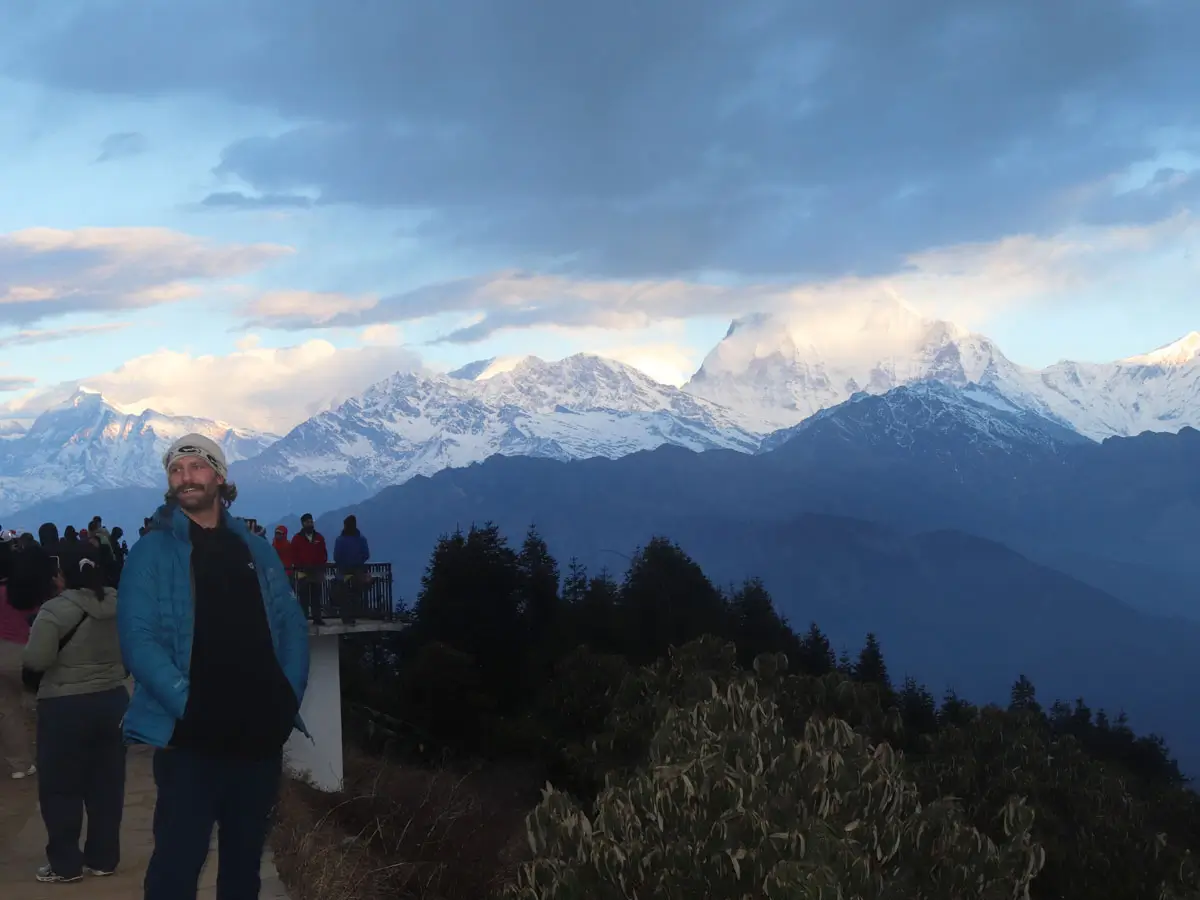
Himalaya view from Poon Hill!
Early, Mid or Late September: Which Is Best?
Factors
Early September
Mid September
Late September
Rain
Higher chance
Decreasing
Generally lower
Cloud
More common
Improving
Often clearer
Mountain views
Variable
Improving
Often clear
Trail condition
Wet/slippery possible
Improving
Generally drier
Greenery
Excellent
Excellent
Very good
Crowds
Lower
Low to moderate
Increasing
Best for
Green landscapes
Balanced experience
Views and autumn conditions
Early September
The monsoon can still influence early September. Be prepared for rain showers, wet stone steps, muddy sections, and cloud cover.
The reward is a particularly lush landscape, with full waterfalls, green forests, and fewer trekkers.
Mid September
Mid September is often a good compromise. The monsoon influence begins to weaken, while the landscape remains green and fresh.
If your travel dates are flexible, this is one period we recommend considering.
Late September
Late September increasingly resembles the beginning of the main autumn trekking season. Mountain views are generally more reliable than at the beginning of the month, although weather can never be guaranteed in the Himalayas.
The number of trekkers also begins to increase as October approaches.
Still Deciding When to Trek?
If September doesn't quite fit your travel plans, other seasons may be worth considering. Our detailed guide to the Best Time to Trek Annapurna Base Camp explains the conditions, advantages, and challenges of trekking in different seasons, so you can choose the month that best suits your plans.
Annapurna Base Camp Trek Month by Month
September is a transition month between the monsoon and autumn trekking seasons, but every month offers a different experience on the Annapurna Base Camp trail. If you are flexible with your travel dates, our month-by-month guides can help you understand the typical weather, trail conditions, mountain views, and trekking experience throughout the year.
Cold winter conditions with quieter trails and beautiful clear days.
Does It Rain on the Annapurna Base Camp Trek in September?
Yes, rain is still possible in September, particularly during the first part of the month. September marks the transition from monsoon to autumn, so we can't promise completely dry weather. Early September generally carries a higher risk of:
Rain showers
Wet stone steps
Muddy trails
Cloud cover
Humidity
Limited mountain visibility
As September progresses, conditions generally stabilize.
How should you plan around September rain?
Start walking early whenever practical: Morning trekking can be particularly useful because it gives you more time to complete the day's walking before afternoon cloud or rain develops.
Carry your rain jacket and backpack protection where you can access them quickly rather than burying them at the bottom of your bag.
Mountain Views on ABC in September
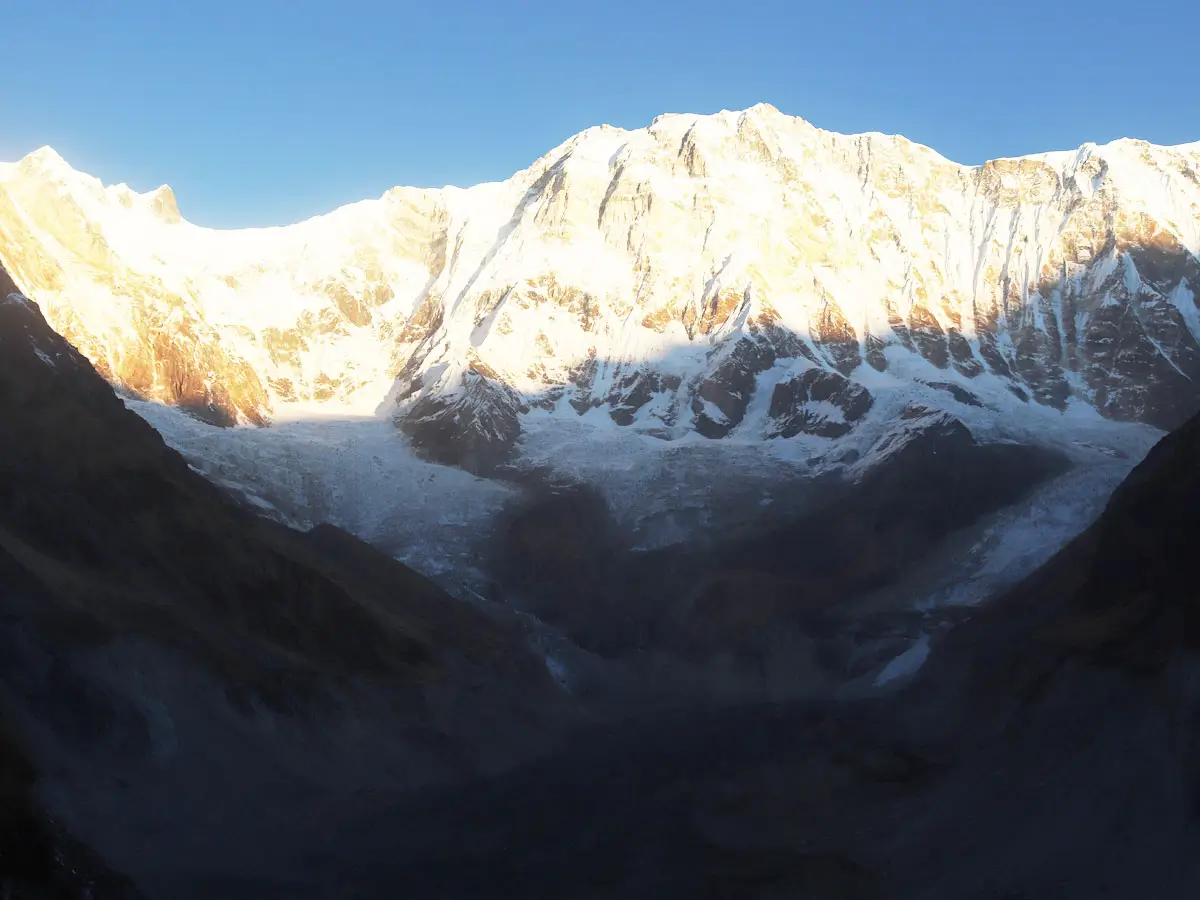
Mountain visibility differs greatly between early and late September. Early in the month, clouds can obscure Annapurna, Machhapuchhre, and surrounding peaks. As the monsoon retreats, visibility generally improves, and when conditions are clear, you see:
Annapurna I
Annapurna South
Machhapuchhre (Fishtail)
Hiunchuli
Annapurna III
Annapurna Fang
The best strategy is to remain flexible and make the most of clear mornings.
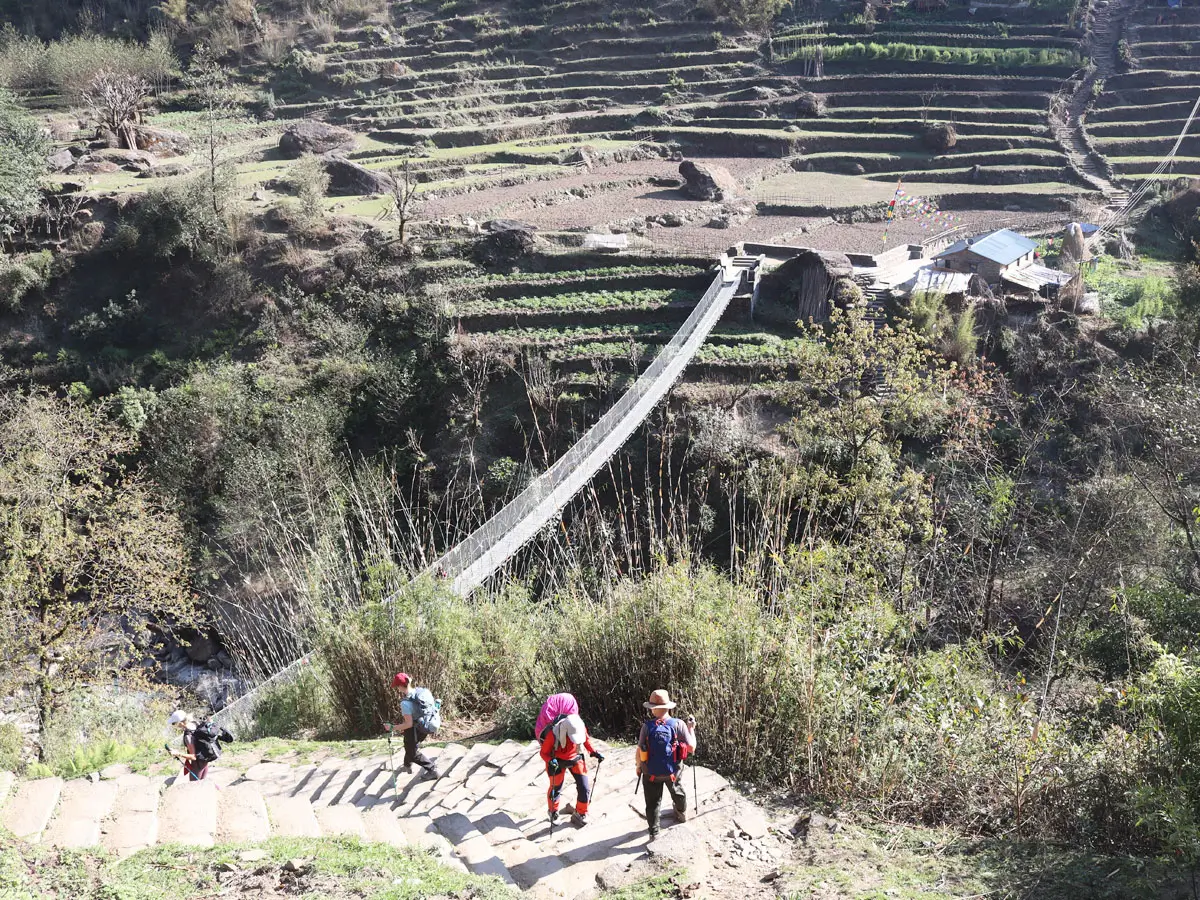
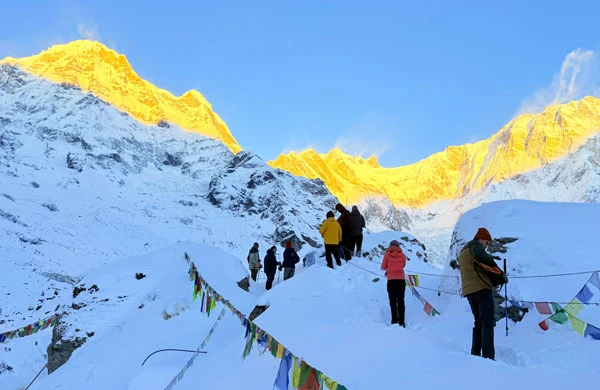
ABC Trekking Trail!
Annapurna Base Camp Weather in September
September weather varies considerably by time of month and elevation. At lower elevations, daytime conditions can feel warm and humid. As you climb toward Deurali, Machhapuchhre Base Camp, and Annapurna Base Camp, temperatures become progressively cooler.
Rain can still occur, especially early in September, so trekkers should not pack as though they are traveling in the dry autumn season.
What is September weather really like on ABC?
A typical trekking day can have several different weather conditions. You might start walking under cloudy skies, enjoy sunshine later in the morning, hit a short shower in the afternoon, and have a cold evening at a high-altitude teahouse.
This variability is one reason layering and rain protection matter more than packing for a single temperature.
Annapurna Base Camp Temperature in September
Temperatures vary significantly according to altitude, weather and time of day. The following figures should be treated as approximate trekking ranges rather than guaranteed temperatures.
Elevation
Approx. daytime
Approx. nighttime
Lower elevations
18°C–26°C
12°C–16°C
Mid elevations
14°C–20°C
6°C–10°C
Above 3,500 m
8°C–15°C
0°C–5°C
Annapurna Base Camp
Around 5°C–10°C during milder periods
Around 0°C–5°C
At 4,130 m, Annapurna Base Camp can feel very cold after sunset, particularly when there is wind or cloud.
For that reason, a warm insulated jacket and suitable sleeping bag remain important even if daytime temperatures at lower elevations feel comfortable
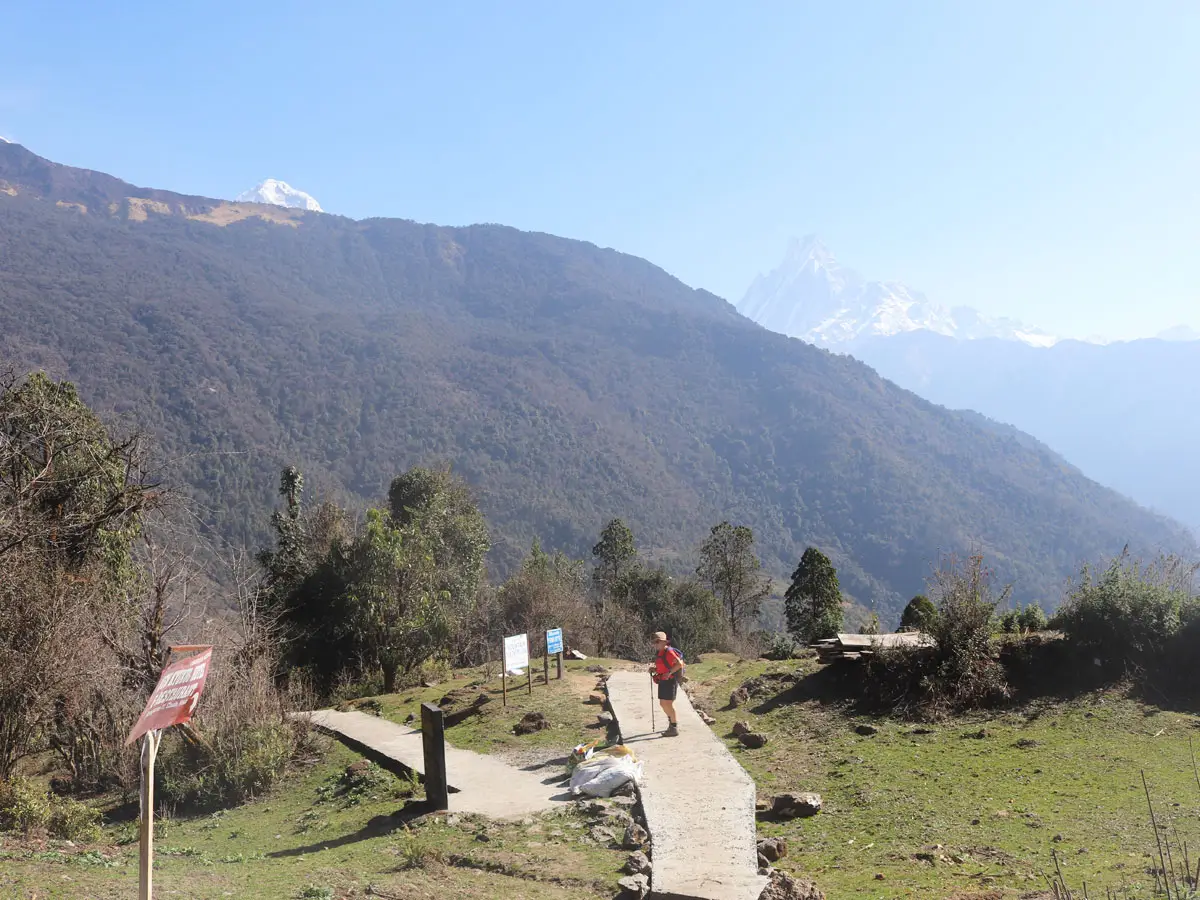
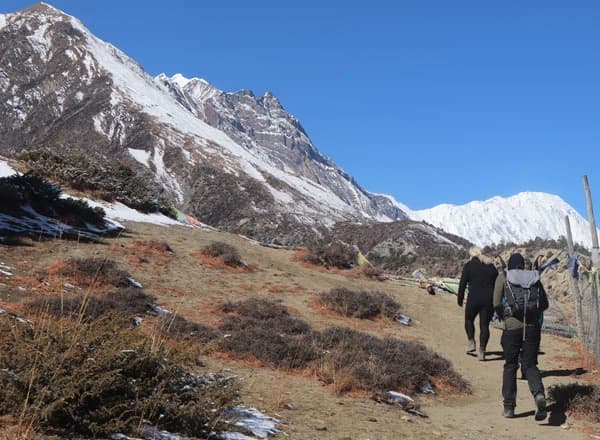
Walking towards ABC!
Are there landslides on the ABC Trek in September?
Heavy monsoon rainfall can occasionally affect mountain trails. Localized trail disruption, falling rocks, or temporary detours are possible after periods of heavy rain.
This does not mean that the ABC Trek is generally unsafe in September. It means you should remain flexible and follow the advice of local guides when trail conditions change.
Our guides pay particular attention to trails where landslides are possible, and they contact the local lodge owner about current trail conditions before continuing the trek.
Why Trek Annapurna Base Camp in September?
September has several advantages for trekkers who understand the transitional weather.
Lush post-monsoon scenery: The hillsides and forests remain exceptionally green after the summer rains, and the terraced fields, bamboo forests, rhododendron areas, and waterfalls create a landscape that looks different from the drier months.
Improving Himalayan visibility: Mountain views become more reliable as the month progresses, and late September can offer a good balance between post-monsoon greenery and the clearer conditions associated with autumn.
Fewer trekkers than peak autumn: September generally sees fewer trekkers than October and November. This can mean a quieter trail experience and less pressure on accommodation.
Powerful waterfalls and rivers: Waterfalls and streams remain strong after the monsoon, adding another dimension to the scenery.
Comfortable trekking temperatures: Lower elevations can be warm, and the higher elevations are cool enough for comfortable walking when you dress appropriately.
What Are the Disadvantages of Trekking ABC in September?
Lingering rain: Early September can still be wet.
Wet and slippery trails: Rain can make stone steps and forest paths harder to navigate.
Cloudy and limited views: Mountain views are less predictable during the beginning of the month.
Humidity: Lower elevations can feel warm and humid after the monsoon.
Changing trail conditions: The rainfall can occasionally disrupt trails temporarily.
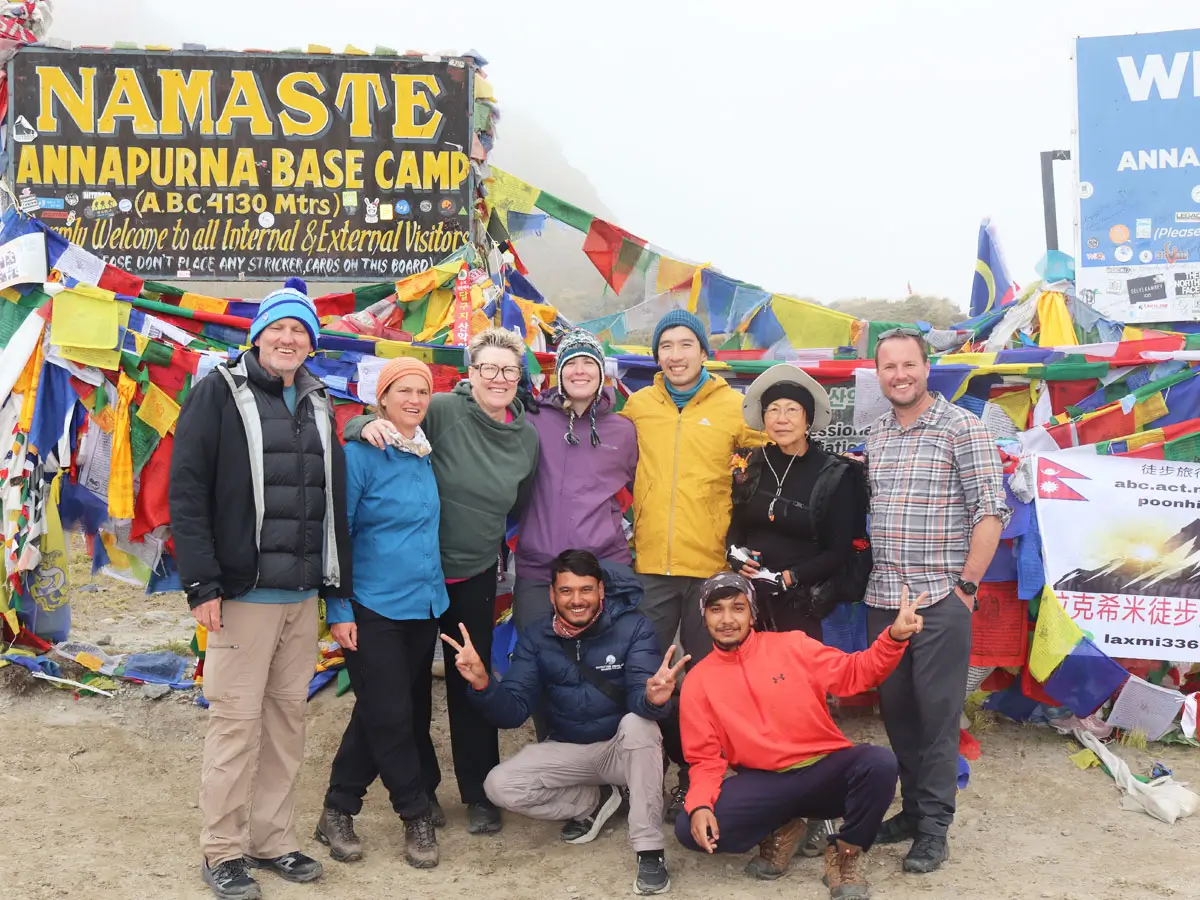
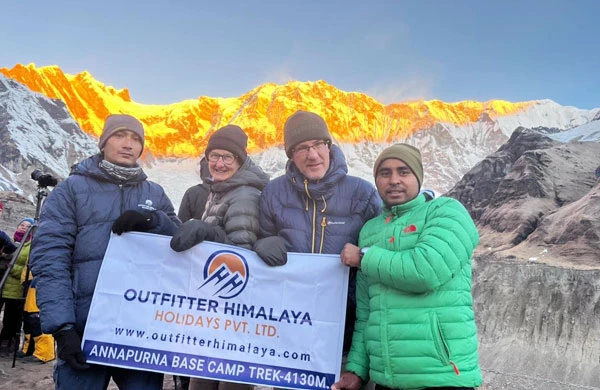
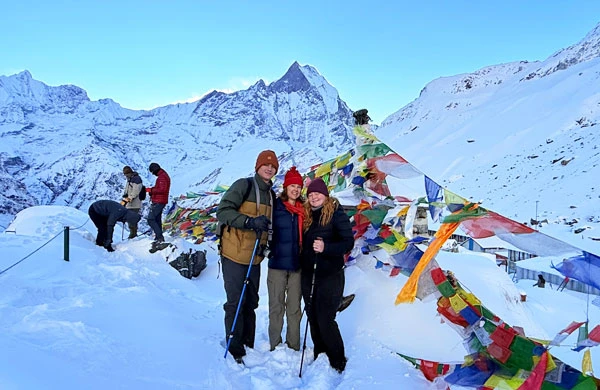
Reaching Annapurna Base camp!
September vs October for Annapurna Base Camp
If you are choosing between September and October, the decision largely depends on your priorities.
Factors
September
October
Weather
Improving
Generally more stable
Rain
Possible, especially early
Usually lower
Mountain views
Improving through month
Generally clearer
Landscape
Very green
Green to autumnal
Crowds
Lower
Higher
Teahouse demand
Generally lower
Higher
Best for
Quiet + greenery + improving weather
Clear skies + classic autumn conditions
Which month do we recommend?
If clear mountain views are your number-one priority, choose October. If you prefer greener landscapes, fewer trekkers, and the transition into autumn, September is an excellent option
How Difficult Is the Annapurna Base Camp Trek in September?
The Annapurna Base Camp Trek is generally considered a moderate trek. You do not need technical climbing experience, but you should be comfortable walking several hours a day over uneven and often steep terrain, and the biggest challenges are:
Long walking days
Stone staircases
Steep ascents and descents
Changing weather
Altitude
Wet or slippery trails during rainy periods
Annapurna Base Camp is at 4,130 meters, so take altitude seriously. Common symptoms of altitude sickness include headache, tiredness, dizziness, and shortness of breath.
Walk at a sensible pace, stay hydrated and tell your guide immediately if you develop concerning symptoms.
How Many Hours Do You Walk Each Day?
A typical ABC itinerary involves about 5–7 hours of walking per day, although the actual duration varies depending on the itinerary, route, walking speed, weather, and trail conditions.
Some days are considerably more demanding than others. The long stone staircases can feel particularly challenging.
What Should You Pack for Annapurna Base Camp in September?
September requires preparation for both rain and cold.
Rain protection
Waterproof trekking jacket
Backpack rain cover
Waterproof trousers
Dry bags or waterproof pouches
Trekking clothing
Moisture-wicking T-shirts
Quick-dry trekking trousers
Fleece jacket
Warm insulated/down jacket
Thermal base layers
Extra socks
Footwear
Use trekking footwear with good grip.
If you are trekking during early September, waterproof or highly water-resistant footwear is particularly useful.
Frequently Asked Questions About Annapurna Base Camp in September
Is September a good month for Annapurna Base Camp?
Yes, September is a good month, particularly from mid to late September. Early September can still have rain and cloud because of the retreating monsoon.
Is early September good for ABC?
Early September can be rewarding if you enjoy lush scenery and quieter trails, but be prepared for a higher chance of rain, wet trails, and cloud.
Is late September better than early September for ABC?
If your priority is mountain visibility and more stable weather, late September is generally preferable.
How much does it rain on the ABC Trek in September?
Rain is still possible, especially in early September. Rainfall generally decreases as the month progresses, but weather varies from year to year.
Can you see the mountains in September?
Yes, Mountain views are possible throughout September, but they are less predictable during the beginning of the month. Visibility generally improves toward mid and late September.
How cold is Annapurna Base Camp in September?
Annapurna Base Camp is at 4,130 meters and can be cold at night. Nighttime temperatures can range from 0°C to 5°C, although conditions vary.
Is Annapurna Base Camp difficult in September?
The trek is moderately difficult and September can bring wet, slippery trails, while altitude remains the main physical consideration.
Are there leeches on the ABC Trek in September?
Leeches can be encountered in wet forest sections during the monsoon-influenced part of September. The risk generally decreases as conditions become drier.
What shoes should I wear for ABC in September?
Wear comfortable trekking footwear with good grip. Waterproof or water-resistant footwear is particularly useful during the wetter part of September.
What should I pack for ABC in September?
Pack layers, rain protection, good trekking footwear, warm clothing for high altitude, extra socks, dry bags, sun protection, and trekking poles.
Is ABC crowded in September?
September is generally quieter than October and November, although the number of trekkers tends to increase toward the end of the month.
Do I need a guide for Annapurna Base Camp in September?
A guide can be particularly useful during periods of changing weather because they can help with route decisions, local conditions, altitude awareness, and accommodation arrangements.
Can I trek ABC without a guide?
Rules and requirements for trekking in Nepal can change. Check the current regulations before traveling, and consider using a registered local guide for route support and safety.
Is September better than October for Annapurna Base Camp?
It depends on what you want. September suits trekkers who prefer greener landscapes and fewer crowds. October generally offers more stable weather and clearer mountain views.
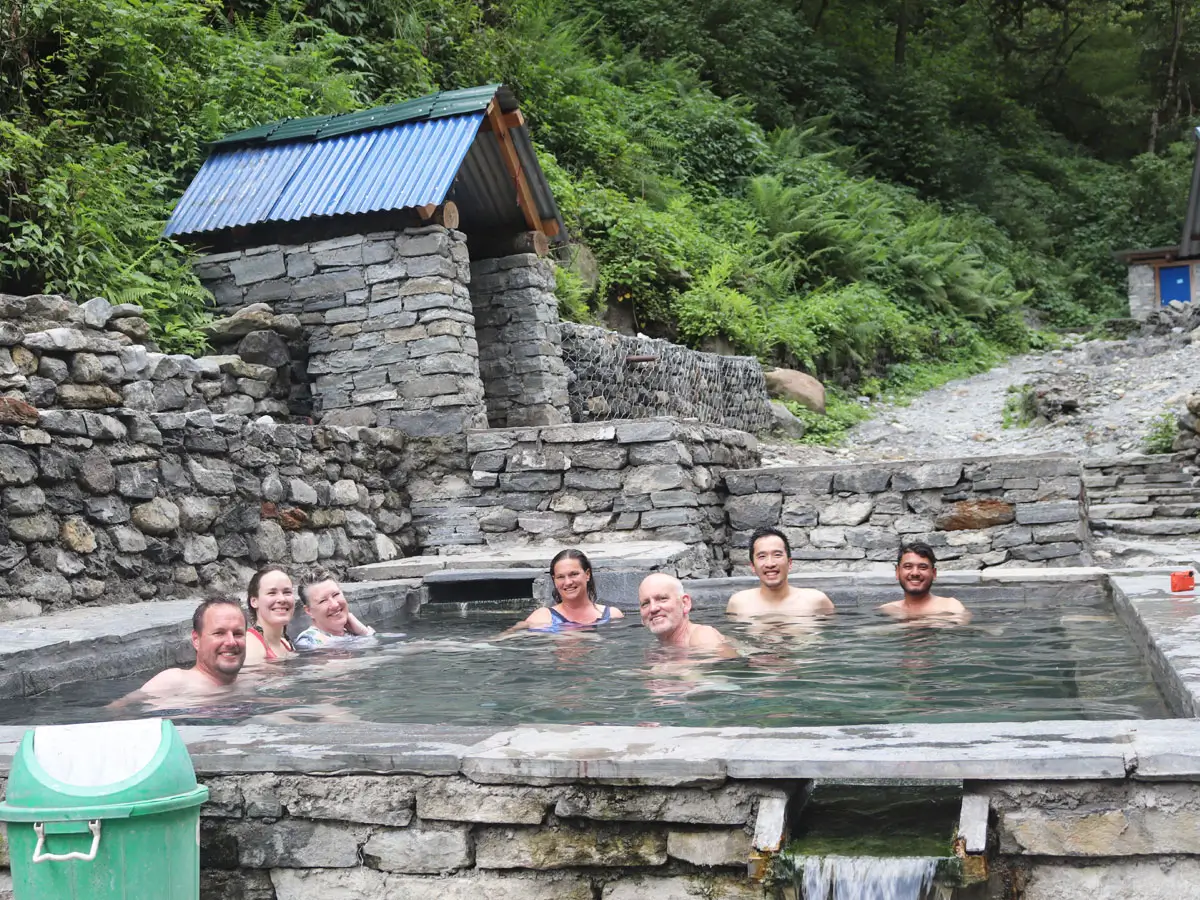
Hot spring in Jhinu Danda!
Tips from our Local Guide
Hi, I am Bhim, working at Outfitter Himalay, and as a local guide, From my experience guiding in September, I find that the trail can look completely different within a few days. After the monsoon, waterfalls are at their strongest and the forests are very green, while by late September the trail usually starts feeling much more like the autumn season and these are a few tips I always share with our guests to whose planing for ABC Trek in September:
If you can, choose mid to late September: Early September can still be wet, while conditions usually start improving as autumn approaches.
Start your walk early: We recommend starting early so you have plenty of time to walk at a comfortable pace and handle any weather changes along the way.
Keep your rain gear handy: Even when the morning looks clear, September weather can change quickly. Keep your rain jacket and backpack cover somewhere easy to reach.
Take care on wet trails: Some stone steps and trail sections can become slippery after rain. Good trekking shoes and poles can make the walk much more comfortable.
Stay flexible and follow your guide: Mountain conditions can change from one day to the next. We always monitor the trail and weather conditions and advise our guests accordingly for a safe, enjoyable journey.
Should You Trek to Annapurna Base Camp in September?
September is a good choice if you want a quieter trail, lush post-monsoon scenery and improving autumn conditions. If your dates are flexible, mid to late September is generally the better choice for more reliable mountain views.
The Annapurna Circuit Trek covers approximately 102 kilometers of walking on Outfitter Himalaya’s classic 15-day itinerary, including the Manang acclimatization hike. The journey unfolds through riverside forests, mountain villages and open valleys before crossing Thorong La [...]
The Annapurna Circuit Trek costs about USD 650–1,900 per person with Outfitter Himalaya, depending on the itinerary, group size, and services included. Outfitter Himalaya’s 15-day Classic Annapurna Circuit Trek has published group-size prices of USD [...]
Foreign trekkers need a trekking permit to trek the Annapurna Circuit, and we suggest settling it before you head out. Arranging the correct paperwork before departure helps avoid extra charges and interruptions once your journey [...]