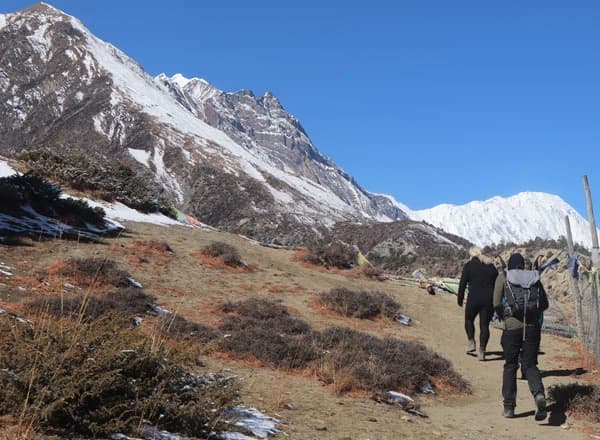
The Annapurna Circuit Trek in March combines the first signs of spring in the lower valleys with lingering winter scenery in the higher routes. Days gradually warm, but snow, freezing nights, and changing conditions around Thorong La still require preparation and a flexible itinerary.
March rewards those who appreciate that variety. This guide explains its seasonal attractions, weather, trail conditions, and practical choices to help you decide when and how to make the journey successful.
What Makes the Annapurna Circuit Special in March?
March brings a changing landscape to the Circuit, from forests beginning to show spring color to snowy slopes above Manang. These are the experiences worth making time for along the way.
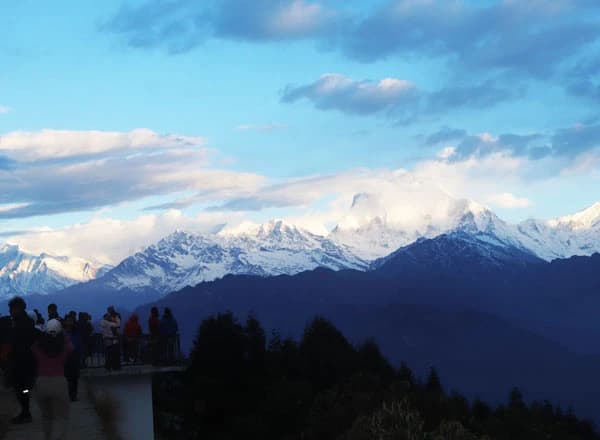
Mountain Mornings Around Pisang and Manang: On a clear March morning, the mountains above Pisang and Manang can hold your attention. Annapurna II rises beyond the valley, while Gangapurna stands out around Manang. Lingering snow adds detail to the ridges, creating rewarding photo opportunities from village viewpoints.
Stone Villages and Monastery Courtyards: Around Upper Pisang, Braga and Manang, stone houses, mani walls and monasteries give the journey a cultural rhythm. A village stop becomes more meaningful when your guide explains the traditions behind the prayer wheels and shrines. Allow time to look around, and ask before entering religious buildings or photographing ceremonies.
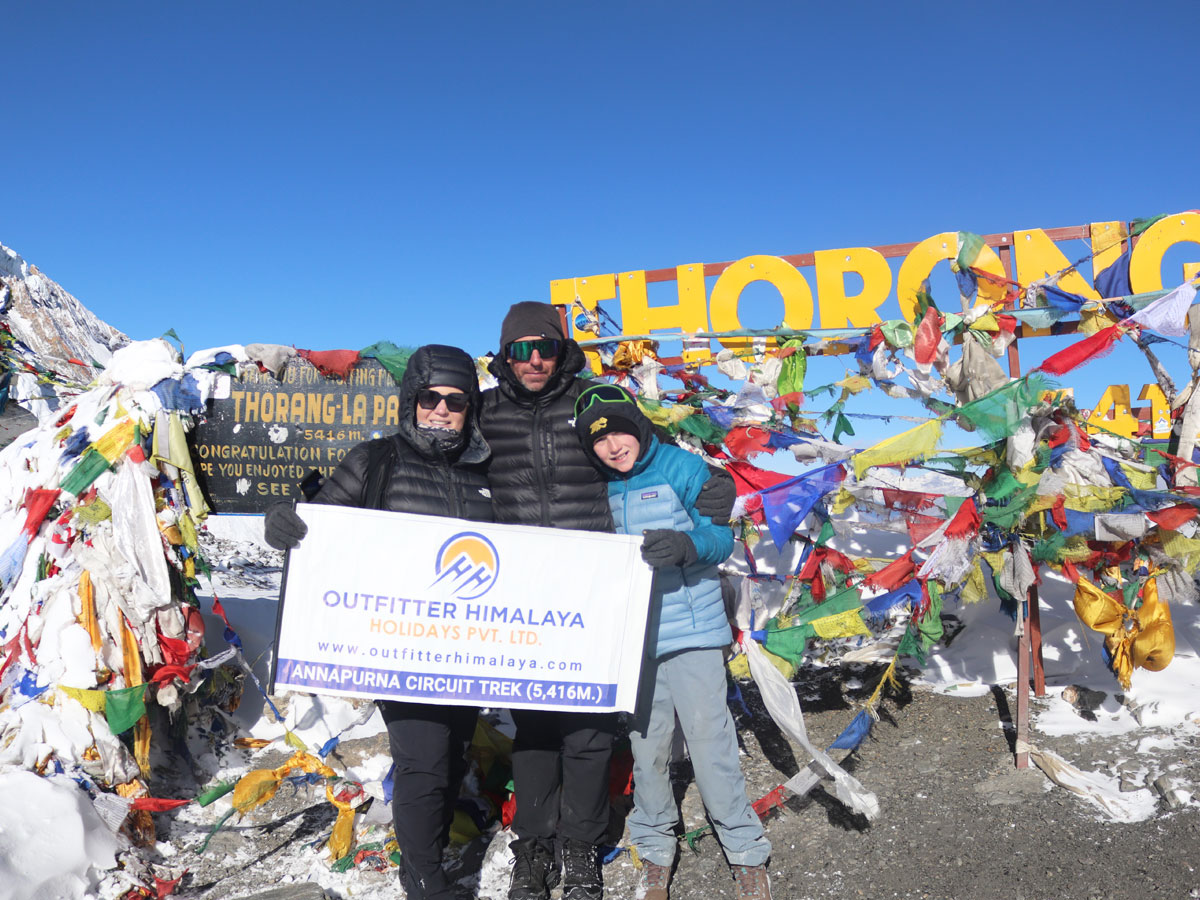
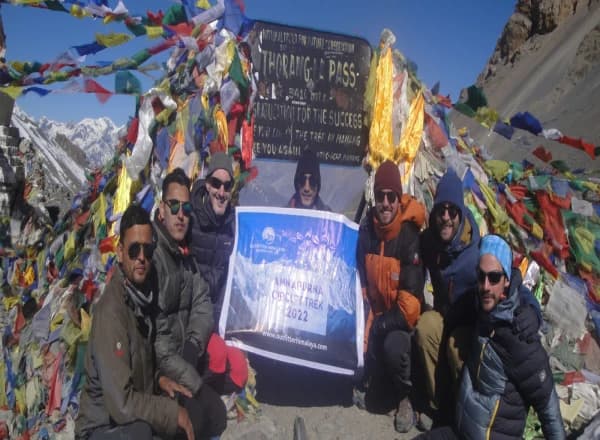
The Snowy Landscape of Thorong La: When weather and trail conditions permit, crossing Thorong La at 5,416 meters brings you into an expansive landscape of rock, snow, and mountain ridges. Prayer flags mark the high point of the journey. March can preserve a strong winter atmosphere here, making the crossing especially memorable for properly prepared trekkers.
Spring Flowers and Himalayan Wildlife: As you move to warmer elevations around Tatopani and Ghorepani, rhododendrons begin adding color as March progresses. Flowering depends on elevation and recent weather, so expect seasonal variation. Above Manang, watch for blue sheep on open slopes and large birds circling overhead. Wildlife sightings require luck; observe quietly and give animals space.
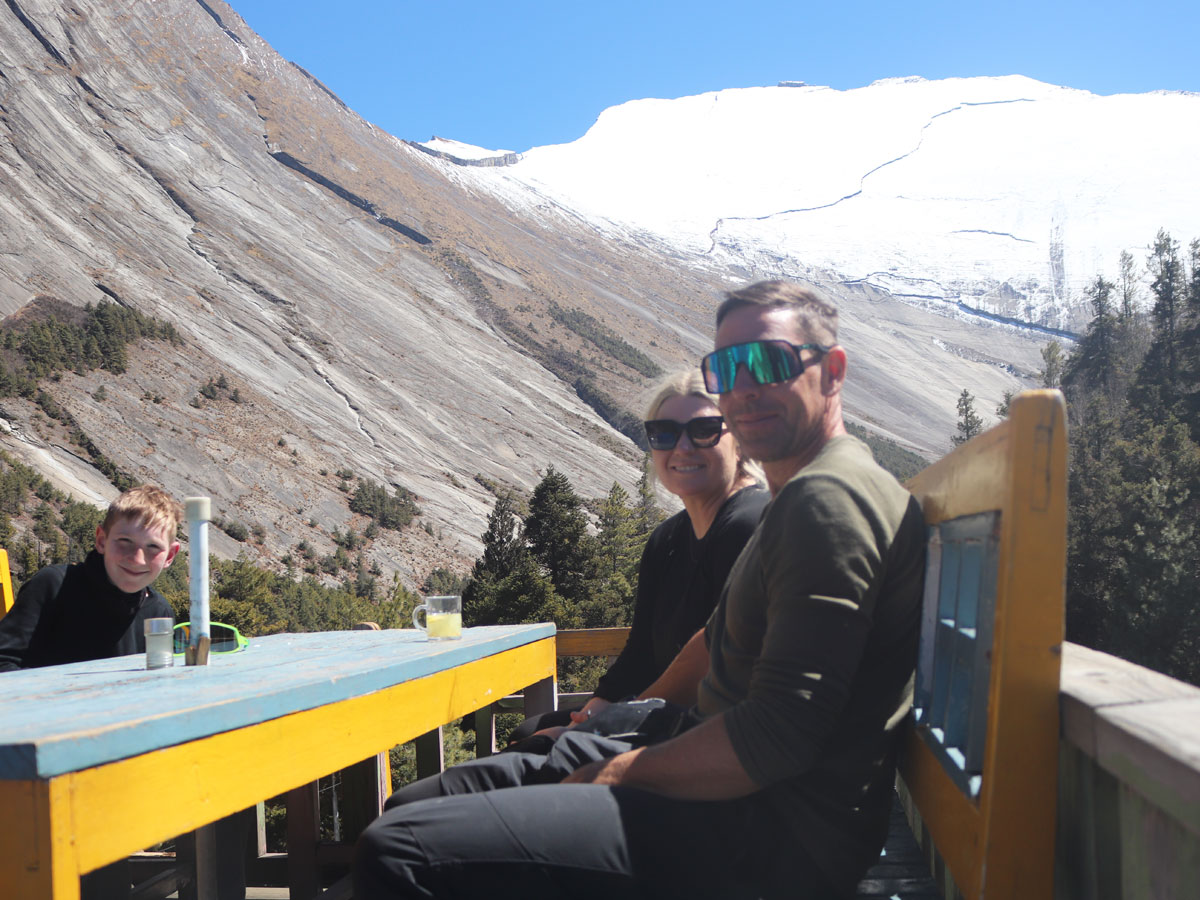
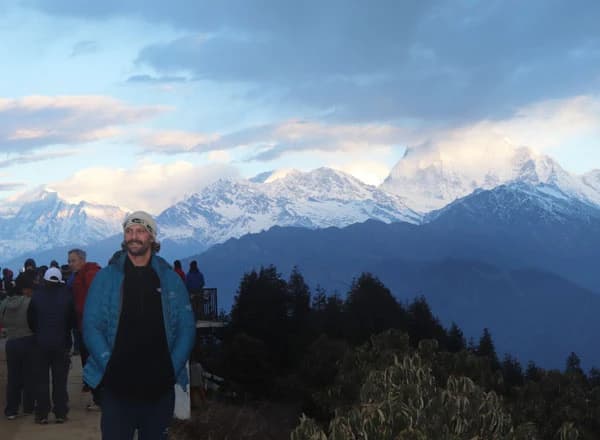
Our Guest resting on while on Annapurna Circuit Trek!
Advantages and Disadvantages of Trekking the Annapurna Circuit in March
March offers a rewarding mix of improving spring conditions and snowy mountain scenery. The main trade-off is that warmer lower valleys do not necessarily mean easier conditions around Thorong La.
Advantages of Choosing March
More comfortable walking at lower elevations: Temperatures gradually rise after winter, and longer daylight allows more time for walking, breaks, and enjoying the scenery.
Quieter trails earlier in the month: Early March can offer a calmer atmosphere before spring trekking activity increases. Popular villages and the limited accommodation near the pass can still become busy.
Seasonal variety along the journey: Snowy upper landscapes contrast with emerging spring color lower down. Routes continuing through Tatopani and Ghorepani offer opportunities to see early rhododendron flowers.
Disadvantages to Plan For
Freezing nights remain part of the trek: Above Manang, cold mornings, exposed trails and wind require proper insulation, even when daytime sunshine feels comfortable.
Snow and ice can slow progress: Shaded paths and the upper pass crossing may retain winter snow or receive fresh snowfall and equipment and route decisions should reflect current conditions.
The crossing may require extra time: Poor weather or heavy snow can delay access to Thorong La. Leave flexibility in your schedule and be prepared to adjust the route.
What Are the Weather and Temperatures Like on the Annapurna Circuit in March?
March gradually warms the lower valleys, but the change is less noticeable at higher elevations. Sunny afternoons can feel comfortable in the villages, while exposed paths and the approach to Thorong La remain cold. Prepare for these differences throughout the journey.
These are our planning estimates, and conditions vary within each area and can fall outside these ranges.
On the Thorong La crossing day, temperatures before sunrise may drop below −15°C, with wind making it feel even colder. Prepare specifically for the exposed crossing, even if the preceding days have felt comfortable.
What Are Mornings, Afternoons and Nights Like?
Morning: Chilly starts, with opportunities for clear mountain views once the weather settles.
Afternoon: Warmer walking in the lower valleys, while clouds or stronger winds may develop higher trail.
Night: Temperatures fall quickly after sunset. Freezing conditions become increasingly important as you climb towards Manang and beyond.
Rain, fresh snowfall, and storms remain possible during March. Keep waterproof clothing accessible and check the forecast before moving into higher terrain.
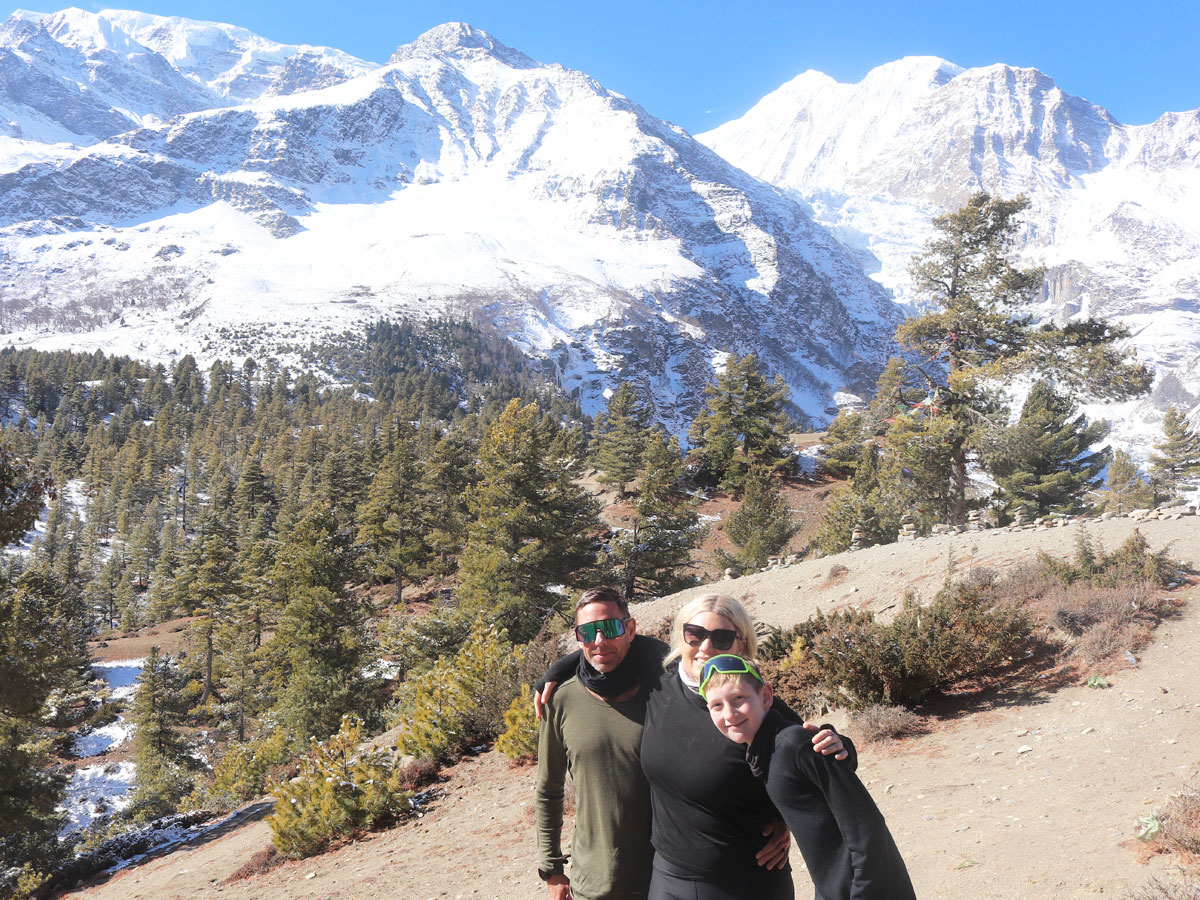
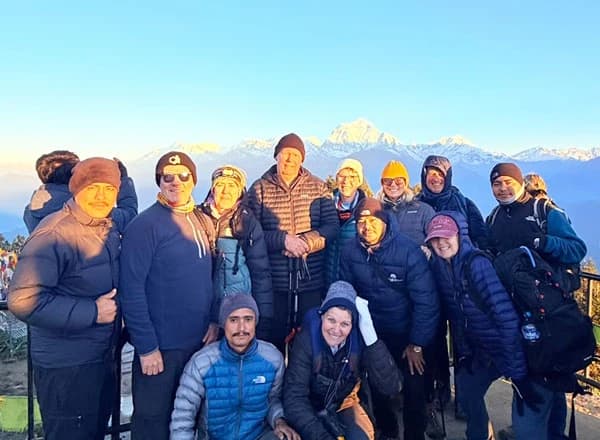
Guest Enjoying the Annapurna Circuit Trek!
Early, Mid, or Late March: When Should You Go?
Early March: A Stronger Winter Feel
Early March can retain wintry conditions around the higher villages and pass approach. It may appeal to trekkers seeking snowy scenery, but requires preparation for cold starts and flexibility if snowfall affects the crossing.
Mid-March: A Gradual Shift Towards Spring
Lower valleys generally become more comfortable during the day. Sunlit slopes may begin losing snow while shaded stretches remain frozen. This period offers a mixture of spring walking and lingering winter conditions, rather than a sudden seasonal change.
Late March: Warmer Walks and Emerging Color
Later dates generally favor milder walking conditions at lower elevations and more opportunities for spring flowers. The forests towards Ghorepani can add color to the classic itinerary, although flowering varies each year.
Our suggestion: Prioritize mid- to late March if warmer walking conditions are important to you. Keep the pass-crossing schedule flexible: the latest weather and snow conditions matter more than the calendar date.
How Difficult is the Annapurna Circuit Trek in March?
The Annapurna Circuit Trek in March is strenuous, with repeated climbs, long descents, and increasingly demanding conditions at higher elevations. Outfitter Himalaya’s classic itinerary includes several 6- to 7-hour walking days, while the Thorong La crossing day is estimated at 9-10 hours.
Which Part of the Trek Is the Most Difficult?
The most demanding stage is usually Thorong Phedi or High Camp → Thorong La Pass (5,416 meters) → Muktinath. Outfitter Himalaya’s classic itinerary allows approximately nine to ten hours for this crossing day. Three challenges come together here:
Thin air during the climb: Above 5,000 meters, physical effort becomes harder, even for fit trekkers. A steady, unhurried pace is essential.
Cold and potentially slippery ground: The early start can involve freezing temperatures, while March snow or ice may require slower, more careful steps.
A long descent after reaching the pass: The journey continues downhill towards Muktinath, testing tired legs and making footing especially important on icy or loose sections.
Can beginners complete the Trek in March?
Well-prepared beginners can consider March with an experienced guide, proper equipment, and an itinerary that allows time to acclimatize. We suggest focusing on:
Walking endurance: Gradually extend your hill walks and practice hiking on consecutive days.
Leg strength and balance: Include stairs, controlled descents, and exercises suited to your fitness.
Familiar equipment: Train in your trekking boots and carry the daypack you expect to use.
Our Tips: Keep the acclimatization day in Manang and allow additional time when needed. Fitness does not prevent altitude sickness. So, report symptoms promptly, stop ascending if they develop, and descend if they worsen.
Our Guest at Thorong La in March!
Which Annapurna Circuit Itinerary Should You Choose in March?
The classic 15-day itinerary is a good choice if you want Thorong La, mountain villages, and the spring forests towards Ghorepani in your journey. Other options suit different starting points, comfort preferences, and available time. Take a look at different itineraries and choose the best suitable one for you:
Combines Thorong La, Poon Hill and Annapurna Base Camp.
These are total package durations, including the transfers and city stays specified in each itinerary.
Note: The nine-day option follows the same approach to Thorong La as the classic package, including Manang’s acclimatization day. Its shorter duration comes from different travel arrangements and the omission of the Ghorepani–Poon Hill finish.
For March, discuss snow conditions before adding high-altitude extensions. Tilicho Lake may remain frozen, and its approach requires a separate assessment of trail conditions and lodge availability.
What Are Accommodation and Meals Like in March?
Are Teahouses Open During March?
Most teahouses along the main Circuit operate in March, with options in Chame, Manang, and Muktinath. Thorong Phedi and High Camp have fewer rooms, so our guide confirms accommodation in advance, especially as spring trekking activity increases.
Expect simple rooms with basic bedding and often shared bathrooms. Bedrooms are generally unheated, while the dining room provides a warmer place to eat. A suitable sleeping bag remains important for cold nights higher up. Read our Annapurna Circuit Accommodation blog for more information.
What Food and Drinks Are Available?
Teahouses along the trail serve dal bhat, noodle soup, potatoes, fried rice, porridge, and eggs, alongside tea and other hot drinks. Menus generally get simpler, and prices rise as you climb. Read our food and drinks blog on the Annapurna Circuit Trail to learn more.
What Should You Pack For Annapurna Circuit Trek in March?
Pack for warmer valley walks and freezing conditions near Thorong La. Clothing that you can add or remove throughout the day makes these changes easier to manage.
Walking layers: Quick-drying shirts, thermal base layers, a fleece and an insulated down jacket.
Weather protection: A waterproof, windproof jacket and waterproof trousers.
Cold-weather essentials: A sleeping bag suitable for expected overnight temperatures, warm gloves, a hat and a neck gaiter.
Footwear: Well-worn trekking boots, warm spare socks and gaiters for snowy or muddy sections.
Trail equipment: Trekking poles, a headlamp and spare batteries for the early pass-crossing start.
Sun and water protection: UV-protective sunglasses, sunscreen, lip balm, an insulated water bottle and a suitable water-treatment method.
Ask your guide which traction equipment to bring for expected snow and ice. Choose equipment that reflects the actual trail conditions and your ability to use it.
Outfitter Himalaya can provide a sleeping bag, down jacket, and duffel bag on request, to be returned after the trek. Confirm availability and suitability for your March departure beforehand.
Can You Experience Festivals in March?
A March trekking holiday can also include Nepal’s spring celebrations. Plan festival experiences around your Kathmandu or Pokhara stay, and check dates for your travel year before arranging extra nights.
Holi – the festival of colors: Spring celebrations bring color and a lively atmosphere to places such as Pokhara. Join respectfully and ask before applying color to others.
Maha Shivratri: When the festival falls in March, Kathmandu’s Pashupatinath area becomes an important gathering place for Shiva devotees, offering a memorable glimpse of Nepal’s religious traditions.
Ghode jatra: Falling in March or April, Kathmandu’s horse festival features equestrian displays at Tundikhel. Ask about public viewing arrangements before planning your visit.
Our Tips: Allow time for celebrations while keeping your trek’s acclimatization days and weather flexibility intact.
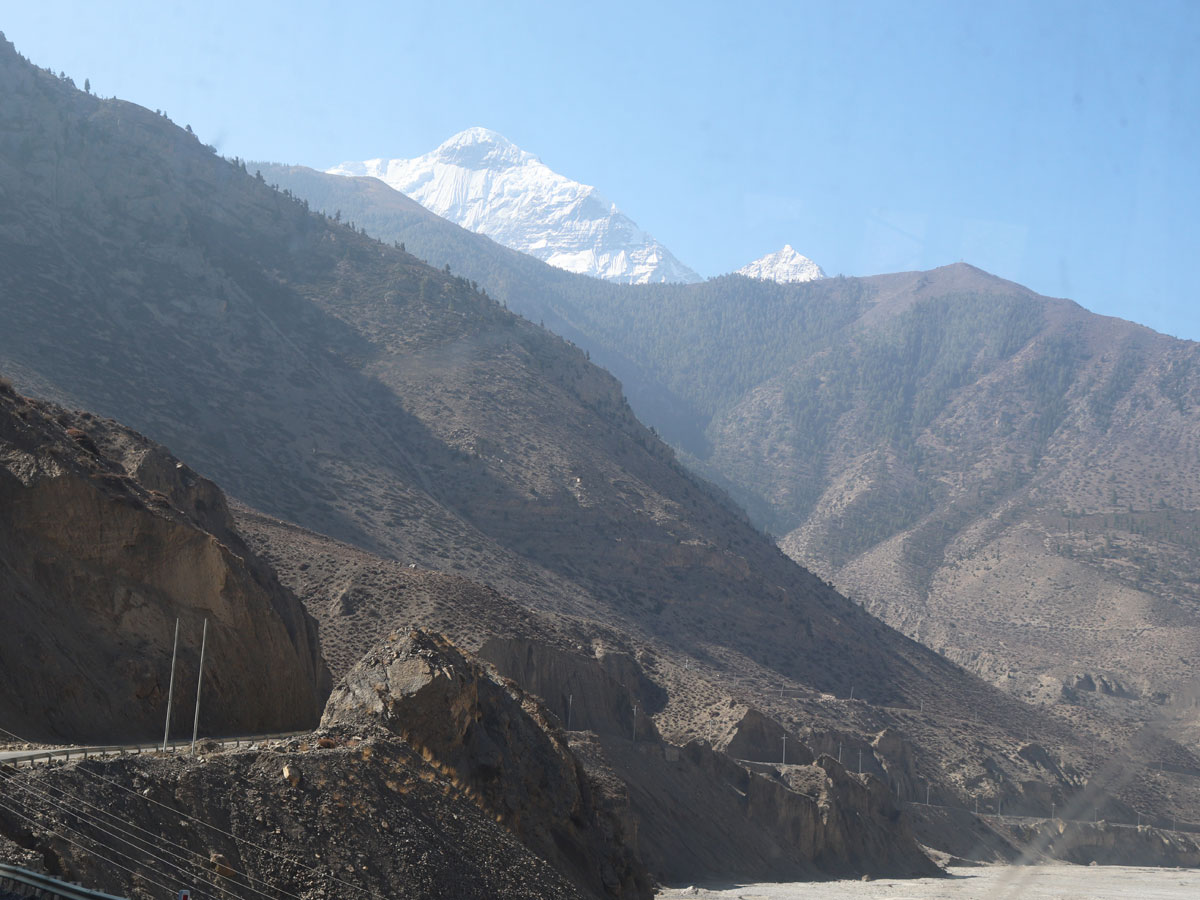
Kali Gandaki Valley- Lower Mustang!
FAQS for Annapurna Circuit Trek in March
Is March or April Better for the Annapurna Circuit?
April generally offers warmer walking conditions and more spring color, and March appeals to trekkers who enjoy lingering winter scenery higher up. Both months require preparation for possible snow near Thorong La.
Is Thorong La Pass Open in March?
You can cross the pass when conditions permit. Fresh snowfall or unsafe trail conditions may delay or prevent a crossing, so check local conditions before proceeding.
Can I Add Tilicho Lake to a March Trek?
Possibly, depending on snow conditions along the approach, and the lake may remain frozen. Confirm trail access and accommodation before committing to this extension.
Will I Need Microspikes?
Microspikes may help on suitable sections of compacted snow or ice. Ask your guide which traction equipment to bring and how to use it for the expected conditions.
Do I Need a Guide for the Annapurna Circuit?
Nepal Tourism Board lists the Annapurna Circuit among routes requiring a licensed trekking guide and an agency-issued TIMS card. Arrange these through a registered trekking agency.
How Many Extra Days Should I Allow?
Keep at least one contingency day, with more flexibility where possible. Snowfall or a delayed pass crossing can require additional time; a buffer day cannot guarantee that the route will become passable.
Conclusion: Is March the Right Month for Your Annapurna Circuit Trek?
March is a rewarding choice if you enjoy snowy mountain scenery and the gradual arrival of spring. Around Manang, the high peaks still feel wintry, while warmer valleys and emerging color near Ghorepani add variety to the journey.
Choose mid-to-late March if milder walking conditions are a priority. Explore Outfitter Himalaya’s classic Annapurna Circuit Trek for a journey combining Manang. Thorong La, Tatopani, and Poon Hill. Discuss your experience, available time, and preferred route with our team to plan your March adventure.
April is one of the best months for the Ghorepani Poon Hill Trek, offering rhododendron flowers, warmer daytime walks, and Himalayan sunrise views from 3,210 meters. Expect busy teahouses, chilly mornings, and possible afternoon cloud [...]
The Ghorepani Poon Hill Trek in March combines the beginning of rhododendron season with warming days and opportunities for clear Himalayan views. Sunrise at 3,210 meters remains cold, and higher paths can still have snow [...]
The Annapurna Circuit Trek covers approximately 102 kilometers of walking on Outfitter Himalaya’s classic 15-day itinerary, including the Manang acclimatization hike. The journey unfolds through riverside forests, mountain villages and open valleys before crossing Thorong La [...]