The Annapurna Base Camp Trek is a moderate, non-technical trek. Most days involve 5–7 hours of walking, with steep stone steps and repeated ascents and descents. The highest point is 4,130 m, so fitness, pacing and altitude awareness are important. Beginners can complete the trek with proper preparation and a suitable itinerary.
Annapurna Base Camp Trek Difficulty: Is ABC Suitable for Beginners?
The trail to Annapurna Base Camp begins among green hills, terraced fields, and welcoming mountain villages, but it gradually becomes a more serious Himalayan journey. Stone steps rise through rhododendron and bamboo forests, rivers flow deep below suspension bridges, and the mountains draw closer as the route enters the Annapurna Sanctuary.
ABC is neither an easy countryside walk nor a technical mountaineering expedition, as you do not need ropes, climbing experience, or specialist mountaineering equipment. Its difficulty comes from maintaining energy over several days while managing steep ascents, long descents, uneven paths, changing weather and thinner air at higher elevations.
For a first-time trekker, that combination can sound intimidating. However, the challenge develops gradually on Outfitter Himalaya’s classic route through Ghorepani, Poon Hill, Tadapani and Chhomrong. With reasonable fitness, preparation, and a comfortable walking pace, beginners can reach Annapurna Base Camp and genuinely enjoy the journey.
Annapurna Base Camp Trek Difficulty at a Glance
The ABC Trek is generally graded moderate and falls between an easy hill walk and a technical mountain expedition: you don't need climbing skills, but to complete it comfortably, you need endurance, leg strength, and the ability to walk on uneven trails for several consecutive days.
Difficulty factor
What to expect
Overall grade
Moderate
Technical difficulty
Non-technical trekking; no ropes or climbing skills required
Highest point
Annapurna Base Camp at 4,130 m
Walking time
Usually 5–7 hours per day; occasionally 7–8 hours
Classic-route distance
Approximately 85–90 km
Main terrain
Stone staircases, forest paths, river crossings and uneven mountain trails
Previous experience
Helpful but not compulsory
Suitable for beginners
Yes, with reasonable fitness and preparation
Main challenges
Repeated ascents and descents, consecutive walking days, altitude and changing weather
The trek isn't difficult because of a single extreme obstacle. Its challenge develops gradually as daily effort, steep terrain, and increasing elevation combine. A well-prepared beginner may find it demanding but rewarding, while an untrained traveler can struggle even on the lower sections.
What Makes the Annapurna Base Camp Trek Challenging?
Consecutive Walking Days: Most trekking days involve five to seven hours on the trail, and the effort continues for several days without complete rest. Even moderate distances can feel harder once fatigue begins to build. A steady pace, regular meals, and proper sleep become more important than walking quickly.
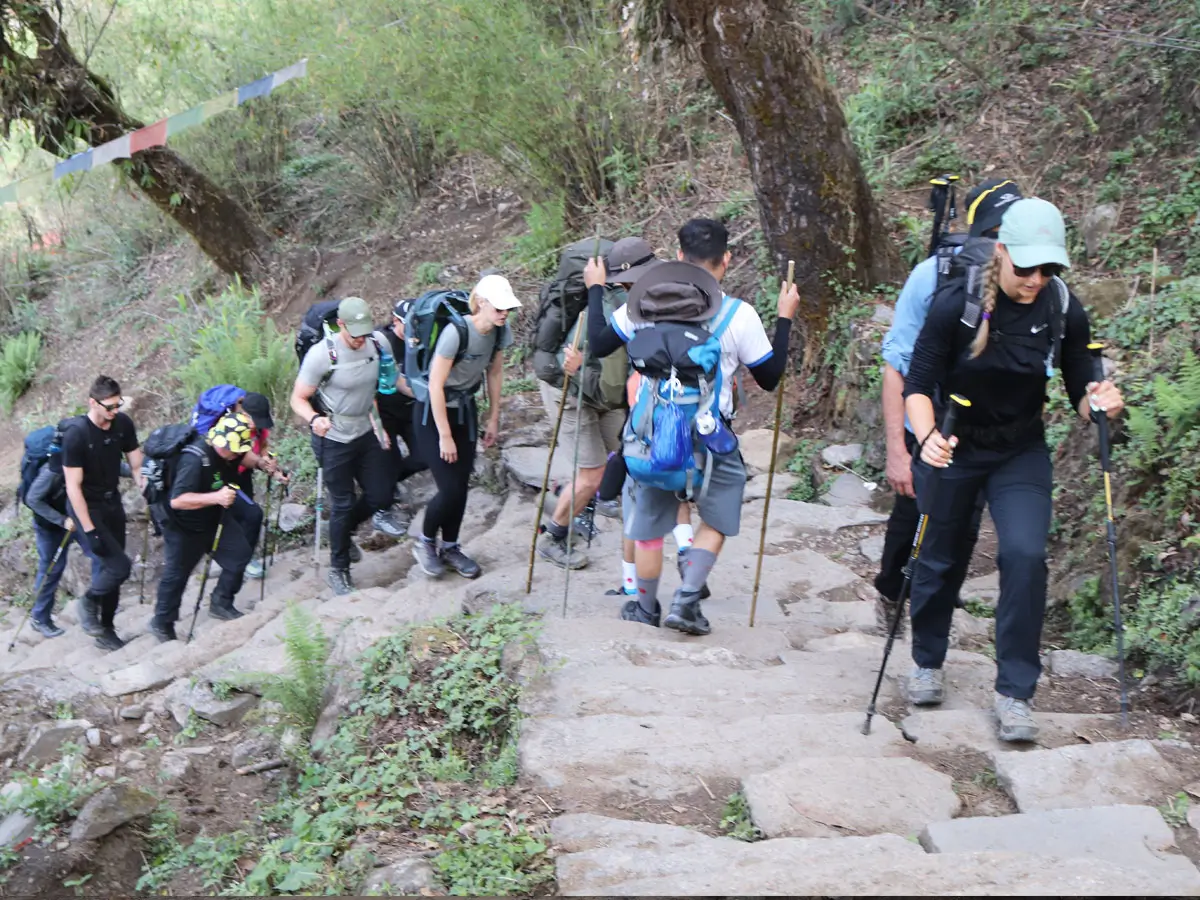
Stone Staircases and Repeated Elevation Changes: The route is famous for its stone steps, particularly around Ulleri and Chhomrong, and frequent descents towards rivers before climbing back to villages on the opposite hillside. These repeated changes place more demand on the legs and knees than a gradual uphill trail.
Walking Above 4,000 Meters: Annapurna Base Camp stands at 4,130 meters, where reduced oxygen can make an ordinary walking pace feel more demanding. Good fitness does not eliminate the risk of altitude-related illness, so approach the ascent patiently. Symptoms, acclimatization, and emergency responses are explained in our separate Annapurna Base Camp Trek Altitude and AMS Guide
Weather and Trail Conditions: Dry conditions make ABC considerably more manageable, while rain, snow or ice can slow the same itinerary. Monsoon rain may make lower trails muddy and slippery, and winter snowfall can affect the upper sanctuary. Even in spring and autumn, trekkers should prepare for cold mornings and sudden changes in mountain weather.
Weather and trail conditions can influence how difficult the Annapurna Base Camp Trek feels. Dry trails, visibility, rain, snow, and cold temperatures may vary depending on the season. Before choosing your departure date, read our guide to the best time for Annapurna Base Camp Trek to understand seasonal conditions and plan your trip.
Trekkers climbing stairs to ABC!
Is the Annapurna Base Camp Trek Suitable for Beginners?
Yes. The Annapurna Base Camp Trek suits first-time trekkers with reasonable fitness who prepare in advance and choose a manageable itinerary. Previous high-altitude trekking experience is useful but not essential, and the route requires no mountaineering or technical climbing skills.
However, beginner-friendly does not mean preparation-free. A beginner may lack trekking experience but should still be able to walk for several hours, climb stairs, and recover in time to repeat the effort the following day. Mental patience is equally valuable because Himalayan trekking is about maintaining a comfortable rhythm rather than reaching each lodge as quickly as possible.
The ABC Trek is a realistic first Himalayan journey if you:
Can walk for five to seven hours with regular breaks
Are comfortable with steep steps and uneven ground
Can train consistently before traveling
Accept simple teahouse accommodation
Are willing to walk slowly as elevation increases
Can remain flexible when weather affects the daily plan
Beginners should avoid choosing the five-day Short ABC Trek simply because it requires fewer vacation days. The compressed schedule includes longer walking stages and faster elevation gain. The classic Annapurna Base Camp Trek through Ghorepani and Poon Hill provides a more gradual introduction to consecutive trekking days before entering the Annapurna Sanctuary.
What Are the Most Difficult Sections of the ABC Trek?
Difficulty depends on the person: a strong uphill walker may struggle more on descents, while another trekker may find altitude more demanding than the stairs. Outfitter Himalaya guides have realized that the following sections of the classic route are the most difficult after leading many tourists to the Annapurna Base Camp.
Tikhedhunga to Ghorepani
The climb towards Ulleri introduces you to one of the defining features: long stone staircases. The day involves a substantial elevation gain before continuing through forest to Ghorepani, and it tests the legs early in the journey, so maintaining a steady rhythm works better than trying to climb quickly.
Chhomrong to Himalaya
This stage begins with a descent to Chhomrong Khola and climbs through Sinuwa, Bamboo, and Dovan. The repeated loss and regain of elevation can feel mentally frustrating because reaching the next lodge requires considerably more effort than the map distance suggests.
Himalaya to Annapurna Base Camp
The trail passes Hinku Cave, Deurali, and Machhapuchhre Base Camp before entering the wide Annapurna Sanctuary. As vegetation disappears, the surroundings become colder and more exposed. The walking is not technically difficult, but the increasing elevation naturally demands a slower pace.
Descending from the Annapurna Sanctuary
Reaching ABC does not mean the physical work is finished. The route descends towards Dovan and Jhinu Danda over consecutive days. Downhill walking may be faster, but the stone steps can tire the knees and thighs, especially after the effort of the ascent. Trekking poles and controlled steps are valuable during this part of the journey.
How Your ABC Itinerary Changes the Difficulty
The number of package days doesn't always reflect how difficult an ABC itinerary will feel. A longer program includes sightseeing and transportation, while a shorter trek can compress the same elevation gain into fewer, more demanding days. Look at the table below and compare which itinerary suits you best.
Longer journey combining three destinations and additional rugged terrain
The difficulty of the Annapurna Base Camp Trek depends partly on the route and the number of days available. The direct five-day itinerary requires a faster pace, while the longer route via Ghorepani and Poon Hill adds scenery and trekking days. Read our guide to Annapurna Base Camp Trek Routes to compare the different approaches, durations, and walking requirements.
The choice of itinerary also affects the overall cost of the trek. Shorter packages from Pokhara may require fewer travel arrangements, while longer journeys can include additional accommodation, transport, and services. Check our Annapurna Base Camp Trek Cost Guide to compare package prices and what is included in each itinerary.
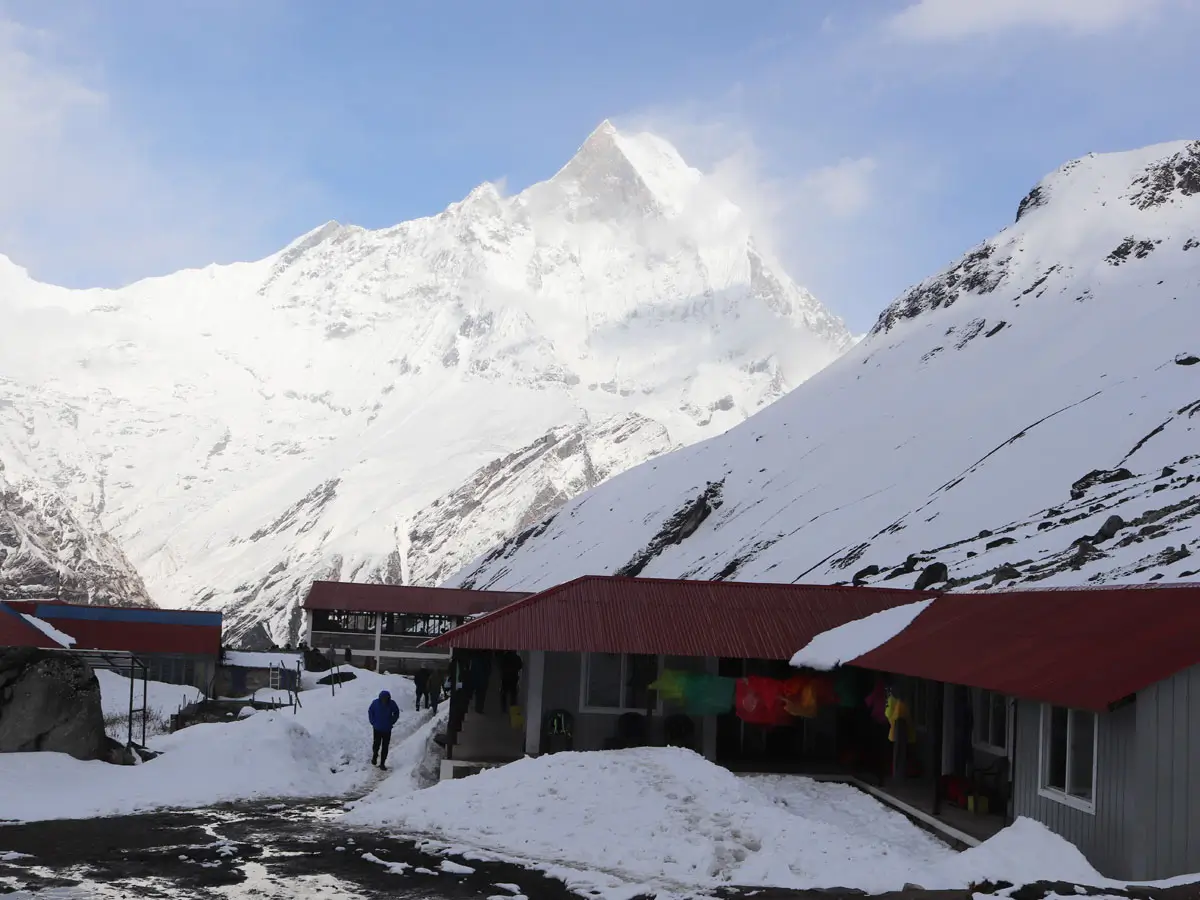
The Annapurna Base Camp in Winter!
What Fitness Level Do You Need For the ABC Trek?
You do not need to be an athlete to complete the Annapurna Base Camp Trek. You should, however, have enough cardiovascular endurance to stay active for several hours, enough leg strength for repeated stairs, and the ability to recover before walking the following morning again.
A useful sign of readiness is completing 5- to 7-hour hill walks with a light daypack while maintaining a controlled pace. You should feel normally tired afterward, not completely exhausted or in significant pain. One good hike isn't enough if your body needs several days to recover, because the ABC itinerary involves consecutive walking days.
Your preparation should develop:
Endurance for five to seven hours of daily movement
Leg strength for long climbs and controlled descents
Balance for stone steps and uneven ground
Core stability while carrying a daypack
Recovery capacity for walking the following day again
Strong determination is helpful, but it cannot replace physical preparation. At the same time, a slower trekker with good pacing can often manage the journey more comfortably than a fitter person who starts too quickly—consistency, patience, and knowing when to rest matter more than speed.
How to Train for the Annapurna Base Camp Trek?
Start preparing at least six to eight weeks before departure if you don't already exercise regularly. Train to build steady endurance and climbing strength, not short bursts of speed.
Training focus
Useful activities
Suggested frequency
Cardiovascular endurance
Brisk walking, jogging, cycling or swimming
3–4 times weekly
Hill and stair fitness
Stair climbing, uphill walking or inclined treadmill
1–2 times weekly
Leg strength
Squats, lunges, step-ups and calf raises
2 times weekly
Core and balance
Planks, single-leg exercises and controlled step-downs
2 times weekly
Long-duration walking
Gradually extended outdoor hikes
Once weekly
Daypack practice
Walk with a light, comfortably fitted backpack
During longer walks
Our Tips:
Increase duration and intensity gradually rather than suddenly doubling your workload, and longer practice walks should eventually reach three to five hours and include hills or stairs where possible. Wearing your trekking boots during these sessions also gives you time to identify fit issues before Nepal.
Training every day is unnecessary, rest and recover helps the body adapt, and excessive last-minute exercise can cause injury before the trek begins. Reduce training intensity during the final week and arrive in Nepal rested, not exhausted.
When Is the ABC Trek Easiest for Beginners?
Spring and autumn generally provide the most manageable conditions for first-time trekkers. April, May, October, and November usually offer a favorable combination of weather, teahouses, and more predictable trails.
Spring brings longer daylight hours and flowering forests, although snow may remain around the upper sanctuary early in the season. Autumn often brings dry trails and clear mountain views after the monsoon, but mornings and nights grow increasingly cold toward November.
Winter trekking is possible with suitable experience and equipment, but freezing temperatures, snow, and ice can make the route more demanding. During the summer monsoon, rain may create muddy stone steps, slippery forest trails, leeches, and occasional transport disruption.
Choosing a popular season doesn't make ABC effortless, but stable trail conditions let beginners focus more comfortably on pacing and daily walking. Conditions vary each year, so check the latest weather and trail information before departure.
Practical Tips to Make the ABC Trek More Manageable
Choose the Right Itinerary: Don't choose the shortest trek based only on limited vacation time. A gradual route with realistic walking stages is usually more comfortable for a beginner than trying to complete the ascent and descent in five days.
Maintain a Sustainable Pace: Begin each day slowly and conserve energy for later climbs. Himalayan trekking is not a race, and arriving early at a lodge offers little benefit if you are too exhausted to walk the next morning comfortably.
Keep Your Daypack Light: Carry only water, snacks, extra layers, rain protection, personal medicine, and essential valuables during the day. Outfitter Himalaya's classic package includes porter support for the main trekking luggage.
Use Trekking Poles: Poles improve balance on uneven steps and reduce pressure on the knees during long descents. Practice using them before the trek so they feel natural on the trail.
Wear Broken-In Trekking Boots: New footwear can cause blisters during consecutive walking days. Train in the same boots and socks you plan to use in your trek in Nepal, and make sure they stay comfortable on both climbs and descents.
Support Daily Recovery: Eat enough at mealtimes, drink regularly, and change out of damp clothing after reaching the lodge. Gentle stretching and early sleep can help your legs recover for the next stage.
Communicate Honestly: Tell the guide when you feel unusually tired, unwell, or unable to maintain your normal pace. Small adjustments made early are easier to manage than problems hidden until they become serious.
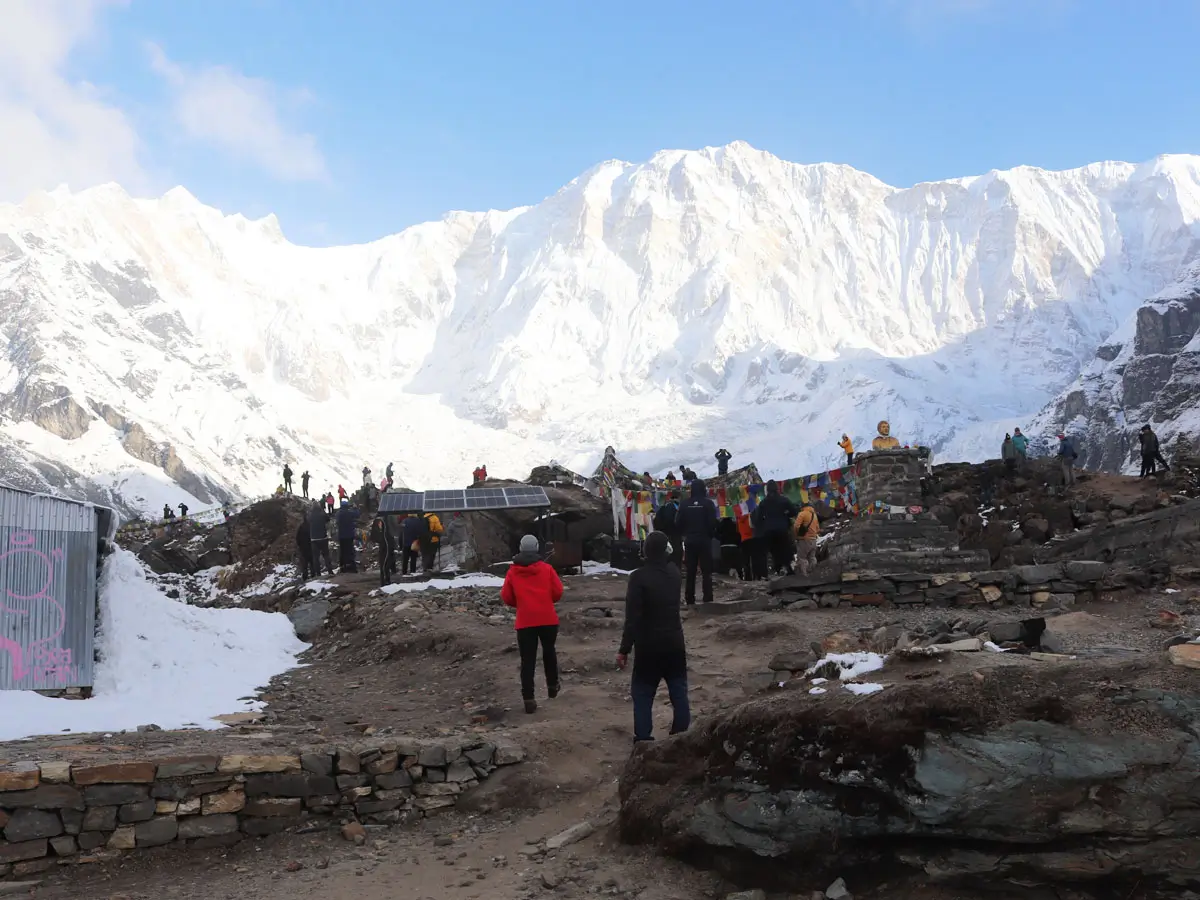
our guest enjoying at Base Camp!
FAQS on Annapurna Base Camp Trek Difficulty
How difficult is the Annapurna Base Camp Trek?
The ABC trek is moderate and requires endurance for consecutive days of walking but no technical climbing skills.
Can a complete beginner trek to Annapurna Base Camp?
Yes. A beginner with reasonable fitness, advance training, and a gradual itinerary can complete the trek successfully.
Do I need previous trekking experience?
No. Previous hiking experience helps, but it is not required for Outfitter Himalaya’s classic ABC itinerary.
How many hours will I walk each day?
Most days involve five to seven hours of walking. The climb from Tikhedhunga to Ghorepani may require seven to eight hours.
What is the hardest part of the ABC Trek?
The Ulleri stone staircase, repeated elevation changes around Chhomrong, and the high-altitude approach from the Himalaya to ABC are generally the most demanding sections.
Is technical trekking equipment required?
No ropes or climbing equipment are needed. Proper trekking boots, layered clothing, and trekking poles are sufficient for normal seasonal conditions.
Is the five-day Short ABC Trek suitable for beginners?
It is possible for very fit beginners, but its faster ascent and longer walking stages make it considerably more demanding than the classic itinerary.
What is the easiest season for beginners?
April, May, October and November generally offer the most manageable weather and trail conditions.
Can children or older travelers complete the ABC Trek?
Possibly. Suitability depends more on health, fitness, trekking experience, and itinerary pace than age alone. Individual medical advice may be appropriate before booking.
Does altitude make the ABC Trek difficult?
Yes. Walking becomes more demanding as the route approaches 4,130 meters. Detailed altitude risks and responses are covered in the separate ABC Altitude and AMS Guide.
Final Verdict: Can a Beginner Complete the ABC Trek?
Yes, a reasonably fit beginner can complete the Annapurna Base Camp Trek. No climbing experience is required, but steep stone steps, daily elevation changes, consecutive walking days, and the 4,130-meter altitude make it a moderate trek.
With proper training, a manageable daypack, a steady pace, and a suitable itinerary, ABC is an achievable and rewarding first Himalayan trek.
The Annapurna Circuit Trek covers approximately 102 kilometers of walking on Outfitter Himalaya’s classic 15-day itinerary, including the Manang acclimatization hike. The journey unfolds through riverside forests, mountain villages and open valleys before crossing Thorong La [...]
The Annapurna Circuit Trek costs about USD 650–1,900 per person with Outfitter Himalaya, depending on the itinerary, group size, and services included. Outfitter Himalaya’s 15-day Classic Annapurna Circuit Trek has published group-size prices of USD [...]
Foreign trekkers need a trekking permit to trek the Annapurna Circuit, and we suggest settling it before you head out. Arranging the correct paperwork before departure helps avoid extra charges and interruptions once your journey [...]