The Langtang Valley Trek in February offers a rewarding shoulder-season experience with milder cold, clearer skies, peaceful trails, and the first subtle signs of spring in lower forests. Temperatures range from -8℃ to 8℃ at higher elevations, such as Kyanjin Gompa (3,870 m), with light snow in the upper valley and generally stable conditions.
The teahouses remain open, making it feasible and less crowded than peak seasons. February Trek in Langtang suits beginners and experienced hikers alike seeking solitude, Tamang culture, and dramatic Himalayan views.
Langtang Trek in February: Winter Serenity, Clear Peaks and Early Spring Whispers in Nepal
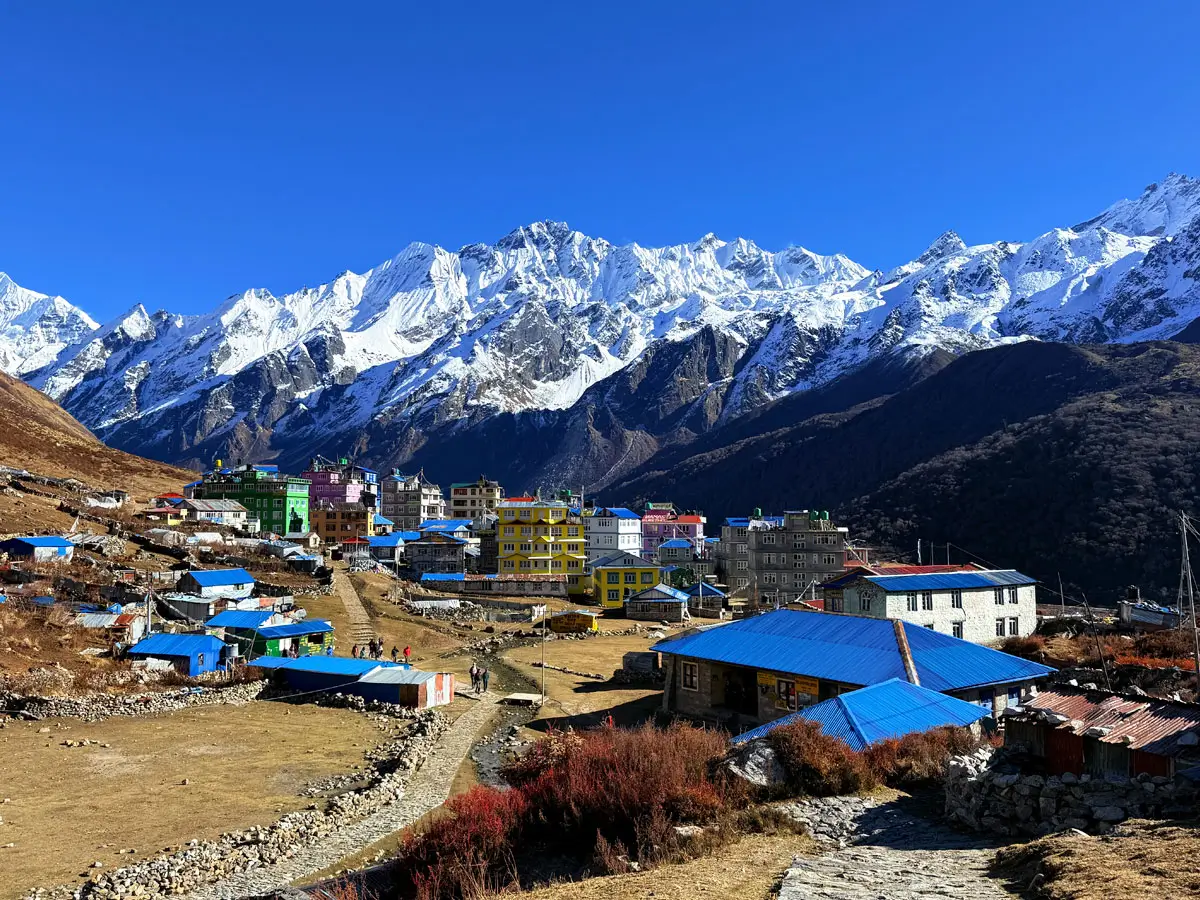
February in Langtang offers a rare window of solitude close to Kathmandu - no domestic flights required, just a scenic drive to Syabrubesi followed by days of immersive walking along the Langtang Khola. The route winds through dense forests of pine, oak, and rhododendron and shows the earliest hints of budding in lower sections, past suspension bridges swaying over icy waters, and into traditional Tamang villages. Higher up, around Langtang Village and Kyanjin Gompa, the valley opens into a broad alpine amphitheater ringed by peaks including Langtang Lirung (7,227m), Gangchempo, Dorje Lakpa, and Yala Peak.
Langtang trek in February suits a wide range of adventurers including fit beginners and seasoned trekkers. Outfitter Himalaya guides, many of whom call these valleys home, know exactly how February shifts the trail, where ice might linger in shaded gullies, which teahouses stay reliably open, and how to read the subtle weather cues that separate a good day from a cautious one.
Langtang Valley Trek in February is for you, if you the value substance over spectacle. The peaceful trails, authentic encounters, and the Himalayan landscape that feels both powerful and approachable. It proves that winter in the mountains does not have to mean shutting down, it simply asks for respect, preparation, and an open mind. The result is a journey that lingers long after you return from the valley.
Langtang Circuit Trek- 16 Days: Suitable for those looking for a longer trek in the Langtang Region and want to cover all the destinations in Langtang.
The Langtang Valley Trek in February stands out as one of the most balanced winter-to-spring shoulder season trekking experiences in Nepal. February combines the quiet majesty of high mountains with improving comfort and fewer visitors than the approaching spring. Here are the key highlights that make February a good time for Langtang Trek:
Peaceful, uncrowded trails: Experience the valley with minimal trekking groups, allowing deeper immersion in the natural sounds of the Langtang Khola, wind through pine forests, and the occasional calls of Himalayan birds in February.
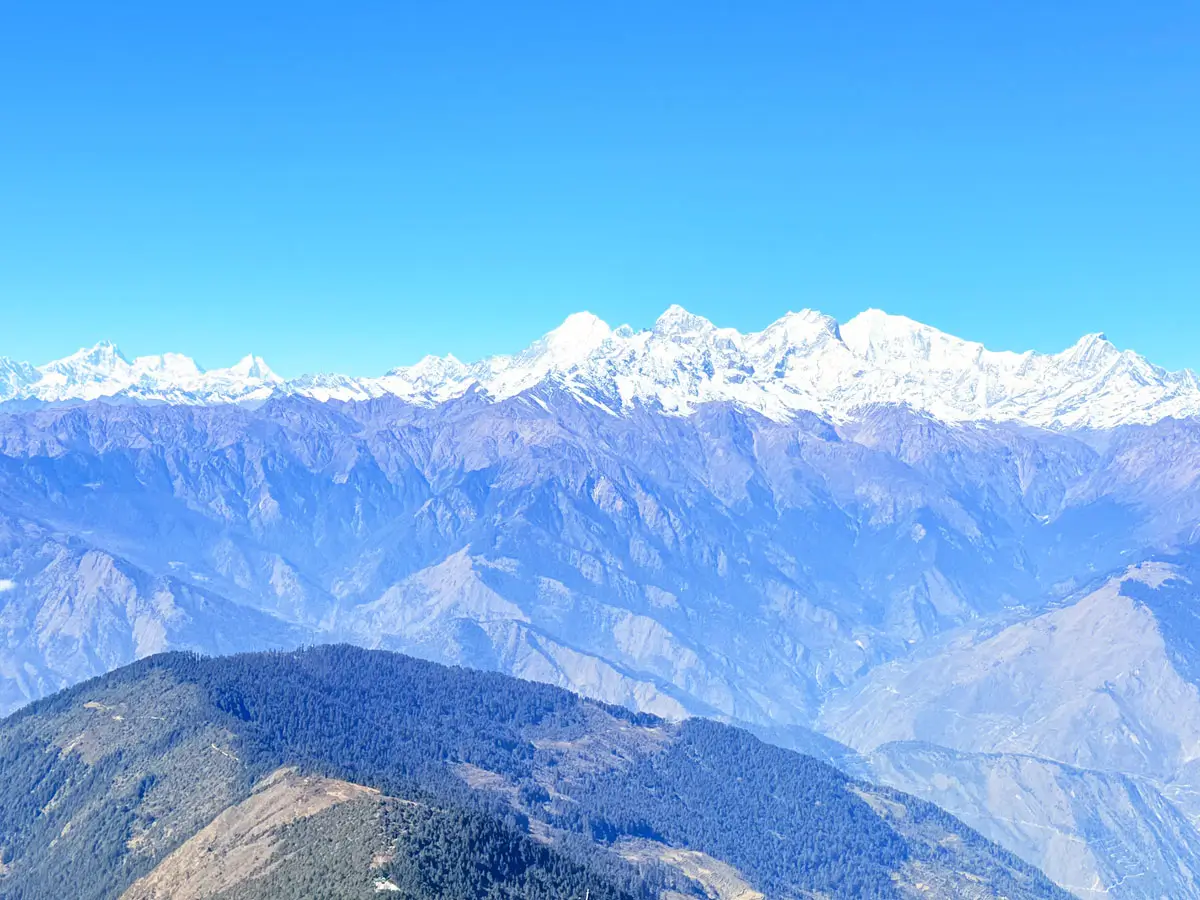
Excellent mountain visibility on stable days: The crisp air often delivers sharp, dramatic views of Langtang Lirung, Gangchempo, Dorje Lakpa, Yala Peak, and distant Tibetan plateau edges, especially in the first half of February.
Transitional winter beauty with early spring hints: Snow lingers beautifully in the upper valley, while lower forests may show subtle budding rhododendrons and fresher greenery by late February.
Authentic Tamang hospitality in a relaxed atmosphere: Fewer tourists mean more meaningful conversations with local families, monastery visits, and insights into daily highland life.
Rewarding side hikes under clearer conditions: Kyanjin Ri and Tserko Ri become more accessible on good-weather days and offer panoramic rewards with less competition at the viewpoints.
Cozy teahouse stays with personal service: Open lodges provide warm dining halls, hearty meals, and a genuine sense of community that feels more intimate than in peak seasons.
Strong photography opportunities: Clean winter light, contrasting snow and rock, prayer flags against blue skies, and golden hour moments on peaks create standout images.
Feasible for prepared beginners and intermediates: Moderate altitude (max 4,773m on optional hikes), well-marked trails, and shorter overall duration compared to longer high passes.
Cultural depth without commercial rush: Pass mani walls, chortens, and Buddhist monasteries where traditions continue uninterrupted by heavy tourist flow.
Practical access and flexibility: Road journey from Kathmandu, no flight dependency, and adaptable itineraries make it ideal for travelers seeking a genuine Himalayan winter experience close to the capital.
The heavy snows of early winter have settled, and the trails are still quiet, and the landscape holds a special clarity that many who have walked here year-round have missed in February. Choosing February means stepping into a version of Langtang that feels personal rather than shared; here’s why it stands apart:
The Perfect Shoulder-Season Balance
February bridges the deep winter and early spring without the extremes of either; the mornings may still sparkle with frost, but daytime hours stretch longer and often feel more walkable. You gain the solitude of winter trails while benefiting from more predictable weather windows and the subtle awakening of the lower valleys. February is neither overwhelmingly cold nor crowded.
Solitude That Lets the Mountains Speak
With far fewer international groups on the route, the valley returns to something closer to its natural state. You walk sections of riverside trail or forest path, hearing only your own footsteps and the Langtang Khola rushing below. This quiet amplifies everything, the scale of the peaks, the fluttering of prayer flags, and the warmth of a teahouse greeting at day’s end.
Outstanding Visibility and Light for Views and Photography
The dry air and frequent clear skies in February produce some of the sharpest mountain vistas of the season. The Langtang Lirung and its neighbors appear etched against the sky, like Gangchempo, Dorje Lakpa, and Yala Peak. Early morning and late afternoon light create long shadows and rich contrasts that photographers and casual observers both appreciate.
Deeper Cultural Connection with Tamang Communities
Local families and lodge owners have more time in February, and the conversations flow more naturally over cups of salt butter tea. You may learn about winter livestock care, monastery routines, and family stories.
Feasible Adventure Without Extreme Commitment
The Langtang trek remains accessible for reasonably fit travelers, and no technical climbing is required; the trail is well-established. February conditions test preparation fairly, rewarding those who come equipped without punishing reasonable effort.
Rewarding Side Hikes
The optional climbs to Kyanjin Ri or Tserko Ri offer breathtaking 360-degree views in clearer February conditions, which add significant value and a sense of achievement to the journey.
Practical and Memorable Himalayan Experience
Langtang is close to Kathmandu with reliable road access, and February offers a real Himalayan trek with striking scenery, culture, and a sense of personal discovery. It is ideal for travelers who want beauty and tranquility without peak-season crowds.
Memorable Personal Achievement
Completing the Langtang Valley Trek in February carries a quiet satisfaction. You have met the mountains on their terms during a transitional season, navigated cold mornings and possible icy patches, and emerged with stories and images that feel earned.
Weather and Temperature of Langtang Valley Trek during February
February marks a transitional phase in the Langtang region, and the intense cold of January begins to moderate while the region still holds strong winter characteristics. It is generally one of the drier and clearer months; however, you must prepare for significant daily temperature swings and the possibility of cold snaps or light snow.
Morning Weather
Mornings are the coldest part of the day; frost is common on trails, bridges, and rooftops, especially above Lama Hotel. Starting early rewards you with the clearest skies and best mountain views before afternoon clouds develop.
Daytime Weather
Daytime conditions are usually the most comfortable; when the sun is out, trekking can feel pleasant even at higher elevations, with temperatures rising enough to allow layer adjustments.
Evening and Night Weather
Temperatures drop quickly after sunset; nights at Kyanjin Gompa and higher can still reach well below freezing, making a high-quality sleeping bag and warm base layers essential for comfortable rest.
Average Temperature by Location in February (approximate ranges)
Place
Elevation
Daytime Temperature
Night/Early Morning
Syabrubesi
1,460m
10°C to 18°C
2°C to 8°C
Lama Hotel
2,470m
6°C to 14°C
-3°C to 3°C
Langtang Village
3,430m
2°C to 10°C
-8°C to -2°C
KyanjinGompa
3,870m
-2°C to 8°C
-12°C to -5°C
KyanjinRi area
~4,700m+
-5°C to 4°C
Much colder with wind
Rainfall and Wind
February is one of the drier months. Heavy rain is rare, which contributes to good visibility. However, cold winds can make temperatures feel significantly lower in exposed areas, especially near KyanjinGompa and on ridges.
Overall February Weather Summary
February offers a good compromise for winter trekking in Langtang – clearer skies and improving comfort compared to January, but still real winter conditions that demand respect and preparation.Stable periods deliver some of the season’s best views, while occasional snow adds to the beauty without usually blocking the main route for prepared groups.
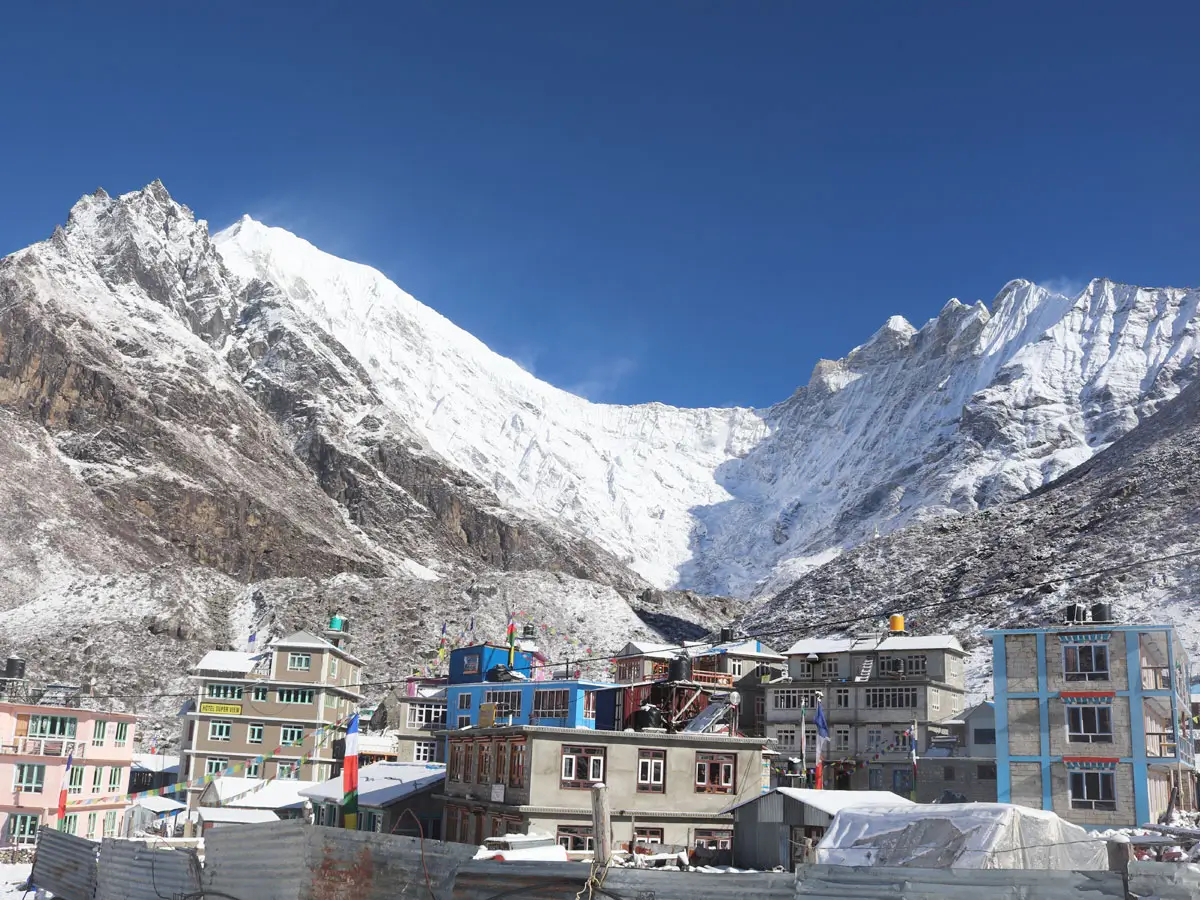
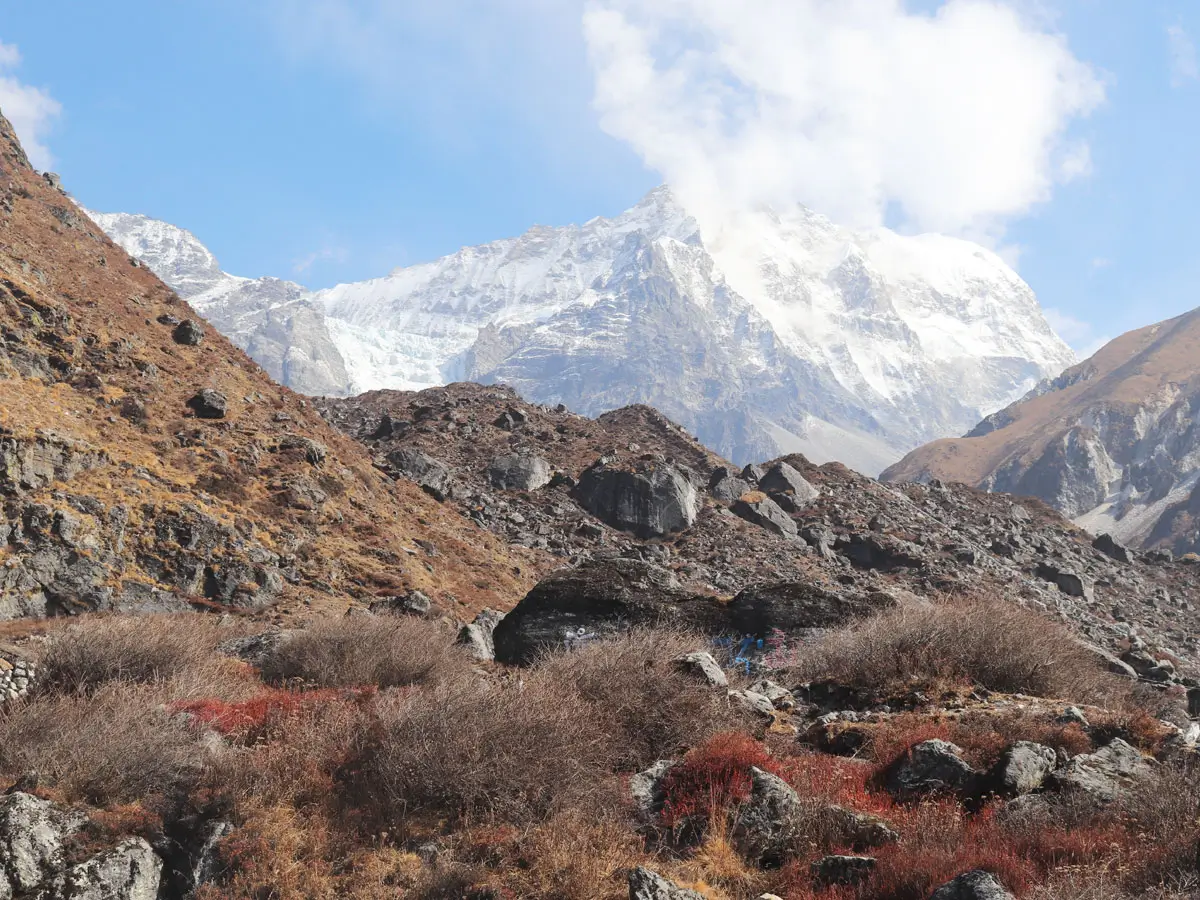
The Kyanjing Village and Glacier!
Pros of Langtang Valley Trek in February – Benefits of Langtang Trek in February
Langtang Valley Trek in February has several strong practical advantages that make it a smart seasonal choice:
Low Crowd Levels: February has significantly fewer trekkers than spring or autumn, resulting in peaceful trails and easier access to viewpoints and teahouses.
Often Excellent Visibility: February's dry winter air frequently provides clear views of major peaks.
Milder Daytime Temperatures Than January: February has longer days and slightly warmer daytime conditions, improving walking comfort while retaining winter scenery.
Good Teahouse Availability: Most lodges along the main route remain open in February and offer more personalized service due to lower occupancy.
Reliable Road Access: No flight risks, making start and end dates more predictable.
Strong Value for Photography and Reflection: The clean light, snow contrasts, and solitude create excellent conditions for images and meaningful experiences in February.
Manageable for Fit Beginners: The route and altitude are suitable with proper preparation and support.
Flexible Itinerary Options: Easier to adjust pacing or add rest days when crowds are low.
These pros make February one of the more practical winter months for a rewarding Langtang experience.
Cons (Disadvantages) of Langtang Trek in February
The Langtang Valley Trek in February is rewarding, but it is still a winter trek and comes with real challenges. Being honest about these helps you prepare properly and set realistic expectations.
Cold Temperatures, Especially at Night and Mornings: Higher sections like Langtang Village and Kyanjin Gompa can drop to -10°C or lower at night. Early mornings and the pre-dawn starts for side hikes feel freezing and require strong layering and a good sleeping bag.
Possible Snow and Icy Trails: Light snowfall or frost is common in the upper valley in February, and this can make some sections slippery, slower, and more physically demanding, particularly on descents or shaded paths.
Shorter Daylight Hours: Winter days are shorter, so you need to start early and manage time carefully to avoid walking in the dark.
Side Hikes Depend on Conditions: Kyanjin Ri and Tserko Ri are not guaranteed. Snow, ice, wind, or poor visibility can make them unsafe or unpleasant, forcing you to skip them.
Higher Physical and Mental Demand: The combination of cold, altitude, and possible icy terrain requires good fitness, mental resilience, and steady pacing.
Weather Uncertainty: Although February is generally drier, mountain weather can change quickly with sudden snow or wind, requiring flexibility in your itinerary.
These cons are manageable with proper gear, a local guide, and a flexible mindset. For well-prepared trekkers, they are part of what makes the February experience authentic and memorable rather than deal-breakers.
What are the snow conditions in the Langtang Valley Trek during February?
Snow in February on the Langtang Trek is a defining feature that adds beauty and a layer of challenge. Unlike the heavier accumulations possible in January, February snow is usually lighter and more variable, especially as the month progresses toward early spring.
Where Snow is most Likely
Snow is more common and persistent in the upper valley:
Around Langtang Village (3,430 m) and Mundu
Kyanjin Gompa (3,870 m) and surrounding yak pastures
Higher ridges leading to Kyanjin Ri and Tserko Ri
How Snow Affects the Trek
Light snowfall can transform the landscape into a winter wonderland, making photography exceptional and the atmosphere even more magical; however, it can also:
Create slippery or icy sections on stone paths and bridges
Slow walking pace, particularly on ascents and descents
Make trail navigation slightly more demanding in fresh Snow.
Is Snow Guaranteed?
No, many February treks experience only frost and occasional light dustings in the upper valley, and the amount depends heavily on recent weather systems. Local guides monitor conditions daily and can adjust pacing or routes accordingly.
Managing Snow Safely
With proper trekking shoes that have strong grip, trekking poles, and gaiters, most Snow encountered in February is manageable. A local guide is highly recommended; they know which sections tend to hold ice and how to time crossings for the safest conditions.
Snow as an Attraction
For many trekkers, the possibility of Snow is part of February’s appeal. It enhances the raw Himalayan feel around Kyanjin Gompa and makes the entire valley look pristine and powerful.
Which part of February is better?
February is a strong shoulder-season month for the Langtang Valley Trek, offering a practical balance for travelers who want winter beauty with improving conditions. Here’s what you need to know for smart planning:
Early February (1st to 10th): Early February is closest to deep winter conditions and has a higher chance of fresh snow in the upper valley, colder nights, and maximum solitude. Early February is an ideal time if you want dramatic snowy landscapes and the quietest trails.
Mid February (11th to 20th): Mid February is often considered the best overall balance. Cold mornings and possible light snow, but daytime trekking is more comfortable, and visibility tends to be excellent. This period combines winter beauty with practical walking conditions for most trekkers.
Late February (21st to the end of the month): It has milder daytime temperatures and longer days. Lower sections may show early spring hints (fresher forests, budding). Trails can start to see slightly more visitors toward the very end. Late February is a good choice for those prioritizing comfort while still enjoying winter scenery.
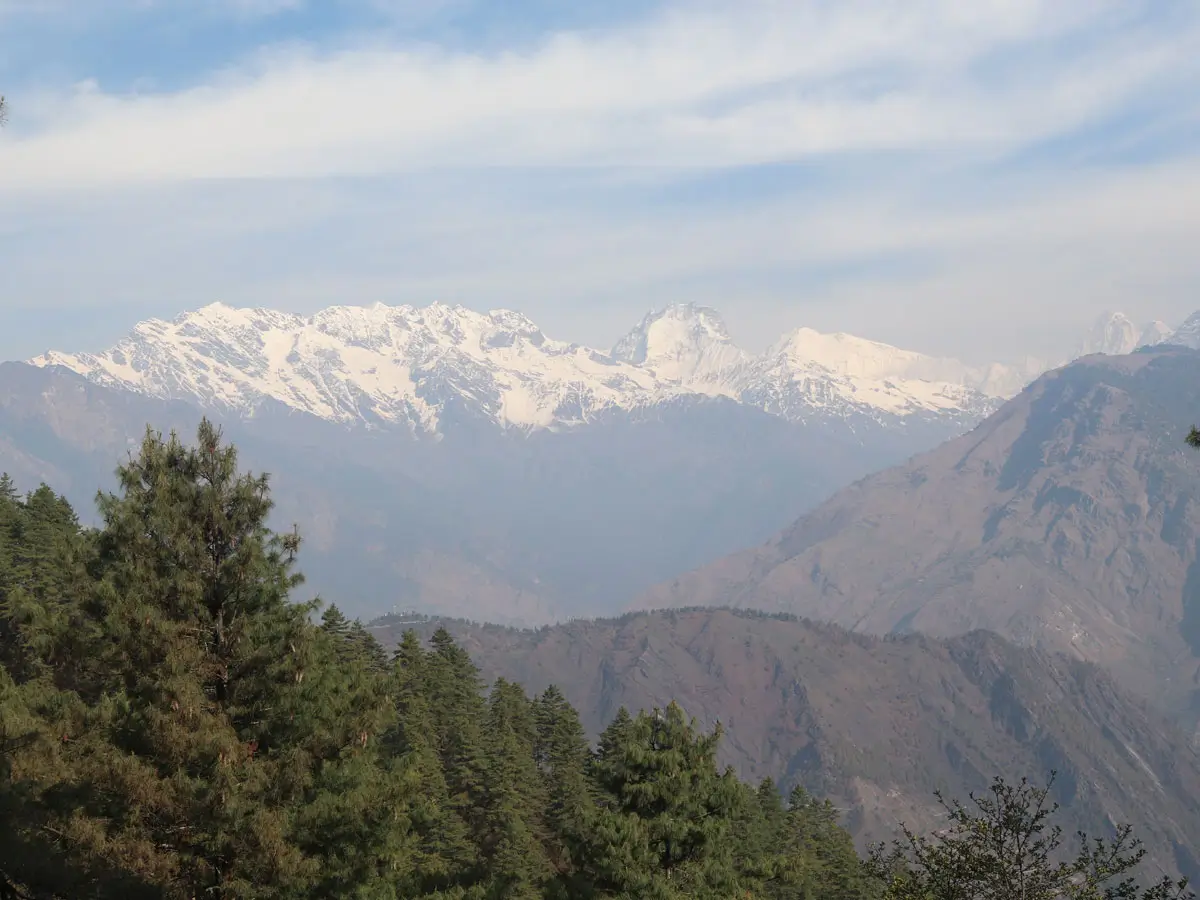
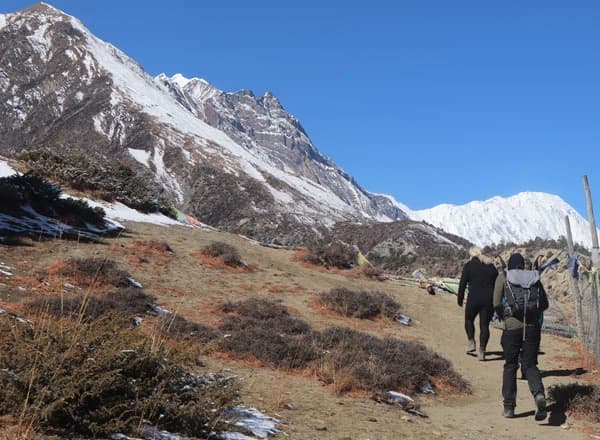
Landscape in Langtang!
Difficulty of Trek in Langtang Valley Trek in February
The Langtang Trek in February is rated moderate, with noticeable and manageable winter conditions.
Physical Demand
Most trekking days involve 5-7 hours of walking on a well-defined trail that includes gradual ascents, some steeper sections, and occasional rocky or icy stretches. The total elevation gain from Syabrubesi (1,460m) to Kyanjin Gompa (3,870m) is significant but spread over several days, allowing natural acclimatization when paced properly.
Altitude Factor
The highest overnight point of the Langtang Valley Trek is Kyanjin Gompa at 3,870m, and the optional side hikes reach higher (Kyanjin Ri- 4,773m). The oxygen levels and the cold can make the effects of altitude feel stronger at this elevation. The cold can make altitude feel more demanding, so slow walking, hydration, and rest days remain important. Most healthy trekkers manage well with good support; common altitude symptoms include:
Headache
Loss of appetite or nausea
Fatigue or unusual tiredness
Shortness of breath even at rest
Difficulty sleeping
Dizziness
Prevention strategies that work well in February
Walk slowly and steadily (“pole pole” pace)
Stay well hydrated (warm drinks help in cold weather)
Avoid alcohol and smoking
Listen to your body and communicate any symptoms early to your guide
Consider Diamox only after consulting a doctor before the trek
Most healthy trekkers adapt well to altitude when they follow these steps. Serious altitude sickness is uncommon but must be taken seriously; the only reliable treatment is to descend.
Winter-Specific Challenges
Cold mornings and nights require stronger layering and mental readiness.
Light snow or frost can make some sections slippery and slower.
Shorter daylight hours mean less margin for late starts or delays.
Teahouse facilities may be more basic, so comfort depends heavily on your own gear.
These factors slightly increase the difficulty compared to the same trek in milder months but do not make it a technical or extreme route. No ropes, ice axes, or mountaineering skills are needed for the main trail.
Suitability for Beginners
Fit beginners with proper preparation can complete the trek successfully in February; they should prioritize:
Good fitness (regular walking or stair training in the weeks before)
Quality winter gear
A local guide for trail conditions and pacing advice
A realistic itinerary with buffer days
Overall Verdict
February is more demanding than October or March due to cold and possible ice, but it remains achievable and highly rewarding for prepared trekkers.
Quick Difficulty Breakdown
Factor
Level in February
Notes
Physical Effort
Moderate
Steady multi-day 5-7 hours hiking
Altitude
Moderate
Max overnight 3,870m
Technical Difficulty
Low
No climbing skills needed
Winter Conditions
Moderate
Cold + possible snow/ice
Beginner Suitability
Good with preparation
Guide recommended
With the right mindset and support, most people who can hike regularly will find the Langtang Valley Trek in February challenging in a positive way and deeply satisfying.
Accommodation on the Langtang Valley Trek in February is based on the classic teahouse system, and most lodges along the main route stay open throughout the month, offering simple but welcoming mountain hospitality even in the quieter winter season.
What to Expect in February Teahouses
Rooms are basic twin beds with foam mattresses, blankets, and shared or occasionally private bathrooms. The real warmth comes from the dining hall, where a central stove or gas heater creates a cozy gathering space after a cold day on the trail. In February, with fewer trekkers, these dining areas often feel more personal and relaxed.
Key Stops and Availability
Syabrubesi and lower villages: Good choice of lodges with more facilities.
Bamboo and Lama Hotel: Reliable mid-route options.
Langtang Village: Several teahouses continue to operate; rooms are easier to secure than during peak season.
Kyanjin Gompa: The highest and coldest stop. A handful of lodges stay open year-round.
Facilities and Comfort Tips
Hot showers (often gas or solar) are available at many places for an extra fee, but water can be limited or lukewarm in deep winter. Charging phones and cameras usually costs a small amount, and Wi-Fi (where available) is slow and unreliable. Power banks are essential because cold temperatures drain batteries quickly.
Because rooms stay cold, a quality four-season sleeping bag (or at least a warm three-season bag with liner) makes a major difference in comfort. Many trekkers also wear thermal layers to bed. Blankets provided by the lodge help, but they are rarely enough on their own at higher elevations.
Food and Atmosphere
Dining halls serve the standard trekking menu including dal bhat, noodles, soups, fried rice, Tibetan bread, and hot drinks. In February, the kitchens focus on warming, energy-rich meals. With fewer guests, you often get more attention from the owners and a chance to chat about local life.
Practical Advice for February
Book through a trusted local company or guide so rooms are confirmed in advance.
Carry your own sleeping bag rated for at least -10°C to -15°C.
Expect simpler conditions and embrace the authentic mountain lodge experience.
The quieter atmosphere is one of the season’s hidden advantages; evenings feel more peaceful and conversations more genuine.
Overall, accommodation in February is reliable on the main Langtang route. It prioritizes warmth, basic comfort, and local hospitality over luxury. For most trekkers, this is exactly what makes the winter experience feel authentic and memorable.
Langtang Trekking Trail!
Food Available on the Langtang Valley Trek in February
Food on the Langtang trek in February is simple, nourishing, and focused on keeping you warm and energized. The teahouses along the route serve a reliable mountain menu that has sustained trekkers for decades. While the selection is not gourmet, the meals are filling, freshly prepared, and exactly what the body needs after long days in winter air.
Typical Menu Items
Most lodges offer a consistent range of options:
Dal Bhat (lentil soup with rice and vegetable curry), the classic energy meal, often available for refills
Noodle soups and thukpa
Fried rice, fried noodles, and pasta
Tibetan bread, chapati, or pancakes
Eggs (boiled, fried, or omelet)
Porridge or muesli for breakfast
Momos (dumplings) when available
Soups, garlic soup (popular for altitude), and hot drinks
In February, the kitchens lean toward warmer, higher-calorie dishes; the owners understand that cold weather increases appetite and the need for steady energy.
Hot Drinks Matter More in Winter
The ginger tea, lemon-honey tea, milk tea, black tea, coffee, and hot chocolate become daily essentials, and many trekkers drink several cups throughout the day to stay hydrated and warm. Warm fluids also help with acclimatization and recovery.
Eat regularly even if cold reduces your appetite; skipping meals makes altitude and fatigue worse.
Dal Bhat remains the smartest choice for sustained energy; it is inexpensive, nutritious, and usually the freshest option.
Carry a few personal snacks (nuts, energy bars, chocolate, dried fruit) for the trail between teahouses.
Tell your guide or lodge owner about any dietary preferences early; the vegetarian options are widely available; vegan or gluten-free requests are possible but more limited higher up.
Expect slightly simpler menus and longer cooking times in quieter February lodges compared with peak season.
The Social Side of Meals
With fewer trekkers, dining halls feel more intimate, and evenings often turn into relaxed conversations with local hosts and other travelers around the stove. Food in February is not about variety or presentation; it is about warmth, fuel, and genuine mountain hospitality. When prepared properly and eaten mindfully, the simple teahouse meals become a reliable and comforting part of the journey.
Culture and Etiquette of Langtang Valley Trek
The Langtang region is home to the Tamang people, whose culture and Tibetan-influenced Buddhist traditions form an essential part of the trek, and when visitor numbers are low, this cultural side of the journey becomes especially noticeable and rewarding in February.
Tamang Life in Winter
Daily life continues at a steady and practical pace in February; the families care for livestock, maintain homes, and keep religious routines. You will see prayer flags moving in the cold wind, mani walls lining the trail, chortens standing against snowy backdrops, and small monasteries still active. The ancient monastery and the local cheese factory remain open, offering genuine insight into highland life at Kyanjing Fompa.
February is quieter, and interactions with local people often feel more natural. Lodge owners have more time to talk, and you may learn about winter herding practices, family stories, or the meaning of certain Buddhist symbols without the rush of peak-season tourism.
Respectful Behavior on the Trail
A few simple guidelines help you travel responsibly and leave a positive impression:
Always walk clockwise around mani walls, chortens, and prayer wheels.
Ask permission before photographing people, especially older residents or monks.
Dress modestly in villages; covering shoulders and knees is appreciated.
Remove shoes when entering a monastery or private home if requested.
Speak quietly near religious sites and avoid touching sacred objects.
Support local families by eating and sleeping in their teahouses rather than only the largest lodges.
Winter Hospitality
In the colder months, the warmth of Tamang hospitality stands out more clearly. After a freezing day on the trail, being welcomed into a simple dining hall with hot tea and a smile carries extra meaning. Many trekkers remember these quiet human moments as strongly as the mountain views.
Cultural Highlights Specific to February
The lower crowds allow more space and time at important places. You can sit longer at the monastery in Kyanjin Gompa, watch prayer flags against clear winter skies, or observe village life without feeling like part of a large group. The season itself becomes part of the cultural experience, seeing how local communities live with the cold and the mountains year after year.
Trekking through Langtang in February is not only about scenery. It is also an opportunity to meet a resilient mountain culture on its own terms and to practice the kind of respectful travel that makes the encounter meaningful for both sides.
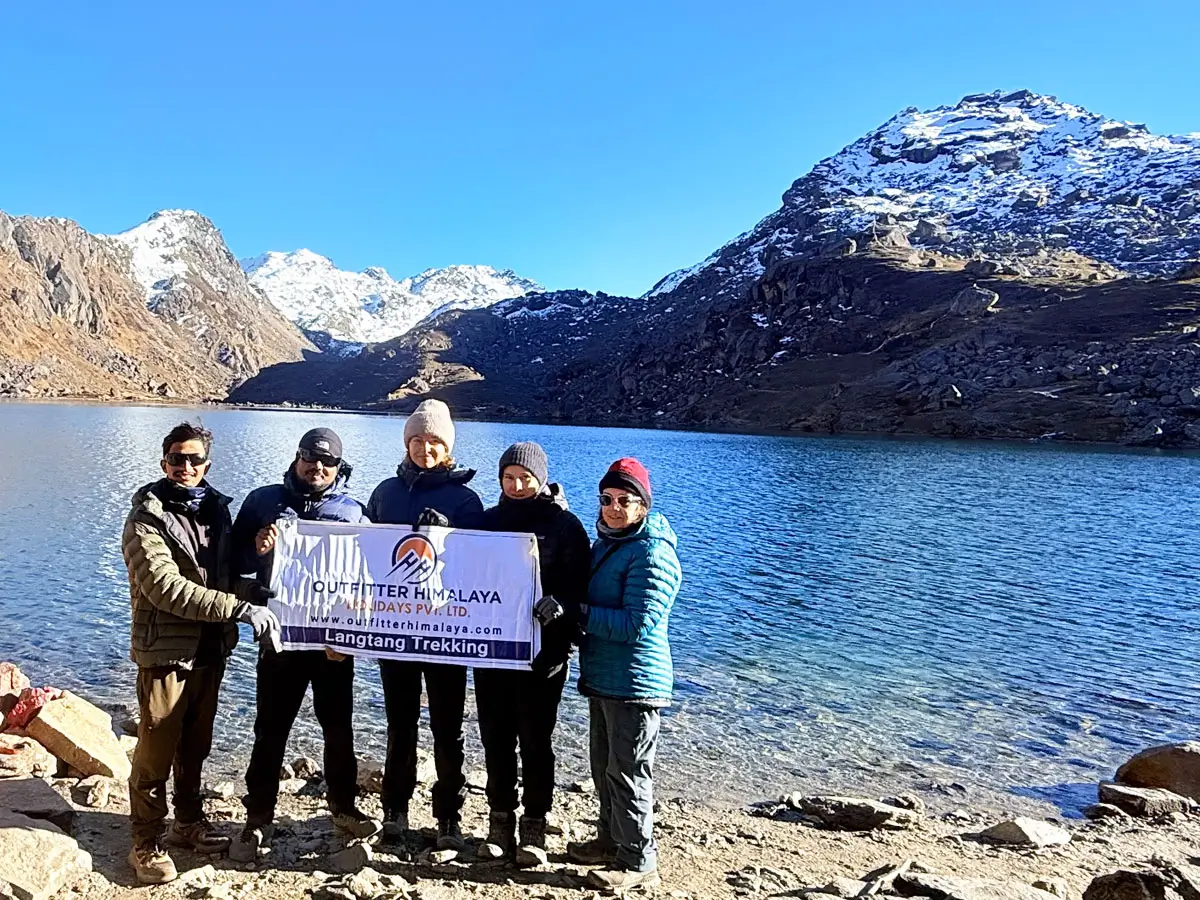
The Gosaikunda Lake!
Packing List for Langtang Valley Trek in February
Packing correctly for the Langtang Trek in February makes a clear difference in comfort and safety. February demands real winter preparation, even though daytime conditions are milder. Focus on a solid layering system, reliable warmth for nights, and gear that handles possible snow and ice.
Clothing – Layering System
Thermal base layers (top and bottom) – moisture-wicking
Fleece or insulated mid-layer
Down or synthetic insulated jacket
Waterproof and windproof outer shell jacket
Trekking trousers (one or two pairs)
Warm socks (several pairs of wool or synthetic)
Gloves (thin liner + warm insulated pair)
Warm hat or beanie that covers the ears
Neck gaiter or buff
Sun hat for daytime
Footwear
Waterproof trekking boots with good ankle support and strong grip (well broken-in)
Camp shoes or sandals for evenings in teahouses
Gaiters (useful if there is snow)
Sleeping Gear
Four-season sleeping bag rated to at least -10°C to -15°C (or a good three-season bag with liner)
Sleeping bag liner for extra warmth and hygiene
Trekking Equipment
Trekking poles (highly recommended for stability on icy or uneven sections)
Headlamp with spare batteries
Daypack (25–35 liters) with rain cover
Reusable water bottles or hydration system (insulated if possible)
Microspikes or light traction devices if you expect icy conditions (ask your guide for current advice)
Packing Philosophy for February
Carry enough to stay warm and safe, but avoid overpacking while trekking in February. Teahouses provide meals and basic bedding, so you do not need to bring everything. Test your boots and layering system before the trek so nothing is new on the trail.
With the packing list, most trekkers find February conditions comfortable and manageable. The right gear allows you to focus on the scenery, the quiet trails, and the experience rather than the cold.
Expert Tips for Trekking Langtang Valley in February
These practical tips come from years of guiding and trekking the Langtang Valley in winter conditions. Following them will make your February journey safer, comfortable, and enjoyable.
Start Early Every Day: February days are still relatively short; leaving the teahouse soon after breakfast gives you maximum daylight, better morning views, and a safer margin if the trail is slower due to frost or snow.
Master the Layering System: Temperatures swing sharply between freezing mornings and milder afternoons. Wear thin base layers that you can easily add or remove. Overheating while climbing and then chilling at rest stops is one of the most common comfort problems in February.
Prioritize a Warm Sleeping Bag: Teahouse rooms are unheated; a sleeping bag rated for at least -10°C (or a good three-season bag plus liner) is one of the single most important items for rest and recovery at Langtang Village and Kyanjin Gompa.
Use Trekking Pole: Poles improve balance on icy patches, reduce strain on knees during descents, and give extra confidence on snow-dusted trails. Most guides consider them essential rather than optional in February.
Keep Electronics Warm: Cold drains batteries quickly, So, store your phone, power bank, and camera batteries inside your jacket or sleeping bag when not in use.
Hydrate with Warm Drinks: Thirst signals are weaker in cold weather. So, drink regularly and choose warm teas or soups in the evenings.
Respect the Optional Side Hikes: Kyanjin Ri and Tserko Ri can be spectacular in February, but only attempt them when the weather is stable, the trail is clear enough, and you feel strong.
Book with Local Knowledge: A guide who knows the current February conditions can adjust the pace, confirm open teahouses, and read weather signs that visitors often miss. This support is especially valuable when snow or ice is present.
Embrace the Quiet: February’s lower crowds are a gift, So, use the silence to walk more mindfully, talk with local hosts, and notice details that busy seasons often hide.
Stay Flexible: Mountain weather can still change. Build one buffer day into your itinerary if possible and be ready to adjust plans. The best February treks are those that adapt to the mountains rather than force a rigid schedule.
These tips are simple but consistently effective. Combined with proper gear and a positive mindset, they turn the challenges of February into manageable parts of a deeply rewarding Himalayan experience.
Langtang Himalaya!
FAQs for Langtang Trek in February
Is the Langtang Valley Trek possible in February?
Yes, the Langtang route remains open and is regularly completed by prepared trekkers throughout February.
How cold does it get on the Langtang in February?
At Kyanjin Gompa (3,870m), nighttime temperatures often fall between -8°C and -12°C, and daytime temperatures higher up typically range from -2°C to 8°C.
Does it snow in the Langtang Trek in February?
Light snow is possible, especially around Langtang Village and Kyanjin Gompa. Heavy continuous snowfall is less common than in January, but frost and icy patches can still appear on the trail.
Are teahouses open in February?
Yes, most teahouses along the route from Syabrubesi to Kyanjin Gompa stay open, and availability is usually good because fewer trekkers visit in this month.
Is February a good month for beginners to trek in Langtang?
Fit beginners, with proper preparation and a guide, can complete the trek, and it is more demanding than spring or autumn due to cold and possible ice, so realistic fitness and gear are important.
How difficult is the Langtang Trek in February compared to other months?
It is slightly more difficult than peak season due to cold temperatures, shorter days, and possible snow or ice. The trail itself does not become technical.
Can I hike Kyanjin Ri in February?
Yes, but only if weather and trail conditions are safe; many trekkers succeed on clear days. It should always be treated as optional and decided on the morning of the hike with your guide.
Do I need a guide for the Langtang Trek in February?
A licensed local guide is strongly recommended; guides provide current trail information, help with teahouse arrangements, and add an important safety layer in winter conditions.
Is travel insurance necessary?
Yes, your insurance must cover trekking up to at least 4,000–5,000 meters and include helicopter evacuation. Standard travel policies often exclude high-altitude trekking.
How is the mobile network and charging situation?
Mobile signal is limited and unreliable above Lama Hotel. Charging is available at most teahouses for a small fee, but cold weather drains batteries quickly, so a power bank is essential.
Is drinking water safe on the Langtang trail?
Tap or stream water should be treated; use purification tablets, a filter, or boiled water provided by teahouses.
The standard route is a private or shared jeep/bus from Kathmandu to Syabrubesi (7–8 hours). No domestic flight is required.
How crowded is the Langtang in February?
It is one of the quieter months; you will meet other trekkers, but the trails and teahouses feel significantly less busy than in October, November, or March and April.
What should I pack differently for February compared to spring?
Prioritize a warmer sleeping bag, stronger insulated jacket, quality gloves, and trekking poles. Gaiters and extra thermal layers are also more useful than in milder seasons.
Are hot showers available?
Many teahouses offer hot showers for an extra charge, but the water may be limited or only lukewarm in February. Availability decreases at higher elevations.
How many days do I need for the Langtang Valley Trek in February?
Most trekkers complete it comfortably in 7 to 9 days, including the drive from Kathmandu and a buffer or exploration day at Kyanjin Gompa.
Is altitude sickness a bigger risk in February?
Altitude risk remains the same year-round, but cold can mask early symptoms. Slow pacing, hydration, and a rest day at Langtang Village are still the best prevention methods.
Can I do the trek independently in February?
Independent trekking is possible, but a guide is strongly advised for safety, current condition updates, and smoother logistics during the winter season.
Why choose Outfitter Himalaya for a February Langtang trek?
Our local team has extensive winter experience on this route. We arrange reliable guides, confirm open teahouses, monitor conditions, and design flexible itineraries suited to February’s unique challenges and rewards.
Conclusion: Trekking in Langtang in February
The Langtang Trek in February offers something increasingly rare in the Nepal Himalayas: a genuine winter experience that still feels accessible and deeply rewarding. It is not the easiest month, nor the warmest, but it delivers a powerful combination of quiet trails, sharp mountain views, snow-touched landscapes, and authentic Tamang hospitality that many trekkers remember long after they leave the valley.
February sits in a sweet transitional space. The deepest cold of January has begun to ease, daylight stretches a little longer, and the upper valley still carries the dramatic beauty of winter snow. At the time, the trails remain peaceful and the teahouses welcoming. Reaching Kyanjin Gompa under clear skies, watching prayer flags move against snow-covered peaks, and sharing simple meals in quiet dining halls creates a sense of connection that peak-season crowds often dilute.
The Annapurna Circuit Trek covers approximately 102 kilometers of walking on Outfitter Himalaya’s classic 15-day itinerary, including the Manang acclimatization hike. The journey unfolds through riverside forests, mountain villages and open valleys before crossing Thorong La [...]
The Annapurna Circuit Trek costs about USD 650–1,900 per person with Outfitter Himalaya, depending on the itinerary, group size, and services included. Outfitter Himalaya’s 15-day Classic Annapurna Circuit Trek has published group-size prices of USD [...]
Foreign trekkers need a trekking permit to trek the Annapurna Circuit, and we suggest settling it before you head out. Arranging the correct paperwork before departure helps avoid extra charges and interruptions once your journey [...]