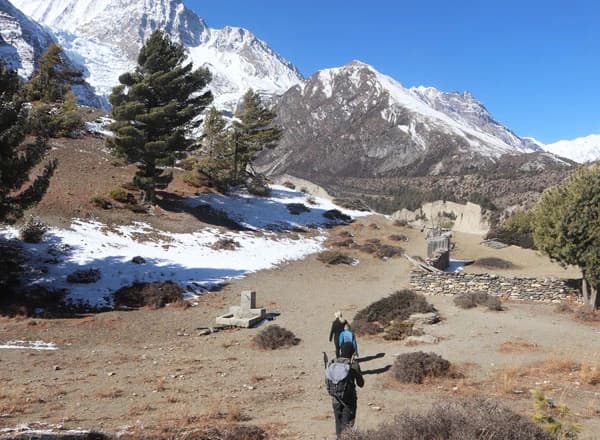
Manaslu Circuit Trekking in December is a genuine winter journey that reveals the circuit at its quietest and most dramatic. The autumn crowds have gone, the skies are often crystal clear, and the high trail around Manaslu and Larkya La Pass (5,106m) feels raw and untouched.
In December, temperatures drop sharply above 3,500m; nights at Dharamsala or near the Larkya La Pass (5,106m) can reach –15°C; light to moderate snow is common; and the pass itself can become difficult or temporarily closed after heavy snowfall.
The Teahouses remain open, a licensed guide is mandatory, proper four-season gear is essential, and early December is generally safer than late December. December Manaslu Trek offers one of the most peaceful and powerful winter experiences in the Nepal Himalayas.
Manaslu Trekking in December: Crossing Larkya with Clear Skies, Empty Trails and Raw Himalayan Silence
The Manaslu Circuit in December has a moment when the noise of the world falls away, as the large autumn groups have already left. The trail, which only weeks earlier carried a steady stream of trekkers, now feels wide open and almost private. What remains is the mountain itself, vast, snow-dusted, and unfiltered. Snow edges the high ridges. The air turns sharp and clean, and suddenly you realize you are walking through one of the most dramatic and least crowded winter landscapes in the Nepal Himalayas.
Manaslu Trekking in December is not the polished, comfortable version of the circuit that most people experience in October or November. It is a quieter, harder, and more elemental journey. The route still follows the classic path along the Budhi Gandaki River, climbing through Gurung and Tibetan-influenced villages, past ancient monasteries and finally over the high Larkya La Pass at 5,106 meters, but the character of the trail changes in December.
The lower sections remain relatively mild during the day, yet as you gain height the cold becomes a constant companion. Nights grow sharp, and snow begins to appear more consistently above Samagaun and Samdo. The pass itself demands respect. The views of Manaslu (8,163m) and its surrounding giants are almost overwhelming in their clarity on good days.
What December offers in return is rare: the skies are frequently crystal clear, giving long, uninterrupted views of Manaslu (8,163m) and the surrounding peaks. The teahouses that stay open feel more personal and conversations with local families last longer. The sense of remoteness deepens, and you are no longer sharing the trail with dozens of other groups; you are moving through a high Himalayan landscape that feels closer to its natural state.
This is not a trek for first-time trekkers or for anyone underestimating winter conditions, as it requires solid previous trekking experience, excellent cold-weather gear, and a willingness to adapt when snow or wind changes the plan.
Yet for those who come prepared, Manaslu in December delivers something that the busier seasons cannot: a deep, quiet encounter with one of Nepal’s most beautiful circuits. The mountains feel closer, and the effort feels more meaningful. And the memory of crossing Larkya La under a hard blue winter sky tends to stay with people long after they have returned home.
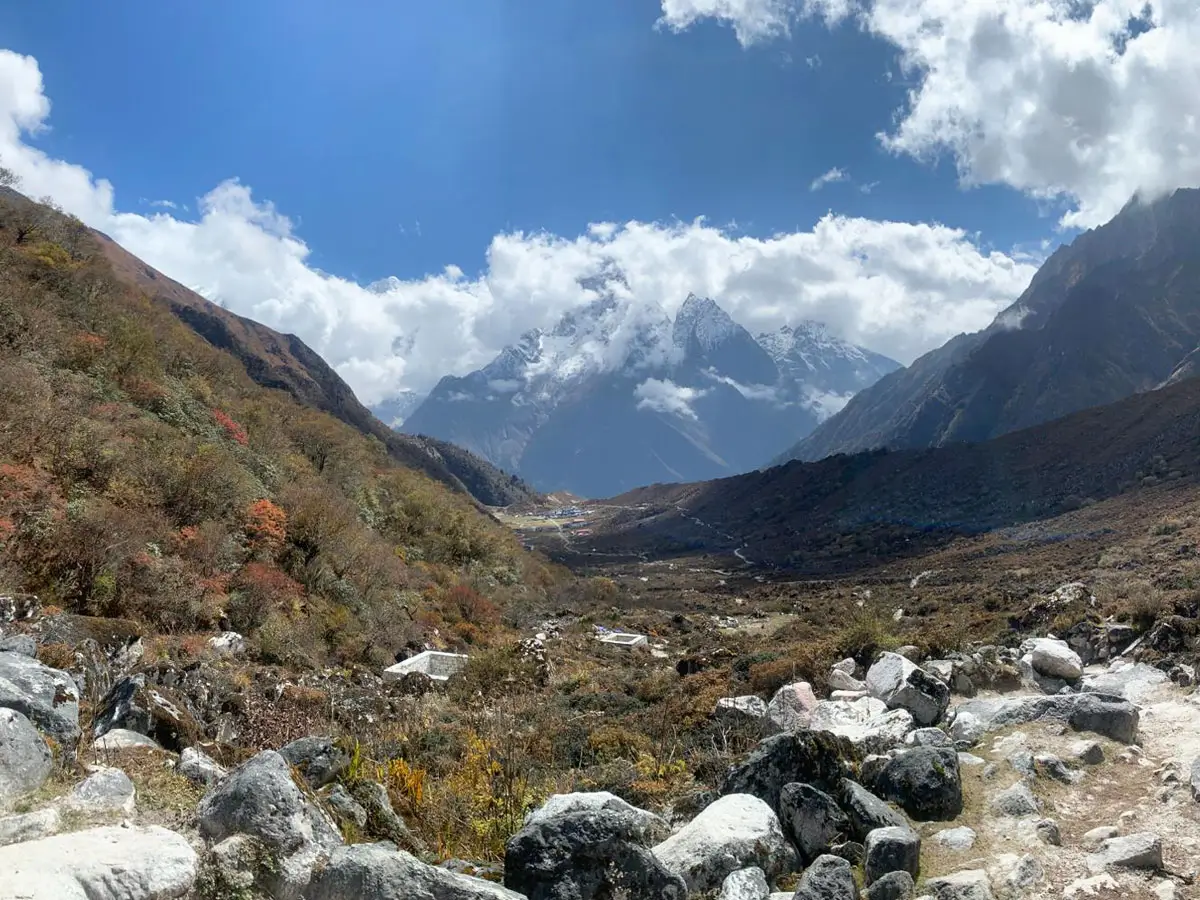
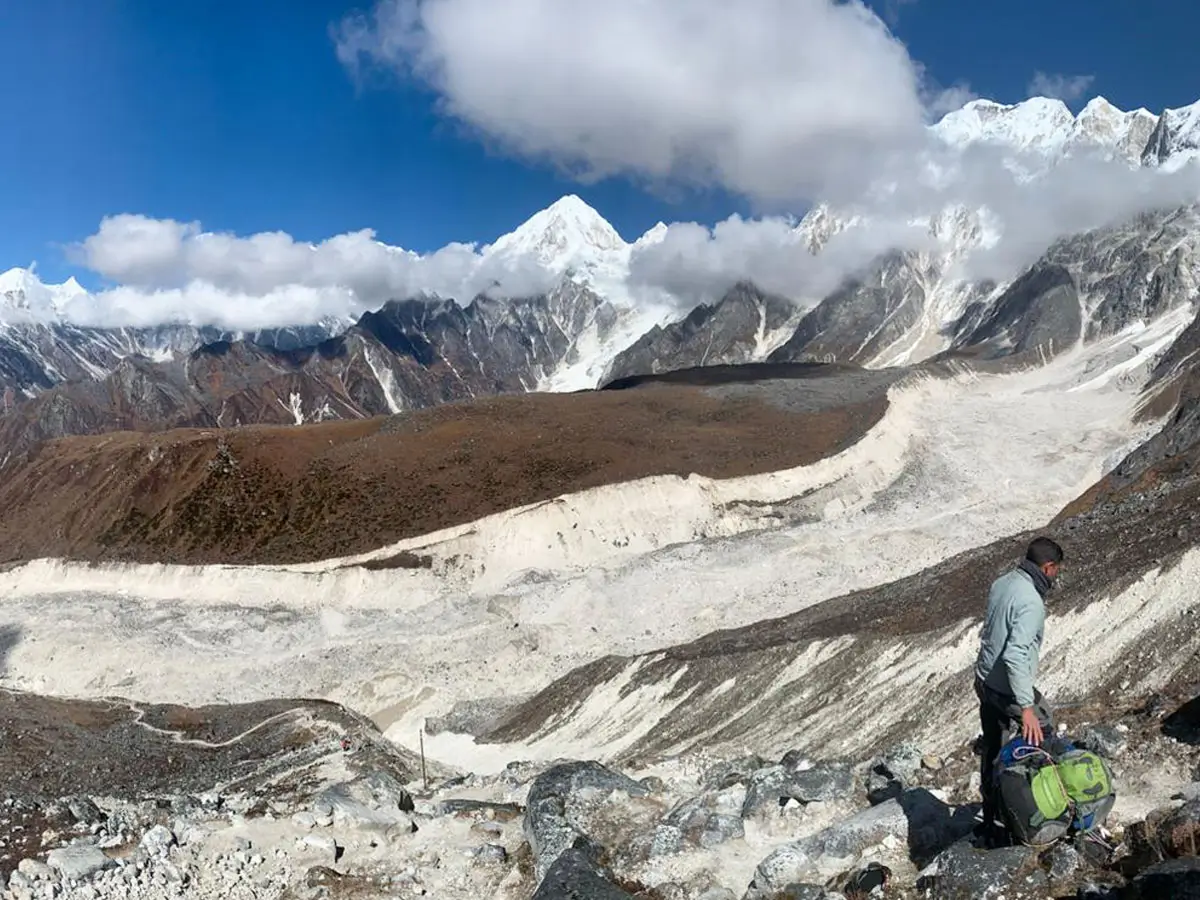
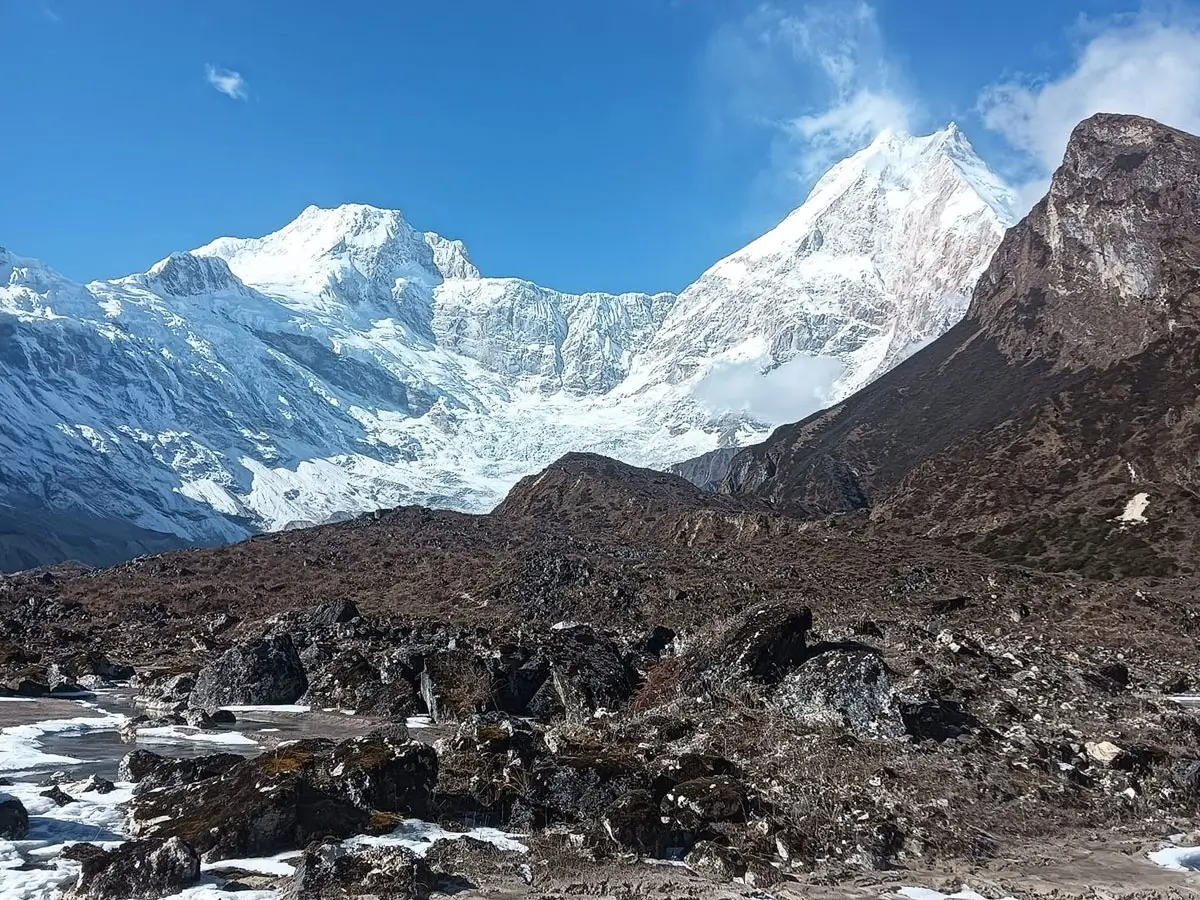
Himalaya view in Manaslu Trail!
Best Manaslu Trek for December
There are many trekking itineraries for the Manaslu trek in November, and we have compiled some of the most popular Manaslu Packages for November below. Let us know if these programs are not suitable for you, and we will look for a customized Manaslu Trek.
Manaslu Circuit Trek – 14 Days: This 14-day trek is suitable for those seeking an all-inclusive package with a Kathmandu tour and hotel arrangements from arrival to departure.
Short Manaslu Trek – 11 Days: The Short Manaslu Trek is suitable for those already in Kathmandu or who want to make their own arrangements in Kathmandu and book the trekking part.
Tsum Valley Trek – 18 Days: The Tsum Valley Trek is another popular trek in the Manaslu Region and is suitable for those looking to explore Nepal's cultural trail.
Tsum Valley - Manaslu Trek - 22 Days: This is a long, combined trek that covers the Tsum Valley and Manaslu-Larke La Pass and is suitable for those looking to spend many days in the Himalayas.
Manaslu Trek starts from Pokhara: Pokhara – Manaslu Trek is suitable for those already in Pokhara or who want to start and end the Manaslu Trek there.
Comfort Manaslu Trek – 17 Days: The Comfort Manaslu Trek is suitable for those seeking a more luxurious experience of the Manaslu Circuit, with stays at the best available lodges along the trail and a 4-star hotel in Kathmandu. The Comfort Manaslu Trek is an all-inclusive package with private Jeep transport, 4-star hotels, a guide, a porter, and the best available accommodation along the trail.
Major highlights of Manaslu Circuit Trek in December
Manaslu Trek in December delivers a rare combination of solitude, drama, and pure mountain intensity. Here are the experiences that define the winter journey in Manaslu:
Profound solitude on a classic high route: The autumn crowds disappear. Long stretches of trail feel almost private, giving you space to absorb the scale of the mountains fully.
Crystal-clear views of Manaslu and more than two dozen surrounding giants: Cold, dry air often produces some of the sharpest visibility of the year. From the trail you can see Manaslu (8,163m), Himalchuli, Ngadi Chuli, Shringri Himal, Ganesh Himal and the surrounding peaks standing sharp against the winter sky.
The raw challenge of Larkya La Pass in winter: Crossing the 5,106m pass under winter conditions is a genuine high-altitude achievement. Snow, cold, and exposure turn it into a memorable test of preparation and determination.
Nubri Valley and its deep Tibetan cultural heart: The upper Manaslu region, known as Nubri, carries a strong Tibetan Buddhist character. Villages feel remote and authentic, especially in the quieter winter months.
Pungyen Monastery and sacred landscapes: The short side trip to Pungyen Gompa offers both spiritual atmosphere and outstanding views of Manaslu. In December, the setting feels particularly powerful and peaceful.
Birendra Lake beneath Manaslu: This sacred glacial lake near Samagaun sits in a dramatic amphitheater of peaks. In winter the surrounding snow and ice make the place feel even more striking.
Tibet border views from Samdo: From the high village of Samdo you can look across toward the Tibetan plateau. The sense of standing on the edge of two worlds is especially strong in the clear winter air.
Rich multiethnic village life: The trail passes through a fascinating mix of communities — Brahmin, Chhetri, Dalit, Gurung, Sherpa and Tibetan-influenced people. In December, with fewer trekkers, these cultural encounters often feel more genuine and unhurried.
Snow-dusted high valleys and alpine landscapes: Above Samagaun and Samdo, the trail takes on a true winter character. Fresh snow, frozen streams, and white ridges create a completely different atmosphere from that of autumn.
Intimate teahouse experiences: With fewer trekkers, the lodges that remain open feel more personal. Evenings around the stove become quieter and more meaningful.
A true sense of expedition: December strips away the comfort of peak season and returns a feeling of real exploration. Every day feels earned.
Lower permit costs and practical advantages: Restricted Area Permit fees are reduced in winter, and logistics are often simpler with fewer people on the trail.
Unforgettable winter light and photography: Low-angle sun, long shadows, and snow-covered peaks create powerful images that are difficult to capture in busier months.
These highlights make December one of the most distinctive times to experience the Manaslu Circuit. It is not the easiest month, but for the right trekker it is one of the most rewarding.
Most people experience the Manaslu Circuit when the trail is busy and the weather is mild. December offers something completely different: a harder, quieter, and far more intense version of the same route. Here is why some trekkers deliberately choose December.
See Manaslu and the Surrounding Peaks with Exceptional Clarity: The cold, dry air of December often produces some of the clearest mountain views of the entire year. Manaslu rises with striking definition, and on good days you can pick out more than two dozen peaks stretching across the horizon. The winter light is sharp and low, creating long shadows and dramatic contrasts that make the mountains feel closer and more powerful than they do in the busier seasons.
Experience the Circuit at its Quietest: True Solitude on a Classic High Route: By December, the large groups have gone, and you can walk for hours hearing only the wind, the river, and your own footsteps. This level of quietness is increasingly rare on Nepal’s great circuits and changes the entire emotional tone of the journey.
A Genuine Sense of Expedition: Snow can appear on the upper trail, and Crossing Larkya La becomes a more serious undertaking. These challenges return a real expedition feeling that many people find missing from standard treks. Every day feels earned, and finishing the Circuit carries a deeper sense of achievement.
Exceptional Visibility and Winter Light: The dry air of December often produces some of the clearest mountain views of the year. Low winter sun creates long shadows, sharp contrasts, and dramatic light that photographers and mountain lovers remember for years.
Enjoy Deeper Cultural Encounters: With fewer trekkers on the route, the multiethnic villages and the Tibetan-influenced settlements of Nubri feel less like stops on a tourist trail and more like living communities; conversations with local people last longer. The rhythm of daily life becomes easier to notice. In the quieter atmosphere of December, cultural experiences often feel more genuine and memorable.
Visit Sacred Places in Their Quietest Form: Pungyen Monastery, Birendra Lake, and the high villages near the Tibet border take on a different atmosphere when the trail is empty. The silence deepens the atmosphere. These places feel more contemplative and powerful in the stillness of winter, offering moments of stillness that are harder to find during the crowded months.
The Reward of Doing Something Few Attempt: Completing the Manaslu Circuit in December is not a standard tick on a list. Relatively few people complete the Manaslu Circuit in December. Those who do carry a different kind of story home, including one of cold mornings, empty trails, and the satisfaction of meeting a great Himalayan route on its more serious terms. That feeling tends to stay with people long after they have left the mountains.
December is not the easiest time to trek Manaslu. It asks for experience, strong gear, and respect for the mountains. But for those who want more than a standard trek and who want the Circuit at its most raw and memorable — December offers something special.
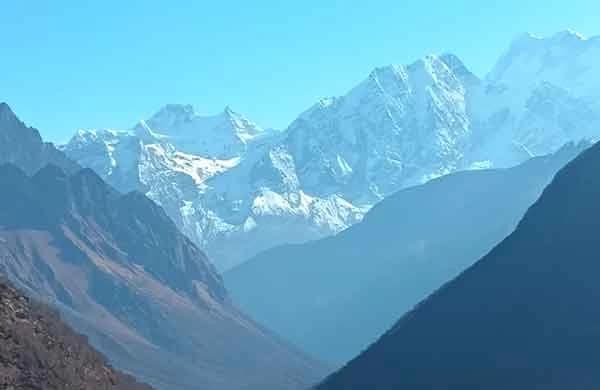
Manaslu Himalaya!
Weather and Temperature of Manaslu Circuit in December
December marks the true beginning of winter on the Manaslu Circuit. The monsoon is long gone, as the autumn crowds have left, and the region settles into a cold, dry, and often brilliantly clear period. This is one of the most visually dramatic times of year on the trail, but it is also one of the most demanding in terms of temperature and exposure.
Overall December Character
The weather is generally stable in December with many days of bright sunshine and deep blue skies; however, the cold is constant and intensifies sharply with altitude. The lower sections of the trail can feel quite pleasant during the day, while the upper valley and Larkya La Pass enter serious winter conditions. The wind chill, short daylight hours, and the possibility of snowfall are important factors that shape every day on the route.
Temperature by Elevation
Temperatures vary dramatically depending on height. The following ranges are realistic averages based on typical December conditions:
Location
Elevation
Daytime Temperature
Night / Early Morning Temperature
MachhaKhola / Jagat
900–1,350m
8°C to 15°C
0°C to 5°C
Deng / Namrung
1,860–2,660m
4°C to 11°C
–5°C to 1°C
Lho / Samagaun
3,180–3,530m
0°C to 6°C
–10°C to –4°C
Samdo
3,860m
–2°C to 4°C
–14°C to –8°C
Dharamsala
4,460m
–5°C to 1°C
–18°C to –12°C
Larkya La Pass
5,106m
–8°C to –2°C
–20°C to –25°C (or lower with wind)
These figures can feel even colder when wind is present, especially on the exposed slopes leading to and across Larkya La.
Daily Weather Pattern
Mornings are usually the coldest and often the clearest part of the day. Many trekkers start walking in freezing temperatures, only to warm up once the sun rises higher. Midday can feel surprisingly comfortable in the lower and mid sections if you are moving and the sun is out. After mid-afternoon the temperature drops quickly, and by evening the cold returns strongly, particularly above 3,500m.
Wind and Wind Chill
The wind is a major factor in December; even on sunny days, strong winds at higher elevations can make the air feel much colder than the actual temperature. On Larkya La Pass, wind chill can become severe and is one of the main reasons early starts and proper layered clothing are essential.
Precipitation and Cloud
December is one of the drier months, so heavy rain is rare. However, light to moderate snowfall is possible, especially in the upper valley from mid-December onward. Cloud cover tends to be less persistent than in other seasons, which is why visibility is often excellent.
Early December vs Late December
Early December (roughly 1–15): Generally more stable, with a lower chance of heavy snow and slightly milder conditions. This is the preferred window for most winter attempts.
Late December (16–31): Colder overall, higher likelihood of snowfall, and greater chance that Larkya La becomes difficult or temporarily impassable.
What This Means for Trekkers
The weather in December rewards those who are properly prepared and punishes those who are not. Clear skies and stunning views are common, but the cold is unrelenting at height. Success depends less on perfect forecasts and more on good gear, conservative decision-making, and the experience of your guide to read conditions day by day.
December weather on Manaslu is honest. It shows you the mountains at their most beautiful and their most demanding at the same time.
Pros of trekking in Manaslu in December – Benefits of Manaslu Trek in December
Manaslu Trekking in December offers several clear advantages for the right kind of trekker:
Exceptional solitude: One of the quietest periods on the Manaslu Circuit. You can walk for long stretches without meeting other groups.
Outstanding winter visibility: Cold, dry air often produces some of the clearest views of Manaslu and more than two dozen surrounding peaks.
Stronger sense of achievement: Completing the circuit and crossing Larkya La in winter conditions feels more significant than doing it in peak season.
More meaningful local interactions: With fewer trekkers, conversations in the multiethnic villages and Nubri region tend to feel more personal and unhurried.
Dramatic winter scenery: Snow on the high trail, frozen landscapes, and sharp mountain light create a completely different atmosphere from autumn.
Peaceful visits to key highlights: Places like Pungyen Monastery, and Birendra Lake feel quieter and more powerful.
Better photography conditions: Low winter sun, clean air, and snow contrasts offer excellent opportunities for dramatic images.
Less pressure on logistics: Easier to arrange good guides, porters, and rooms compared to the crowded autumn months.
Cons of Manaslu Circuit Trek in December – Disadvantages of Manaslu Trek in December
Manaslu Trekking in December is rewarding, but it comes with real challenges that you should understand clearly.
Severe cold at higher elevations: Nights above 3,500m are bitterly cold, and temperatures in Dharamsala and near the Larkya La can drop to –15°C to –25°C. Without proper four-season gear, this becomes dangerous rather than merely uncomfortable.
Snow and difficult trail conditions: Light to moderate snow is common on the upper trail in December. After heavier snowfall, sections near Samdo, Dharamsala, and Larkya La can become slippery, harder to follow, or temporarily blocked.
Larkya La Pass is more serious in winter: Crossing the 5,106m pass in December requires early starts, good weather, and careful decision-making, and the strong winds, ice, and deep snow can turn it into a demanding and potentially risky day.
Shorter daylight hours: Winter days are short, which reduces flexibility, and you must start early and keep a steady pace, especially on the pass day.
Higher physical and mental demand: The combination of cold, altitude, possible snow, and remote terrain makes the trek noticeably harder than in autumn. It is not suitable for beginners or anyone without previous high-altitude experience.
Snow Conditions and Larkya La Pass in December
Snow is one of the defining features of Manaslu Trekking in December; the Manaslu Region transforms into a true winter landscape, which adds beauty and atmosphere, and at the same time introduces the most serious challenges of the entire journey. Understanding how snow behaves on this route – especially around Larkya La – is essential for anyone considering a December crossing.
Where and when snow appears
In the lower and mid sections of the trail (up to roughly Namrung and Lho), snow is usually light or absent. The frost and icy patches are more common than deep snow. As you climb toward Samagaun, Samdo and Dharamsala, the chances of encountering snow rise steadily, and by the time you reach the high camp at Dharamsala (4,460m) and the approach to Larkya La, snow cover is frequent and can range from a light dusting to deeper accumulations depending on recent weather.
Early December generally sees less snow than the second half of the month. From mid-December onward, the frequency and depth of snowfall tend to increase, and the pass becomes more vulnerable to temporary closure sometimes.
Snow on the Trail in December
When snow is present, the path can become harder to follow, the footprints disappear, and trail markers can be buried. The Icy sections form on steeper slopes and in shaded areas; good boots and microspikes or light crampons are highly recommended. Trekking poles become almost essential for balance and confidence, and the most affected areas are typically:
The trail between Samdo and Dharamsala
The long climb from Dharamsala toward Larkya La
The pass itself and the initial descent toward Bimthang
Larkya La Pass in December
The Larkya La (5,106m) is the highest and most exposed point on the Manaslu Circuit Trek and demands real respect in December. The temperatures on the pass can fall to –20°C or lower, and wind chill can make it feel even colder. The combination of altitude, cold, possible deep snow, and strong wind turns this crossing into the most serious day of the trek. Successful December crossings usually depend on three things:
A stable weather window
An early start (often leaving Dharamsala well before dawn)
A guide who knows the current snow conditions and can make a sound go/no-go decision
If heavy snow has fallen recently, or if high winds and poor visibility are present, the pass may become unsafe. In such cases, the correct decision is to wait or turn back. Attempting to force a crossing in bad conditions is one of the biggest risks on this route in winter.
Avalanche and Terrain Considerations
While major avalanches are not an everyday occurrence, certain slopes on the approach to Larkya La can carry avalanche risk after heavy snowfall. Experienced guides assess these slopes carefully and choose the safest line, which is another reason why traveling with a knowledgeable local guide is not optional in December; it is a critical safety factor.
The Beauty Side of Snow
When conditions are good, the snow transforms the upper Manaslu region into one of the most beautiful winter landscapes in Nepal. The high valleys around Samagaun and Samdo, the frozen edges of Birendra Lake, and the white ridges leading to the pass create a dramatic and memorable setting.
Practical Reality
Snow in December is both a highlight and a hazard, and it is part of what makes the journey special, but it also requires better gear, more conservative planning, and greater reliance on your guide’s judgment than in the classic seasons. If you treat the snow with respect, you almost complete the circuit successfully. Those who underestimate it can face serious difficulties.
In short, snow defines Manaslu's character in December. It raises the stakes, deepens the beauty, and separates a standard trek from a genuine winter expedition.
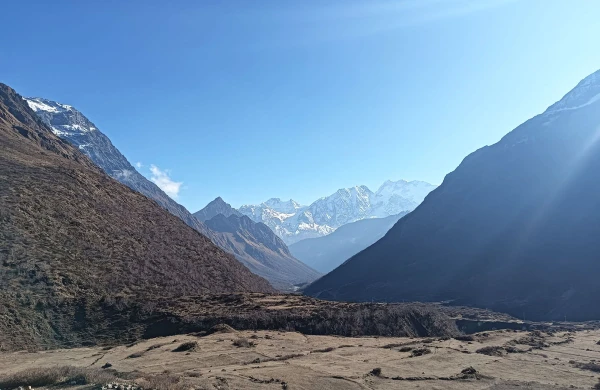
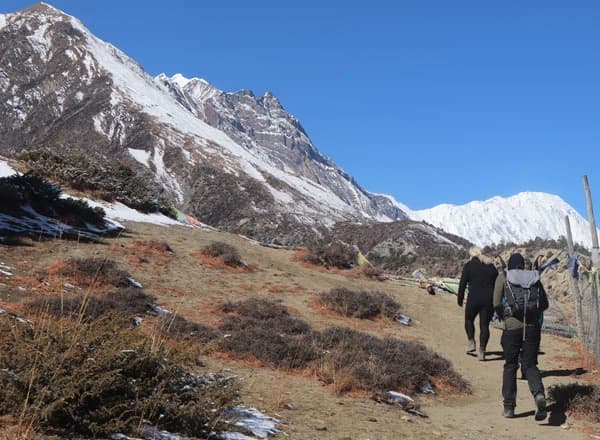
Landscape in Manaslu!
Which Week in December is Best for the Manaslu Trek?
The conditions change noticeably from the beginning to the end of December, and understanding these differences is one of the most important parts of planning a successful trek in Manaslu.
Early December (1-10 December)
This is generally the best and most stable window for a December crossing. Temperatures are cold but still manageable with proper gear. The chance of heavy snowfall remains relatively low, and most teahouses that plan to stay open for the winter are still operating, and the trail is usually in reasonable condition.
Early December offers the strongest combination of winter atmosphere and practical feasibility. Most experienced operators prefer this period for winter Manaslu attempts.
Mid December (11–20 December)
The conditions begin to feel more serious from mid-December, and nights grow colder, and the likelihood of snow on the upper trail increases. Larkya La becomes more weather-dependent. The sense of solitude deepens further as even fewer trekkers remain on the route. This period still works well for well-prepared groups, but flexibility becomes more important.
Late December (21–31 December)
This is the most demanding part of the month, as temperatures drop further, snowfall becomes more frequent, and the risk of the pass being temporarily blocked increases significantly. Daylight is at its shortest, and late December is only suitable for highly experienced groups with excellent gear, strong guides, and full acceptance that the itinerary may need to change. It is the most “expedition-style” part of the month.
Key Planning Considerations for the December Trek
A guide is mandatory: Manaslu is a restricted area, and you must trek with a licensed guide and (in most cases) a minimum of two clients.
Teahouse confirmation: Never assume higher lodges are open and reliable; check with the agency for current status before you start.
Buffer days: Building one or two flexible days into the itinerary is wise, especially from mid-December onward.
Insurance: Your policy must cover trekking up to at least 5,200m and include helicopter evacuation.
Fitness and experience: Previous high-altitude trekking experience is strongly recommended. December is not a suitable introduction to the Himalayas.
Who should Choose Which Part of December
Period
Best For
Risk Level
Recommendation
Early December
Most winter trekkers
Moderate
Highly recommended
Mid December
Experienced groups wanting more solitude
Moderate–High
Good with buffer days
Late December
Very experienced, flexible groups
High
Only with caution
December rewards careful timing and choosing the right part of the month can make the difference between a tough but successful journey and a frustrating or risky one. Early December currently offers the best balance of winter character and realistic conditions for most people attempting the Manaslu Circuit this season.
How difficult is it in the Manaslu Circuit in December?
Manaslu Trekking in December is a challenging high-altitude trek in Nepal, and it is more difficult than the same route in autumn and significantly more demanding than popular treks such as Annapurna Base Camp or the classic Langtang Valley. This is not a beginner’s route in any season, and in December the difficulty rises further.
The Manaslu trek combines long walking days, significant altitude gain, remote terrain, and genuine winter conditions. The presence of snow, extreme cold, and the serious nature of Larkya La Pass push it into expedition-style territory for many trekkers.
Physical Demand
Most days involve 6-8 hours of walking and more on the pass day; the trail includes steep ascents, rocky sections, and sustained climbs. In December, snow and ice can slow progress and increase energy expenditure. Good cardiovascular fitness, strong legs, and previous multi-day trekking are important.
Altitude Challenge in Manaslu Circuit
The highest point is Larkya La Pass at 5,106m, and overnight points such as Samagaun (3,530m), Samdo (3,860m), and Dharmsala (4,460m) are already at significant altitudes. The combination of height and cold makes the body work harder.
Common altitude-related issues include:
Headache
Fatigue and reduced appetite
Disturbed sleep
Shortness of Breath
Proper pacing, hydration, and planned rest or acclimatization days (especially around Samagaun) are essential. In December, the cold can mask early symptoms, so honest self-assessment and communication with your guide are critical.
Winter-Specific Difficulty Factors
Extreme cold: Nights above 4,000m are severe, and without a high-quality sleeping bag and layered clothing, recovery between days becomes difficult.
Snow and ice: These make the trail slower, more slippery, and more tiring. Microspikes or light crampons are necessary.
Short daylight: Less time to complete stages means less margin for error or slow progress.
Remote location: Help is farther away than on more popular routes. Decision-making carries higher consequences.
Larkya La Pass day: This is the single hardest day and long distance, high altitude, cold, wind, and possible deep snow combine to create a genuine test.
Technical Difficulty
The trek is non-technical, and no climbing skills or ropes are required under normal conditions. However, winter snow can create short sections that feel exposed or insecure underfoot, which is why good boots, poles, and traction devices matter.
Who This Trek Suits in December
Trekkers with previous experience above 4,000–4,500m
People who have completed multi-day treks in cold conditions
Those who are mentally prepared for discomfort and uncertainty
Fit walkers who can maintain steady effort over consecutive long days
Who should avoid it
First-time Himalayan trekkers
Anyone without cold-weather experience
People who prefer comfortable teahouse trekking with predictable conditions
Those unwilling to turn back if the pass becomes unsafe
Difficulty Comparison
Factor
December Manaslu
Autumn Manaslu
Classic ABC / Langtang
Physical Effort
High
Moderate–High
Moderate
Altitude
High (5,106m)
High
Moderate
Cold Exposure
Very High
Moderate
Low–Moderate
Trail Conditions
Snow/Ice possible
Mostly dry
Mostly dry
Remoteness & Commitment
High
Moderate–High
Lower
Overall Difficulty
Challenging
Moderate–Challenging
Moderate
Final assessment
Manaslu in December is a serious undertaking and it is achievable for fit, experienced trekkers who prepare properly and travel with a strong guide. It is not a trek that forgives poor preparation or overconfidence. Those who respect the difficulty usually find it one of the most satisfying journeys they have done in the Himalayas. Those who underestimate it can find themselves in genuine difficulty.
The mountains in December do not lower their standards. They reveal them more clearly.
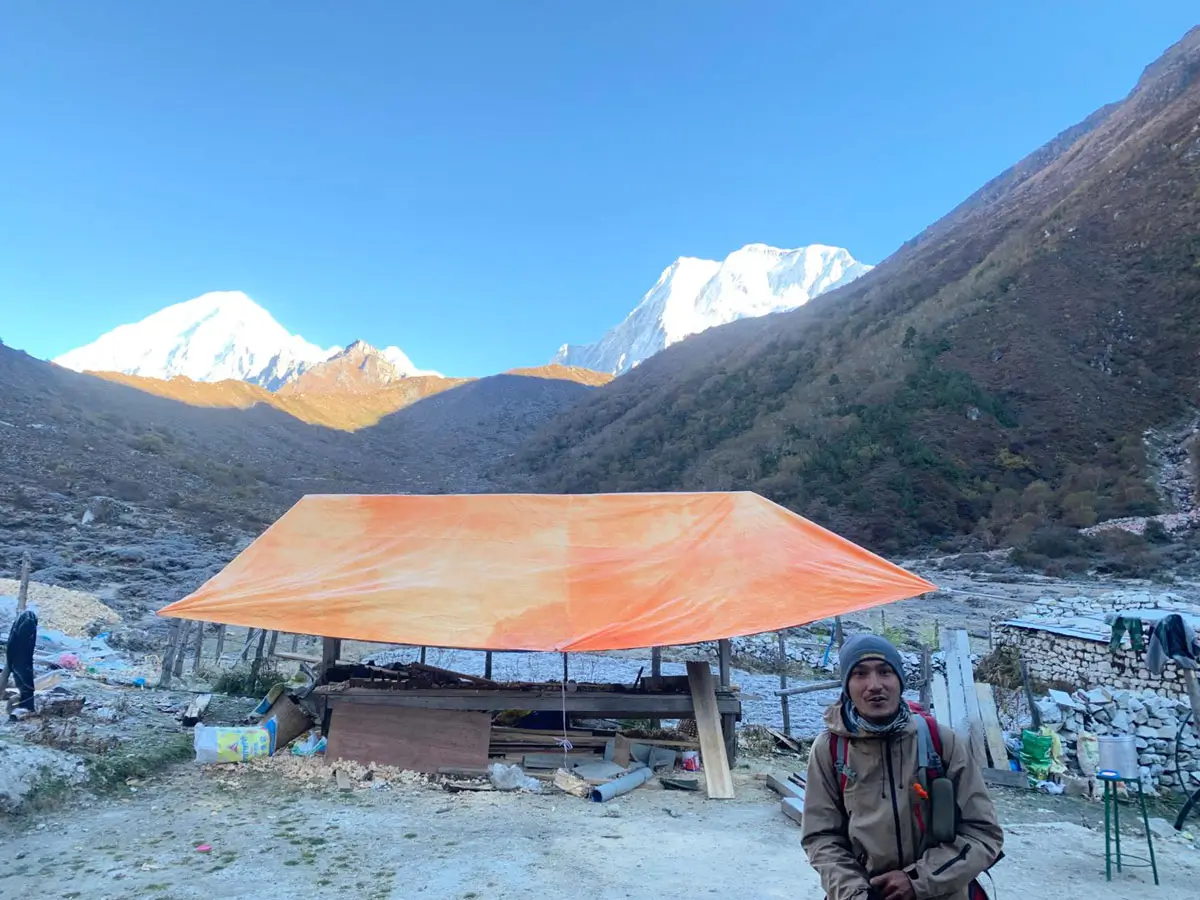
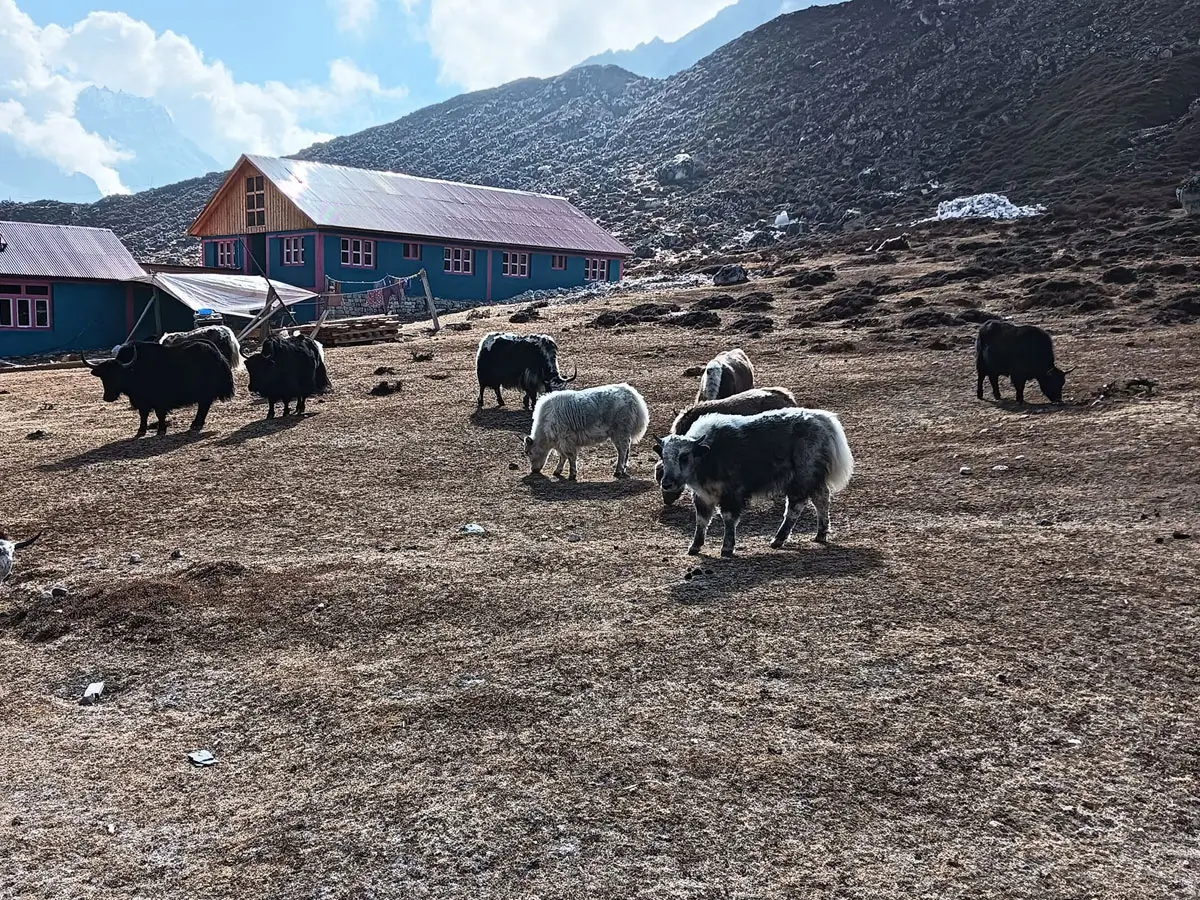
Yaks in Manaslu Region!
Accommodation during Manaslu Circuit Trek in December
Accommodation on the Manaslu Circuit in December follows the classic teahouse system, and the experience can be more basic and less predictable than in autumn; this reality should be factored into every plan.
What to Expect in December
The teahouses are simple stone or wooden buildings with twin rooms, basic mattresses, pillows, and blankets, and are rarely heated. The only reliable warmth comes from the dining room, where a wood or gas stove is lit in the evenings. In December, this communal space becomes the heart of daily life, the place where you dry gear, eat, and recover from the cold.
Accommodation availability by Section
Lower trail (MachhaKhola to Namrung): Most teahouses remain open in December, and choice is still reasonable, and rooms are usually available without major difficulty.
Mid-trail (Lho to Samagaun): Availability starts to decrease, and some lodges stay open, but the selection is smaller than in peak season.
Upper trail (Samdo, Dharamsala, and around Larkya La): This is where the biggest changes occur, and some teahouses can be closed for the winter or operate with minimal staff. Dharamsala in particular can be limited to one or two lodges, and these may only open when groups are expected. Confirmation in advance is essential.
Room Comfort in December
Because rooms are unheated, a high-quality four-season sleeping bag is not optional; it is one of the most important items you need to carry. Lodge blankets help, but they are rarely sufficient on their own above 3,500m. Many trekkers sleep in thermal layers inside their bags. The difference between a good sleeping bag and an inadequate one is the difference between recovering overnight and starting the next day already exhausted.
Facilities
Hot showers become less reliable and more expensive higher up; in some places they may not be available at all.
Charging phones and cameras is usually possible for a fee, but electricity can be limited or solar-dependent.
Wi-Fi is rare and often non-existent above the lower villages.
Toilets are basic (squat or simple sit-down) and can be cold and inconvenient at night.
Atmosphere
With fewer trekkers, the teahouses that remain open feel more personal. Evenings are quieter, and conversations with local owners and the few other groups on the trail tend to last longer. For many people, this intimate atmosphere is one of the unexpected pleasures of a December crossing.
Practical Advice
Never assume a higher lodge is open: always have your agency check current status.
Carry enough cash in Nepali rupees: there are no ATMs on the trail.
Be prepared for simpler meals and slower service than in peak season.
Treat the teahouse staff with extra appreciation; they are working in hard winter conditions to keep the route open.
Accommodation in December is functional rather than comfortable. It supports the journey but does not cushion it. Those who accept this reality and prepare accordingly usually find the simple lodges become part of the adventure rather than a disappointment.
Food and drinks during Manaslu Circuit Trek in December
Food on the Manaslu Circuit Trek in December is simple, repetitive, and essential. It is not about variety or presentation; it is about calories, warmth, and keeping your body functioning in cold, high-altitude conditions.
Understanding the reality helps you to set the right expectations and prevents frustration on the trail.
What the Teahouses Serve
The menu across the circuit is fairly standard and changes little from season to season, and the typical options include:
Dal Bhat (rice, lentil soup, and vegetable curry), still the most reliable and filling meal
Noodle soups and thukpa
Fried rice, fried noodles, and pasta
Tibetan bread, chapati, or pancakes
Boiled or fried eggs
Porridge, muesli, or cornflakes for breakfast
Momos when available
Garlic soup (popular for altitude)
Hot drinks: tea, coffee, hot lemon, ginger tea, and hot chocolate
The kitchens focus on what is practical and warming in December; fresh vegetables become scarcer higher up, and some items may run out if resupply is delayed by weather.
Why Food Matters More in Winter
Cold weather increases your calorie needs, and your body burns more energy simply staying warm, especially at night and at higher elevations. Eating well and regularly becomes a performance issue, not just a comfort issue. Skipping meals or eating poorly makes the cold feel harder and slows recovery between days.
Hot Drinks as a Daily Necessity
Warm fluids play a bigger role in December than in milder seasons. The ginger tea, lemon tea, and hot water become part of the daily routine, as they help with hydration, provide comfort, and make the cold more manageable. Dehydration is still a risk in winter because dry air and heavy breathing increase fluid loss even when you do not feel thirsty.
Practical Realities
Menu variety decreases as you go higher.
Service can be slower because fewer staff are present and conditions are harder.
Prices rise with altitude, as expected on all Nepal trekking routes.
Special dietary requests (vegan, gluten-free, etc.) become more difficult to accommodate higher up.
Carrying a few personal snacks (nuts, chocolate, energy bars, dried fruit) is strongly recommended for the trail and for days when lodge food feels limited.
The Social Side of Meals
With fewer trekkers, mealtimes often feel more relaxed and communal; sitting around the stove with a plate of dal bhat and a pot of tea becomes one of the small daily pleasures of the journey. These moments of warmth and simple food stand out more sharply against the cold outside.
Summary
Food on the Manaslu Circuit in December is basic but functional, and it will not surprise you with variety, but it will keep you going if you choose wisely and eat enough. Treat every meal as fuel for the next section of trail, stay on top of warm fluids, and you will give yourself one of the simplest and most effective advantages available on a winter trek.
Culture and Etiquette for Manaslu Circuit Trek in December
The Manaslu Circuit is not only a mountain route, but also a journey through a living cultural landscape that changes as you gain altitude. In December, when the trail is quiet, this cultural side of the trek often feels more noticeable and more meaningful.
A Route of Many Communities
The lower sections of the trail pass through mixed communities of Brahmin, Chhetri, Dalit and Gurung people. As you climb higher into the Nubri region, the cultural character shifts strongly toward Tibetan Buddhist traditions. Villages such as Lho, Samagaun and Samdo carry a distinct highland atmosphere shaped by centuries of connection with Tibet. Monasteries, prayer flags, mani walls and chortens become part of the everyday landscape.
The mix of ethnic groups and traditions is one of the richest aspects of the Manaslu Circuit. In December, with far fewer trekkers present, the chance to observe and interact with local life without the usual peak-season rush is significantly greater.
Key Cultural Places in Winter
Pungyen Monastery: A short side trip from the main trail that offers both spiritual atmosphere and outstanding views of Manaslu. In the quiet of December, the place feels especially powerful.
Birendra Lake: Sacred to local people and dramatically set beneath the face of Manaslu. The winter setting adds to its presence.
Samdo and the approach to the Tibet border: Standing in this high village, with views toward the Tibetan plateau, gives a strong sense of place and history.
Village monasteries and prayer walls: These remain active throughout winter and reward respectful, unhurried visits.
How to Behave Respectfully
A few simple principles go a long way:
Walk clockwise around mani walls, chortens and prayer wheels.
Ask permission before photographing people, particularly older residents and monks.
Dress modestly when entering villages and religious sites.
Remove shoes when required inside monasteries or homes.
Speak quietly near religious structures and avoid touching sacred objects.
Support local families by eating and sleeping in their teahouses whenever possible.
These gestures are noticed and appreciated, especially in the quieter winter months when every group of visitors stands out more clearly.
The Human Atmosphere in December
Because fewer trekkers are on the route, the interactions often feel less transactional and more genuine. Lodge owners have more time to talk. The daily rhythm of village life- people carrying loads, spinning prayer wheels, looking after animals becomes easier to notice and appreciate.
December does not create the culture of the Manaslu region; it simply removes some of the noise that usually surrounds it. What remains is a clearer view of a mountain community living in close relationship with a powerful landscape.
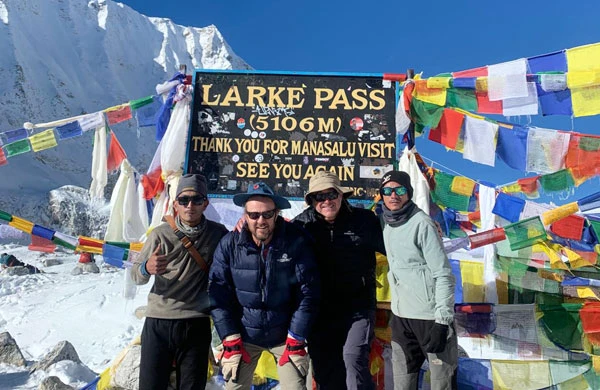
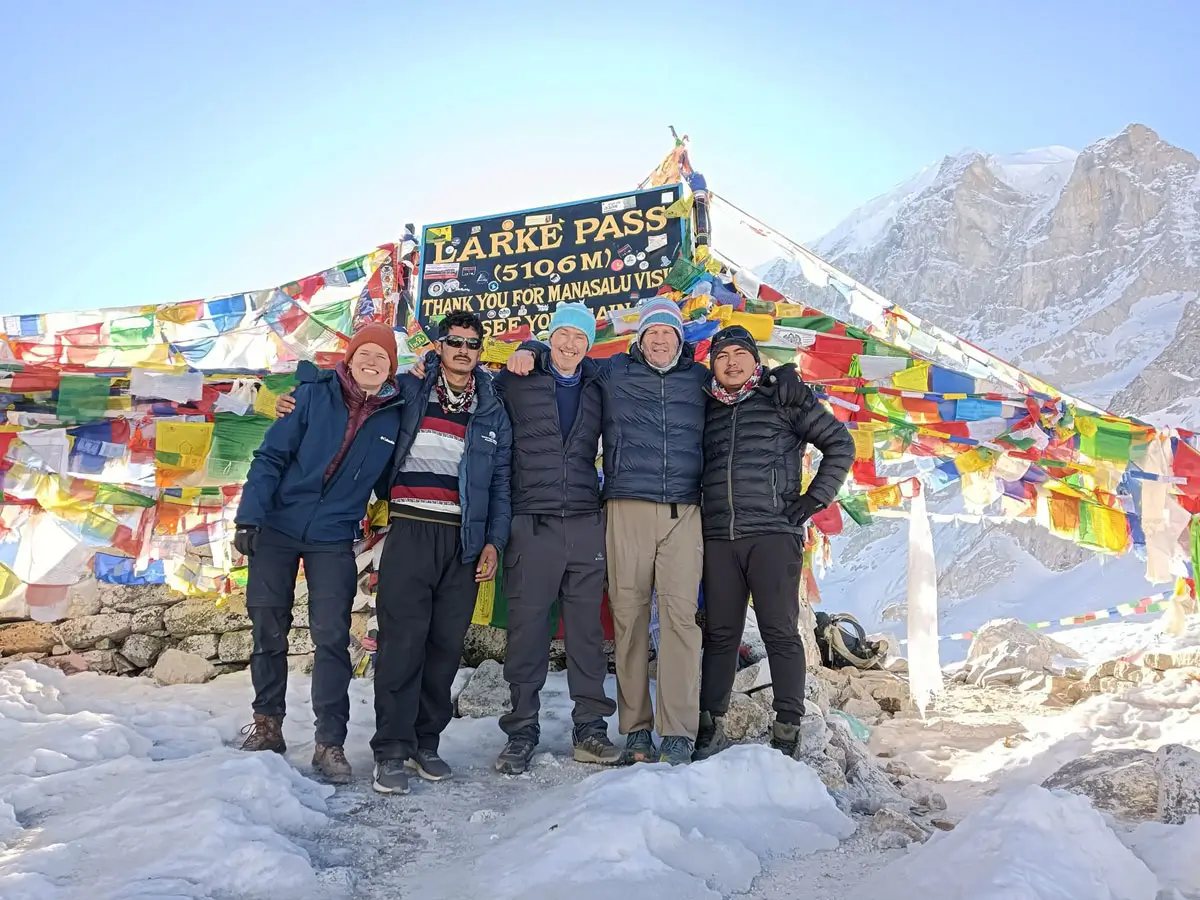
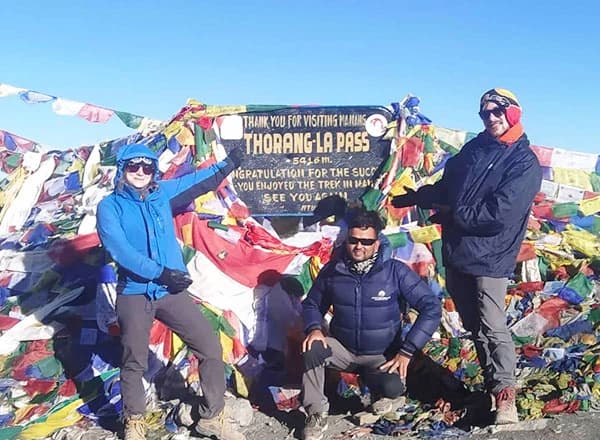
The Larke La Pass!
Packing List for Manaslu Circuit Trek in December
Packing for Manaslu Trekking in December is not about carrying more items; it is about carrying the right ones. The cold at higher elevations is serious, and inadequate gear is one of the most common reasons people struggle on this route in December. Below is a focused, practical list based on real December conditions.
Clothing – The Layering System
Base Layer
2–3 pairs of moisture-wicking thermal tops (merino or good synthetic)
2 pairs of thermal bottoms
Mid Layer
1–2 warm fleece jackets or equivalent insulating layers
One heavier insulated jacket (down or synthetic) for evenings and the pass day
Outer Layer
High-quality waterproof and windproof shell jacket
Waterproof trousers (essential for snow and wind)
Extremities
Warm hat that covers the ears
Neck gaiter or buff (very useful against wind)
Thin liner gloves + warm insulated gloves or mittens
Multiple pairs of warm trekking socks (wool or high-quality synthetic)
Footwear
Sturdy, waterproof trekking boots with good ankle support and proven grip (already broken in)
Microspikes or light crampons (strongly recommended for December)
Camp shoes or warm socks for evenings inside teahouses
Gaiters (useful when walking through snow)
Sleeping
Four-season sleeping bag rated to at least –15°C to –20°C (comfort rating)
This is one of the most important items on the entire list; the blankets alone are not enough above 3,500–4,000m in December.
Trekking Equipment
Trekking poles
Headlamp with spare batteries
Sunglasses with high UV protection (snow glare is intense)
Sunscreen and lip balm with high SPF
Daypack (30–40 liters) with rain cover
Reusable water bottles or an insulated hydration system (standard tubes freeze easily)
Small thermos flask (very useful for warm drinks on the pass day)
Personal and Health
Personal medications and a basic first-aid kit
Blister treatment and tape
Hand sanitizer, wet wipes, toilet paper
Quick-dry towel
Water purification tablets or filter
Electronics and Documents
Power bank (keep it warm inside your jacket)
Charging cables
Passport, permits, cash in Nepali rupees
Travel insurance details (must cover up to 5,200m and helicopter evacuation)
Passport-sized photos for permits if needed
Optional but Valuable
Extra down jacket or vest for extreme cold
Chemical hand and toe warmers for the pass day
Light snacks (nuts, chocolate, energy bars)
Small notebook or journal
Packing Philosophy for December
Prioritize warmth and weather protection over fashion or extra changes of clothes.
Test your boots, sleeping bag, and layering system before the trek.
Keep the most critical warm items (down jacket, gloves, hat, and sleeping bag) easily accessible.
Remember that laundry opportunities are limited and drying clothes is slow in winter.
A well-packed bag for Manaslu in December is built around one principle: stay warm enough to recover each night and function each day. Everything else is secondary. Trekkers who take this list seriously usually find the cold manageable. Those who improvise with three-season gear often regret it by the time they reach Samdo and Dharamsala.
These tips come from the realities of guiding and trekking the Manaslu Circuit in December. They focus on what actually makes the difference between a tough but successful journey and an unnecessarily difficult or risky one.
Treat Early December as the Preferred Window: The first half of December generally offers the best balance of winter conditions and stability. From mid-December onward, the cold deepens, and the chance of snow affecting Larkya La rises. If you have flexibility, aim for the earlier part of the month.
Make Your Sleeping Bag a Priority: A four-season bag rated to at least –15°C to –20°C is one of the most important items you will carry. The nights in Dharamsala and Samdo are severe. Recovering properly overnight is essential for safe performance the next day.
Start the Pass Day Extremely Early: Successful December crossings of Larkya La usually begin well before dawn. This gives you the best chance of stable conditions and gets you over the high point before afternoon wind or weather can build.
Use Microspikes or Light Crampons: Snow and ice on the upper trail are common. Traction devices build confidence, improve safety, and reduce energy loss due to slipping.
Keep Critical Items Warm: Batteries die quickly in the cold. Store your phone, power bank, and headlamp batteries inside your jacket or sleeping bag. The same applies to water — insulated bottles or a thermos work far better than standard hydration bladders, which freeze easily.
Eat and Drink Even When You Do Not Feel Like It: Cold and altitude both suppress appetite and thirst. Force yourself to keep taking in calories and warm fluids. Performance and cold resistance drop quickly when you fall behind on fuel and hydration.
Accept That the Itinerary May Change: Snow, wind, or poor visibility can temporarily close the pass. Build buffer days into your plan. Fixed deadlines are dangerous on this route in winter.
Protect Yourself from the Sun and Wind: Snow glare is intense, and the winter sun is still strong. High-quality sunglasses, sunscreen, and a neck gaiter are not minor details. Wind exposure on the pass can be severe; cover every bit of exposed skin.
Respect the Remoteness: Help is farther away than on more popular trails. Travel with a reliable agency, carry comprehensive insurance that includes helicopter evacuation, and avoid unnecessary risks.
These tips are simple, but they address the issues that most often cause problems on Manaslu in December. Groups that follow them usually complete the circuit with a strong sense of achievement. Those who ignore them often find the mountains less forgiving than they expected.
December on Manaslu rewards preparation and humility. It has little patience for improvisation.
The Manaslu Himalaya!
FAQs- Manaslu Trek in December
Is Manaslu Circuit Trek possible in December?
Yes, it is possible for experienced and well-prepared trekkers; early December is generally more stable than late December. Proper winter gear, a licensed guide, and flexible planning are essential.
How cold does it get on the Manaslu Trek in December?
At higher elevations, temperatures commonly fall to –15°C to –20 °C at night. On Larkya La Pass, temperatures can reach –20°C to –25°C or lower with wind chill.
Does it snow on the Manaslu Circuit in December?
Yes, light-to-moderate snow is common above Samagaun and Samdo. Heavier snowfall becomes more likely from mid-December onward and can affect the pass.
Is Larkya La Pass open in December?
The pass is usually crossable in early to mid-December if the weather is stable. After heavy snow, it can become difficult or temporarily blocked. The decision must be made on the ground with your guide.
Are teahouses open on the Manaslu Circuit in December?
Most teahouses remain open on the lower and mid sections. Higher up (especially Samdo and Dharamsala), availability is limited and some lodges close. Confirmation in advance is necessary.
Do I need a guide for Manaslu in December?
Yes, a licensed guide is mandatory because Manaslu is a restricted area and in winter, an experienced guide is also critical for safety and decision-making on the pass.
How difficult is the Manaslu Trek in December compared to autumn?
It is noticeably more difficult due to cold, possible snow and ice, shorter days, and more serious conditions on Larkya La.
What sleeping bag do I need for December?
A four-season sleeping bag with a comfort rating of at least –15°C to –20°C is strongly recommended. Lodge blankets alone are not sufficient at higher elevations.
Are microspikes or crampons necessary?
Yes, they are highly recommended. Snow and ice are common on the upper trail and on the approach to Larkya La.
Is travel insurance mandatory?
Yes, your insurance must cover trekking up to at least 5,200m and include helicopter evacuation. Standard policies often exclude this.
How many days do I need for the Manaslu Circuit in December?
14 to 16 days (including arrival and departure from Kathmandu) is realistic. This allows for acclimatization and buffer days.
Can I charge my phone and camera?
Yes, charging is usually possible at teahouses for a fee, but electricity can be limited. Carry a power bank and keep it warm.
What is the biggest risk in December?
The combination of extreme cold, possible heavy snow on Larkya La, and the remote nature of the upper route. Poor preparation or inflexible planning significantly increases risk.
Is early December better than late December?
Yes, early December is generally more stable, with a lower chance of heavy snow and slightly better teahouse availability. Late December is colder and more uncertain.
Can the itinerary change because of weather?
Yes, snow or high winds can cause delays or even require a turnaround at the pass. Buffer days and a flexible mindset are essential.
Why choose Outfitter Himalaya for a December Manaslu trek?
We have practical winter experience on this route. We confirm teahouse status, plan realistic itineraries with buffer days, provide experienced guides, and focus on safe decision-making around Larkya La.
Manaslu Trekking in December is not the easiest way to experience this great circuit. The trail is quieter, and the air is colder. The mountains stand closer and clearer. Snow shapes the upper valleys and turns the crossing of Larkya La into a genuine high-altitude challenge.
You walk through multiethnic villages and into the Tibetan-influenced world of Nubri, where far fewer people are around you. You stand at places like Pungyen Monastery and Birendra Lake when they are at their most peaceful. You look toward the Tibetan border from Samdo under sharp winter light. And when you finally step onto Larkya La, the sense of arrival feels earned in a way that peak-season crossings rarely match.
This journey demands experience, reliable gear, conservative decision-making, and genuine respect for the conditions. It is not a trek that forgives poor preparation. But it gives back something increasingly rare: a deep, quiet, and powerful encounter with one of Nepal’s finest routes when it is stripped back to its essential character.
At Outfitter Himalaya, we specialize in carefully planned winter journeys on this route. Our local team understands the December conditions in detail: which teahouses remain open, how to time the pass, and how to strike the right balance between challenge and safety in every itinerary. When you are ready to take on Manaslu in its winter form, we are ready to help you do it properly.
The Annapurna Circuit Trek covers approximately 102 kilometers of walking on Outfitter Himalaya’s classic 15-day itinerary, including the Manang acclimatization hike. The journey unfolds through riverside forests, mountain villages and open valleys before crossing Thorong La [...]
The Annapurna Circuit Trek costs about USD 650–1,900 per person with Outfitter Himalaya, depending on the itinerary, group size, and services included. Outfitter Himalaya’s 15-day Classic Annapurna Circuit Trek has published group-size prices of USD [...]
Foreign trekkers need a trekking permit to trek the Annapurna Circuit, and we suggest settling it before you head out. Arranging the correct paperwork before departure helps avoid extra charges and interruptions once your journey [...]