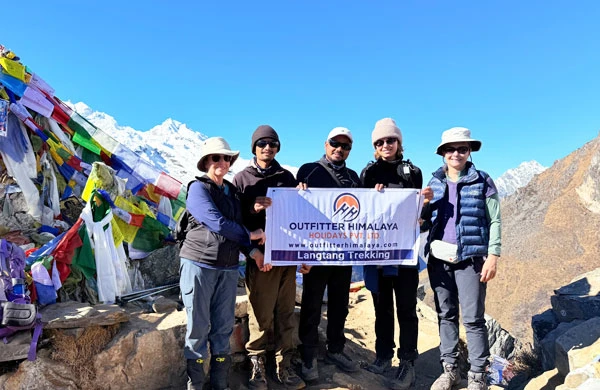
The Langtang Valley Trek in January is a deep-winter trekking experience in Nepal, ideal for prepared travelers seeking quiet trails, snow-covered mountain scenery, clear Himalayan views, and authentic Tamang village culture.
January is one of the coldest months in Langtang, especially around Langtang Village and Kyanjin Gompa, but the skies are often clear, and the trails are peaceful. The trek is possible with proper winter gear, a sensible itinerary, good acclimatization, and local guidance.
Most teahouses on the main Langtang Valley route remain open, but trekkers should be ready for freezing nights, possible snow, icy patches, and shorter daylight hours.
Lantang Trek in January - Deep Winter Silence, Snow-covered Valleys, and Raw Himalayan Beauty
The Langtang Trek in January is one of the most peaceful and dramatic winter treks in Nepal. Located north of Kathmandu near the Tibetan border, Langtang offers a powerful combination of snow-capped mountains, quiet forests, Tamang culture, Buddhist traditions, yak pastures, and high Himalayan valley landscapes. In January, the region becomes colder, quieter, and more raw, giving trekkers a true deep-winter mountain experience.
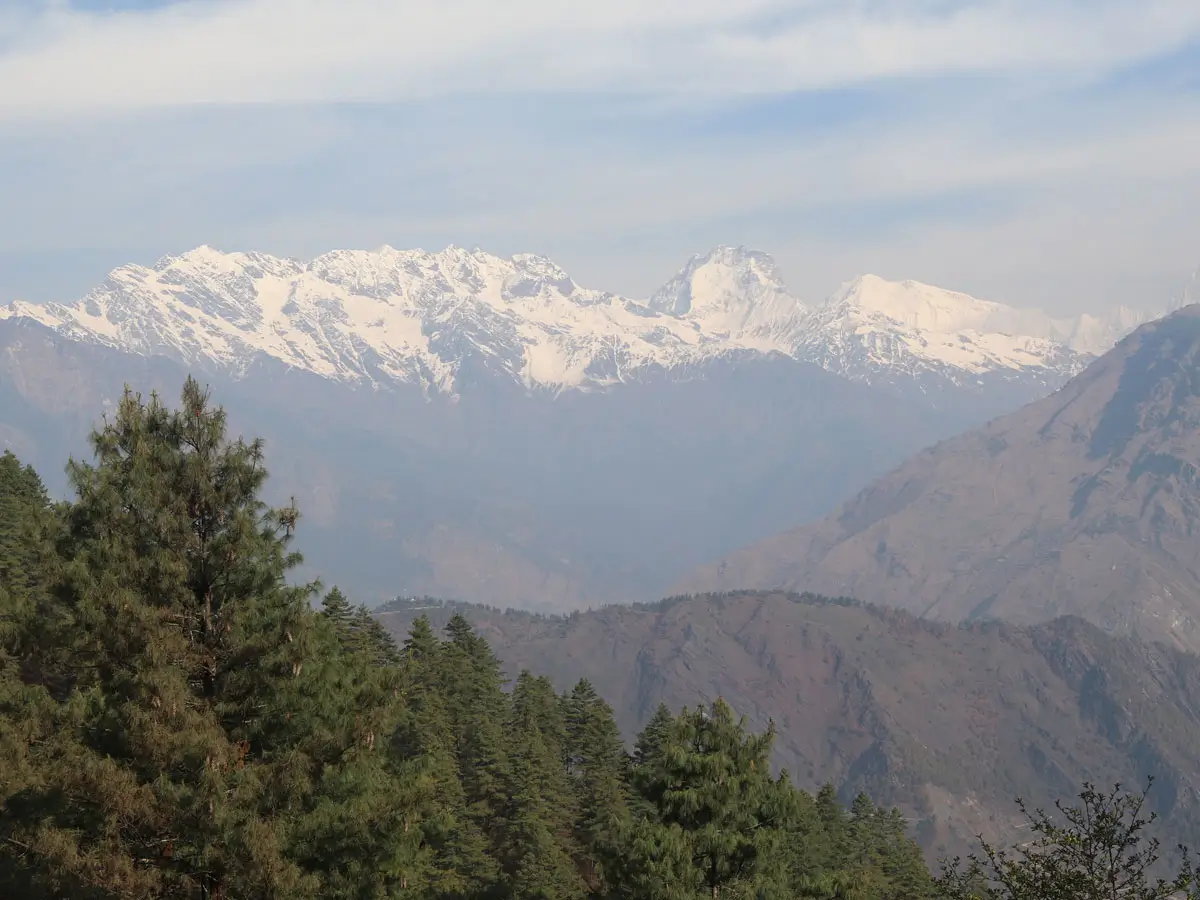
The trails are far less crowded in January than in spring and autumn, the air is often crisp and clear, and the mountain views can be outstanding when the weather is stable. Langtang Lirung, Gangchempo, Dorje Lakpa, Yala Peak, and surrounding peaks often appear sharp against the cold winter sky.
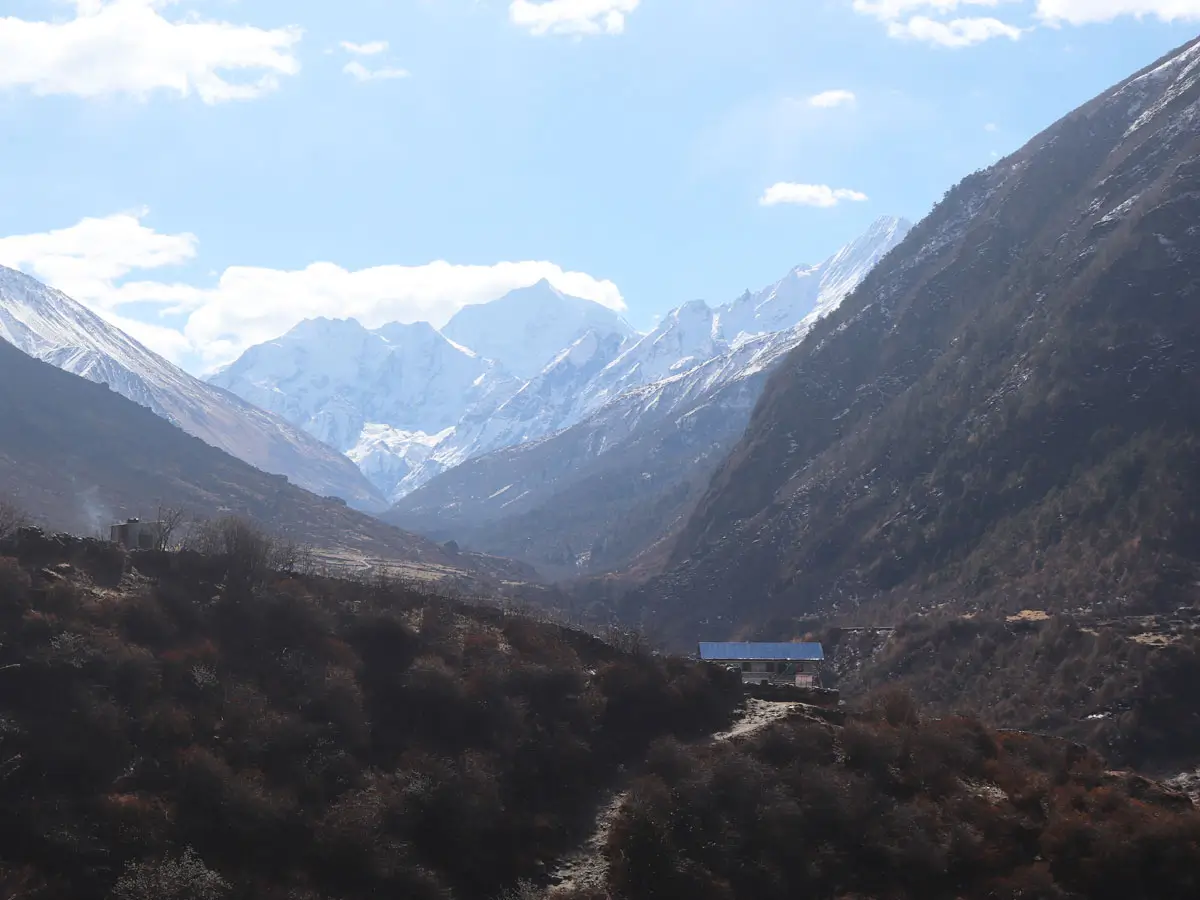
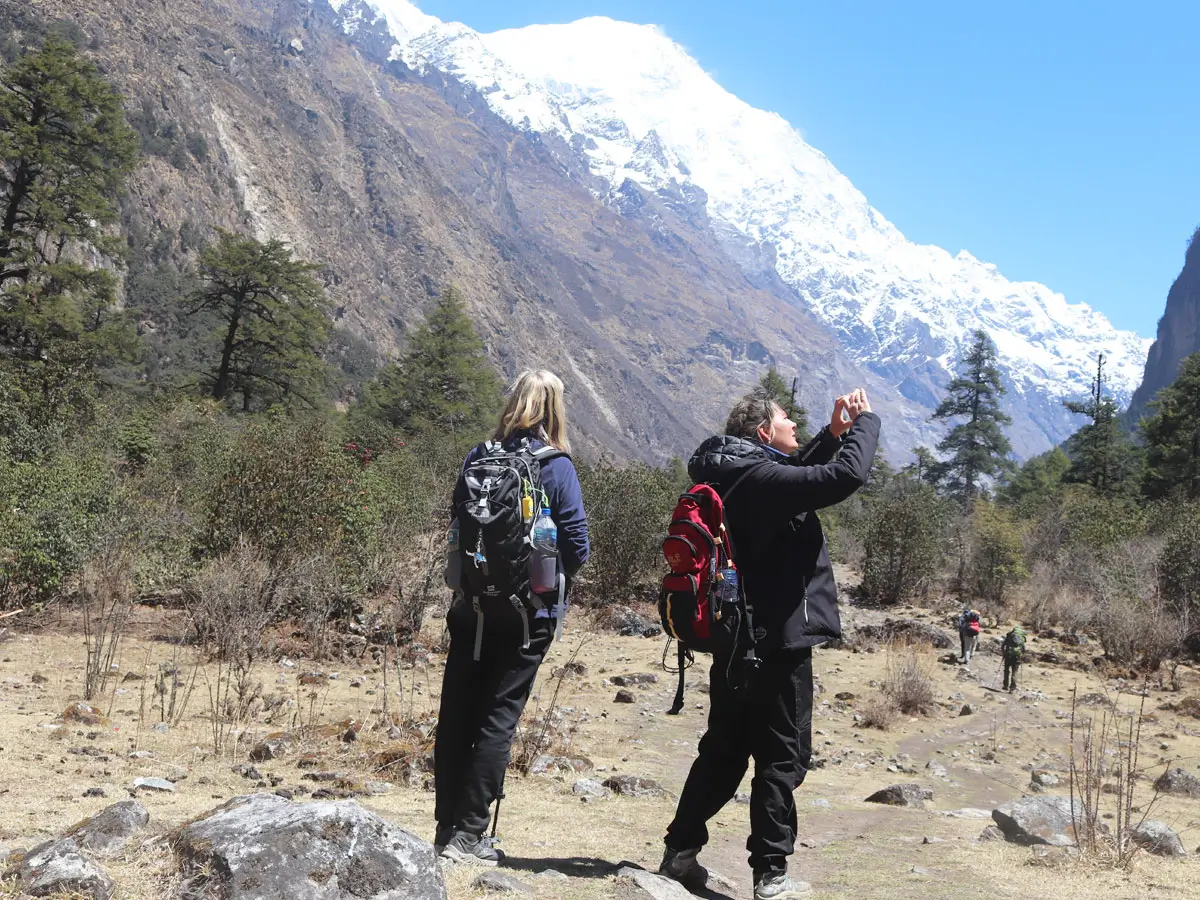
The Langtang trek begins in Syabrubesi and gradually follows the Langtang Khola through forests, along riverside trails, over suspension bridges, and past traditional settlements. When the route climbs higher, the landscape changes from green forest to open alpine valley. The journey continues through Lama Hotel, Langtang Village, and finally reaches Kyanjin Gompa, the main highland destination of the trek.
The Langtang Valley Trek in January is not a technical climbing route, but it should be treated as a real winter trek. Trekkers need warm layers, a good sleeping bag, trekking shoes with strong grip, gloves, a hat, trekking poles, and a flexible plan. Proper pacing is also important because Kyanjin Gompa is at around 3,870 meters, and optional viewpoints such as Kyanjin Ri and Tserko Ri reach even higher elevations.
For beginners, trekking in the Langtang Valley in January is only possible with good fitness, proper preparation, and local support. For experienced trekkers, it offers a quiet and deeply rewarding winter journey close to Kathmandu. The trail does not require a domestic flight, yet it provides a serious Himalayan experience with mountain views, culture, wilderness, and winter silence.
If you are looking for a peaceful winter trek in Nepal with clear mountain views, Tamang culture, and a stronger sense of adventure, the Langtang Valley Trek in January is a beautiful and meaningful choice.
Langtang Circuit Trek- 16 Days: Suitable for those looking for a longer trek in the Langtang Region and want to cover all the destinations in Langtang.
The Langtang Valley Trek in January offers a deep winter Himalayan journey through quiet forests, frozen mountain air, Tamang villages, alpine valleys, and snow-capped Himalayan scenery, and it is one of the best winter treks in Nepal for those seeking peace, culture, and raw mountain beauty.
Deep winter silence with very few trekkers on the trail
Clear Himalayan views of Langtang Lirung, Gangchempo, Dorje Lakpa, and Yala Peak
Snow-capped mountain scenery in the upper Langtang Valley
Peaceful walk through forests, riverside trails, and alpine landscapes
Authentic Tamang culture and Tibetan-influenced Buddhist traditions
Scenic villages such as Lama Hotel, Langtang Village, and Kyanjin Gompa
Quiet teahouse experience with warm local hospitality
Possible frost, ice, or snow around higher sections
Dramatic winter atmosphere around Kyanjin Gompa
Prayer flags, mani walls, chortens, and monasteries along the route
Yak pastures and highland lifestyle in the upper valley
Strong photography opportunities with clean winter light
Possible Kyanjin Ri hike if weather and trail conditions are safe
A real Himalayan winter trek close to Kathmandu
Why Choose Langtang Valley Trek in January?
Choosing a trek in Langtang in January means experiencing the Himalayas in their purest winter form. January is the heart of winter, and not simply another trekking month; it is a season for travelers who appreciate nature in its quietest and most authentic form. Unlike the busy trekking seasons, January transforms Langtang into a peaceful wilderness. Snow-covered peaks stand brighter against the deep blue sky, frozen streams sparkle under the winter sun, prayer flags flutter in the cold mountain wind, and traditional Tamang villages continue their daily life surrounded by the silence of winter.
This is not simply another trek; it is an opportunity to experience the Himalayas when they feel untouched, peaceful, and truly alive.
Experience the Quietest Side of Langtang
January is one of the least crowded months on the Langtang trail and feels wild, peaceful, and untouched. Instead of sharing the route with large trekking groups, you often enjoy peaceful forests, listen to the sound of the Langtang River, quiet suspension bridges, and open mountain valleys almost entirely to yourself.
The silence itself becomes part of the journey, like discovering a hidden Himalayan world.
Witness the Himalayas at Their Clearest
Winter often brings incredibly clear skies, allowing the surrounding mountains to stand out in remarkable detail. Langtang Lirung, Gangchempo, Dorje Lakpa, Yala Peak, and many other Himalayan giants dominate the skyline throughout the trek.
The combination of crisp air, fresh snow on the peaks, and bright winter sunshine creates unforgettable mountain scenery.
Discover Kyanjin Gompa in Its Most Peaceful Season
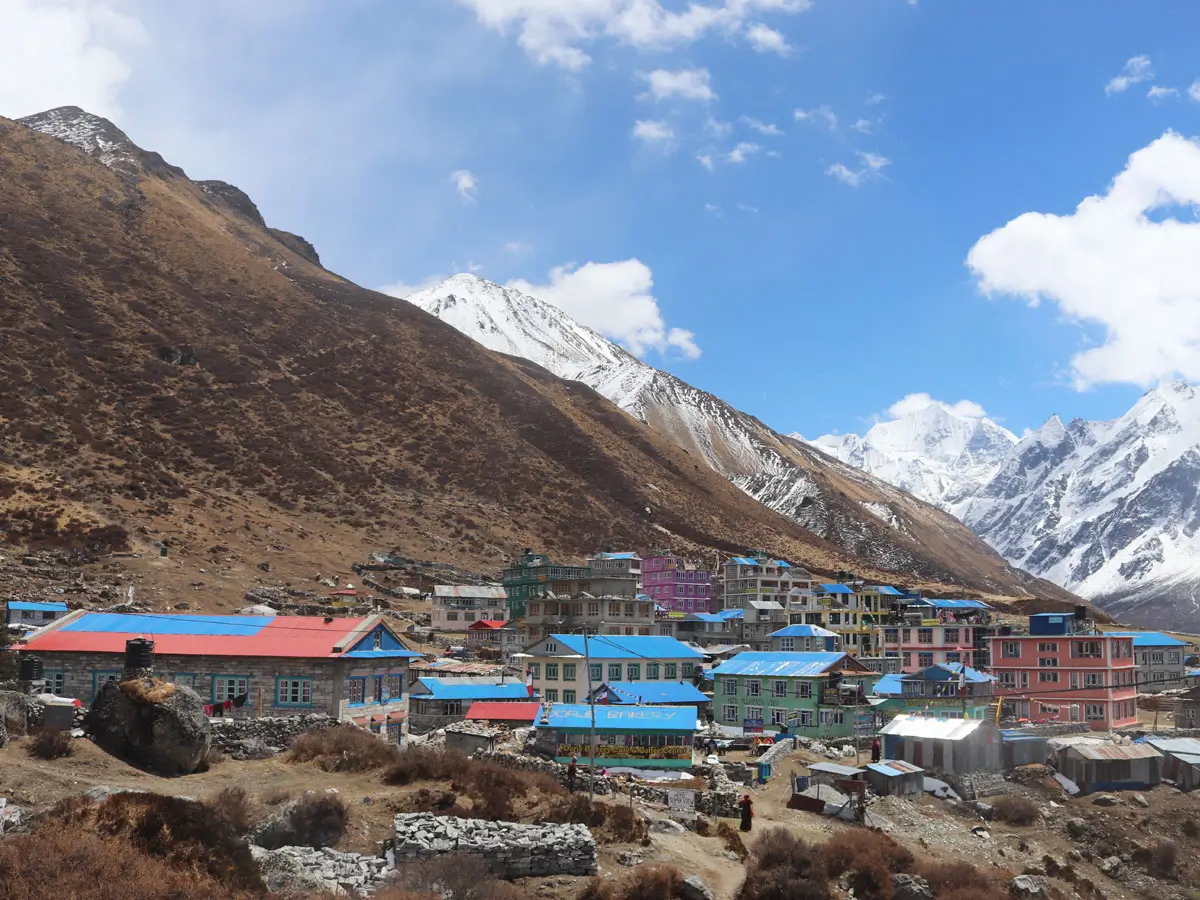
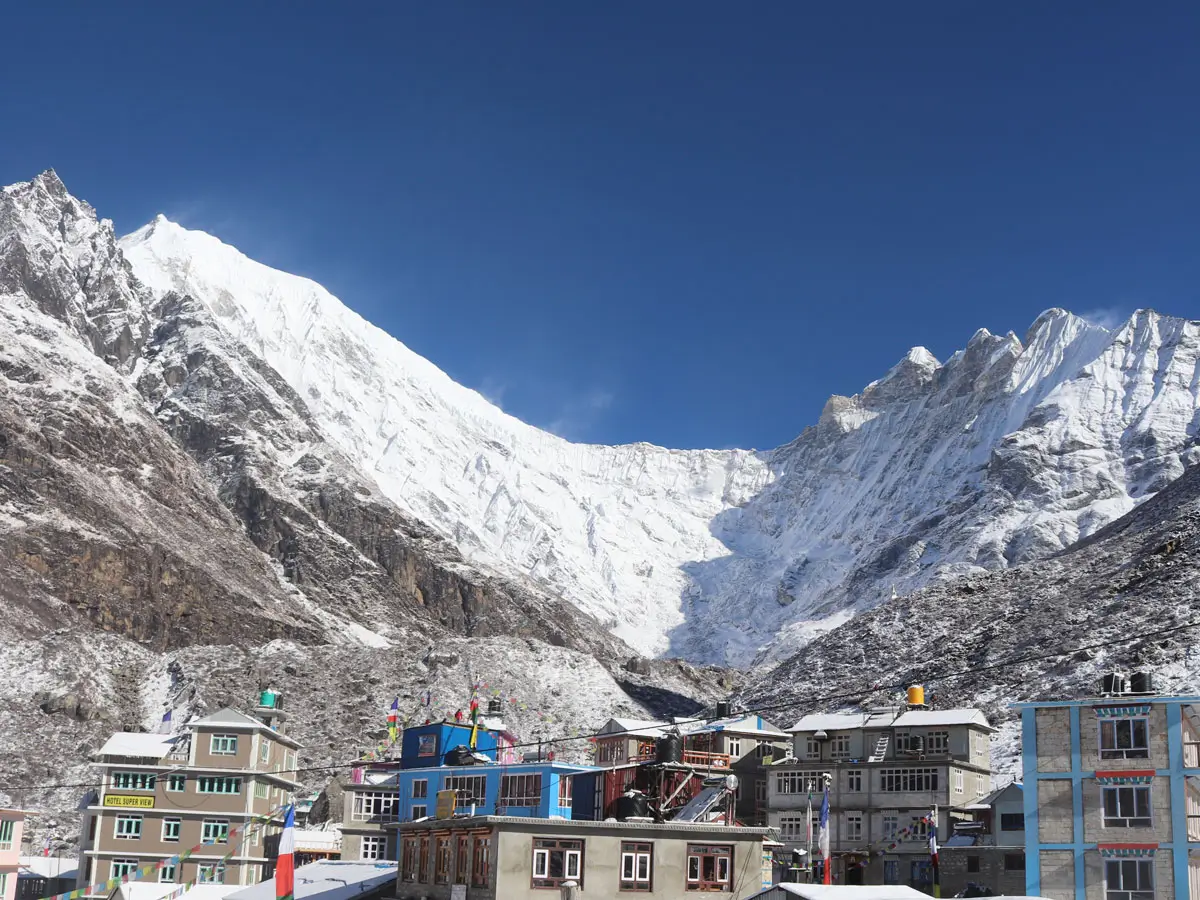
Kyanjin Gompa is the heart of the Langtang, and reaching Kyanjin Gompa during January feels especially rewarding. Surrounded by towering snowy mountains, ancient monasteries, yak pastures, and colorful prayer flags, the village creates a peaceful setting that feels almost timeless.
Without the crowds of peak season, you have more time to appreciate the landscape, visit the monastery, enjoy the local cheese factory, or sit quietly and admire the surrounding mountains.
Enjoy an Authentic Himalayan Experience
Winter slows life down across the valley; the frosty mornings, snow-covered peaks, crisp mountain air, and peaceful alpine valleys create an authentic adventure. The local families continue their traditions, teahouses become warm gathering places, and villages feel more genuine and welcoming.
Every day feels like an adventure earned through preparation and determination.
Walk Through Landscapes That Change Every Day
One of Langtang's greatest strengths is its changing scenery, as the trek begins in forests filled with pine, oak, bamboo, and rhododendron before opening into wide alpine valleys surrounded by towering Himalayan peaks.
Every day offers a different landscape, making the journey feel fresh from beginning to end.
Experience Authentic Tamang Culture
The Langtang Valley is rich in Tamang heritage and Tibetan Buddhist traditions. Along the trail, you'll pass traditional villages, ancient monasteries, prayer wheels, mani walls, and colorful prayer flags that continue to play an important role in local life.
January's quieter season allows more genuine interactions with local families and teahouse owners, creating a richer cultural experience.
A Perfect Escape from Crowded Trekking Seasons
If you enjoy nature more than crowds, January is one of the best months to visit Langtang. Instead of busy viewpoints and packed teahouses, you'll find open trails, quiet valleys, and uninterrupted moments with the mountains.
It becomes easier to slow down, appreciate the landscape, and truly experience the rhythm of Himalayan life.
A Journey That Stays With You
The Langtang Valley Trek in January is about more than reaching Kyanjin Gompa or completing another trek. It is waking up to snow-covered peaks glowing in the morning light... hearing only the sound of the Langtang River flowing beside the trail... sharing warm tea inside a family-run teahouse... watching prayer flags dance against a clear blue winter sky... and discovering a Himalayan valley that feels peaceful, powerful, and unforgettable.
For trekkers seeking solitude, culture, dramatic mountain scenery, and a genuine winter adventure, January offers one of the most rewarding experiences in the Nepal Himalayas.
January is the heart of winter in the Langtang region and usually cold, dry, quiet, and visually beautiful, with clear skies on many days and freezing temperatures at higher elevations. The Langtang Valley Trek in January is possible, but trekkers must be properly prepared for winter weather.
Unlike the monsoon months, January normally has less rainfall. The air is dry, the sky can be very clear, and the mountain views are often excellent. However, the cold becomes the main challenge, especially in the morning, evening, and night.
Morning Weather in January
Mornings are usually very cold in January, and at lower elevations the cold may feel manageable after sunrise, but at higher villages like Langtang Village and Kyanjin Gompa, early mornings can be freezing.
Frost may appear on rooftops, grass, wooden bridges, stone steps, and shaded parts of the trail. Trekkers should start the day with warm layers, gloves, a hat, and a windproof jacket.
Daytime Weather in January
Daytime trekking can feel comfortable when the sun is out and the sky is often clear, and the walking temperature may feel warmer than the actual reading because of direct sunlight.
However, shaded areas, forested sections, and wide-open valleys can still feel cold. Trekkers should use a layering system so they can easily add or remove clothing during the day.
Evening and Night Weather in January
Evenings and nights are the coldest part of the trek. After sunset, temperatures drop quickly, especially above Lama Hotel and Langtang Village.
Kyanjin Gompa can be extremely cold at night in January. Rooms are usually not heated, so a warm sleeping bag, thermal base layers, woolen socks, and a down jacket are very important for comfort.
Average Temperature by Location in January
Temperatures can change depending on weather, wind, snowfall, and exact location. The table below gives a practical trekking estimate for January conditions.
Place
Elevation
Day Temperature
Night Temperature
Syabrubesi
1,460m
8°C to 15°C
0°C to 5°C
Bamboo / Riverside Area
1,900m–2,400m
5°C to 12°C
-2°C to 3°C
Lama Hotel
2,470m
3°C to 10°C
-5°C to 0°C
Ghodatabela
3,030m
0°C to 8°C
-8°C to -3°C
Langtang Village
3,430m
-2°C to 6°C
-10°C to -5°C
KyanjinGompa
3,870m
-5°C to 5°C
-15°C to -8°C
KyanjinRi Area
Above 4,700m
-8°C to 2°C
Much colder with wind
These are general estimates. During cold waves, snowfall, or strong wind, the temperature can feel much colder than expected.
Rainfall in January
January is usually a dry winter month in the Langtang region, and heavy rain is less common than during the monsoon season. This is one reason mountain visibility can be excellent.
However, dry does not mean warm. The clear winter sky often brings colder nights, especially at higher elevations.
Snowfall in January
Snow is possible in January in the upper Langtang Valley; areas around Langtang Village, Kyanjin Gompa, Kyanjin Ri, and Tserko Ri have a higher chance of snow than the lower trail.
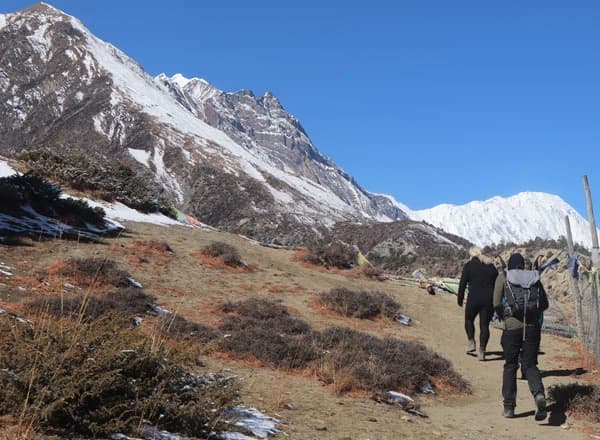
Lower parts of the route may not always have snow, but shaded areas can still be icy or frosty. After snowfall, the scenery becomes more beautiful, but the trail can also become more slippery.
Wind Conditions in January
Wind can make January feel much colder, especially in open areas near Langtang Village, Kyanjin Gompa, and higher viewpoints. Even when the sun is shining, a cold wind can quickly reduce body warmth.
A windproof jacket, gloves, neck warmer, and warm hat are important for this reason.
Visibility in January
One of the biggest advantages of trekking in January is the visibility of the mountains. When the weather is stable, the views of Langtang Lirung, Gangchempo, Dorje Lakpa, Yala Peak, and nearby peaks can be very clear.
The winter air often makes the mountains look sharper, brighter, and more dramatic than during humid seasons.
Overall January Weather Summary
January on the Langtang Valley Trek is cold but beautiful. The weather can be clear, dry, and peaceful, but freezing temperatures, snow, ice, and wind must be taken seriously.
For trekkers with warm clothing, proper footwear, a good sleeping bag, and a flexible plan, January can offer one of the most peaceful and scenic experiences in Langtang.
Langtang Trail!
Does It Snow on the Langtang Trek in January?
Yes, snow is possible on the Langtang in January, especially in the higher parts of the route. January is one of the coldest months in the Langtang region so that trekkers may experience snow, frost, icy patches, and frozen ground in some sections.
However, snow is not guaranteed every day or along the entire trail. Lower areas such as Syabrubesi, Bamboo, and Lama Hotel may stay mostly clear, while higher places like Langtang Village, Kyanjin Gompa, Kyanjin Ri, and Tserko Ri have a better chance of winter snow.
Where Is Snow More Likely?
Snow is more likely in the upper Langtang Valley, especially around:
Langtang Village
Mundu
KyanjinGompa
KyanjinRi
TserkoRi
High shaded areas above 3,000 meters
The lower trail usually has less snow, but shaded sections of the forest can still feel cold and slippery in the morning.
Does Snow Make the Trek Difficult?
Snow can make the trek more beautiful, but it can also make the trail more challenging. After snowfall, some paths may become slippery, icy, or harder to follow. Walking may take more time, especially near the higher villages and viewpoints.
This does not mean the trek becomes impossible. With proper shoes, trekking poles, warm clothing, and local guidance, many trekkers can still complete the main Langtang Valley route safely.
Can You Reach Kyanjin Gompa If There Is Snow?
In normal winter conditions, Kyanjin Gompa is usually reachable in January. It is the main destination of the Langtang Valley Trek and remains possible for prepared trekkers.
However, after heavy snowfall, strong winds, or poor visibility, the trail may become more difficult to navigate. In that case, trekkers should follow the advice of local guides and teahouse owners instead of forcing the itinerary.
Is Snow Good or Bad for the Trek?
Snow can be both beautiful and challenging. It makes the upper valley look magical, with White Mountains, frozen landscapes, and peaceful winter scenery. It is also one of the reasons many trekkers choose Langtang in January.
At the same time, snow can create icy trails, colder nights, and slower walking days. The key is not to fear snow, but to prepare properly for it.
Pros of Langtang Valley Trek in January - Benefits of Langtang Trek in January
The Langtang Valley Trek in January is best for trekkers who are properly prepared for winter and want a peaceful, scenic, and authentic Himalayan journey. Although January is cold, it offers several strong advantages that make the trek highly rewarding.
Very Peaceful Trails: January is one of the quietest months on the Langtang, which means fewer trekkers, less noise, and more time to enjoy the natural surroundings. If you prefer peaceful trekking over crowded trails, this is one of the biggest advantages.
Excellent Mountain Visibility: Winter skies are often clear, especially in the morning. This offers trekkers beautiful views of Langtang Lirung, Gangchempo, Dorje Lakpa, Yala Peak, and nearby peaks. The mountains often look sharper and more dramatic in the cold January air.
Strong Winter Photography Conditions: January offers clean light, snow-covered peaks, blue skies, frozen textures, and quiet village scenes, so this season can be excellent because the landscape looks fresh, peaceful, and less crowded.
More Authentic Teahouse Experience: With fewer trekkers on the trail, teahouses feel more personal and relaxed. You may have more time to speak with local hosts, learn about Tamang culture, and experience real mountain hospitality during the quiet winter season.
Snow-Capped Himalayan Scenery: January increases the chance of seeing snow around the higher parts of the trail, especially near Langtang Village, Kyanjin Gompa, Kyanjin Ri, and Tserko Ri. Snow is not always guaranteed on the lower trail, but the upper valley often feels strongly winter-like.
No Domestic Flight Required: The Langtang Valley Trek starts with a road journey from Kathmandu, so trekkers do not need to depend on domestic flights. This is a practical advantage in winter because weather delays can affect mountain flights in other trekking regions.
Good Option for a Short Himalayan Winter Trek: Compared with longer treks in Nepal, Langtang Valley can be completed in a shorter time while still offering high mountain scenery, culture, forests, rivers, glaciers, and alpine landscapes. It is a strong option for travelers with limited days in Nepal.
Beautiful Kyanjin Gompa Experience: Kyanjin Gompa is one of the trek's major rewards. In January, the village feels quiet, cold, and surrounded by powerful Himalayan scenery. The snowy mountain backdrop makes it one of the most memorable places on the route.
Rich Tamang Culture: Langtang is about more than mountains. The trek passes through Tamang villages with Buddhist traditions, prayer flags, mani walls, chortens, monasteries, and local mountain lifestyles. January gives trekkers a calmer environment to observe this culture respectfully.
Clearer Sense of Adventure: Because January brings cold weather and possible snow, the trek feels more adventurous than in peak season. For prepared trekkers, this adds a stronger sense of achievement and makes the journey more meaningful.
Great Choice for Prepared Winter Trekkers: If you have warm gear, good fitness, and the right support, January can be one of the most rewarding times to trek in Langtang. The combination of quiet trails, clear views, culture, and winter scenery makes the experience truly special.
Cons of Langtang Valley Trek in January – Disadvantages of Langtang Treks in January
The Langtang Trek in January is peaceful and beautiful, but trekkers should be ready for real winter conditions. These challenges are manageable with good preparation, warm gear, and a flexible plan.
Cold Weather: January is one of the coldest months in Langtang, especially around Langtang Village and Kyanjin Gompa. Nights and mornings can be freezing, so warm layers, gloves, a hat, and a good sleeping bag are important.
Snow or Icy Trails: Snow and ice are possible in higher sections of the trek, and trekking shoes with good grip and trekking poles help make the walk safer and more comfortable.
Shorter Daylight Hours: Winter days are shorter, so you should start early and avoid walking late in the evening. A headlamp is useful in case of delay.
Side Hikes Depend on Conditions: The Kyanjin Ri and Tserko Ri may not always be safe in January due to snow, ice, wind, or poor visibility.
Yes, Kyanjin Ri is possible in January, but it depends completely on weather, snow, ice, wind, and trail conditions. It should be treated as an optional side hike, not a guaranteed part of the Langtang Trek.
Kyanjin Ri is one of the best viewpoints in the Langtang region, offering beautiful views of Langtang Lirung, glaciers, snowy peaks, and the wide upper valley. In January, the views can be outstanding when the sky is clear.
However, January is deep winter. The trail can be icy, windy, or covered with snow, especially early in the morning. If conditions are unsafe, trekkers should skip KyanjinRi and enjoy the mountain scenery from Kyanjin Gompa instead. Important Things to Know:
Start early only if the weather is clear and stable.
Do not attempt KyanjinRi during snowfall, strong wind, or poor visibility.
Use trekking poles and shoes with good grip.
Walk slowly because the altitude is higher than Kyanjin Gompa.
Follow your guide’s advice before making the climb.
Turn back if the trail feels icy, exposed, or unsafe.
For prepared trekkers, Kyanjin Ri can be a major highlight of the Langtang Valley Trek in January. But in winter, safety should always come before reaching the viewpoint.
Kyanjing Village!
Which Part of January Is Best for Langtang Valley Trek?
January is the coldest month of the winter trekking season in Langtang. While the entire month offers peaceful trails and spectacular Himalayan scenery, each part of January provides a slightly different experience.
Early January: Best for New Year Winter Adventures
Early January is popular with travelers visiting Nepal during the New Year holidays. The trails remain peaceful compared to peak trekking seasons. The weather is cold, but stable weather windows can provide excellent visibility. This is a great time for trekkers who want to begin the year with a memorable Himalayan adventure.
Early January is Best for: Holiday travelers, photographers, and trekkers looking for a peaceful New Year experience.
Mid January: Best for Classic Winter Scenery
Mid January offers the strongest winter atmosphere in Langtang. The snow-covered peaks, frosty mornings, and quiet mountain villages create an unforgettable Himalayan landscape. Mid-January is ideal for travelers who specifically want to experience Langtang in its true winter form, when the trails remain uncrowded, allowing trekkers to enjoy the forests, rivers, and alpine valley in complete peace.
However, temperatures are often at their coldest, so proper winter gear becomes even more important.
Mid-January is Best for Winter lovers, experienced trekkers, photographers, and travelers seeking solitude.
Late January: Best for Improving Trekking Conditions
As January gives way to February, daytime temperatures may become slightly more comfortable, although mornings and nights remain very cold. The winter scenery continues, but weather conditions may begin to feel a little more stable on some days.
This period is an excellent choice for trekkers who want the beauty of winter while moving closer to the spring trekking season.
Late January is Best for: Trekkers looking for winter scenery with slightly improving daytime conditions.
Quick Comparison
Part of January
Main Advantage
Best For
Things to Consider
Early January
New Year atmosphere and beautiful snowy scenery
Holiday travelers and photographers
Cold weather and possible snow
Mid January
Deep winter experience and peaceful trails
Winter enthusiasts and experienced trekkers
Coldest period of the month
Late January
Winter beauty with slightly milder daytime conditions
Most trekkers seeking a balance
Freezing nights still continue
Our Recommendation
The late January offers the best balance between winter beauty and trekking comfort. The snow-covered mountains, peaceful trails, and clear Himalayan views remain, while daytime conditions may gradually become slightly more comfortable than earlier in the month.
However, if your goal is to experience Langtang at its most peaceful and truly wintry, mid-January delivers the most authentic Himalayan winter atmosphere.
No matter when you choose to trek in January, proper winter clothing, flexible planning, and respect for mountain weather are essential for a safe and enjoyable journey.
The Langtang Valley Trek in January is a moderate to moderately challenging winter trek in Nepal. However, the trail itself does not require technical climbing or mountaineering skills. But the cold temperatures, higher altitude, possible snowfall, and icy sections increase the overall difficulty.
The Langtang trek is achievable and highly rewarding for physically fit trekkers with proper winter equipment and a well-planned itinerary.
What Makes the Trek More Challenging in January?
Several factors make the January Trek more demanding, and some of them are:
Freezing mornings and nights
Possible snow and icy trail sections
Shorter daylight hours
Cold wind in the upper valley
Higher altitude around Kyanjin Gompa and above
These conditions require careful planning rather than advanced trekking skills.
Physical Difficulty
Most trekking days involve 5 to 7 hours of walking on mountain trails, with forest paths, suspension bridges, stone staircases, gradual ascents, and alpine terrain. Although the trail climbs steadily, there are no technical climbing sections on the main Langtang Valley route. Trekkers with regular hiking experience and good fitness usually complete the trek comfortably with proper pacing.
Altitude Challenge
The highest overnight stop is Kyanjin Gompa (3,870 m), and the optional hikes to Kyanjin Ri and Tserko Ri reach much higher elevations. At these altitudes, the air contains less oxygen, making walking more tiring. So, trekkers should walk slowly, stay hydrated, eat well, and allow enough time for acclimatization.
Winter Difficulty
January adds another layer of difficulty due to winter conditions. The morning frost, icy paths, fresh snowfall, and strong winds may slow your pace, especially above Langtang Village. Proper footwear, trekking poles, layered clothing, and winter accessories become essential rather than optional.
Fortunately, the main trail is usually well-established during the trekking season, making navigation straightforward under normal weather conditions.
Is the Langtang Valley Trek in January Suitable for Beginners?
Yes, but only if beginners are well prepared. First-time trekkers with good physical fitness, realistic expectations, and proper winter clothing can complete the Langtang Valley Trek in January. Trekking with an experienced local guide is highly recommended because guides monitor weather conditions, help manage altitude, and make safer decisions if snow affects the trail.
Difficulty Rating
Trekking Factor
Rating
Physical Fitness
Moderate
Altitude
Moderate
Technical Skill
Easy (No climbing required)
Winter Conditions
Moderate to High
Trail Navigation
Easy with a Guide
Overall January Difficulty
Moderate to Moderately Challenging
Overall Assessment
The Langtang Valley Trek in January is not difficult because of steep climbs or technical terrain; it is challenging because of winter conditions and altitude.
Trekkers who prepare properly, carry suitable winter gear, walk at a steady pace, and respect the mountain environment will find January to be one of the most rewarding times to experience Langtang. In return, they are rewarded with peaceful trails, spectacular snow-covered scenery, and some of the clearest Himalayan views of the year.
Caption
Are Teahouses Open in Langtang in January?
Yes, most teahouses on the main Langtang Valley Trek route remain open in January, allowing trekkers to complete the trek without camping. Villages such as Lama Hotel, Langtang Village, and Kyanjin Gompa continue welcoming trekkers throughout the winter season.
Although January is one of the quietest trekking months, the main Langtang route remains active. However, services may be simpler than during the busy spring and autumn seasons.
Accommodation in January
Teahouses provide simple but comfortable accommodation after a day of trekking, and most rooms include:
Twin beds with mattresses
Pillows and blankets
Shared bathrooms
Basic dining facilities
Bedrooms are generally not heated so nights can feel extremely cold, particularly at higher elevations. Carrying a quality winter sleeping bag is highly recommended for extra warmth.
Food Availability
Despite the winter season, teahouses continue serving freshly prepared meals throughout the trek, and the common menu items include:
Dal Bhat
Fried rice
Noodles
Pasta
Soups
Eggs
Tibetan bread
Pancakes
Tea, coffee, hot lemon, ginger tea, and hot chocolate
Food choices may become slightly more limited at higher elevations, but nutritious meals are normally available every day.
Electricity, Wi-Fi and Hot Showers
Most villages offer electricity for charging electronic devices, while some teahouses also provide Wi-Fi and hot showers for an additional fee. During very cold weather, internet speed and electricity supply may occasionally be less reliable than during peak trekking seasons. Carrying a power bank is strongly recommended since cold temperatures drain batteries much faster.
Why January Feels Different
One of the biggest advantages of staying in teahouses during January is the peaceful atmosphere. With fewer trekkers on the trail, dining rooms are quieter, accommodation is easier to find, and local hosts often have more time to interact with guests. Many trekkers find these genuine conversations and relaxed evenings to be one of the most memorable parts of the journey.
Final Verdict
Teahouses remain one of the biggest advantages of the Langtang Valley Trek in January. While the facilities are simple and winter conditions can be cold, the combination of warm local hospitality, freshly cooked meals, and peaceful mountain villages creates an authentic Himalayan trekking experience.
Culture, Local Life, and Trekking Etiquette in January
The Langtang Trek in January is more than a winter mountain adventure; furthermore, it is also an opportunity to experience the traditions of the Tamang people, the peaceful atmosphere of Himalayan villages, and the rich Buddhist heritage that defines the Langtang region.
Life in the mountains slows down in January, with fewer trekkers on the trail; villages feel quieter, teahouses become more personal, and visitors have a better opportunity to observe the daily lives of local communities.
Experience the Tamang Heritage
The Langtang region is home to the Tamang community, and their traditions have been preserved for generations. You'll pass traditional stone houses, ancient monasteries, colorful prayer flags, mani walls, and chortens throughout the journey.
January offers a quieter setting to appreciate these cultural landmarks without the crowds often seen during the peak trekking seasons.
Discover the Peace of Kyanjin Gompa
Kyanjin Gompa is not only the final destination of the trek but also one of Langtang's most important cultural villages.
Towering Himalayan peaks surround Kyanjin Gompa, which is home to a Buddhist monastery, traditional yak farming, and one of Nepal's highest cheese factories. The peaceful atmosphere makes it an ideal place to slow down, explore the village, and enjoy the unique mountain lifestyle in winter.
Respect Local Customs
Showing respect for local traditions creates a better experience for both visitors and local communities, and the simple ways to show respect include:
Walk clockwise around mani walls and chortens.
Remove your shoes before entering monasteries if requested.
Dress modestly when visiting religious sites.
Speak quietly inside monasteries and prayer areas.
Respect local traditions and religious ceremonies.
Small gestures of respect are always appreciated.
Teahouse Etiquette
Teahouses are family-run businesses that provide accommodation, meals, and warmth throughout the trekking season, and good etiquette includes:
Greet your hosts politely.
Order your meals where you stay whenever possible.
Be patient if food preparation takes longer during winter.
Keep noise low during the evening.
Use electricity, heating, and hot water responsibly.
Supporting local teahouses directly helps the mountain communities that welcome trekkers year-round.
Photography Etiquette
The Langtang offers incredible photography opportunities, but local people deserve the same respect as the landscapes.
Before taking close-up photographs of villagers, monks, or children, politely ask for permission; people appreciate being asked first, which creates more respectful and meaningful interactions.
Langtang National Park is one of Nepal's most valuable mountain ecosystems. Help protect it by:
Carrying a reusable water bottle.
Avoiding single-use plastics whenever possible.
Taking all non-biodegradable waste back with you.
Staying on marked trails.
Respecting wildlife and natural habitats.
Responsible trekking helps preserve the beauty of Langtang for future generations.
Winter Hospitality in Langtang
January is one of the quietest months in the valley, allowing visitors to experience genuine Himalayan hospitality. Even during the coldest weeks of winter, local families continue welcoming trekkers with warm meals, hot tea, and comfortable teahouses.
Enjoying the Langtang Trek!
What to Pack for Langtang Valley Trek in January
Packing correctly is one of the most important parts of the Langtang Valley Trek in January. As the coldest month of the year in the Langtang region, January requires reliable winter gear to keep you warm, comfortable, and safe. Instead of carrying unnecessary weight, focus on high-quality essentials that protect you from freezing temperatures, wind, snow, and changing mountain weather.
Clothing Essentials
A proper layering system helps you adjust to changing temperatures throughout the day, and please pack:
Thermal base layers
Fleece jacket or warm mid-layer
Down jacket
Waterproof and windproof outer jacket
Warm trekking pants
Thermal sleepwear
Extra trekking socks
Footwear
Your shoes are one of the most important pieces of equipment, So, please choose:
Waterproof trekking boots
Good ankle support
Deep-grip soles for snow and icy sections
Comfortable hiking socks
Winter Accessories
Small accessories make a big difference during the January Trek. So, please, carry:
Warm gloves
Wool or fleece hat
Neck gaiter or buff
Sunglasses with UV protection
Lip balm with SPF
Sunscreen
Sleeping Gear
Although teahouses provide blankets, January nights are extremely cold. A quality winter sleeping bag is highly recommended, especially for staying comfortably in Langtang Village and Kyanjin Gompa.
Trekking Equipment
Helpful trekking gear for a January trek includes:
Trekking poles
Headlamp with spare batteries
Reusable water bottle
Small backpack rain cover
Personal Items
Don't forget to pack:
Personal medication
Basic first-aid kit
Blister treatment
Toiletries
Wet wipes
Hand sanitizer
Quick-energy snacks
Electronics
Cold weather quickly reduces battery life, So, please carry:
Power bank
Phone charger
Camera batteries
Universal charging adapter
Keep batteries inside your jacket or sleeping bag overnight to help maintain their performance.
Cash
There are no ATMs along the trekking route. Bring enough Nepali cash for:
Meals
Accommodation
Drinks
Charging devices
Wi-Fi
Hot showers
Personal expenses
Quick Packing Checklist
Before leaving Kathmandu, make sure you have:
Warm layered clothing
Down jacket
Waterproof trekking boots
Winter sleeping bag
Gloves, hat, and neck warmer
Trekking poles
Headlamp
Sunglasses and sunscreen
Personal medicines
Power bank
Reusable water bottle
Sufficient Nepali cash
Packing Smart Makes the Trek Better
The Langtang Valley Trek in January is far more enjoyable when you are properly equipped. Good winter gear lets you focus on the spectacular mountain scenery, peaceful trails, and authentic Himalayan culture rather than worrying about the cold.
Pack wisely, keep your backpack as light as possible, and prioritize warmth, comfort, and safety over unnecessary items.
January offers one of the most rewarding trekking experiences in Langtang; however, it also demands thoughtful planning. Find the practical tips below that will help you stay comfortable, safe, and fully enjoy your winter adventure.
Start Walking Early: The winter days are shorter, so begin your trek early in the morning. An early start gives you enough daylight to walk at a comfortable pace, enjoy the scenery, and reach your destination before temperatures drop in the late afternoon.
Dress in Layers Instead of Heavy Clothing: The weather can change throughout the day. Instead of wearing one thick jacket while walking, use multiple layers that can be added or removed as temperatures change.
Walk Slowly at Higher Elevations: As you approach Langtang Village and Kyanjin Gompa, the air becomes thinner. Avoid rushing uphill, maintain a steady pace, and take short breaks when needed. Slow trekking is the best way to enjoy the mountains while reducing the risk of altitude-related problems.
Keep Yourself Hydrated: Cold weather often reduces the feeling of thirst, but your body still needs plenty of water. So, drink regularly throughout the day, even if you don't feel thirsty.
Check the Weather Before Side Hikes: If you plan to hike to Kyanjin Ri or Tserko Ri, always check the latest weather and trail conditions before you start. Fresh snowfall, strong winds, or icy trails can make these viewpoints unsafe.
Protect Your Electronics: January's freezing temperatures can quickly drain batteries. So, keep your phone, camera, and power bank inside your jacket during the day and inside your sleeping bag at night to help preserve battery life.
Carry Enough Cash: There are no ATMs along the Langtang trekking route. Bring enough Nepali cash from Kathmandu to cover accommodation, meals, charging, Wi-Fi, hot showers, snacks, and emergency expenses.
Listen to Local Advice: Mountain weather can change quickly. Local guides and teahouse owners know the latest trail conditions, weather patterns, and possible hazards better than online forecasts. Their advice should always take priority when making trekking decisions.
Respect the Mountains: Winter trekking requires flexibility. So, if snow, strong winds, or poor visibility make conditions unsafe, adjust your plans rather than taking unnecessary risks. The mountains will always be there, but your safety comes first.
Trek with a Local Guide: A knowledgeable local guide adds much more than navigation and helps manage altitude, monitor changing weather, arrange accommodation, share local culture, and respond quickly if conditions change unexpectedly. For January trekking, a guide provides extra confidence and significantly improves the overall experience.
The Langtang Glacier!
Outfitter Himalaya's Quick Trek Planner: Langtang Valley Trek in January
Planning a winter trek is much easier when you know what to expect. Here's a quick overview of the Langtang Valley Trek in January to help you decide if it's the right adventure for you.
Want peaceful trails instead of crowded trekking routes.
Enjoy snowy mountain landscapes and crisp winter air.
Are prepared for cold weather and changing mountain conditions.
Prefer authentic village experiences and local hospitality.
Want a rewarding Himalayan trek without relying on domestic flights.
If you are looking for warm weather or luxury facilities, another season may suit you better. However, if you dream of a true Himalayan winter adventure, January offers one of the most memorable trekking experiences.
Plan Your Winter Adventure with Outfitter Himalaya
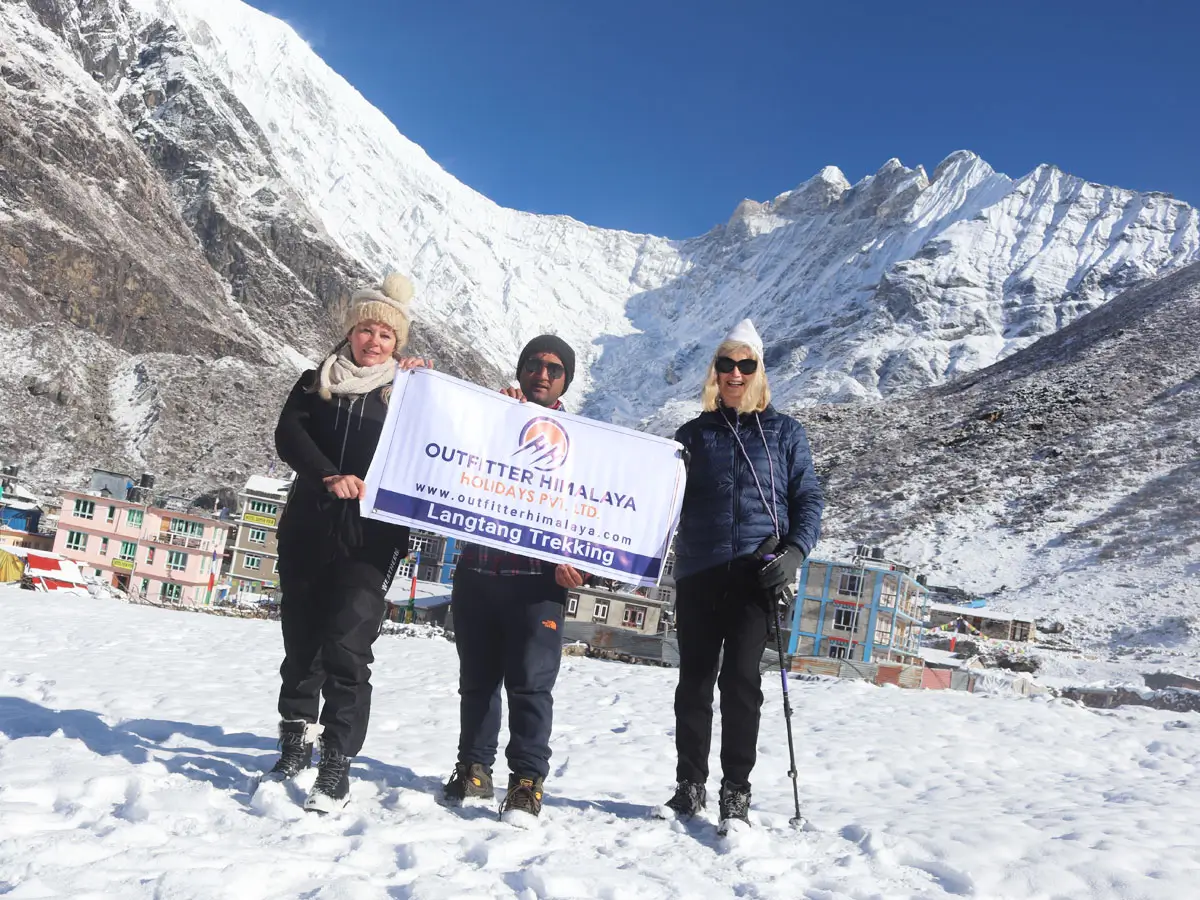
At Outfitter Himalaya, we specialize in organizing safe, well-planned Himalayan adventures year-round. Our experienced local guides monitor trail conditions, arrange comfortable teahouse accommodation, assist with permits, and help you trek safely during the winter season.
Is January a good time for the Langtang Valley Trek?
Yes, January is an excellent time for the Langtang Trek for trekkers who enjoy peaceful trails, snow-covered mountain scenery, and a true winter trekking experience.
Is the Langtang Trek open in January?
Yes, the main Langtang Valley Trek route is generally open in January, and most teahouses continue operating throughout the winter.
How cold is it in Langtang in January?
January is the coldest month of the year in Langtang, and daytime temperatures vary with elevation, while nights at Kyanjin Gompa can fall below -10°C and, during cold spells, may even drop to -15°C.
Does it snow on the Langtang in January?
Yes, snow is common in the upper Langtang Valley during January, especially around Langtang Village, Kyanjin Gompa, Kyanjin Ri, and Tserko Ri.
Can beginners do the Langtang Valley Trek in January?
Yes, beginners with good fitness can complete the trek if they prepare properly.
Are teahouses open in January?
Yes, most teahouses along the main trekking route remain open throughout January. While facilities may be simpler than in peak seasons, you can still find comfortable accommodation.
Is Kyanjin Ri possible in January?
Yes, but only when weather and trail conditions are safe. Snow, ice, or strong winds can make the climb dangerous, so Kyanjin Ri should always be treated as an optional hike rather than a guaranteed part of the itinerary.
Is altitude sickness a concern in January?
Yes, the cold weather does not reduce the risk of altitude sickness, and trekkers ou should ascend gradually, stay hydrated, eat well, and monitor their health, especially above Langtang Village and at Kyanjin Gompa.
Do I need a guide for the Langtang Trek in January?
Although experienced trekkers may travel independently where regulations allow, hiring a licensed local guide is highly recommended in January.
Is January better than February for the Langtang Valley Trek?
January offers a deeper winter experience with quieter trails and a higher chance of snow, and February remains cold but often brings slightly warmer daytime temperatures and early signs of spring at lower elevations. The better month depends on whether you prefer peak winter scenery or slightly more comfortable conditions.
Is the Langtang Valley Trek worth doing in January?
Absolutely, for trekkers seeking peaceful trails, spectacular snow-covered mountains, authentic Tamang culture, and a genuine Himalayan winter adventure, January is one of the most rewarding times to visit Langtang.
Outfitter Himalaya provides experienced local guides, carefully planned winter itineraries, permit assistance, reliable logistics, comfortable teahouse arrangements, and expert support throughout your Langtang adventure.
Conclusion
The Langtang Valley Trek in January is one of Nepal's most rewarding winter adventures for trekkers seeking peace, spectacular mountain scenery, and an authentic Himalayan experience. While January brings freezing temperatures and the possibility of snow, it also rewards prepared travelers with crystal-clear skies, quiet trails, snow-covered landscapes, and a level of solitude rarely found during the busy trekking seasons.
If you're ready to trade busy trails for peaceful valleys, crisp winter air, and unforgettable Himalayan panoramas, January may be the perfect time to discover the magic of Langtang.
The Annapurna Circuit Trek covers approximately 102 kilometers of walking on Outfitter Himalaya’s classic 15-day itinerary, including the Manang acclimatization hike. The journey unfolds through riverside forests, mountain villages and open valleys before crossing Thorong La [...]
The Annapurna Circuit Trek costs about USD 650–1,900 per person with Outfitter Himalaya, depending on the itinerary, group size, and services included. Outfitter Himalaya’s 15-day Classic Annapurna Circuit Trek has published group-size prices of USD [...]
Foreign trekkers need a trekking permit to trek the Annapurna Circuit, and we suggest settling it before you head out. Arranging the correct paperwork before departure helps avoid extra charges and interruptions once your journey [...]