Manaslu Circuit Trek in November offers one of the clearest and most visually stunning trekking experiences in Nepal. November is considered one of the best times to experience this remote and spectacular Manaslu Himalayan adventure. As late autumn settles across the Himalayas, November brings crisp air, dry trails, outstanding mountain visibility, and peaceful trekking conditions throughout the Manaslu region.
With stable weather and fewer crowds than in October, November provides an excellent opportunity to experience the beauty of the Manaslu Trek under calm skies and comfortable trekking conditions. The clear atmosphere enhances mountain views, making this month ideal for photography and high-altitude trekking adventures.
Manaslu Circuit Trek in November – Clear Skies, Epic Mountain Views and the Best time to go
Manaslu Circuit Trek in November represents one of the finest late-autumn trekking experiences in Nepal. Located in the stunning Manaslu Region, the trek circles the world’s eighth-highest mountain, Mount Manaslu (8,163 meters), and offers a quieter alternative to Nepal’s busier trekking routes. By November, the busy peak-season rush of October begins to settle, creating a quieter trekking atmosphere while still maintaining excellent weather stability and breathtaking mountain visibility.
In November, the Manaslu region transforms into a calm, crystal-clear environment. The skies become consistently blue, humidity levels remain extremely low, and the surrounding Himalayan peaks appear sharper than in earlier months. The air feels crisp and refreshing, enhancing both comfort and visibility throughout the journey.
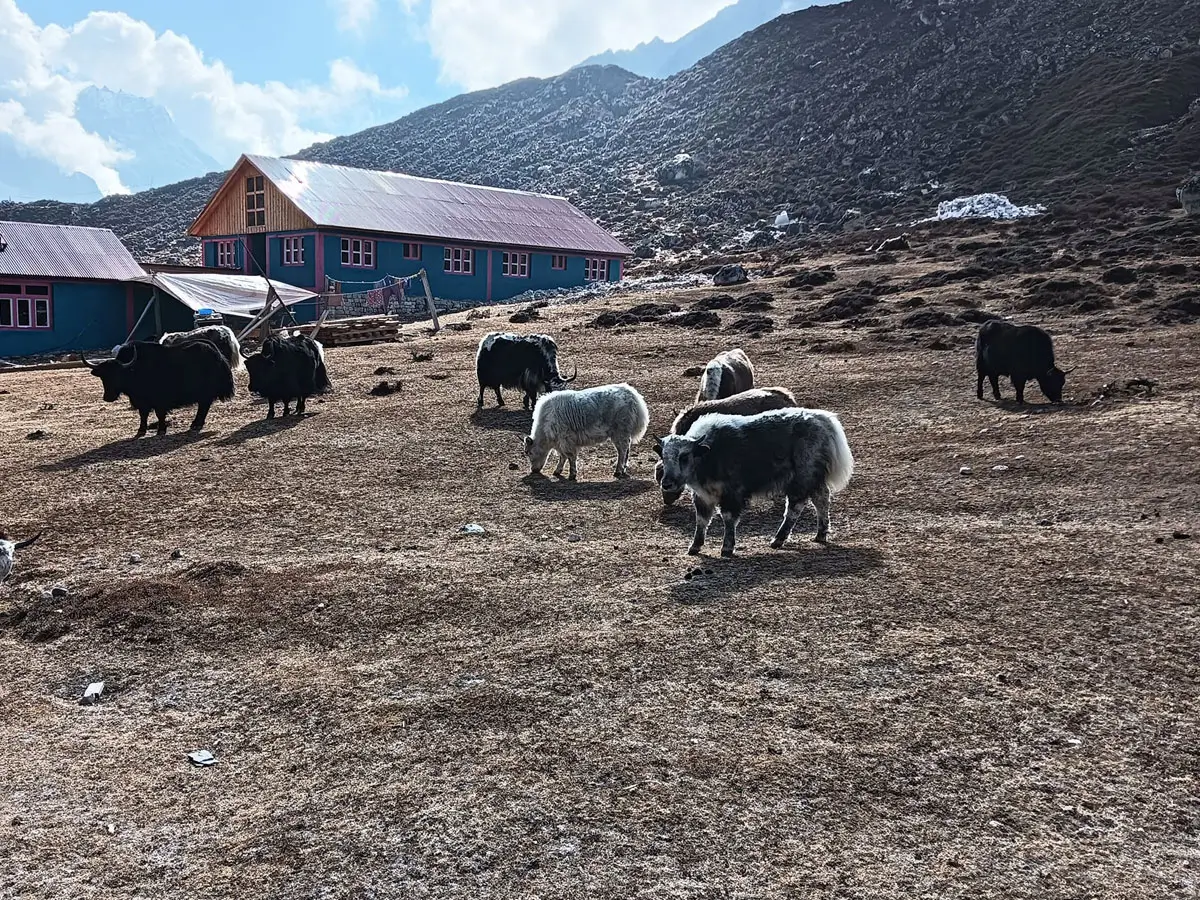
Yaks in Manaslu Trail!
The journey usually begins at Soti Khola or Machha Khola and takes about 12-16 days to complete. Along the route, trekkers pass through deep river valleys, lush forests, traditional Tibetan-influenced villages, alpine meadows, and dramatic mountain terrain. The trek reaches its highest point at Larkya La Pass (5,160 meters), one of Nepal’s most scenic high passes.
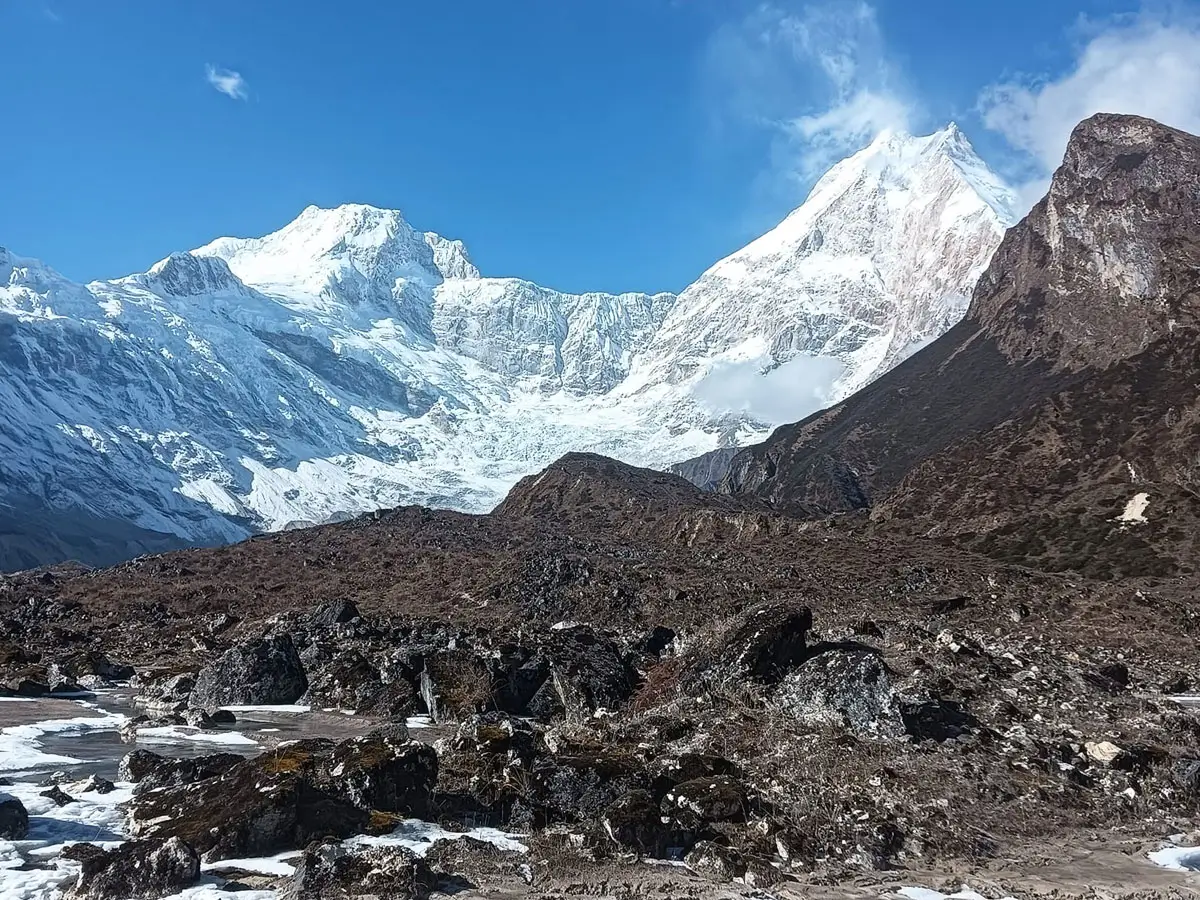
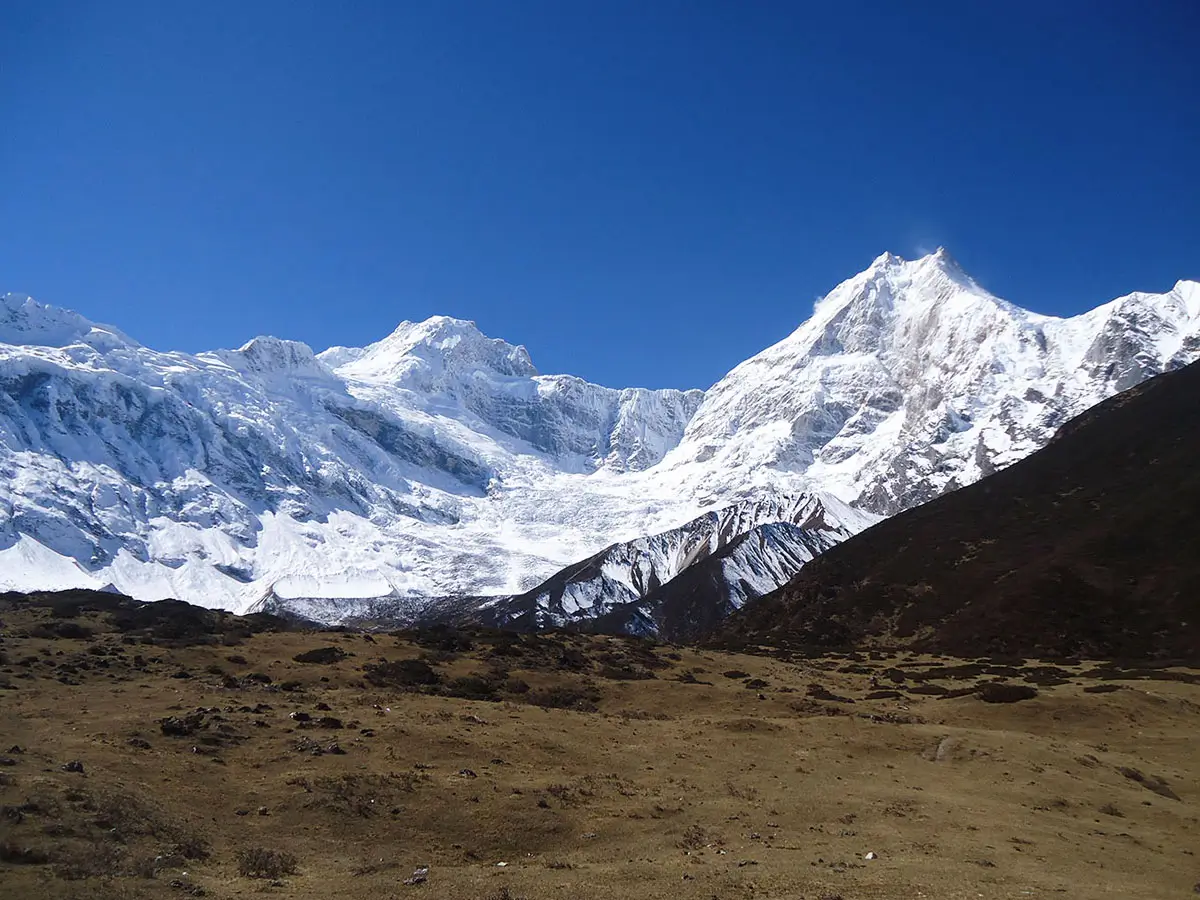
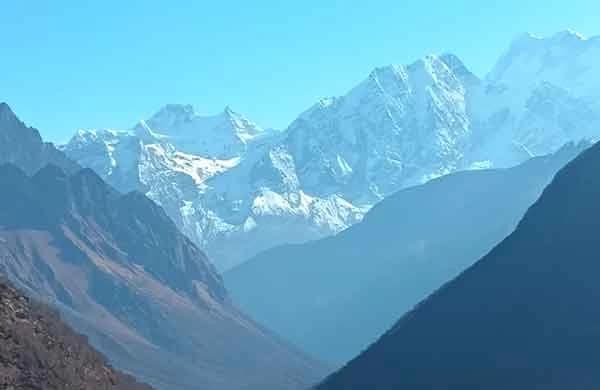
One of the most remarkable advantages of trekking the Manaslu Circuit in November is the clarity of mountain views. The snow-covered peaks such as Mt. Manaslu (8,163 m), Himalchuli, and Ngadi Chuuli stand prominently against deep blue skies. Sunrise and sunset moments become especially memorable, as golden light reflects across glaciers and mountain ridges.
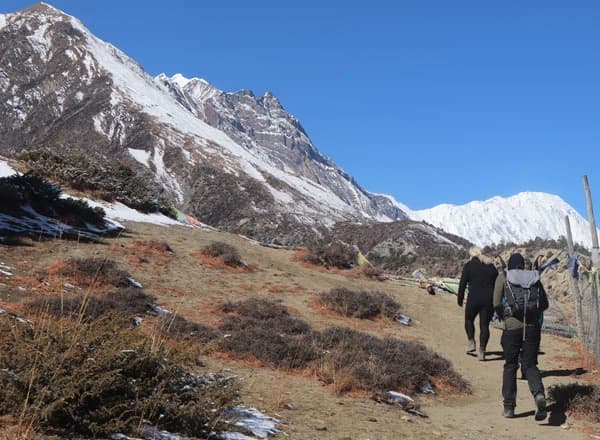
November brings slightly cooler temperatures, particularly at night. However, daytime trekking conditions remain highly comfortable, making walking enjoyable across forest trails, alpine meadows, and high mountain passes. The cooler air also improves endurance, allowing trekkers to maintain steady progress without overheating.
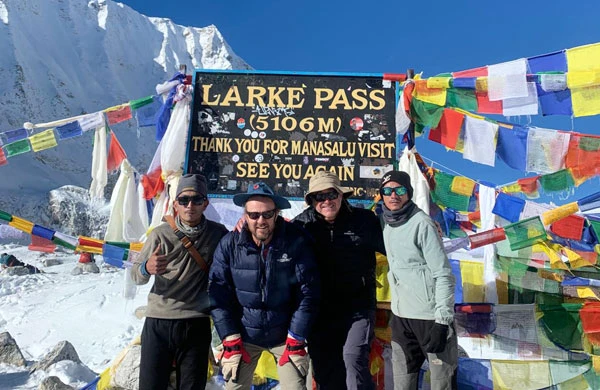
November is also known for its reliable trail conditions, with no rainfall and minimal snowfall, and trekking routes remain dry and stable across most elevations. These conditions support safe crossing of Larkya La Pass (5,106 m), one of the most demanding sections of the trek.
If you are looking for a perfect mix of remote adventure, rich culture, peaceful trails, reliable late-autumn conditions, and breathtaking scenery, the Manaslu Circuit trek in November is one of Nepal’s most rewarding and visually striking Himalayan adventures.
Highlights - Manaslu Trek in November
Witness exceptionally clear views of Mt. Manaslu (8,163 m) and surrounding Himalayan giants under deep blue autumn skies.
Experience some of the sharpest mountain visibility of the year, ideal for photography and panoramic landscapes
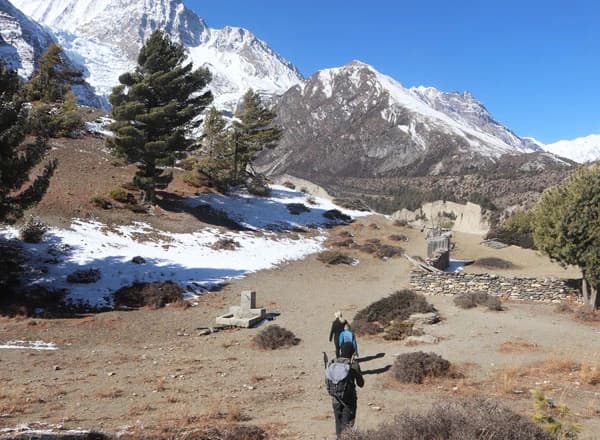
Trek along dry, stable trails across forests, alpine valleys, and rugged mountain terrain
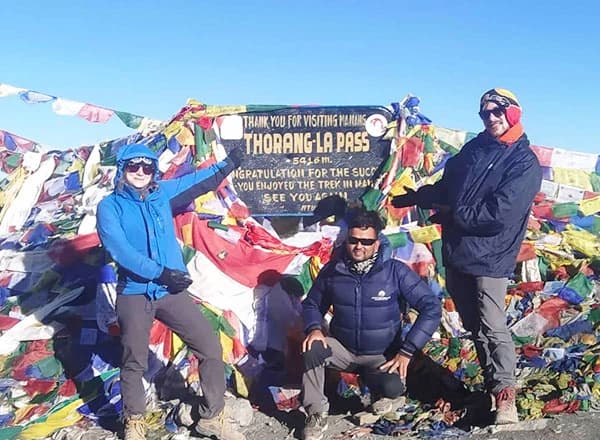
Successfully crossed Larkya La Pass (5,106 m) under reliable late-autumn weather conditions.
Enjoy beautiful late-autumn scenery with golden vegetation, crisp air, and snow-dusted peaks.
Explore peaceful Himalayan villages such as Namrung, Lho, SamaGaon, and Samdo, where traditional mountain life continues unchanged.
Capture breathtaking sunrise and sunset views with minimal cloud cover and strong visibility.
Experience cold, clear nights with brilliant star-filled Himalayan skies.
Trek through the protected landscapes of the Manaslu Conservation Area, rich in natural beauty and cultural heritage
Enjoy slightly fewer trekkers than in October, while still benefiting from peak-season trekking infrastructure.
Why November is one of the Clearest Months for the Manaslu Trek - The Late - Autumn Visibility Advantages
One of the defining reasons trekkers choose the Manaslu Circuit Trek in November is the exceptional clarity of the Himalayan landscape during late autumn. By November, the monsoon season has passed, and the atmosphere in the region becomes dry and stable, allowing mountain views to appear sharper and more vivid than in earlier months.
The reduction in humidity and airborne moisture creates deep blue skies that remain consistent throughout most days in November. The snow-covered peaks such as Mt. Manaslu (8,163 m), Himalchuli, and Ngadi Chuli become highly visible, often appearing closer and more detailed against the clear horizon.
The morning hours in November are particularly spectacular. As the sun rises over the Himalayan ridges, golden light spreads across glaciers and alpine valleys, creating dramatic visual contrasts. These early hours offer some of the best opportunities for photography and uninterrupted mountain views.
Another advantage of November’s dry atmosphere is the stability of long-distance visibility, and you can observe distant ridgelines, glacier systems, and valley formations that may remain partially hidden during warmer or more humid months. The visual clarity enhances the overall trekking experience, making each day feel more immersive and rewarding.
For travelers seeking crisp mountain air, sharp scenic detail, and consistent visibility, November is the clearest and most visually rewarding month to complete the Manaslu Circuit Trek.
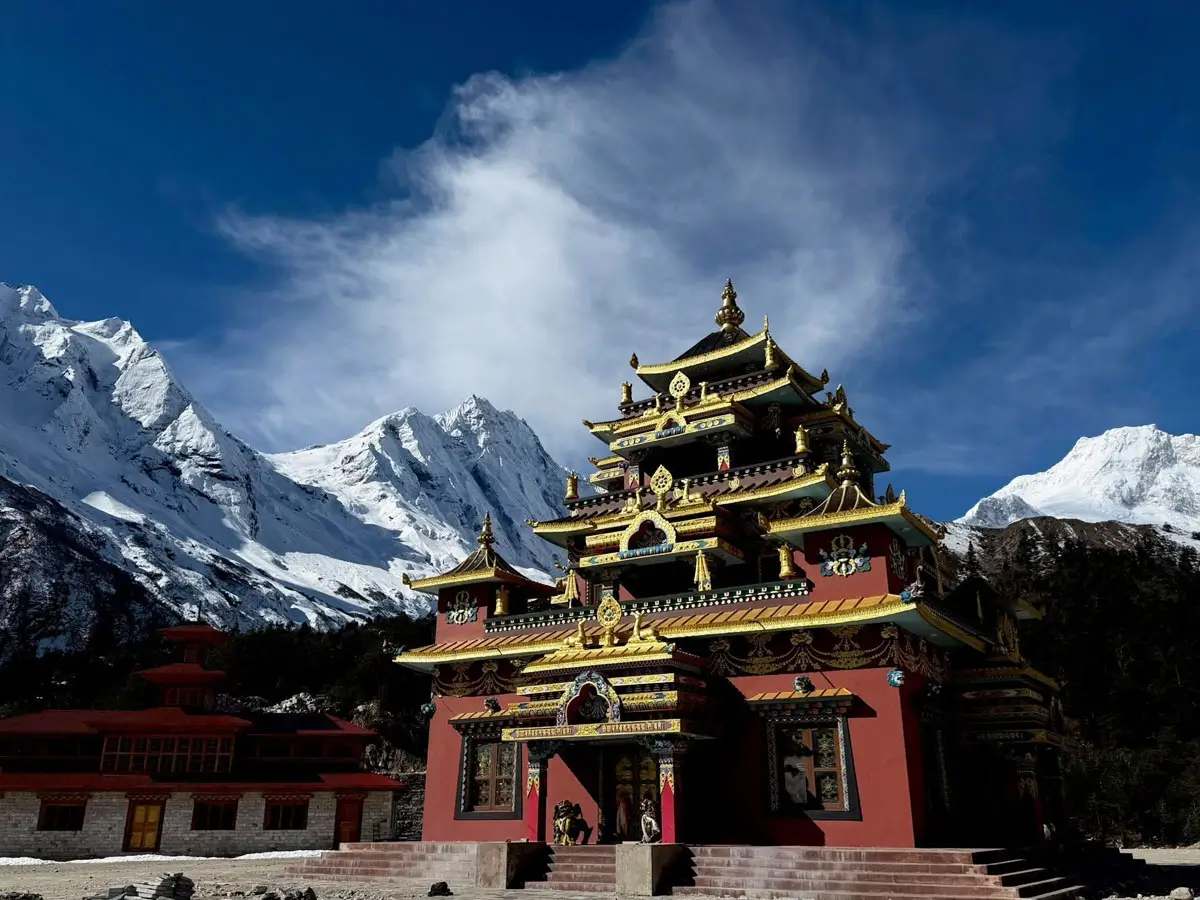
Monastery in Manaslu Region!
Best Weeks to Trek Manaslu Circuit in November
The Manaslu Trek in November remains highly favorable throughout the month, but conditions gradually shift as late autumn progresses toward winter. The differences between early, mid, and late November mainly involve temperature changes, crowd levels, and overall trekking comfort.
Understanding these variations helps you to select the most suitable time based on your preferences for weather stability, scenery, and trekking conditions.
Early November (First week ) – Peak Autumn Continuation
Early November continues the strong weather stability of late October, with the trails remaining dry, skies staying clear, and trekking conditions highly reliable across most elevations. The typical early November features are:
Stable weather with minimal precipitation
Comfortable daytime temperatures
Excellent mountain visibility
Active trekking infrastructure
Moderate crowd levels
This period is ideal for trekkers seeking peak-season conditions with slightly fewer crowds than October.
Mid - November (Second Week) – Clear skies and Balanced Conditions
Mid - November is often considered one of the most balanced periods for trekking in Manaslu, as visibility remains excellent while crowds begin to thin. The typical mid-November features are:
Exceptionally clear skies
Cool but comfortable trekking days
Reduced crowd levels
Strong visibility at high altitude
Stable Larkya La crossing conditions
This period suits trekkers who prefer clear views and a peaceful trekking atmosphere.
Late November (Third and Fourth Week) – cold but stunning Conditions
Late November marks the transition toward early winter. While trekking remains possible, temperatures drop noticeably, especially at higher elevations. The typical late November features are:
Colder mornings and evenings
Very clear mountain visibility
Frost forms at higher elevations
Quieter trails and fewer trekkers
Increased need for warm clothing
Late November is best suited for trekkers who are comfortable with colder conditions and well-prepared for winter.
Overall Best Time within November
While the entire month of November offers excellent trekking conditions, early to mid-November is widely considered the best time to complete the Manaslu Circuit Trek.
Summary:
Early November: Peak-season reliability with fewer crowds
Mid November: Ideal balance of clarity and comfort
Late November: Cold but visually stunning conditions
Overall, November remains one of the most dependable months for trekking the Manaslu Circuit, offering strong visibility and stable weather across most elevations.
Manaslu Circuit Trek Weather and Temperature in November
Manaslu Circuit Trek in November benefits from some of the clearest, driest weather of the entire trekking season. As late autumn settles across Nepal, November brings stable skies, low humidity, and excellent mountain visibility throughout the Manaslu region.
Unlike the warmer conditions of early autumn, November brings cooler temperatures, especially in the mornings and at night. However, daytime trekking conditions remain comfortable and highly suitable for long-distance trekking across forests, alpine valleys, and high mountain terrain.
Rainfall during November is extremely rare, and snowfall typically occurs only in very high elevations later in the month. The trails remain dry and stable across most sections of the route, making November one of the safest months to complete the Manaslu Circuit Trek.
The combination of cold, clean air and stable weather allows you to enjoy uninterrupted views of surrounding Himalayan peaks, making November one of the best months for scenic trekking and photography.
Morning Weather Conditions
Mornings in November are usually cold but exceptionally clear. This is the most favorable time of day for trekking, especially for crossing high-altitude sections such as Larkya La Pass. Typical morning conditions include:
Cold temperatures at higher elevations
Clear blue skies with minimal clouds
Calm wind conditions in the early hours
Excellent sunrise visibility
Starting early in the morning allows trekkers to take advantage of the day's most stable weather window.
Daytime Weather Conditions
Daytime temperatures during November remain comfortable, particularly in lower and mid-elevation regions. Sunshine is common, and visibility remains strong across mountain landscapes.
mild trekking temperatures
strong sunlight under clear skies
low humidity levels
comfortable walking environment
Despite cooler mornings, trekking during daylight hours remains enjoyable across most sections of the route.
Nighttime Weather Conditions
Nighttime temperatures drop significantly in November, particularly at higher elevations above 3,500 meters. Cold air settles into valleys, creating chilly evening conditions. Typical nighttime conditions include:
freezing temperatures at high altitude
frost forming on surfaces
cold winds in exposed areas
clear star-filled skies
Proper warm clothing and insulated sleeping gear are essential for maintaining comfort during the night.
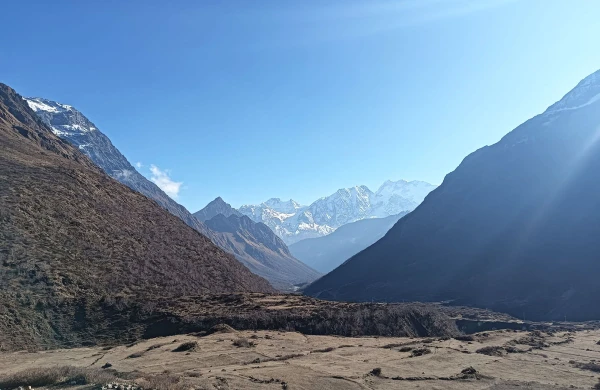
Manaslu Circuit Trail!
Temperature Range by Elevation in November
Temperatures vary depending on altitude along the Manaslu Circuit Trek. Lower areas remain relatively mild, while higher elevations experience colder conditions.
Lower Elevations (700m–2,500m)- MachhaKhola to Jagat region
Daytime: 15°C to 22°C
Morning/Night: 6°C to 12°C
These areas remain comfortable with mild autumn temperatures.
Mid Elevations (2,500m–3,500m)- Namrung to Lho region
Daytime: 10°C to 16°C
Morning/Night: 2°C to 8°C
Cooler temperatures become more noticeable at these elevations.
Higher Elevations (3,500m–4,500m) - SamaGaon to Samdo region
Daytime: 5°C to 12°C
Night: -5°C to 2°C
Cold mornings and evenings are the norm at this stage.
High Pass Region (Above 4,500m)- Larkya La Pass (5,106 m)
November offers some of the most reliable trekking conditions due to its combination of clear skies, stable weather, and dry trails. Major November weather advantages include:
exceptionally clear mountain visibility
minimal rainfall across the region
dry and safe trekking trails
stable conditions for crossing Larkya La Pass
comfortable daytime trekking temperatures
These conditions make November one of the most dependable months for completing the Manaslu Circuit Trek.
Best Manaslu Trek for November
There are many trekking itineraries for the Manaslu trek in November, and we have compiled some of the most popular Manaslu Packages for November below. Let us know if these programs are not suitable for you, and we will look for a customized Manaslu Trek.
Manaslu Circuit Trek – 14 Days: This 14-day trek is suitable for those seeking an all-inclusive package with a Kathmandu tour and hotel arrangements from arrival to departure.
Short Manaslu Trek – 11 Days: The Short Manaslu Trek is suitable for those already in Kathmandu or who want to make their own arrangements in Kathmandu and book the trekking part.
Tsum Valley Trek – 18 Days: The Tsum Valley Trek is another popular trek in the Manaslu Region and is suitable for those looking to explore Nepal's cultural trail.
Tsum Valley - Manaslu Trek - 22 Days: This is a long, combined trek that covers the Tsum Valley and Manaslu-Larke La Pass and is suitable for those looking to spend many days in the Himalayas.
Manaslu Trek starts from Pokhara: Pokhara – Manaslu Trek is suitable for those already in Pokhara or who want to start and end the Manaslu Trek there.
Comfort Manaslu Trek – 17 Days: The Comfort Manaslu Trek is suitable for those seeking a more luxurious experience of the Manaslu Circuit, with stays at the best available lodges along the trail and a 4-star hotel in Kathmandu. The Comfort Manaslu Trek is an all-inclusive package with private Jeep transport, 4-star hotels, a guide, a porter, and the best available accommodation along the trail.
Why Trek Manaslu Circuit in November - Pros and Benefits of Manaslu Trek in November
Manasl Trekking in November offers some of the most rewarding late-autumn trekking conditions in Nepal. As the autumn season reaches its final stage, November delivers crisp air, exceptionally clear mountain views, dry trails, and a more peaceful trekking atmosphere.
If you are seeking clear visibility, comfortable trekking conditions, and reliable weather, November is one of the most dependable months to explore the Manaslu region. The combination of stable conditions and breathtaking Himalayan scenery makes the Manaslu Trek in November a highly recommended choice for both experienced trekkers and well-prepared beginners.
Exceptionally Clear Mountain Views – Best Visibility of the Season
One of the strongest reasons to choose the Manaslu Circuit Trek in November is the outstanding mountain visibility. By late autumn, humidity levels drop significantly, and skies remain consistently clear across the Himalayan landscape. You will enjoy uninterrupted views of:
Mt. Manaslu (8,163 m) – the world’s eighth-highest mountain
Himalchuli and Nagadi Chuli
Ganesh Himal Range
Larkya Peak and surrounding glaciers
November often provides the clearest mountain views of the entire autumn season, making it one of the best months for photography and scenic trekking.
Dry Trails and Comfortable Trekking Conditions
November follows October’s stable weather pattern, meaning trails remain dry and safe throughout most sections of the Manaslu Circuit Trek. Without rainfall or mud, walking conditions become more stable and predictable. Benefits of dry trails include:
improved walking safety
reduced slipping risk
easier river crossings
Smoother daily trekking progress
These reliable conditions make November one of the most comfortable months for long-distance trekking.
Cooler Temperatures Improve Trekking Comfort
Unlike warmer months, November brings cooler daytime temperatures, which many trekkers find more comfortable for extended walking. Advantages of cooler temperatures include:
reduced fatigue during long trekking days
less sweating and dehydration
improved endurance at higher altitudes
more comfortable hiking rhythm
These conditions make the Manaslu Circuit Trek in November particularly suitable for trekkers who prefer cooler weather.
Ideal Month for Photography and Scenic Views
November is widely recognized as one of the best months for capturing clear Himalayan photography. With low humidity and strong visibility, mountain landscapes appear sharper and more vibrant. Photography opportunities include:
sunrise over snow-covered peaks
golden late-autumn landscapes
reflections across alpine terrain
dramatic high-altitude scenery
The combination of crisp air and clear skies creates outstanding photographic results.
Peaceful Trekking Environment Compared to October
Although November remains a popular trekking month, the number of trekkers gradually decreases after October. This creates a more peaceful trekking experience while still benefiting from peak-season infrastructure. You will enjoy:
quieter trails
less crowded tea houses
more relaxed village environments
smoother accommodation availability
This balance between activity and calmness makes November an excellent alternative to October.
Reliable Conditions for Crossing Larkya La Pass
Crossing Larkya La Pass (5,106 m) is the most demanding part of the trek, and November offers reliable weather conditions that improve crossing success rates. Typical November advantages include:
stable morning weather
minimal rainfall
predictable trail conditions
strong visibility at high altitude
These factors contribute to safer and more successful high-pass crossings.
Beautiful Late - Autumn Landscapes
In November, subtle seasonal changes begin across the Manaslu region. Vegetation begins to transition into late-autumn colors, creating a scenic contrast against snow-covered peaks and you will notice:
golden alpine grasslands
frost-covered morning landscapes
crisp mountain air
snow-dusted ridgelines
These seasonal transitions create a visually unique trekking atmosphere.
Fully Functional Tea Houses and Trekking Services
Despite being late autumn, November still supports a full trekking infrastructure across the Manaslu Circuit. Tea houses remain open, and trekking support services operate efficiently. Trekkers benefit from:
reliable accommodation availability
consistent meal services
experienced trekking staff
well-organized logistics
This convenience improves comfort during long trekking journeys.
Manaslu Himalaya!
Cons of Manaslu Circuit Trek in November - Important Considerations
Manaslu Circuit Trek in November offers outstanding weather stability and clear mountain views; late autumn conditions introduce a few manageable challenges. These factors are generally minor and can be handled easily with proper preparation and awareness.
Understanding these considerations helps you to plan your trek more effectively and enjoy a smoother experience.
Colder Nights at Higher Elevations
One of the most noticeable changes during the Manaslu Trek in November is the drop in nighttime temperatures, especially above 3,500 meters. As late autumn progresses, the cold air settles into higher valleys and mountain passes, and you will experience:
freezing temperatures during early mornings
frost forming on ground surfaces
cold winds in high-altitude areas
chilly conditions inside the tea houses at night
Proper layering and warm sleeping gear easily solve this challenge.
Shorter Daylight Hours Compared to October
The November advances toward winter, daylight hours gradually decrease, which means trekking days become slightly shorter, requiring better time management, and you should be prepared to:
begin trekking earlier each morning
maintain a steady walking pace
avoid long midday delays
reach destinations before sunset
With proper planning, shorter daylight rarely creates major difficulties.
Increasing Cold Near Larkya La Pass
Temperatures around Larkya La Pass (5,106 m) are colder in November, and early morning crossings may involve cold winds and frozen ground. Trekkers may notice:
icy patches in shaded areas
colder wind exposure near the summit
slower movement due to cold conditions
However, snowfall remains minimal in most early and mid-November periods.
Gradual Transition Toward Winter in Late November
By the final weeks of November, winter conditions begin to set in at higher elevations. While most trekking remains safe, temperatures become noticeably colder. Late November trekkers may experience:
colder mornings and evenings
occasional frost buildup
increased need for warm clothing
Carefully planning trek timing helps manage these seasonal transitions.
Dry Air Can Cause Dehydration
November’s crisp, dry air may increase the risk of dehydration, especially at higher elevations where moisture levels remain low. You should:
Drink water regularly
carry refillable bottles
Monitor hydration levels
Consume warm fluids when possible
Maintaining hydration supports altitude adaptation and energy levels.
Balanced November Reality
Despite these minor considerations, November remains one of the most reliable and visually rewarding months for completing the Manaslu Circuit Trek. Most challenges are manageable with proper clothing, early starts, and steady pacing.
For many trekkers, the benefits of clear skies, peaceful trails, and excellent mountain visibility far outweigh these small limitations.
Manaslu Circuit Trek Difficulty and Altitude in November
The Manaslu Circuit Trek in November is a moderate-to-challenging high-altitude trek that requires good physical fitness, steady pacing, and proper acclimatization. November offers stable weather and dry trails, and colder temperatures at higher elevations increase the overall physical demand of the trek.
You will walk 5 to 7 hours daily, covering diverse terrain, including forest trails, steep ascents, suspension bridges, alpine valleys, and glacial landscapes. The cool air of November supports comfortable daytime trekking, but colder mornings and nights require extra preparation and endurance.
Despite these challenges, November remains one of the safest months to complete the Manaslu Trek, thanks to reliable weather and predictable trail conditions.
Altitude Challenges Along the Manaslu Circuit
Altitude plays a major role in the difficulty of the Manaslu Circuit Trek in November, as you gradually ascend into thinner air at higher elevations. The oxygen levels decrease significantly above 3,500 meters, making movement slower and more physically demanding.
Larkya La Pass – 5,106 meters (16,752 feet)
Reaching the elevation of 5,106 meters (16,752 feet) requires proper acclimatization and gradual ascent. November’s stable weather helps to maintain consistent trekking progress and allows trekkers to adjust safely to altitude changes. The common altitude - related challenges include:
Reduced oxygen levels
Slower walking pace
Increased fatigue
Shortness of breath
Proper acclimatization days – particularly in Sama Gaon and Samdo – help minimize these risks.
Larkya La Pass - The Most Physically Demanding Day
Crossing Larkya La Pass (5,106 m) is the most demanding section of the trek. In November, colder temperatures make this section slightly more challenging compared to October. Typical November Larkya La conditions include:
very early morning departure
cold temperatures during ascent
possible frost or icy patches
strong winds near the summit
However, November still offers stable, predictable weather, which supports safe crossings when proper precautions are taken.
Understanding Altitude Sickness Risk
Altitude sickness (Acute Mountain Sickness) can occur when the body struggles to adapt to lower oxygen levels at high altitude, and common symptoms of altitude sickness include:
headache
nausea
dizziness
loss of appetite
fatigue or weakness
Although November offers stable weather, altitude risks remain due to high elevations rather than seasonal conditions.
Simple Tips to Avoid Altitude Risk
walk slowly and maintain a steady pace
Stay hydrated throughout the trek
Follow acclimatization days carefully
Avoid alcohol at high altitude
Eat warm and energy-rich meals
Communicate symptoms to your guide immediately
These simple precautions significantly improve safety and comfort.
Overall Difficulty Summary
The Manaslu Circuit Trek in November remains physically demanding but highly achievable. The stable late-autumn weather supports safer trekking, while colder temperatures require additional clothing and careful planning.
For trekkers prepared for cold conditions and high-altitude walking, November offers one of the most rewarding trekking experiences in the Manaslu region.
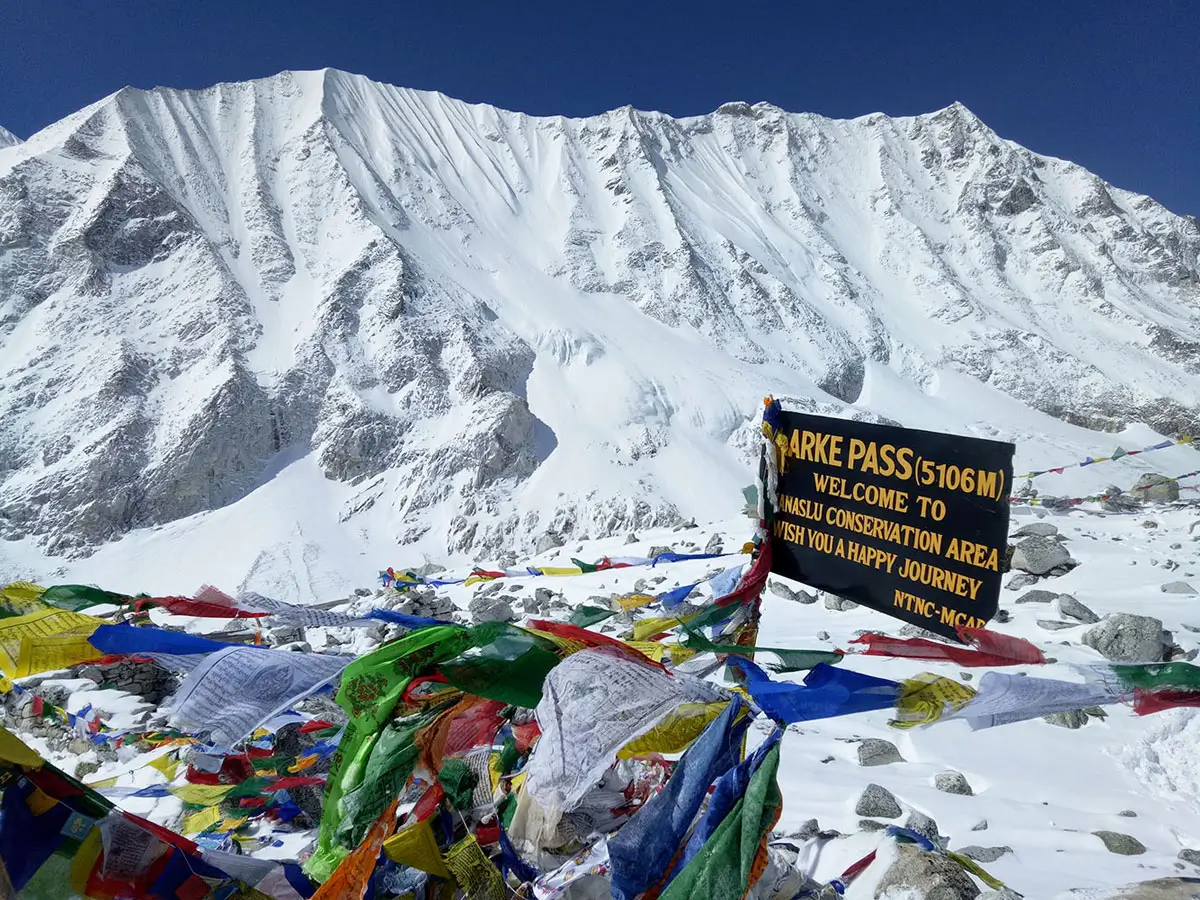
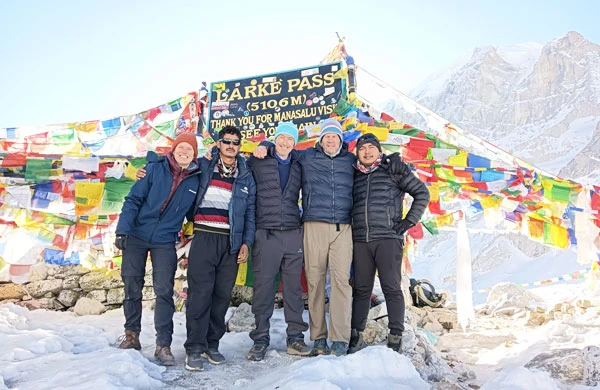
The Larke Pass!
Expert Tips for Manaslu Circuit Trek in November
Manaslu Trek in November offers some of the clearest trekking conditions of the year, but colder temperatures and shorter daylight hours require careful planning to complete the trek. Following the right preparation strategies helps you to maintain comfort, safety, and confidence throughout the journey.
The expert tips are specifically designed for late-autumn trekking conditions, when clear skies, cold mornings, and high-altitude exposure become key factors.
Prepare Properly for Cold Weather Conditions
Cold temperatures are one of the defining characteristics of November trekking in Nepal. While daytime walking remains comfortable, mornings and nights can become very cold, especially above 3,500 meters, and cold-weather strategies include:
wear layered clothing to adjust to temperature changes
carry a high-quality down jacket
Keep gloves, hats, and thermal layers accessible
Use insulated socks during colder evenings
Staying warm improves energy levels and overall trekking comfort.
Start Trekking Early to Use Daylight Efficiently
November brings slightly shorter daylight hours compared to October, making early starts especially important, and the benefits of early morning trekking are:
Maximize daylight hours
Reduce the risk of walking after sunset
Enjoy stable morning weather
Improve safety during long trekking days
This is important on the day of crossing Larkya La Pass, where early departure improves success.
Stay Hydrated Despite Cooler Temperatures
The cool weather often reduces the feeling of thirst, but hydration remains essential for maintaining strength and preventing altitude-related problems, and helpful hydration practices are:
Drink water regularly throughout the day
Carry refillable water bottles
Consume warm fluids when possible
Monitor signs of dehydration
Proper hydration supports acclimatization and endurance.
Plan Photography During Sunrise and Sunset
November offers exceptional photography conditions with clear skies and crisp air. The early morning and late afternoon lighting create dramatic mountain colors and shadows. Find some tips:
Capture sunrise from elevated viewpoints
Photograph golden evening light across the valleys
Use morning clarity for distant mountain shots
Plan short stops near scenic locations
November is one of the best months for capturing clear Himalayan scenery.
Confirm Accommodation availability in Advance
Although November sees slightly fewer trekkers than October, it is still a busy trekking season. The tea houses remain active, but planning helps avoid delays, and the recommended planning steps are:
Finalize itinerary before arrival
Reserve accommodations through guides
Plan daily trekking distances carefully
Confirm logistics ahead of time
Preparation improves comfort during peak trekking weeks.
Protect skin from Dry Cold Air
Late-autumn air becomes dry, especially at higher elevations. This may lead to dry skin or lip discomfort, and helpful prevention steps:
Packing properly for the Manaslu Circuit Trek in November is essential, especially at higher elevations, due to cooler temperatures. While daytime trekking remains comfortable, mornings and nights become significantly colder, particularly above 3,500 meters and near Larkya La pass (5,106 m).
A well-planned packing list helps trekkers stay warm, maintain energy, and avoid discomfort caused by cold winds and freezing nighttime conditions. November trekking requires careful layering to balance warmth and flexibility throughout the day.
Warm Layering Is Essential for November Conditions
Layering clothing is the most effective way to handle changing temperatures along the Manaslu Circuit. As trekkers move from warmer valleys into cold alpine zones, adjustments to clothing are necessary. Recommended clothing includes:
moisture - wicking base layers
thermal innerwear for cold mornings
fleece or insulated mid-layer
high-quality down jacket
waterproof and windproof outer jacket
warm trekking pants
insulated gloves and a warm hat
thermal socks for cold evenings
Layering allows trekkers to stay comfortable across varying elevations.
Reliable Trekking Gear for Dry but Cold Trails
Although November trails remain dry and stable, colder temperatures increase the need for durable and dependable gear.
Essential trekking gear includes:
strong trekking boots with a good grip
Trekking poles for stability on steep terrain
durable backpack with rain cover
Reusable water bottles or hydration systems
headlamp with spare batteries
sunglasses with UV protection
These items improve trekking safety and reduce fatigue.
Sun Protection Still Matters in November
Despite cooler temperatures, strong sunlight remains common at high altitude due to clear skies and low humidity. Recommended sun protection includes:
sunscreen (SPF 30 or higher)
lip balm with SPF
wide-brim hat or cap
UV-protection sunglasses
Sun exposure can still be intense, especially during long hours of trekking.
Cold-Night Sleeping Essentials
Nighttime temperatures can drop below freezing at higher elevations during November. Proper sleeping gear ensures comfort and good rest. Important sleeping essentials include:
warm sleeping bag rated for sub-zero temperatures
thermal sleepwear
insulated socks
lightweight blanket liner (optional)
Good sleep helps maintain strength for daily trekking.
Why November Packing Matters
The Manaslu Circuit Trek in November combines dry weather with colder temperatures, making proper clothing and gear selection essential. Packing correctly helps trekkers adapt to cold conditions while maintaining flexibility during daytime trekking.
With appropriate preparation, November remains one of the most comfortable months to complete the Manaslu Circuit successfully.
FAQS – Manaslu Trek in November
Is November a good time for the Manaslu Circuit Trek?
Yes, November is one of the best months for completing the Manaslu Circuit Trek. The month offers clear skies, dry trails, and excellent mountain visibility across the region. Weather conditions remain stable throughout most of the month, making trekking safer and more predictable.
November often provides even clearer views, along with slightly fewer crowds on the trail. This balance of calmness and reliability makes November highly recommended for trekkers seeking both scenery and comfort.
How cold is the Manaslu Circuit Trek in November?
Temperatures during the Manaslu Circuit Trek in November vary depending on altitude. Lower elevations remain mild, while higher regions experience freezing nighttime temperatures. Typical November temperature ranges:
Lower elevations (700m–2,500m): 6°C to 22°C
Mid elevations (2,500m–3,500m): 2°C to 16°C
Higher elevations (3,500m–4,500m): -5°C to 12°C
Larkya La Pass (5,106 m): -15°C to 3°C
Proper winter clothing and a warm sleeping bag are essential for staying comfortable at high altitude.
Is November colder than October on the Manaslu Circuit?
Yes, November is slightly colder than October, especially at night. While daytime temperatures remain comfortable for trekking, mornings and evenings become noticeably colder as winter approaches.
However, many trekkers prefer November for its cooler daytime temperatures and clearer mountain views.
Is it safe to cross Larkya La Pass in November?
Yes, November is considered a safe month to cross Larkya La Pass (5,106 m). Weather remains stable, and snowfall is usually minimal during early and mid-November.
Early morning starts, and proper acclimatization help ensure a safe and successful crossing.
Are tea houses open along the Manaslu Circuit in November?
Although late November sees fewer trekkers, infrastructure remains active, making travel smooth and reliable.
Do permits change in November for the Manaslu Circuit Trek?
No, permit requirements remain the same throughout the year.
Required permits include:
Manaslu Restricted Area Permit (MRAP)
Manaslu Conservation Area Permit (MCAP)
Annapurna Conservation Area Permit (ACAP)
These permits must be arranged through a licensed trekking agency.
Can beginners trek the Manaslu Circuit in November?
Yes, beginners with good physical fitness can complete the Manaslu Circuit Trek in November, provided they prepare properly and follow a well-planned itinerary.
November conditions remain stable, making trekking easier than during winter or monsoon months. However, physical preparation and acclimatization remain essential.
What makes November special for the Manaslu Circuit Trek?
November stands out due to its combination of clear skies, dry weather, and peaceful trekking conditions. The cooler temperatures also make long trekking days more comfortable. Key November advantages include:
extremely clear mountain visibility
dry and stable trails
fewer crowds than in October
crisp and refreshing mountain air
reliable high-altitude trekking conditions
These factors make November one of the most recommended months for trekking the Manaslu Circuit.
Conclusion – Is November the Right Time for the Manaslu Circuit Trek?
For trekkers who value clear skies, peaceful trails, and unforgettable Himalayan scenery, the Manaslu Circuit Trek in November offers one of the most rewarding trekking experiences in Nepal. As late autumn settles across the mountains, November brings crisp air, dry trails, and some of the clearest views of the season, allowing trekkers to appreciate the remote beauty of the Manaslu region fully.
Unlike the peak crowds of October, November provides a slightly quieter trekking atmosphere while still maintaining reliable infrastructure and comfortable trekking conditions. This balance makes the journey feel more relaxed without sacrificing the stability and safety for which autumn is known.
The cooler temperatures in November add a refreshing rhythm to the trek. Walking becomes more comfortable during the day, and the cold, clear nights reveal stunning star-filled Himalayan skies. For many trekkers, this seasonal clarity enhances the emotional connection to the mountains – from the peaceful forests of the lower valleys to the dramatic high-altitude landscapes near Larkya La Pass (5,106 m).
November also supports consistent success rates for completing the Manaslu Circuit. Stable weather, dry trails, and predictable mornings help trekkers manage long walking days and high-altitude crossings with confidence. With proper preparation and warm clothing, the cooler conditions become part of the adventure rather than a limitation.
For those seeking a trekking experience that combines reliability, scenic beauty, and peaceful surroundings, the Manaslu Circuit Trek in November remains one of the most dependable choices in the Himalayan trekking calendar.
The Annapurna Circuit Trek covers approximately 102 kilometers of walking on Outfitter Himalaya’s classic 15-day itinerary, including the Manang acclimatization hike. The journey unfolds through riverside forests, mountain villages and open valleys before crossing Thorong La [...]
The Annapurna Circuit Trek costs about USD 650–1,900 per person with Outfitter Himalaya, depending on the itinerary, group size, and services included. Outfitter Himalaya’s 15-day Classic Annapurna Circuit Trek has published group-size prices of USD [...]
Foreign trekkers need a trekking permit to trek the Annapurna Circuit, and we suggest settling it before you head out. Arranging the correct paperwork before departure helps avoid extra charges and interruptions once your journey [...]