The Mardi Himal Trek in January and February is a rewarding winter adventure trek in Nepal. January is generally colder, with a greater chance of settled snow around High Camp, and February brings longer days and gradually milder daytime conditions. Snow or ice may affect the Upper Viewpoint trail, but the trek remains achievable if you are a prepared beginner or a fit trekker with a sensible itinerary and an experienced guide.
Mardi Himal Trek in Winter: Two faces of Himalayan Winter – January’s Deeper snow and February’s returning light
Mardi Himal Trek in Winter brings you into the Annapurna region during the deep winter of January and February. January carries the season at its deepest, and February gradually introduces longer days and slightly warmer sunlight. Together, the two months offer different versions of the same beautiful ridge journey.
The Mardi Himal Base Camp trek begins in the green foothills above Pokhara and climbs through Deurali, Forest Camp and Low Camp. The dense oak and rhododendron forests provide shelter during the lower stages, and beyond Badal Danda, the trees become smaller, the horizon opens, and Machhapuchhre begins to dominate the view ahead.
January mornings are colder, and the possibility of settled snow is generally greater around High Camp. The forest may remain dry while the exposed ridge holds snow, frost or frozen patches. When the weather is stable, the sharp winter air can reveal remarkably clear views of Machhapuchhre, Annapurna South and Hiunchuli.
February remains a winter month, mostly in its first half; however, the daylight gradually increases, and walking often becomes more comfortable later in the month. Snow can remain above High Camp, while melting during the day and refreezing overnight may create icy sections on the upper trail.
High Camp sits at approximately 3,580 meters above sea level, and you normally begin an early-morning ascent toward the Upper Viewpoint at around 4,120 meters from here. The viewpoint should not be confused with Mardi Himal Base Camp, located at approximately 4,500 meters. Many winter itineraries use the Upper Viewpoint as their main objective because it already provides exceptional mountain scenery.
Mardi Himal is generally a moderate trek, and it does not involve any technical climbing or crossing a major Himalayan pass. Active beginners can complete it with suitable fitness, warm equipment and a flexible itinerary. The highest walking day should remain flexible because fresh snowfall, wind or ice can affect conditions above High Camp.
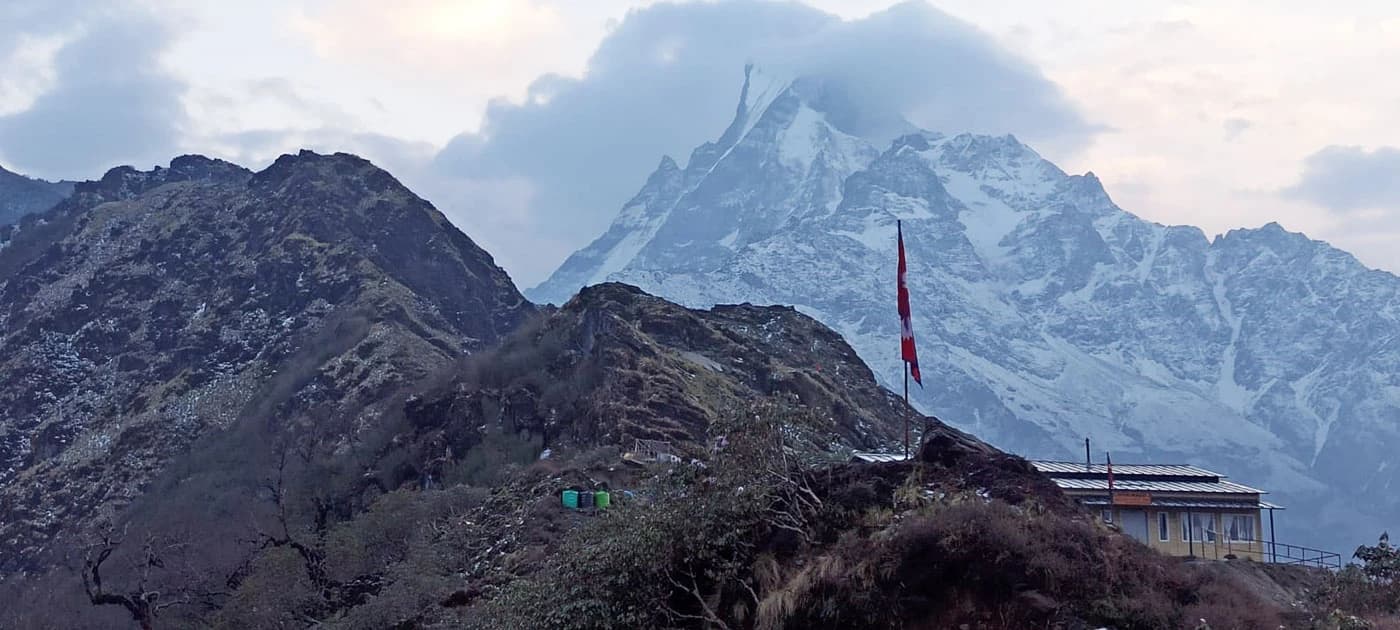
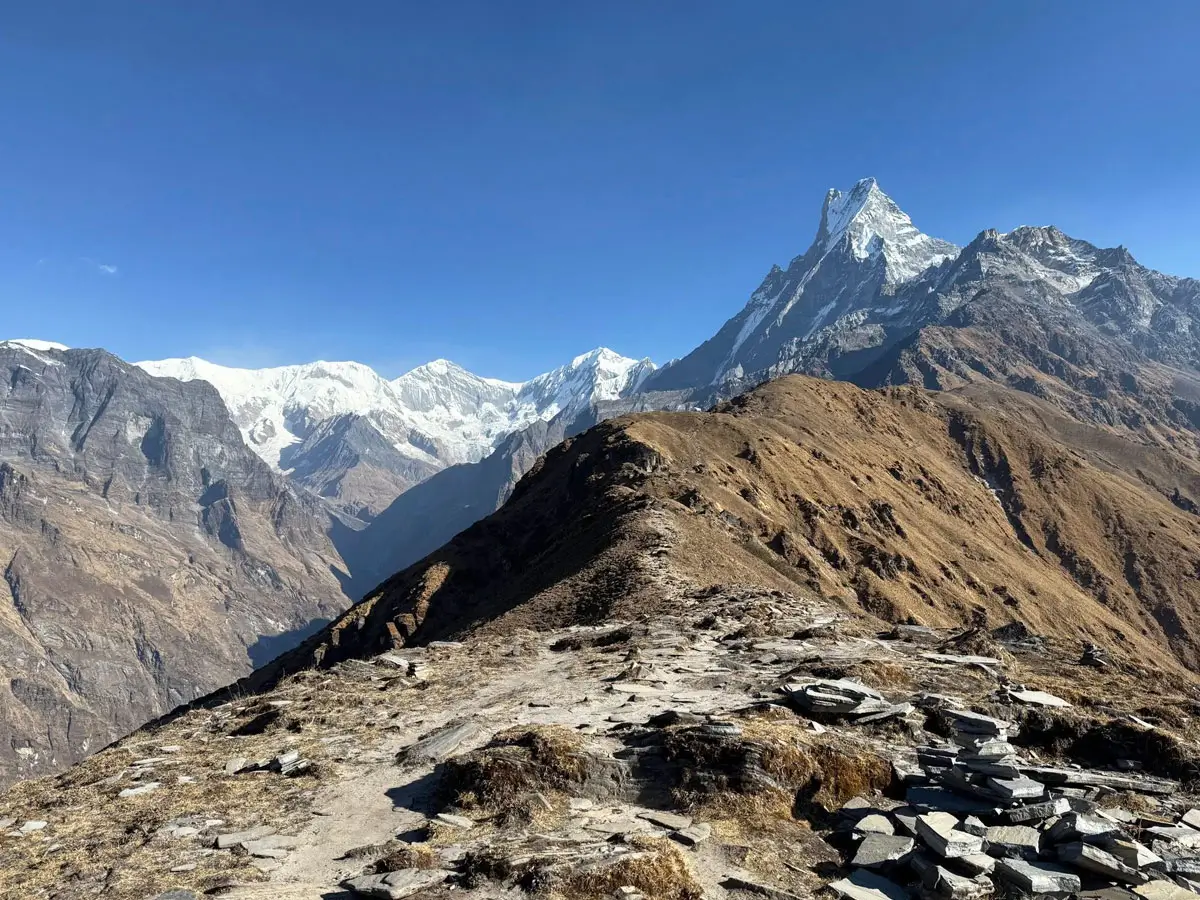
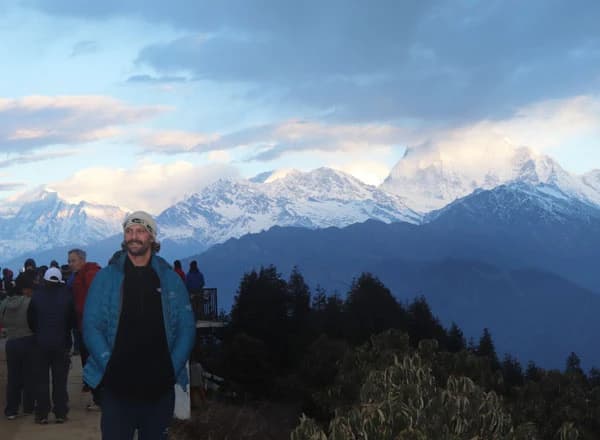
Himalaya view in Mardi Trek!
Mardi Himal Trek in January vs February
January and February both offer rewarding winter conditions, but they suit slightly different trekking preferences.
Factor
January
February
Winter character
Deepest part of winter
Late winter moving gradually toward spring
Daytime conditions
Colder, particularly above Low Camp
Slowly becomes milder, especially later in the month
Nights
Usually the coldest of the year
Still freezing at High Camp but gradually less severe
Snow possibility
Greater chance of settled snow higher up
Fresh or remaining snow is possible, especially in early February
Ice conditions
Frost and packed snow may occur
Daytime melting and overnight refreezing may create icy patches
Daylight
Shorter walking window
Gradually longer days
Trail atmosphere
Very quiet and deeply wintry
Quiet but may become slightly more active later in the month
Teahouses
Some lodges may reduce services
More lodges may begin regular operation toward late February
Upper Viewpoint access
More dependent on snow and wind
Chances may gradually improve, but access is never guaranteed
Beginner suitability
Best for prepared beginners comfortable with cold
Generally the more approachable choice for first-time winter trekkers
Photography
Settled snow, sharp shadows and deep winter scenery
Snowy peaks, changing light and clearer seasonal contrast
Best for
Snow lovers and experienced winter travelers
Beginners, photographers and trekkers preferring longer daylight
Which Month Should You Choose, January or February?
Choose January if you want Mardi Himal at its most wintry and are comfortable with colder nights and flexible upper-route plans.
Choose February if you prefer longer daylight, gradually more comfortable daytime walking, and a potentially better balance between winter scenery and accessibility.
Weather does not follow the calendar perfectly. A dry January departure may encounter less snow than an early-February trek after fresh snowfall. The latest trail report remains more useful than the date alone.
Best Mardi Himal Trek Package for Winter (January and February)
We have some Mardi Himal Trek itineraries; please take a look. We are also happy to tailor a Mardi Himal Trek program if these are not suitable for you and you need a customized itinerary.
Short Mardi Himal Trek- 5 Days: Starts and ends in Pokhara and is suitable for those looking for a short trek from Pokhara.
Mardi Himal Base Camp Trek - 12 Days: Itinerary includes arrival and departure days to and from Nepal, a day tour in Kathmandu, and travel days to Pokhara - a complete package.
Reach impressive Himalayan viewpoints without crossing a technical mountain pass.
Adjust the upper objective according to snow, wind and personal comfort without losing the trek’s main scenery.
Begin and finish conveniently from Pokhara within a relatively short itinerary.
Why choose Mardi Himal Trek in Winter?
The Mardi Himal Trek offers a genuine winter mountain experience without the technical demands of a major Himalayan expedition. It rises above 4,000 meters, remains conveniently accessible from Pokhara, and does not require crossing a high pass.
A Manageable Introduction to Winter Trekking
The route is physically demanding in places, but it remains achievable for active beginners. Several teahouse stops allow the walking days to be adjusted, and the Upper Viewpoint can remain optional when conditions above High Camp are unsuitable.
This flexibility makes Mardi Himal more approachable than remote winter routes with fixed high-pass crossings.
Choose the Winter Experience You Prefer
January suits trekkers who want a deeper winter atmosphere, colder mornings and a greater possibility of settled snow.
February appeals to travelers who prefer longer daylight and gradually milder daytime conditions while still enjoying snow-covered peaks and a distinctly wintry landscape.
Remarkably Close Mountain Views
Machhapuchhre appears increasingly powerful as the trail climbs above Low Camp. From Badal Danda and High Camp, the mountain rises directly ahead, accompanied by Annapurna South and Hiunchuli.
The winter air can create sharp visibility, while the low seasonal sunlight brings strong color and contrast to the surrounding peaks.
A Rewarding Trek for a Short Nepal Holiday
Mardi Himal can be completed within a relatively compact schedule from Pokhara. It can therefore be combined with Kathmandu, Chitwan, or another trekking destination like Poon Hill without requiring several weeks in Nepal.
For travelers seeking winter beauty, flexible adventure and impressive Himalayan scenery within a manageable itinerary, January and February provide two distinctive ways to experience Mardi Himal.
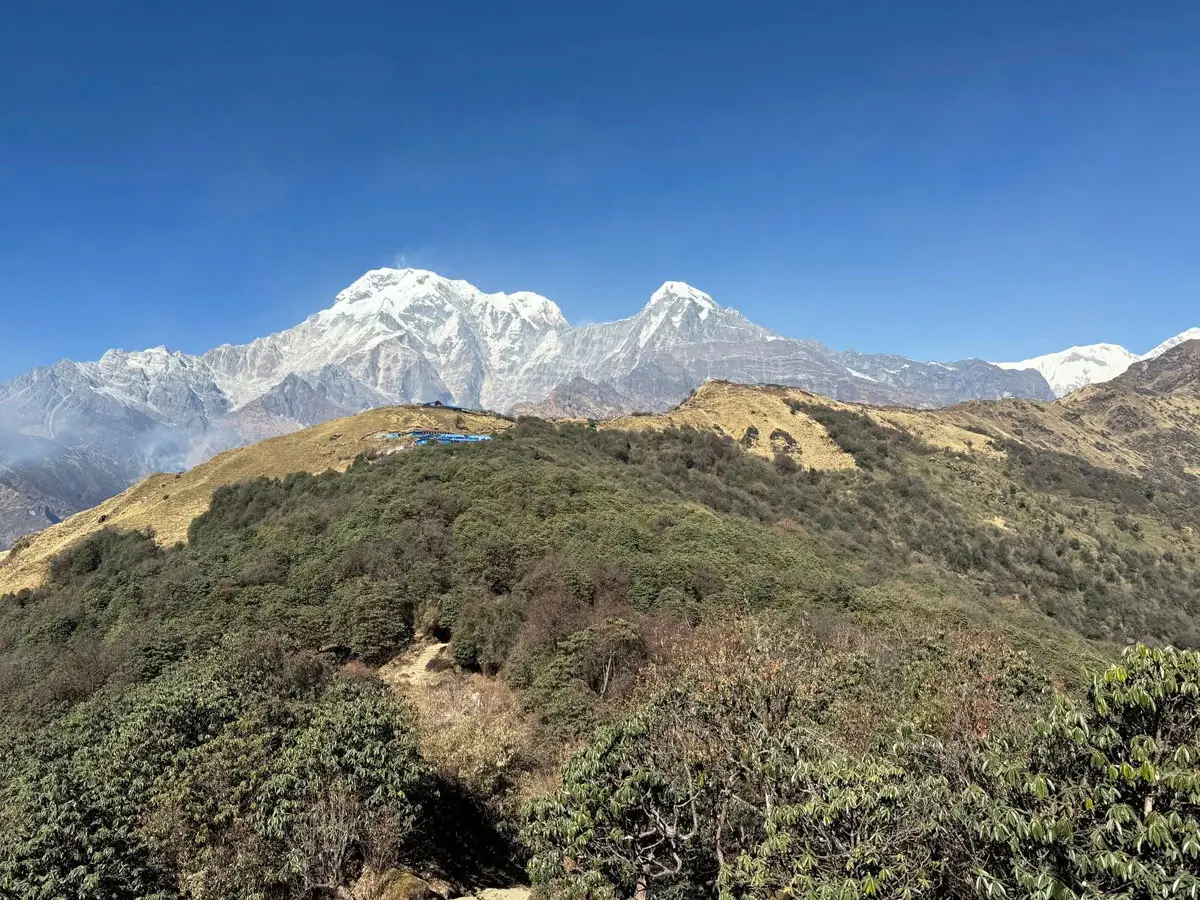
Himalayan Landscape in Mardi Himal!
Advantages of Trekking in January and February
January and February share several winter benefits, but each month also brings its own advantages.
Advantages of Winter Trek to Mardi Himal -January and February- Both Months
Dry-season conditions: Persistent rain is uncommon, helping lower forest trails remain firmer than during the monsoon.
Excellent mountain visibility: Lower humidity can reveal sharply defined views of Machhapuchhre, Annapurna South and Hiunchuli.
More personal walking experience: Lower visitor numbers allow trekkers to pause at viewpoints and walk without the busy rhythm of peak season.
Distinctive photography: Snow patches, winter shadows, clouds below the ridge and golden sunrise light create varied compositions.
Flexible route: High Camp, lower ridge viewpoints and the Upper Viewpoint provide several possible objectives according to conditions.
Convenient access: The trek begins close to Pokhara and can fit into a relatively short Nepal holiday.
Special Advantages of January
January offers Mardi Himal at its most deeply wintry. Trekkers have a greater possibility of seeing settled snow around High Camp and the upper ridge.
The trail is usually at its quietest, creating an immersive mountain atmosphere for travelers who enjoy colder conditions and greater solitude.
Special Advantages of February
February gradually provides longer daylight and more comfortable daytime walking, particularly during the second half of the month.
Snow may remain higher up, allowing trekkers to enjoy winter scenery while benefiting from improving seasonal conditions. Teahouses may also begin returning to more regular operation as spring approaches.
January is stronger for deep-winter character, while February often provides the better balance of winter scenery and accessibility.
Winter Challenges and Practical Solutions
Winter conditions require preparation, but most challenges on Mardi Himal are manageable with suitable equipment and flexible planning.
Challenge
What to expect
Practical solution
Cold nights
Temperatures may fall well below freezing at High Camp.
Carry a warm sleeping bag, thermal layers and a down jacket.
Limited daylight
January provides a shorter walking window.
Begin early and reach the next teahouse before late afternoon.
Snow or packed ice
Higher sections may become slippery.
Use trekking poles and carry microspikes when conditions require them.
February refreezing
Melted snow can freeze again overnight.
Walk carefully during early morning and check trail conditions locally.
Ridge wind
BadalDanda and High Camp are exposed.
Wear a windproof outer layer, gloves, hat and neck gaiter.
Reduced teahouse services
Some lodges may close or offer smaller menus.
Confirm accommodation before moving to the next stop.
Frozen water and weak batteries
Cold affects pipes and electronic devices.
Fill bottles early and keep batteries close to the body.
Changing upper-route access
Snow or wind may affect the Upper Viewpoint trail.
Keep the highest objective optional and follow the guide’s advice.
The Importance of Flexibility
Fresh snowfall does not necessarily cancel the trek. It may simply require a later start, a shorter viewpoint walk, or an additional night.
High Camp and lower ridge points already provide beautiful views of Machhapuchhre, Annapurna South and Hiunchuli. Reaching a particular altitude should not determine whether the journey is successful.
With realistic expectations, January and February remain inspiring trekking months rather than intimidating ones.
Weather and Temperature on the Mardi Himal in January and February
January brings the deepest winter conditions to Mardi Himal; the days are often dry and bright, and mornings and nights become very cold at higher elevations. Snow is possible around Badaldanda, High Camp and the Upper Viewpoint, but continuous snow across the entire route is not guaranteed.
February remains a winter month on Mardi Himal, but conditions gradually begin to change. The days become longer, sunlight feels warmer, and daytime walking can be more comfortable, particularly during the second half of the month.
Snow may remain around High Camp and the Upper Viewpoint, while fresh snowfall is still possible.
Estimated January and Fenruary Temperatures by Elevation
These are approximate planning ranges rather than guaranteed forecasts.
Trekking area
Daytime temperature in January
Night or early-morning temperature in January
Daytime temperature in February
Night or early-morning temperature in February
Pokhara and lower trailheads
10°C to 18°C
2°C to 7°C
12°C to 20°C
4°C to 9°C
Deurali and Forest Camp
4°C to 12°C
-3°C to 3°C
6°C to 14°C
-1°C to 5°C
Low Camp and BadalDanda
0°C to 8°C
-7°C to -1°C
2°C to 10°C
-5°C to 1°C
High Camp
-5°C to 5°C
-10°C to -5°C
-3°C to 7°C
-9°C to -3°C
Upper Viewpoint trail
-8°C to 2°C
-12°C to -7°C before sunrise
-6°C to 4°C
-10°C to -5°C before sunrise
Sunlight and wind strongly affect how these temperatures feel. Walking in the midday sun may feel comfortable, while standing on an exposed ridge can feel much colder.
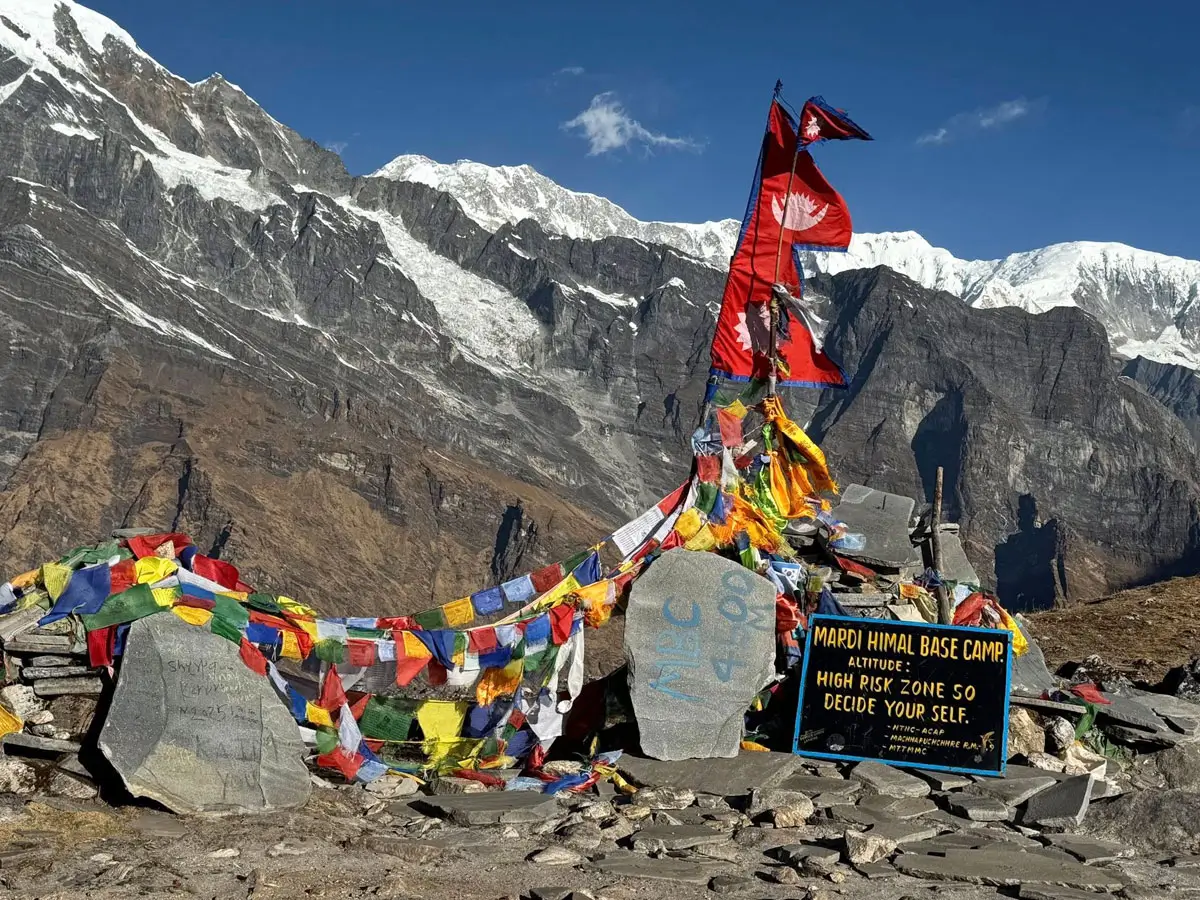
The Mardi Himal Base Camp!
Mardi Himal Trail Conditions in January
The lower forest paths often remain dry, although frost may persist in shaded areas and snow and ice become likely above Badal Danda. The trail from High Camp toward the Upper Viewpoint may contain:
Fresh snow
Hard-packed snow
Frozen footprints
Ice formed after daytime melting
Dry sections exposed to sunlight
Early, Mid and Late January
Early January: Early January continues the winter conditions established in late December. Snow levels depend heavily on recent weather.
Mid-January: Mid-January is generally the coldest part of the month. Nights at High Camp require good sleeping equipment, but stable days can provide excellent mountain visibility.
Late January: Late January slowly gains additional daylight. Temperatures remain cold, and accumulated snow may still cover parts of the upper ridge.
Who Should Choose January?
January is best for trekkers who:
Enjoy genuine winter conditions
Hope to see settled snow
Are comfortable with freezing nights
Prefer a very quiet trekking atmosphere
Can keep their highest objective flexible
With suitable preparation, January offers a powerful but manageable winter journey rather than a technical expedition.
Mardi Himal Trail Conditions in February
February can produce a mixture of winter surfaces. Snow may soften under direct sunlight and freeze again after sunset, creating hard or icy patches the following morning.
Lower forest trails are commonly dry, while shaded areas may retain frost. Above BadalDanda, conditions depend on recent snowfall, sun exposure and wind.
Early, Mid and Late February
Early February: Early February often feels similar to January. Cold nights, snow and frozen upper sections remain possible.
Mid-February: Mid-February brings noticeably longer daylight and may provide a good balance between winter scenery and comfortable daytime walking.
Late February: Late February gradually moves toward early spring. Snow can remain higher up, but sunny sections may begin melting more quickly. Overnight refreezing can make early-morning footing important.
Who Should Choose February?
February is well suited to:
Prepared beginners
Trekkers preferring longer daylight
Photographers seeking snow and changing winter light.
Trekkers hoping for a better balance between winter and accessibility
February is not guaranteed to be snow-free or warmer every day, but it is generally the more approachable of the two months.
Snow and Ice Conditions
Snow is most likely above Badal Danda, particularly around High Camp and the Upper Viewpoint. Lower forest sections may remain dry even when the upper ridge is covered.
Trekking area
Typical winter surface
Lower trailheads
Generally dry
Deurali and Forest Camp
Frost in shaded sections; occasional light snow
Low Camp
Dry trail, frost or scattered snow
BadalDanda
Snow patches and frozen ground
High Camp
Greater possibility of settled or fresh snow
Upper Viewpoint trail
Most likely section for snow and ice
Route toward Base Camp
Entirely dependent on recent conditions
January Snow
January has a greater chance of settled snow on the Mardi Himal Trail, and the cold temperatures allow snow to remain longer on shaded and higher sections.
However, some January departures experience dry trails and clear weather. Snow should be considered possible rather than guaranteed.
February Snow and Ice
Snow may remain through February, particularly during the first half. Fresh snowfall can also occur at any stage of the month.
As daytime temperatures gradually rise, snow may soften in sunlight and refreeze overnight. This melt–and–freeze cycle can create hard surfaces during early-morning walking.
Equipment for Snowy Sections
Useful equipment includes:
Waterproof trekking boots
Trekking poles
Microspikes when snow becomes packed or icy
Gaiters after deeper fresh snowfall
Warm waterproof gloves
Sunglasses and sunscreen
Technical crampons are not normally needed on the standard route. Equipment should match the actual trail rather than being treated as compulsory for every departure.
Upper Viewpoint and Base Camp Access
The Upper Viewpoint is the practical winter objective for many trekkers, and continuing toward Mardi Himal Base Camp depends on snow depth, wind, daylight, and route visibility.
If the upper trail is unsuitable, High Camp or a lower ridge viewpoint can still provide an unforgettable sunrise. Winter trekking is most enjoyable when the landscape, not a fixed altitude, defines success.
Winter Mardi Trek Difficulty, Beginner Suitability, and Altitude
The Mardi Himal Trek is generally considered moderate in Winter (January and February), and it does not require climbing a high mountain pass, but winter conditions make it more demanding than during spring or autumn.
What Makes the Trek Challenging?
5 to 7 hours of walking on most days
Continuous forest ascents
Cold mornings and nights
Possible snow or ice above Badal Danda
Wind on the exposed ridge
A pre-dawn climb from High Camp
Rapid elevation gain on a relatively short route
January is usually more demanding because of colder temperatures and a greater chance of settled snow, and February is slightly easier as daylight increases and daytime conditions improve.
Is It Suitable for Beginners?
Yes, the winter season is suitable for active beginners on the Mardi Himal Trek with proper preparation, suitable clothing, and a well-paced itinerary. Before arriving in Nepal, you should be comfortable with:
Walking for several hours
Climbing hills or stairs
Hiking on uneven ground
Carrying a small daypack
Exercising on consecutive days
Altitude Considerations
High Camp is located at approximately 3,580 meters, while the Upper Viewpoint reaches around 4,120 meters. Headache, tiredness, or reduced appetite can occur as elevation increases.
We suggest a steady pace, sufficient hydration, regular meals, and honest communication with the guide, and the trek to the Upper Viewpoint should remain optional if a trekker feels unwell or conditions are unsuitable.
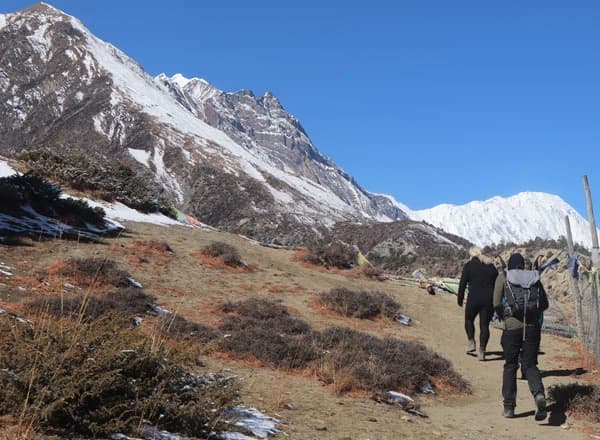
Mardi Himal trekking trail!
Accommodation and Teahouse Experience
Mardi Himal Base Camp Trek is a teahouse trek, and the main overnight stops generally retain accommodation during January and February, and fewer lodges may operate than during peak season.
What Are the Rooms Like?
Most teahouse rooms provide:
Two single beds
Basic mattresses and pillows
Blankets
Shared toilets
Limited furniture
Attached bathrooms may be available at lower elevations but should not be expected at BadalDanda or High Camp.
Are Teahouses Open in January and February?
Yes, most lodges remain open throughout winter. January usually has the most limited services, while more lodges may resume regular operation toward late February.
Accommodation at High Camp should be confirmed before leaving the lower lodge.
Heating and Sleeping Comfort
The bedrooms are normally unheated, and dining rooms may use a stove during the evening, creating a warm shared space for meals and conversation.
Lodge blankets may not be sufficient during freezing nights. A sleeping bag with a suitable comfort rating of approximately -10°C to -15°C is recommended.
Bathrooms, Showers and Electricity
Facilities become simpler with elevation:
Water pipes may freeze overnight.
Hot showers may be unavailable higher up.
Charging can cost extra.
Electricity may depend on solar power.
Internet access may be slow or unavailable.
Winter teahouses are basic, but a hot meal and warm dining room often become some of the most comforting parts of the journey.
The teahouses serve simple, energy-rich meals throughout the Mardi Himal route, and Menus become smaller at higher elevations, but sufficient food is available.
Typical Meals on Mardi Himal Trek
Common breakfast options include:
Porridge
Eggs
Tibetan bread or toast
Pancakes
Museli
Tea, coffee and hot lemon
Lunch and dinner may include:
Dal bhat
Vegetable soup
Noodles
Fried rice
Potatoes
Pasta
Momos
Chapati and curry
Warm meals such as dal bhat and soup help maintain energy and body warmth, and eating regularly is important because cold conditions increase energy use, even when appetite decreases at altitude.
Drinking Water
Teahouses provide boiled or filtered water, and you can also treat tap water using purification tablets or a personal filter.
Fill bottles during the evening at High Camp because pipes may freeze overnight.
Charging and Communication
Mobile reception, Wi-Fi and electricity become less reliable above Low Camp and charging may cost extra and depend on solar power.
Carry a fully charged power bank and keep phones, cameras and spare batteries protected from freezing temperatures.
Carry Nepali Cash
ATMs and card-payment facilities are unavailable on the trail, so carry enough cash for:
Meals and drinks
Charging
Wi-Fi
Hot showers
Snacks
Personal expenses
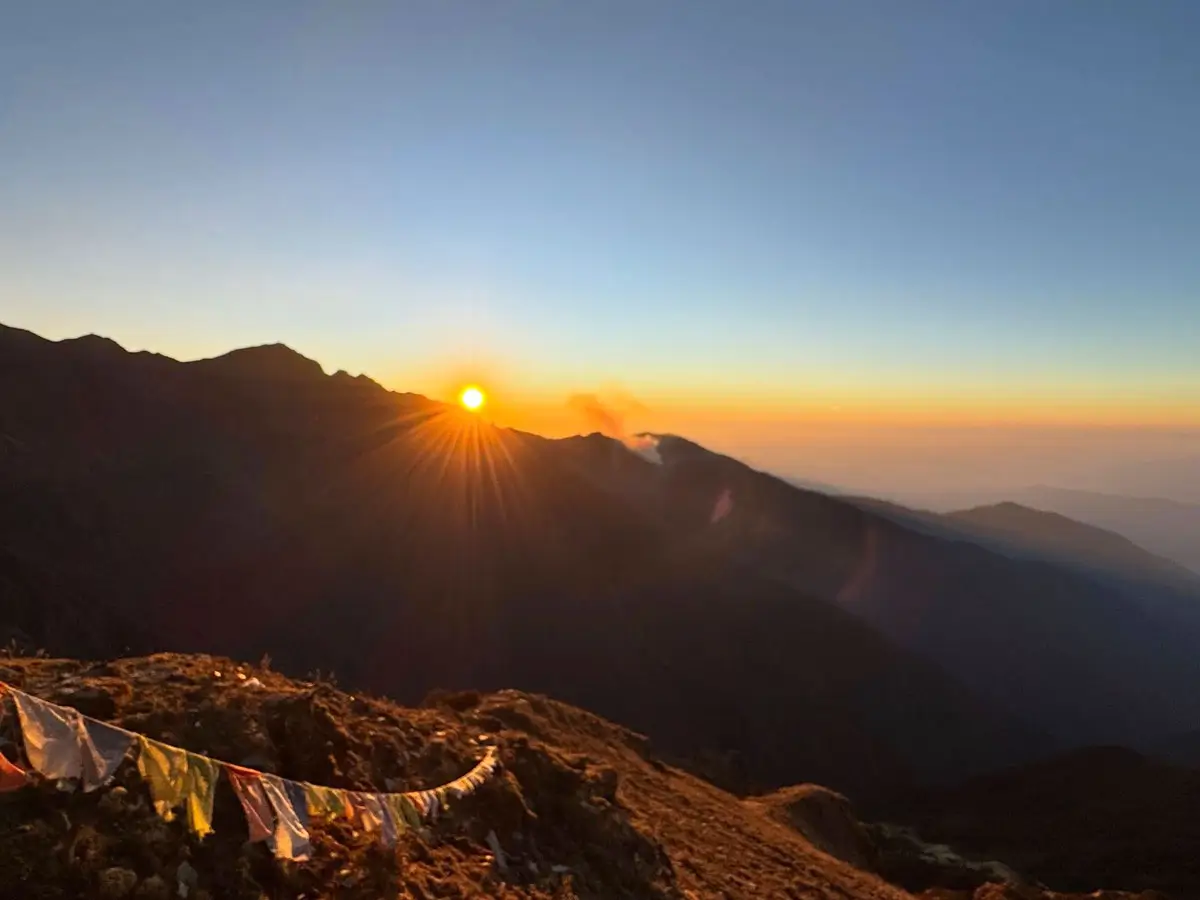
Sunrise view in mardi Himal trek!
Winter Packing List for Mardi Himal Trek
Winter packing should focus on warm, adjustable layers.
Essential for Both Months
Thermal base layers
Fleece or insulated mid-layer
Down jacket
Waterproof and windproof shell
Trekking trousers and waterproof over-trousers
Warm hat, neck gaiter and gloves
Waterproof trekking boots
Warm trekking socks
Sleeping bag rated around -10°C to -15°C
Trekking poles
Headlamp
Sunglasses and sunscreen
Reusable water bottles and purification tablets
Power bank
Personal medication and first-aid supplies
Passport, permits, insurance documents and Nepali cash
The Mardi Himal route passes through areas influenced by Gurung culture, while higher stops are mainly developed to support trekkers. Staying in locally operated teahouses directly supports mountain families.
Respectful practices include:
Greeting residents with “Namaste”
Asking permission before taking photographs
Removing shoes when requested
Avoiding loud behavior in villages and lodges
Respecting local advice about weather
Staying on established trails
Carrying plastic and battery waste back to Pokhara
Using water, electricity and fuel carefully
Machhapuchhre holds deep cultural and spiritual importance in the region. Trekkers should treat the mountain and surrounding landscape respectfully. Responsible behavior helps preserve both the natural environment and the welcoming character of the Mardi Himal trail.
Expert Winter Trekking Tips for Mardi Himal Trek
Start walking early to make full use of winter daylight.
Avoid wearing too many layers while climbing and sweating heavily.
Keep one set of thermal clothing completely dry for sleeping.
Carry trekking poles and use microspikes only when conditions require them.
Fill water bottles before pipes freeze at High Camp.
Keep batteries and electronics close to the body.
Eat regularly, even when altitude reduces your appetite.
Confirm High Camp accommodation in advance.
Check the Upper Viewpoint trail before leaving in the morning.
Treat the highest point as optional and enjoy the best safe viewpoint available.
Good winter trekking is based on timing, preparation and flexibility, not speed or maximum elevation.
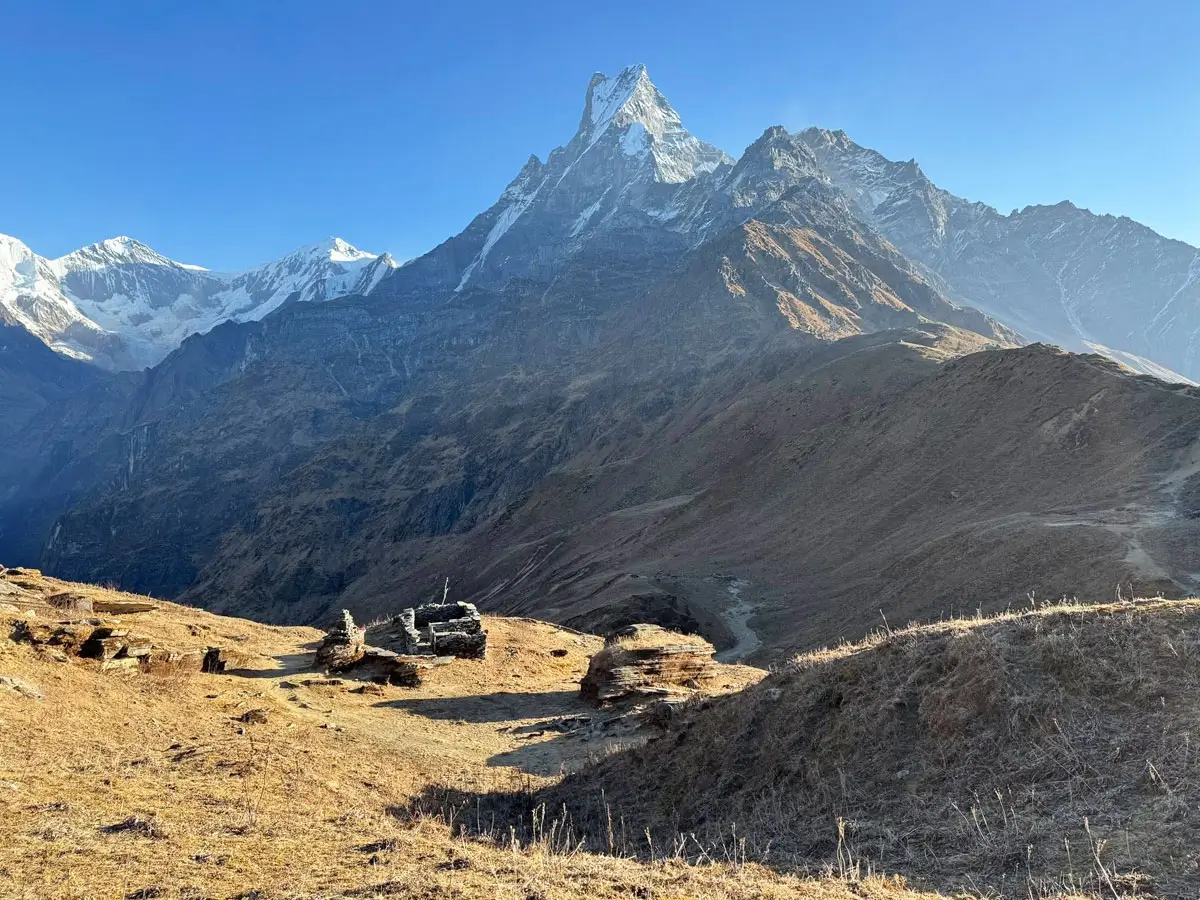
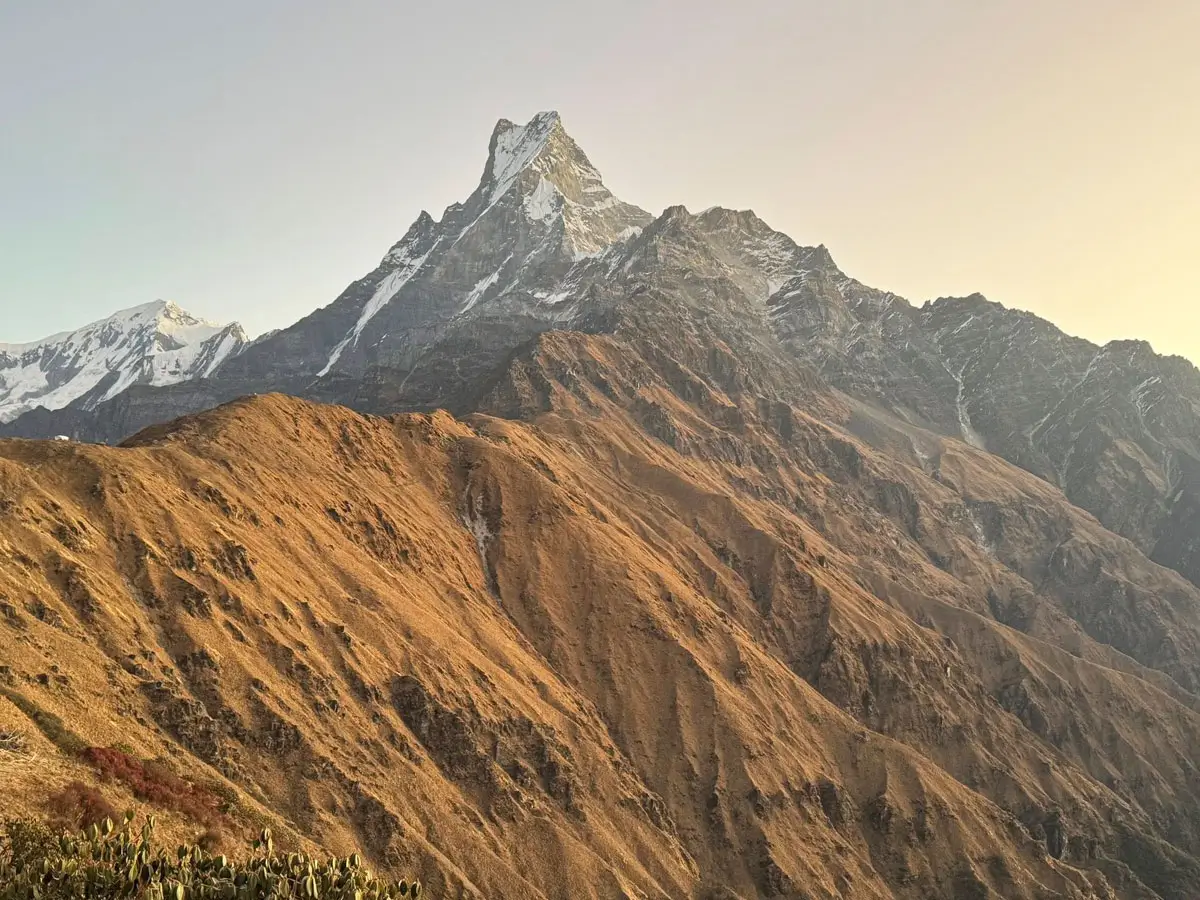
Fishtail view in Mardi Himal Trek!
FAQS – Mardi Himal Trek in Winter (January and February)
Is the Mardi Himal Trek possible in January and February?
Yes, yoth months are suitable for prepared trekkers with warm equipment, flexible plans and up-to-date trail information.
Is January or February better for Mardi Himal?
January is better for deeper winter conditions and a greater possibility of settled snow.
February is generally better for longer daylight and slightly milder daytime walking.
What is the January weather like?
January remains wintry, especially early in the month, and conditions gradually become milder, but fresh snow and overnight ice can still occur.
What is the February weather like?
February remains wintry, especially early in the month, and conditions gradually become milder, but fresh snow and overnight ice can still occur.
How cold does High Camp become?
January nights may fall to approximately -10°C or lower, while February nights commonly remain below freezing. Wind and snowfall can make conditions feel colder.
Which month receives more snow?
January generally has a greater chance of settled snow, and early February can also remain snowy, depending on weather systems.
Is snow guaranteed in Winter?
No, some departures encounter a white upper ridge, while others find dry trails, frost and scattered snow patches.
Can trekkers reach the Upper Viewpoint in Winter?
The Upper Viewpoint is often accessible, but snow, wind, ice and daylight determine the final decision. Conditions should be checked from High Camp.
Can I reach Mardi Himal Base Camp in Winter?
It may be possible during favorable conditions, but it should remain optional. The Upper Viewpoint already provides exceptional mountain scenery.
Can beginners complete the Mardi trek in Winter?
Yes, active beginners can complete it with fitness preparation, a gradual itinerary and suitable winter gear. February is usually the more approachable choice.
How difficult is the winter trek to Mardi?
The trek is moderate in Winter; the cold, snow, and the pre-dawn viewpoint ascent make it more demanding than in spring or autumn, but technical climbing is not required.
Does January require different packing from February?
January generally requires stronger insulation and greater preparation for freezing nights, and February still needs full winter clothing, although late-afternoon conditions may feel milder.
Are microspikes necessary in Winter?
They are useful on packed snow and refrozen ice but may not be required on a dry trail. Carrying them provides flexibility.
Do I need a guide if I trek Mardi in Winter?
A licensed guide is particularly valuable for winter trail assessment and teahouse coordination.
What insurance is required?
Choose insurance covering trekking above 4000 meters, emergency medical treatment and evacuation when medically necessary.
Conclusion – Is the winter season a good time to trek Mardi Himal?
Mardi Himal Trek in Winter (January and February) presents two beautiful stages of Himalayan winter. January brings colder mornings, deeper stillness, and a greater possibility of settled snow. February retains the winter scenery while gradually offering longer days and more comfortable afternoon conditions.
Mardi Himal in Winter is a moderate trek rather than a technical winter expedition. Prepared beginners can enjoy it with warm equipment, steady pacing and a flexible itinerary. The Upper Viewpoint is a rewarding objective, but reaching a fixed altitude should never matter more than enjoying the best available mountain experience.
Mardi Himal offers an unforgettable journey from winter’s deepest days toward the first returning light of spring. Outfitter Himalaya can arrange permits, transportation, teahouses, and an experienced guide and adjust the itinerary to current trail conditions.
April is one of the best months for the Ghorepani Poon Hill Trek, offering rhododendron flowers, warmer daytime walks, and Himalayan sunrise views from 3,210 meters. Expect busy teahouses, chilly mornings, and possible afternoon cloud [...]
The Ghorepani Poon Hill Trek in March combines the beginning of rhododendron season with warming days and opportunities for clear Himalayan views. Sunrise at 3,210 meters remains cold, and higher paths can still have snow [...]
The Annapurna Circuit Trek covers approximately 102 kilometers of walking on Outfitter Himalaya’s classic 15-day itinerary, including the Manang acclimatization hike. The journey unfolds through riverside forests, mountain villages and open valleys before crossing Thorong La [...]