A Short Himalayan Trek That Still Tests Your Legs
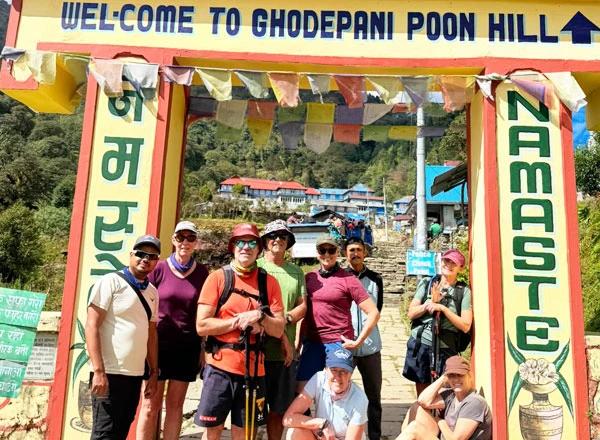
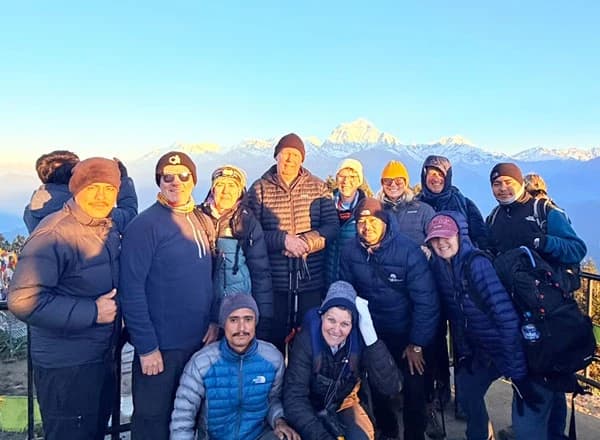
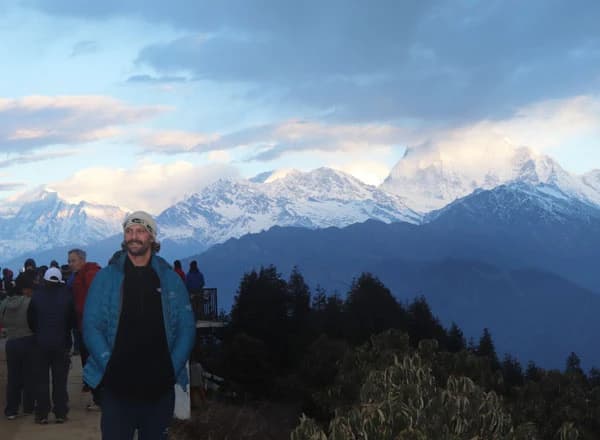
The promise of sunrise over Annapurna and Dhaulagiri brings many first-time trekkers to Poon Hill. Getting there means climbing village stairways, following forest paths towards Ghorepani and setting out before dawn for the viewpoint. The scenery gives you plenty of reasons to pause, but your legs still need to manage the climb – and the descent afterward.
Being new to trekking does not automatically make this route unsuitable. What matters is your comfort with sustained uphill walking, uneven steps, and starting the next morning again. Your pace, pack weight, and trail conditions all influence how demanding the journey feels.
This guide compares the Outfitter Himalaya 3-day Poon Hill Trek from Pokhara and the 4-day Ghorepani Poon Hill Trek, helping you understand the toughest sections, prepare realistically, and choose an itinerary that suits your ability.
Which Parts of the Ghorepani Poon Hill Trek Are the Hardest?
The stone staircase from Tikhedhunga to Ulleri is one of the most demanding sustained climbs in thsi trek. Uneven steps keep your legs working with limited flat recovery. However, the hardest part depends on your strengths: uphill walking tests stamina, while long descents can be tougher on knees and tired muscles.
| Trail section |
What makes it challenging? |
| Tikhedhunga to Ulleri |
A steep staircase early in the trek. Starting too quickly can leave you tired before reaching your overnight stop. |
| Ulleri to Ghorepani |
Continued uphill walking through villages and forest. Reaching Ulleri does not mean the main ascent is over. |
| Ghorepani to Poon Hill |
An approximately hour-long uphill climb before sunrise. Darkness, cold and the higher elevation can make this short section feel demanding. |
| Return towards Nayapul—three-day route |
The sunrise climb is followed by a substantial descent before the drive to Pokhara, making the final day physically tiring. |
| Ghorepani to Tadapani—four-day route |
After Poon Hill, further climbs and descents extend the walking day. The following descent towards Ghandruk adds more downhill steps. |
Tips from Outfitter Himalaya
- Plan for the whole day, not just the sunrise climb. Reaching Poon Hill is a highlight, but both itineraries still involve considerable walking afterwards.
- Keep enough energy for the return journey, take controlled steps downhill and tell your guide early if the pace feels unsustainable.
Three Days or Four Days: Which Poon Hill Itinerary Suits You?
A shorter trek does not necessarily mean easier walking. Both packages climb through Ulleri to Ghorepani and visit Poon Hill. The main difference comes after sunrise: the three-day itinerary returns towards Nayapul, while the four-day route continues through Tadapani and Ghandruk.
Three Days: For Limited and Good Walking Stamina
- The three-day Poon Hill Trek from Pokhara suits travelers who want the viewpoint experience on a short holiday. Choose it if you are comfortable combining an early start, the sunrise climb, a long descent, and the return drive on the final day.
- Fewer overnight stops shorten the trip but don't remove its steep staircases.
Four Days: For a More Varied Trek
- The four-day Ghorepani Poon Hill Trek adds forest ridges, an overnight stay in Tadapani and a visit to Ghandruk. It suits walkers who want more scenery and village experiences beyond Poon Hill.
- The extra day adds walking rather than simply spreading the shorter route over four days. You still need stamina for the onward trek after sunrise.
If your main concern is keeping daily effort manageable, discuss shorter walking stages and suitable overnight stops with Outfitter Himalaya. Choose by the demands of each day, not just the number of days advertised.
How Fit Do You Need to Be for the Poon Hill Trek?
You need enough stamina to walk uphill and downhill for several hours, then repeat the effort the following day. Previous Himalayan trekking experience isn't essential, but regular hill walking is better preparation than relying on occasional flat walks.
How Can You Judge Your Readiness?
Before booking, consider whether you can:
- Complete a hilly walk lasting several hours, with breaks, while carrying your intended daypack.
- Manage repeated stair climbs and descents without becoming exhausted.
- Walk the next morning again without significant pain or difficulty.
These are practical indicators, not a formal fitness test or a guarantee of completing the trek. If stairs already feel demanding, allow more preparation time and discuss shorter daily stages.
What Preparation Helps Most?
- Build up gradually with regular walks, adding hills and stairs as your fitness improves. Practice both climbing and descending, wear the footwear you intend to trek in, and try consecutive walking days. Aim to finish with energy to spare, rather than pushing every session to exhaustion.
- For children and older trekkers, walking experience and recovery matter more than age alone. Match the itinerary to the least confident walker in your group. Persistent knee pain, limited mobility, or a health condition that affects exercise warrants individual advice before committing to the route.
Does Altitude Make Poon Hill Difficult?
- Poon Hill reaches 3,210 meters, while the overnight stop at Ghorepani is around 2,860 meters. Both itineraries visit the viewpoint before descending; you do not sleep at Poon Hill itself.
- Lower air pressure means less oxygen with each breath, so uphill walking may feel harder than it does at home. Allow a comfortable pace rather than trying to match your usual walking speed.
Can you Get Altitude Sickness on This Trek?
- Yes. Although this route stays below Nepal’s higher base Camps and mountain passes, altitude sickness is still possible. Good fitness doesn't prevent it, and a short itinerary doesn't remove the risk.
- Tell your guide about a new headache, especially if it's accompanied by nausea, dizziness, or unusual fatigue. Do not ascend further if you suspect altitude sickness, and descend if symptoms worsen.
- Breathlessness at rest, confusion, or difficulty walking steadily requires urgent medical help and assisted descent.
- If you have previously experienced altitude illness, discuss your ascent plan with a travel-health professional before departure.
How Does the Season Change the Difficulty?
The same staircase can feel very different when it is dry, rain-soaked, or covered in ice. The season affects footing, comfort, and walking pace, so consider trail conditions alongside your fitness.
| Season |
How it affects the trek |
| Spring: March, April and May |
Generally comfortable walking conditions, although early spring can retain snow or ice higher up. Warmer days and occasional showers become more noticeable towards May. |
| Summer/monsoon: June, July and August |
Rain makes stone steps and forest paths slippery. Humidity, wet clothing and leeches can add discomfort, while heavy rainfall may disrupt road access. |
| Autumn: September, October and November |
Conditions generally become drier after the monsoon, making footing more predictable. Early September can still be wet, and mornings grow colder towards late November. |
| Winter: December, January and February |
Cold starts, shorter daylight and possible snow or ice can slow progress, particularly around Ghorepani and Poon Hill. Allow flexibility if conditions affect the upper trail. |
Spring and autumn are usually the more practical choices for first-time trekkers. Check recent trail reports before departure, carry suitable layers and let your guide adjust the pace or route when necessary.
What Practical Discomforts Should You Expect?
The walking is only part of the experience and these practical expectations can help you feel more comfortable:
- Simple teahouses: Expect basic rooms and usually shared bathrooms. Bedrooms can feel cold, while hot showers, charging, and Wi-Fi may cost extra. Pack suitable sleeping layers and confirm any particular accommodation needs beforehand.
- Busy periods: Popular spring and autumn departures can bring crowded dining rooms, stairways, and sunrise viewpoints. Arrange accommodation ahead and allow other walkers space to pass.
- Cash for extras: Bring Nepali rupees from Pokhara for drinks, showers, charging, and tips. Avoid depending on trial ATMs or card payments.
These inconveniences do not necessarily make the trek physically harder, but preparing for them helps you rest and enjoy each day.
How Can You Make The Trek More Manageable?
Small decisions about pace and equipment can make a noticeable difference on the trail.
- Start steadily: Settle into a comfortable rhythm on the Ulleri stairs. Take short breaks before you become exhausted, and avoid matching a faster walker’s pace.
- Keep your daypack light: Carry essentials such as water, snacks, layers, and rain protection. Leave unnecessary luggage in Pokhara and consider porter assistance for your main bag.
- Prepare for the descents: Use familiar footwear with reliable grip. Trekking poles can help with balance; practice using them before the trip.
- Organize your sunrise kit: Have your headlamp, warm jacket, hat, and gloves ready the night before. Agree on a departure time that allows a comfortable climb without rushing.
- Protect your recovery time: Eat regular meals, drink regularly, and get an early night before Poon Hill. Tell your guide promptly about blisters, pain, or difficulty maintaining the pace.
Outfitter Himalaya packages include a trekking guide; porter service is an additional arrangement. Discuss your walking experience and luggage needs before booking so the team can recommend suitable support. If the standard daily stages feel too demanding, ask about a customized itinerary with shorter walking days.
Ghorepani Poon Hill Trek Difficulty - FAQS
Do I Need Climbing Experience for Poon Hill?
- No. In normal conditions, the route involves walking on trails and stone steps, without rope climbing or mountaineering techniques. Focus on stamina, balance, and comfort with repeated climbs and descents.
How Long Does the Sunrise Hike Take?
- Allow approximately an hour to climb from Ghorepani to Poon Hill, depending on your pace and trail conditions. This is the uphill journey only; you still need time at the viewpoint and for the descent. Your guide suggest a departure time that avoids rushing.
Is the Three-Day Poon Hill Trek Easier Than the Four-Day Trek?
- Not automatically. The three-day trek combines sunrise, a substantial descent, and the return drive on its final day. The four-day route adds walking through Tadapani and Ghandruk. Compare the daily stages rather than assuming fewer days mean less effort.
Can I Do the Trek if I Am Afraid of Heights?
- It depends on what triggers your fear. Discuss bridges, hillside paths and viewpoints with your operator, and ask to see recent route photographs. The trek does not require technical climbing, but that alone doesn't mean you will feel comfortable.
What if I Cannot Keep Up With the Group?
- Tell your guide early, before fatigue becomes overwhelming. Breaks and pace adjustments may help, while persistent difficulty may require changing the day’s destination or returning. If you already know you need shorter stages, arrange a suitable itinerary before departure.
Is the Ghorepani Poon Hill Trek Right for You?
Poon Hill can be a rewarding first Himalayan trek if you prepare for its stairs, sustained walking, and changing conditions. You don't need to arrive as an experienced mountaineer, but choose daily stages that match your ability and leave enough energy to enjoy the journey.
Choose the three-day Poon Hill Trek from Pokhara when time is limited, and you are comfortable with its demanding final day. Choose the four-day Ghorepani Poon Hill Trek for the additional forest trails and village experiences through Tadapani and Ghandruk.
Share your walking experience, travel dates, and any concerns with Outfitter Himalaya before booking. We can help you choose suitable arrangements, so you approach those first stone steps with realistic expectations—and something wonderful to look forward to.