The Annapurna Circuit Trek in January is ideal for trekkers seeking clear mountain views, peaceful trails, and a true winter Himalayan experience.
Temperatures in the Annapurna Circuit Trail in January can be below freezing at higher elevations, and the snowfall may affect sections near Thorong La Pass. However, the trek is rewarded with stunning snow-covered landscapes, excellent visibility, and far fewer crowds than the peak autumn season. With proper planning, suitable winter gear, and experienced local support, the Annapurna Circuit remains one of the most rewarding winter treks in Nepal.
Annapurna Circuit Trek in January - A True Winter Adventure in Nepal
The Annapurna Circuit Trek in January offers a completely different experience, as winter settles across the Himalayas, the famous circuit transforms into a quieter, snow-draped landscape where crisp mountain air, frozen valleys, and crystal-clear views create an unforgettable trekking atmosphere.
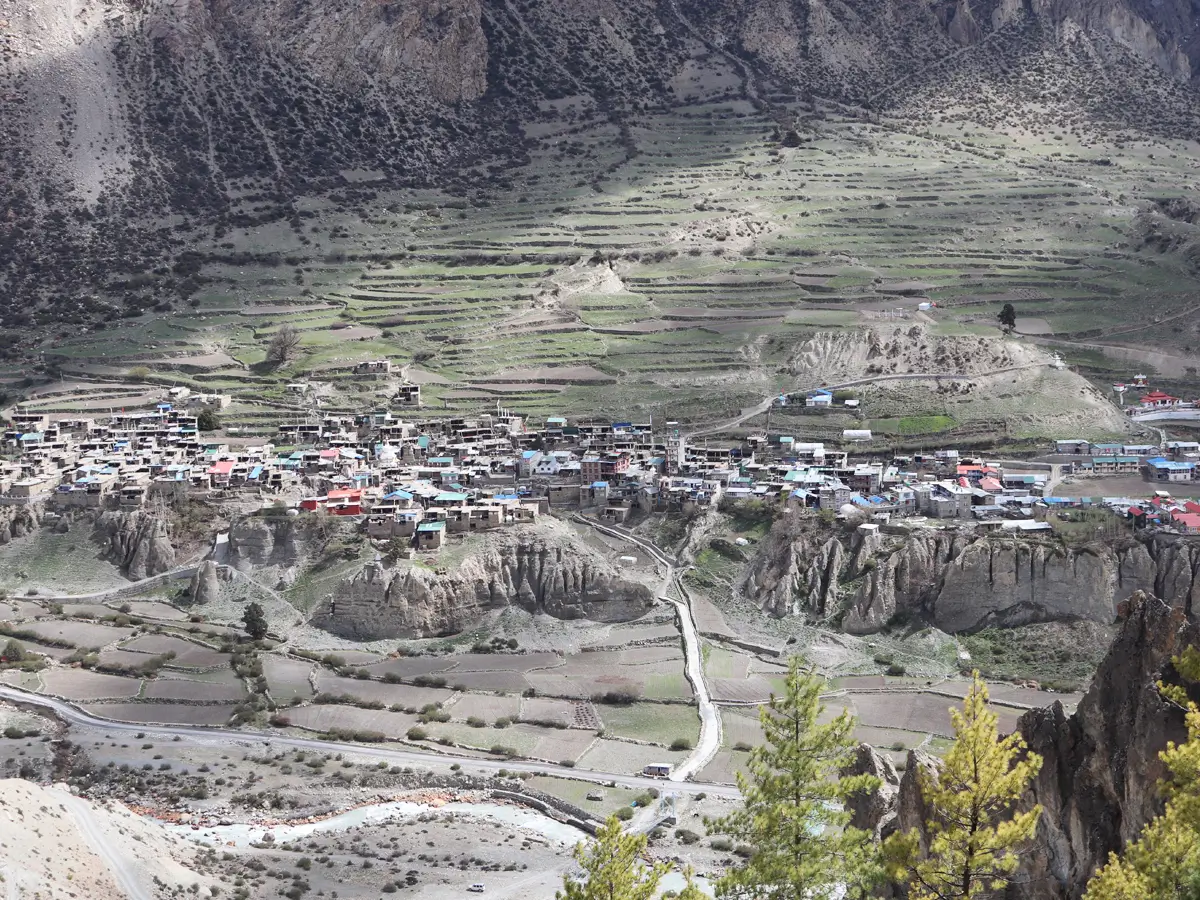
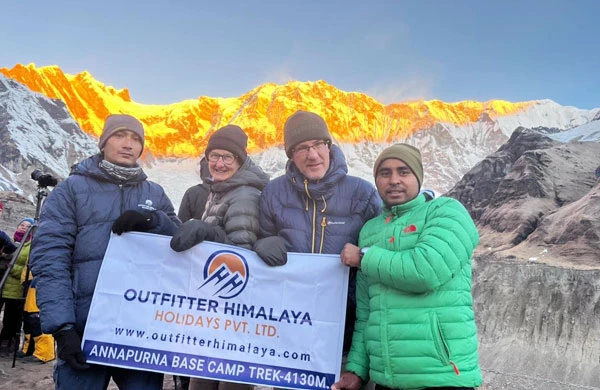
Imagine leaving a warm teahouse in Manang before sunrise and the frost sparkles on stone walls, prayer flags flutter gently in the cold morning breeze, and the distant sound of the Marsyangdi River echoes through the silent valley. As the first sunlight touches the snow-covered peaks of Annapurna II, Gangapurna, and Tilicho Peak, the entire landscape glows in shades of gold and white. These peaceful winter mornings are one of the defining experiences of the Annapurna Circuit Trek in January.
You will traverse diverse landscapes and cultures as you trek the Annapurna Circuit, one of the most celebrated trekking adventures in Nepal. The route passes through subtropical valleys, pine forests, high-altitude deserts, traditional Gurung villages, and Tibetan-influenced settlements. Each section of the trail reveals a unique winter character, from snow-dusted forests to the dramatic alpine scenery in January.
If you are wondering whether the Annapurna Circuit Trek is possible in January, the answer is yes. Experienced trekkers complete the circuit in winter every year; however, trekking in January requires proper preparation, suitable winter gear, and flexibility. With the experienced local guidance and careful planning, the trek remains both achievable and highly rewarding.
The advantages of trekking the Annapurna Circuit in January include a peaceful atmosphere, a more intimate Himalayan experience with quieter lodges, easier access to accommodation, and meaningful interactions with local communities. The absence of large trekking groups allows travelers to fully appreciate the natural sounds of the mountains, from flowing rivers and distant waterfalls to the occasional whistle of Himalayan birds moving through the valleys.
The weather conditions in January are generally stable, with dry days and excellent visibility, and mornings and nights can be cold above Manang. The reward is often uninterrupted views of some of the most iconic peaks. The snow-covered landscapes, frozen streams, and pristine mountain scenery create exceptional opportunities for photography and adventure.
The Annapurna Circuit Trek in January guide covers everything you need to know about the Annapurna Circuit Trek in winter months, including weather and temperature, snow conditions, trail challenges, Thorong La Pass conditions, accommodation, packing recommendations, and expert winter trekking tips. Whether you are an experienced trekker seeking a winter challenge or a traveler looking for a quieter Himalayan journey, the guide will help you plan your Annapurna Circuit winter adventure with confidence.
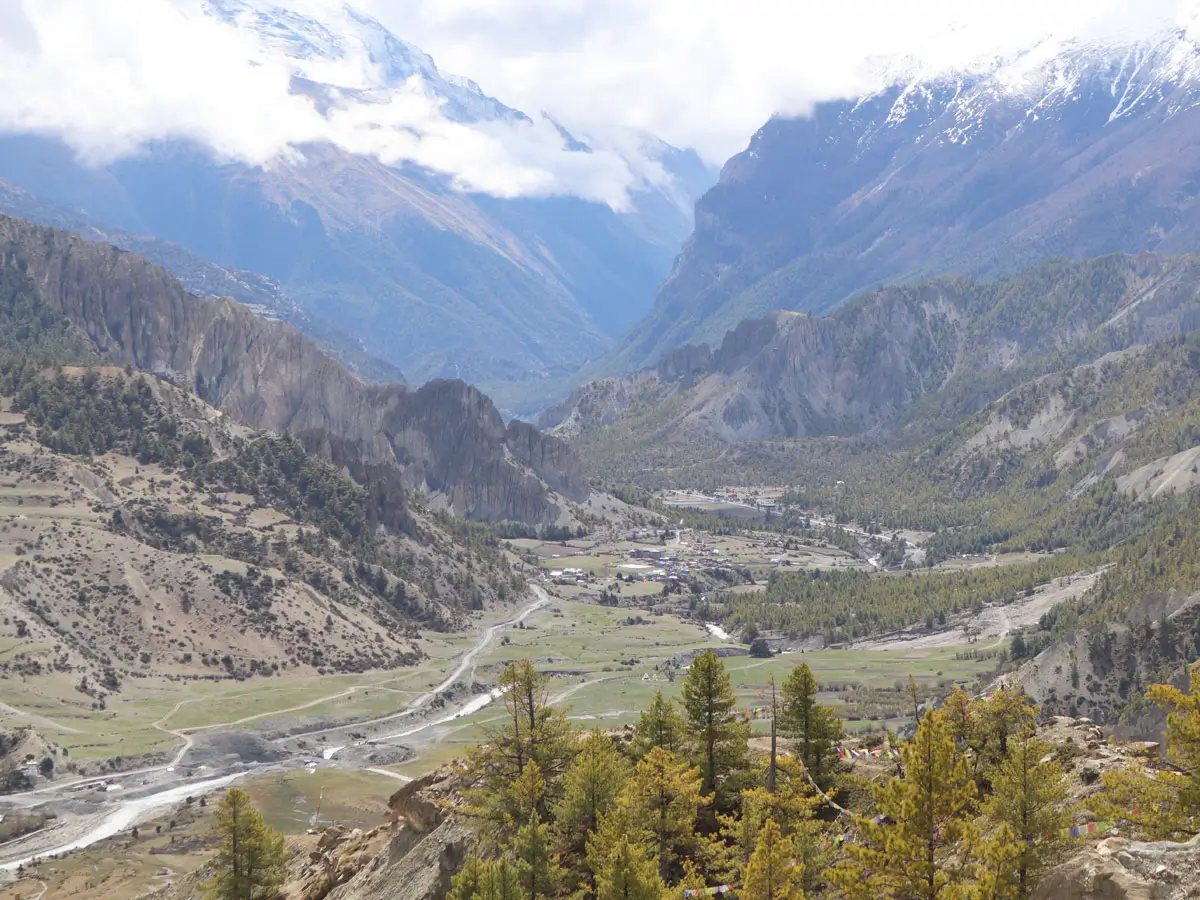
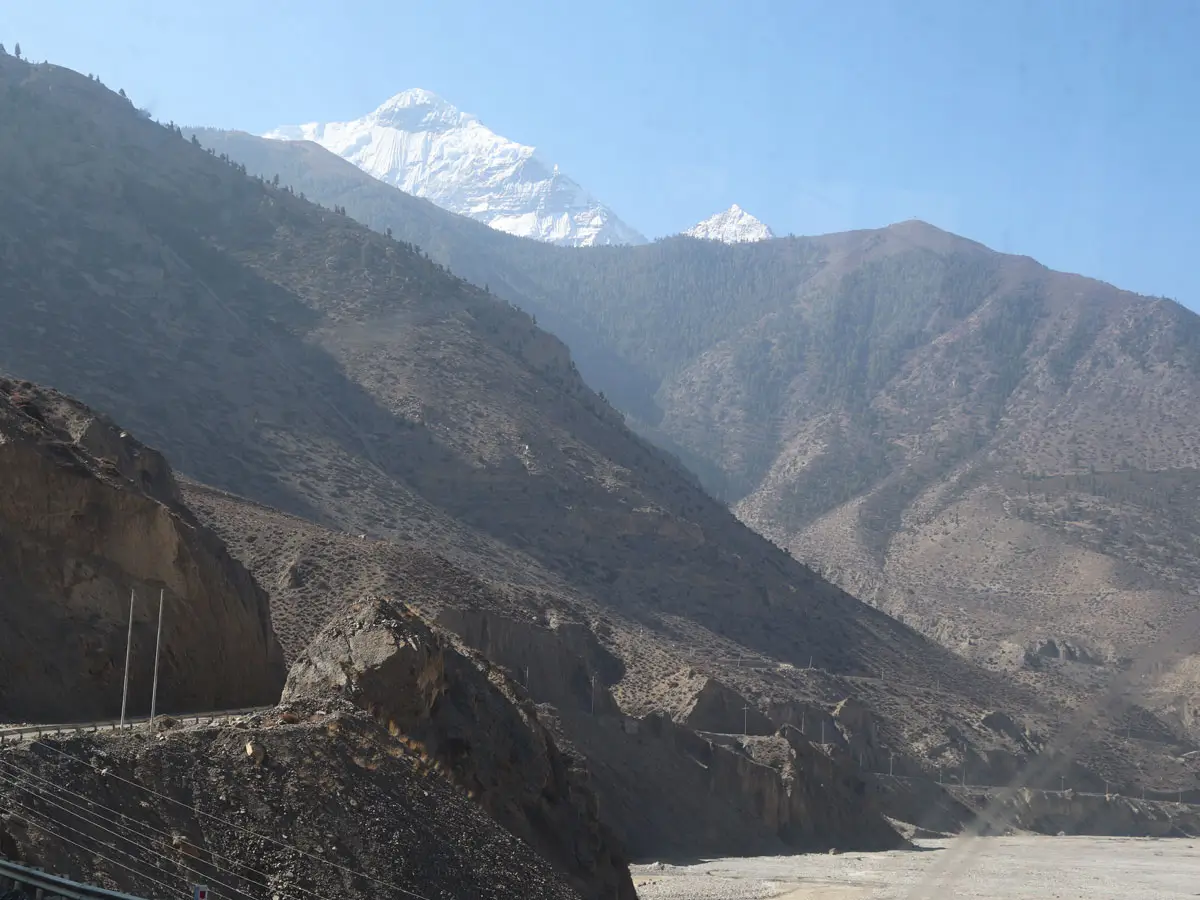
Marshyangdi Valley- Annapurna!
Annapurna Circuit Trek Highlights in January
Snow-Covered Thorong La Pass: One of the most memorable highlights of the Annapurna Circuit Trek in January is crossing the legendary Thorong La Pass (5,416m) amid a stunning winter landscape. Fresh snow on the surrounding slopes creates a dramatic alpine environment that feels completely different from the busier autumn season.
Crystal-Clear Himalayan Views: January is known for its dry winter air and excellent visibility, and you can enjoy spectacular views of Annapurna II, Annapurna III, Annapurna IV, Gangapurna, Tilicho Peak, Chulu East, Dhaulagiri, and several other Himalayan giants.
Peaceful Trails and Fewer Trekkers: January attracts significantly fewer trekkers, and the quieter trails offer a more peaceful journey, allowing travelers to experience the Annapurna region without large crowds.
Frozen Landscapes Around Manang: As winter reaches higher elevations, areas around Manang, Yak Kharka, and Thorong Phedi take on a unique character. Frost-covered meadows, frozen streams, and snow-dusted hills create some of the most photogenic scenery on the entire circuit.
Authentic Teahouse Experience: The Teahouses are generally less crowded, with fewer visitors on the trail, which allows for more personal interactions with local families, deeper cultural experiences, and a relaxed atmosphere after long trekking days.
Stunning Winter Sunrises: January mornings begin with clear skies and breathtaking mountain sunrises, and watching the first golden rays illuminate snow-covered peaks is one of the most rewarding experiences.
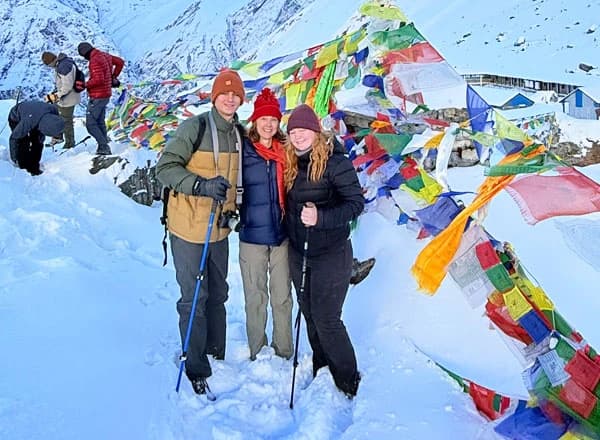
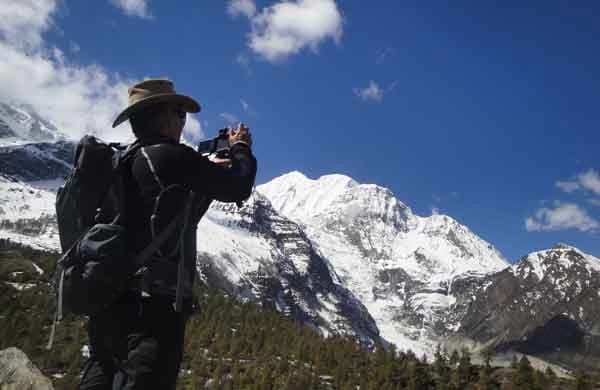
Exceptional Photography Opportunities: January offers countless opportunities for landscape and adventure photography from the icy trails and frost-covered prayer flags to dramatic mountain panoramas and winter village life.
Experience the Sacred Pilgrimage Site of Muktinath: You descend to Muktinath after crossing Thorong La Pass, which is one of Nepal’s most important pilgrimage destinations. The contrast between the snowy mountains and the temple complex's spiritual atmosphere makes it memorable.
Clear Night Skies and Himalayan Stargazing: January often brings cloud-free nights at higher elevations. Away from city lights, you trekkers can enjoy remarkable views of the stars, creating unforgettable evenings in the Himalayan wilderness.
Winter Wildlife Encounters: Although wildlife sightings are never guaranteed, the quieter winter season can increase the chances of spotting Himalayan birds and other mountain species along less-crowded sections of the trail.
A True Winter Trekking Adventure: If you are seeking something beyond the typical trekking seasons, January provides a genuine winter adventure. The combination of snow, solitude, clear views, and challenging mountain conditions creates a rewarding and distinctive Annapurna Circuit experience.
Annapurna Circuit with Base Camp: Suitable for those travelers who have longer holidays and want to complete the Annapurna Circuit and Annapurna Base Camp in a single trip.
Comfort Annapurna Circuit Trek: Suitable for those travellers, who want to complete the Annapurna Circuit Trek in more comfortable way.
Weather and Temperature During the Annapurna Circuit Trek in January
January is one of the coldest months on the Annapurna Circuit, and the winter weather typically brings dry conditions, low humidity, and excellent mountain visibility. As temperatures drop significantly, stable weather often rewards trekkers with spectacular Himalayan views and unforgettable winter landscapes.
January mornings often begin with crystal-clear skies and panoramic views of snow-covered peaks. However, trekkers should be prepared for freezing temperatures, especially in the early morning and at night.
Morning Conditions
Mornings on the Annapurna Circuit in January are cold and often begin with frost-covered trails and frozen water sources at higher elevations.
The temperatures frequently remain below freezing until the sun rises above the surrounding mountains in the villages such as Manang and Yak Kharka. The prayer flags flutter in the crisp winter air, and the valleys remain quiet except for the distant sound of rivers flowing beneath layers of ice.
Because weather conditions are usually most stable during the morning, this is also the best time for trekking, photography, and mountain viewing.
Daytime Conditions
Once the sun reaches the valleys, daytime trekking becomes much more comfortable. The clear skies and direct sunlight can make walking pleasant despite the cold air.
The lower and mid-altitude sections often experience comfortable trekking temperatures during the day; however, higher elevations remain cool but manageable with proper layering.
January's dry atmosphere contributes to excellent visibility, allowing trekkers to enjoy uninterrupted views of Annapurna II, Gangapurna, Tilicho Peak, Chulu East, and other surrounding mountains.
Evening and Night Conditions
As the sun disappears behind the mountains, temperatures drop rapidly and evenings become significantly colder, particularly above Manang.
Most trekkers gather in teahouse dining halls around a central heating stove before retiring to their rooms. Bedrooms are generally unheated, and nighttime temperatures at higher elevations can fall well below freezing.
A high-quality sleeping bag rated for winter conditions is strongly recommended for comfort and safety.
Temperature by Elevation
The temperatures vary considerably throughout the Annapurna Circuit due to the significant elevation gain along the trek.
Mountain Visibility in January
One of the biggest advantages of trekking the Annapurna Circuit in January is the exceptional mountain visibility.
Winter air contains less moisture and dust than in many other seasons, allowing trekkers to enjoy remarkably sharp views of the Himalayan range. After light snowfall, the scenery becomes even more dramatic as fresh snow highlights ridgelines, glaciers, and mountain faces.
The early morning offers the clearest conditions. As sunlight gradually illuminates the peaks, mountains such as Annapurna II, Annapurna III, Gangapurna, Tilicho Peak, and Dhaulagiri appear especially striking against the deep blue winter sky.
For photographers and mountain enthusiasts, January often offers some of the best visibility of the year.
What Does January Weather Feel Like?
Contrasts define the Annapurna Circuit Trek in January. Days can feel pleasantly warm while walking in the sunshine, yet mornings and nights can be intensely cold. Snow-covered slopes, frozen streams, clear skies, and crisp mountain air combine to create a classic Himalayan winter environment.
Trekkers who come prepared for the cold are often rewarded with stable weather, extraordinary mountain views, and a quieter trekking experience than during Nepal's busier trekking seasons.
Marshyangdi Valley- Annapurna!
Snow Conditions and Trail Conditions in January
The snow conditions on the Annapurna Circuit trail in January depend on elevation and weather patterns. The lower sections of the trek usually remain snow-free and easy to navigate, while the higher elevations around Manang, Yak Kharka, Thorong Phedi, and Thorong La Pass often experience winter conditions. Although snow is expected in January, the Annapurna Circuit remains accessible with proper planning and experienced local guidance.
Understanding how conditions change along the route helps trekkers realistically prepare for a successful winter trek.
Lower Trail Conditions: Besisahar to Chame
The lower sections of the Annapurna Circuit generally remain free of snow during January. Villages such as Besisahar, Dharapani, and Chame experience cool winter temperatures, but the trails are usually dry and easy to walk.
For most trekkers, this portion of the route feels more like a traditional winter hike than a high-altitude snow trek.
Manang Region: The Beginning of Winter Conditions
As the trail approaches Manang (3,540m), winter becomes more noticeable.
Frost-covered fields, frozen water sources, and patches of snow begin appearing around the village, particularly after recent snowfall. The surrounding mountains become increasingly white, creating some of the most beautiful winter scenery.
Despite the colder temperatures, the trails around Manang remain manageable because the region lies within a rain-shadow area and receives less precipitation than other parts of the Annapurna region.
Yak Kharka and Ledar: Increasing Snow Coverage
Above Manang, the winter conditions become more pronounced, and the route to Yak Kharka and Ledar often includes snow-covered sections, icy patches, and frozen ground. Snow depth varies each year, depending on recent storms and overall winter weather patterns.
Trekkers should expect slower walking speeds in these areas and may benefit from trekking poles for additional stability.
The higher you climb, the more evident the winter landscape becomes. Snow-covered ridges, frozen streams, and vast alpine terrain dominate the scenery.
Thorong Phedi: Preparing for the Pass Crossing
Thorong Phedi (4,525m) serves as the final overnight stop before crossing the Thorong La Pass. January conditions in Thorong Phedi are typically cold and snowy, and night temperatures often fall well below freezing. Snow accumulation can vary significantly throughout the month.
Trekkers usually begin the pass before sunrise, when snow conditions are firmer, and weather tends to be more stable. The guides and local lodge owners closely monitor recent snowfall and trail conditions before advising trekkers to proceed.
Thorong La Pass: The Most Challenging Section
The Thorong La Pass (5,416m) is the highest point of the Annapurna Circuit and the section most affected by winter weather.
You should expect snow on portions of the route during January. Depending on recent weather, the pass may feature packed snow, icy sections, or deeper accumulations following storms.
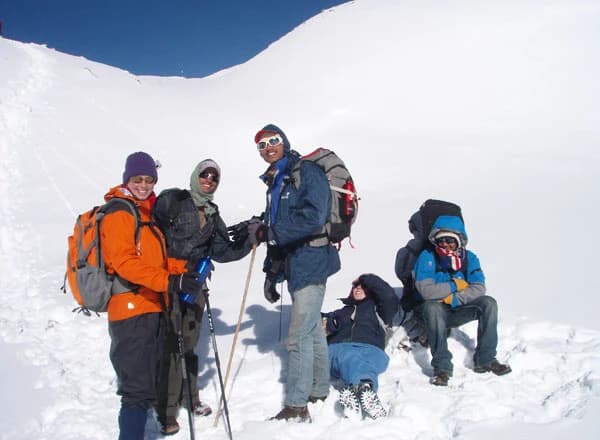
On clear winter mornings, the crossing can be incredibly rewarding. Snow-covered mountains stretch in every direction, creating one of the most spectacular high-altitude landscapes in Nepal.
However, weather conditions can change quickly. Heavy snowfall occasionally leads to temporary delays, and flexibility is important when planning a winter itinerary.
The Annapurna Circuit is generally safe in January, but you should still take proper precautions. The key safety considerations include:
Starting early each morning
Monitoring weather forecasts regularly
Using trekking poles for stability
Wearing footwear with good traction
Following guidance from experienced local guides
Allowing extra days in case of weather-related delays
Winter trekking requires more awareness than trekking during peak seasons, but the challenges are manageable with proper preparation.
Does Snow Make the Trek Dangerous?
Snow alone does not make the Annapurna Circuit dangerous, and many trekkers complete the route every January.
The risks usually arise when trekkers underestimate winter conditions, carry inadequate gear, or attempt to cross Thorong La Pass during poor weather.
Most winter trekkers find that the combination of preparation, flexibility, and professional guidance allows them to enjoy the trek safely.
The Reward of Winter Trail Conditions
The presence of snow is also one of January's biggest attractions, and snow-covered prayer flags, frozen streams, white mountain ridges, and pristine alpine landscapes create an atmosphere unlike that of spring or autumn. The Annapurna Circuit feels wilder, quieter, and more remote during winter.
For many trekkers, these conditions are exactly what make the Annapurna Circuit Trek in January such a memorable Himalayan adventure.
Can You Cross Thorong La Pass in January?
Yes, Thorong La Pass (5,416m) can be crossed in January, and many trekkers complete the crossing every winter. However, weather and snowfall conditions play a major role, and flexibility is essential. While the pass is often accessible during January, heavy snowfall can occasionally cause temporary delays or require trekkers to wait for conditions to improve.
The Thorong La Pass is the highest and most challenging point of the Annapurna Circuit Trek. In January, it becomes a true winter mountain adventure, with snow-covered trails, freezing temperatures, and breathtaking alpine scenery. For many trekkers, reaching the pass in winter is one of the most rewarding moments of the entire journey.
What Are Conditions Like on Thorong La Pass in January?
January typically brings cold but relatively stable weather to the Annapurna region, and most mornings begin with clear skies, making early starts essential for a safe crossing.
Trekkers often leave Thorong Phedi or High Camp before sunrise. Under the beam of a headlamp, the trail gradually climbs through frozen terrain as the surrounding mountains slowly emerge in the morning light. Snow-covered ridges and icy slopes create a dramatic Himalayan landscape unlike anything seen during warmer months. Depending on recent weather patterns, trekkers may encounter:
Packed snow on the trail
Icy sections near steeper slopes
Fresh snowfall after winter storms
Strong winds near the summit area
Extremely cold temperatures before sunrise
Conditions vary from year to year, which is why local knowledge is so important.
Does Thorong La Pass Close in January?
Unlike a road or tourist attraction, Thorong La Pass does not have an official opening or closing date. Instead, accessibility depends entirely on weather conditions. In many winters, trekkers cross the pass successfully throughout January.
However, the heavy snowfall can temporarily make the route difficult or unsafe, and when this happens, guides and local authorities may recommend waiting for trail conditions to improve before attempting the crossing.
Most weather-related disruptions are temporary rather than season-long closures.
Why Are Local Guides Important in January?
Crossing Thorong La Pass during winter requires good judgment and up-to-date information. Experienced local guides regularly communicate with teahouses, other trekking groups, and local communities regarding:
Recent snowfall
Trail conditions
Weather forecasts
Avalanche concerns
Safe departure times
This local knowledge becomes particularly valuable during winter when conditions can change quickly.
The Thorong La Pass is already physically demanding to cross because of its altitude, and January adds additional challenges:
Colder temperatures
Snow-covered sections
Reduced oxygen levels at high altitude
Potentially slippery trail conditions
For trekkers who acclimatize properly and maintain a steady pace, the crossing remains achievable; the key is not speed but patience, preparation, and respect for the mountain environment.
What Happens After Crossing the Pass?
The reward for reaching Thorong La Pass is extraordinary. The prayer flags flutter across the summit, surrounded by vast Himalayan peaks stretching in every direction. On clear January mornings, the snow-covered landscape creates one of the most spectacular views in the Annapurna region.
After celebrating at the top, you descend toward Muktinath, where the terrain gradually changes from snowy alpine landscapes to the dry and dramatic scenery of Mustang. The contrast between the two sides of the pass is one of the defining experiences of the Annapurna Circuit.
Tips for Crossing Thorong La Pass in January
To maximize safety and comfort during the crossing:
Acclimatize properly in Manang
Start before sunrise
Carry enough water and snacks
Wear layered winter clothing
Use insulated gloves and warm headwear
Follow your guide's instructions
Allow flexibility in your itinerary
Monitor weather conditions carefully
Is Thorong La Pass Worth Crossing in January?
For many trekkers, January offers one of the most memorable Thorong La experiences of the entire year.
The combination of snow-covered landscapes, clear mountain views, fewer crowds, and the sense of accomplishment that comes from crossing a 5,416-meter Himalayan pass in winter creates an experience that is both challenging and deeply rewarding.
For well-prepared trekkers, Thorong La Pass in January is not only possible but also one of the highlights of trekking in Nepal.
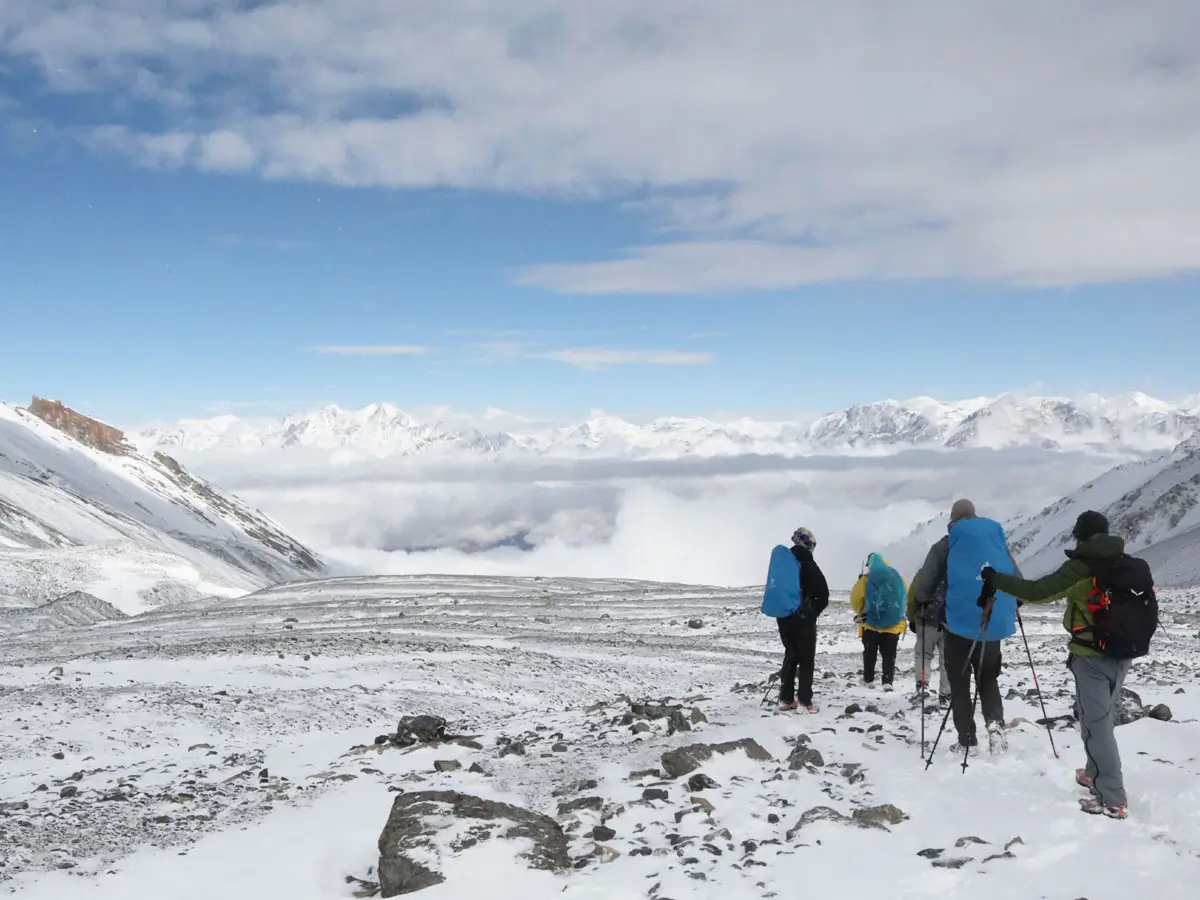
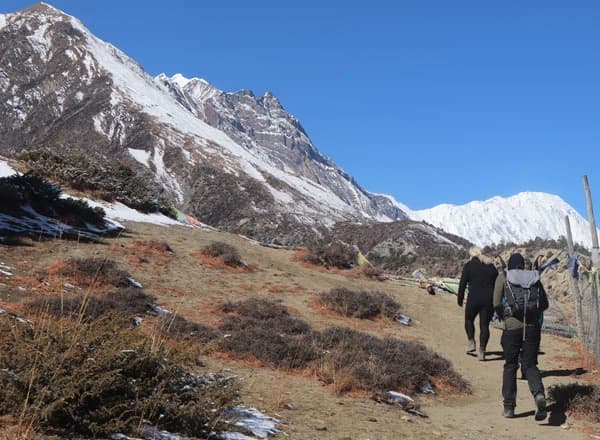
Walking towards Thorong La!
Difficulty of the Annapurna Circuit Trek in January
The Annapurna Circuit Trek is considered a moderate-to-challenging trek year-round, but January brings additional winter conditions that increase overall difficulty. Cold temperatures, snow-covered sections, and the challenge of crossing Thorong La Pass make the trek more demanding than during spring or autumn.
However, the difficulty should not be confused with impossibility, and every winter, trekkers of different ages and backgrounds complete the Annapurna Circuit with proper preparation, realistic expectations, and adequate acclimatization.
Physical Difficulty
The Annapurna Circuit is a long-distance trek that typically takes 12-18 days, with trekkers walking several hours daily, often tackling steep ascents and descents across varied terrain.
The Physical demands increase in January because the body works harder to maintain warmth in cold conditions, and walking through snow-covered sections can also require more energy than trekking on dry trails. The typical daily trekking hours range between:
5–7 hours on most trekking days
7–9 hours during the Thorong La Pass crossing
Good cardiovascular fitness, endurance, and prior hiking experience can make the trek significantly more comfortable.
Altitude Challenges
For many trekkers, altitude is a greater challenge than the trail itself.
The Annapurna Circuit gradually climbs from the lower river valleys to the 5,416-meter Thorong La Pass. At these elevations, oxygen levels are considerably lower than at sea level, increasing the risk of Acute Mountain Sickness (AMS). Common symptoms may include:
Headache
Fatigue
Loss of appetite
Nausea
Difficulty sleeping
January does not increase altitude itself, but the cold weather can sometimes make physical symptoms feel more intense. Proper acclimatization remains one of the most important factors for a successful trek.
Winter Challenges
Annapurna Circuit Trek in January is different from other seasons, and trekkers must be prepared for:
Freezing mornings and nights
Snow-covered trails above Manang
Icy sections near Thorong La Pass
Strong winds at higher elevations
Shorter daylight hours
Unlike autumn, where trail conditions are usually dry and predictable, winter requires greater attention to weather forecasts and trail conditions. The cold can also affect daily routines. Simple tasks such as getting out of a warm sleeping bag before sunrise, washing in cold temperatures, or preparing for an early pass crossing become part of the challenge.
Is the Annapurna Circuit Trek in January Suitable for Beginners?
Yes, beginners can complete the Annapurna Circuit Trek in January, but winter conditions make it better suited to travelers who are physically prepared and comfortable in cold weather.
A beginner who maintains good fitness, follows a proper acclimatization schedule, and treks with experienced guides can complete the route.
However, if someone has never trekked before and is uncertain about winter mountain conditions, spring or autumn may provide a more comfortable first Himalayan trekking experience.
Fitness Requirements
You do not need to be an athlete to complete the Annapurna Circuit, but a reasonable level of fitness is highly recommended. Before the trek, it is helpful to prepare with activities such as:
Hiking on local trails
Stair climbing
Running or jogging
Cycling
Strength and endurance training
Building fitness before arriving in Nepal helps reduce fatigue and allows trekkers to enjoy the journey more fully.
Mental Preparedness Matters Too
Winter trekking is not only a physical challenge but also a mental one. And there will be cold mornings, long climbs, and moments when the weather tests your patience. Trekkers who approach the journey with flexibility, determination, and a positive mindset often find the experience more rewarding.
The ability to adapt to changing conditions is one of the most valuable skills on a winter trek.
How Difficult Is Thorong La Pass in January?
Thorong La Pass is the most demanding section of the Annapurna Circuit at any time of year, and January adds another layer of challenge, and the combination of:
High altitude
Cold temperatures
Snow-covered terrain
Pre-dawn starts
makes the crossing physically and mentally demanding. However, with proper acclimatization in Manang, suitable winter gear, and favorable weather conditions, most prepared trekkers can complete the pass safely.
Many trekkers focus on the peak trekking seasons of spring and autumn, but January offers a unique perspective on the Annapurna Circuit that only a few travelers experience. The winter brings colder temperatures and occasional snowfall at higher elevations, but also reveals a quieter, more pristine side of the Himalayas that many experienced trekkers consider incredibly rewarding.
Crystal-Clear Mountain Views
One of the biggest reasons to choose the Annapurna Circuit Trek in January is the exceptional mountain visibility, as the winter air is typically dry and stable, creating ideal conditions for panoramic Himalayan views. The snow-covered peaks appear remarkably sharp against deep blue skies and offer some of the best photography opportunities of the year on clear days.
Whether you are walking through the Marsyangdi Valley or acclimatizing in Manang, the towering peaks such as Annapurna II, Gangapurna, Tilicho Peak, and Chulu East dominate the horizon and, in combination with fresh snow and clear weather, create scenes that are difficult to witness during busier seasons.
Experience the Annapurna Region Without the Crowds
The popular sections of the Annapurna Circuit are busy during October and November, but January offers a completely different atmosphere. The trails are noticeably quieter, teahouses are less crowded, and viewpoints feel more peaceful.
Imagine walking through a silent valley where the crunch of your boots on frozen ground is louder than the conversations of other trekkers, and instead of sharing every stop with large groups, you can enjoy the landscape at your own pace and connect more deeply with nature.
Witness the Himalayas in Their Winter Beauty
January transforms the Annapurna region into a spectacular winter landscape, and higher elevations around Manang, Yak Kharka, Thorong Phedi, and Thorong La Pass are blanketed in snow, creating a dramatic contrast against the rugged mountain terrain.
The early mornings reveal frost-covered fields, frozen streams, and snow-dusted rooftops, and as the sun gradually spreads across the valley, the mountains glow with shades of gold, silver, and white, creating unforgettable moments throughout the trek.
Enjoy a More Authentic Cultural Experience
With fewer visitors in the region, interactions with local communities feel more genuine, and tea house owners have more time to share stories, while village life continues at a slower pace during the winter season. Whether you are warming up beside a traditional stove in Manang or enjoying a hot meal after a long day of trekking, January offers opportunities to experience hospitality in a more personal way.
Ideal for Photographers and Adventure Seekers
January offers a combination of dramatic lighting, snow-covered landscapes, and clear visibility that is difficult to match during other seasons. The sunrise and sunset produce extraordinary colors across the Himalayan skyline, adding depth and texture to every scene.
Adventure seekers are also drawn to the challenge and reward of winter trekking. Crossing Thorong La Pass, surrounded by snow-covered mountains, creates a sense of accomplishment that makes the journey even more memorable.
A Different Side of the Annapurna Circuit
The Annapurna Circuit Trek in January is not simply the same trek with colder weather, and it's a completely different experience. The peaceful trails, winter scenery, clear mountain views, and authentic cultural encounters create a journey that feels more remote, immersive, and adventurous.
For trekkers who value solitude, photography, and the beauty of winter landscapes, January can be one of the most rewarding times of the year to explore the Annapurna Circuit.
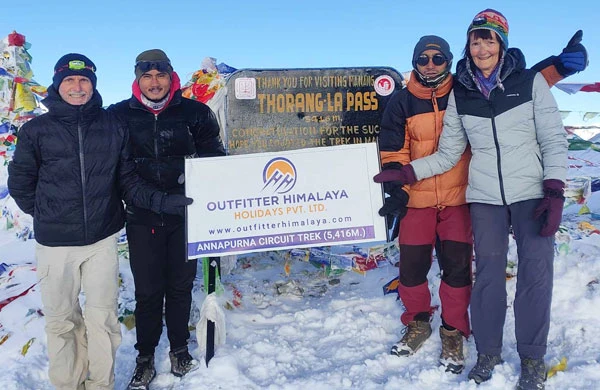
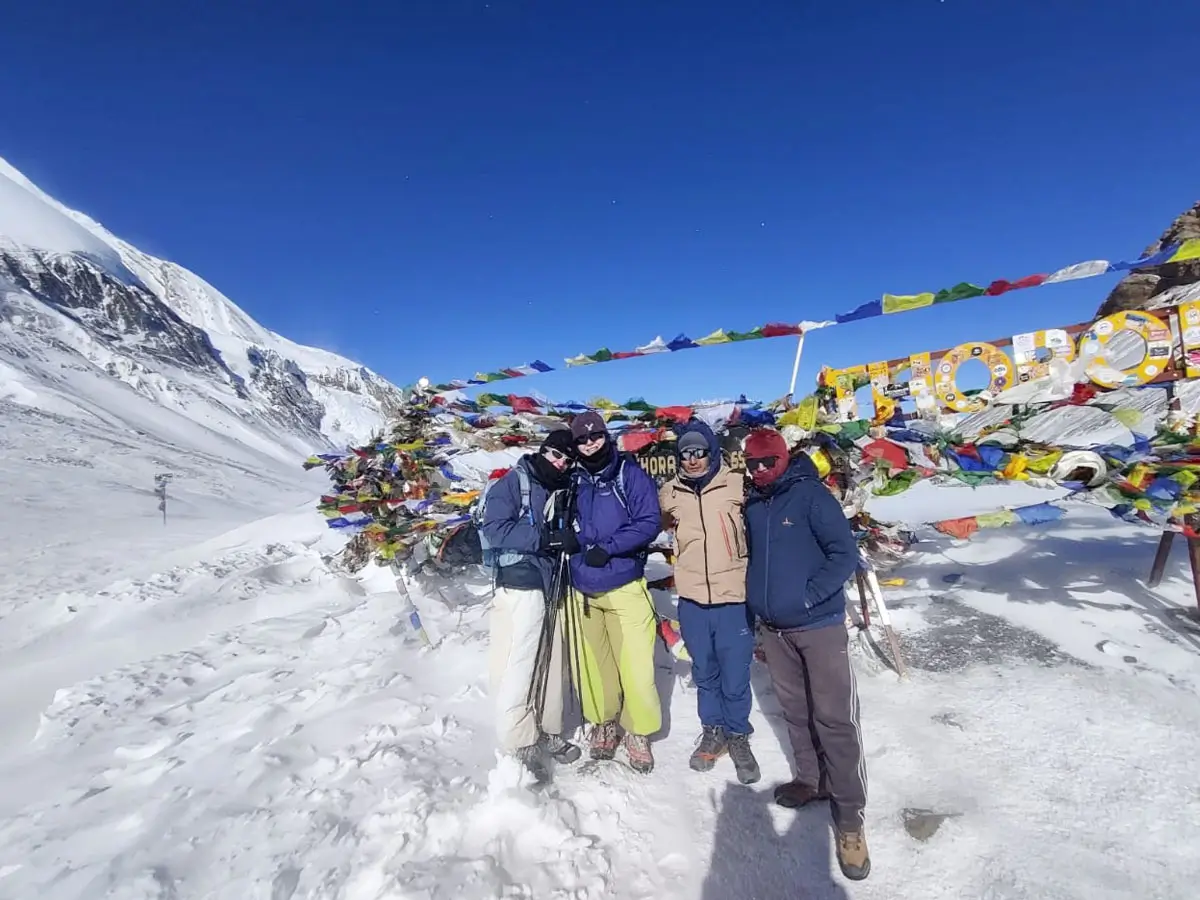
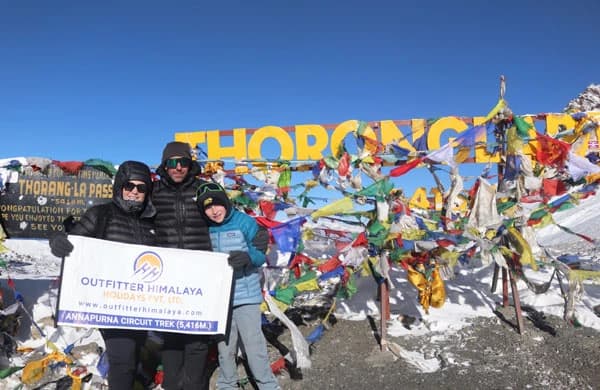
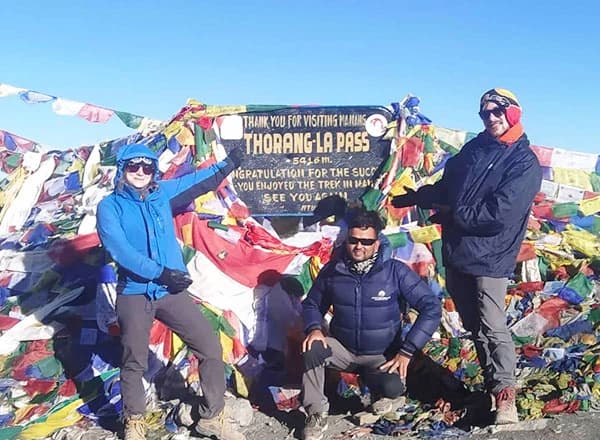
The Thorong La Pass!
Pros of Annapurna Circuit Trek in January – benefits of Annapurna Circuit Trek in January
While January is one of the coldest months on the Annapurna Circuit, it offers several advantages that make it highly appealing to trekkers seeking a quieter and more adventurous Himalayan experience. For many experienced travelers, the benefits of trekking during winter far outweigh the challenges.
Outstanding Mountain Visibility
One of the greatest advantages of the Annapurna Circuit Trek in January is the exceptional mountain visibility, as the winter weather is often stable, with low humidity and fewer atmospheric disturbances. As a result, trekkers frequently enjoy uninterrupted views of Annapurna II, Gangapurna, Tilicho Peak, Chulu East, Pisang Peak, and Dhaulagiri.
The mountains appear particularly dramatic when fresh snow covers the surrounding slopes, creating stunning contrasts against the deep blue winter sky.
Significantly Fewer Crowds
Unlike the peak trekking months of October and November, January sees far fewer visitors on the Annapurna Circuit. This allows trekkers to enjoy peaceful trails, quieter viewpoints, and a more relaxed trekking atmosphere.
Beautiful Snow-Covered Landscapes
Winter transforms the Annapurna Circuit into a breathtaking alpine environment; the Areas above Manang often feature snow-covered trails, frozen streams, and white mountain ridges that add a unique dimension to the adventure.
If you have a dream of experiencing the Himalayas in their winter form, January offers some of the most picturesque scenery of the year.
Better Accommodation Availability
Finding accommodation during peak trekking seasons can sometimes be challenging in popular villages along the route. In January, most teahouses have rooms available, allowing trekkers greater flexibility in planning daily walking distances.
This can make the trekking experience more comfortable and less stressful compared to busier seasons.
Peaceful and Immersive Trekking Experience
One of the most underrated benefits of trekking in January is the sense of solitude. The long sections of trail may have very few trekkers, allowing travelers to fully immerse themselves in the natural environment.
The sounds of flowing rivers, fluttering prayer flags, distant waterfalls, and mountain winds become more noticeable when the trails are quiet, creating a deeper connection with the landscape.
Excellent Conditions for Photography
Photographers often consider winter to be one of the most rewarding seasons in the Himalayas; the snow-covered mountains, dramatic shadows, clear skies, and golden sunrise light create ideal conditions for photography.
January also offers opportunities to capture scenes rarely seen in other months, including frozen water sources, frost-covered villages, and snow-lined mountain trails.
More Authentic Local Interactions
Local communities often have more time to interact with visitors in January, and conversations with teahouse owners, guides, and residents can feel more personal and meaningful during the quieter winter season.
These interactions often become some of the most memorable parts of the trekking experience.
Cleaner and Less Dusty Trails
Compared to the dry conditions that sometimes develop in late spring, January trails are generally cleaner and less dusty. The cool temperatures help maintain comfortable walking conditions, particularly in lower and mid-altitude sections.
A Greater Sense of Adventure
The winter adds an extra layer of excitement to the Annapurna Circuit, with high mountain terrain surrounded by snow-covered peaks, creating a stronger sense of exploration and achievement.
Completing the trek during January often feels more rewarding because of the additional challenges and preparation involved.
Ideal for Trekkers Seeking Solitude
If your goal is to escape busy trekking routes and enjoy a quieter Himalayan journey, January is one of the best months to visit. The peaceful atmosphere allows you to appreciate the natural beauty, cultural richness, and mountain environment at a slower and more meaningful pace.
For travelers who value tranquility over crowds, this is one of the strongest reasons to choose the Annapurna Circuit Trek in January.
Cons of Annapurna Circuit Trek in January- Disadvantages of Annapurna Circuit Trek in January
Although January offers clear mountain views, peaceful trails, and spectacular winter scenery, it is important to understand the challenges of trekking during one of the coldest months of the year. Proper preparation, realistic expectations, and flexibility are essential for a safe and enjoyable experience.
Extremely Cold Temperatures at Higher Elevations
The biggest challenge of the Annapurna Circuit Trek in January is the cold, and while the lower elevations remain relatively comfortable during the day, temperatures drop significantly as you gain altitude.
The nighttime temperatures can fall well below freezing in Manang, Yak Kharka, Thorong Phedi, and Thorong La Pass. Early morning starts often involve walking through icy conditions, making warm clothing and proper winter gear essential.
Snowfall Can Affect Trail Conditions
Snow is common in the upper sections of the Annapurna Circuit during January, and the fresh snowfall can make the trail more demanding, particularly between Thorong Phedi and Thorong La Pass.
The heavy snowfall may occasionally delay crossings or require itinerary adjustments, and the trail conditions can change quickly, making local knowledge and weather updates extremely important.
Shorter Daylight Hours
January has shorter daylight hours compared to spring and autumn. Sunrise arrives later, and darkness falls earlier, reducing the time available for trekking.
Trekkers must start early, maintain a steady pace, and manage their schedule carefully, especially on longer trekking days and during the Thorong La Pass crossing.
Increased Physical Demands
Cold weather naturally increases the physical demands of trekking, and the body uses more energy to stay warm, and carrying extra winter clothing can make backpacks heavier.
Walking through snow-covered sections may also require more effort than trekking on dry trails, particularly after fresh snowfall.
Limited Heating at High-Altitude Teahouses
Most teahouses along the Annapurna Circuit provide basic accommodation and heating options, which become limited as altitude increases. Dining halls often have a central stove, and bedrooms usually remain unheated.
After sunset, room temperatures can drop very low, making a high-quality sleeping bag and proper layering essential for comfort.
Possibility of Frozen Water Sources
The water taps and pipes at higher elevations may freeze overnight. Although teahouses continue to provide drinking water, access can sometimes be less convenient.
Trekkers should carry insulated water bottles and take precautions to prevent water from freezing.
Greater Dependence on Weather Conditions
Winter trekking requires greater flexibility; a snowstorm near Thorong La Pass can temporarily disrupt travel plans, and weather forecasts should be monitored regularly.
Building one or two contingency days into your itinerary is a wise decision when planning a winter Annapurna Circuit trek.
Not Ideal for Trekkers Sensitive to Cold
Some travelers do not enjoy prolonged exposure to cold environments. Even with excellent gear, January trekking involves freezing mornings, cold nights, and winter conditions for much of the journey above Manang.
So, if you are seeking warmer temperatures and maximum comfort, you may find spring or autumn more suitable.
Increased Importance of Proper Gear
Unlike peak seasons, January leaves little room for packing mistakes. Inadequate clothing, poor-quality footwear, or an insufficient sleeping bag can significantly affect comfort and safety during the trek.
Investing in proper winter trekking equipment is not optional; it is a necessity.
Winter Conditions Can Challenge Beginners
Although beginners can complete the Annapurna Circuit in January with proper preparation, winter conditions make the trek more demanding than during spring or autumn.
The combination of cold temperatures, snow-covered sections, and high-altitude trekking requires both physical readiness and mental resilience.
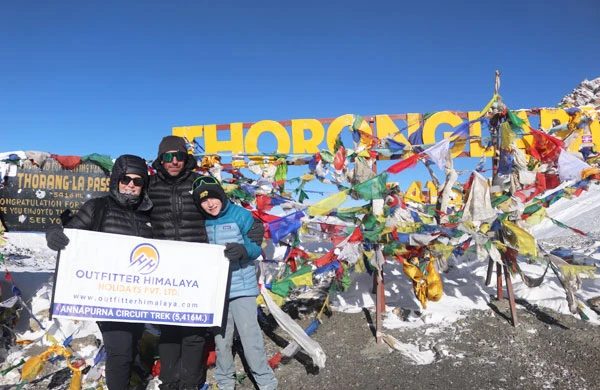
The Thorong La Pass!
Expert Tips for Annapurna Circuit Trek in January
Trekking the Annapurna Circuit in January can be an incredible experience, but winter conditions require more preparation than the peak spring and autumn seasons. Based on winter trekking conditions in the Annapurna region, these practical tips can help you stay safe, comfortable, and fully enjoy the journey.
Start Your Day Early
January mornings are usually the clearest and most stable part of the day, and starting early allows you to take advantage of better visibility, firmer trail conditions, and warmer arrival times at your destination in the afternoon.
This is particularly important when crossing Thorong La Pass, where most trekkers begin their ascent before sunrise.
Dress in Layers Instead of One Heavy Jacket
Winter temperatures can change dramatically throughout the day. A layered clothing system allows you to adjust comfortably as conditions change, and the typical layering system includes:
Moisture-wicking base layer
Insulating fleece or down jacket
Waterproof and windproof outer shell
Acclimatize Properly
Many trekkers focus on the cold and forget that altitude remains the biggest challenge on the Annapurna Circuit.
Spending an additional day of acclimatization in Manang improves your chances of crossing Thorong La Pass safely and comfortably, and the extra day also gives your body time to adjust to higher elevations before continuing the ascent.
Stay Hydrated Even in Cold Weather
One of the most common mistakes during winter trekking is drinking less water.
The cold temperatures often reduce the feeling of thirst, but dehydration can increase fatigue and contribute to altitude-related problems. Make a conscious effort to drink water regularly throughout the day.
Warm drinks such as tea, ginger-lemon-honey, and soup can also help maintain hydration.
Carry Proper Winter Gear
January is not the month to underestimate equipment requirements, and essential winter gear includes:
Down jacket
Warm sleeping bag
Thermal base layers
Insulated gloves
Warm hat or beanie
Sunglasses
Quality trekking boots
Trekking poles
Proper gear can make the difference between an enjoyable trek and an uncomfortable one.
Keep Your Electronics Warm
Cold temperatures drain batteries much faster than normal. So, store your phone, camera batteries, power bank, and other electronic devices inside your sleeping bag or close to your body during the night.
Build Flexibility Into Your Itinerary
Winter weather in the Himalayas can be unpredictable. January often brings stable conditions and snowfall occasionally, which can affect travel plans near Thorong La Pass.
Adding one or two extra days to your itinerary provides valuable flexibility and reduces unnecessary pressure if weather delays occur.
Protect Yourself From the Sun
Many trekkers associate winter with weaker sunlight, but UV exposure remains strong at high altitude.
Snow can reflect sunlight and increase the risk of sunburn. Wearing sunglasses, sunscreen, and lip balm is just as important in January as it is during warmer months.
Listen to Your Body
The desire to reach Thorong La Pass should never outweigh personal safety.
If you experience symptoms of altitude sickness, unusual fatigue, dizziness, or breathing difficulties, inform your guide immediately.
Consider Trekking With an Experienced Local Guide
January conditions can change quickly, particularly in higher elevations, and an experienced local guide can provide valuable information about trail conditions, weather forecasts, acclimatization, and safe decision-making.
For many winter trekkers, local expertise adds an extra layer of confidence and safety throughout the journey.
Embrace the Winter Experience
The Annapurna Circuit Trek in January is not about perfect comfort; it is about experiencing the Himalayas in their raw and beautiful winter form.
There will be frosty mornings, cold nights, and challenging climbs, but there will also be crystal-clear mountain views, peaceful trails, and unforgettable moments that many trekkers never experience during the busier seasons.
Approach the journey with patience, flexibility, and an adventurous mindset, and January can be one of the most rewarding times to explore the Annapurna Circuit.
Are Teahouses Open on the Annapurna Circuit in January?
One of the most common concerns among winter trekkers is whether teahouses remain open during January. The good news is that the Annapurna Circuit continues to welcome trekkers throughout the winter season, and most villages along the main route maintain accommodation and food services.
The Annapurna Circuit remains one of Nepal's most active trekking routes, and the popular villages such as Chame, Upper Pisang, Manang, Yak Kharka, Thorong Phedi, and Muktinath continue to receive trekkers, although visitor numbers are significantly lower than in autumn.
Easier Room Availability
One of the advantages of trekking in January is the availability of accommodation. During peak months such as October and November, popular teahouses can become crowded, and trekkers may occasionally struggle to find preferred rooms.
In January, most trekkers have greater flexibility. Rooms are generally easier to secure, and teahouse owners often have more time to interact with guests and provide personalized hospitality.
What Are Teahouse Rooms Like in Winter?
Teahouse rooms remain simple and comfortable and include:
Twin beds
Mattresses and pillows
Blankets
Basic furniture
However, trekkers should remember that bedrooms are typically unheated. While dining halls often contain a central stove that provides warmth during the evening, room temperatures can drop significantly overnight at higher elevations.
A quality winter sleeping bag is highly recommended, especially above Manang.
Food Availability During January
Food remains widely available throughout the Annapurna Circuit in winter. Most teahouses continue serving their standard menus, offering a variety of meals suitable for long trekking days. Popular options include:
Dal Bhat
Fried rice
Noodles
Pasta
Soups
Tibetan bread
Pancakes
Eggs and porridge
Warm drinks such as tea, coffee, hot chocolate, and ginger-lemon-honey are especially popular during cold mornings and evenings.
Hot Showers, Charging, and Wi-Fi
Many teahouses continue to offer:
Hot showers
Device charging
Wi-Fi services
However, availability becomes more limited and expensive as altitude increases. Weather conditions can occasionally affect water systems and internet reliability at higher elevations.
Trekkers should carry a power bank and avoid relying entirely on internet access during the trek.
A Different Teahouse Experience
Perhaps the biggest difference in January is the atmosphere. With fewer trekkers on the trail, evenings often feel quieter and more relaxed. After a day of walking through snowy landscapes, many trekkers gather around the dining hall stove, sharing stories while enjoying warm meals and mountain hospitality.
For travelers seeking a more peaceful Himalayan experience, the quieter winter teahouse environment can become one of the most memorable parts of the Annapurna Circuit Trek in January.
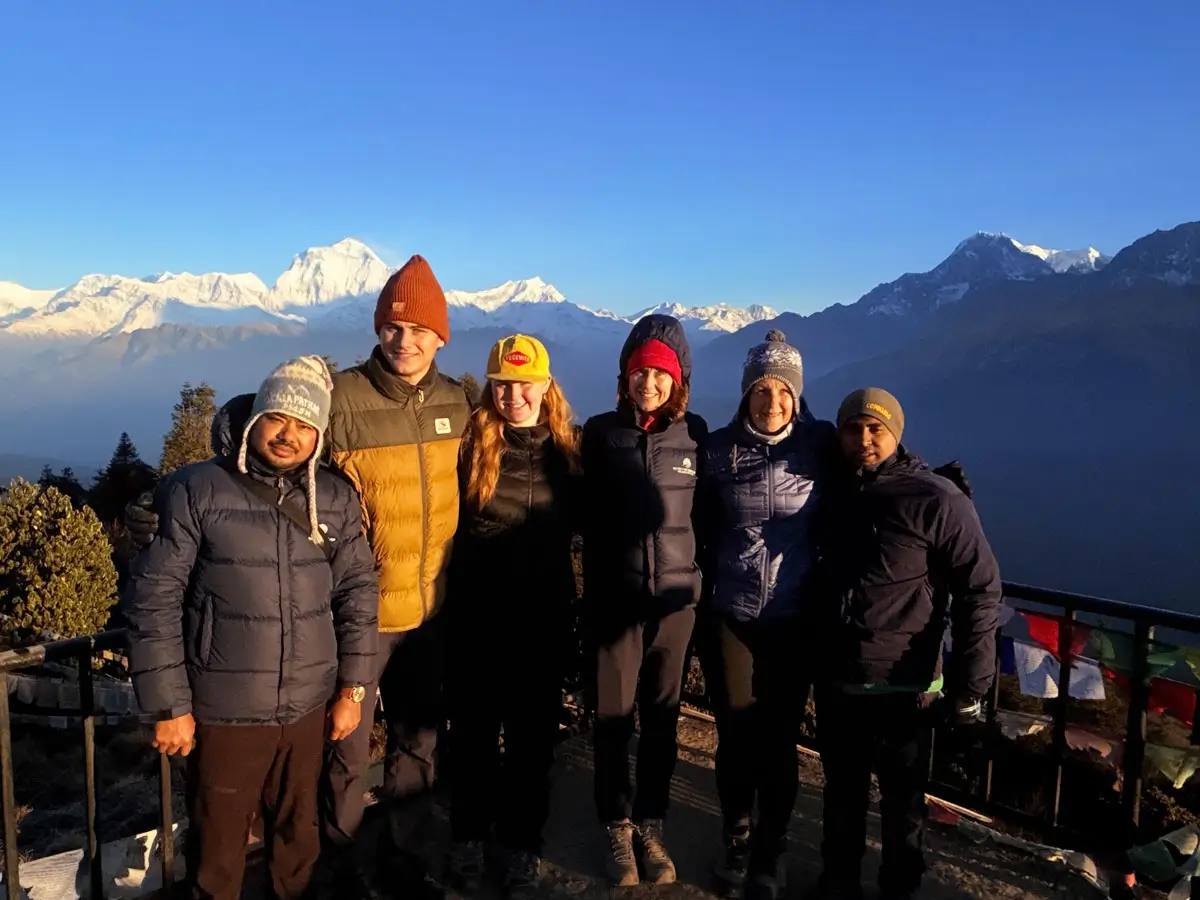
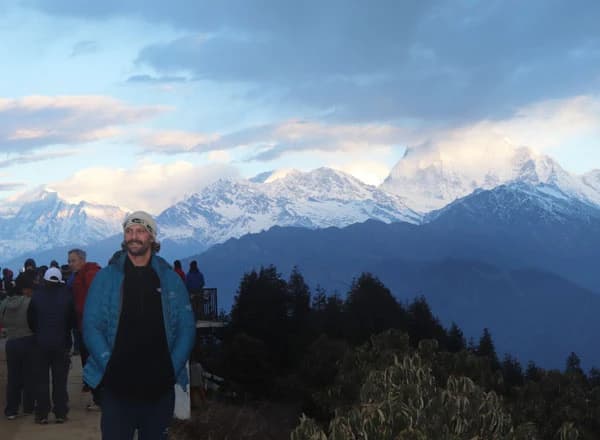
Poon Hill View Point!
What to Pack for the Annapurna Circuit Trek in January
Packing properly is one of the most important parts of preparing for the Annapurna Circuit Trek in January. While the lower sections of the trail may feel relatively mild during the day, temperatures at higher elevations can drop well below freezing, especially around Manang, Thorong Phedi, and Thorong La Pass.
Smart packing focuses on staying warm, dry, and comfortable without carrying unnecessary weight.
Essential Clothing Layers
Layering is the key to successful winter trekking in Nepal. The weather conditions can change significantly throughout the day, and a flexible clothing system helps regulate body temperature efficiently.
Base Layers
Thermal top
Thermal leggings
Moisture-wicking trekking shirts
Mid Layers
Fleece jacket
Lightweight insulated jacket
Warm trekking pants
Outer Layer
Waterproof jacket
Windproof shell
Waterproof trekking pants
The combination of these layers allows trekkers to adapt to cold mornings, sunny afternoons, and freezing evenings.
Down Jacket
A quality down jacket is one of the most important items for trekking in January.
After sunset, temperatures drop rapidly at higher elevations, so a warm down jacket becomes essential when relaxing in teahouses, eating dinner, or preparing for early-morning departures.
Winter Accessories
Small items often make a huge difference during winter trekking. The recommended accessories include:
Warm beanie or wool hat
Neck gaiter or buff
Insulated gloves
Inner glove liners
Warm trekking socks
Sunglasses with UV protection
These items help protect against cold winds and freezing temperatures at higher elevations.
Footwear
Your trekking boots should provide comfort, warmth, and a reliable grip. The recommended footwear:
Waterproof trekking boots
Comfortable camp shoes or sandals
Gaiters (optional after fresh snowfall)
Since snow and icy patches are common above Manang, good traction is particularly important during January.
Sleeping Equipment
Although teahouses provide blankets, winter trekkers should carry their own sleeping bag.
A sleeping bag rated for temperatures below freezing provides additional warmth and comfort during cold nights.
A sleeping bag liner can also add extra insulation while helping keep the sleeping bag clean.
Trekking Equipment
Several pieces of trekking gear become especially useful during winter, including the following:
Trekking poles
Headlamp
Backpack rain cover
Reusable water bottles
Power bank
Dry bags or waterproof packing sacks
Trekking poles are particularly helpful on snow-covered or icy sections of trail near Thorong La Pass.
Personal Essentials
Do not forget:
Sunscreen
Lip balm
Personal medications
Basic first aid supplies
Wet wipes
Hand sanitizer
Toiletries
Many trekkers underestimate the strength of the sun at high altitude. Even during winter, UV exposure remains intense, especially when sunlight reflects off snow-covered terrain.
Electronics and Photography Gear
January often provides some of the clearest mountain views of the year, making it a fantastic season for photography, and useful items include:
Camera
Spare batteries
Portable charger
Universal adapter
Extra memory cards
Cold temperatures drain batteries quickly, so keep electronics inside your sleeping bag or close to your body during the night.
Packing Smart for Winter
The goal is not to carry everything possible but to carry everything necessary.
Focus on warmth, comfort, and safety. A well-planned packing list allows you to enjoy the snow-covered landscapes, peaceful trails, and stunning mountain views without being distracted by cold weather or inadequate gear.
With proper preparation, the Annapurna Circuit Trek in January becomes far more enjoyable and rewarding.
Is the Annapurna Circuit Trek possible in January?
Yes, the Annapurna Circuit Trek is possible in January. While temperatures are colder and snow is common at higher elevations, particularly around Thorong La Pass, the route remains accessible in most years. Proper preparation, winter gear, and flexibility in response to weather conditions are important for a safe and enjoyable trek.
How cold is the Annapurna Circuit in January?
January is one of the coldest months on the Annapurna Circuit Trail. The lower elevations, such as Besisahar and Chame, experience cool but manageable temperatures, while higher elevations around Manang, Yak Kharka, and Thorong Phedi frequently experience sub-zero conditions.
Night temperatures near Thorong La Pass can drop below -15°C during colder periods.
Does it snow on the Annapurna Circuit in January?
Yes, the snowfall is common in the higher sections of the Annapurna Circuit during January. The areas above Manang often experience snow-covered trails, particularly around Yak Kharka, Thorong Phedi, and Thorong La Pass. The amount of snow varies each year depending on winter weather patterns and recent storms.
Is Thorong La Pass open in January?
Thorong La Pass does not have an official opening or closing date for January, and in most years, trekkers successfully cross the pass throughout the month.
However, heavy snowfall can occasionally cause temporary delays or require trekkers to wait for safer conditions. Local weather updates and experienced guides are important during winter crossings.
Is January a good time for the Annapurna Circuit Trek?
January can be an excellent time for trekkers who enjoy winter landscapes, clear mountain views, and quieter trails. While it is colder than spring and autumn, the reduced crowds and spectacular Himalayan scenery make it one of the most rewarding months for adventurous trekkers.
What is the weather like on the Annapurna Circuit in January?
January weather is generally cold, dry, and stable. Mornings are often clear, with excellent mountain visibility, while daytime conditions remain comfortable for trekking in the sunshine. Evenings and nights become very cold, especially above Manang. Snow is common at higher elevations, but lower sections of the trail are usually dry.
What should I pack for the Annapurna Circuit Trek in January?
Winter clothing is essential; pack thermal layers, a down jacket, waterproof outerwear, insulated gloves, warm hats, quality trekking boots, a winter sleeping bag, sunglasses, sunscreen, and trekking poles. Proper gear is critical for comfort and safety in cold weather and on snowy trails.
Are teahouses open on the Annapurna Circuit in January?
Yes, most teahouses along the main Annapurna Circuit route remain open during January. Accommodation is generally easier, although rooms are usually unheated, dining halls often provide a warm communal area where trekkers can relax during the evening.
Is the Annapurna Circuit crowded in January?
No, January is one of the quieter months on the Annapurna Circuit, and compared to October and November, there are significantly fewer trekkers on the trail.
Can beginners do the Annapurna Circuit Trek in January?
Beginners can complete the Annapurna Circuit in January if they are physically prepared, properly equipped, and willing to trek in cold conditions.
However, winter conditions make the trek more challenging than during spring or autumn. First-time trekkers may benefit from joining an organized trek with experienced local guides.
How difficult is the Annapurna Circuit Trek in January?
The Annapurna Circuit Trek in January is generally considered moderate to challenging. The difficulty comes from a combination of altitude, long walking days, cold temperatures, and snow-covered sections at higher elevations. Proper acclimatization and physical preparation are essential for success.
Is altitude sickness a concern during winter?
Yes, altitude sickness remains a concern regardless of the season. The trek reaches Thorong La Pass at 5,416 meters, where oxygen levels are significantly lower. Trekkers should acclimatize properly, stay hydrated, and watch for any symptoms of Acute Mountain Sickness (AMS).
How many days are needed for the Annapurna Circuit Trek in January?
Most trekkers complete the Annapurna Circuit in 12 to 18 days, depending on the route and acclimatization schedule. During winter, it is wise to include one or two extra contingency days in case of snowfall or other weather conditions that affect the itinerary.
Why choose the Annapurna Circuit Trek in January instead of autumn?
While autumn offers warmer temperatures and more trekkers, January provides a quieter and more immersive Himalayan experience. Winter brings snow-covered landscapes, uncrowded trails, excellent mountain visibility, and a unique sense of adventure that many trekkers find more rewarding than the busy peak seasons.
The Annapurna Circuit Trek in January offers a side of the Himalayas that only a few trekkers experience. The winter brings colder temperatures, snow-covered trails, and additional challenges around Thorong La Pass, and it also rewards prepared adventurers with peaceful trekking routes, crystal-clear mountain views, and some of the most spectacular winter scenery in Nepal.
From the frost-covered landscapes of Manang to the snow-draped slopes leading toward Thorong La Pass, January transforms the Annapurna Circuit into a true winter trekking adventure. The quieter trails, uncrowded teahouses, and dramatic Himalayan panoramas create an atmosphere that feels far more remote and immersive than during the busy autumn season.
Whether you are planning your first trek in Nepal or returning for a new challenge, the Annapurna Circuit in January offers an extraordinary journey through diverse landscapes, mountain cultures, and some of the world's most breathtaking scenery. For itinerary planning, permits, logistics, and expert local guidance, the team at Outfitter Himalaya can help you prepare for a safe and rewarding winter trek.
The Ghorepani Poon Hill Trek in March combines the beginning of rhododendron season with warming days and opportunities for clear Himalayan views. Sunrise at 3,210 meters remains cold, and higher paths can still have snow [...]
The Annapurna Circuit Trek covers approximately 102 kilometers of walking on Outfitter Himalaya’s classic 15-day itinerary, including the Manang acclimatization hike. The journey unfolds through riverside forests, mountain villages and open valleys before crossing Thorong La [...]
The Annapurna Circuit Trek costs about USD 650–1,900 per person with Outfitter Himalaya, depending on the itinerary, group size, and services included. Outfitter Himalaya’s 15-day Classic Annapurna Circuit Trek has published group-size prices of USD [...]