The best time to trek Annapurna Base Camp is during spring (March to May) and autumn (September to November). These two seasons offer the most favorable combination of pleasant temperatures, relatively stable weather, clear mountain views, and comfortable trekking conditions.
However, there is no single perfect time for everyone.
The Annapurna Base Camp Trek offers a different experience in every season. Spring brings colorful rhododendron forests and warmer temperatures, while autumn is known for crystal-clear skies and spectacular Himalayan views. Winter offers peaceful trails and snowy landscapes, whereas the monsoon transforms the Annapurna region into a lush green paradise with fewer trekkers.
Your ideal time to visit Annapurna Base Camp depends on what matters most to you—clear mountain views, warmer weather, blooming forests, fewer crowds, or a quieter trekking experience. In this guide, we explore the weather and trekking conditions at Annapurna Base Camp throughout the year to help you choose the best season for your adventure.
What Is the Best Time for Annapurna Base Camp Trek?
Season
Months
Trekking Conditions
Best For
Spring
March to May
Warm, colorful, and pleasant
Rhododendrons and comfortable temperatures
Summer/Monsoon
June to August
Rainy, green, and humid
Quiet trails and lush landscapes
Autumn
September to November
Clear, dry, and stable
Best mountain views and overall conditions
Winter
December to February
Cold and occasionally snowy
Peaceful trekking and winter scenery
For most trekkers, October and November in autumn and March and April in spring are considered the best months for the Annapurna Base Camp Trek.
The journey takes you deep into the Annapurna Sanctuary and reaches Annapurna Base Camp at 4,130 meters. Because the trail passes through several climatic zones, weather conditions can vary significantly between lower villages and higher elevations.
Annapurna Base Camp Trek in Spring (March to May)
Spring is one of the most popular and rewarding seasons for the Annapurna Base Camp Trek.
After the cold winter months, temperatures gradually become warmer, forests begin to bloom, and the entire Annapurna region comes alive. The lower sections of the trail are especially beautiful during spring, with colorful rhododendron forests creating a spectacular Himalayan landscape.
Why Trek Annapurna Base Camp in Spring?
Spring offers an excellent balance between comfortable temperatures and beautiful scenery. Days are generally pleasant for walking, while mornings often provide good visibility of the Annapurna range.
As you trek through villages and forests towards the Annapurna Sanctuary, you can enjoy changing landscapes, blooming flowers, and impressive views of Annapurna South, Hiunchuli, Machhapuchhre, and other surrounding peaks.
Advantages of Spring Trekking
Pleasant daytime temperatures
Beautiful rhododendron forests
Excellent mountain scenery
Longer daylight hours
Comfortable conditions for high-altitude trekking
Lively atmosphere on the trail
Things to Consider
Spring is a popular trekking season, particularly from late March through April. Popular villages and teahouses can become busy, so booking your Annapurna Base Camp Trek in advance is recommended.
May becomes warmer at lower elevations, and clouds may occasionally develop during the afternoon.
Best Months in Spring
March: The beginning of the spring trekking season with increasingly pleasant weather and fewer crowds than April.
April: One of the best months for the Annapurna Base Camp Trek, offering blooming rhododendrons, comfortable temperatures, and excellent trekking conditions.
May: Warmer temperatures and greener landscapes, although afternoon clouds become more common as the monsoon approaches.
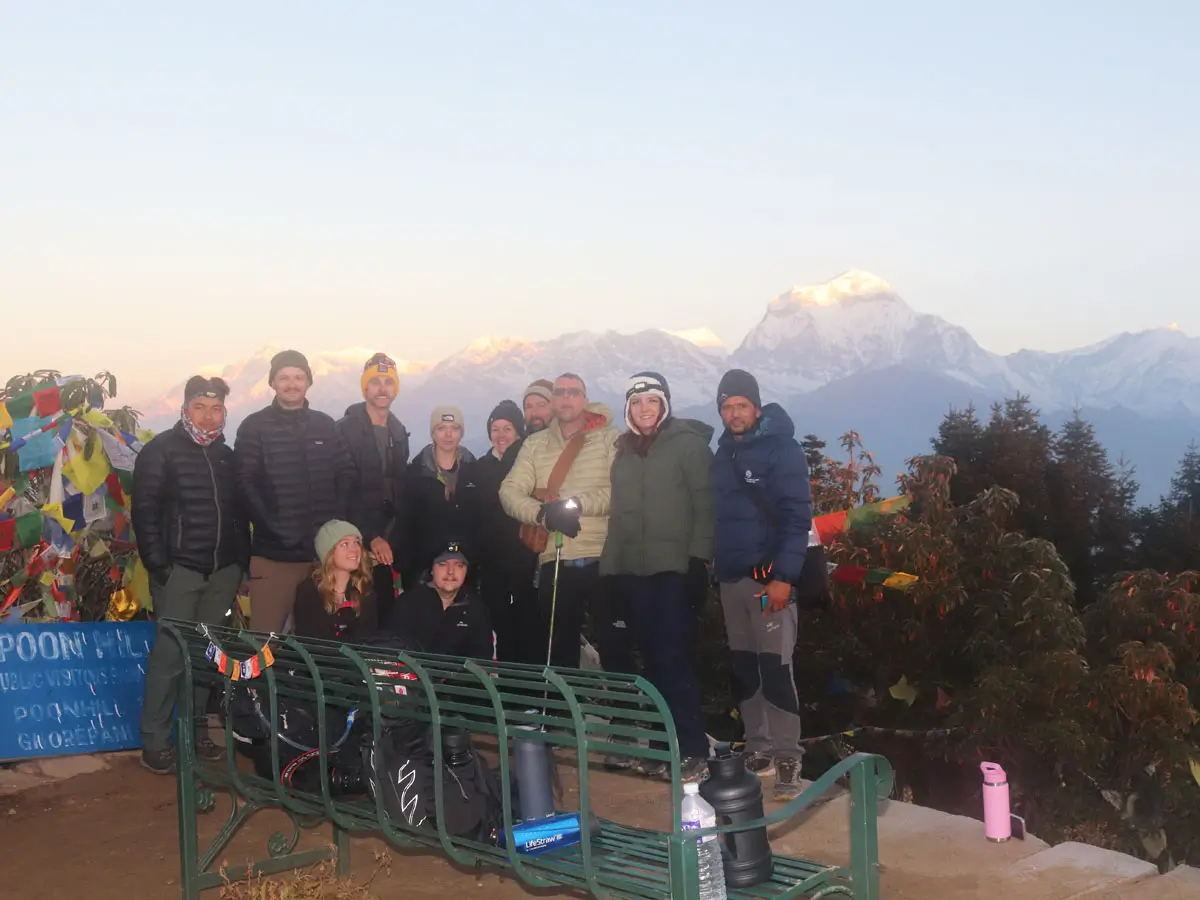
Himalayan View from Poon Hill
Annapurna Base Camp Trek in Autumn (September to November)
Autumn is widely regarded as the best season for trekking in Nepal, and the Annapurna Base Camp Trek is no exception. The monsoon rains clean the atmosphere and refresh the landscape. As the rainy season ends, the skies become clearer, visibility improves, and the Himalayan mountains appear exceptionally sharp.
For trekkers looking for the best combination of weather, trail conditions, and mountain views, autumn is often the first choice.
Why Trek Annapurna Base Camp in Autumn?
Autumn usually brings dry trails, stable weather, comfortable daytime temperatures, and some of the clearest mountain views of the year.
The Annapurna Sanctuary becomes especially spectacular during this period. From viewpoints along the trail to the sunrise at Annapurna Base Camp, trekkers have excellent opportunities to enjoy panoramic views of the Himalayas.
Advantages of Autumn Trekking
Clear skies and excellent visibility
Stable and generally dry weather
Comfortable daytime temperatures
Spectacular mountain views
Ideal photography conditions
Festive atmosphere in Nepal
Well-established trekking services and open teahouses
Things to Consider
Autumn is the busiest trekking season in Nepal. October, in particular, attracts trekkers from around the world.
Popular accommodations along the route can fill quickly, especially during peak trekking periods. Booking early and starting your trekking days early in the morning can help you enjoy a more comfortable experience.
Best Months in Autumn
September: A transitional month when the monsoon gradually retreats. The landscape remains green and fresh, while trekking conditions improve later in the month.
October: Often considered the best month for the Annapurna Base Camp Trek due to stable weather, dry trails, and exceptional mountain visibility.
November: Another excellent month with clear skies and beautiful Himalayan views. Temperatures become colder, especially at higher elevations.
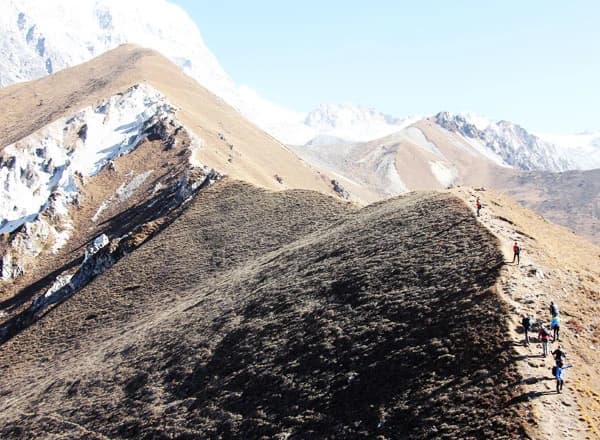
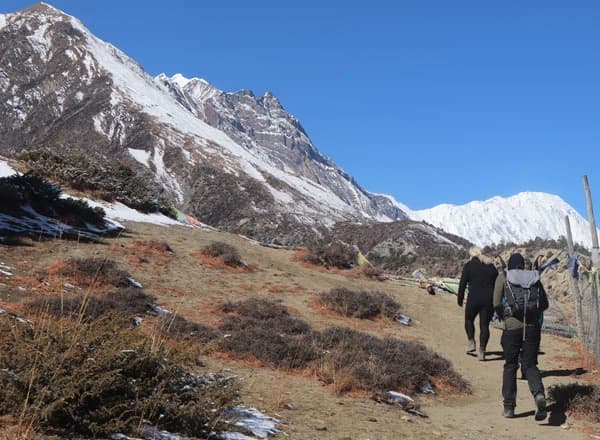
Walking towards Annapurna Base Camp
Annapurna Base Camp Trek in Winter (December to February)
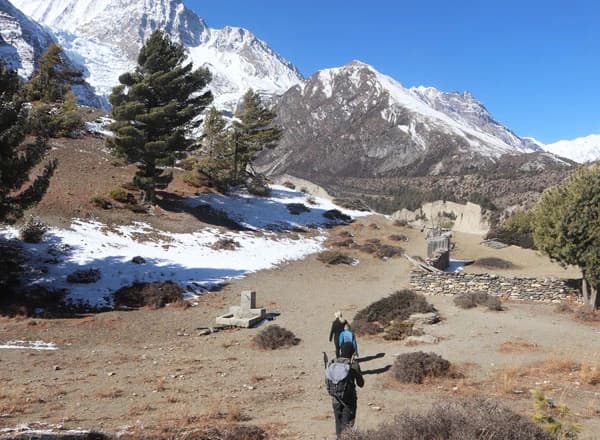
Winter offers a completely different experience in the Annapurna region. The trails become quieter, temperatures drop, and higher sections of the route may receive snowfall. For trekkers who enjoy peaceful mountain environments and winter landscapes, this can be an incredibly rewarding time to visit.
The biggest advantage of trekking during winter is the lack of crowds. You can experience the Annapurna region at a slower and more peaceful pace.
Why Trek Annapurna Base Camp in Winter?
Winter mornings can offer exceptionally clear skies and dramatic views of snow-covered Himalayan peaks.
The lower sections of the trail remain relatively comfortable during the day. Still, temperatures drop significantly as you approach Machhapuchhre Base Camp and Annapurna Base Camp.
Advantages of Winter Trekking
Fewer trekkers on the trail
Peaceful mountain experience
Beautiful snowy landscapes
Clear mountain views on good weather days
Easier availability of accommodation
Challenges of Winter Trekking
Very cold temperatures at higher elevations
Possible snowfall
Shorter daylight hours
Weather can occasionally disrupt trekking plans
Warm trekking gear is essential
December can still provide excellent trekking conditions, while January and February are generally colder. Trekkers planning a winter Annapurna Base Camp adventure should be properly prepared with suitable clothing and equipment.
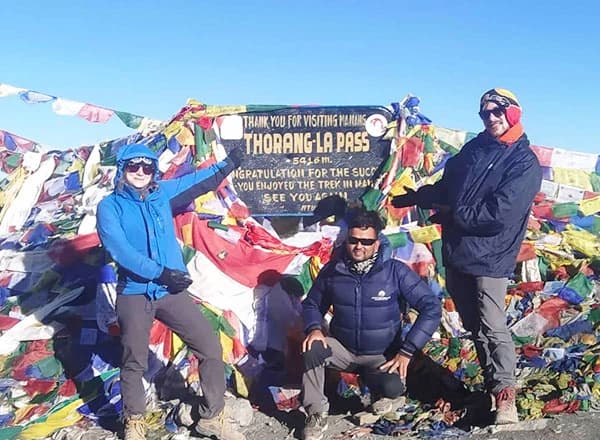
Congratulations on reaching Annapurna Base Camp
Annapurna Base Camp Trek in Summer and Monsoon (June to August)
Summer in Nepal overlaps with the monsoon season. This is the wettest time of the year in the Annapurna region, but it should not be dismissed completely. The monsoon transforms the landscape into a vibrant green world. Forests become lush, waterfalls are powerful, rivers flow strongly, and terraced fields are full of life.
For travelers who prefer solitude and dramatic natural scenery over perfect mountain visibility, the monsoon can offer a unique Annapurna Base Camp experience.
Why Trek Annapurna Base Camp During Monsoon?
The Annapurna region becomes incredibly green during the rainy season. The forests feel fresh and alive, and the landscapes are dramatically different from the dry conditions of autumn.
There are also significantly fewer trekkers, allowing you to enjoy quieter trails and a more peaceful atmosphere.
Advantages of Monsoon Trekking
Lush green landscapes
Beautiful waterfalls and rivers
Fewer trekkers
Quiet teahouses and trails
Warmer temperatures
Unique and dramatic mountain atmosphere
Challenges of Monsoon Trekking
Frequent rain showers
Slippery trails
Leeches in lower forest areas
Reduced mountain visibility
Clouds and occasional travel disruptions
Morning conditions are often clearer, while rain and clouds are more likely later in the day. Trekkers should carry quality waterproof clothing and be flexible with their itinerary.
Annapurna Base Camp Weather by Month
Annapurna Base Camp Trek in January: January is one of the coldest months. Snow is possible at higher elevations, but the trails are quiet, and mountain views can be excellent on clear days.
Annapurna Base Camp Trek in February: February remains cold, although temperatures slowly begin to improve. It is a good choice for trekkers seeking quieter trails before the busy spring season.
Annapurna Base Camp Trek in March: March marks the beginning of the popular spring trekking season. Temperatures become more comfortable, and the landscape gradually starts to bloom.
Annapurna Base Camp Trek in April: April is one of the best months for the trek. Pleasant weather, colorful rhododendron forests, and comfortable trekking temperatures make it extremely popular.
Annapurna Base Camp Trek in May: Warm temperatures and beautiful spring landscapes. It is an excellent time before the arrival of the main monsoon season.
Annapurna Base Camp Trek in June: June is a transitional month. Early June can still offer good trekking conditions, while rainfall becomes more frequent later in the month.
Annapurna Base Camp Trek in September: September marks the transition from monsoon to autumn. Conditions improve gradually, especially later in the month.
Annapurna Base Camp Trek in October: October is arguably the best month for the Annapurna Base Camp Trek. Clear skies, stable weather, dry trails, and spectacular mountain views create ideal trekking conditions.
Annapurna Base Camp Trek in November: November offers excellent visibility and stable weather. Days are pleasant, although nights become increasingly cold at higher elevations.
Annapurna Base Camp Trek in December: December is colder but quieter. Early December can still provide excellent trekking conditions before winter becomes more severe.
Which Is the Best Month for Annapurna Base Camp Trek?
If you are looking for the best overall trekking conditions, we recommend:
Best for mountain views: October and November
Best for rhododendron flowers: April
Best for comfortable temperatures: March, April, and October
Best for fewer crowds: December, January, February, and the monsoon season
Best for lush green scenery: July and August
Best overall months: April, October, and November
Ultimately, the best time depends on the type of trekking experience you want.
Is Annapurna Base Camp Trek Possible Throughout the Year?
Yes, the Annapurna Base Camp Trek can be completed during most months of the year with proper preparation.
Spring and autumn are recommended for first-time trekkers because they generally offer more favorable weather and trail conditions, and experienced trekkers and travelers seeking quieter trails may enjoy winter or monsoon trekking.
Regardless of the season, Himalayan weather can change quickly. It is important to remain flexible, pack appropriate clothing, and travel with an experienced trekking team.
Ready to book your Annapurna Base Camp Trek?
Now that you know the best time to trek Annapurna Base Camp, explore our guided Annapurna Base Camp Trek and choose a departure that matches your preferred season. Our local trekking team can also help you select the best time based on your travel dates, trekking experience, and weather preferences.
The Annapurna Circuit Trek covers approximately 102 kilometers of walking on Outfitter Himalaya’s classic 15-day itinerary, including the Manang acclimatization hike. The journey unfolds through riverside forests, mountain villages and open valleys before crossing Thorong La [...]
The Annapurna Circuit Trek costs about USD 650–1,900 per person with Outfitter Himalaya, depending on the itinerary, group size, and services included. Outfitter Himalaya’s 15-day Classic Annapurna Circuit Trek has published group-size prices of USD [...]
Foreign trekkers need a trekking permit to trek the Annapurna Circuit, and we suggest settling it before you head out. Arranging the correct paperwork before departure helps avoid extra charges and interruptions once your journey [...]