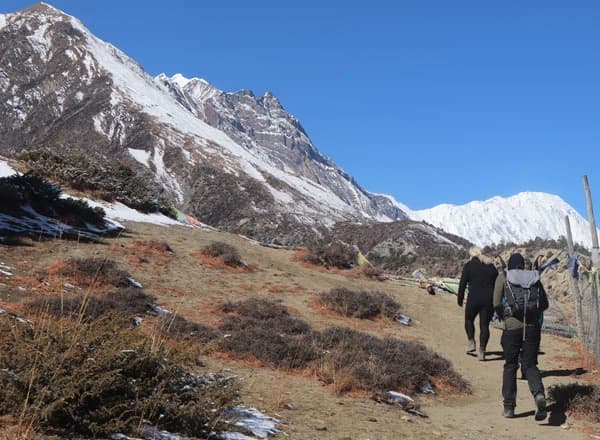
The Annapurna Circuit Trek in February is one of the best times to experience the Himalayas in Nepal, combining snow-covered mountain landscapes, crisp mountain air, and excellent visibility with slightly warmer temperatures and longer daylight hours.
The winter conditions still prevail around Thorong La Pass, and the lower elevations of the trail begin to show the first subtle signs of spring toward the end of the February. February is an excellent choice for travelers seeking a quieter, more rewarding Annapurna Circuit experience, with peaceful trails, fewer trekkers, and breathtaking Himalayan scenery. However, the proper preparation, suitable winter gear, and a well-planned itinerary are mandatory for a safe and enjoyable trek.
Annapurna Circuit Trek In February – Winter Escape to the Himalayas
The Annapurna Circuit Trek in February offers a remarkable blend of winter beauty and the first subtle signs of spring. The Annapurna Circuit takes trekkers through an extraordinary variety of landscapes, from lush river valleys and pine forests to high-altitude deserts and snow-covered mountain passes. These diverse landscapes take on a unique character, creating an experience that is both peaceful and visually spectacular in February.
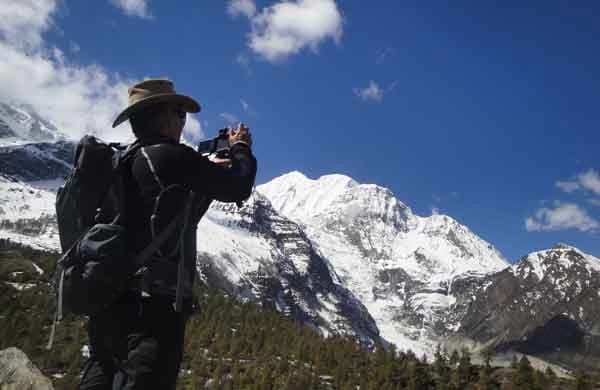
The first rays of sunlight reach the valley each morning of February, and the frost that blankets stone paths and wooden rooftops begins to sparkle before slowly melting away, and the prayer flags flutter gently in the crisp mountain breeze. The steady sound of the Marsyangdi River accompanies you as they make their way through quiet Himalayan villages. The snow-covered peaks of Annapurna II, Gangapurna, Tilicho Peak, and Chulu East shine brilliantly beneath clear blue skies, creating unforgettable scenes.
February offers a quieter, more relaxed atmosphere: trails are less crowded, teahouses are more peaceful, allowing you to fully appreciate the natural beauty and cultural richness of the Annapurna region. February provides countless moments that make the journey feel personal and authentic, whether you enjoy a warm cup of tea beside a traditional stove in Manang or watch the sunrise illuminate the surrounding mountains.
The winter conditions continue to influence the higher sections of the trail, and February generally brings slightly milder daytime temperatures and longer daylight hours. In the lower elevations, particularly toward the end of the month, the first hints of spring begin to appear. The hillsides become a little greener, daylight lingers longer, and the changing season adds a fresh dimension to the trekking experience while the upper mountains remain beautifully wrapped in snow.
One of the biggest attractions of the Annapurna Circuit Trek in February is the balance it offers. Trekkers can still enjoy snow-covered landscapes and outstanding mountain visibility without experiencing the larger crowds that arrive later in spring. The contrast between the white Himalayan peaks and the gradually awakening valleys creates a unique atmosphere that few other months can offer.
Many travelers wonder whether February is a good time to trek the Annapurna Circuit, and the answer is yes. February is an excellent month to explore this legendary Annapurna Circuit with proper winter clothing, suitable trekking equipment, and a flexible itinerary. The weather conditions are often stable, mountain views are exceptional, and experienced local guides continue to lead successful treks.
In this guide, you'll discover everything you need to know about the Annapurna Circuit Trek in February, including weather and temperatures, snow and trail conditions, Thorong La Pass updates, packing recommendations, expert trekking advice, and practical tips to help you plan a safe, enjoyable, and unforgettable winter adventure in the Nepal Himalayas.
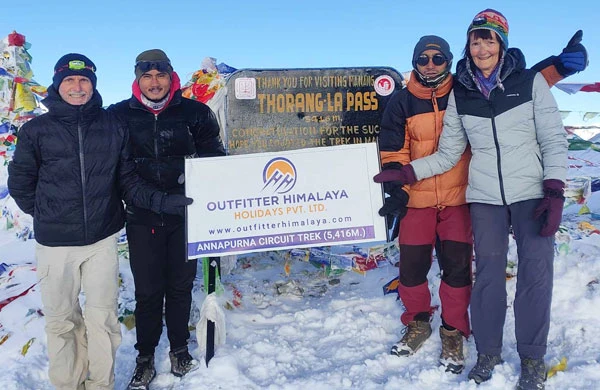
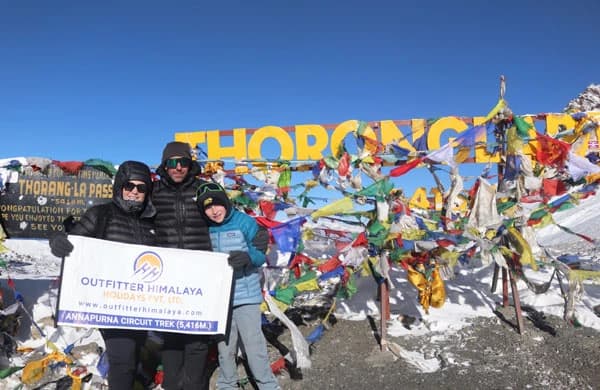
Snow-Covered Thorong La Pass with Improving Winter Conditions: Crossing the legendary Thorong La Pass (5,416m) remains the highlight of the Annapurna Circuit Trek in February. While the pass is still covered in winter snow, improving weather conditions and slightly longer daylight hours often make late February a favorable time for experienced trekkers.
Crystal-Clear Himalayan Mountain Views:February is famous for its excellent mountain visibility. The dry winter air provides breathtaking panoramic views of Annapurna II, Annapurna III, Gangapurna, Tilicho Peak, Chulu East, Pisang Peak, and Dhaulagiri, making it one of the best months for mountain photography.
Peaceful Trails Before the Spring Crowds: February falls between Nepal's quiet winter season and the busy spring trekking months, which means you can enjoy the Annapurna Circuit with fewer trekkers, quieter viewpoints, and a more relaxed atmosphere while still benefiting from generally stable winter weather.
Experience the Transition Between Winter and Spring: One of February's most unique attractions is witnessing the landscape slowly change. The upper Himalayan region remains covered in snow, and lower valleys begin to show subtle signs of the coming spring, with longer daylight, greener hillsides, and the first seasonal changes in vegetation toward the end of the month.
Spectacular Winter Sunrises and Sunsets: The cold winter mornings often reward trekkers with unforgettable sunrises. The first golden light touches the snow-covered peaks, and the surrounding mountains gradually transform from soft shades of pink to brilliant white, creating one of the most memorable moments of the trek.
Authentic Village Life in the Himalayas: February offers a more peaceful cultural experience with fewer visitors passing through mountain villages, and the daily life continues at its own pace, allowing trekkers to observe traditional Himalayan lifestyles.
Snow-Dusted Forests and Alpine Landscapes: The route passes through beautiful pine forests, rugged cliffs, frozen streams, and high-altitude valleys, all beautifully framed by snow, creating scenery that feels both dramatic and serene in February.
Excellent Photography Opportunities Throughout the Trek: February offers exceptional opportunities for photographers seeking both landscape and cultural imagery, whether capturing frost-covered prayer flags, traditional stone villages, snow-covered mountain passes, or the changing colors of sunrise.
Comfortable Trekking Conditions at Lower Elevations: Although higher sections remain cold, lower and mid-altitude areas often experience pleasant daytime temperatures under clear skies, allowing trekkers to enjoy comfortable walking conditions.
A More Relaxed Teahouse Experience: The accommodation is easier to find with fewer trekkers than during peak seasons, and teahouses are generally quieter. The evenings are spent around a warm dining hall stove, sharing stories with fellow trekkers and local hosts, which becomes an enjoyable part of the journey.
Witness Nature Preparing for Spring: Observant trekkers may notice subtle seasonal changes along the lower sections of the trail by late February. The longer days, fresh greenery, and the first hints of new growth begin appearing, creating a fascinating contrast with the snow-covered mountains above.
Experience One of Nepal's Most Rewarding Winter Treks: The Annapurna Circuit Trek in February combines everything many trekkers seek: magnificent Himalayan scenery, peaceful trails, authentic mountain culture, and the excitement of winter adventure. It offers a rewarding experience for those who want to explore the Annapurna region before the busy spring trekking season begins.
Annapurna Circuit with Base Camp: Suitable for those travelers who have longer holidays and want to complete the Annapurna Circuit and Annapurna Base Camp in a single trip.
Comfort Annapurna Circuit Trek: Suitable for those travellers, who want to complete the Annapurna Circuit Trek in more comfortable way.
Weather and Temperature During the Annapurna Circuit Trek in February
February is often considered one of the most enjoyable winter months for trekking the Annapurna Circuit. The deep cold of January gradually softens, yet the mountains remain beautifully dressed in snow. The days are bright and sunny, mornings stay crisp, and the Himalayan skyline remains remarkably clear, creating excellent conditions for trekking and photography.
One of the most fascinating things about February is how quickly the weather can change with altitude. While trekkers may begin the morning walking through frosty villages wrapped in warm layers, the afternoon sun often makes the lower sections surprisingly comfortable. As the trail climbs higher toward Manang and Thorong La Pass, however, winter still reminds you that you're trekking in one of the world's highest mountain ranges.
Morning Weather
Mornings on the Annapurna Circuit begin quietly. Before sunrise, frost covers stone pathways, rooftops, and open fields, while mountain peaks glow faintly beneath the first light of dawn. The air feels fresh and sharp, encouraging trekkers to start early while the weather is at its most stable.
Morning temperatures remain below freezing in higher villages such as Manang, Yak Kharka, and Thorong Phedi, making warm clothing essential during the first few hours of the day.
Daytime Weather
As sunlight spreads across the valleys, trekking becomes much more comfortable. The lower and mid-altitude sections often enjoy pleasant daytime temperatures under clear blue skies, allowing trekkers to walk comfortably without constantly needing heavy winter layers. Even at higher elevations, direct sunshine can make the trail feel surprisingly enjoyable despite the cold mountain air.
February's dry atmosphere also means excellent visibility, giving trekkers uninterrupted views of Annapurna II, Gangapurna, Tilicho Peak, Chulu East, and many other snow-covered Himalayan peaks.
Evening and Night Weather
Once the sun disappears behind the mountains, temperatures fall rapidly, and evenings are usually spent inside teahouse dining halls, where trekkers gather around a warm stove, sharing stories from the day's journey while enjoying hot meals and tea. Outside, the valleys become silent once again, and brilliant stars fill the winter sky.
Bedrooms remain unheated in most teahouses, particularly above Manang, so a quality winter sleeping bag remains an important part of your equipment.
Because the Annapurna Circuit climbs from subtropical valleys to high Himalayan passes, temperatures vary considerably throughout the trek.
Location
Elevation
Average Day Temperature
Average Night Temperature
Besisahar
760 m
12°C to 20°C
4°C to 8°C
Chame
2670 m
7°C to 14°C
-3°C to 2°C
Upper Pisang
3300 m
5°C to 11°C
12°C to 20°C
Manang
3540 m
4°C to 10°C
-8°C to -4°C
Yak Kharka
4050 m
1°C to 6°C
-10°C to -6°C
ThorongPhedi
4525 m
-1°C to 4°C
-12°C to -8°C
Thorong La Pass
5416 m
-12°C to -5°C
Conditions vary depending on weather
Muktinath
3800m
5°C to 12°C
-5°C to -1°C
Note: These temperatures are approximate and may vary depending on weather conditions, wind, and snowfall.
Mountain Visibility in February
If there is one thing February consistently delivers, it is exceptional mountain visibility. The dry winter air contains very little moisture, allowing distant peaks to appear incredibly sharp. Early mornings are especially rewarding, as the rising sun slowly illuminates the Annapurna Massif, creating spectacular contrasts between brilliant white snow, dark rock faces, and deep blue skies.
For many photographers, February offers some of the finest lighting conditions of the year.
What Makes February Weather Special?
Unlike January, which is dominated by the heart of winter, February introduces subtle changes that many trekkers appreciate. Days gradually become longer, sunshine feels warmer, and the lower valleys begin showing the earliest hints of spring. Yet the higher mountains continue to preserve the dramatic beauty of winter.
This balance is exactly what makes the Annapurna Circuit Trek in February so appealing. Trekkers enjoy the magic of snowy Himalayan landscapes while benefiting from gradually improving trekking conditions as the season approaches spring.
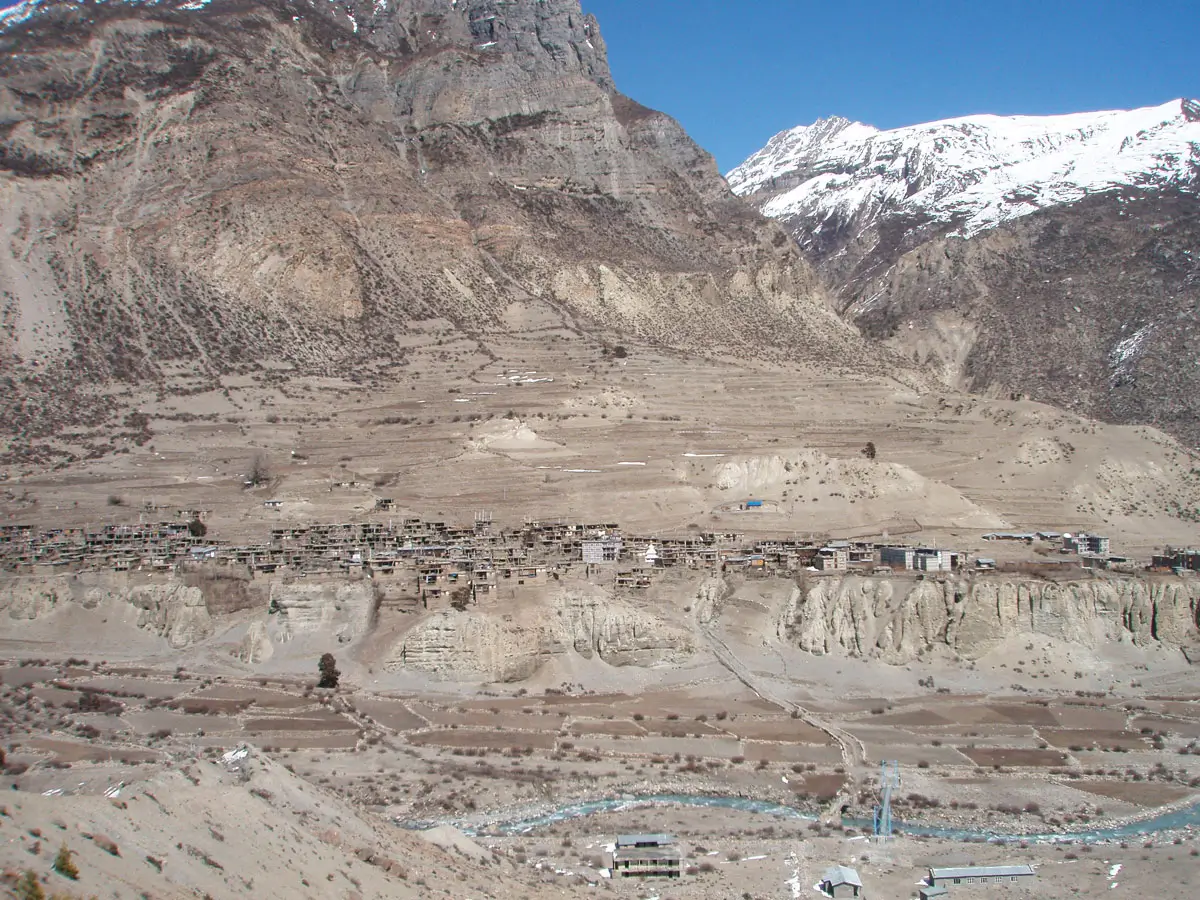
The Manang Village!
Snow and Trail Conditions on the Annapurna Circuit in February
Snow is one of the main reasons many trekkers choose the Annapurna Circuit in February. The mountains still wear their winter coat, but the trails gradually become more manageable, which creates a rewarding balance between experiencing the beauty of winter and enjoying improved trekking conditions.
Snow conditions vary each year depending on the weather; some winters bring heavier snowfall, while others remain relatively dry. Understanding how trail conditions change with elevation will help you prepare for a safer and more enjoyable journey.
Lower Sections: Comfortable Winter Trekking
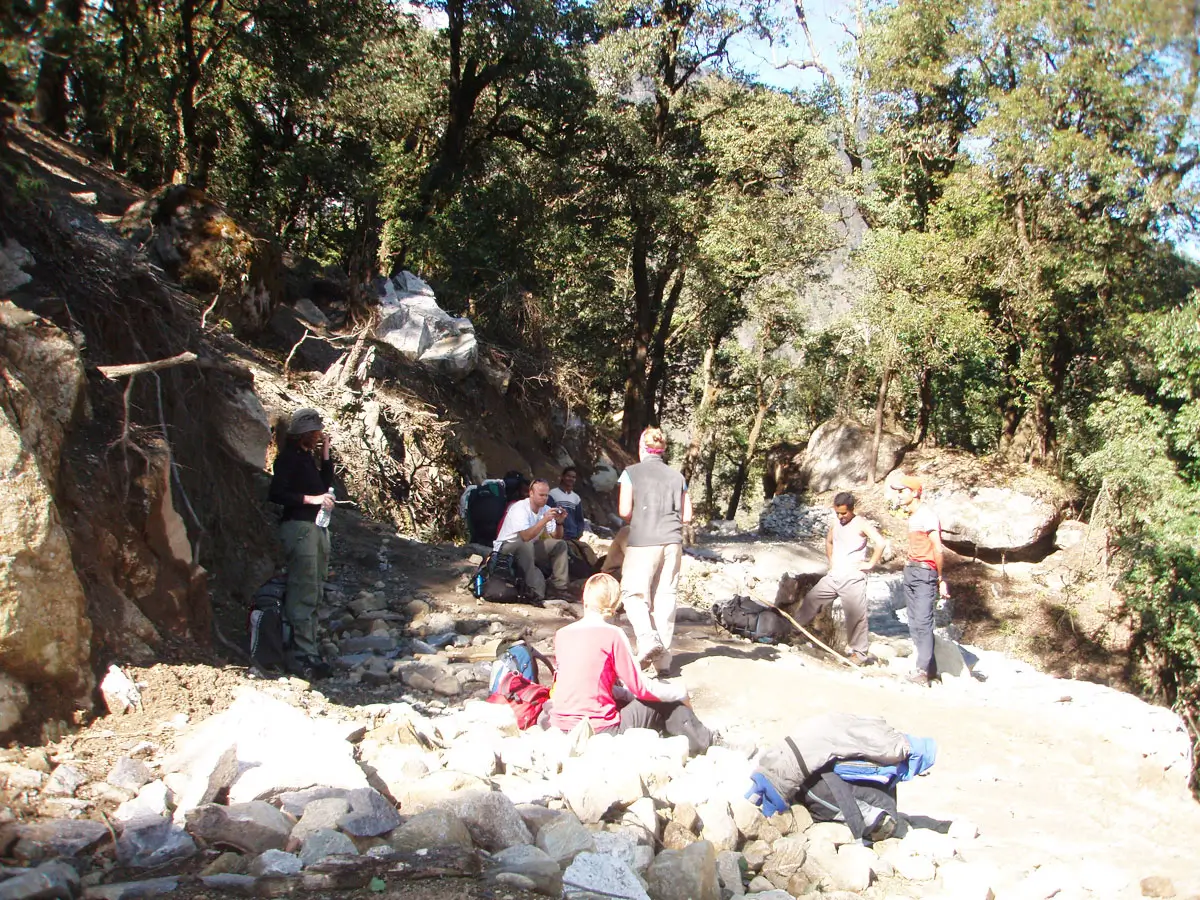
The trail usually remains clear and easy to walk from Besisahar to Chame. The days are cool but pleasant, and most sections are free of snow. You will trek through terraced farmland, pine forests, waterfalls, and traditional mountain villages where winter adds freshness to the landscape without making the trail difficult.
Frost may appear on shaded paths in the early morning, but it usually disappears once the sun reaches the valley.
Around Manang: Winter Becomes More Noticeable
Arriving in Manang feels like stepping into another season, as the surrounding mountains become noticeably whiter, cold winds remind you of the increasing altitude, and patches of snow begin to appear around the village. Frozen streams, snow-covered rooftops, and crystal-clear mountain views create one of the most photogenic sections of the entire trek.
Manang lies within the rain shadow of the Annapurna range, and the weather often remains dry even in winter.
Higher Elevations: Snow Becomes Part of the Journey
Above Manang, the landscape changes dramatically, and the route toward Yak Kharka, Ledar, and Thorong Phedi frequently includes snow-covered sections. Walking becomes slower, not because the trail is technical, but because careful footing is more important.
This is where trekking poles and waterproof boots become especially valuable, helping maintain stability on uneven winter terrain.
Thorong La Pass Conditions
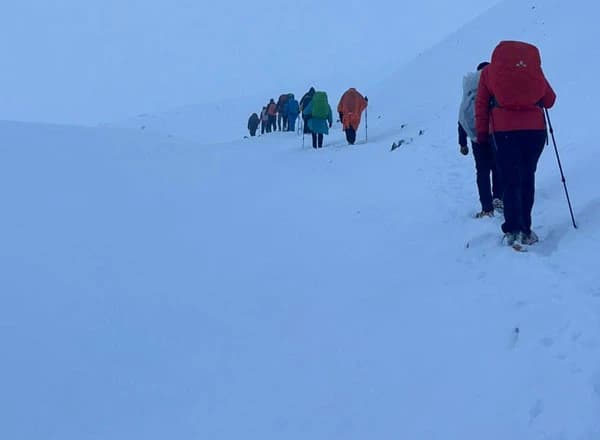
Thorong La Pass remains the highest and most demanding part of the Annapurna Circuit Trek in February. Most trekkers begin the ascent before sunrise, when the snow is firmer, and weather conditions are generally more stable. Depending on recent snowfall, the trail may be covered with compact snow or short icy sections.
While winter conditions require extra caution, experienced local guides continuously monitor weather forecasts and trail updates, ensuring trekkers cross the pass only when conditions are considered safe.
Trail Safety in February
February is generally regarded as a favorable month for winter trekking because conditions are often more stable than in midwinter. Even so, mountain weather should always be respected, and simple precautions make a significant difference:
Start trekking early each morning.
Follow local weather updates.
Wear boots with a good grip.
Use trekking poles on snowy sections.
Keep your itinerary flexible.
Listen to your guide's advice, especially before crossing Thorong La Pass.
What Makes February Trail Conditions Special?
The Annapurna Circuit in February offers a rare combination that few other months can match. Lower trails are usually comfortable to walk on, while higher elevations still offer the excitement and beauty of a true Himalayan winter. Instead of battling deep winter or sharing the trail with peak-season crowds, trekkers enjoy snow-covered mountains, peaceful surroundings, and gradually improving conditions as spring quietly approaches.
For many experienced trekkers, this balance is exactly what makes February one of the most rewarding months to explore the Annapurna Circuit.
Can You Cross Thorong La Pass in February?
Yes, you can cross Thorong La Pass (5,416m) in February, and many trekkers successfully do so every year. However, the crossing always depends on current weather conditions. While February generally offers more stable conditions than the middle of winter, snowfall can still influence the route, making flexibility and local guidance essential.
Thorong La Pass is the highest point of the Annapurna Circuit and one of the most memorable moments of the entire trek. Reaching the summit after days of gradual ascent is a rewarding achievement, and in February, the surrounding snow-covered mountains make the experience even more spectacular.
What Are Conditions Like in February?
February still brings true winter conditions to Thorong La Pass, but many trekkers find the month slightly more forgiving than January.
As the season gradually moves toward spring, daytime temperatures improve, daylight lasts a little longer, and stable weather windows become more frequent, particularly during the second half of the month. Even so, the pass remains a high-altitude mountain environment where conditions can change quickly, and trekkers should still expect:
Snow-covered sections near the pass
Freezing temperatures before sunrise
Strong winds at higher elevations
Occasional icy patches after fresh snowfall
Every crossing is different, which is why no two winter treks are the same.
Why Do Trekkers Start Before Sunrise?
One of the most important parts of crossing Thorong La Pass is timing: most trekking groups leave Thorong Phedi or High Camp before sunrise, not simply to watch the sunrise from higher elevations, but because mornings usually offer the safest and most stable weather conditions.
Snow is often firmer underfoot, winds are generally lighter, and there is enough time to complete the crossing before afternoon weather changes become more likely.
Starting early also allows trekkers to descend to lower elevations well before temperatures begin dropping again later in the day.
Local Knowledge Makes a Big Difference
Mountain conditions matter more than fixed schedules during winter, and local guides regularly speak with teahouse owners, trekking teams, and communities along the route to gather information on recent snowfall, trail conditions, and weather forecasts. This up-to-date local knowledge helps determine whether the pass can be crossed safely or whether waiting an extra day is the better decision.
Is Crossing Thorong La Pass Difficult in February?
The biggest challenge is not technical climbing, it's the combination of altitude, cold temperatures, and winter conditions.
With proper acclimatization in Manang, a steady walking pace, suitable winter clothing, and favorable weather, most prepared trekkers can complete the crossing.
What Awaits on the Other Side?
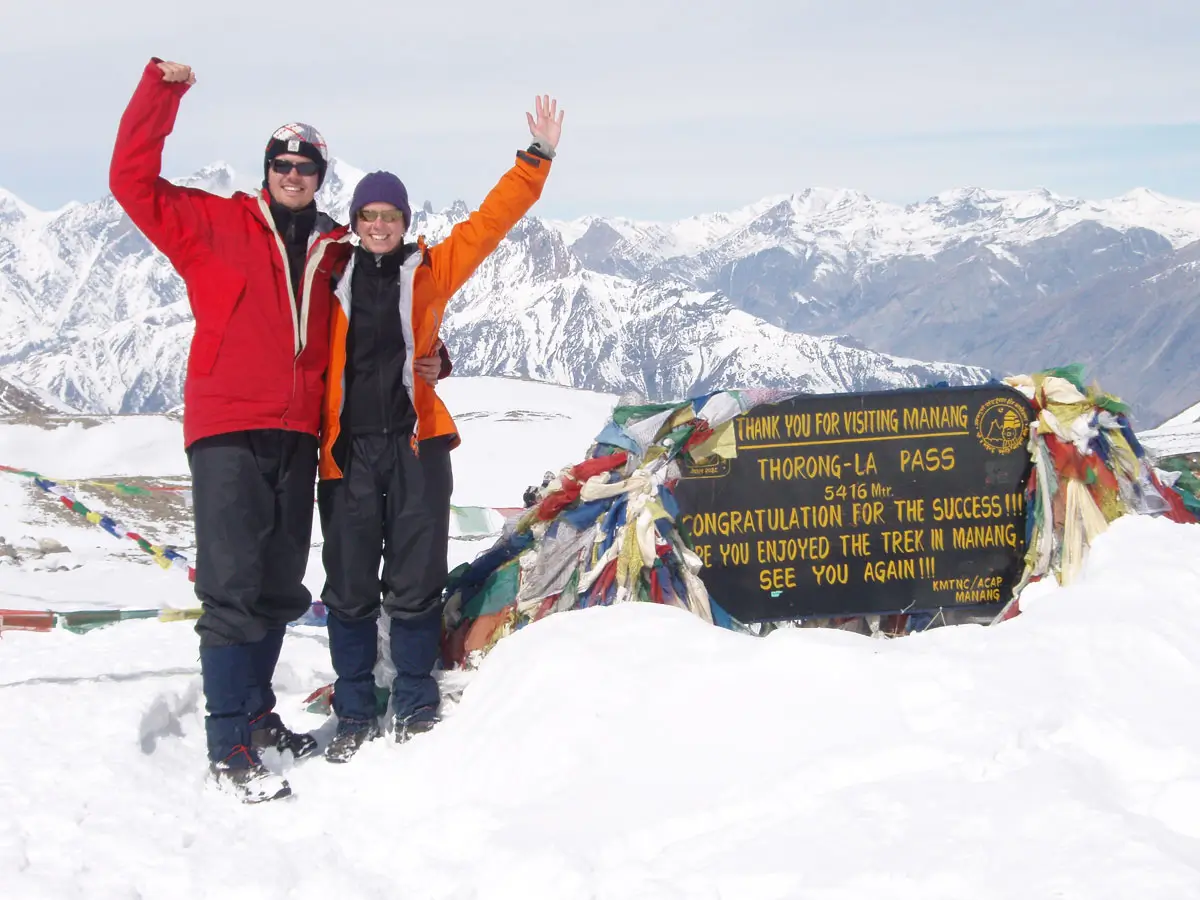
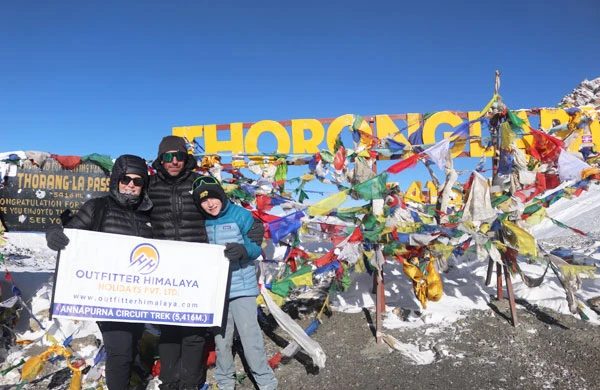
Standing beneath the colorful prayer flags at Thorong La Pass is a moment many trekkers never forget. The snow-covered peaks stretch across the horizon while crisp mountain air and complete silence create an unforgettable atmosphere on the clear February morning. After taking in the views, the trail gradually descends toward Muktinath, where the landscape changes dramatically.
The snowy alpine environment slowly gives way to the dry, rugged beauty of Mustang, reminding trekkers just how diverse the Annapurna Circuit truly is.
How to Prepare for a Successful Crossing
A successful Thorong La crossing is less about speed and more about preparation, and before attempting the pass, make sure you:
Spend enough time acclimatizing in Manang.
Start the climb before sunrise.
Wear proper winter layers and insulated gloves.
Carry enough drinking water and energy snacks.
Walk at a steady, comfortable pace.
Follow your guide's advice regarding weather and trail conditions.
Patience and good decision-making are far more valuable than rushing to reach the summit.
Why Choose the Annapurna Circuit Trek in February?
The Annapurna Circuit Trail is painted with a different brush, and February is the month when winter slowly loosens its grip, and the Himalayas remain wrapped in snow. It is a season of balance, where crisp winter mornings meet slightly warmer afternoons, where peaceful trails replace crowded footpaths, and where every day brings the feeling of witnessing the mountains quietly preparing for spring.
February is one of the most rewarding months to explore the Annapurna Circuit, if you're looking for a trek that combines breathtaking winter scenery with improving trekking conditions.
Experience the Himalayas Between Two Seasons
There is something special about standing on a quiet trail just after sunrise in February, when overnight frost still clings to the stone walls, sunlight reaches the valley, and tiny drops of melting ice begin to sparkle like crystals.
The cold mountain air carries the scent of pine forests, and prayer flags flutter gently above ancient monasteries. The steady roar of the Marsyangdi River echoes through the valley, reminding you that the mountains are constantly alive, even in winter.
February allows trekkers to witness a rare seasonal transition: the higher Himalayan landscapes remain beautifully white, while the lower valleys slowly begin to welcome the first signs of spring.
Enjoy Crystal-Clear Mountain Views
One of the biggest reasons experienced trekkers choose the Annapurna Circuit Trek in February is the exceptional visibility. The winter air is naturally dry and clean, allowing distant Himalayan peaks to appear incredibly sharp. Whether you are walking through Upper Pisang, exploring Manang, or gradually climbing toward Thorong Phedi, the surrounding mountains dominate every horizon.
The Annapurna II, Annapurna III, Gangapurna, Tilicho Peak, Chulu East, Pisang Peak, and Dhaulagiri rise brilliantly against deep blue skies on a clear morning. These conditions provide some of the finest opportunities for photographers to capture the Annapurna region at its most dramatic.
Trek Before the Spring Rush
Spring is one of the busiest trekking seasons, but February offers a unique opportunity to experience the Annapurna Circuit before the crowds arrive, and many sections of the trail remain wonderfully peaceful. Instead of walking in long lines of trekkers, you'll often hear only the crunch of your boots on the trail, the distant ringing of yak bells, and the occasional call of Himalayan birds soaring above the valleys.
This quieter atmosphere allows you to absorb the beauty of the mountains without distraction, and create a deeper connection with the landscape and the people who call it home.
Better Winter Comfort Than January
Although February is still firmly part of Nepal's winter season, it generally offers slightly more comfortable trekking conditions than January.
Daylight lasts a little longer, daytime temperatures gradually become milder, and weather patterns often become more stable toward the second half of the month. These small seasonal improvements make long trekking days feel more comfortable while preserving the snowy landscapes that make winter so special.
Trekkers still enjoy spectacular winter scenery but often benefit from conditions that feel a little less demanding than those experienced during the coldest weeks of January.
Witness Nature Slowly Awakening
One of February's quiet surprises is how subtly the landscape begins to change. In the lower elevations, tiny signs of spring start to appear toward the end of the month. Hillsides gradually become greener, small plants begin emerging through the winter ground, and daylight stretches just a little longer each evening. Yet above Manang, the mountains remain wrapped in snow, creating a remarkable contrast between two seasons that coexist.
This transition is something many trekkers never experience because they choose either the peak winter months or the full spring season.
A More Personal Teahouse Experience
Winter's quieter trails also create a different atmosphere inside the mountain teahouses.
You will gather around the warm dining hall with fellow trekkers while steam rises from cups of ginger tea after a long day of trekking, and the conversations with local families often last longer, stories are shared more freely, and evenings feel calm rather than rushed. These simple moments often become some of the most treasured memories of the trek.
A Journey That Feels More Personal
The Annapurna Circuit Trek in February is not only about reaching Thorong La Pass but also about experiencing the mountains at a quieter pace, noticing details easily missed during busier seasons, and appreciating the balance between winter's silence and spring's gentle arrival.
The Annapurna Circuit Trek in February offers a truly unforgettable adventure if you are seeking spectacular mountain scenery, authentic cultural experiences, fewer crowds, and the peaceful rhythm of the Himalayas.
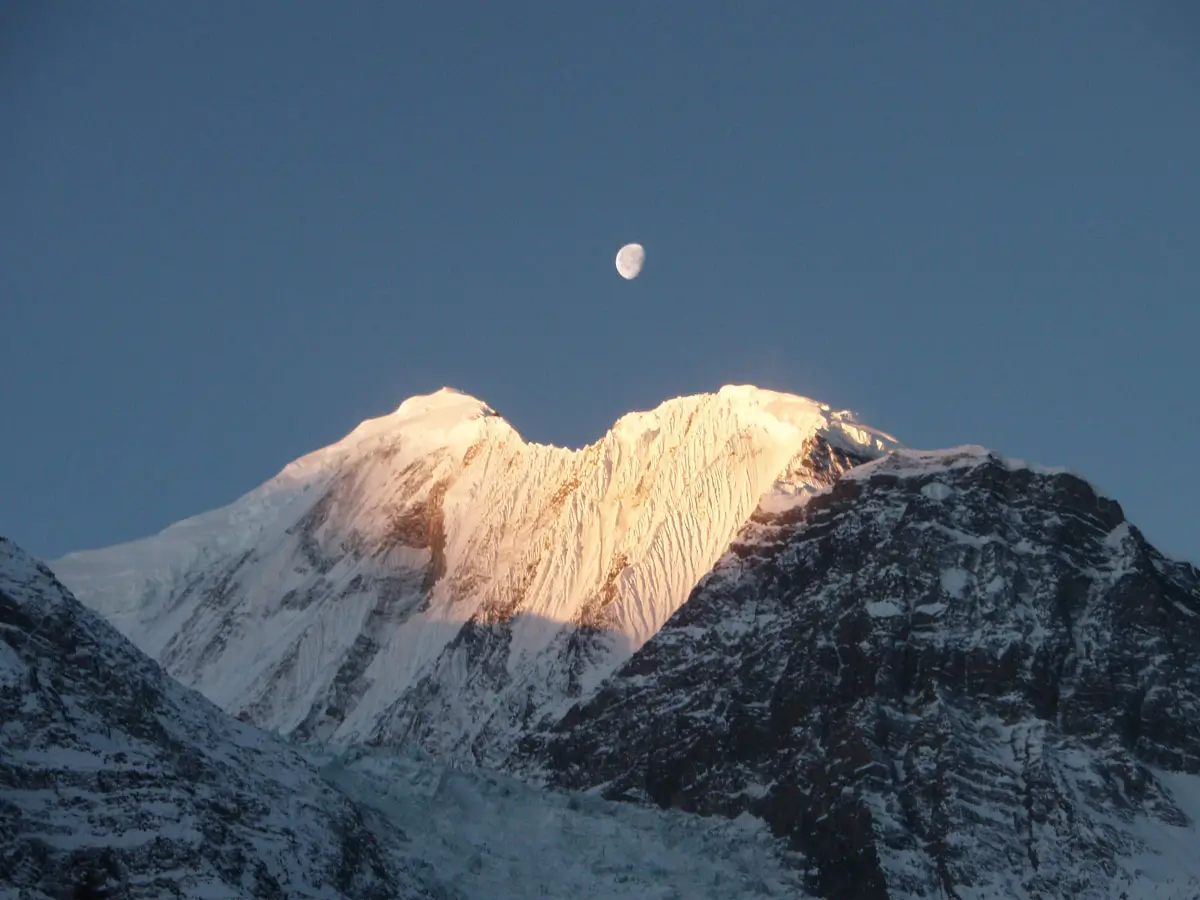
The Gangapurna Glacier!
Pros of Annapurna Circuit Trek in February – Benefits of Annapurna Circuit trek in February
Choosing the Annapurna Circuit Trek in February offers several practical advantages beyond the beautiful mountain scenery. As the final month of winter, February offers a balance between favorable trekking conditions and the peaceful atmosphere of the off-season. For many trekkers, it offers an excellent opportunity to experience the Annapurna region before the busy spring months arrive.
Longer Daylight Hours Than January
The practical advantages of the February Annapurna Circuit trek are the gradual increase in daylight; compared to January, you enjoy slightly longer days and have more time to complete daily walks at a comfortable pace. The extra daylight is particularly valuable during longer trekking days and while crossing Thorong La Pass, where an early start and good time management are essential.
Slightly Warmer Daytime Temperatures
Although February is still part of Nepal's winter season, daytime temperatures are generally a little milder than in January, making trekking more comfortable, especially in the lower- and mid-altitude sections of the Annapurna Circuit. While warm clothing remains essential, many trekkers find February easier to manage than the colder midwinter weeks.
Greater Flexibility with Accommodation
Since February falls just before the busy spring trekking season, finding accommodation is usually much easier.
Trekkers rarely need to worry about fully booked teahouses, making it easier to adjust daily walking distances or spend an additional acclimatization day if necessary.
Less Congestion on the Trail
One of the practical benefits of trekking before the spring season is the quieter trail.
Fewer trekkers mean less waiting on narrow sections, quieter viewpoints, and a more relaxed daily schedule. This allows you to walk at your own pace without feeling pressured by larger trekking groups.
Excellent Visibility for Mountain Viewing
February consistently offers some of the clearest mountain views of the year, allowing trekkers to enjoy long-distance views throughout the journey. This is particularly beneficial for photography, sightseeing, and simply appreciating the scale of the Himalayan landscape.
More Stable Conditions Toward Late February
While mountain weather can never be guaranteed, conditions often become more predictable as February progresses.
Longer periods of stable weather can make itinerary planning easier and improve the chances of successfully crossing Thorong La Pass when combined with proper acclimatization and local guidance.
Easier Logistics Before Peak Season
Because spring has not yet begun, transportation, accommodation, and trekking services are generally less busy than during March and April.
This often creates a smoother overall travel experience from arrival in Nepal to the completion of the trek.
Better Opportunities for Flexible Itineraries
It is easier to modify your itinerary if needed, with fewer trekkers and more accommodation availability.
Whether you choose to spend another day in Manang for acclimatization, explore nearby viewpoints, or wait for improved weather before crossing Thorong La Pass, February offers greater flexibility than peak trekking months.
More Personalized Service
The quieter season often allows guides, porters, and teahouse owners to spend more time with each trekking group.
Trekkers frequently enjoy a more personalized experience, whether it's receiving local recommendations, learning about mountain culture, or simply having more meaningful conversations during the journey.
Excellent Balance Between Winter Adventure and Comfort
February's greatest advantage is its balance and still delivers snow-covered mountains, peaceful trails, and the excitement of winter trekking, while gradually offering longer days and slightly milder conditions than January.
Cons of Annapurna Circuit Trek in February – Disadvantages of Annapurna Circuit Trek in February
February offers many advantages for trekking the Annapurna Circuit, but like any winter month, it also comes with some challenges. The good news is that most of these can be managed with proper preparation, suitable equipment, and a well-planned itinerary.
Cold Mornings and Freezing Nights
The daytime temperatures are more comfortable than in January, but the mornings and nights are cold above Manang, so early starts often mean trekking through freezing conditions before the sun reaches the trail.
Packing quality winter clothing, a warm sleeping bag, and proper layering will help you stay comfortable throughout the journey.
Snow Around Thorong La Pass
Snow is still common in the higher sections of the Annapurna Circuit during February. Depending on the weather, some parts of the trail near Thorong Phedi and Thorong La Pass may be covered with snow or icy patches.
Fortunately, experienced guides monitor trail conditions daily, and with proper timing and preparation, you can complete the Thorong La pass.
Weather Can Still Be Unpredictable
February generally brings stable conditions, but occasional snowfall or strong winds can temporarily affect trekking plans at higher elevations. However, Mountain weather is always changeable, regardless of the season.
Keeping one or two extra days in your itinerary provides flexibility if weather conditions require a short delay.
Winter Gear Is Still Essential
February still requires proper winter equipment. A down jacket, insulated gloves, warm layers, and reliable trekking boots are essential for staying comfortable at higher elevations.
The right gear makes a significant difference, allowing you to enjoy the winter scenery without worrying about the cold.
A Small Trade-Off for a Big Reward
The challenges of February are part of what makes the experience so memorable. In return for preparing a little more carefully, trekkers are rewarded with peaceful trails, spectacular mountain views, snow-covered landscapes, and a quieter Annapurna Circuit before the busy spring season arrives.
Difficulty of Annapurna Circuit Trek in February
The Annapurna Circuit Trek in February is generally considered moderate to challenging. The trail itself does not require technical climbing, but the combination of long trekking days, high altitude, and winter conditions makes it physically demanding.
February usually offers slightly more comfortable trekking conditions than January, as daytime temperatures gradually warm and daylight hours lengthen, allowing you to adopt a more relaxed walking pace. However, snow and freezing temperatures remain common at higher elevations, especially near Thorong La Pass.
Physical Challenge
Most trekking days involve walking for 5 to 7 hours, while the day you cross Thorong La Pass may require 7 to 9 hours of trekking.
The route includes steady ascents, rocky mountain trails, suspension bridges, and high-altitude terrain. A good level of fitness will help you enjoy the trek rather than endure it.
Altitude Remains the Biggest Challenge
The altitude is more demanding than the trail itself for most trekkers. As you gradually climb above 3,000 meters, your body needs time to adapt to the thinner air. Taking an acclimatization day in Manang, staying hydrated, and maintaining a steady pace greatly reduce the risk of altitude sickness.
The mountain rewards patience far more than speed.
Is the Annapurna Circuit Trek in February Suitable for Beginners?
Yes, beginners can complete the Annapurna Circuit Trek in February if they prepare well and follow a sensible itinerary.
Regular walking, basic fitness training, and trekking with an experienced local guide help make the trek more comfortable. The winter adds an extra layer of challenge; February remains a realistic choice for first-time Himalayan trekkers ready for cold weather and high-altitude adventure.
Overall Difficulty Rating
Annapurna Cirucit Trek diffifulty in February
Category
Rating
Physical Endurance
Moderate
Altitude Challenge
Challenging
Trail Conditions
Moderate
Technical Difficulty
Low
Winter Conditions
Moderate to Challenging
Overall Difficulty
Moderate to Challenging
Note: With proper preparation, the Annapurna Circuit Trek in February is challenging enough to feel rewarding without being unnecessarily intimidating.
The Thorong La Pass!
Expert Tips for Annapurna Circuit Trek in February
February rewards trekkers with incredible mountain views, quieter trails, and a peaceful Himalayan atmosphere. However, it is still a winter trek, and thoughtful preparation makes your journey more comfortable and enjoyable.
Find some practical tips from experienced trekking guides who regularly lead groups on the Annapurna Circuit.
Start Early, But Don't Rush
Winter mornings offer the clearest skies and the most stable weather, and starting the trek early allows you to enjoy spectacular sunrise views, complete your daily walk comfortably, and reach your destination before temperatures drop again in the late afternoon.
A steady and consistent pace is always better than walking too fast.
Give Your Body Time to Adjust
One of the biggest mistakes trekkers make is focusing only on the cold while underestimating the effects of altitude.
We suggest taking the acclimatization day in Manang seriously and spending time exploring nearby viewpoints, staying active, and allowing your body to adapt naturally. A well-acclimatized trekker has a much better chance of enjoying a safe and successful crossing of Thorong La Pass.
Dress for Changing Conditions
February weather can change noticeably throughout the day, and you may begin the morning wearing a down jacket and gloves, remove a layer during sunny afternoon sections, and need everything again after sunset.
A layering system is much more practical than relying on one heavy jacket, as it allows you to stay comfortable in changing temperatures.
Stay Hydrated Even When You Don't Feel Thirsty
The cold weather may reduce the feeling of thirst, but your body continues to lose fluids while trekking at altitude.
We suggest that you carry a reusable water bottle and drink regularly throughout the day. Proper hydration supports acclimatization, maintains energy levels, and helps reduce the risk of altitude-related discomfort.
Respect the Mountains, Not the Calendar
Many trekkers ask whether Thorong La Pass will be open on a specific date, and experienced guides ask a different question:
"What are today's mountain conditions?"
The Himalayas do not follow a schedule, so, if your guide recommends waiting for safer weather or adjusting the itinerary, treat that decision as part of a successful trek. Patience is often rewarded with a safer and more enjoyable crossing.
Protect Yourself From the Winter Sun
The cool air can make it easy to forget how strong the sun is at high altitude.
Snow reflects ultraviolet rays, increasing the risk of sunburn even on cold days. Applying sunscreen, wearing sunglasses, and protecting your lips with lip balm will keep you comfortable throughout the trek.
Keep Your Electronics Warm
Cold temperatures drain batteries faster than normal, So, store your phone, camera batteries, and power bank inside your sleeping bag or an inner pocket. This simple habit helps preserve battery life.
Leave Room for Flexibility
The best itineraries always include a little flexibility and adding one or two spare days to your schedule allows you to adjust to the weather, acclimatize, or spend more time enjoying places like Manang without feeling rushed.
Sometimes the best memories come from the unexpected moments that aren't written into the itinerary.
Trek With a Local Guide
The licensed local guide does much more than lead the way and they monitor weather conditions, communicate with teahouses ahead, understand how the trail changes during winter, and know when it is safe to continue or when it's better to wait.
They also share local stories, traditions, and insights that help you experience the Annapurna region beyond its mountains.
Slow Down and Enjoy the Journey
Many trekkers become so focused on reaching Thorong La Pass that they forget to appreciate everything along the way.
Pause at viewpoints, explore traditional villages, listen to the sound of mountain rivers, and take time to watch the changing colors of the Himalayan peaks during sunrise and sunset. These small moments often become the memories that stay with you long after the trek is over.
Are Teahouses Open on the Annapurna Circuit in February?
Yes, most teahouses along the Annapurna Circuit remain open throughout February. Although the number of trekkers is much lower than during the busy seasons, villages such as Chame, Upper Pisang, Manang, Yak Kharka, Thorong Phedi, and Muktinath continue welcoming trekkers with accommodation and freshly prepared meals.
The Advantages of Annapurna Circuit Trekking in February include that rooms are usually much easier to find than during peak season. Instead of arriving at a crowded lodge after a long day of trekking, you'll often have several accommodation options to choose from, allowing for a more relaxed and flexible itinerary.
What to Expect from Teahouses
The accommodation along the Annapurna Circuit is simple and comfortable, and most teahouses provide twin-sharing rooms with beds, mattresses, pillows, and blankets. The facilities are basic and offer everything needed for a comfortable night's rest.
The bedrooms are generally unheated, and in the evening, trekkers gather in the communal dining hall around a central stove, where warm meals, hot drinks, and conversations with fellow trekkers create a welcoming mountain atmosphere.
Food and Drinks
Despite the winter season, teahouses continue serving a wide variety of meals. You'll commonly find:
Dal Bhat (Nepal's traditional meal)
Fried rice
Noodles
Pasta
Soups
Tibetan bread
Pancakes
Eggs and porridge
To stay warm, many trekkers enjoy ginger tea, lemon honey tea, hot chocolate, or a comforting bowl of garlic soup, which is a popular choice at higher elevations.
Facilities During February
Most teahouses continue offering services such as:
Hot showers (additional charge in many villages)
Device charging
Limited Wi-Fi access
As you gain altitude, these facilities become more basic, and weather conditions can occasionally affect electricity or internet reliability. Carrying a power bank is always a good idea for winter trekking.
A More Peaceful Mountain Stay
Perhaps the greatest advantage of staying in teahouses during February is the atmosphere. With fewer trekkers on the trail, evenings are quieter and more relaxed. You'll often have more opportunities to chat with local families, learn about life in the mountains, and enjoy the warmth of traditional Himalayan hospitality.
For many travelers, these simple moments inside the teahouse become just as memorable as the mountain views outside.
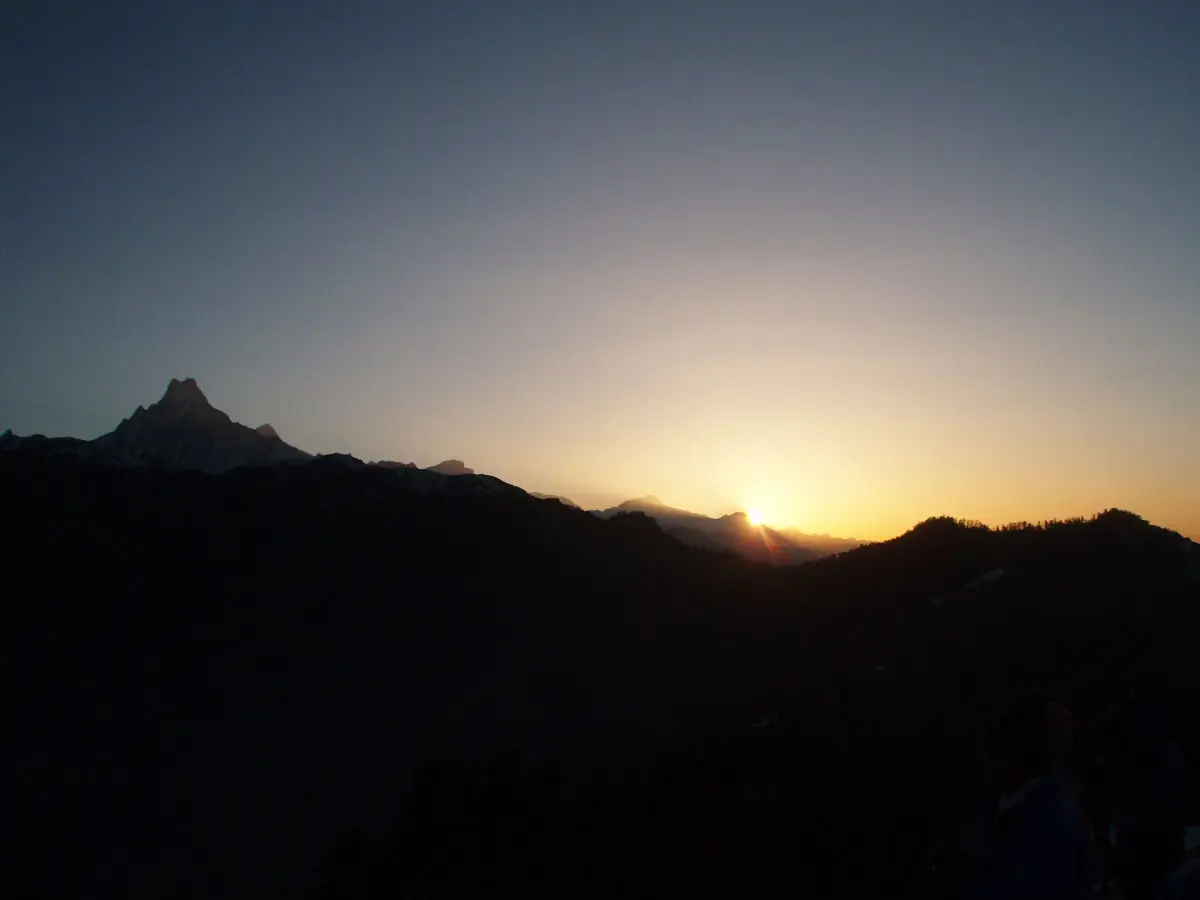
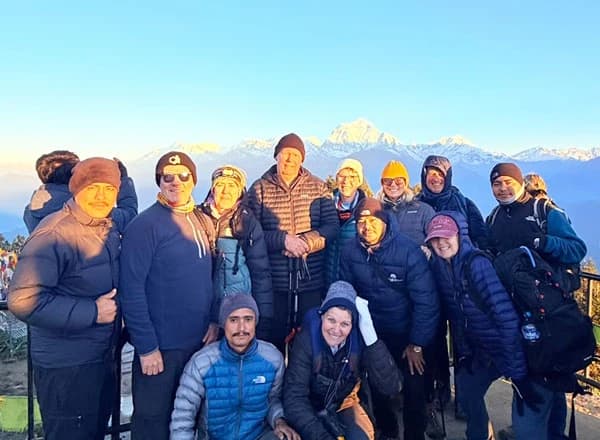
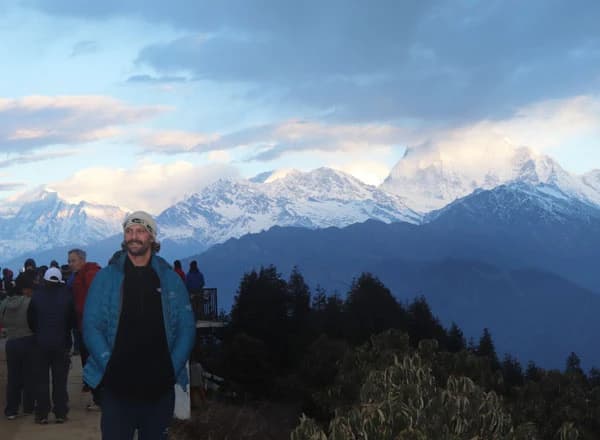
The Sunrise from Poon Hill!
What to Pack for Annapurna Circuit Trek in February
Packing wisely can make a huge difference to your trekking experience in February. While the days are often bright and comfortable for walking, mornings, evenings, and higher elevations remain cold throughout the month. Instead of packing more, focus on packing smarter. The right equipment will keep you warm, comfortable, and prepared without adding unnecessary weight to your backpack.
Clothing: Dress in Layers
February weather changes throughout the day, making a layered system far more effective than wearing a single heavy jacket.
Base Layer: A moisture-wicking thermal top and bottom help keep your body warm while moving sweat away from your skin. Staying dry is just as important as staying warm during winter trekking.
Mid Layer: A fleece jacket or a lightweight insulated jacket provides warmth on cool mornings and at higher sections of the trail. This layer is easy to remove once the afternoon sun warms the valleys.
Outer Layer: A waterproof and windproof jacket protects you from cold winds, light snowfall, and unexpected weather changes, especially near Thorong La Pass.
A Reliable Down Jacket: A good down jacket is one of the most valuable items you'll carry.
After the sun disappears behind the mountains, temperatures drop quickly. Whether you're watching the sunset in Manang or enjoying dinner inside a teahouse, a warm down jacket makes the evenings far more comfortable.
Footwear That Keeps You Warm and Stable
Your trekking boots should already be well broken in before arriving in Nepal. Choose waterproof hiking boots with good ankle support and reliable grip. Snow and icy patches are still possible above Manang, so proper footwear provides both comfort and confidence on the trail.
Pack several pairs of warm trekking socks and a lightweight pair of shoes or sandals to wear inside the teahouse after each day's walk.
Winter Accessories You Shouldn't Forget
Some of the smallest items in your backpack often become the most useful. Be sure to pack:
Warm beanie or wool hat
Insulated gloves
Neck gaiter or buff
UV-protection sunglasses
Lip balm
Sunscreen
Even during winter, the Himalayan sun is surprisingly strong, and sunlight reflecting from snow can increase UV exposure.
Sleeping Bag
Although teahouses provide blankets, it is highly recommended to carry a four-season sleeping bag in February.
Bedrooms at higher elevations are usually unheated, and a quality sleeping bag ensures a warm and comfortable night's sleep, particularly in villages above Manang.
Trekking Essentials
These items make your trek safer and more comfortable:
Trekking poles for extra stability on snowy or uneven trails
Headlamp for early morning starts
Reusable water bottles or an insulated flask
Power bank
Backpack rain cover
Waterproof dry bags to keep clothes and electronics protected
Personal Health and First Aid
Carry a small personal medical kit with the essentials you'll need on the trail, including any prescription medications. It's also useful to pack:
Basic first-aid supplies
Hand sanitizer
Wet wipes
Personal toiletries
Blister treatment
Being prepared for minor issues allows you to continue trekking comfortably without unnecessary interruptions.
Camera and Electronics
February offers some of the clearest mountain views of the year, so you'll likely be taking plenty of photos. Please bring:
Camera or smartphone
Spare batteries
Portable charger
Charging cables
Extra memory cards
Cold temperatures reduce battery life much faster than normal. Keeping your electronics inside your jacket during the day and inside your sleeping bag at night helps preserve battery performance.
Pack Light and Smart
A lighter backpack makes every uphill climb more enjoyable, and rather than packing clothing for every possible situation, choose versatile layers that you can add or remove as temperatures change. The goal is to stay warm, dry, and comfortable while keeping your pack manageable throughout the trek.
With the right equipment and a little preparation, you'll be free to focus on what really matters, enjoying the incredible landscapes, mountain culture, and unforgettable journey that make the Annapurna Circuit Trek in February so special.
Which Part of February Is Best for the Annapurna Circuit Trek?
Although February is an excellent month for trekking the Annapurna Circuit, the experience changes slightly as the month progresses. From the deep winter atmosphere of early February to the milder conditions toward the end of the month, each period offers something unique.
Choosing the right time depends on the type of trekking experience you're looking for.
Early February (1st–10th): Best for a True Winter Experience
Early February still feels like the heart of winter in the Annapurna region and the higher elevations remain covered in fresh snow, mornings are crisp and cold, and the trails are exceptionally quiet, what to Expect:
Snow-covered landscapes at higher elevations
Excellent mountain visibility
Fewer trekkers on the trail
Cold mornings and freezing nights
A true winter trekking atmosphere
Best For: Photographers, experienced trekkers, and travelers who want to experience the Himalayas at their most peaceful and snow-covered.
Mid-February (11th–20th): The Perfect Balance
The mid-February offers the best balance between winter beauty and comfort, the snow still covers the higher mountains, but daytime temperatures gradually become more pleasant, and daylight lasts a little longer, what to Expect:
Stable weather in many years
Snow around Thorong La Pass
Comfortable daytime trekking
Quiet trails before the spring season
Excellent conditions for photography
Best For: Most trekkers looking for a combination of winter scenery, manageable weather, and a peaceful trekking experience.
Late February (21st–28th): Where Winter Meets Spring
The subtle signs of spring begin to appear in the lower valleys by late February. The days feel a little longer, and afternoons become slightly warmer. What to Expect:
Slightly milder daytime temperatures
Longer daylight hours
Improving trail conditions at lower elevations
Snow remains around higher sections of the trek
Early hints of spring in lower villages
Best For: First-time winter trekkers, travelers looking for a more comfortable experience, and anyone wanting to enjoy winter scenery before the busy spring trekking season begins.
Our Recommendation
There isn't a single "best" week in February, only the best week for the experience you want.
Choose early February if you dream of experiencing the Annapurna Circuit in its pure winter form, with snowy landscapes and peaceful trails.
Choose mid-February if you're looking for the best balance of winter beauty, stable conditions, and comfortable trekking.
Choose late February if you prefer slightly warmer weather, longer days, and the unique transition between winter and early spring.
Whichever part of February you choose, the Annapurna Circuit rewards you with spectacular Himalayan scenery, authentic mountain culture, and an unforgettable journey.
Quick Planning Guide: Annapurna Circuit Trek in February
If you're short on time, here's a quick overview of what you can expect from the Annapurna Circuit Trek in February.
Planning Factor
What to Expect in February
Overall Experience
A beautiful transition between winter and early spring, with snowy peaks, peaceful trails, and improving weather conditions.
Weather
Cold mornings and nights, with pleasant daytime temperatures at lower and mid-altitudes.
Mountain Views
Excellent. February is one of the best months for clear Himalayan panoramas.
Snow conditions
Snow is common above Manang, especially around Thorong La Pass. Lower sections usually remain clear.
Trail Crowds
Low. You'll enjoy a quieter trekking experience before the busy spring season begins.
Difficulty
Moderate to challenging due to altitude and winter conditions, but manageable with proper preparation.
Thorong La pass
Usually possible to cross, depending on daily weather and trail conditions.
Accommodation
Most teahouses remain open, with better room availability than during peak trekking seasons.
A licensed local guide is highly recommended for navigation, safety, weather updates, and local insights.
Choose February if you want:
Snow-covered Himalayan landscapes
Peaceful trails with fewer trekkers
Excellent mountain visibility
A balance between winter adventure and improving weather
A more relaxed and authentic trekking experience
You may prefer another season if you:
Dislike cold mornings and freezing nights
Want the warmest trekking conditions
Prefer the vibrant atmosphere of the peak spring season
Are looking for blooming rhododendron forests, which are more common later in spring
FAQs – Annapurna Circuit Trek in February
Is February a good month for the Annapurna Circuit Trek?
Yes, February is one of the best winter months for the Annapurna Circuit Trek. It offers snow-covered Himalayan landscapes, excellent mountain visibility, quieter trails, and slightly milder conditions than January. If you're looking for a peaceful trekking experience before the busy spring season, February is an excellent choice.
Can beginners do the Annapurna Circuit Trek in February?
Yes, beginners can complete the trek in February if they prepare properly, maintain good fitness, and follow a well-planned itinerary.
Trekking with an experienced local guide is highly recommended, especially during the winter season.
Does it snow on the Annapurna Circuit in February?
Yes, snow is common above Manang, particularly around Yak Kharka, Thorong Phedi, and Thorong La Pass. The lower sections of the trail usually remain snow-free, making the trek a beautiful mix of green valleys and snow-covered mountains.
Can you cross Thorong La Pass in February?
Yes, many trekkers successfully cross Thorong La Pass in February. However, the crossing depends on daily weather and trail conditions rather than the date itself. Your guide will assess the conditions before attempting the pass.
How cold is the Annapurna Circuit in February?
Daytime temperatures are generally comfortable at lower elevations, but mornings and nights remain cold, and the higher villages such as Manang and Thorong Phedi frequently experience below-freezing temperatures, making proper winter clothing essential.
Is February better than January for the Annapurna Circuit Trek?
Yes, February usually offers slightly longer daylight hours, milder daytime temperatures, and more stable weather while still preserving the beauty of winter landscapes.
Are teahouses open during February?
Yes, most teahouses along the Annapurna Circuit remain open throughout February. Accommodation is generally easier to find than in spring and autumn.
What should I pack for the Annapurna Circuit Trek in February?
Pack warm layered clothing, a quality down jacket, thermal base layers, waterproof trekking boots, insulated gloves, a winter sleeping bag, trekking poles, sunglasses, sunscreen, and a power bank.
Dressing in layers allows you to adjust comfortably as temperatures change throughout the day.
Is February crowded on the Annapurna Circuit?
No, February is considered part of the quieter trekking season, and you'll experience fewer trekkers on the trail, more peaceful teahouses, and a calmer atmosphere compared to the busy spring and autumn months.
How many days does the Annapurna Circuit Trek take in February?
Most itineraries take between 12 and 18 days, depending on the route, acclimatization schedule, side trips, and weather conditions. Adding one or two extra days is recommended in case winter weather affects the crossing of Thorong La Pass.
Is altitude sickness still a concern in February?
Yes, altitude sickness is related to elevation rather than the season.
Proper acclimatization, staying hydrated, avoiding rapid ascents, and listening to your guide are essential for a safe trek.
Is hiring a guide recommended for trekking in February?
Absolutely, A licensed local guide provides valuable support with navigation, weather updates, trail conditions, acclimatization, and local knowledge. During winter, their experience becomes even more valuable when planning a crossing of the Thorong La Pass.
Is the Annapurna Circuit Trek worth doing in February?
Definitely, if you enjoy winter scenery, peaceful trails, dramatic mountain views, and a more relaxed trekking experience, February offers one of the most rewarding times to explore the Annapurna Circuit.
Why book the Annapurna Circuit Trek in February with Outfitter Himalaya?
Outfitter Himalaya combines local expertise with years of trekking experience in the Annapurna region. Our licensed guides understand winter trail conditions, prioritize safety, provide flexible itineraries when needed, and ensure you experience the best of the Annapurna Circuit with confidence and peace of mind.
Conclusion - Is February a Good Time for the Annapurna Circuit Trek?
The Annapurna Circuit Trek in February offers a rare opportunity to experience the Himalayas at a fascinating point between two seasons.
Winter still shapes the high mountains with snow-covered passes, crisp mornings, and crystal-clear skies, and the lower valleys slowly begin to welcome the first signs of spring. This unique combination creates the best Annapurna Circuit trekking experience.
At Outfitter Himalaya, we've guided trekkers across the Annapurna region through every season. Whether you need help choosing the right itinerary, understanding winter trail conditions, arranging permits, or planning a private or group trek departure, our experienced local team is here to make your Himalayan adventure safe, comfortable, and unforgettable.
April is one of the best months for the Ghorepani Poon Hill Trek, offering rhododendron flowers, warmer daytime walks, and Himalayan sunrise views from 3,210 meters. Expect busy teahouses, chilly mornings, and possible afternoon cloud [...]
The Ghorepani Poon Hill Trek in March combines the beginning of rhododendron season with warming days and opportunities for clear Himalayan views. Sunrise at 3,210 meters remains cold, and higher paths can still have snow [...]
The Annapurna Circuit Trek covers approximately 102 kilometers of walking on Outfitter Himalaya’s classic 15-day itinerary, including the Manang acclimatization hike. The journey unfolds through riverside forests, mountain villages and open valleys before crossing Thorong La [...]