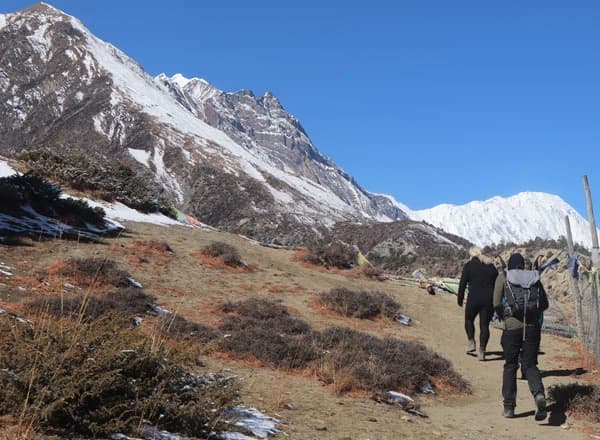
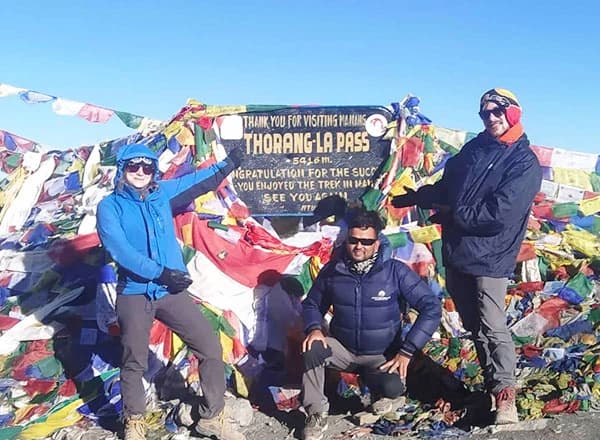
Walk through quiet mountain villages, snow-bright valleys, and magnificent Himalayan scenery during Winter in Nepal. The Manaslu Circuit Trek in January and February is a peaceful deep-winter Trek journey through snow-covered valleys, quiet villages, and clear Himalayan landscapes. January offers a stronger winter atmosphere, while February brings longer days and gradually milder weather. With four-season gear, flexible planning, and an experienced local guide, prepared trekkers can enjoy one of Manaslu’s most memorable and uncrowded seasons when conditions allow.
Manaslu Circuit Trek in Winter: A peaceful Himalayan Winter Adventure
The Manaslu Circuit Trek in Winter is a true deep-winter journey through one of the most beautiful and least crowded high hiking routes. The trail transforms into a landscape of fresh snow, crystal-clear skies, and profound silence in January and February. January brings a deeper winter atmosphere, and February offers longer days and gradually milder conditions.
The temperatures drop significantly above 3,500m, and Larkya La Pass (5,106m) requires careful timing and preparation, the circuit remains achievable for experienced trekkers with proper four-season gear and a knowledgeable local guide.
Manaslu Circuit Trek in January and February - Overview
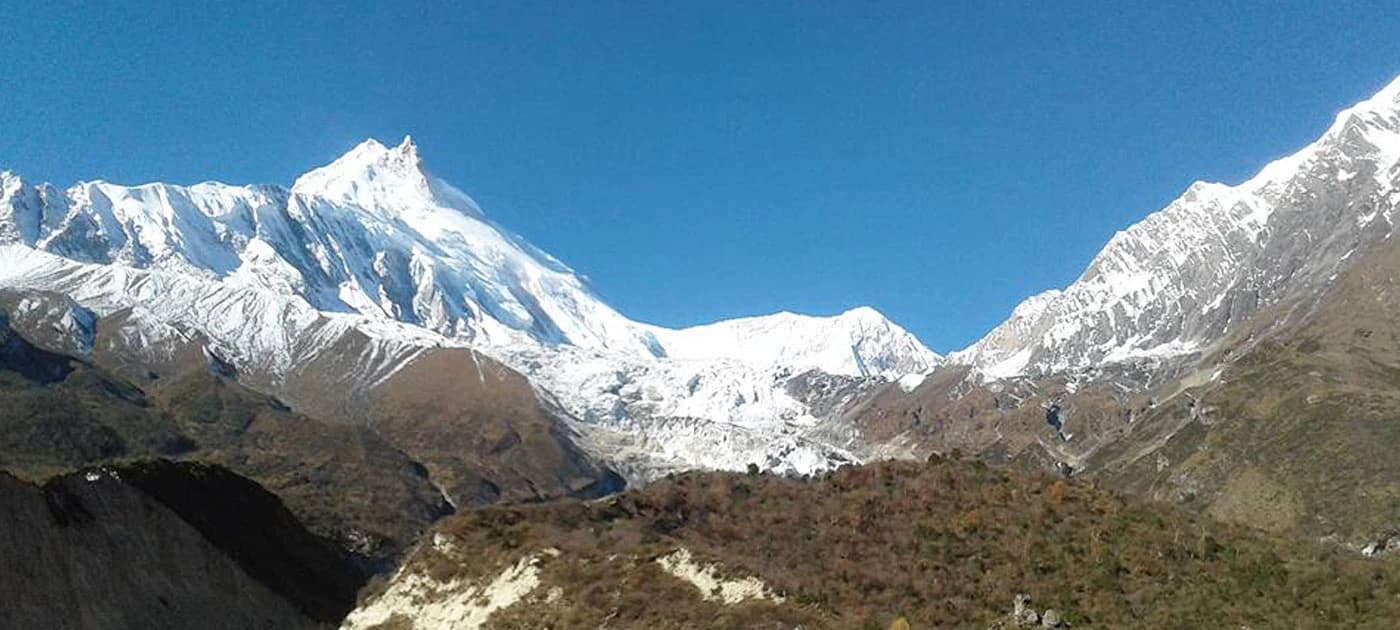
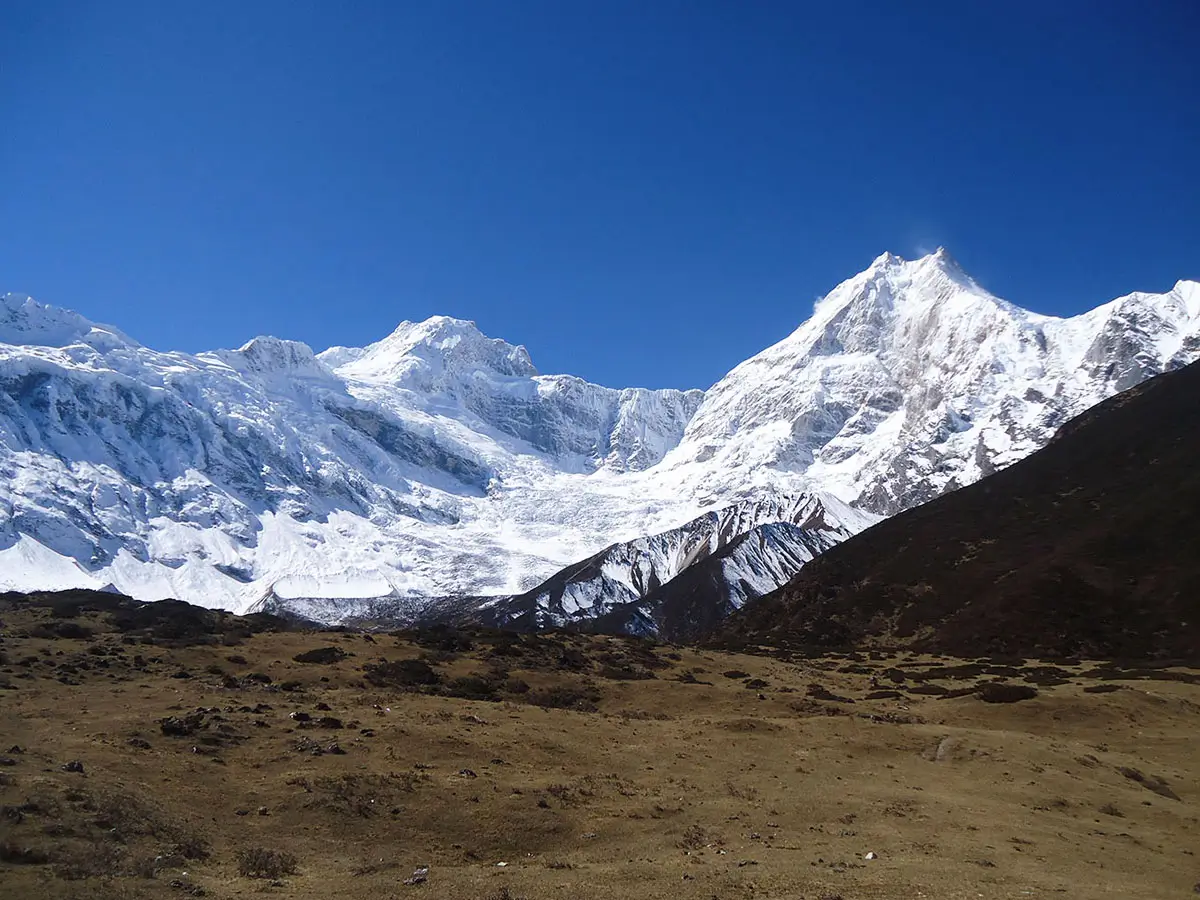
January and February turn the Manaslu Circuit into a different mountain world. The busy trekking season has passed, mountain villages become quieter, and the landscapes surrounding Mount Manaslu (8,163m) take on a beautiful winter character.
Snow may brighten the upper valley; the cold air often brings impressive visibility, and the trail offers a peaceful sense of space that is difficult to experience during the popular autumn months. And the trail, which in autumn carries a steady flow of trekkers, now belongs mostly to the wind, the peaks, and the few people willing to walk it in true winter.
The route still follows the same classic paths through the mixed villages of the lower valley, into the Tibetan-influenced country of Nubri, Samagaun and Samdo, and finally over the high gateway of Larkya La at 5,106 meters. But the experience has shifted; the landscape feels quieter, whiter, and more complete. The long sections of trail can pass without meeting another group. The mountains stand under hard blue skies with a clarity that feels almost amplified by the cold.
In these months, the circuit asks more of you. Nights are colder, and snow covers more of the upper trail. The crossing of Larkya La becomes a more serious undertaking that depends on weather windows and careful judgment. Yet the reward is equally real, and you move through a version of Manaslu that few people ever see, one defined by space, silence, and the raw beauty of the Himalayas in full winter.
January is the colder and more committed of the two months, and February begins to ease slightly, with longer days and a subtle softening of the deepest cold, while still holding the essential winter character. Both months remain fully possible for experienced trekkers.
What draws people to Manaslu in January and February is not comfort. It is the desire to experience one of Nepal’s great circuits when it is at its most stripped-back and powerful. The snow-covered approaches to the pass, the quiet villages, the sharp winter light on Manaslu itself, and the simple fact of walking through a high Himalayan landscape with almost no one else present - these are the reasons the deep-winter version continues to attract those who want more than the standard season can offer.
This is Manaslu without the noise. It is colder, quieter, and more demanding. And for the right trekker, it is unforgettable.
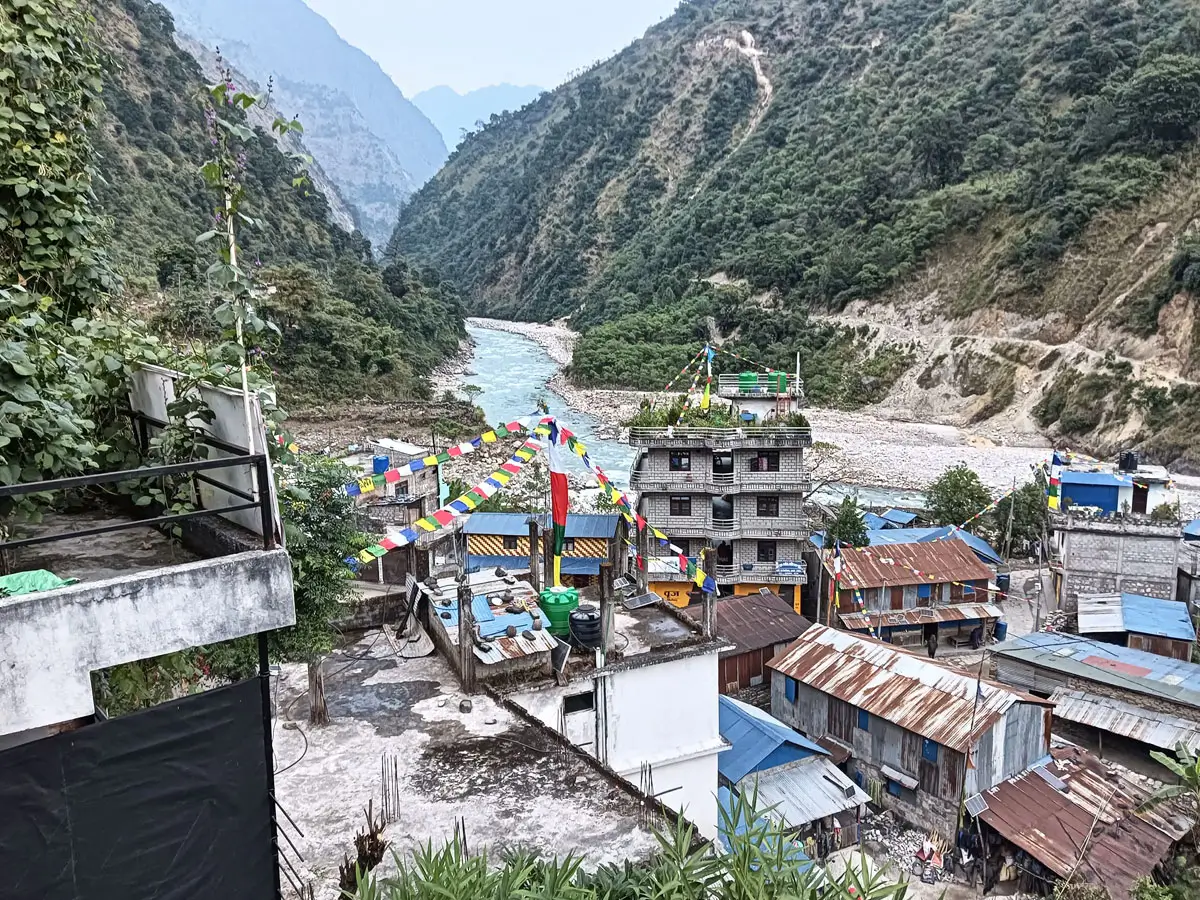
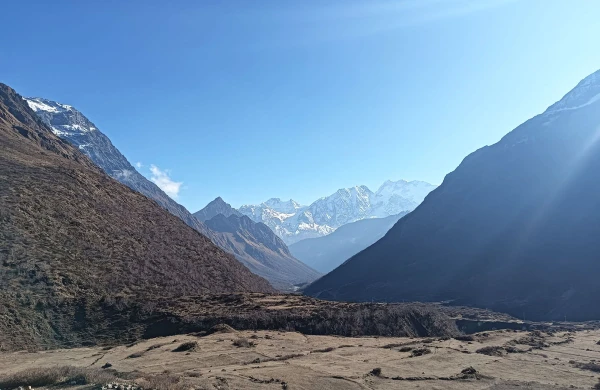
Budhigandaki River Valley!
Manaslu Circuit Trek in January vs February: Quick Comparison
January and February both offer a peaceful winter experience, but the atmosphere and practical conditions are not the same, As the January presents the circuit in deeper winter, while February gradually introduces longer daylight and slightly milder conditions.
Trekking factor
January
February
Winter character
Deep winter with colder mornings and nights
Late winter with a gradual seasonal transition
Daylight
Shorter trekking days
Increasing daylight and more time on the trail
Snow conditions
Greater possibility of accumulated snow at higher elevations
Snow and ice remain, although conditions may slowly improve
Trail atmosphere
Extremely quiet and deeply peaceful
Quiet but gradually becoming more active
Teahouses
More limited, particularly near the high pass
Availability may improve later in the month
Mountain visibility
Frequently crisp during stable weather
Often clear, with beautiful winter light
Larkya La conditions
Crossing depends heavily on recent snowfall and local reports
Late February may offer a more favorable opportunity
Overall difficulty
More demanding because of cold and shorter days
Slightly more manageable but still requires winter preparation
Best suited to
Experienced trekkers seeking a true deep-winter experience
Prepared trekkers wanting winter beauty with longer days
Photography
Frost, snow-covered villages, and dramatic low winter light
Snowy peaks, brighter valleys, and changing late-winter landscapes
Overall, January offers the stronger deep-winter atmosphere, whereas February generally provides a more balanced combination of snowy scenery, peaceful trails, and gradually improving trekking conditions.
Two Chapters of Winter on the Manaslu Circuit
January: When Winter Holds the Valley
January gives the Manaslu region a calm, almost timeless character; the frost traces the edges of stone paths, sunlight reaches slowly into the narrow Budhi Gandaki Valley, and smoke rises from village kitchens into the cold morning air. Higher along the route, snow may gather around mani walls, chortens, and mountain pastures. Life continues at a quieter pace, giving trekkers more time to appreciate the details that often disappear during the busy trekking season.
February: When the Light Begins to Return
February carries the beauty of winter but introduces a subtle change, the sun remains above the mountains a little longer, afternoons feel brighter, and activity gradually returns to the lower villages. The snow still defines the landscapes around Samagaun, Samdo, and Larkya La, yet the increasing daylight creates a more open and energetic atmosphere.
Together, The January and February reveal two different expressions of the same Himalayan winter. January offers depth, stillness, and snowy intimacy, while February combines peaceful winter scenery with the first gentle signs of seasonal change.
There are many trekking itineraries for the Manaslu trek in November, and we have compiled some of the most popular Manaslu Packages for November below. Let us know if these programs are not suitable for you, and we will look for a customized Manaslu Trek.
Manaslu Circuit Trek – 14 Days: This 14-day trek is suitable for those seeking an all-inclusive package with a Kathmandu tour and hotel arrangements from arrival to departure.
Short Manaslu Trek – 11 Days: The Short Manaslu Trek is suitable for those already in Kathmandu or who want to make their own arrangements in Kathmandu and book the trekking part.
Tsum Valley Trek – 18 Days: The Tsum Valley Trek is another popular trek in the Manaslu Region and is suitable for those looking to explore Nepal's cultural trail.
Tsum Valley - Manaslu Trek - 22 Days: This is a long, combined trek that covers the Tsum Valley and Manaslu-Larke La Pass and is suitable for those looking to spend many days in the Himalayas.
Manaslu Trek starts from Pokhara: Pokhara – Manaslu Trek is suitable for those already in Pokhara or who want to start and end the Manaslu Trek there.
Comfort Manaslu Trek – 17 Days: The Comfort Manaslu Trek is suitable for those seeking a more luxurious experience of the Manaslu Circuit, with stays at the best available lodges along the trail and a 4-star hotel in Kathmandu. The Comfort Manaslu Trek is an all-inclusive package with private Jeep transport, 4-star hotels, a guide, a porter, and the best available accommodation along the trail.
Highlights of Manaslu Circuit Trek in January and February
The Manaslu Circuit in January and February offers a set of experiences that belong specifically to deep winter. These are the moments and qualities that define the journey in the coldest months of the year:
Walk through peaceful Himalayan villages after the busy autumn trekking season has ended.
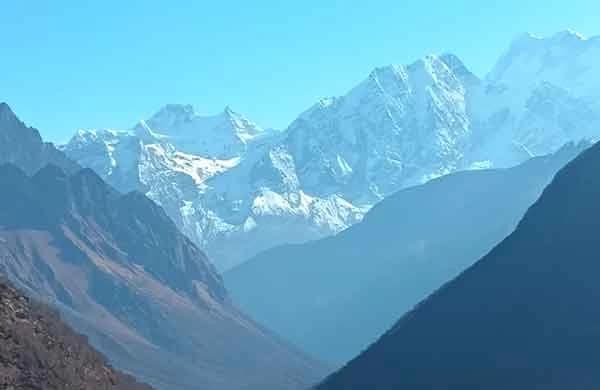
Enjoy impressive views of Mount Manaslu, Himalchuli, Ngadi Chuli, Shringi Himal, and surrounding snow-covered peaks.
Experience the changing landscape from the Budhi Gandaki River valley to the broad alpine terrain beyond Samagaun.
Experience quiet Nubri and Tibetan cultural atmosphere.
Spend meaningful time in Tibetan-influenced villages where monasteries, chortens, prayer wheels, and traditional stone houses remain part of everyday life.
Visit sacred and scenic places like Birendralake and Pungyen Monastery
Stand in the high village with clear winter visibility toward the Tibetan Plateau, creating a strong sense of place and remoteness.
Experience January’s deeper winter character or February’s brighter, gradually changing atmosphere.
Cross the magnificent Larkya La Pass when the weather and trail conditions are suitable.
Discover a more personal and reflective version of one of Nepal’s finest high-altitude circuits.
These months reward prepared trekkers with beautiful scenery, meaningful cultural encounters, and a Himalayan experience that feels peaceful, spacious, and genuinely different.
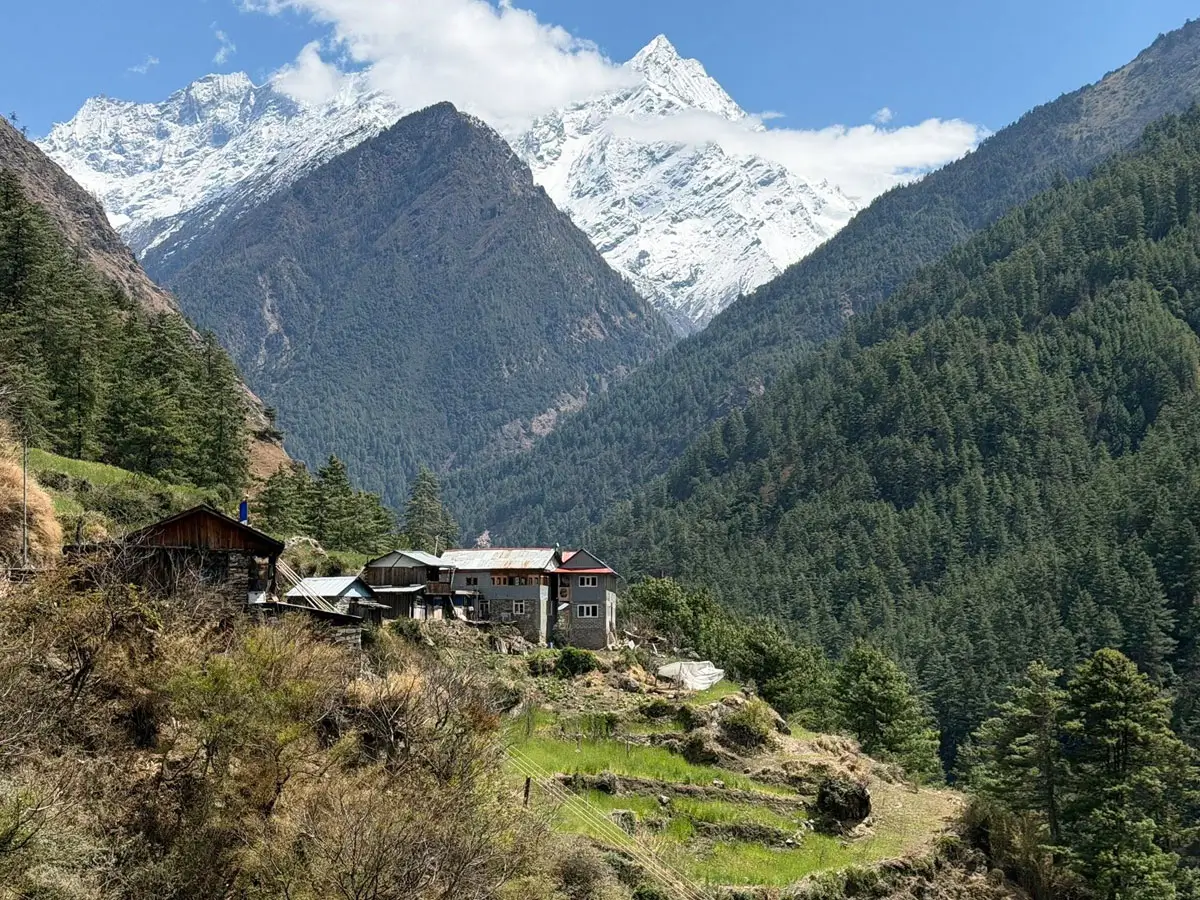
Landcape in Manaslu!
Advantages and Disadvantages of Trekking Manaslu in January and February
A winter journey in Manaslu offers experiences that are difficult to find during busier seasons. At the same time, understanding its practical limitations helps trekkers arrive with realistic expectations.
Advantages of Trekking Manaslu in January and February
Peaceful trails: January and February receive very few trekkers, allowing you to experience the villages, forests, and mountain landscapes at an unhurried pace.
Beautiful mountain visibility: Stable winter days often bring dry air, clear horizons, and sharp views of Manaslu and the surrounding peaks.
Distinctive winter scenery and landscapes: Frost, frozen waterfalls, snow-covered pastures, and white mountain villages create excellent photography opportunities. Snow transforms the upper valleys and the approaches to Larkya La.
Peaceful visits to Key highlights: Sacred places such as Birendralake, Pungyen Monastery, and the high country near Samdo carry a deeper atmosphere in winter.
Enjoy Quieter and More personal cultural encounters: With fewer visitors, the multiethnic villages of the lower trail and the Tibetan-influenced settlements of Nubri feel less hurried. Interactions with local people often last longer and feel more genuine.
Lower restricted-area permit fee: The Manaslu permit costs less during the winter period than during the peak autumn season.
A meaningful sense of achievement: Completing the journey with patience and good preparation makes the experience especially memorable.
Disadvantages and Practical Considerations of Trekking Manaslu in January and February
Significant cold at higher elevations: Nights above 3,500m are very cold. Temperatures at Dharamsala and on the approach to Larkya La can fall well below -15℃.
Colder mornings and evenings: Quality clothing, a suitable sleeping bag, and careful layering are essential.
Limited teahouse services: Some lodges close temporarily, particularly around the higher settlements, so availability should be confirmed in advance.
Changing pass conditions: Snowfall may delay or change plans for crossing Larkya La.
Shorter trekking hours: Early starts and well-organized daily stages become more important.
Additional equipment: Winter footwear, gaiters, insulated bottles, and traction equipment may add weight.
Greater need for flexibility: Buffer days help the journey remain relaxed when local conditions affect the schedule.
For well-prepared trekkers, these considerations do not remove the appeal of winter. They shape a slower, more flexible, and more thoughtful Himalayan adventure.
Manaslu Circuit Trek in January Vs February: Which Month Should You Choose?
Although January and February belong to the same winter season, they create noticeably different experiences on the Manaslu Circuit.
Manaslu Circuit Trek in January
January presents the region in its deepest winter form; mornings begin with frost, snow is more likely to remain on shaded sections, and the high villages feel calm after the autumn trekking season. On clear days, the dry winter air can provide outstanding visibility of Manaslu and the surrounding peaks.
January particularly appeals to experienced trekkers, winter photographers, and travelers who value peaceful surroundings more than comfort. The services are more limited, but the lodges that remain open often provide a warm and personal atmosphere.
Manaslu Circuit Trek in February
February retains the snow-covered scenery while gradually introducing longer and brighter days. The lower sections of the trail begin to feel milder in the afternoon, and village activity slowly increases as the region moves toward spring.
The upper route around Samagaun, Samdo, Dharamsala, and Larkya La remains wintry. However, the additional daylight can make daily walking more comfortable and provide more flexibility for photography, rest stops, and gradual acclimatization. Teahouse availability may also improve toward the end of the month.
January or February, which month is Better?
January is ideal for trekkers seeking the strongest winter atmosphere, remarkable solitude, and beautifully frozen scenery. February is generally the more balanced option, combining winter landscapes with longer days and slowly improving services.
Nevertheless, mountain conditions do not follow a perfect calendar. A stable January period may be more comfortable than a snowy week in late February. The best choice ultimately depends on current trail reports, personal winter experience, and the advice of a knowledgeable local guide.
Who Should Choose the Manaslu Circuit Trek in winter?
The Manaslu Circuit in Winter (January and February) is best suited to travelers who see winter as part of the experience rather than an inconvenience. It rewards patience, flexibility, and a genuine interest in remote Himalayan landscapes.
This trek may be ideal for you if you:
Have previous multi-day trekking or high-altitude experience.
Enjoy walking in cold weather and snowy surroundings.
Prefer peaceful trails to the social atmosphere of peak season.
Are comfortable with simple teahouses and limited menus.
Can keep your itinerary flexible when weather conditions change.
Want distinctive winter photography and clear mountain scenery.
Value cultural interaction and quiet village life.
Are willing to follow the advice of an experienced local guide.
You may prefer another season if you:
Are planning your first high-altitude trek.
Have a very tight international travel schedule.
Prefer warm weather and a wider choice of accommodation.
Want every part of the itinerary to operate exactly as planned.
Are uncomfortable with cold mornings, basic facilities, or snowy trails.
Choosing a different season does not mean missing the beauty of Manaslu. Spring and autumn provide warmer conditions and more predictable services. January and February offer a different version of the circuit—quieter, more intimate, and shaped by the beauty of the Himalayan winter.
Weather and Temperature on the Manaslu Circuit in January and February
January and February form the heart of Nepal’s winter, which the Department of Hydrology and Meteorology identifies as the country’s coldest and driest season, with crisp mornings, low humidity, limited rainfall, excellent mountain visibility, and stable weather on the Manaslu Trail.
The Winter months deliver the classic deep-winter character of the route: The sharp air, frequent clear skies, and a consistent cold that intensifies steadily with altitude. Understanding the temperature patterns and daily rhythm is essential for realistic planning and proper preparation.
However, there is no single temperature that accurately represents the entire trek, the route from the comparatively mild Budhi Gandaki Valley to Larkya La Pass at 5,106 meters. Sunlight, wind, elevation, shade, and recent snowfall can create very different conditions on the same day.
Estimated January and February Temperatures by Elevation
Trail section
Elevation
January daytime
January night or early morning
February daytime
February night or early morning
MachhaKhola–Jagat
900- 1,350m
5°C to 14°C
-2°C to 5°C
7°C to 14°C
0°C to 5°C
Deng–Lho
1,860 – 3,180m
-1°C to 8°C
-10°C to -2°C
1°C to 10°C
-8°C to 0°C
Samagaun–Samdo
3,530m – 3,860m
-5°C to 5°C
-18°C to -10°C
-3°C to 7°C
-15°C to -8°C
Dharamsala–Larkya La
4,460m- 5,106m
-10°C to 0°C
-22°C to -14°C
-8°C to 2°C
-20°C to -12°C
These figures are broad planning ranges rather than guaranteed forecasts. Conditions vary from year to year, and wind chill can make the high pass feel considerably colder.
Wind and Other Factors in Winter
Wind is an important element throughout both months. On the open slopes leading to Larkya La, it can significantly increase heat loss. The precipitation is low, which supports clear skies, although snow showers can still occur, particularly in January and February.
What the Weather Feels Like on the Trail
The lower sections of the trail can feel pleasantly cool when the sun reaches the valley, and you may walk comfortably in light layers during the afternoon. The frost commonly remains in shaded places, and water may freeze overnight around Samagaun and Samdo. Clear daylight can still feel surprisingly warm while walking, especially on exposed slopes.
The coldest part of the journey is the early start toward Larkya La; the windproof layers, insulated gloves, face protection, and warm footwear make this stage much more comfortable. February usually brings longer daylight and slightly milder afternoons, but the high route remains fully wintry.
Rather than focusing on one exact temperature, trekkers should prepare for a wide range of conditions; effective layering allows you to adjust comfortably as the trail moves between sunny valleys, shaded forests, cold villages, and open alpine terrain.
The Manaslu!
Snow Conditions and Larkya La Pass in January and February
Snow is one of the defining features of the Manaslu Circuit in January and February. Snow gives the Manaslu Circuit its distinctive winter beauty; the white mountain slopes rise above stone villages, frost sparkles beside the trail, and the upper valley takes on a bright, peaceful character. However, snow conditions vary greatly with elevation, sun exposure, and recent weather, so trekkers should not expect the entire route to remain equally covered.
Where Does Snow Usually Appear?
The lower trail around MachhaKhola, Jagat, and Deng generally experiences cold mornings and frost rather than continuous snow cover, and the snow becomes more likely as the trail climbs toward Lho, Samagaun, and Samdo. The most consistent accumulation is usually found around Dharamsala, the approach to Larkya La, and the descent toward Bhimthang.
The shaded slopes can retain snow long after sunny sections become dry; frozen streams, compacted snow, and short icy patches may therefore appear even during an otherwise clear day.
January and February Snow Conditions
January often preserves the deepest winter scenery; snow that falls in December or early January can remain on the upper trail, particularly in shaded areas. Fresh snow creates beautiful surroundings but may also slow the walking pace until the route is reopened or compacted.
In February, longer sunshine gradually changes the snow surface, and the sunny sections may soften during the afternoon and refreeze overnight, creating firm or icy patches in the morning. Fresh snowfall is still possible, but late February can sometimes provide a clearer and more established trail.
Crossing Larkya La in Winter
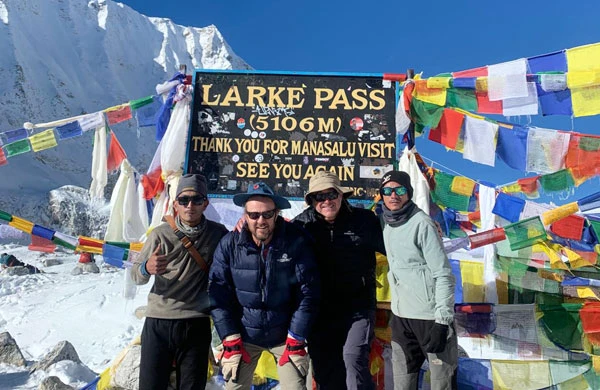
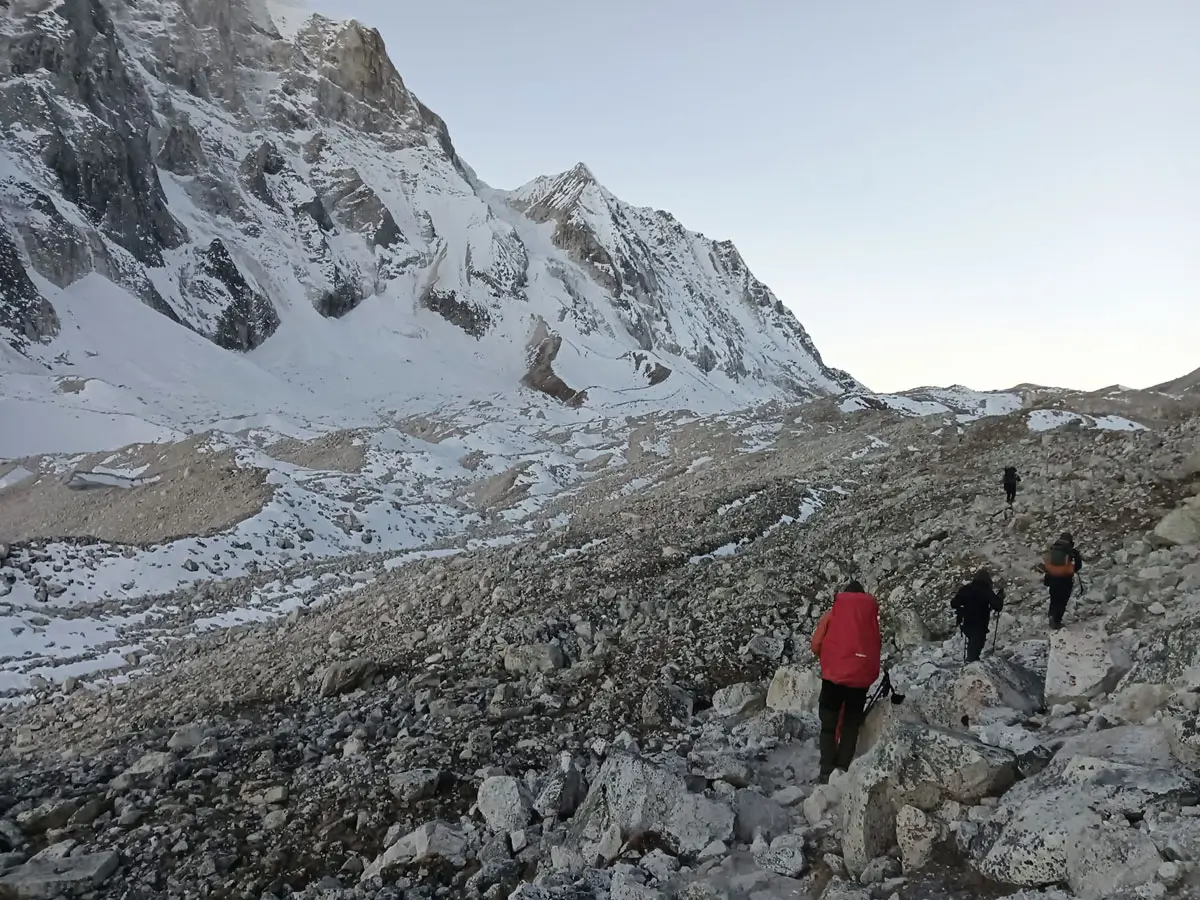
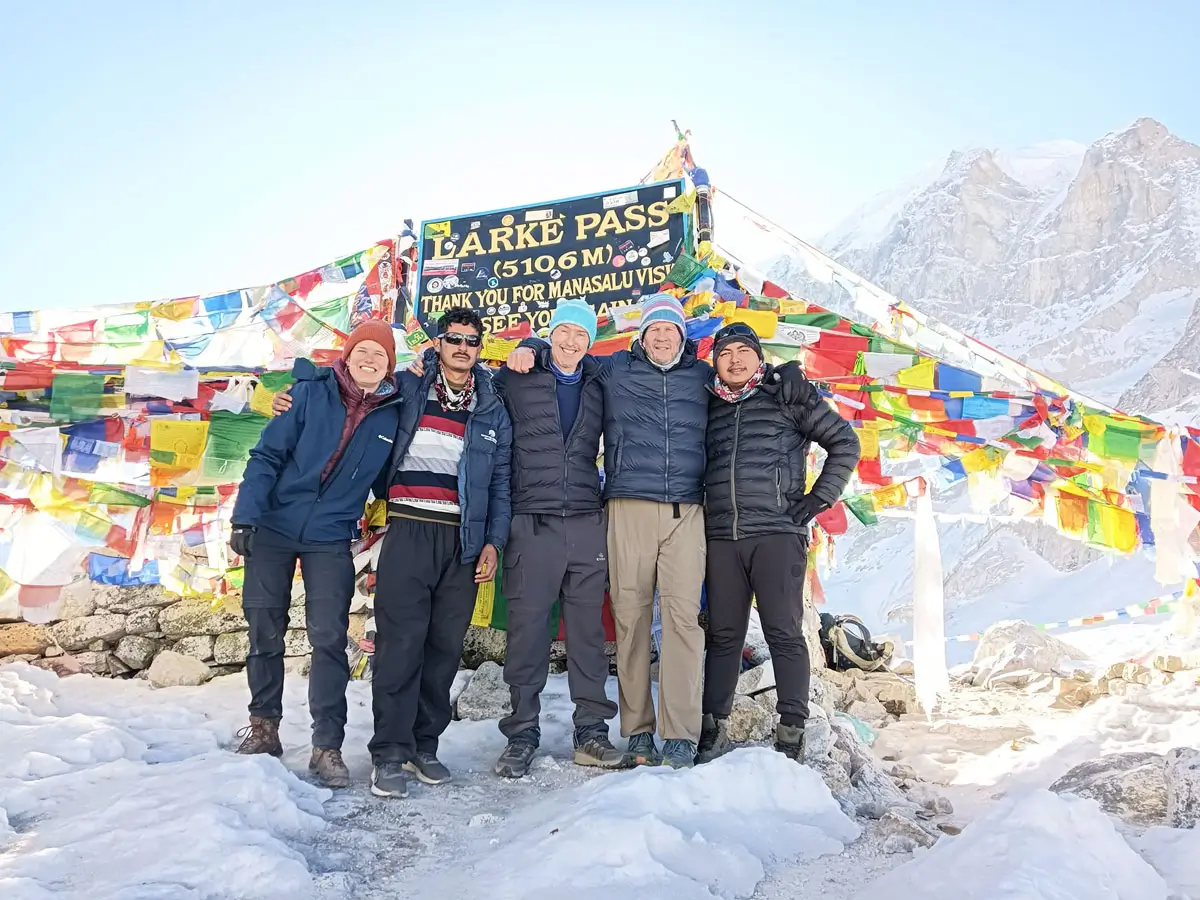
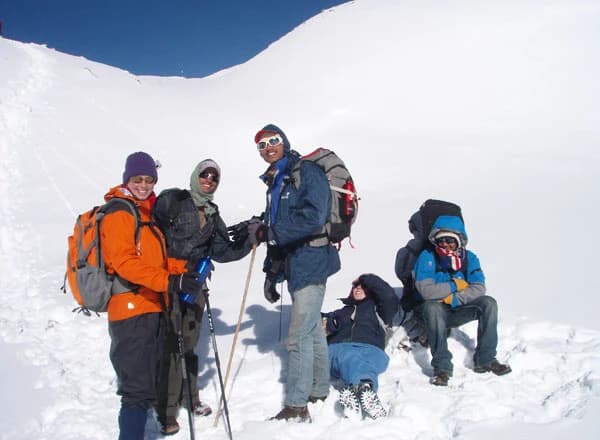
At 5,106 meters, the Larkya La is the highest and most celebrated point of the Manaslu Circuit trek. A successful winter crossing offers extraordinary views of snow-covered Himalayan peaks and a rewarding descent toward Bhimthang.
Before attempting the pass, an experienced guide should evaluate:
Recent snowfall and the condition of the established trail
Visibility, wind, and the latest weather forecast
Snow conditions on both the ascent and descent
The group’s health, walking pace, and acclimatization
Available daylight and accommodation near the pass
An early start provides more time and often allows trekkers to walk over firmer snow before the afternoon sun softens it. Depending on conditions, guides may recommend trekking poles, microspikes, or more specialized traction equipment.
If the pass is temporarily unsuitable, the group may wait for improved weather or adjust the itinerary; flexibility is part of responsible winter trekking. The goal is not simply to reach the pass, but to enjoy the Manaslu winter journey with patience, confidence, and respect for the mountains.
Early January to Late February: How Conditions Gradually Change
Winter does not remain the same throughout January and February. Each Part of the season creates a slightly different atmosphere and trekking experience.
January - The Heart of Deep Winter
Early January: The snow from late December may remain around the upper villages and Larkya La. The days become short, and the trail is exceptionally quiet, and fewer high-altitude teahouses may be operating. Early January offers a strong deep-winter atmosphere, but advance coordination is especially important.
Late January: By late January, settled periods of dry weather can bring beautifully clear mountain views, and snow on frequently used sections may become more compact, while shaded areas can remain icy. Nights are still very cold, but established local trail information may make planning easier than immediately after fresh snowfall.
February – Still winter, with Early Signs of Softening
Early February: Early February often feels similar to late January at higher elevations. The landscape remains fully wintry around Samagaun, Samdo, and Larkya La. However, daylight slowly increases, offering slightly more time for walking, photography, and rest stops.
Late February: Late February offers the most balanced winter window; the lower valleys begin to feel warmer in direct sunlight, days become noticeably longer, and more local services may gradually resume. The high route can still hold significant snow, preserving the beautiful winter scenery around Larkya La and Bhimthang.
Which Period Offers the Best Balance?
If you are seeking the deepest winter experience, January has a special appeal. For those wanting snowy scenery with longer days and potentially improving services, late February is usually the more practical choice. Nevertheless, the best departure period depends on actual weather and trail reports. A calm January week can be more favorable than a snowy period in late February, so final plans should always remain flexible.
How Difficult Is the Manaslu Circuit Trek in January and February?
The Manaslu Circuit is a challenging high-altitude trek in every season. Snow, colder temperatures, and shorter daylight add another layer to the journey in Winter. However, experienced trekkers with suitable preparation can approach it confidently and enjoyably.
The difficulty does not come from one single factor, as it develops gradually through consecutive walking days, challenging elevation, basic accommodation, and the long crossing of Larkya La. Walking through snow may require additional energy, but a steady pace, a lighter backpack, proper acclimatization, and a flexible itinerary make a meaningful difference.
Altitude and Acclimatization
The Manaslu trekking route climbs above 3,500 meters at Samagaun and reaches 5,106 meters at Larkya La. According to the high-altitude guidance, gradual ascent and adequate acclimatization are essential because physical fitness alone does not prevent altitude illness.
The early symptoms may include headache, unusual tiredness, reduced appetite, nausea, dizziness, or disrupted sleep. You should tell your guide promptly and avoid ascending higher while symptoms continue. The altitude guidance recommends resting at the same elevation and descending if symptoms worsen or do not improve.
Winter-Specific Factors That Raise Difficulty
Persistent cold, especially at night above 3,500m
Snow and icy sections on the upper trail
Shorter daylight hours that reduce flexibility
More limited teahouse support higher up
Greater consequences if weather turns on the pass day
These elements make the trek more demanding than the autumn version of the same route, but they do not make it extreme for those who arrive prepared.
Staying Comfortable in Winter
Simple habits help trekkers manage the cold effectively:
Add warm layers before the body becomes chilled.
Keep gloves, socks, and base layers dry.
Drink regularly, even when cold weather reduces thirst.
Eat frequent snacks to maintain energy.
Protect the face and hands during early starts.
Use trekking poles and guide-recommended traction on icy sections.
Communicate tiredness, numbness, or discomfort early.
The cold-weather preparation is mainly about consistency rather than toughness. Wearing the right layers, moving at a steady pace, taking warm breaks, and addressing minor discomfort before it worsens allows trekkers to stay comfortable and positive.
With prior trekking experience, sensible acclimatization, and a supportive local team, the Manaslu Circuit in January or February becomes a rewarding winter challenge rather than an intimidating one.
Difficulty in Context
Factor
January–February Manaslu
Autumn Manaslu
Typical Teahouse Trek (e.g. ABC)
Physical Effort
High
Moderate–High
Moderate
Altitude
High (5,106m)
High
Moderate
Cold Exposure
Very High
Moderate
Low–Moderate
Snow/Ice Likelihood
High
Low
Low
Remoteness & Commitment
High
Moderate–High
Lower
Overall Difficulty
Challenging
Moderate–Challenging
Moderate
Caption
Accommodation and Teahouse Experience in the Manaslu Circuit Trek in Winter (January and February)
Accommodation on the Manaslu Circuit follows Nepal’s traditional teahouse system; you will stay in locally operated mountain lodges with simple rooms, warm meals, and shared dining spaces. During winter, these teahouses often feel especially welcoming after a day of walking through the crisp mountain air.
Most rooms contain two single beds, mattresses, pillows, and basic blankets, and the bedrooms are generally not heated, so a four-season sleeping bag is essential. The dining room is usually the warmest area of the lodge, with a central stove operating during the evening when fuel is available.
Teahouses in lower and middle villages such as Jagat, Deng, Namrung, and Lho are more likely to remain available throughout winter. The services become less predictable around Samagaun, Samdo, Dharamsala, and Bhimthang because some lodge owners temporarily move to lower elevations.
Dharamsala requires particular attention because accommodation near Larkya La is limited and your guide should confirm that a lodge is operating before the group leaves Samdo. If it is unavailable, the itinerary may need to be adjusted.
Facilities
Hot showers become less reliable and more expensive as you gain height; in some higher villages, they may not be available. Charging phones and cameras is usually possible for a fee, though electricity can be limited or solar-dependent. Wi-Fi is scarce or non-existent above the lower sections. Toilets are basic and can feel particularly cold at night.
Food and Drinking Water During the Winter Trek
Food on the Manaslu Circuit trail is simple, warm, and designed to provide energy for long walking days. The menus may be smaller because fewer supplies reach the higher villages in Winter (January and February), but you can still expect satisfying local and familiar meals.
Dal bhat is one of the best winter choices because it combines rice, lentil soup, vegetables, and pickles, often with refills. Other common options include thukpa, fried rice, noodles, potatoes, porridge, eggs, Tibetan bread, momos, and garlic soup. At higher elevations, freshly prepared vegetarian meals are generally preferable because refrigeration and meat transportation can be inconsistent.
We suggest carrying energy bars, nuts, chocolate, dried fruit, or other familiar snacks for long days and places where kitchens have limited supplies. Eating small amounts regularly helps maintain warmth and energy.
Drinking Water in Cold Conditions
Safe drinking water remains available, although managing it requires more attention in winter. Teahouses can provide boiled water, usually for an additional charge, and you may also use purification tablets or a suitable filtration system.
Water can freeze inside bottles around Samdo, Dharamsala, and Larkya La. An insulated bottle or thermos helps keep it drinkable. Store bottles inside your sleeping bag overnight and carry them upside down so ice forms away from the lid.
If using a hollow-fiber filter, prevent it from freezing because trapped water can damage the filter. Keep it close to your body during the day and inside your sleeping bag at night. Regular warm drinks, soup, and steady hydration help the body remain comfortable and energized throughout the winter journey.
Culture and Etiquette in the Manaslu Region During Winter
The Manaslu Circuit passes through the culturally rich Nubri Valley, where Tibetan Buddhist traditions shape village life. The stone houses, mani walls, prayer wheels, chortens, and monasteries appear throughout the upper route, particularly around Lho, Samagaun, and Samdo.
Winter brings a slower rhythm to these communities and with fewer trekking groups passing through, conversations with teahouse families can feel more personal. A warm greeting, patience, and genuine interest in local life can create meaningful connections.
A few respectful practices are important:
Ask permission before photographing people, homes, ceremonies, or monastery interiors.
Walk clockwise around chortens and religious monuments.
Keep mani walls on your right when passing them.
Turn prayer wheels clockwise and handle religious objects respectfully.
Follow your guide’s instructions before entering a monastery.
Dress modestly and speak quietly around sacred places.
Avoid wasting food, water, or heating fuel, which are harder to supply during winter.
Carry your rubbish until it can be disposed of properly.
Trekkers should remember that these villages are living communities rather than attractions created for tourism. Respectful behavior protects local dignity and allows winter visitors to experience the region’s hospitality, spirituality, and cultural depth more authentically.
Permits, Guide Requirements and Insurance
The Manaslu Circuit passes through a restricted region and two conservation areas. As of July 2026, international trekkers should arrange the following documents before departure:
Required document
Current fee for international trekkers
Manaslu Restricted Area Permit
USD 75 for the first seven days from December to August, then USD 10 per additional day
Manaslu Conservation Area Permit
NPR 3,000
Annapurna Conservation Area Permit
NPR 3,000
TIMS Card
NPR 2,000
The restricted-area fee is listed by the Nepal Tourism Board, while current conservation-area fees are available through theNational Trust for Nature Conservation permit portal. The Annapurna permit is needed because the standard circuit exits through the Annapurna Conservation Area after crossing Larkya La.
Can an Individual Traveler Obtain a Manaslu Permit?
Nepal changed its restricted-area permit system in March 2026, and individual foreign trekkers can now receive a restricted-area permit without finding a second traveler. However, this does not allow independent trekking.
A licensed guide and a government-registered trekking agency remain necessary. The agency prepares the route, submits the documents, arranges the permits, and registers the trekker. The Nepal Tourism Board’s current TIMS guidance also lists the Manaslu Circuit among routes requiring an agency-issued TIMS card and licensed guide.
Because the individual-permit rule is recent, Outfitter Himalaya should reconfirm the latest implementation before publication and before each booking.
Travel Insurance
Every winter trekker should carry insurance that explicitly covers:
Trekking to at least 5,200 meters
Emergency helicopter evacuation
Medical treatment and hospitalization in Nepal
Trip interruption, cancellation, or winter delays
Lost or delayed baggage and trekking equipment
Travelers should read the altitude and activity exclusions carefully. A standard holiday policy may not automatically cover a remote high-altitude trek.
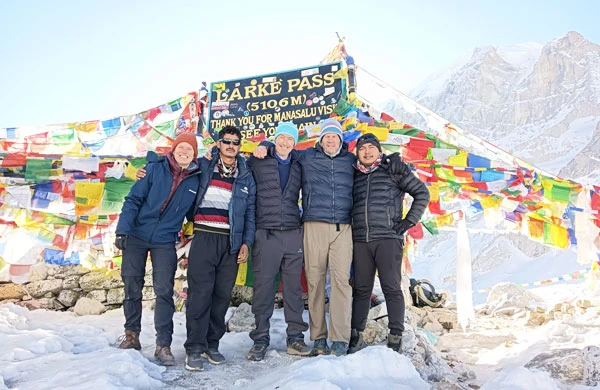
The Larke Pass!
Packing List for the Manaslu Circuit Trek in January and February
The winter packing should focus on reliable layers rather than carrying many clothes, the January generally requires the warmest setup, but February trekkers should bring the same high-altitude equipment because Samdo, Dharamsala, and Larkya La remain fully wintry.
Clothing and Insulation
Two moisture-wicking thermal base-layer sets
Fleece jacket or warm mid-layer
Heavy down jacket for high villages and evenings
Waterproof and windproof shell jacket
Waterproof over-trousers
Comfortable trekking trousers
Thermal leggings for cold mornings and nights
Warm clothes reserved for sleeping
Head and Hand Protection
Warm beanie
Sun hat
Neck gaiter or buff
Balaclava or face covering for the pass
Insulated waterproof gloves or mittens
UV-protective sunglasses suitable for snow glare
Footwear
Broken-in waterproof trekking boots
Several pairs of moisture-wicking trekking socks
Thick wool socks for evenings
Gaiters for snow and mud
Lightweight shoes or sandals for teahouses
Trekking poles
Sleeping and Teahouse Equipment
Four-season sleeping bag with a comfort rating around -20°C
Small hot-water bottle
Headlamp with spare batteries
Quick-drying travel towel
Snow and Trail Equipment
Microspikes are useful on firm snow and short icy sections because they fit over standard trekking boots. Technical crampons provide stronger traction on steeper or harder terrain but require compatible footwear and experience. Your guide should recommend the appropriate equipment after checking current Larkya La conditions.
Water, Electronics and Personal Items
Insulated drinking bottle and thermos
Water-purification tablets
High-capacity power bank
Spare camera and headlamp batteries
Sunscreen and protective lip balm
Personal medicines and compact first-aid kit
Hand warmers
Toiletries and hand sanitizer
Waterproof dry bags
Passport, permits, insurance details, and emergency contacts
Sufficient Nepali cash in small denominations
Keep essential layers, water, snacks, gloves, and valuables in your daypack. Pack the remaining equipment in a waterproof duffel for the porter. A lighter and carefully organized bag makes winter walking considerably more comfortable.
Expert Tips for the Manaslu Circuit Winter Trekking
Small decisions often make the greatest difference during a winter trek, and these practical tips can help make the journey warmer, smoother, and more enjoyable.
Confirm high-altitude teahouses before moving forward: Your guide should contact lodges around Samagaun, Samdo, Dharmasala, and Bhimthang instead of assuming they are open.
Include at least two buffer days: Extra time allows the itinerary to adapt naturally to snowfall, trail conditions, transport delays, or an additional acclimatization day.
Begin walking early but avoid rushing: An early start provides more daylight while a steady pace protects energy and supports acclimatization.
Follow local information: Weather applications are helpful, but reports from lodge owners, guides, and groups approaching from the opposite direction are often more relevant.
Keep electronics warm: Store batteries, phones, and power banks inside an inner jacket pocket during the day and inside the sleeping bag at night.
Protect cameras from condensation: Before entering a warm dining room, place the camera inside a sealed bag and allow it to warm gradually.
Carry a thermos and emergency snacks: Warm drinks and familiar high-energy food are valuable during long days or when a teahouse kitchen has limited supplies.
Choose similar group meals when practical: Ordering the same dish reduces cooking time and fuel consumption, which is especially helpful in remote winter villages.
Test winter equipment before the trek: Boots, gaiters, gloves, sleeping bags, and traction devices should be checked in advance rather than used for the first time near Larkya La.
Set a sensible turnaround time: Agreeing on this with the guide before pass day keeps decisions calm and objective.
Keep one complete clothing set dry: Reserve dry thermals and socks for sleeping, even if daytime clothing becomes damp.
Treat flexibility as part of the adventure: Winter reveals Manaslu at its own pace. An adjusted day or route can create unexpected cultural encounters and memorable moments.
Manaslu Winter Trek Planner and Pre-departure Checklist
A successful Winter trek begins with flexible and realistic planning. Use the following checklist before confirming your departure.
Before Booking
Consider whether you have previous multi-day, high-altitude, or winter trekking experience.
Choose January for a stronger deep-winter atmosphere or late February for longer days and gradually improving services.
Follow a properly acclimatized itinerary rather than selecting the shortest possible route.
Add at least two buffer days beyond the planned schedule.
Keep international flights flexible where possible.
Check that travel insurance covers trekking above 5,000 meters and helicopter evacuation.
Book through a registered Nepalese trekking company with experienced Manaslu guides.
The standard Manaslu Circuit Trek Itinerary provides the route framework, but winter departures may require additional flexibility.
Before Leaving Kathmandu
Obtain the restricted-area permit, MCAP, ACAP, and TIMS card.
Review the latest Manaslu weather and Temperature information.
Confirm road conditions and transport to the trailhead.
Check which teahouses are operating along the upper route.
Inspect the sleeping bag, down jacket, boots, gaiters, and traction equipment.
Carry sufficient Nepali cash because ATMs are unavailable on the route.
Share the itinerary and emergency contacts with family members.
During the Trek
Maintain a comfortable pace and protect acclimatization days.
Drink regularly and eat enough despite reduced winter thirst or appetite.
Keep essential clothing, water, snacks, and medicine in the daypack.
Ask the guide for updated lodge and trail information each evening.
Report headaches, unusual fatigue, numbness, or other discomfort promptly.
Reassess Larkya La conditions from Samagaun, Samdo, and Dharamsala.
Keep the final crossing decision flexible.
Final Planning Question
Ask yourself whether completing the exact itinerary is more important than enjoying the journey. The best winter trekkers remain ambitious but adaptable. They appreciate clear mountain mornings, warm village hospitality, and quiet Himalayan scenery while allowing local conditions to shape the experience.
FAQs: Manaslu Circuit Trek in Winter (January and February)
January or February: which month is better for the Manaslu Circuit Trek?
January offers the strongest deep-winter atmosphere, quieter villages, and a greater possibility of continuous snow, and February is generally more practical because daylight gradually increases and some services begin to improve. Late February usually provides the best balance between winter scenery and trekking comfort.
Is the Manaslu Circuit suitable for beginners in winter?
January and February are not ideal for a first high-altitude trekking experience. Previous multi-day trekking, good fitness, and familiarity with cold conditions are valuable. Beginners interested in Manaslu may find spring or autumn more comfortable because teahouses, trail conditions, and weather are generally more predictable.
Does it snow throughout the Manaslu Circuit in January and February?
The snowfall varies by elevation and recent weather; the lower villages may experience frost without continuous snow, while snow becomes more common around Lho, Samagaun, Samdo, Dharamsala, Larkya La, and Bhimthang. Sunny sections may clear quickly, whereas shaded slopes can retain snow and ice for longer.
Is crossing Larkya La guaranteed during winter?
No, seasonal departure cannot guarantee a Larkya La crossing, and conditions depend on recent snowfall, wind, visibility, snow depth, trail establishment, and the group’s progress. An experienced guide should make the final decision using local reports and direct observation rather than relying only on a weather application.
What happens if Larkya La Pass cannot be crossed?
The group may wait for conditions to improve, adjust the itinerary, or return through the same valley. Buffer days make these decisions less stressful. Turning around does not make the journey unsuccessful - the villages, monasteries, mountain views, and winter landscapes before the pass still create a rewarding Manaslu experience.
Are teahouses open in January and February?
Many lodges in lower and middle villages remain available, but fewer operate around Samagaun, Samdo, Dharamsala, and Bhimthang. Your guide should contact the high-altitude teahouses before the group continues toward Larkya La.
How many buffer days should I add to a winter itinerary?
At least two additional days are recommended; trekkers with flexible international flights may prefer three. Buffer days can accommodate snowfall, transport delays, an extra acclimatization night, changing lodge availability, or a short wait for better conditions around the pass.
How cold does the Manaslu Circuit become in January and February?
Lower valleys can feel mild in direct afternoon sunlight, and around Samagaun and Samdo, nights may fall between approximately -10°C and -18°C. Temperatures around Dharamsala and Larkya La can be lower, particularly before sunrise and during strong wind. These are planning ranges, not guaranteed forecasts.
Do I need microspikes or crampons for Larkya La?
Microspikes are useful on firm snow and short icy sections. Technical crampons may be appropriate when the surface is harder or steeper, but they require compatible boots and experience.
What sleeping bag is suitable for a January or February trek?
A four-season sleeping bag with a comfort rating around -20°C is recommended for the upper route. Check the comfort rating rather than relying only on the lower-limit or extreme rating. A liner, dry sleeping clothes, warm socks, and a hot-water bottle provide additional comfort.
Can drinking water freeze during the trek?
Yes, water may freeze overnight in high villages and during the early Larkya La start. Use an insulated bottle or thermos, carry bottles upside down, and keep them inside the sleeping bag overnight. If using a hollow-fiber filter, prevent it from freezing because internal ice can damage it.
Is mobile coverage available on the Manaslu Circuit in winter?
Mobile coverage is intermittent and should not be treated as dependable. A signal may be available in some lower or larger villages, but coverage becomes weaker along remote sections and near Larkya La.
Can I charge my phone and camera batteries?
Charging is available at some teahouses for an additional fee, but it becomes less dependable at higher elevations. Carry a high-capacity power bank and spare batteries. Keep electronics warm because batteries lose charge more quickly in cold conditions, especially overnight.
Does winter increase the possibility of altitude sickness?
Altitude illness is primarily related to elevation and rate of ascent rather than the season. However, cold weather may reduce thirst and make tiredness harder to interpret. Maintain acclimatization days, drink regularly, ascend gradually, and tell the guide immediately if headaches, nausea, dizziness, or unusual fatigue develop.
Can winter weather affect transport to the trailhead?
The road to MachhaKhola lies at a relatively low elevation, so heavy snow is uncommon. However, road construction, rain, vehicle problems, or local conditions can still cause delays. Confirm transport shortly before departure and avoid scheduling an international flight immediately after the expected return.
Can an individual traveler obtain a Manaslu permit in 2026?
Yes, following Nepal’s March 2026 restricted-area permit update, an individual foreign traveler no longer needs a second trekker for the application. However, independent trekking is still not permitted. The permit must be arranged through a registered trekking agency, and a licensed guide remains compulsory.
Is a porter necessary for a winter Manaslu trek?
A porter is not legally compulsory, but hiring one can make the trek more comfortable. Winter sleeping equipment and extra clothing increase luggage weight. Carrying a lighter daypack helps conserve energy, maintain balance on snowy sections, and enjoy the scenery more fully.
What should winter trekking insurance cover?
Insurance should explicitly cover trekking to at least 5,200 meters, emergency helicopter evacuation, medical care in Nepal, trip interruption, and winter-related delays. Read the exclusions carefully because some standard policies do not cover remote trekking, high altitude, or evacuation unless an additional activity package is purchased.
Conclusion: Is the Manaslu Winter Trek Worth It?
The Manaslu Circuit Trek in January and February offers a side of the Himalayas that few travelers experience. The snow-bright valleys, quiet villages, clear mountain horizons, and warm teahouse evenings give the journey a peaceful character that feels entirely different from the busy trekking seasons.
January is best for experienced travelers who are seeking the deepest winter atmosphere. February – particularly later in the month – usually offers a more balanced combination of snowy scenery, longer daylight, and gradually improving services. Neither month should be approached with a rigid schedule. The most rewarding winter journeys are shaped by preparation, patience, and a willingness to follow local conditions.
With suitable equipment and an experienced Outfitter Himalayan guide, the trek can become an inspiring high-altitude adventure filled with remarkable landscapes and meaningful cultural encounters. If you are ready to experience Manaslu during its quietest season, contact Outfitter Himalaya to discuss current conditions and create a carefully planned winter itinerary.
The Ghorepani Poon Hill Trek in March combines the beginning of rhododendron season with warming days and opportunities for clear Himalayan views. Sunrise at 3,210 meters remains cold, and higher paths can still have snow [...]
The Annapurna Circuit Trek covers approximately 102 kilometers of walking on Outfitter Himalaya’s classic 15-day itinerary, including the Manang acclimatization hike. The journey unfolds through riverside forests, mountain villages and open valleys before crossing Thorong La [...]
The Annapurna Circuit Trek costs about USD 650–1,900 per person with Outfitter Himalaya, depending on the itinerary, group size, and services included. Outfitter Himalaya’s 15-day Classic Annapurna Circuit Trek has published group-size prices of USD [...]