The Annapurna Base Camp Trek in April is a popular spring trek in Nepal, offering blooming rhododendron forests, longer daylight hours, and generally pleasant walking conditions at lower and mid elevations. At higher elevations, including Machhapuchhre Base Camp and Annapurna Base Camp (4,130 meters), temperatures remain cold, and snow or changing weather can still affect trail conditions.
April is a good choice for trekkers who want to combine spring scenery with a journey into the Annapurna Sanctuary, and the route through Ghorepani and Poon Hill adds colorful forests and mountain viewpoints, while the final approach to ABC reveals the sanctuary's dramatic peaks.
This guide explains April weather and temperatures, snow conditions, crowds, trekking difficulty, packing requirements, itinerary options, and practical planning advice to help you prepare for your Annapurna Base Camp adventure.
Annapurna Base Camp Trek in April: Quick Facts
Factor
What to expect
Season
Spring trekking season
Weather
Generally milder in lower areas; cold at higher elevations
Highest point
Annapurna Base Camp, 4,130 meters
Rhododendrons
Often flowering, depending on elevation and yearly conditions
Crowds
April is a popular trekking month
Snow
Possible on higher sections
Difficulty
Moderate for well-prepared trekkers; sustained climbs and descents
Packing
Layered clothing, rain protection, warm insulation, and suitable footwear
Best preparation
Fitness training, flexible planning, and checking current trail conditions
What Makes April Special on the ABC Trek?
April is one of the most enjoyable months for the Annapurna Base Camp Trek, offering spring scenery, blooming rhododendrons, and generally favorable trekking conditions at lower and mid elevations. As you ascend toward the Annapurna Sanctuary, the landscape changes from green forests and mountain villages to rugged cliffs, snow-covered peaks, and colder alpine surroundings. The combination of spring landscapes and dramatic Himalayan views makes April a rewarding time to explore the Annapurna region.
Rhododendron Forests and Spring Scenery
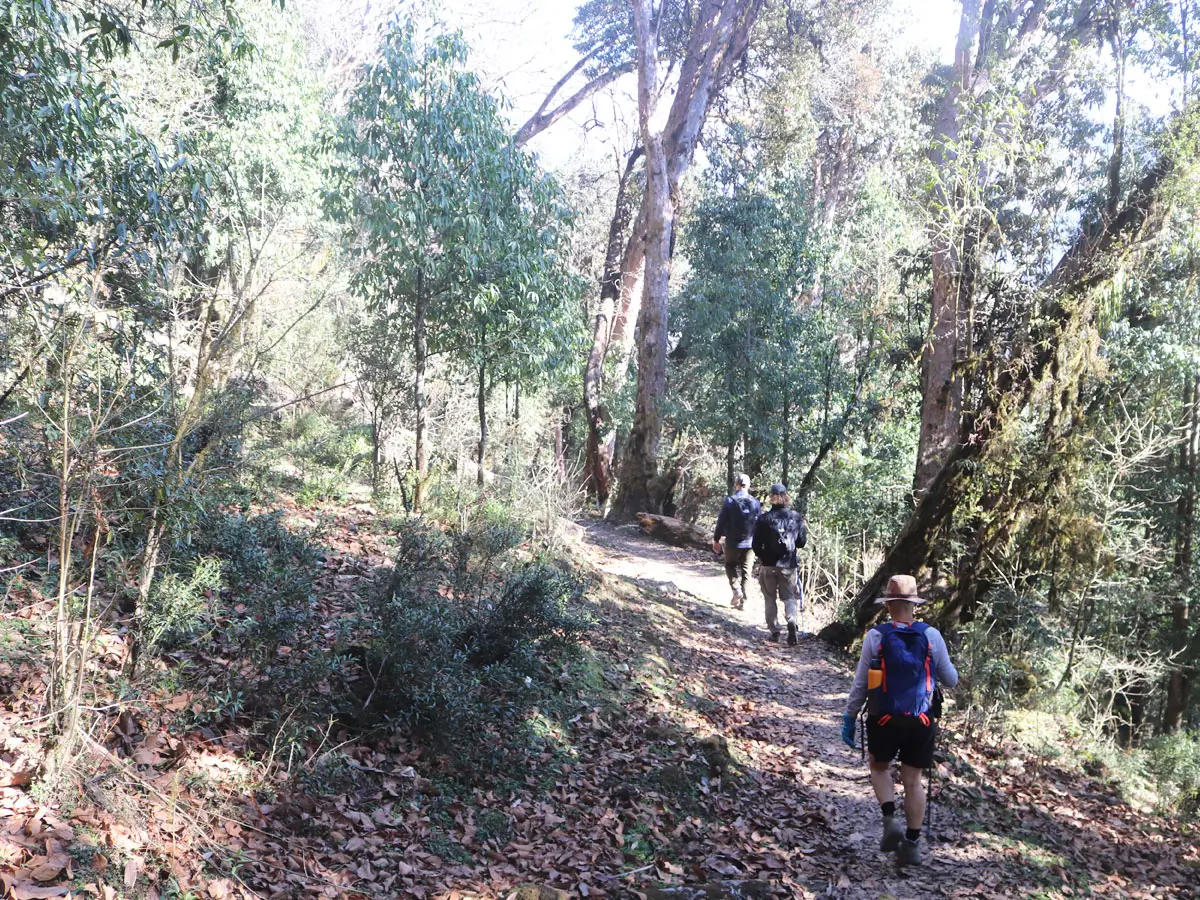
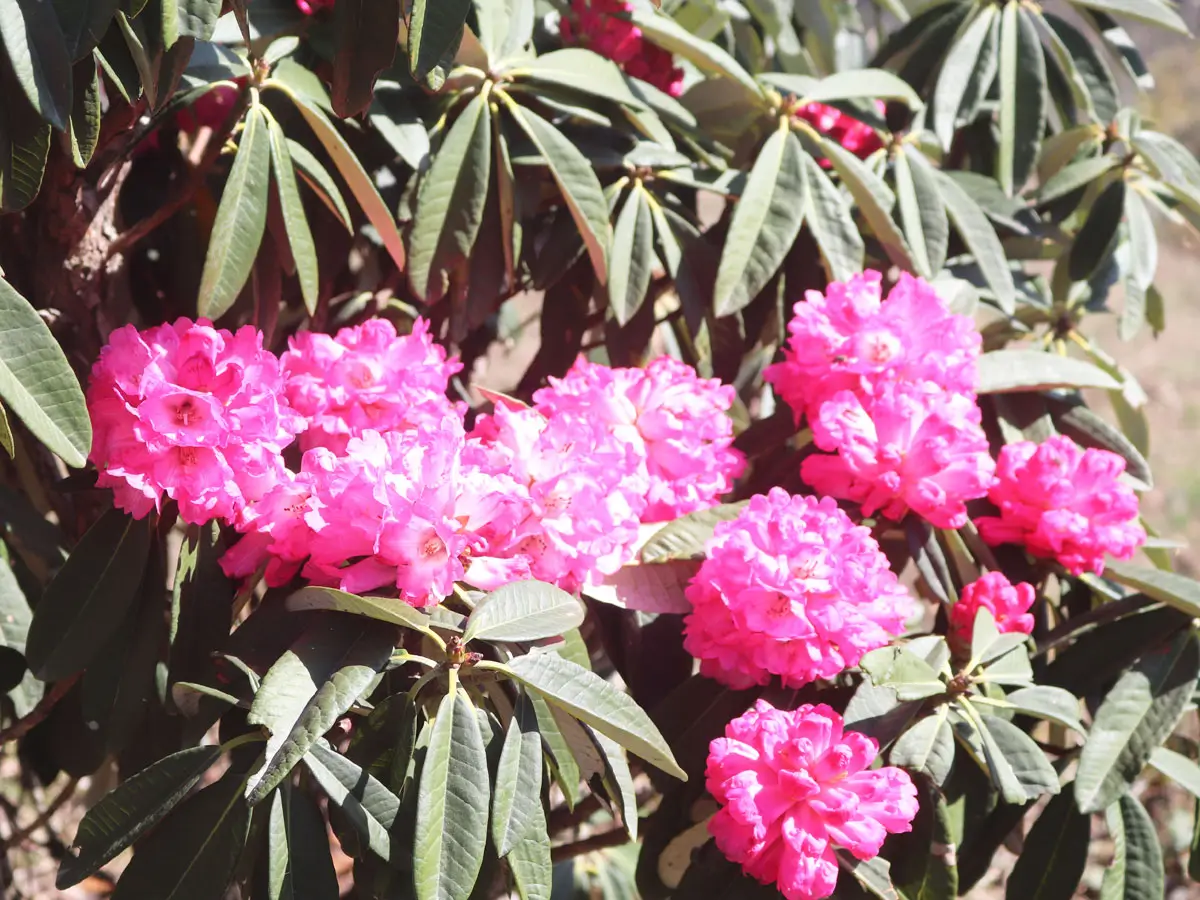
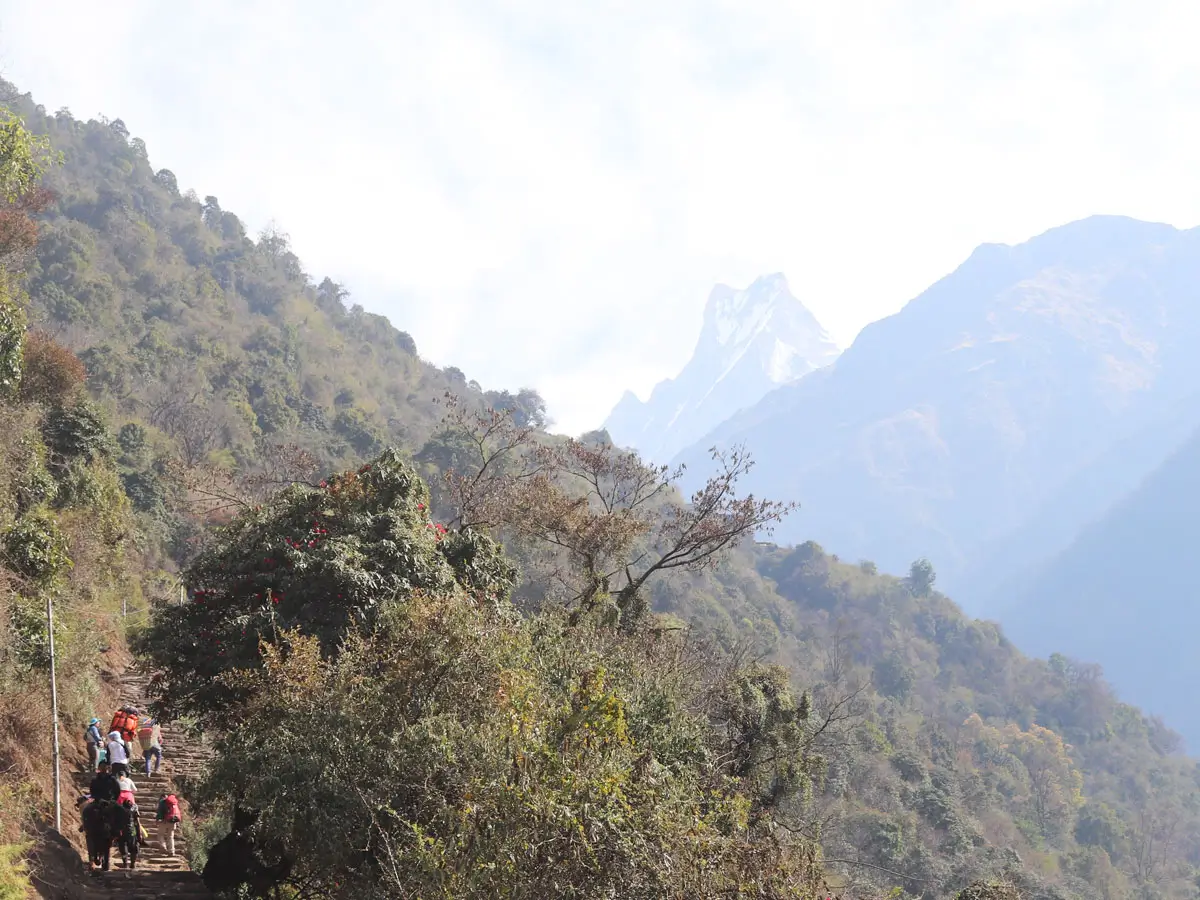
April brings color to the trails around Ghorepani, Tadapani, and other forested sections of the Annapurna region. Rhododendrons, Nepal's national flower, may bloom in shades of red, pink, and white, depending on elevation and seasonal conditions. Walking through these forests, with mountain views appearing between the trees, adds a beautiful spring atmosphere to the journey toward Annapurna Base Camp.
Poon Hill Sunrise and Mountain Views
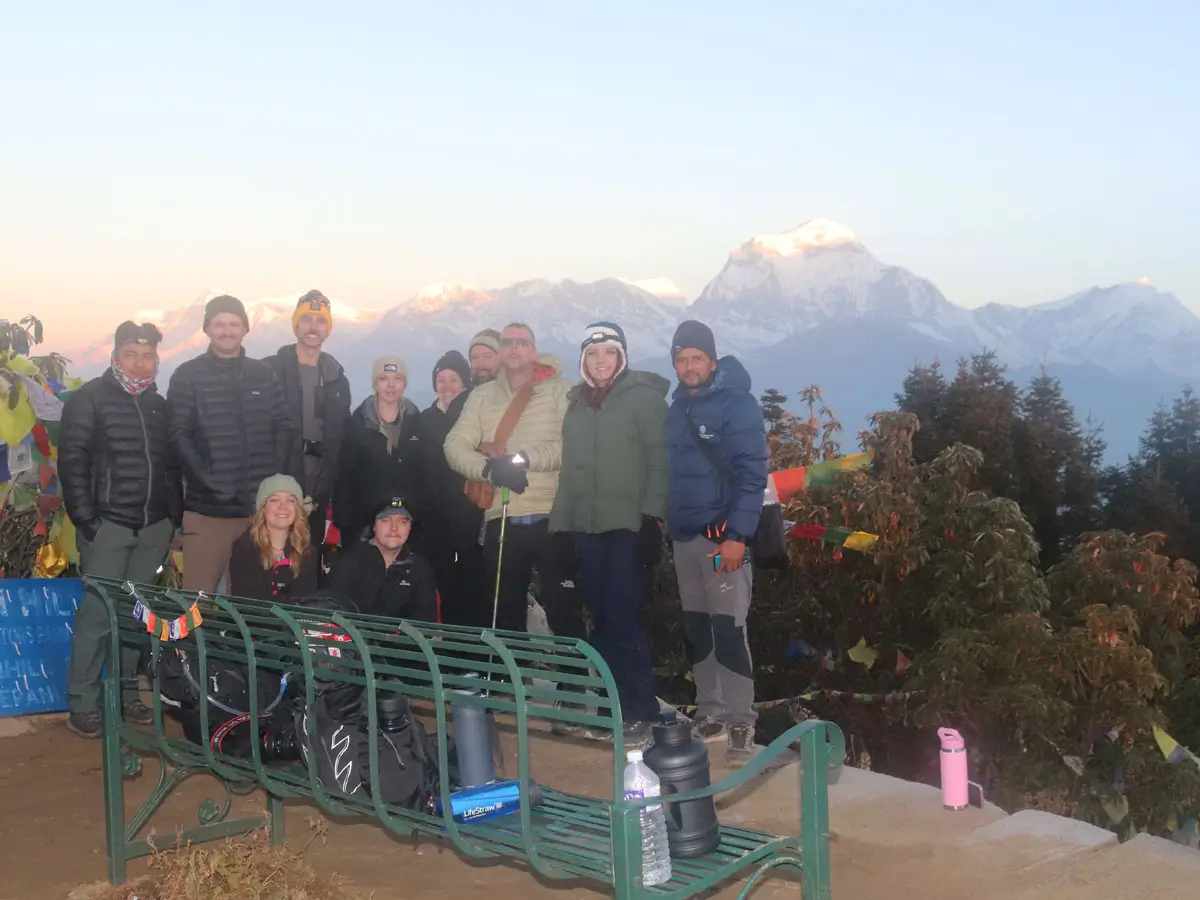
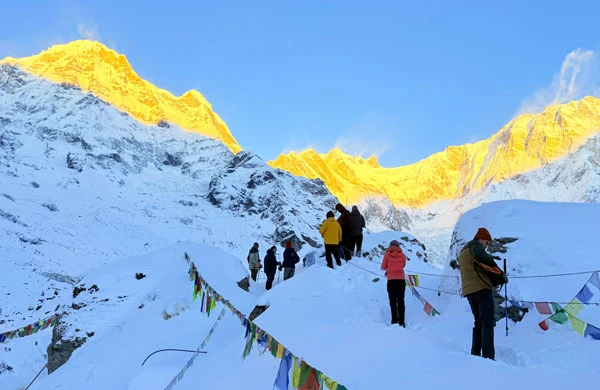
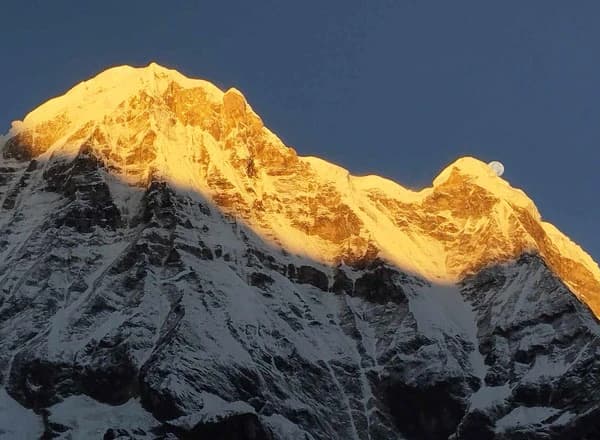
An early morning climb offers the chance to watch the sunrise over the Annapurna and Dhaulagiri mountain ranges; our classic 14-Day Annapurna Base Camp Trek and Annapurna Base Camp poon hill -9 Days includes Ghorepani and poon hill Visit. As the first light reaches the peaks, the surrounding valleys and ridges gradually come into view. April's spring scenery adds to the experience, although visibility depends on the weather and cloud conditions.
Annapurna Sanctuary and the High Mountains
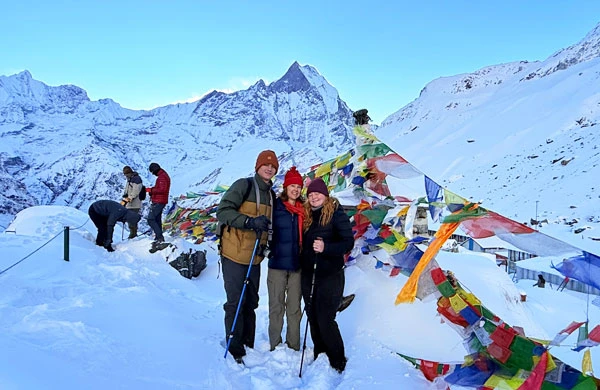
As the trail moves deeper into the Annapurna Sanctuary, the scenery becomes more dramatic, with towering mountain walls, rocky landscapes, and snow-covered peaks surrounding the route. Reaching Annapurna Base Camp at 4,130 meters offers an unforgettable view of the Himalayan amphitheater, including Annapurna South, Annapurna I, Hiunchuli, and Machhapuchhre. Even in spring, temperatures at higher elevations can remain very cold, so proper clothing and preparation are essential.
Planning Your Annapurna Base Camp Trek
April is a popular month for the Annapurna Base Camp Trek, but the best time to visit depends on your preferred weather, scenery, trail conditions, and tolerance for crowds. If you are still comparing trekking seasons, read our Best Time to Trek Annapurna Base Camp guide for a month-by-month overview of weather, trail conditions, and the experiences available throughout the year.
The poon hill and Himalaya!
Advantages and Disadvantages of Trekking to Annapurna Base Camp in April
April combines spring color with comfortable walking conditions, and its popularity also brings practical trade-offs, particularly when choosing accommodation and planning your daily schedule.
Advantages of Choosing April
Spring rhododendron blooms: The forests around Ghorepani and Tadapani can be especially colorful, although flowering varies with elevation and annual weather.
Longer daylight hours: Longer spring days can provide more flexibility for walking, rest stops, and enjoying mountain views.
Comfortable lower-elevation walking: Lower and middle sections are generally milder than in winter, while higher elevations remain cold.
Mountain scenery: April combines spring landscapes with snow-covered peaks and the dramatic surroundings of the Annapurna Sanctuary.
Challenges and Preparation
Busy trekking routes: April is a popular trekking month, so popular teahouses and viewpoints may be busy.
Cold nights at higher elevations: Temperatures around Machhapuchhre Base Camp and Annapurna Base Camp can fall below freezing.
Changing weather: Clouds, rain, snow, and trail conditions can vary, particularly in the higher sanctuary.
Sustained uphill and downhill walking: The trek includes stone steps, climbs, and several consecutive days of walking, so physical preparation is important.
Plan with flexibility, use appropriate layers, and follow your guide's advice regarding weather and current trail conditions.
How Crowded Is the Annapurna Base Camp Trek in April?
April is a popular spring trekking month, so you may encounter more trekkers on the main route and at popular overnight stops. Accommodation availability can be more limited near busy villages and higher sections of the sanctuary.
If you prefer specific accommodation arrangements or are traveling with a group, book ahead and discuss the options with your local trekking company. Stay flexible with room arrangements, especially at higher elevations where lodge capacity is limited.
Activity levels vary by date, route, and weather, so April shouldn't be treated as equally busy every day.
What Is the Weather and Temperature Like at Annapurna Base Camp in April?
April brings spring warmth to the lower Annapurna hills, making daytime walks through villages and flowering forests particularly enjoyable. Higher up, the atmosphere changes: sunshine may feel warm on your face, but shaded paths, exposed viewpoints, and evenings in the sanctuary remain cold. This contrast is an important part of planning a April Annapurna Base Camp Trek.
How Warm Are the Days and How Cold Are the Nights?
The temperatures below are approximate planning estimates, not a daily forecast. Actual conditions vary with weather, elevation, wind, cloud cover, and the year. Check current forecasts and trail information before departure.
Overnight stop
Approximate daytime temperature
Approximate nighttime temperature
Ghorepani
12°C to 21°C
5°C to 9°C
Tadapani
11°C to 21°C
4°C to 10°C
Chhomrong
13°C to 22°C
6°C to 10°C
Himalaya
5°C to 12°C
−2°C to 3°C
Annapurna Base Camp
0°C to 7°C
−7°C to −2°C
Our Tips
Prepare for both comfortable walking and cold stops; layers that you can remove during an uphill climb and put back on during breaks are more practical than relying on one heavy jacket. At higher lodges, warm evening clothing and a suitable sleeping bag remain essential.
Will the Mountains Be Clear Throughout the Day?
Mornings often offer better viewing, while clouds can build in the afternoon. Spring showers are possible, and precipitation may fall as snow higher up. Keep rain protection accessible even when the day begins brightly.
Is Early April Different from Late April?
Early April: Expect cooler mornings and a greater winter feel at higher elevations. Older snow can remain on shaded sections.
Late April: Lower trails generally become warmer, with longer daylight and the possibility of more afternoon cloud or showers, and nights at base camp can still freeze.
These are seasonal tendencies, not dependable weekly patterns; an individual weather system can change conditions at either end of the month. Before entering the upper sanctuary, check the forecast and recent trail reports with your guide. Snow and avalanche conditions require separate assessment.
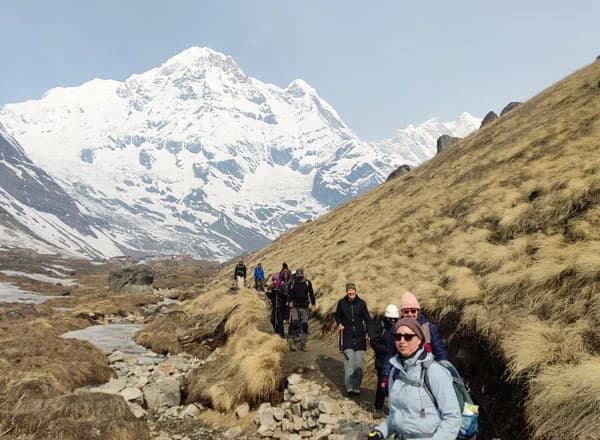
ABC Trail in April!
Early, Mid or Late April: Which Should You Choose?
April gradually becomes warmer, but conditions overlap between these periods. Flowering also varies with elevation and the weather.
Early April: Cooler Walks and Spring Color
Early April suits travelers who prefer cooler walking conditions, as rhododendrons already brighten the middle-elevation forests while the upper sanctuary retains a cool feel.
Mid-April: Flowers and Comfortable Walking Days
Mid-April is an appealing choice for combining spring flowers with milder daytime walking. Forest sections around Ghorepani and Tadapani can be particularly colorful.
Late April: Warmer Hillsides and Increasing Greenery
Lower trails generally feel warmer towards the end of April. Afternoon cloud and showers may become more noticeable; the rhododendrons are still flowering, while nights near base camp can remain freezing.
Our recommendation: Consider mid-April for a balance of spring color and comfortable walking. Choose earlier dates if you prefer cooler conditions, or later dates for warmer lower trails.
How Does April Weather Change Throughout The Day?
Morning: Expect a chilly start, especially higher up. Mornings often offer clearer mountain views.
Afternoon: Lower trails feel warmer, while clouds may build and showers can develop.
Night: Temperatures fall sharply after sunset, with freezing conditions possible around Machhapuchhre Base Camp and ABC.
How Difficult Is the Annapurna Base Camp Trek in April?
The ABC trek in April is generally moderate and can suit well-prepared beginners. You don't typically need technical climbing skills, but you should be comfortable walking uphill and downhill for several consecutive days. On the classic Annapurna Base Camp itinerary, most trekking days involve five to seven hours of walking, with some longer stages.
The main physical challenges are repeated stone staircases, sustained climbs, and tired legs on the descent. April's milder weather makes the journey more comfortable, although snow on the upper trail can slow progress. Prepare with regular hill walks, stair climbing and longer outings in the boots and daypack you plan to use. Include downhill walking in your preparation, too.
Altitude also matters because Annapurna Base Camp stands at 4,130 meters. Good fitness helps with walking but does not prevent altitude sickness. Choose an itinerary that allows appropriate acclimatization, and tell your guide promptly about headaches, nausea, or unusual fatigue. Do not ascend with symptoms of altitude illness; worsening symptoms require descent and medical attention. Review the Altitude and AMS section on ABC Trek.
For your first Himalayan trek, discuss your walking experience and preferred pace with the trekking team before choosing an itinerary.
What Are Accommodation and Meals Like in April?
Teahouse and Advance Booking
You'll stay in local teahouses along the trekking route, usually with simple beds, blankets, and a communal dining area. Some lower villages offer rooms with attached bathrooms, while shared bathrooms and rooms with several beds become more common higher in the sanctuary.
April is a busy trekking month, so arrange overnight stays through your trekking team in advance. Be flexible about room arrangements, particularly near base camp, where accommodation choices are limited. Hot showers, charging, and Wi-Fi may cost extra, and availability varies between lodges; you can find more information about available accommodation on the ABC blog.
Meals and Drinking Water
Teahouse menus commonly included dal bhat, noodles, soups, potatoes, eggs, and rice dishes. A warm meal becomes especially welcome after the cooler walking stages higher up. Vegetarian choices are widely available, although menus become simpler as you approach base camp.
On our Annapurna Base Camp trek, breakfast and dinner are served at your overnight lodge, with lunch at a teahouse along the route. Tell the team about dietary requirements before departure so you can discuss arrangements.
Carry a refillable bottle and use properly treated drinking water. Allow a separate budget for drinks, snacks, and personal lodge services beyond your package inclusions. We have a dedicated blog on meals and drinks for the Annapurna Base Camp trek for more information.
What Should You Pack for the Annapurna Base Camp Trek in April?
Pack for Warm walks through the lower hills, chilly mountain evenings, and occasional wet weather. Light, adjustable layers help you stay comfortable as temperatures change throughout the day.
Walking clothes: Breathable shirts, trekking trousers and a fleece for cooler stretches.
Warm layers: An insulated jacket, thermal base layers, a warm hat and gloves for the upper sanctuary.
Rain protection: A waterproof jacket and trousers, plus a waterproof liner to keep your belongings dry.
Footwear: Broken-in hiking boots with reliable grip, spare trekking socks and trekking poles.
Sleeping equipment: A sleeping bag with a comfort rating suitable for the expected freezing nights.
Daypack essentials: Sunglasses, sunscreen, sunhat, refillable water bottle, headlamp, snacks and personal medication.
Keep rainwear and a warm layer accessible during the walk. Before departure, ask your guide whether current snow or ice conditions call for additional traction, such as microspikes.
Which Annapurna Base Camp Itinerary Should You Choose in April?
For travelers drawn to April’s flowering forests, the Ghorepani-Poon Hill route is a rewarding choice. It combines rhododendron walks and a sunrise viewpoint with the journey into the Annapurna Sanctuary.
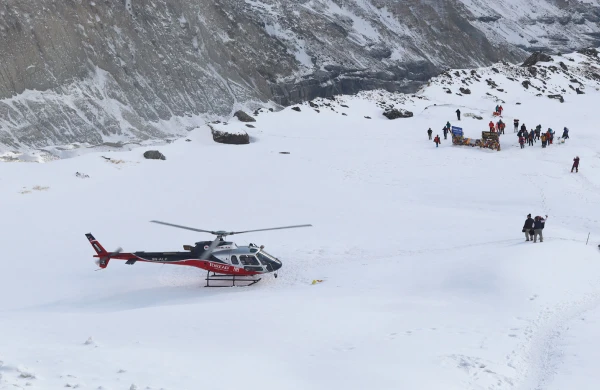
Starts and ends in Kathmandu including 4 star hotel in Kathmandu and Pokhara and Return by Helicopter flight from ABC to Pokhara.
Looking for the right Annapurna Base Camp Trek itinerary? Compare the available packages, walking duration, inclusions, and prices with Outfitter Himalaya before choosing your April departure.
Frequently Asked Questions About the Annapurna Base Camp Trek in April
Is April Better Than October for the ABC Trek?
Choose April for rhododendron forests and Spring scenery, and October for clearer post-monsoon mountain views. Both are popular trekking months, with cold nights at higher elevations. Your preferred scenery can help you choose between spring and autumn.
Can Snow Affect the Trek in April?
Yes. Snow and ice can remain on higher sections, and fresh snowfall is possible. Access depends on current conditions, so allow flexibility if your guide recommends waiting or turning back. Clear skies alone do not confirm that avalanche-exposed sections are safe.
How Early Should I book an April Trek?
Book once your travel dates are settled, particularly if you have specific room preferences. April is a busy trekking month, so confirm accommodation arrangements with your trekking company and remain flexible about rooms higher on the route.
What Travel Insurance Do I Need for ABC Trek in April?
Choose insurance that covers trekking at your itinerary's highest elevation, emergency medical treatment, and mountain rescue, including helicopter evacuation. Check the altitude limit carefully if adding Mardi Himal, and read the policy's exclusions and rescue arrangements before buying.
How Cold Is Annapurna Base Camp in April?
Approximate planning temperatures at ABC are 0°C to 7°C during the day and −7°C to −2°C at night. These are operator estimates, and conditions can be colder.
Is April Suitable for First-Time Trekkers?
Yes, April can suit well-prepared beginners. Expect repeated staircases and several consecutive walking days, often lasting five to seven hours. Practice uphill and downhill hiking beforehand, and discuss daily walking demands and acclimatization with your trekking team when choosing your Annapurna Base Camp itinerary.
Is the Ghorepani–Poon Hill route necessary for the Annapurna Base Camp Trek in April?
No. The route depends on your itinerary and starting point. The Ghorepani–Poon Hill option adds rhododendron forests and a sunrise viewpoint, while shorter itineraries may use a different approach and skip Poon Hill.
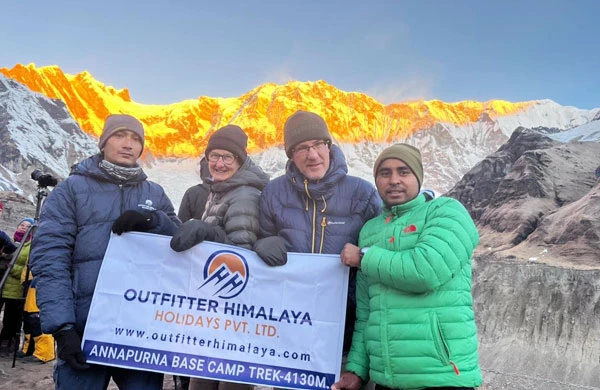
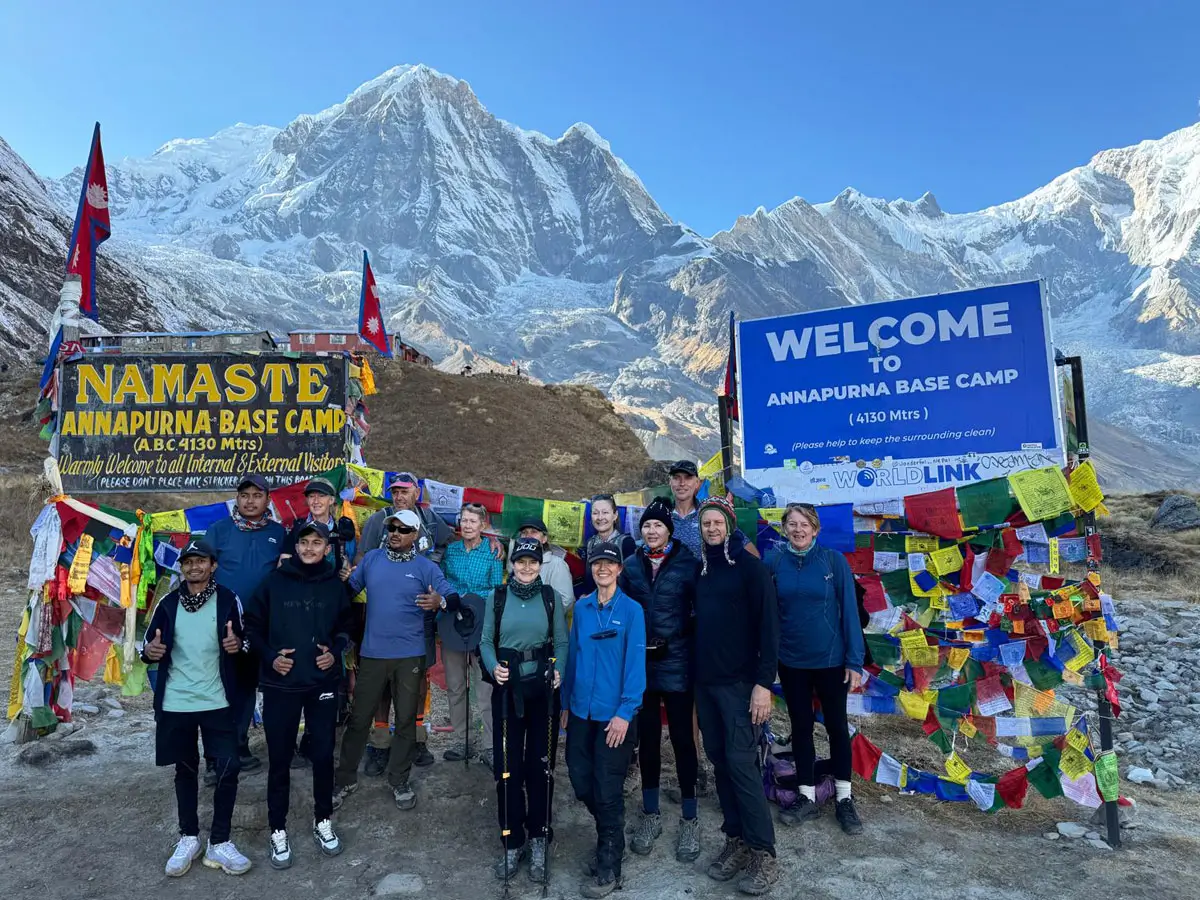
Our Clients reached ABC in April!
Annapurna Base Camp Trek: Month-by-Month Guides
Planning your trek for a different month? Each month brings different weather conditions, scenery, and trail experiences. Explore our month-by-month guides to learn the best time to visit Annapurna Base Camp.
Conclusion: Is April the Right Month for Your Annapurna Base Camp Trek?
April is a rewarding choice for travelers who want spring color alongside Himalayan scenery. Flowering forests, sociable teahouse evenings and the first sunlight on the sanctuary’s snowy walls give the journey a memorable variety. Come prepared for busy lodges, changing weather and cold nights at higher elevations. Choose an itinerary that suits your walking experience, and leave room to adjust when mountain conditions require it.
The Annapurna Circuit Trek covers approximately 102 kilometers of walking on Outfitter Himalaya’s classic 15-day itinerary, including the Manang acclimatization hike. The journey unfolds through riverside forests, mountain villages and open valleys before crossing Thorong La [...]
The Annapurna Circuit Trek costs about USD 650–1,900 per person with Outfitter Himalaya, depending on the itinerary, group size, and services included. Outfitter Himalaya’s 15-day Classic Annapurna Circuit Trek has published group-size prices of USD [...]
Foreign trekkers need a trekking permit to trek the Annapurna Circuit, and we suggest settling it before you head out. Arranging the correct paperwork before departure helps avoid extra charges and interruptions once your journey [...]